Brazil
Brasil
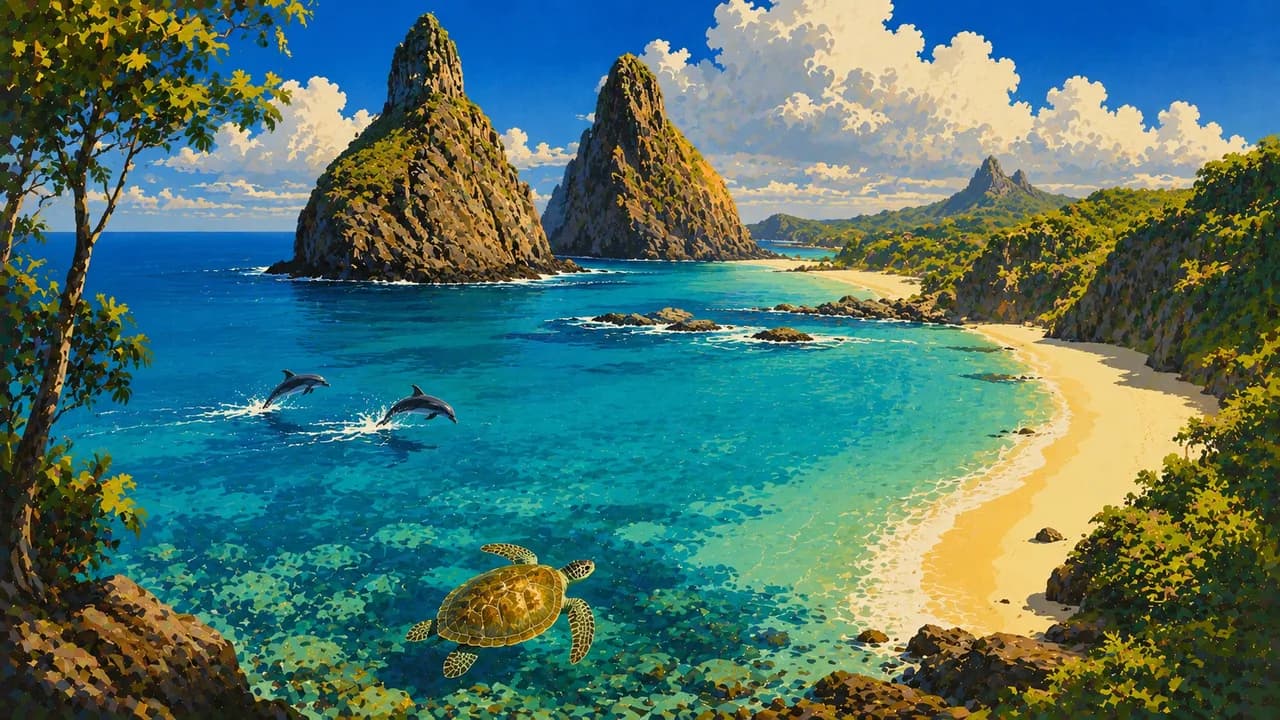
Lush nature, sweeping Atlantic beaches and a vibrant culture of music, colour and regional flavours.
Worth coming back!
Wanderlama keeps growing with new destinations, helpful information and exciting features. Check back soon and discover what is new!
Travel to Brazil
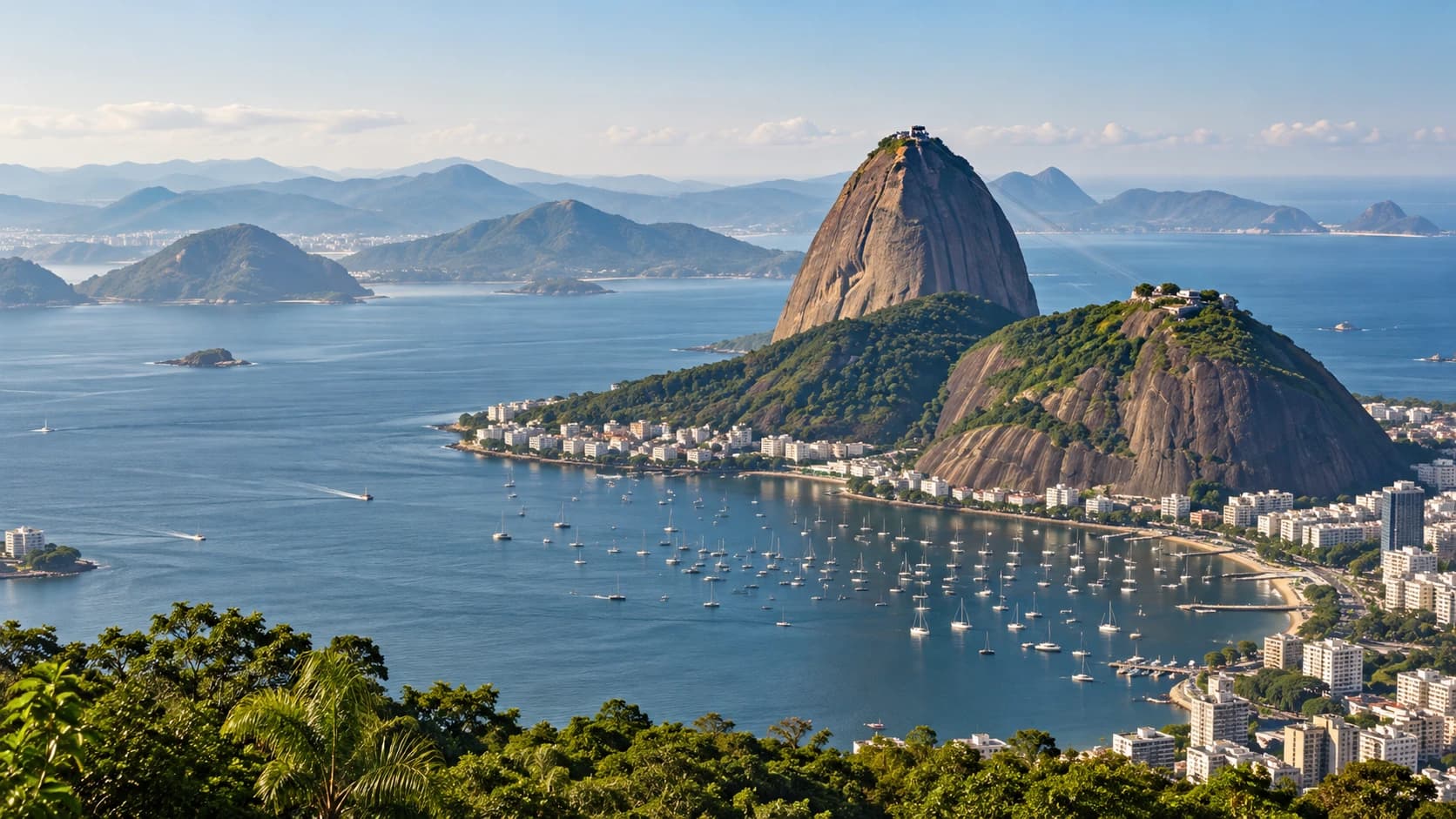
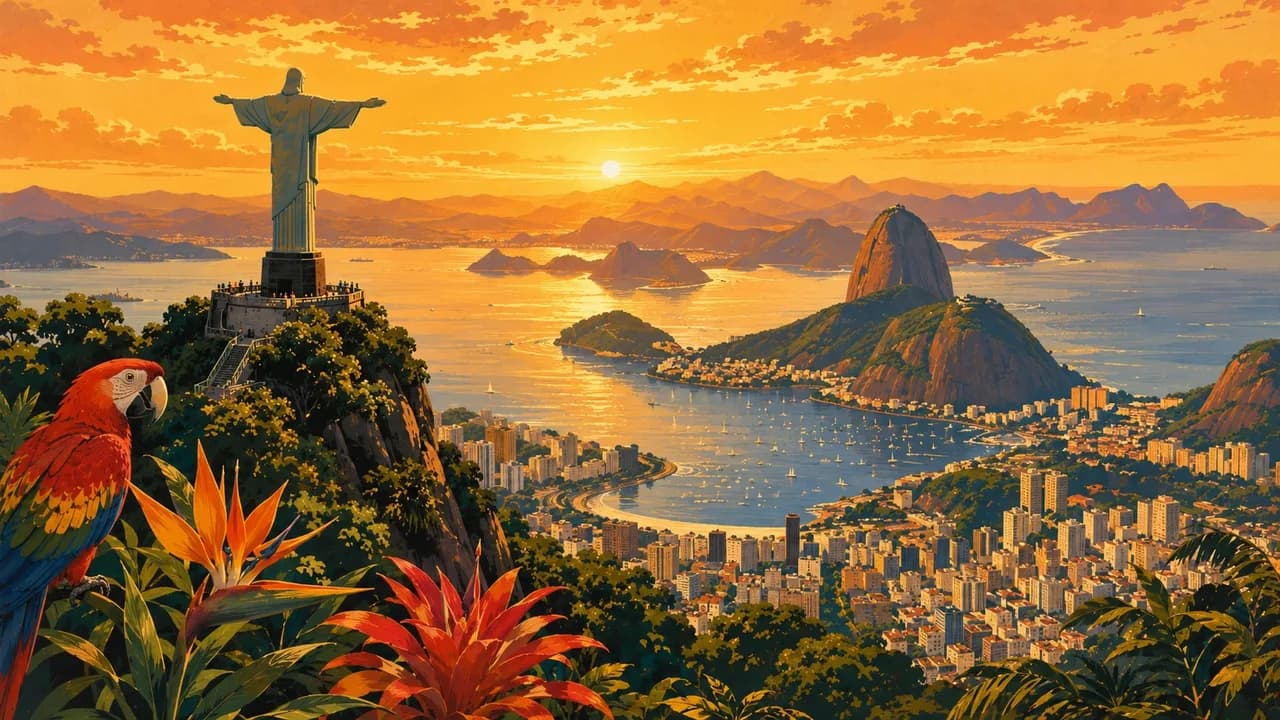
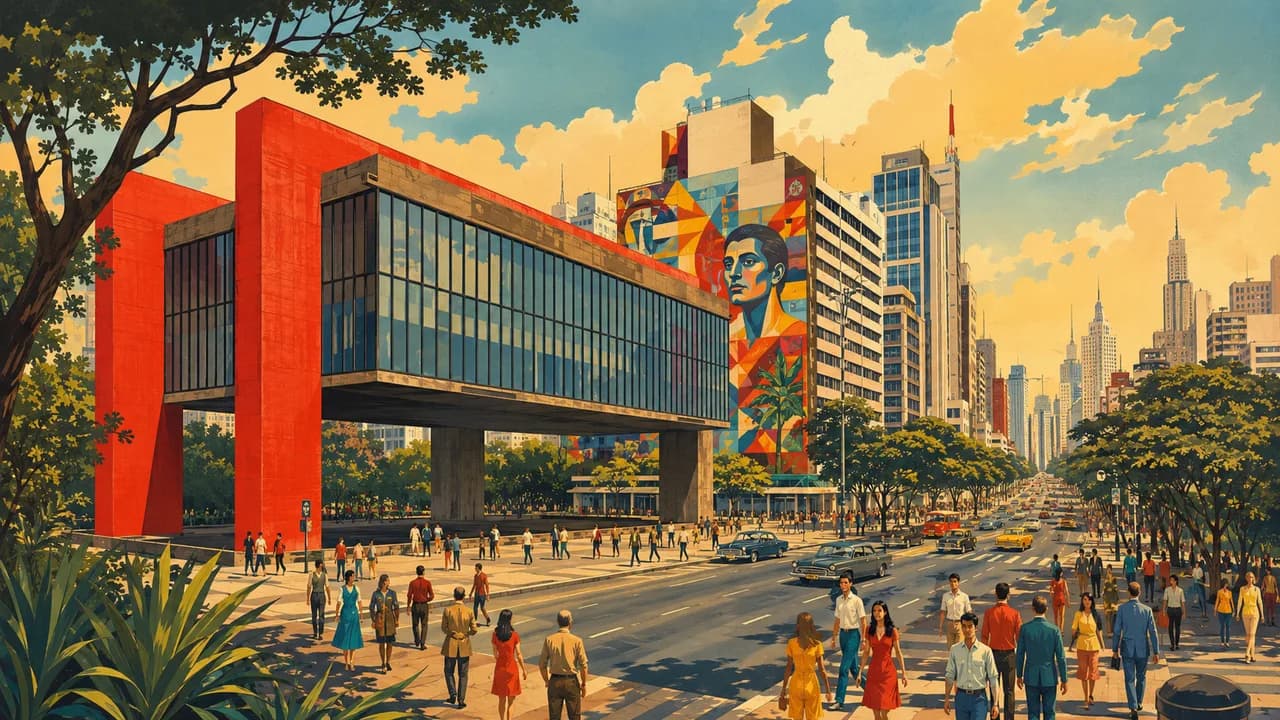
Brazil covers nearly half of South America, spanning Amazon rainforest, savannas, wetlands and thousands of kilometres of Atlantic coast. Rio de Janeiro combines beaches, Carnival and mountain scenery around Christ the Redeemer and Sugarloaf Mountain. São Paulo offers museums and diverse food, while the capital Brasília showcases modernist architecture.
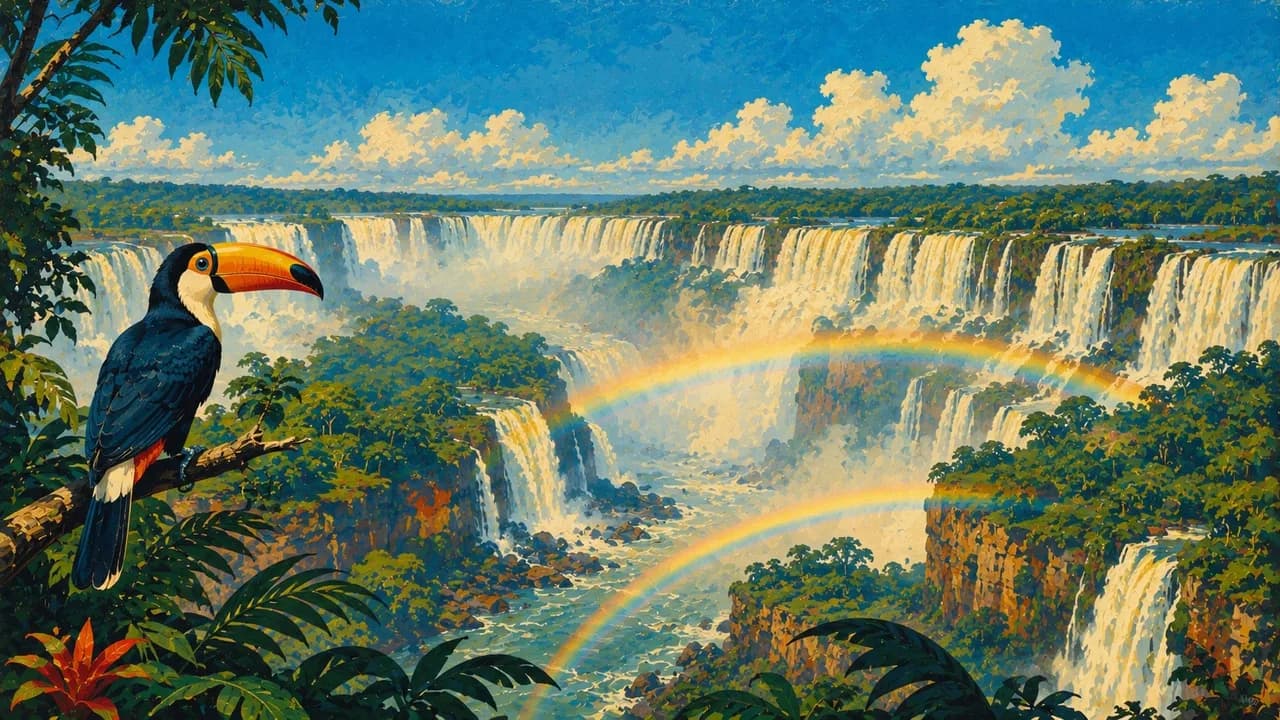
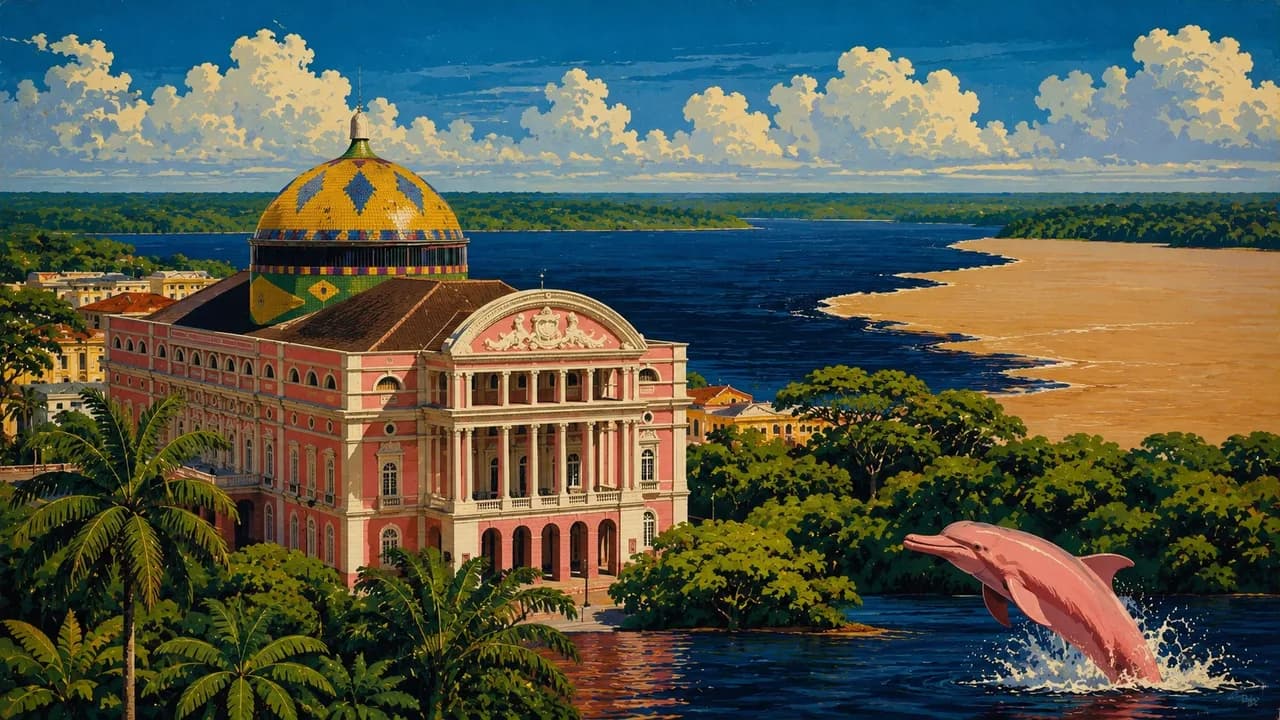
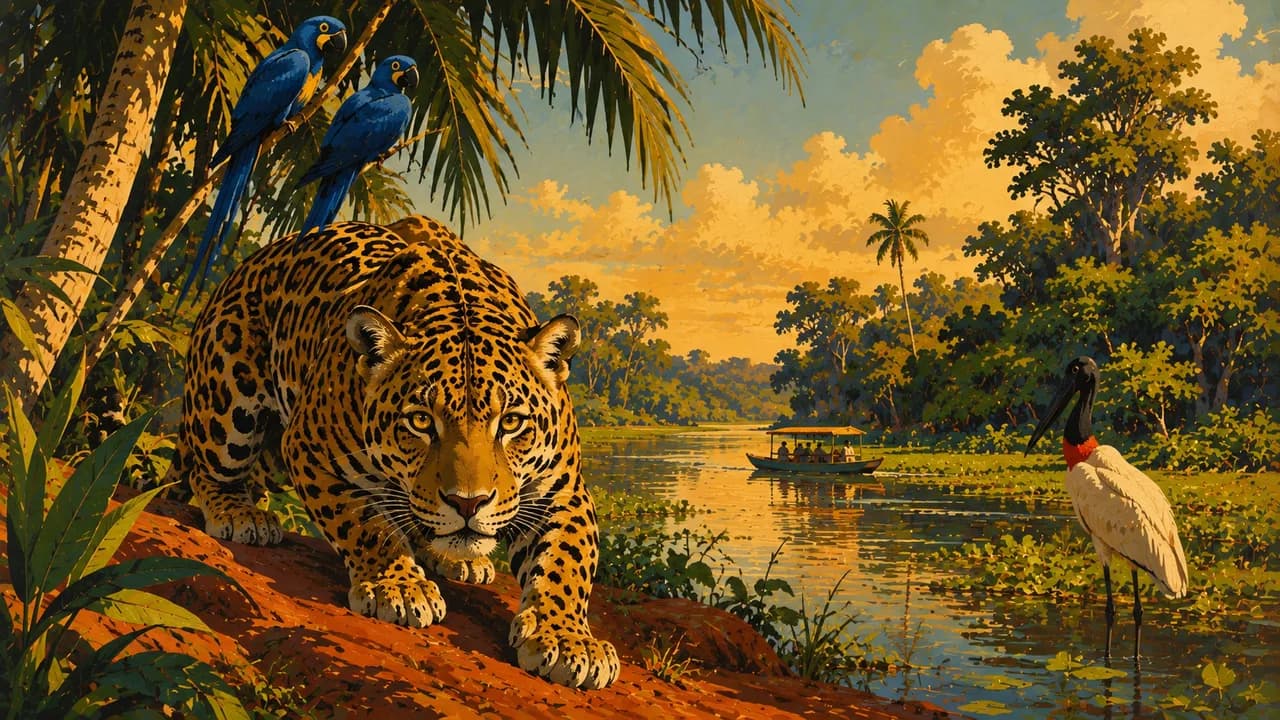
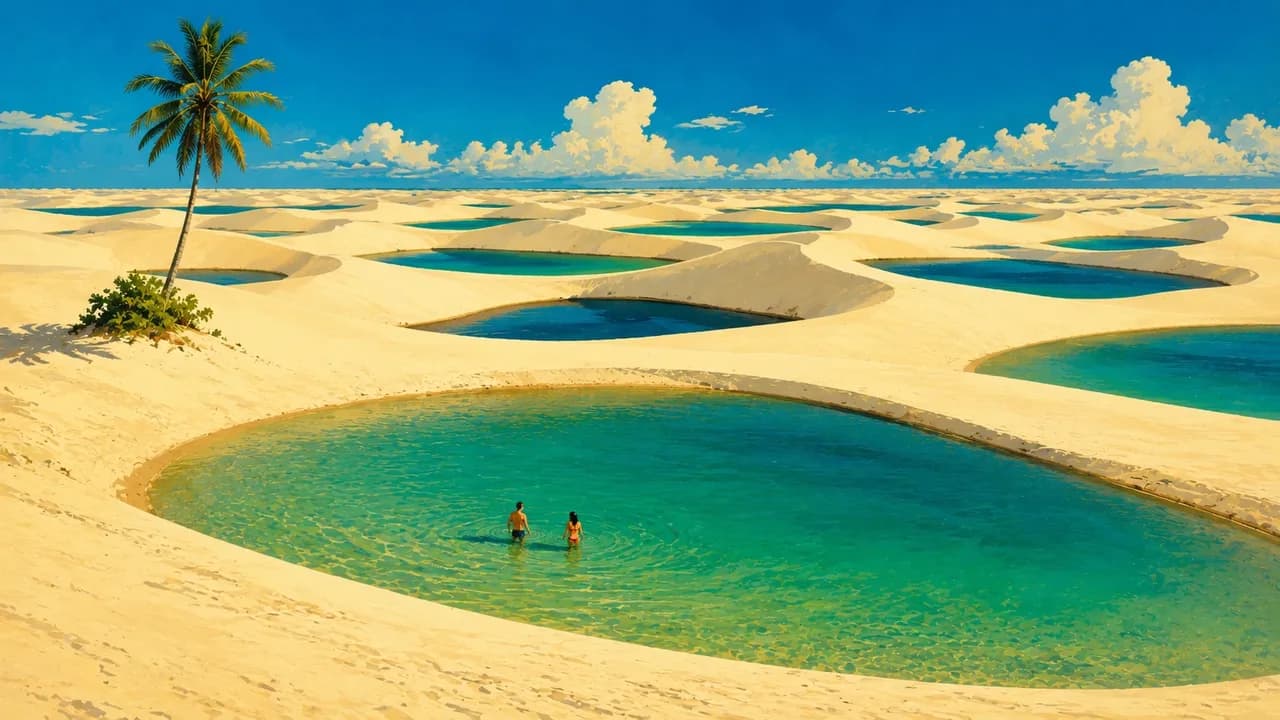
Salvador preserves Afro-Brazilian traditions, and Paraty and Ouro Preto reveal colonial streets and churches. Manaus is a gateway to the Amazon, while the Pantanal offers wildlife watching among rivers and floodplains. The Iguaçu Falls cascade along the border with Argentina. Northeastern beaches and the dunes and seasonal lagoons of Lençóis Maranhenses contrast with the southern shores around Florianópolis. Chapada Diamantina and the Cerrado landscapes of Chapada dos Veadeiros offer trails and waterfalls.
Samba, capoeira and regional dishes such as feijoada and moqueca reflect the country's cultural diversity. The vast distances make a regional focus useful when planning a trip. Recife, Olinda and São Luís add distinctive northeastern histories, music and urban landscapes. Markets and neighbourhood kitchens show how Indigenous, African and immigrant traditions contribute to everyday cooking. Community-led visits can provide perspectives beyond the famous monuments and beaches.
River levels shape Amazon journeys, while the Pantanal's flood cycle influences access and wildlife watching. Neither region follows a single nationwide dry season. Domestic flights connect distant areas, with road or boat transfers needed for many natural landscapes. Local advice, realistic stages and time for cultural visits help balance an itinerary between cities, protected areas and the coast.
AI edited
- 27
- Federal entities
- 213.4 million
- Population
- 8,509,380 km²
- Area
- Portuguese
- Language
- English & Spanish
- Other languages English and Spanish are spoken in parts of the tourism industry and in international hotels, but are not widespread everywhere. Some Portuguese is helpful. Numerous indigenous and immigrant-community languages are also maintained.
- Brazilian real (BRL)
- Currency
- C · N
- Socket types
- Brasília
- Capital
- Right-hand traffic
- Driving side
- UTC−5 to UTC−2
- Time zones Brazil has four time zones. Brasília uses UTC−3 year-round, Manaus UTC−4, Acre UTC−5 and Fernando de Noronha UTC−2. There is no seasonal clock change. The clock strip shows the capital's time.
- 16
- UNESCO cultural sites
Brazil on the map

Map data: geoBoundaries (CC BY 4.0), © OpenStreetMap contributors (ODbL), Natural Earth
Climate and best time to travel
Brazil has no single best travel season. In the Amazon, rainfall and water levels determine whether river trips or forest walks take centre stage. Around Manaus, high water often allows boat trips through flooded forests from May to July. In the Pantanal, the drier months from May to September are usually favourable for wildlife watching. The lagoons of Lençóis Maranhenses are often well filled after the rainy season between June and September. Pernambuco's coast is generally drier from September to February, while the southeast often offers more comfortable conditions for cultural trips from May to September. Southern winters can be cool. Iguaçu Falls can be visited year-round, with water volumes varying according to rainfall. Check water levels, drought and local weather conditions before nature excursions.
Destinations in Brazil
 AI generated
 AI generated
 AI generated
 AI generated
 AI generated
 AI generated
 AI generated
 AI generated
 AI generated
 AI generated
 AI generated
 AI generated