Paraguay
Paraguái in Guaraní · Paraguái auf Guaraní
Living Guaraní culture and mission heritage meet forest waterfalls, wide rivers and the wildlife landscapes of the Chaco.
Worth coming back!
Wanderlama keeps growing with new destinations, helpful information and exciting features. Check back soon and discover what is new!
Travel to Paraguay
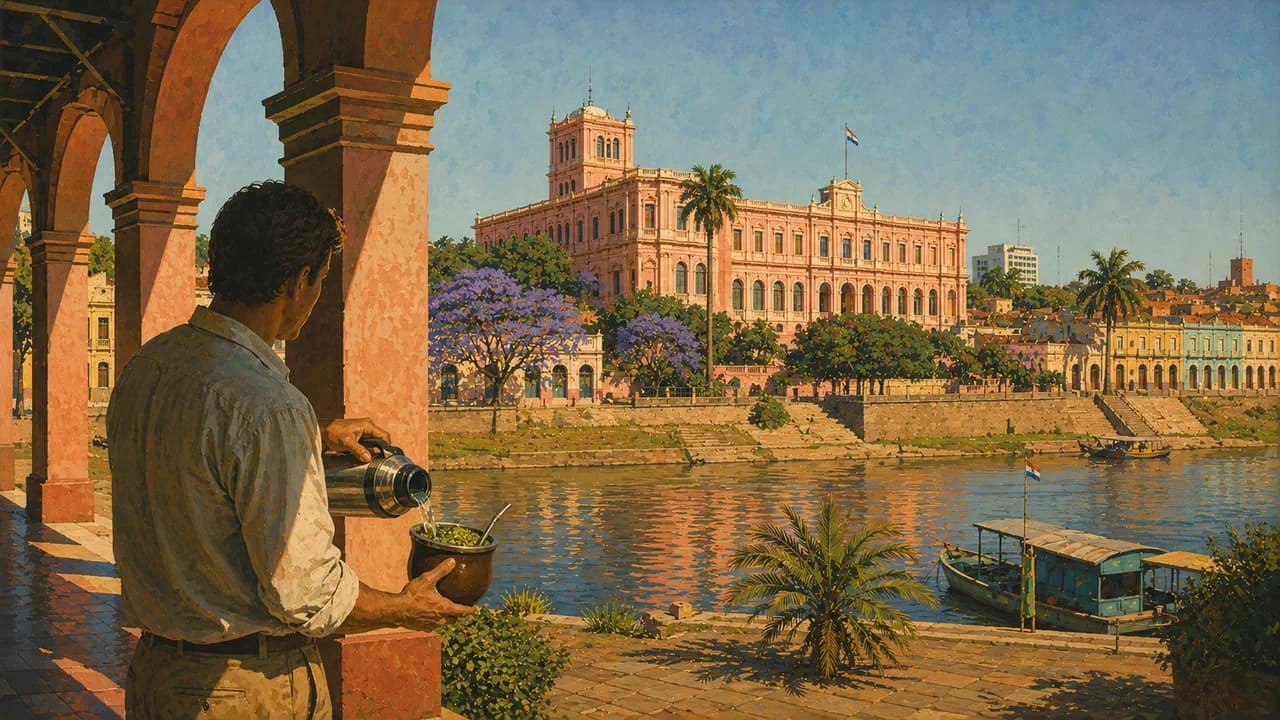
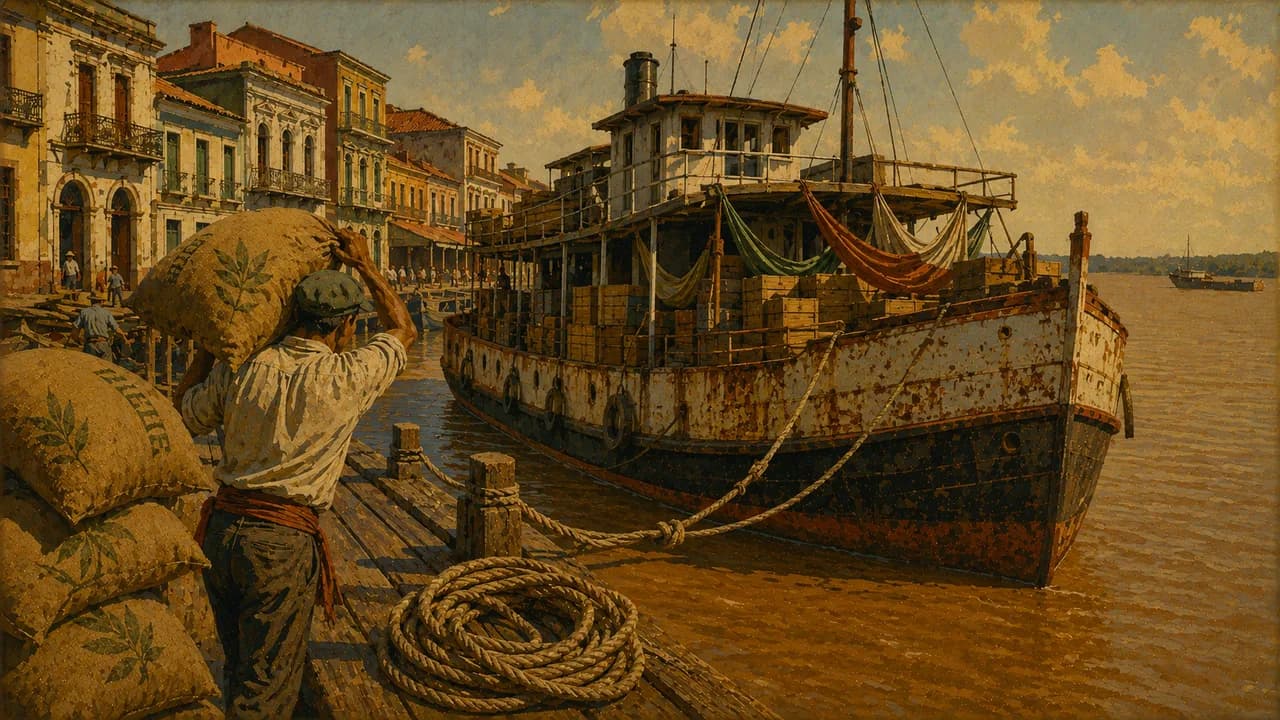
Paraguay is a landlocked country between Argentina, Brazil and Bolivia, where the Paraguay River divides the greener east from the Chaco to the west. Spanish and Guaraní shape everyday life alongside the traditions of other Indigenous peoples. Asunción combines historic buildings, museums, markets and a riverside promenade with contemporary urban culture.
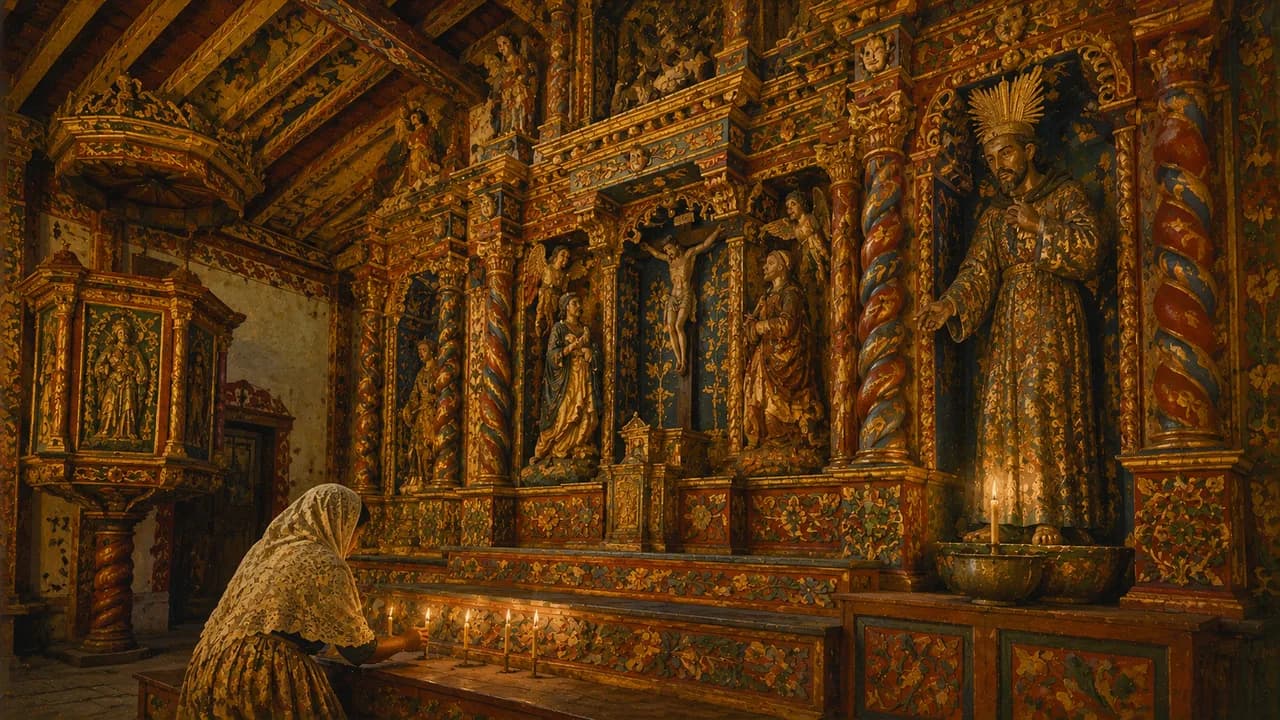
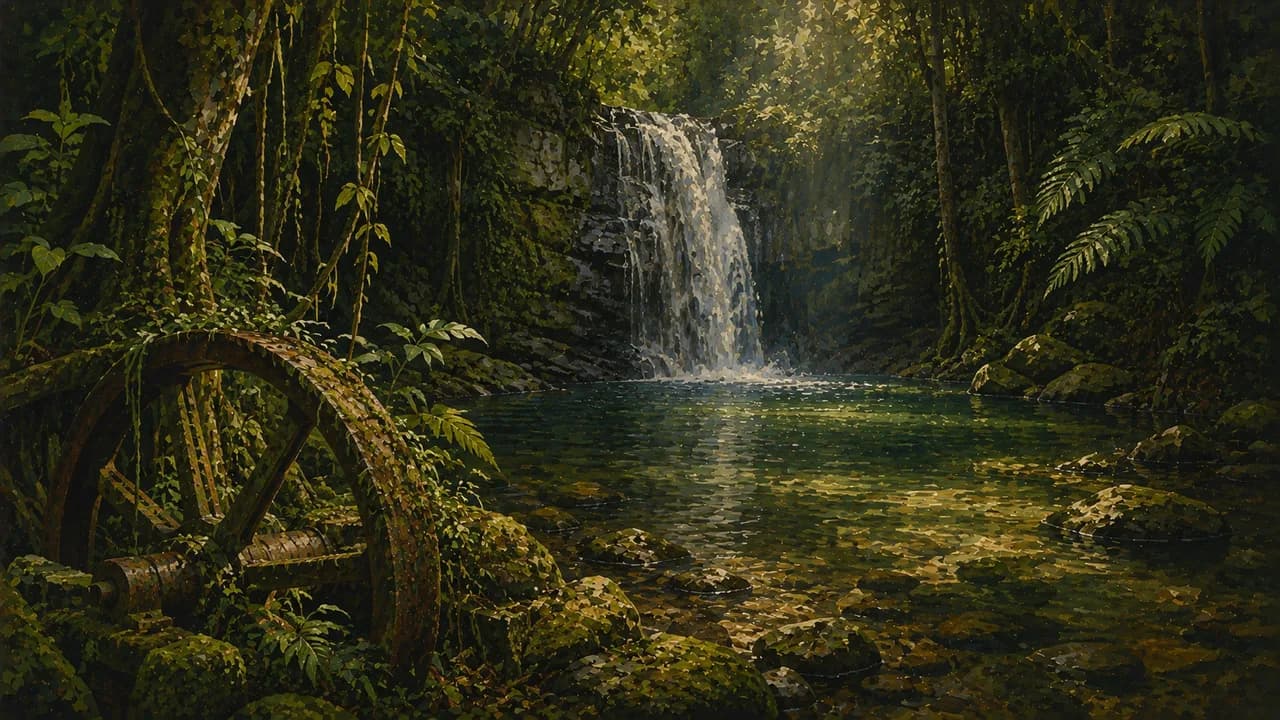
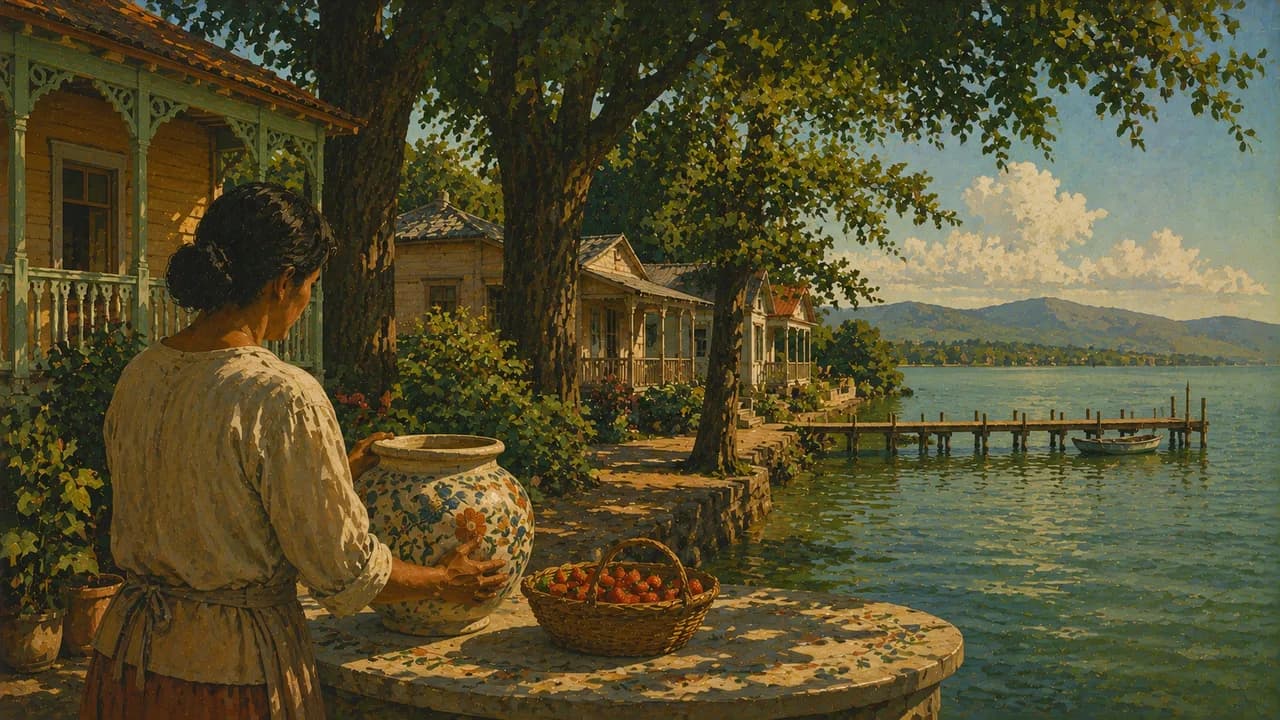
Around Lake Ypacaraí, San Bernardino offers lakeside leisure, while Areguá is known for ceramics and Itauguá for ñandutí lace. Yaguarón's church preserves carved and painted religious art created by Guaraní craftspeople. Forest paths and waterfalls in Ybycuí National Park reveal another side of the eastern countryside, alongside the remains of the La Rosada ironworks.
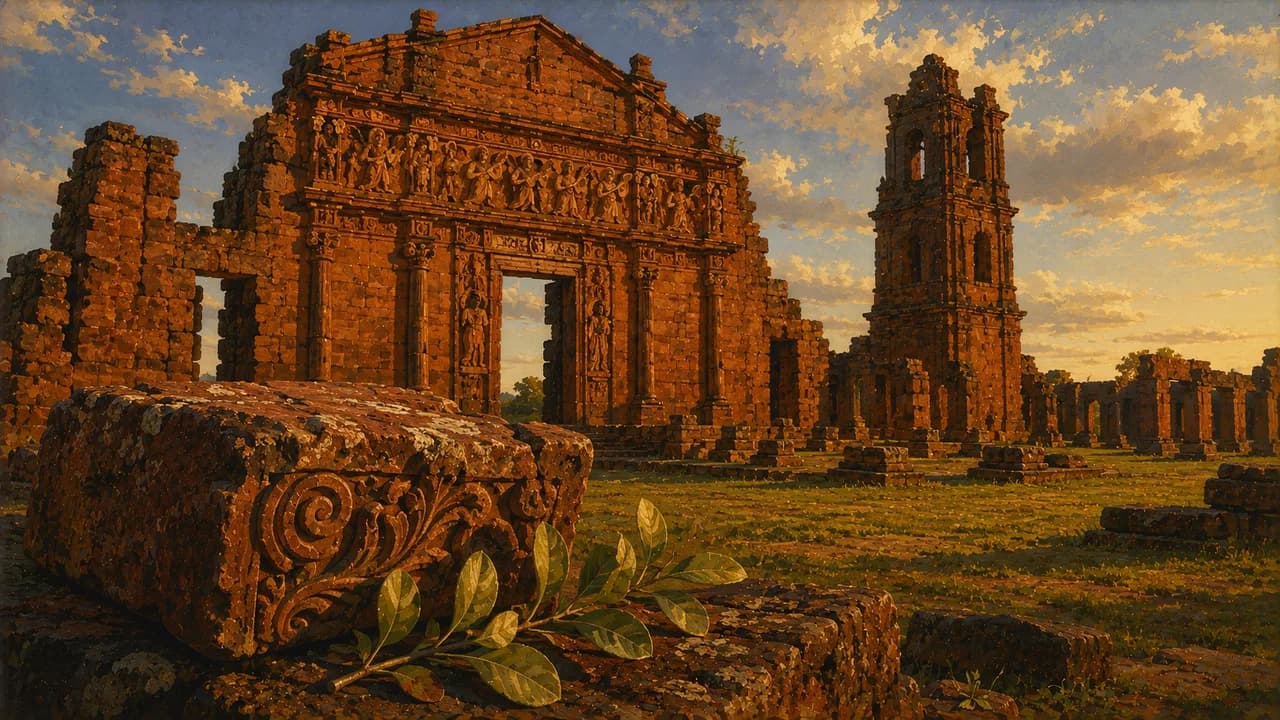
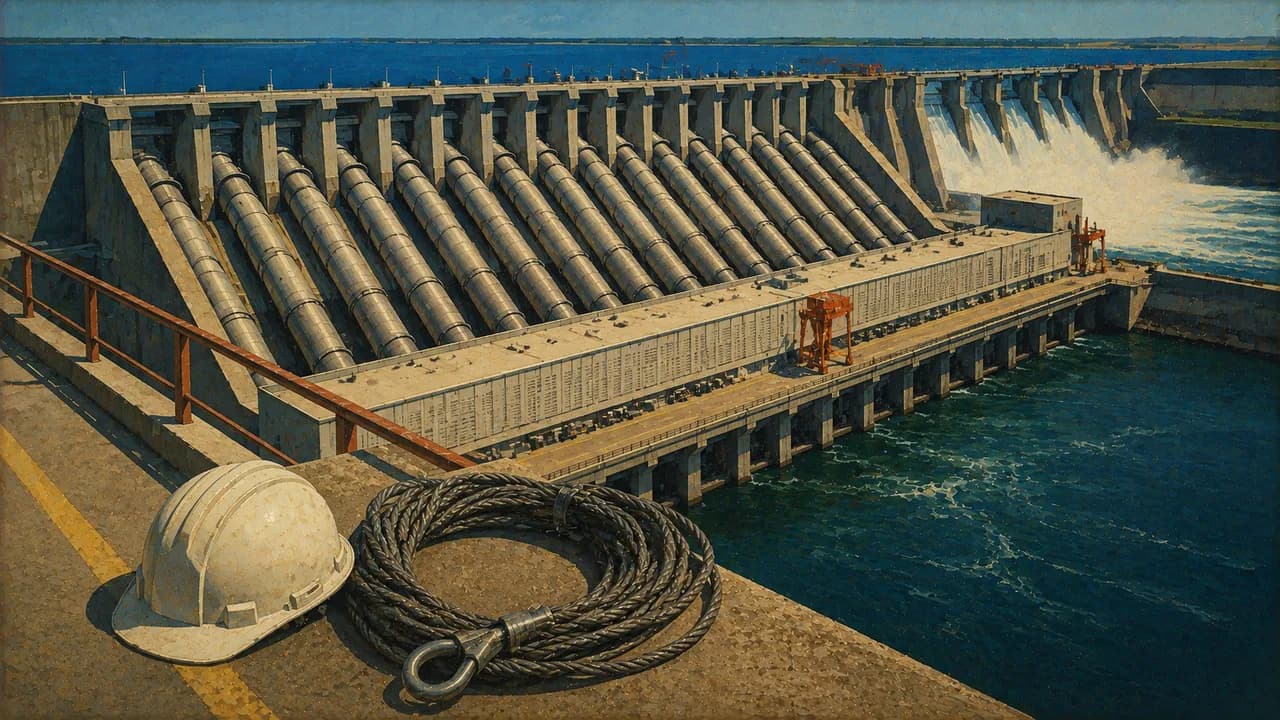
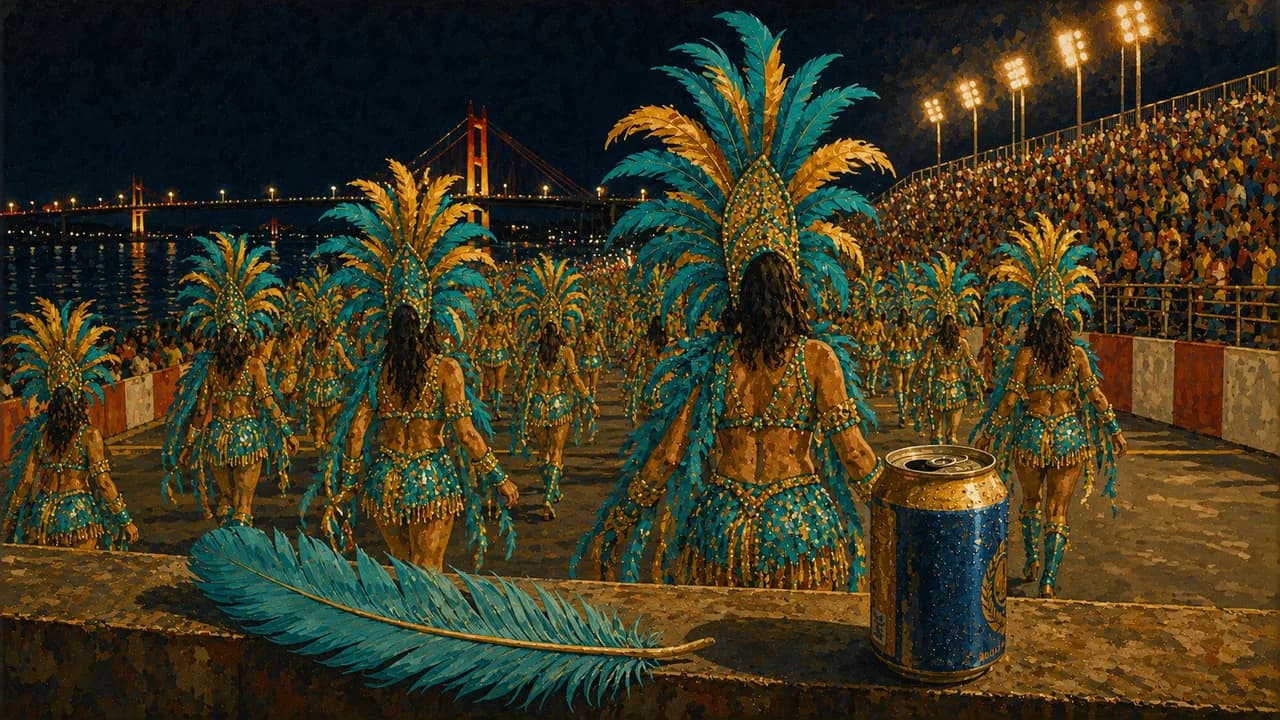
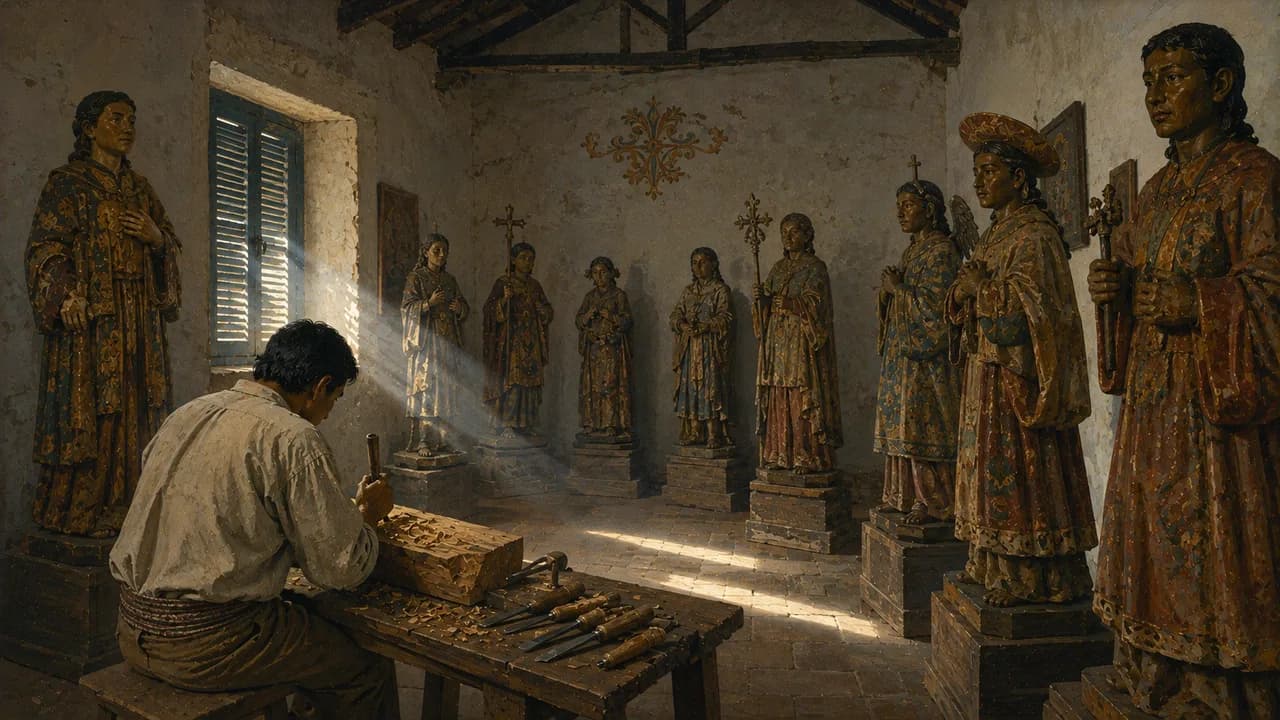
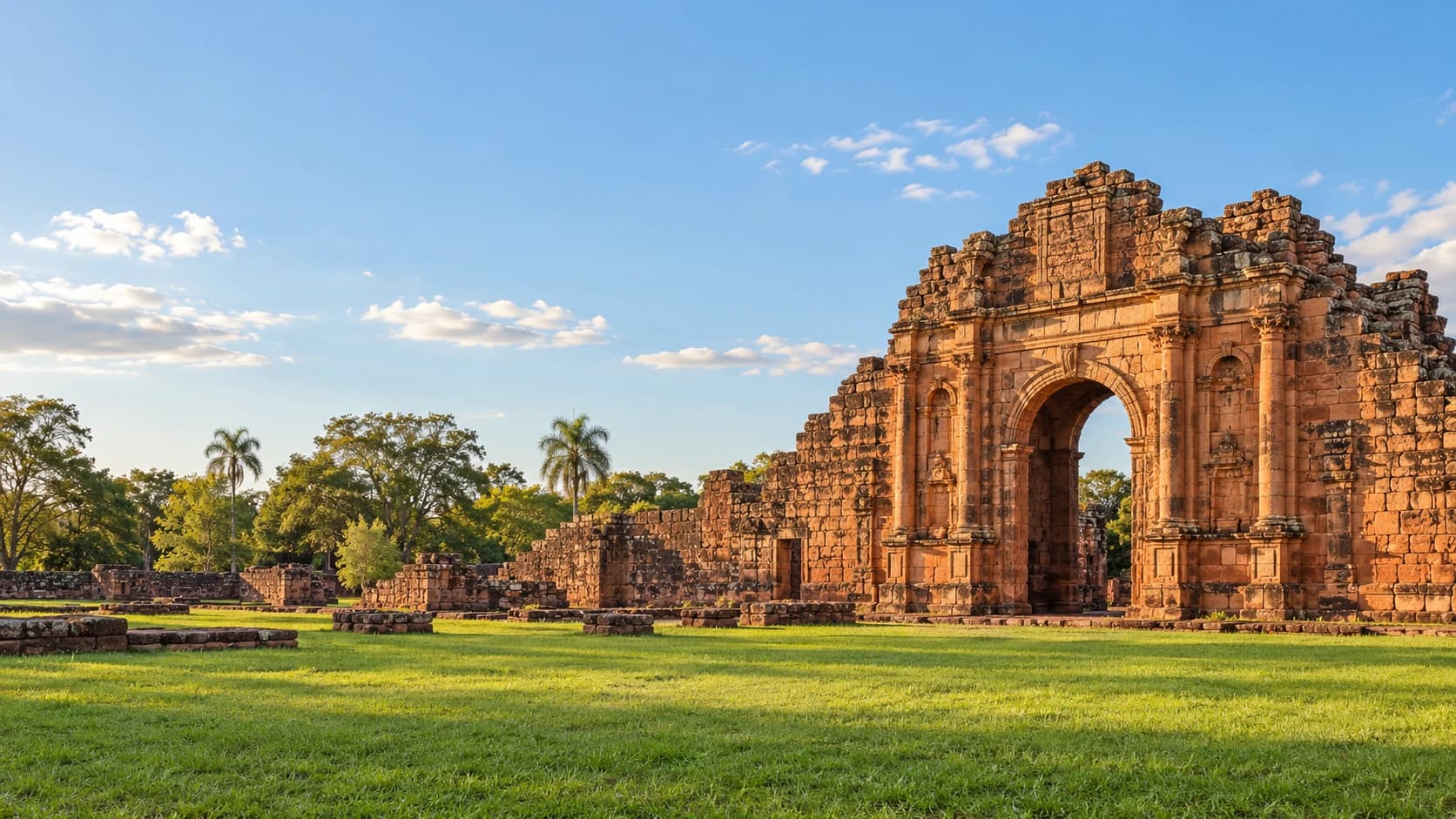
In the south, Encarnación brings together Paraná river beaches, waterfront walks and carnival traditions. The Jesuit missions of La Santísima Trinidad del Paraná and Jesús de Tavarangüé form one UNESCO World Heritage property. San Ignacio Guazú and nearby mission towns add museums and Guaraní religious sculpture. Around Ciudad del Este, the Monday Falls and the binational Itaipú Dam combine natural scenery with engineering. Iguazú Falls are across the borders in Brazil and Argentina, not in Paraguay.
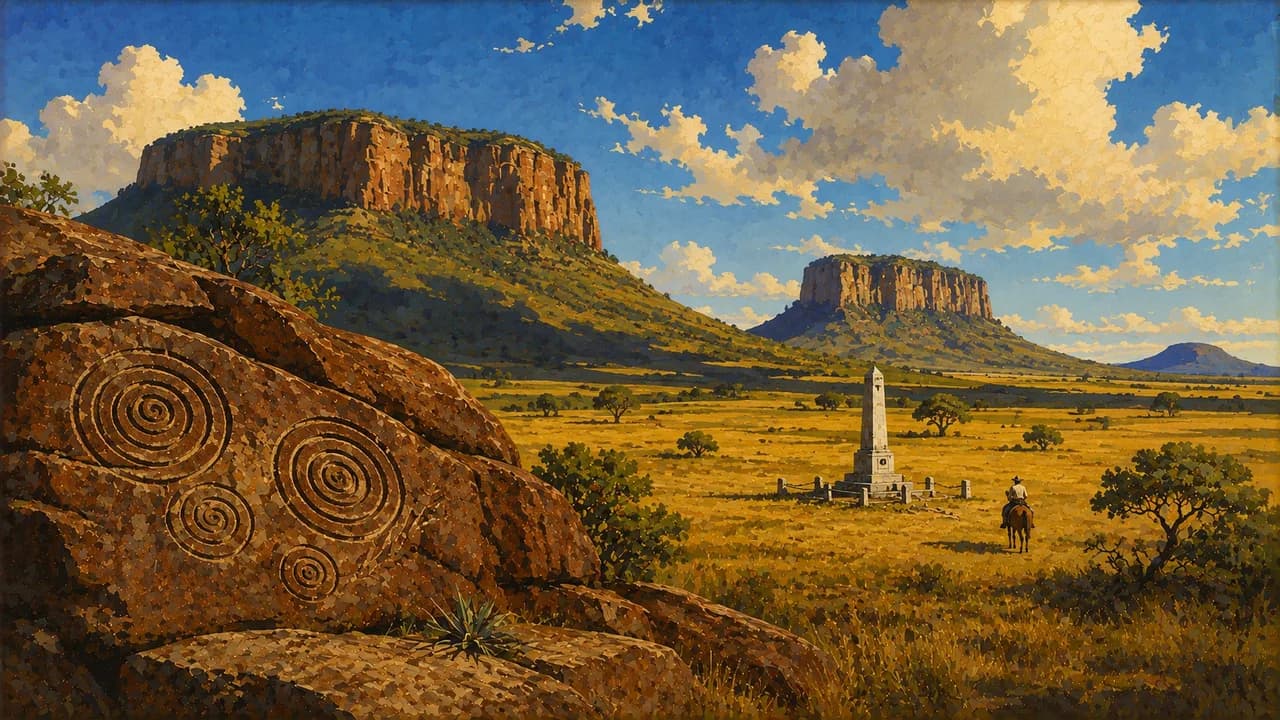
Concepción opens towards northern river landscapes, while Cerro Corá combines wooded hills with memorials to the War of the Triple Alliance. In the Chaco, Filadelfia introduces Mennonite settlement history alongside the region's distinct Indigenous cultures. Dry forests, lagoons and northern Pantanal wetlands offer birdwatching and guided nature excursions. Wildlife sightings are not guaranteed, and remote journeys need advance arrangements.
Chipa, mbejú and the savoury cornbread sopa paraguaya reflect cooking traditions based on cassava and maize. Sharing cold tereré is an important social custom, complemented by harp music and guarania. Hot summers, heavy rain and variable rural road conditions affect travel plans. Allow time for long transfers, check local access and transport, and arrange community visits with consent.
AI edited
- 17
- Departments Paraguay has 17 departments and the separate capital district of Asunción. The capital district is not an eighteenth department.
- 6.11 million
- Population Rounded from INE's final 2022 census result of 6,109,903 people. This is the published census count, not a current population estimate or a projection for 2026.
- 406,752 km²
- Area The Paraguay River separates the eastern region from the western Chaco. Distances between these regions can be long, and remote journeys require additional planning.
- Spanish
- Language Spanish and Guaraní are both official languages. The Spanish flag here represents the language, not the destination country. Everyday usage varies between communities and regions.
- Guaraní
- Other languages Guaraní is an official language alongside Spanish and an important part of everyday culture. Other Indigenous peoples have distinct languages and traditions. English proficiency should not be assumed.
- Guaraní (PYG)
- Currency The national currency is the Paraguayan guaraní, with the symbol ₲ and currency code PYG. Check accepted payments and cash access before rural trips. Card payment is not available everywhere.
- C
- Socket type The standard plug type is C, with 220 volts and 50 hertz. Check your device's voltage rating and adapter requirements. A travel adapter does not convert voltage.
- Asunción
- Capital Asunción is the capital, on the Paraguay River. It forms a separate capital district. The country has one current time regime, so the clock shows Paraguay's local time.
- Right-hand traffic
- Driving side Traffic drives on the right. Heavy rain can affect unpaved roads and remote access, particularly away from main routes. Check current conditions and allow time for long transfers.
- UTC−3
- Time zone Paraguay currently uses UTC−3 nationwide throughout the year, without seasonal clock changes. The live clock compares this with browser time and, when available, the saved home location.
- 1
- UNESCO cultural site The Jesuit missions of La Santísima Trinidad de Paraná and Jesús de Tavarangue form one cultural World Heritage property. The two mission sites are not two separate inscriptions. Checked against UNESCO in October 2026.
Paraguay on the map

Map data: geoBoundaries (CC BY 4.0), © OpenStreetMap contributors (ODbL), Natural Earth
Climate and best time to travel
Paraguay's summers are hot, with frequent rain and storms in the east. The Chaco is generally drier and can be very hot. May to September often offers more comfortable conditions for walking, heritage visits and Chaco excursions, but cold spells and rain are still possible. Forest paths and rural roads depend on recent weather. Waterfalls can be powerful after rain, without necessarily being accessible. Bird activity and wetland access depend on water levels and local conditions, not only the month. Summer is a popular period for river beaches and Encarnación's carnival, but dates and water conditions need checking. Arrange remote travel, guided excursions and community visits in advance. Suggested months are planning guidance, not guarantees of access, weather or wildlife sightings.