Uruguay
Atlantic beaches and riverside towns meet living music traditions, gaucho landscapes, thermal waters and distinctive wine regions.
Worth coming back!
Wanderlama keeps growing with new destinations, helpful information and exciting features. Check back soon and discover what is new!
Travel to Uruguay
Uruguay lies between Argentina and Brazil, with shores along the Río de la Plata and the Atlantic, rolling grasslands and river landscapes inland. Montevideo combines the Ciudad Vieja, markets and museums with the Rambla waterfront promenade. Candombe drumming, carnival murga performances, tango and football are part of a living urban culture rather than simply attractions for visitors.
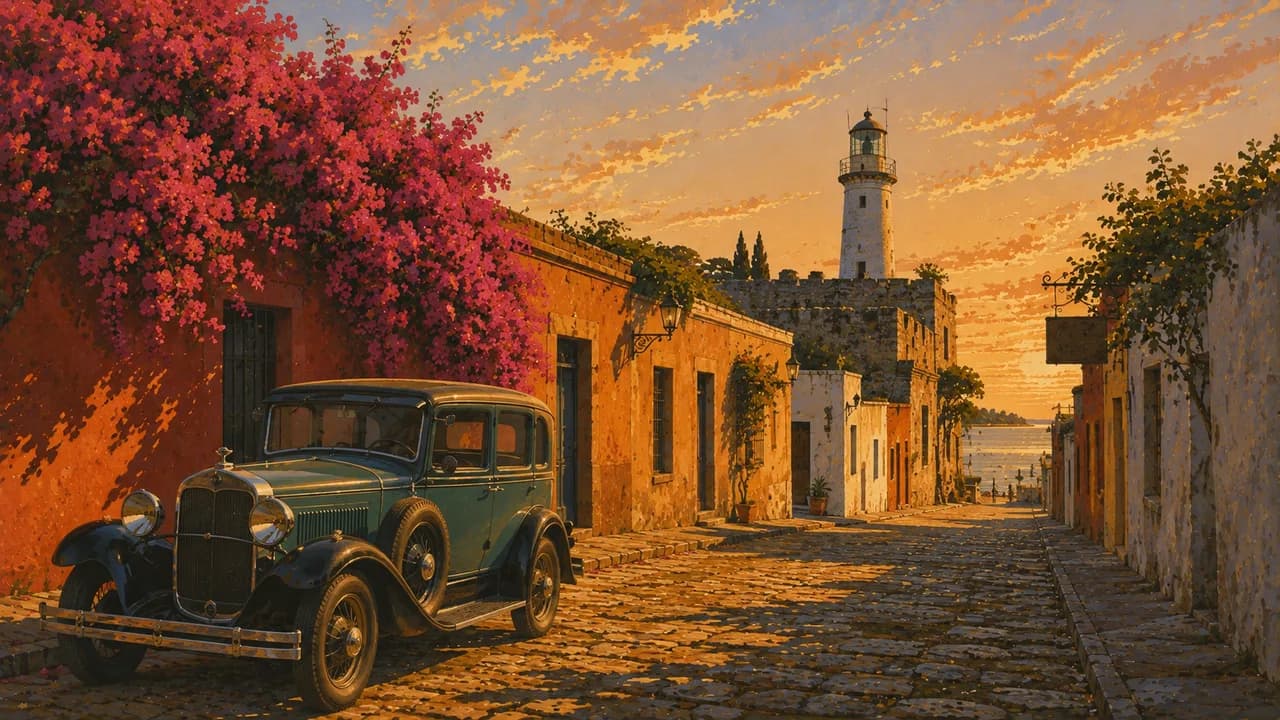
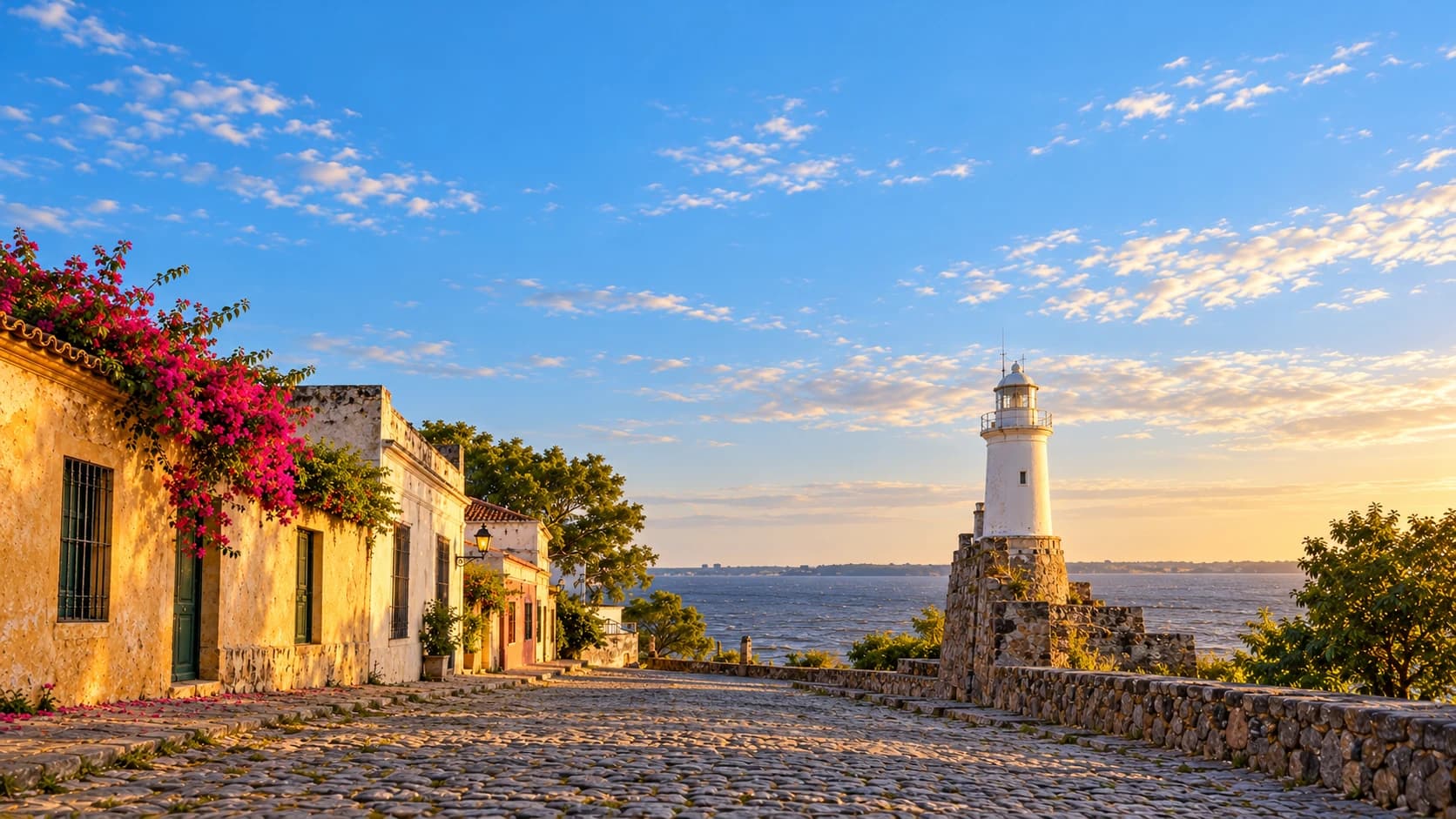
Colonia del Sacramento preserves Portuguese and Spanish influences in its UNESCO-listed historic quarter. Further along the western rivers, Carmelo offers vineyards and cellar visits, while Fray Bentos reveals the industrial history of meat processing through its World Heritage landscape. Near Atlántida, Eladio Dieste's brick church adds a contrasting UNESCO-listed work of modern architecture.
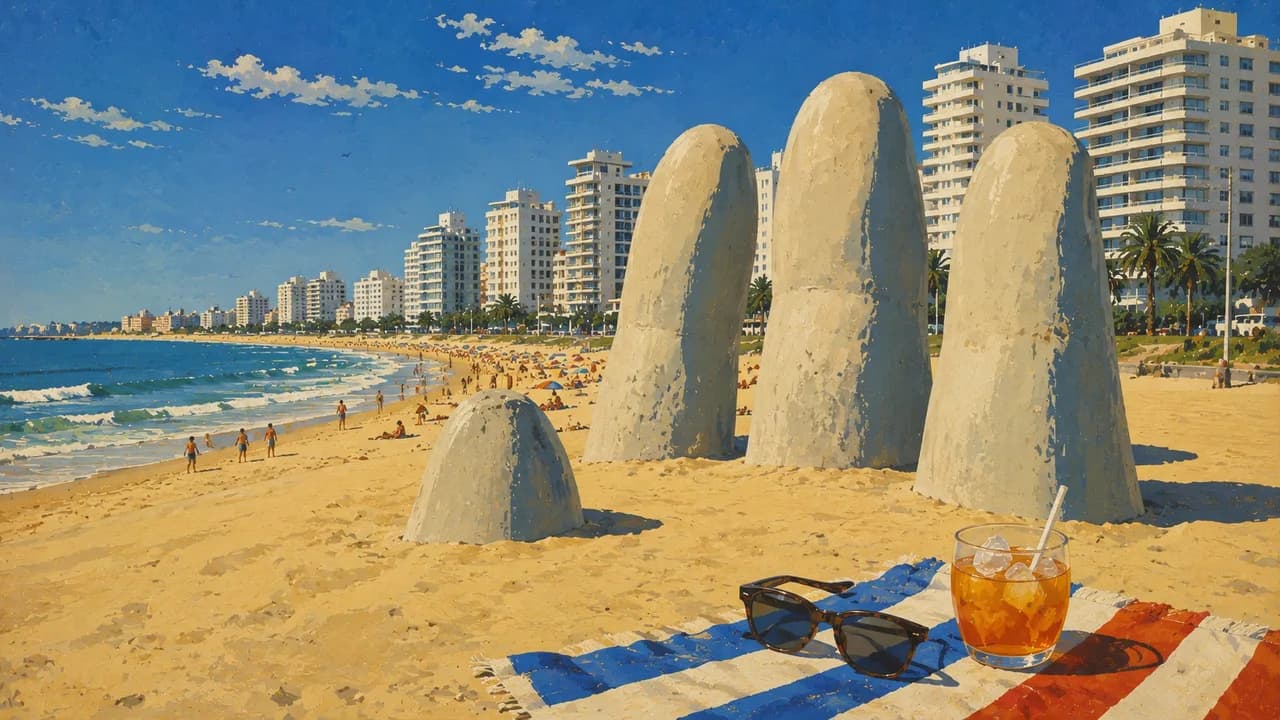
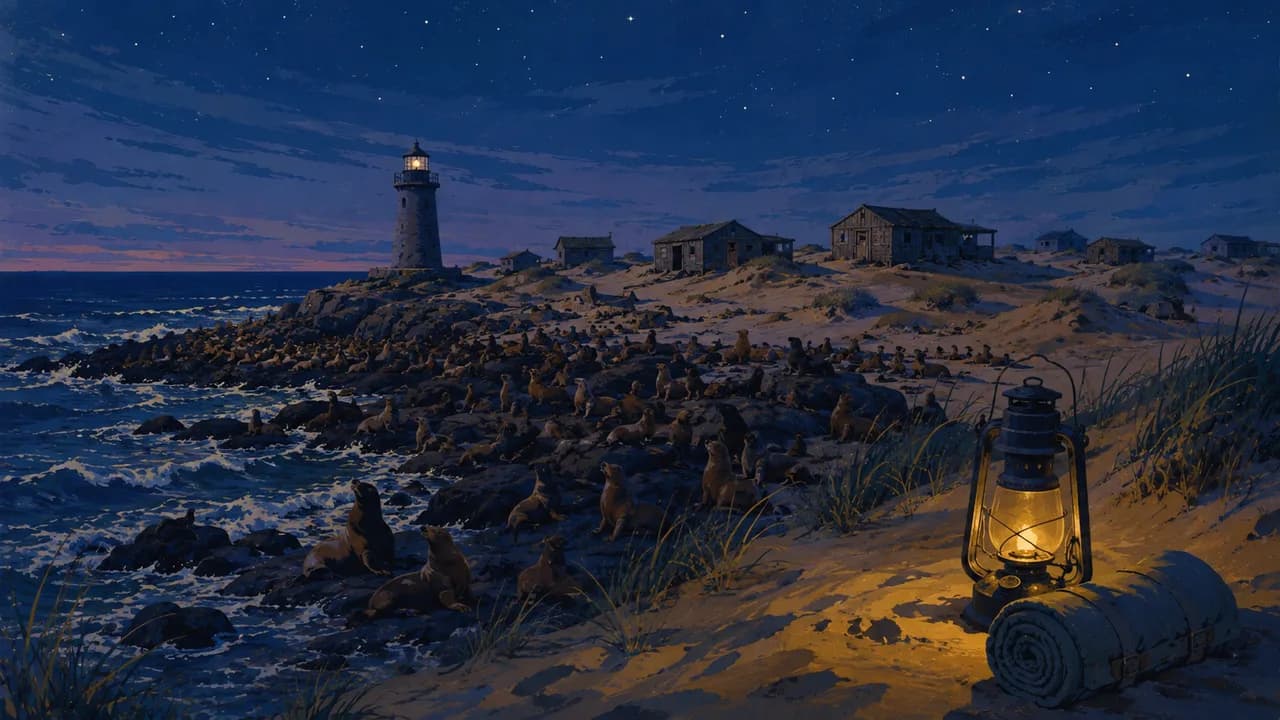
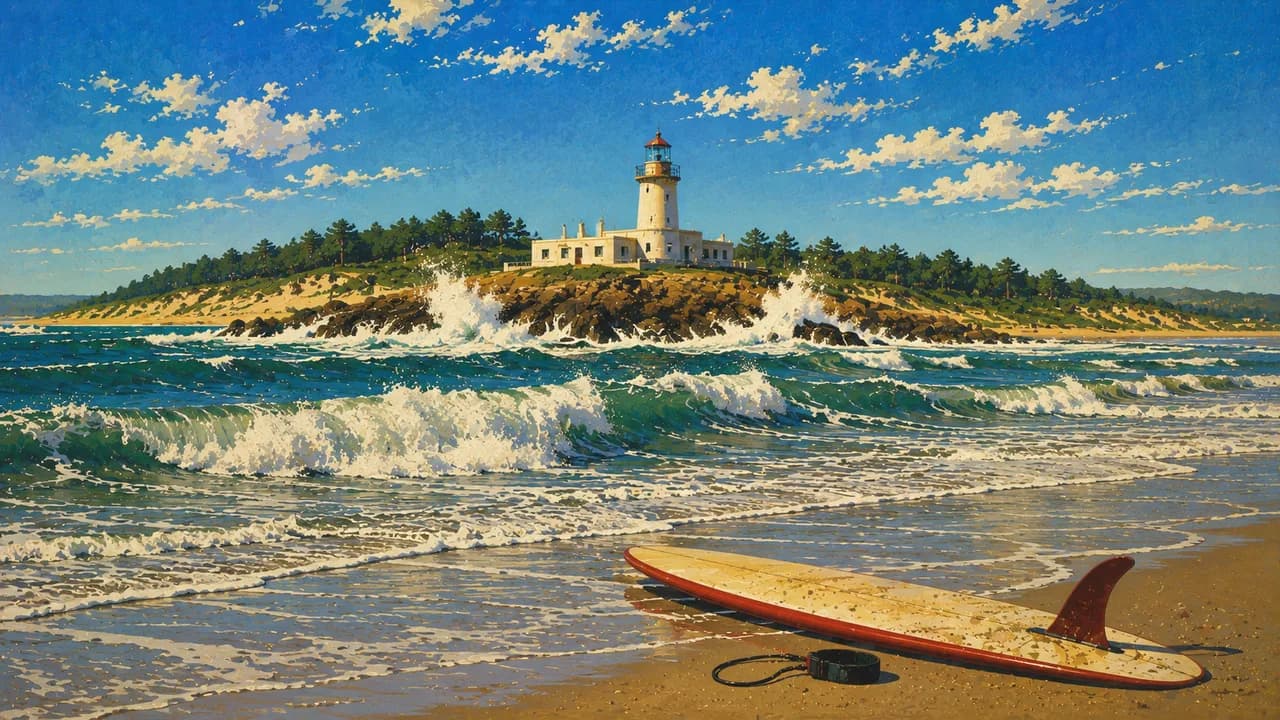
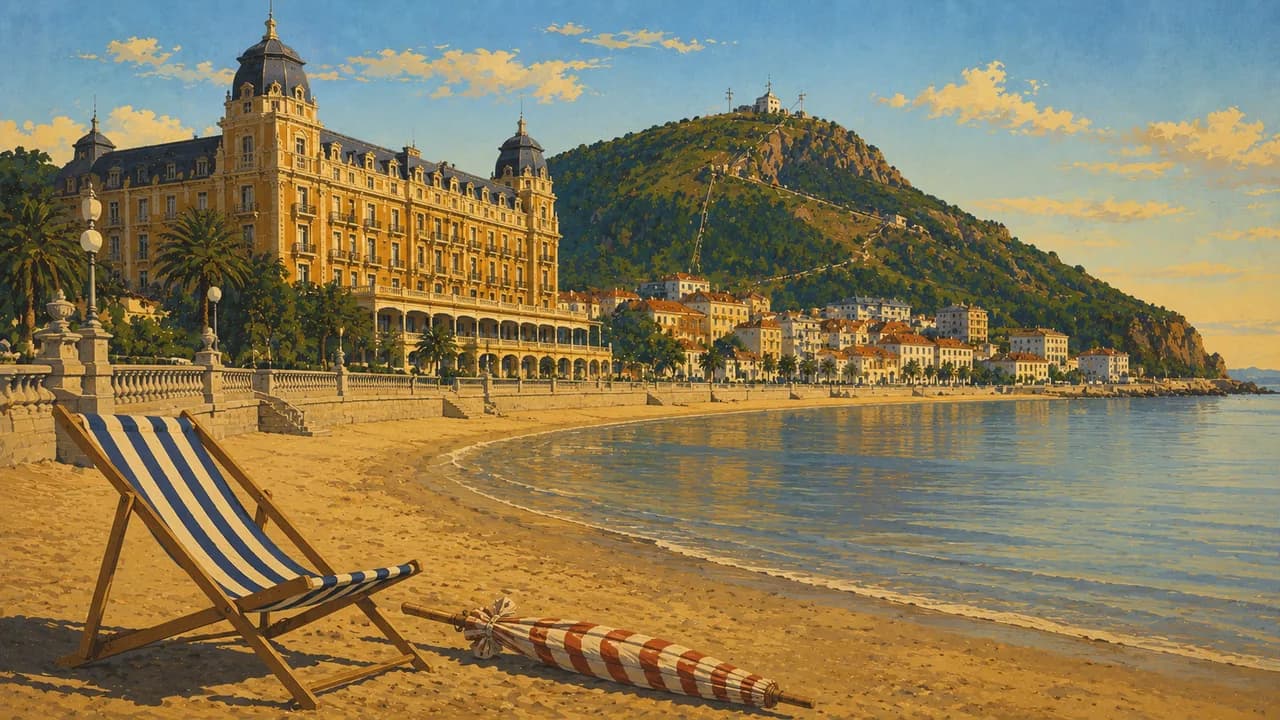
Piriápolis brings together a seafront promenade and nearby hills. Punta del Este combines beaches and art, with Casapueblo at neighbouring Punta Ballena, while José Ignacio has a lighthouse and coastal restaurants. Further east, Rocha's La Paloma, La Pedrera and Punta del Diablo open onto Atlantic beaches. Cabo Polonio combines dunes, a lighthouse and marine wildlife within a national park, with access subject to protected-area rules. Coastal lagoons offer birdwatching without guaranteed sightings.
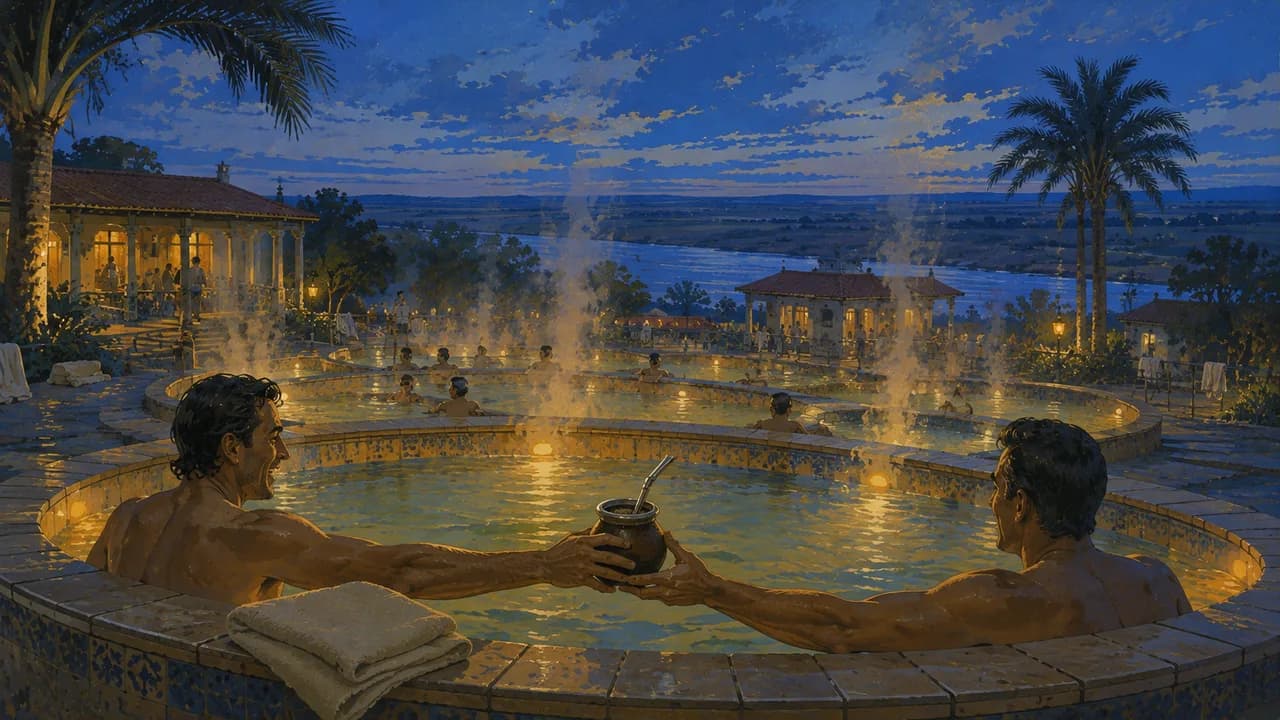
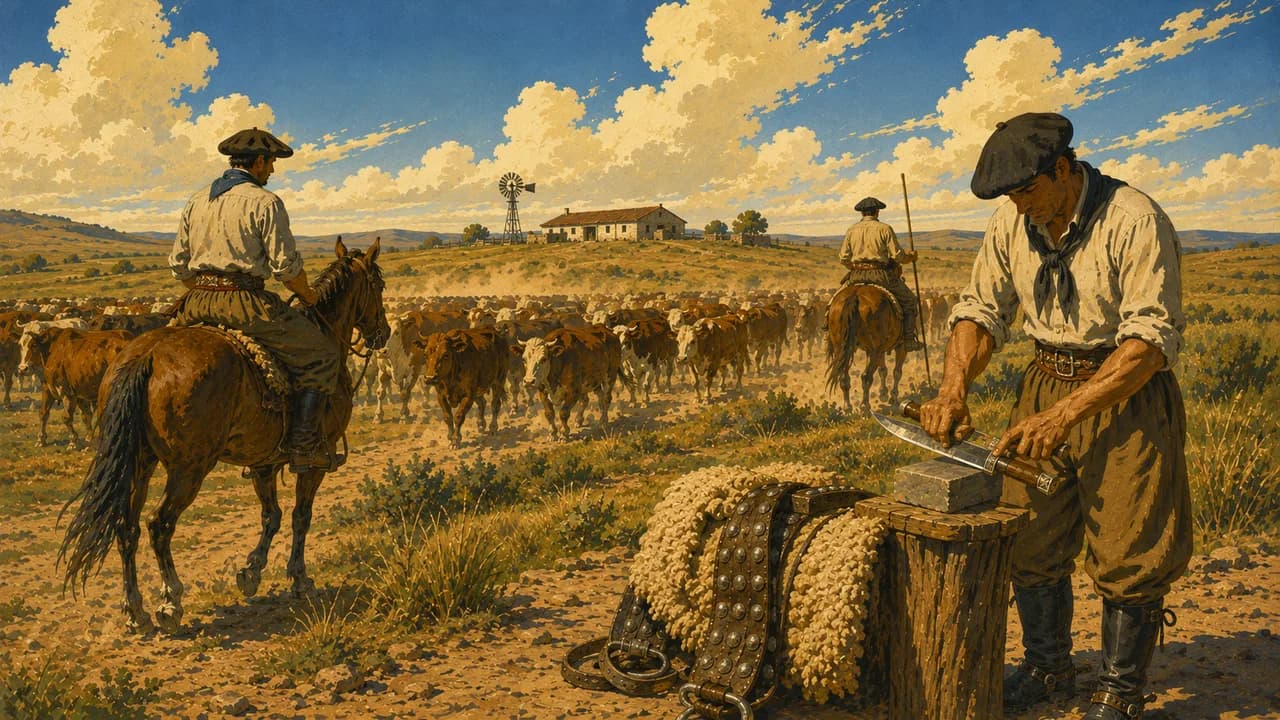
Away from the coast, Tacuarembó and Valle Edén introduce grassland scenery, gaucho traditions and rural stays. The sierras around Minas and the Quebrada de los Cuervos add walking landscapes and native woodland. Along the Uruguay River, Salto and Paysandú are gateways to thermal resorts, including Daymán and Arapey. Cooler months can suit warm-pool visits, although facilities and opening arrangements vary.
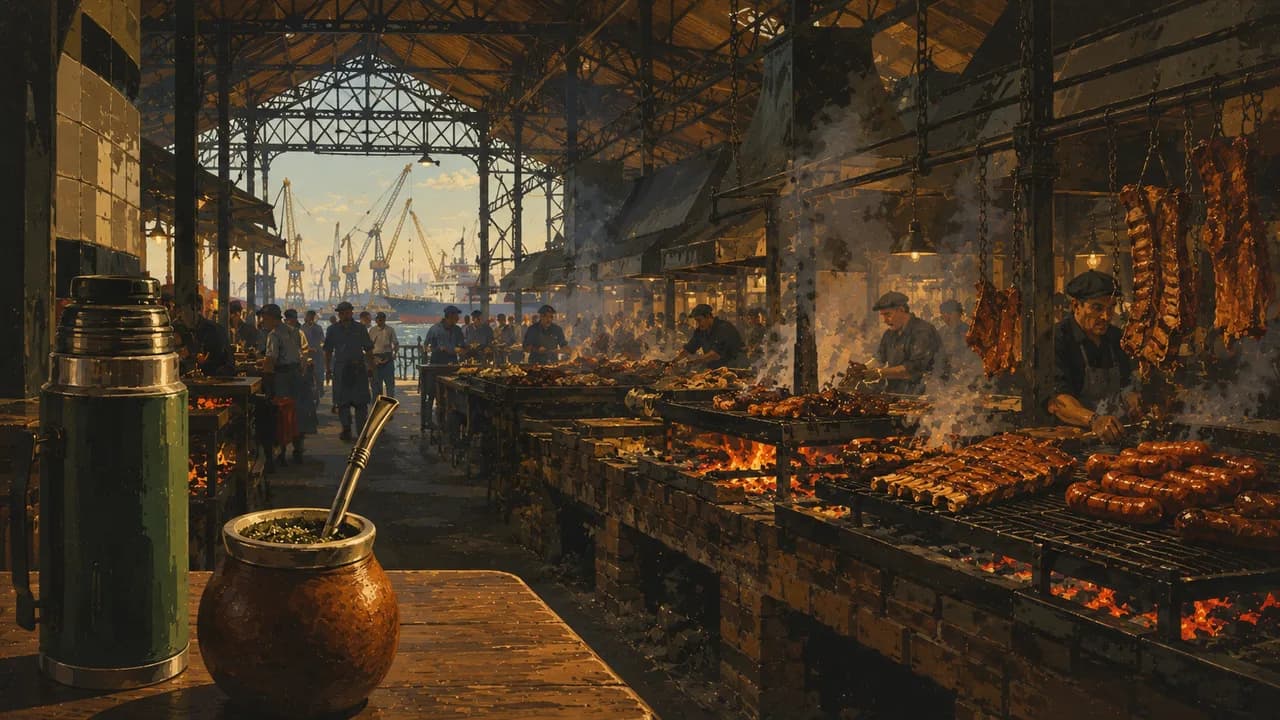
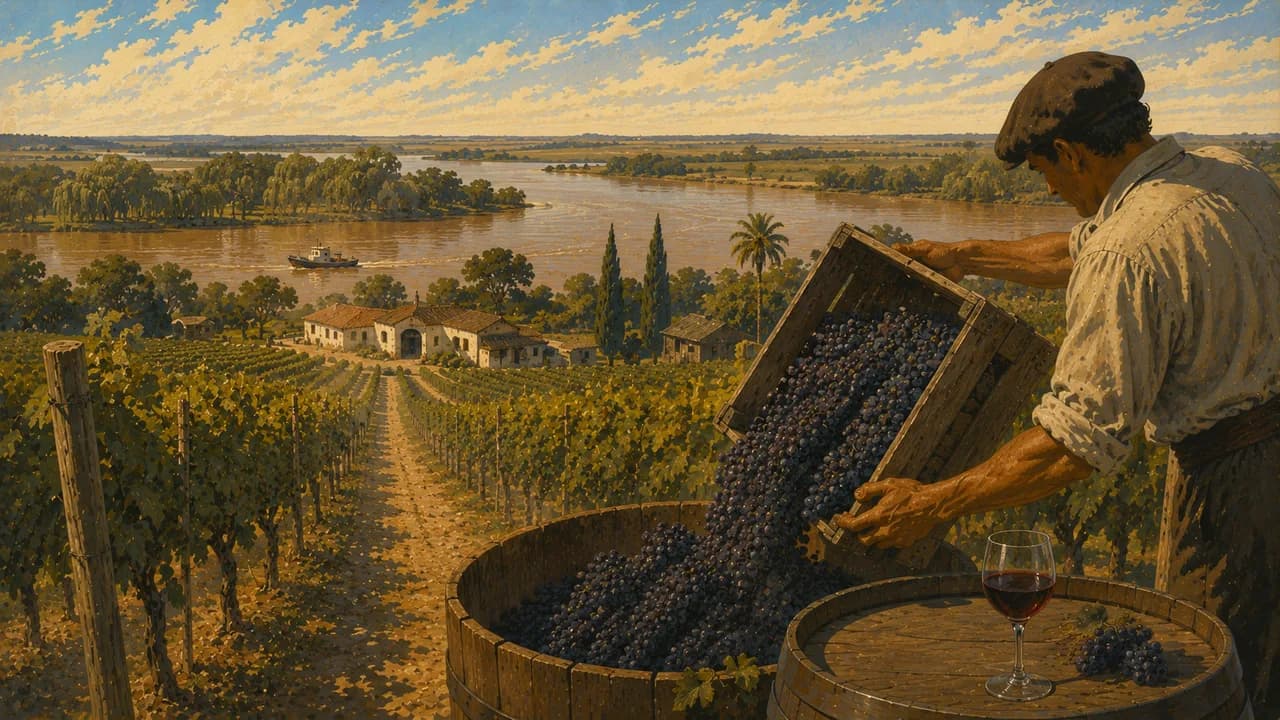
Food ranges from parrilla-grilled meat and chivito sandwiches to coastal fish, pastries and dulce de leche. Sharing mate is an everyday custom, while Tannat wines can be explored around Carmelo, Canelones and other wine regions. Summer brings beach crowds and seasonal services, especially around January, while quieter months can mean reduced coastal openings. Allow for changing weather, sea conditions and rural transfers, and check reservations and access before travelling.
AI edited
- 19
- Departments Uruguay is divided into 19 departments. Montevideo is both the capital city and the name of its department. Departments are administrative units, not tourist regions.
- 3.50 million
- Population Rounded from the published INE 2023 census-based population total of 3,499,451. This figure includes the census methodology's population adjustments and is not a raw interview count or a live 2026 estimate.
- 176,215 km²
- Area Commonly published area of Uruguay's continental territory, including inland waters under this definition. It does not include the full maritime jurisdiction. Published totals vary with the treatment of water areas.
- Spanish
- Language Spanish is the main national language, with Rioplatense usage and local expressions. The Spanish flag represents the language rather than the destination country.
- Portuguese & English
- Other languages Portuguese and local border varieties are used in some areas near Brazil. English knowledge varies, including in tourism. These languages are not presented here as nationwide official languages.
- Peso (UYU)
- Currency The national currency is the Uruguayan peso. The $ sign locally often denotes pesos, not US dollars. Confirm the currency of prices, accepted payments and cash access before rural trips.
- C · F · L
- Socket types Plug types C, F and L are used, with 220 volts and 50 hertz. Check your accommodation and device specifications. A travel adapter does not convert voltage.
- Montevideo
- Capital Montevideo is the capital on the Río de la Plata. It is also the name of a department. The country's single current time regime means the live clock is labelled Uruguay.
- Right-hand traffic
- Driving side Traffic drives on the right. Weather, unpaved rural roads and seasonal coastal traffic can affect journeys. Check local conditions and plan onward transport beyond the main bus routes.
- UTC−3
- Time zone Uruguay currently uses UTC−3 nationwide year-round, without seasonal clock changes. The live clock compares this with browser time and, when available, the saved home location.
- 3
- UNESCO cultural sites Three cultural UNESCO World Heritage properties, checked October 2026. Candombe and tango are intangible heritage and excluded here.
Uruguay on the map

Map data: geoBoundaries (CC BY 4.0), © OpenStreetMap contributors (ODbL), Natural Earth
Climate and best time to travel
Uruguay has four seasons and rain can occur throughout the year, without a nationwide dry season. December to March is a popular period for beaches, with busy coastal resorts particularly around January. Sea conditions, wind and water quality need local checks. Spring and autumn can suit walking, rural stays and wine visits, although storms and cooler days remain possible. Winter can be cool and damp, while thermal pools are often appealing in cooler months. Wine harvest activities commonly fall in February and March, with dates varying between wineries. Birdwatching depends on habitat, migration and weather, not only the month. Check protected-area access, rural transport, winery bookings and seasonal opening times. Carnival dates and programmes vary each year. Suggested months are planning guidance, not guarantees of weather, access or sightings.