Argentina
Andean peaks, open steppe and subtropical nature meet tango, regional cooking and living cultures.
Worth coming back!
Wanderlama keeps growing with new destinations, helpful information and exciting features. Check back soon and discover what is new!
Travel to Argentina
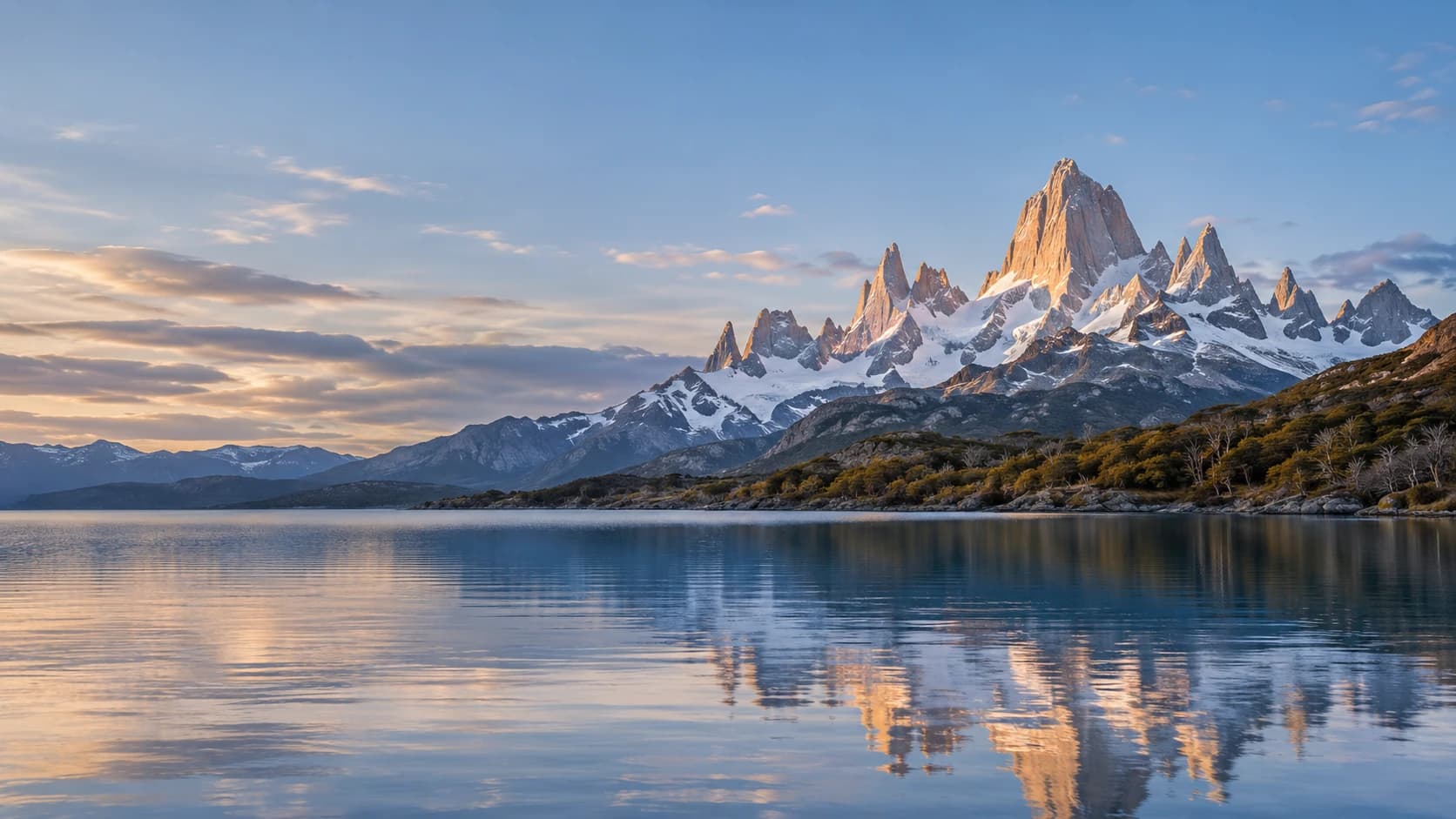
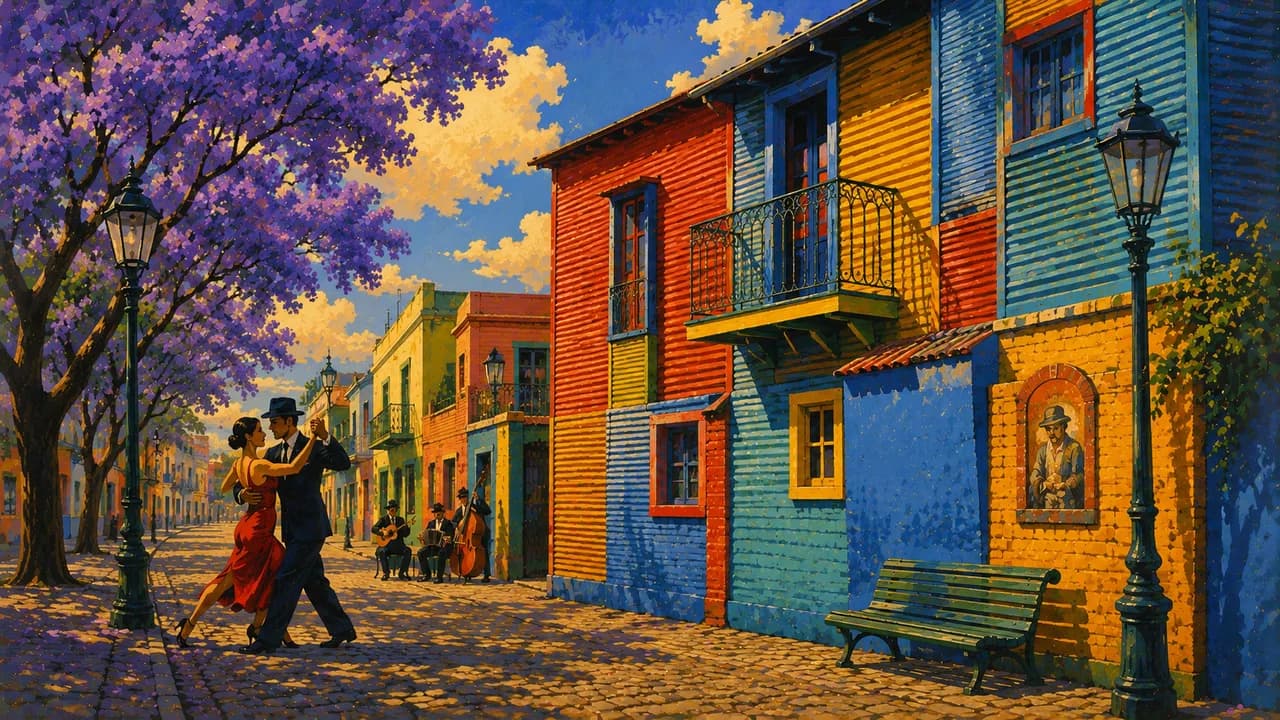
Argentina stretches from subtropical forests and wetlands to the high Andes, Patagonian steppe and Tierra del Fuego, combining vast landscapes with distinctive regional cultures. Buenos Aires brings together historic neighbourhoods, cafés, theatres, football and tango, while the surrounding Pampas offer estancia life and gaucho traditions.
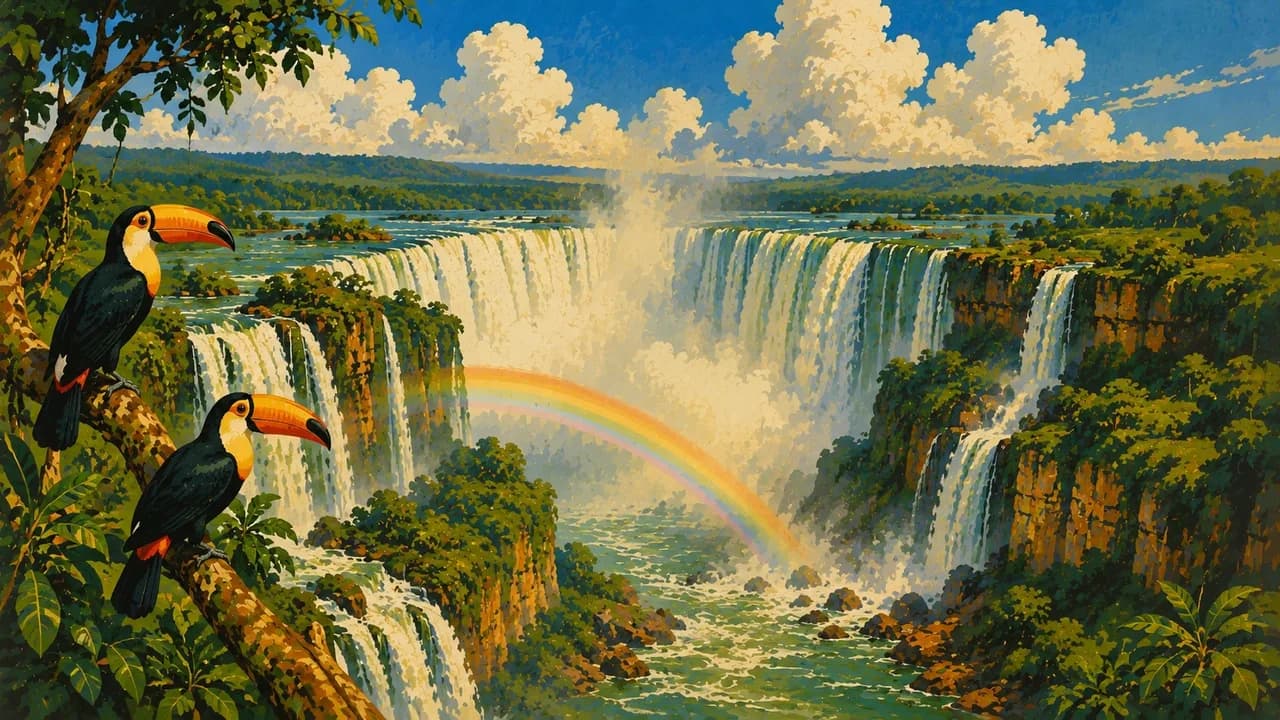
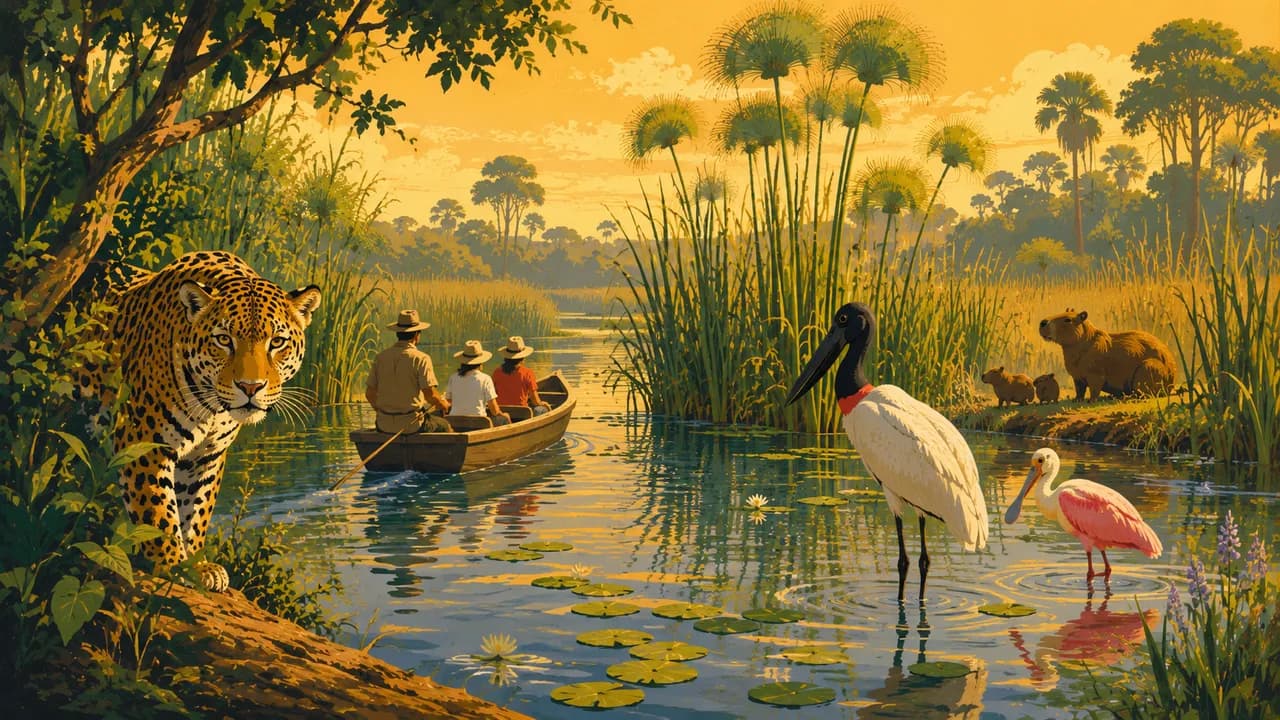
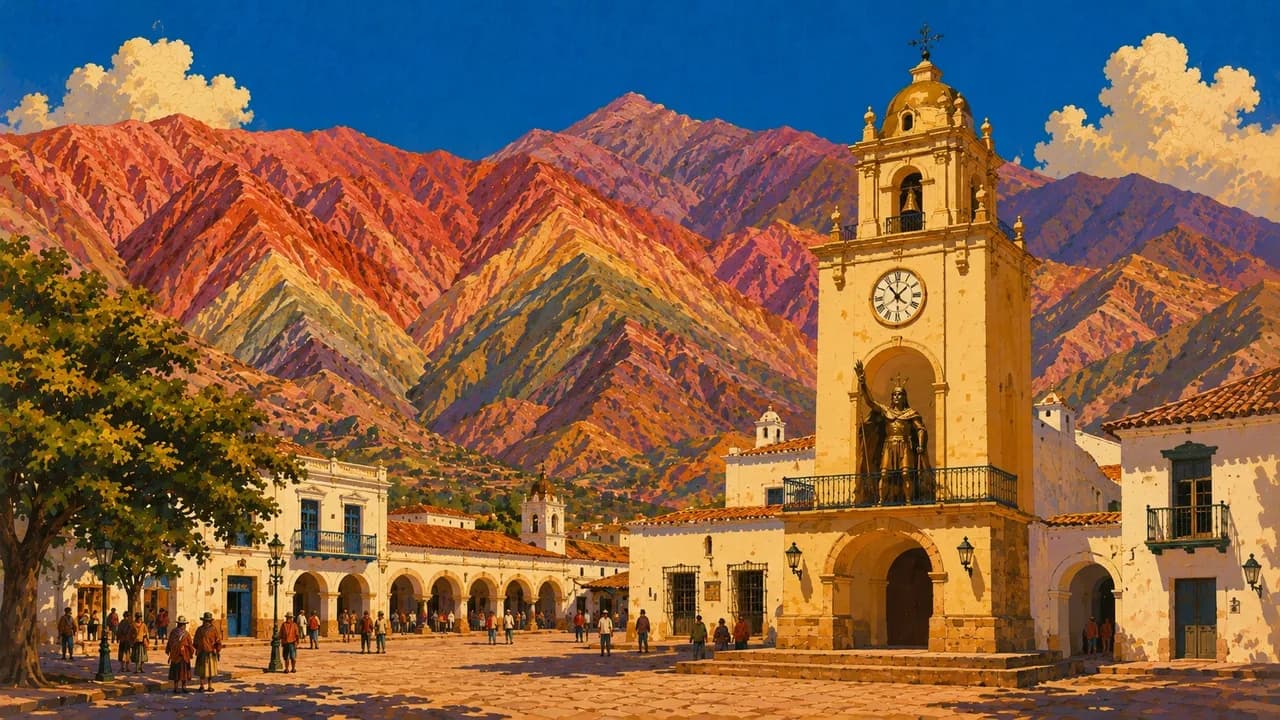
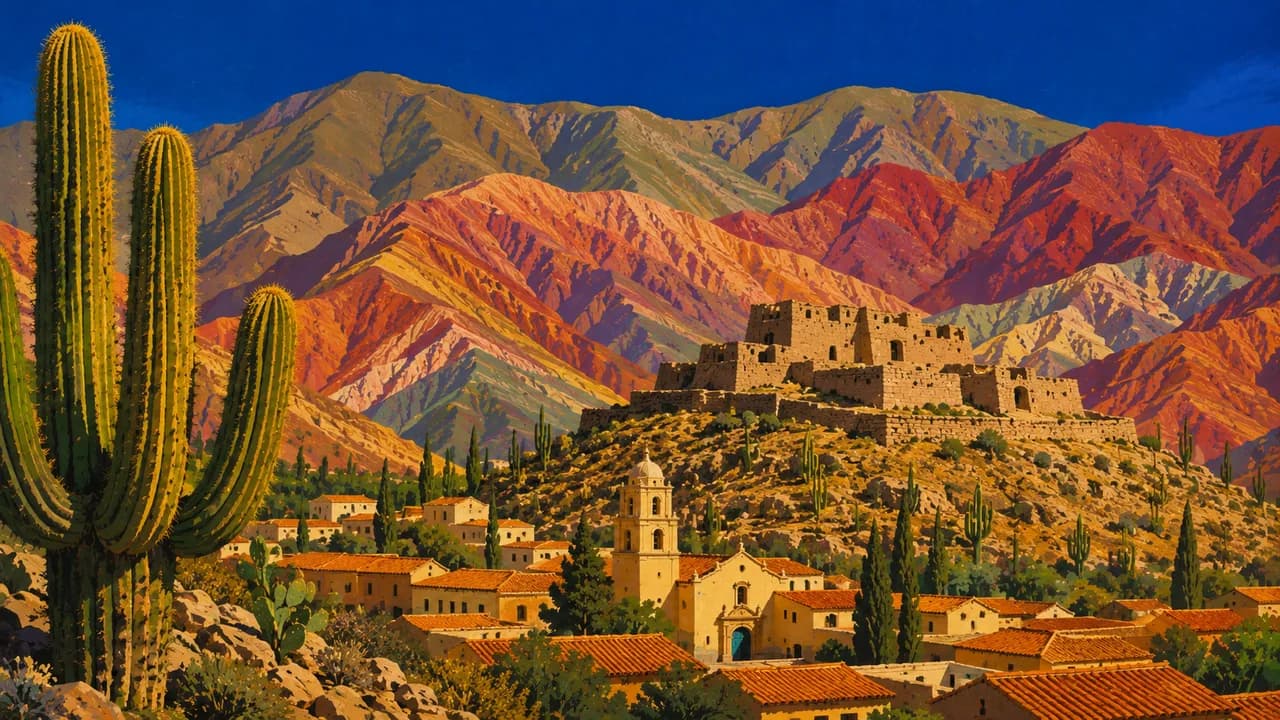
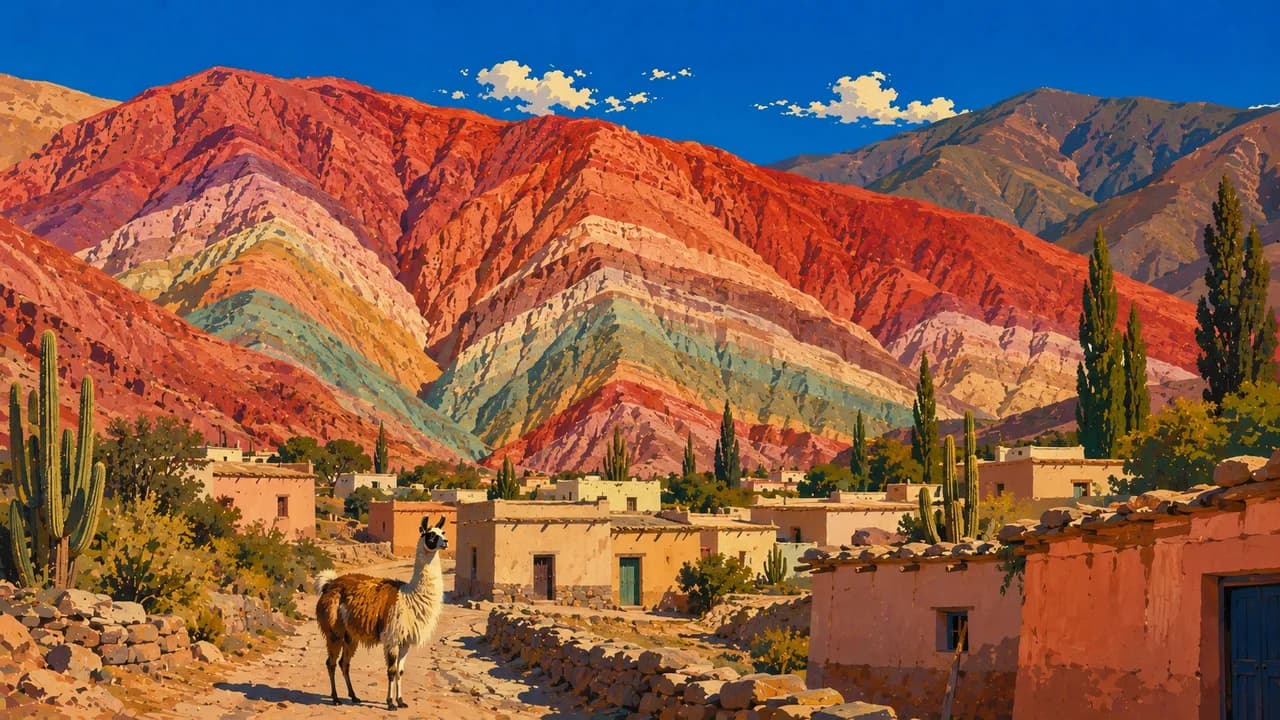
Mar del Plata adds Atlantic beaches, Rosario the Paraná riverfront, and Córdoba historic architecture and the nearby Sierras. In the northeast, Iguazú's waterfalls and rainforest contrast with the Iberá wetlands, where boat trips and nature walks reveal birds, capybaras and other wildlife. Salta and Jujuy offer Andean traditions, the Quebrada de Humahuaca, villages such as Tilcara and Purmamarca, and colourful mountain scenery. Cafayate adds high-altitude vineyards.
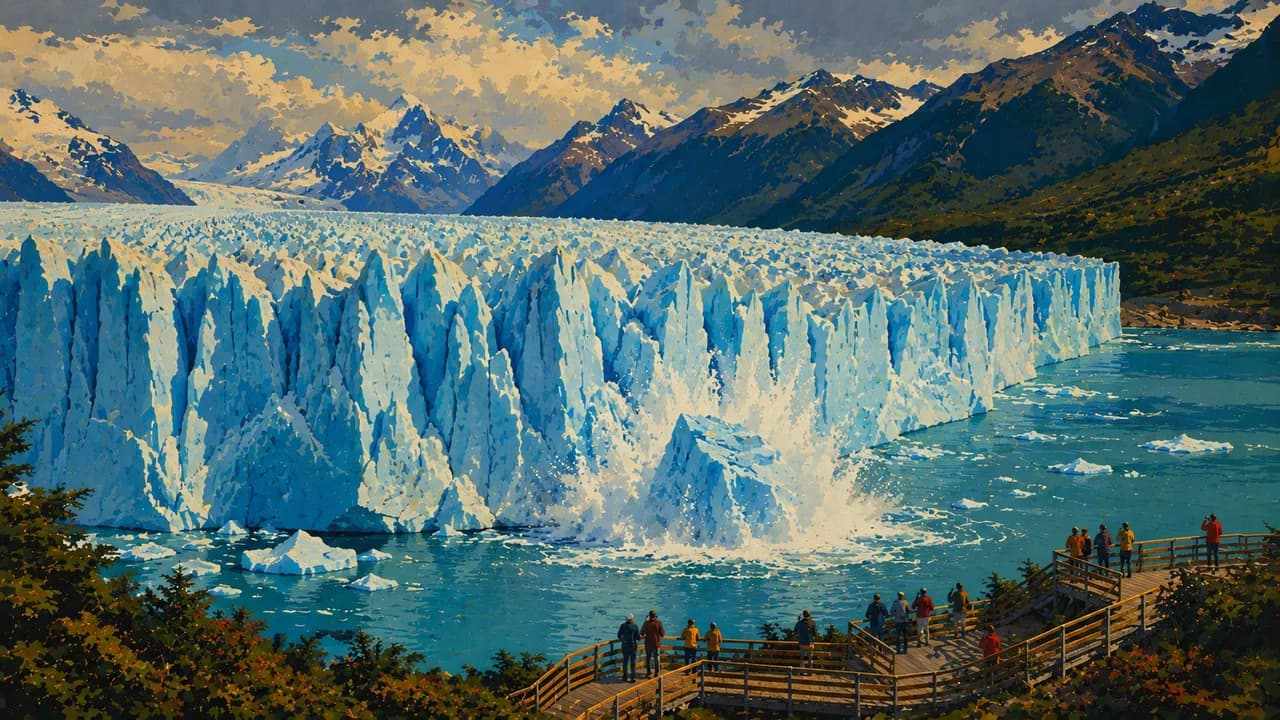
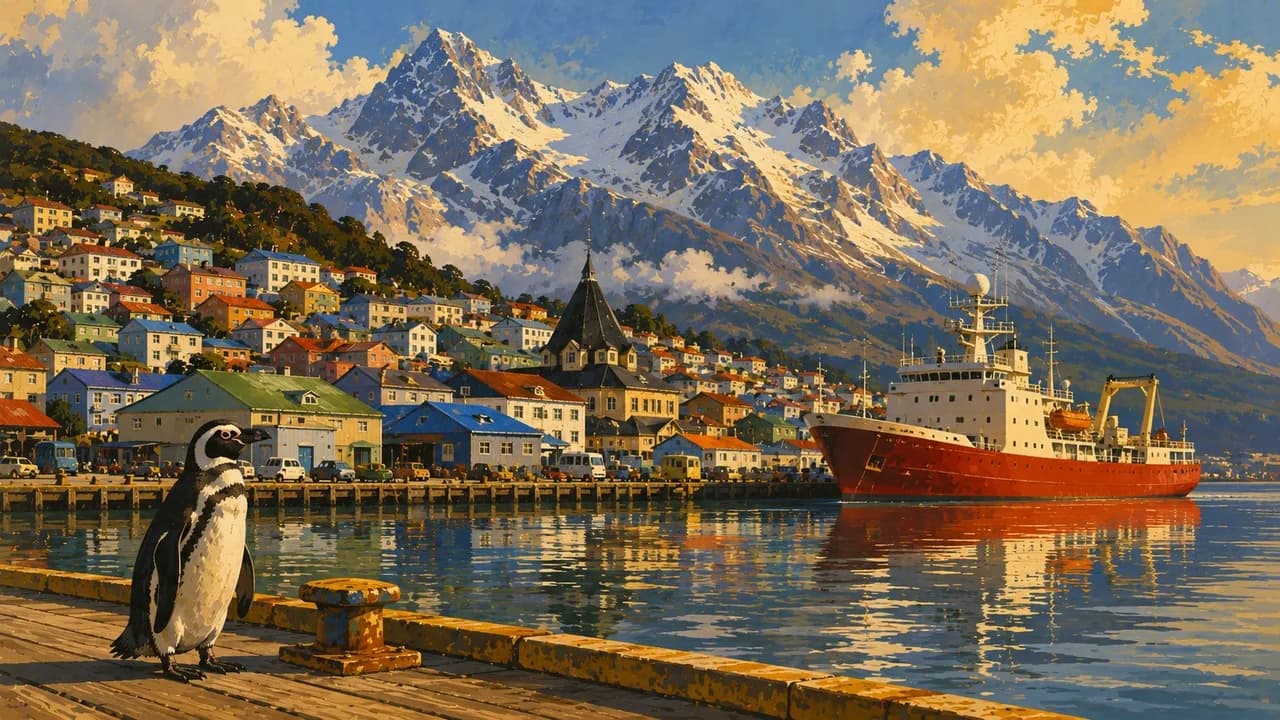
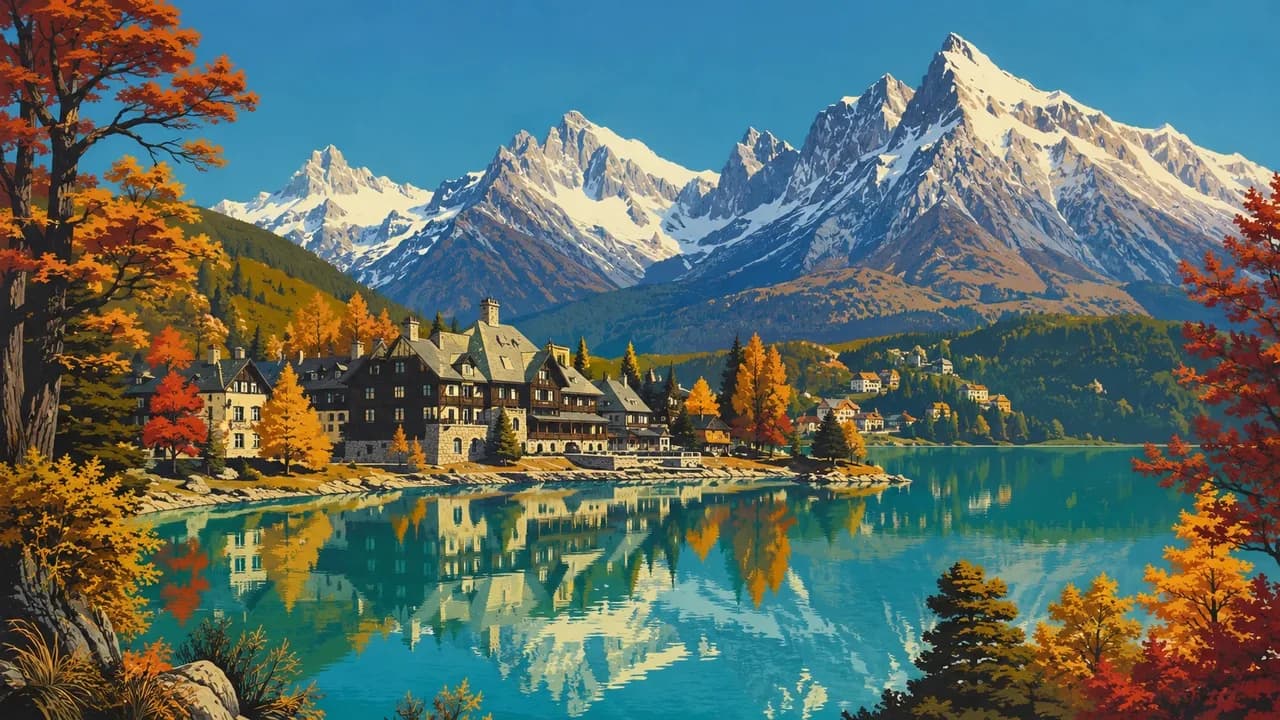
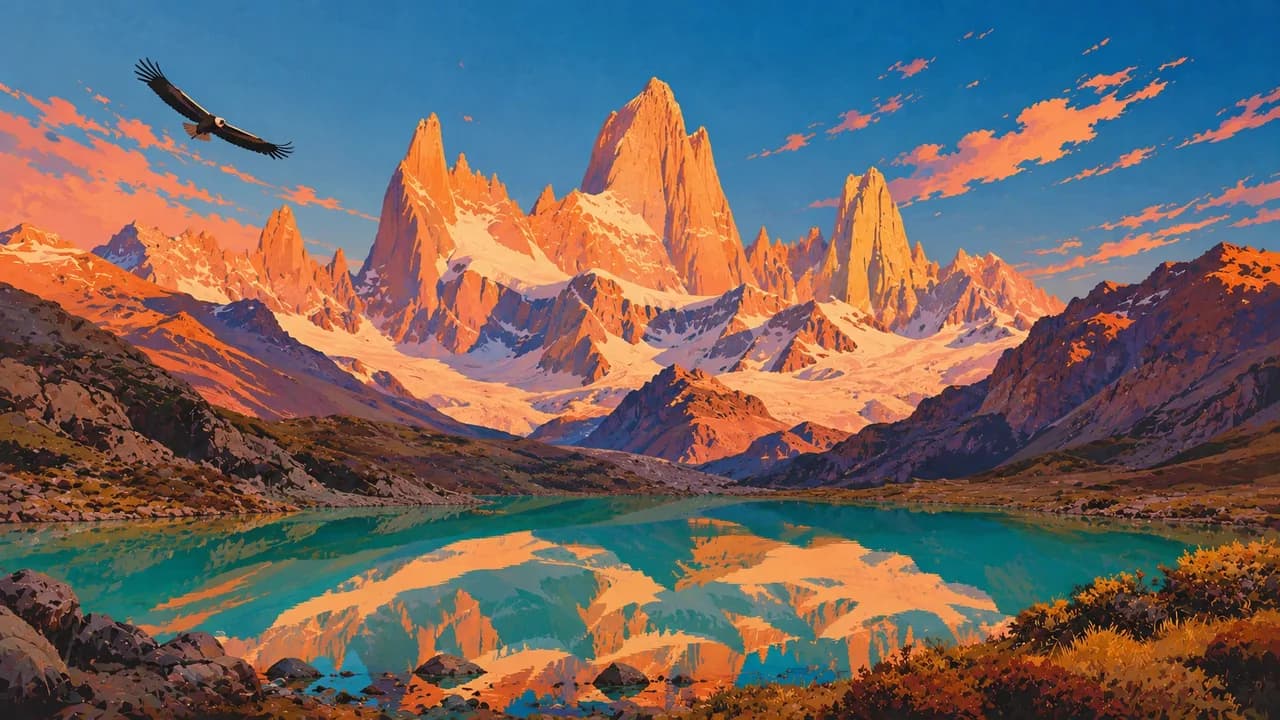
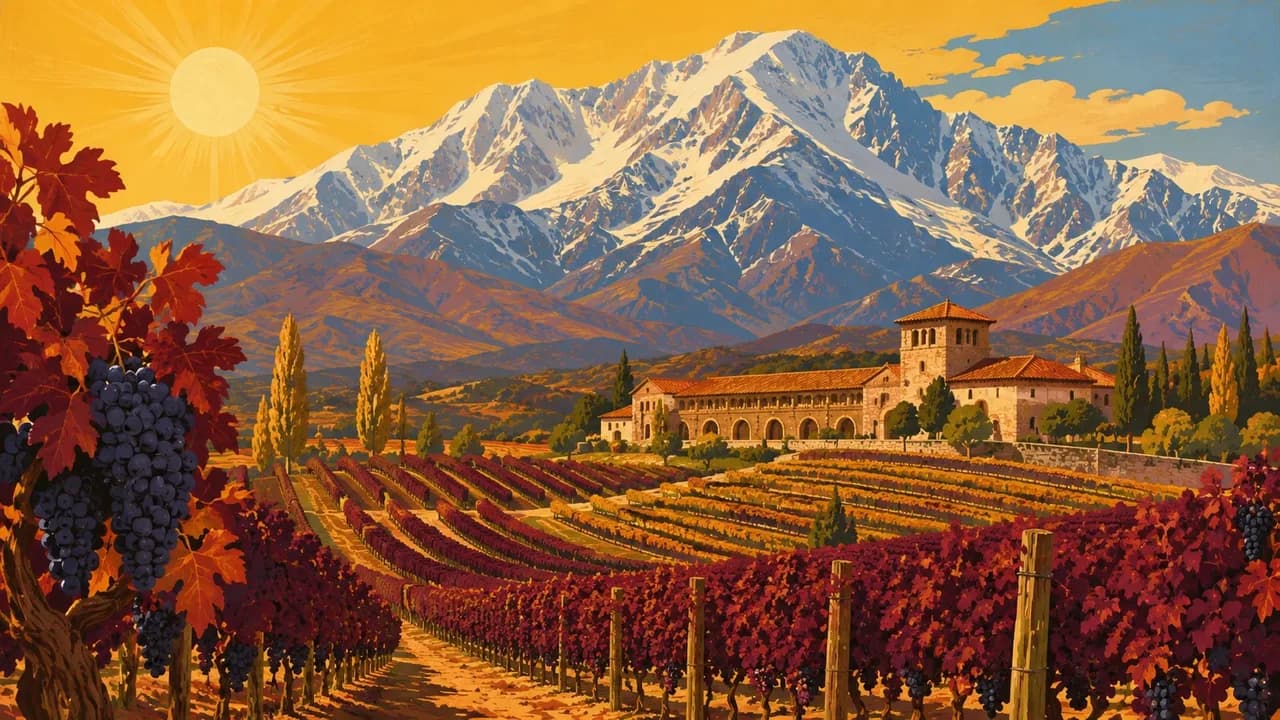
Farther west, Mendoza pairs wine with Andean landscapes beneath Aconcagua, San Rafael offers canyons and reservoirs, and Ischigualasto reveals eroded rock formations and Triassic fossil heritage. The northern Patagonian lake district links San Martín de los Andes, Villa La Angostura and Bariloche with forests, hiking and winter sports, extending south through El Bolsón to Los Alerces National Park. El Calafate is a gateway to Perito Moreno Glacier, El Chaltén to mountain trails around Fitz Roy, and Ushuaia to Tierra del Fuego and the Beagle Channel.
On the Atlantic side, Puerto Madryn and Península Valdés offer seasonal opportunities to see whales, penguins and seals without guaranteed sightings. Asado, regional empanadas, locro, mate and wines express the country's culinary variety. Southern summer generally favours Patagonian hiking, while winter brings ski opportunities in the Andes, including Las Leñas. Heat and summer rain affect the north differently. Long distances, altitude, wind and seasonal access call for regional planning and up-to-date local information.
AI edited
- 23
- Provinces Argentina comprises 23 provinces and the separate Autonomous City of Buenos Aires. The autonomous capital is not an additional province.
- 46.5 million
- Population Rounded from INDEC's population projection of 46,466,688 people at 1 July 2026, based on the 2022 Census. A projection, not a new census.
- ≈ 2.78 million km²
- Area Rounded area of the South American national territory according to IGN. Excludes Antarctic claims and disputed South Atlantic islands administered by the UK. Other boundaries and measurement dates give different values.
- Spanish
- Language Spanish is the predominant everyday language, with regional varieties. The Spanish flag here represents the language.
- Indigenous & other languages
- Other languages Indigenous languages include Guaraní, Quechua, Qom and Mapudungun, among others. Other community languages and foreign-language skills vary regionally and individually.
- Argentine peso (ARS)
- Currency The national currency is the peso, symbol $. Prices, payment conditions and exchange rates can change. Check acceptance and fees locally. US dollars are not accepted everywhere.
- I · C
- Socket types Type I is the official standard at 220 volts and 50 hertz. Type C occurs in older or compatible installations. An adapter does not convert voltage. Check outlets and appliance specifications.
- Buenos Aires
- Capital The Autonomous City of Buenos Aires is the federal capital and a separate jurisdiction. It is distinct from Buenos Aires Province, whose capital is La Plata.
- Right-hand traffic
- Driving side Traffic drives on the right. Long distances, unpaved roads, wind and seasonal closures require realistic daily stages and current local information.
- UTC−3
- Time zone Argentina currently uses UTC−3 nationwide without seasonal clock changes. Different historical IANA zones do not mean a current regional time difference. The clock compares the browser zone and a saved home location where available.
- 7
- UNESCO cultural sites Seven cultural UNESCO World Heritage properties, checked October 2026. The five natural properties are excluded. Transboundary inscriptions each count once.
Argentina on the map

Map data: geoBoundaries (CC BY 4.0), © OpenStreetMap contributors (ODbL), Natural Earth
Climate and best time to travel
Argentina's north-south extent and the Andes make regional planning important. Buenos Aires and the central region are often pleasant in spring and autumn. The northeast can be warm, humid and rainy year-round. The northwest is often drier from April to November, with cold nights at altitude. Mendoza and the western valleys combine dry conditions with considerable elevation differences. The longer days from November to March often suit hiking in the Patagonian lake district and farther south, but wind, cold and sudden weather changes remain possible. The southern winter ski season depends on snow and operations. Atlantic marine wildlife follows different seasonal cycles. Month ranges are guidance, not guarantees of weather, sightings or access. Check park advice, road conditions and local information before outings.
Destinations in Argentina
 AI generated
 AI generated
 AI generated
 AI generated
 AI generated
 AI generated
 AI generated
 AI generated
 AI generated
 AI generated
 AI generated
 AI generated