Italy
Italia
Art cities, Mediterranean coasts and flavours from the Alps to Sicily.
Worth coming back!
Wanderlama keeps growing with new destinations, helpful information and exciting features. Check back soon and discover what is new!
Travel to Italy
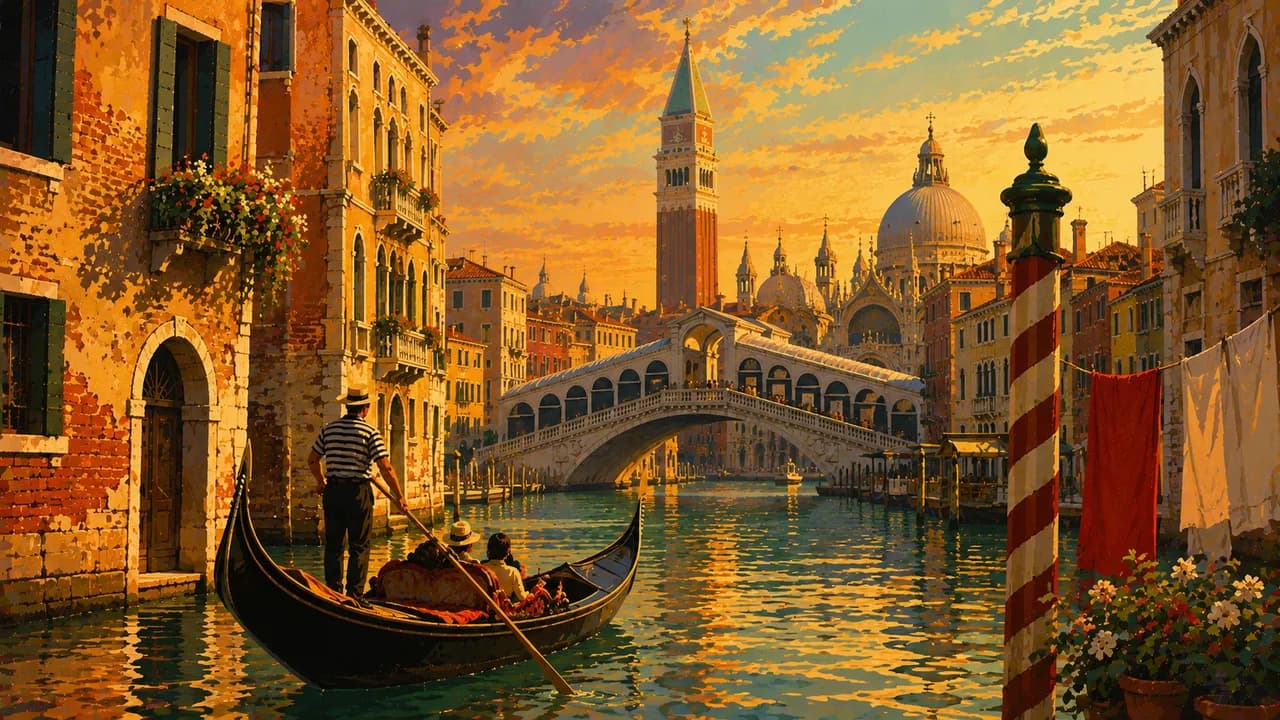
Italy stretches from the Alps into the Mediterranean, combining historic cities, varied landscapes and distinctive regional cuisines. Rome holds the Colosseum and the Forum and surrounds the independent Vatican City. Florence preserves Renaissance art, while Venice is shaped by canals and palaces.
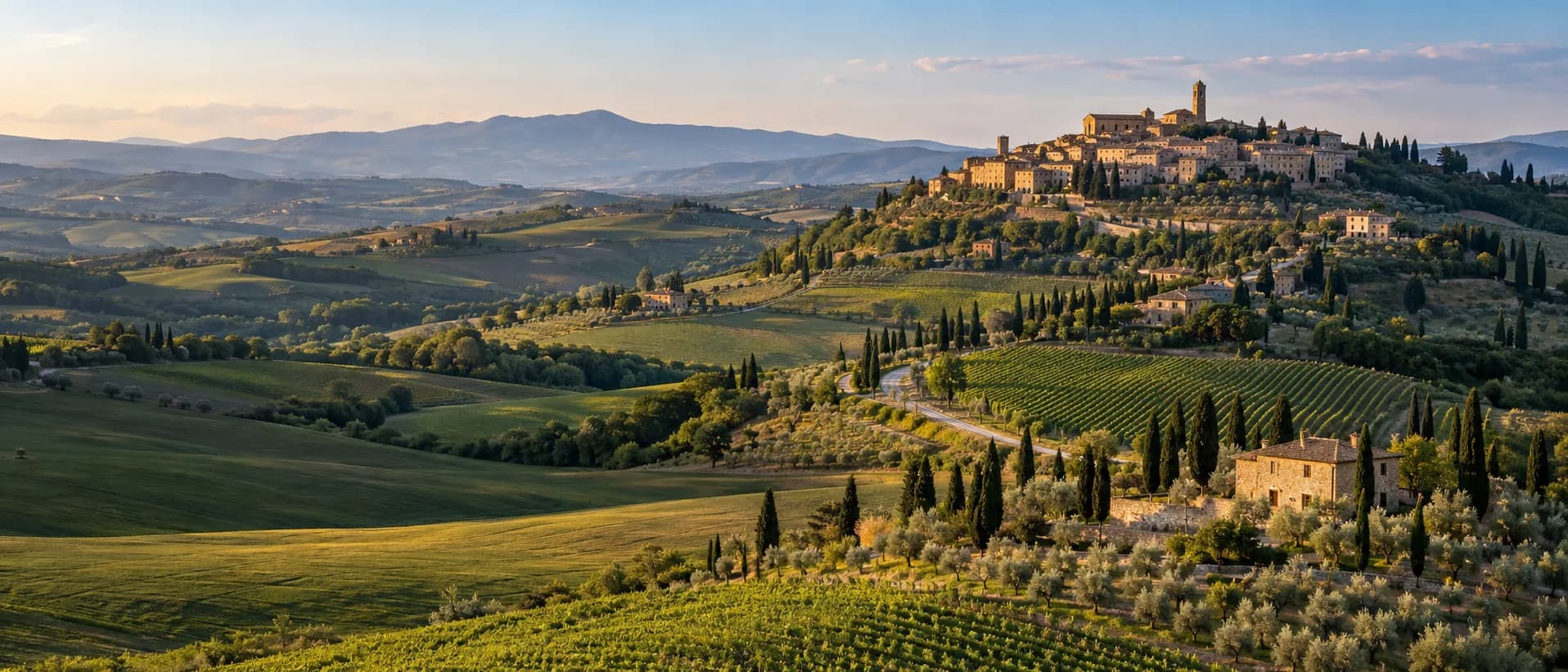
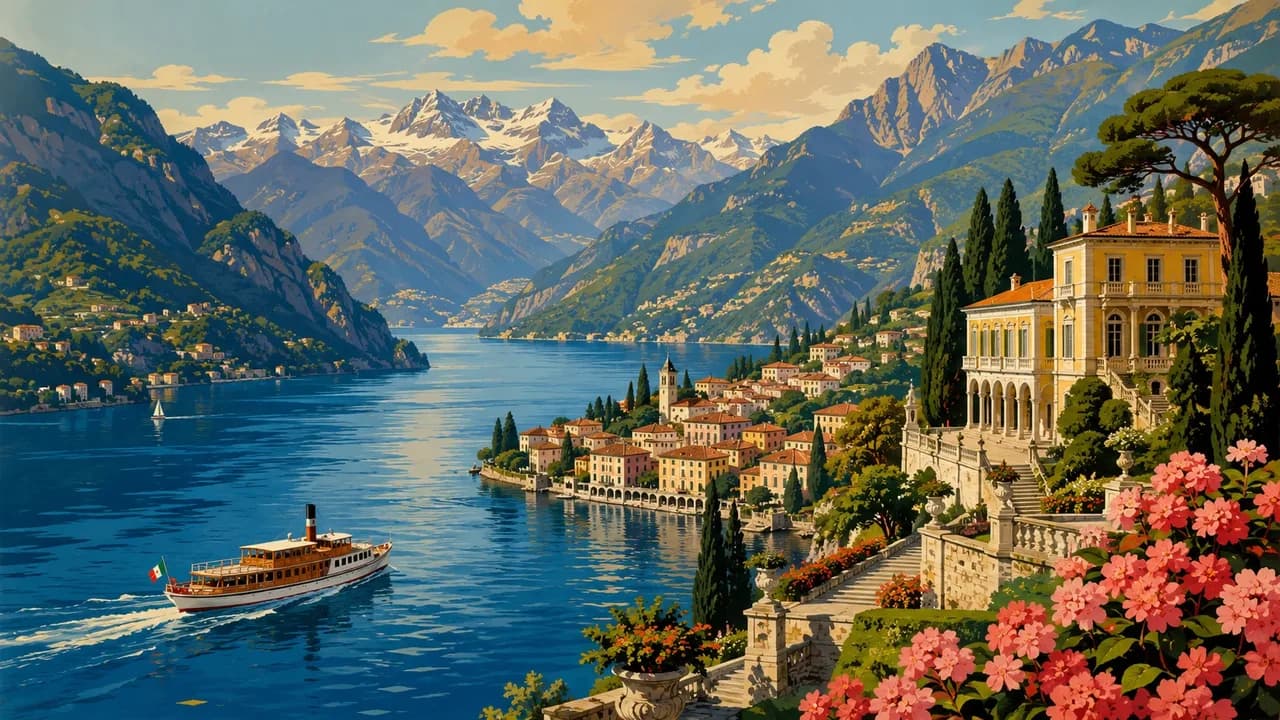
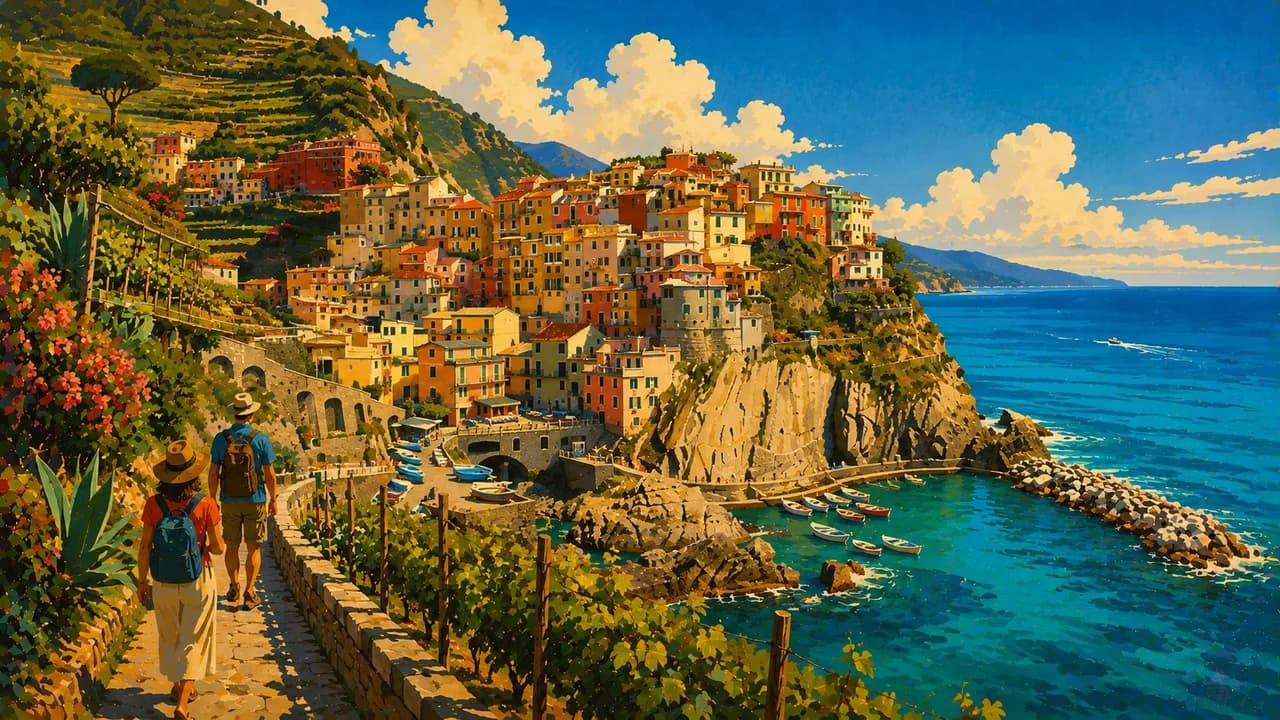
The Dolomites, northern lakes, Cinque Terre and Amalfi Coast offer mountain trails and coastal scenery. Tuscany and Umbria add vineyards, olive groves and medieval hill towns. Pompeii, the cave districts of Matera and the towns of Puglia reveal other chapters of the country's history. Sicily and Sardinia combine archaeological heritage, distinctive traditions and beaches. Food, wine, coffee and everyday life in the piazzas are part of the experience.
Fast trains connect the main cities. Milan and Turin add design, museums and former industrial districts to northern city routes. Bologna and Emilia-Romagna connect university heritage with food markets and regional cooking. Naples brings street life, archaeology and pizza traditions, while the Apennines offer forests, villages and mountain paths beyond the famous coasts. Regional identities remain visible in local festivals, workshops, markets and everyday meals.
Museum cities offer year-round visits, whereas high mountain trails, bathing conditions and island services change with the seasons. Summer heat can make inland sightseeing demanding. Regional railways and buses extend beyond the fast-train network, while smaller islands need ferries and rural areas may need additional transport. Access rules and reservations vary between historic centres, museums and protected landscapes.
AI edited
- 2
- Enclaves
- 58.9 million
- Population
- 302,073 km²
- Area
- Italian
- Language
- German, French & others
- Other languages Italy protects twelve historical minority languages. They include German, French, Slovene, Sardinian, Friulian and Ladin, among others.
- Euro (EUR)
- Currency
- C · F · L
- Socket types
- Rome
- Capital
- Right-hand traffic
- Driving side
- UTC+1 / UTC+2
- Time zone Central European Time (CET): UTC+1. During daylight saving time, Central European Summer Time (CEST) applies: UTC+2 – usually from late March to late October.
- 56
- UNESCO cultural sites
Italy on the map

Map data: geoBoundaries (CC BY 4.0), © OpenStreetMap contributors (ODbL), Natural Earth
Climate and best time to travel
Italy stretches from the Alps deep into the Mediterranean and therefore spans several climate zones. Winters are cooler and snowy in the northern mountains, while central and southern Italy have a Mediterranean climate. Spring and autumn are particularly good for city trips. July and August can be hot and very busy along the coasts.
Destinations in Italy
 AI generated
 AI generated
 AI generated
 AI generated
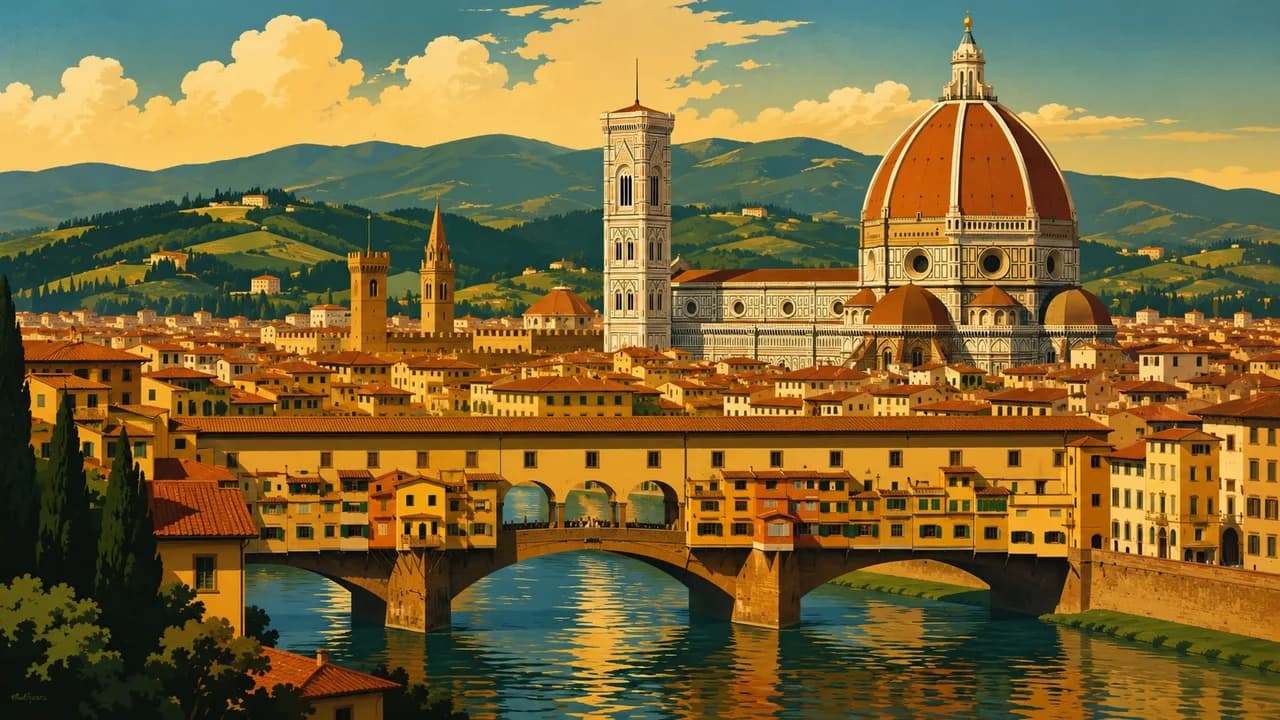 AI generated
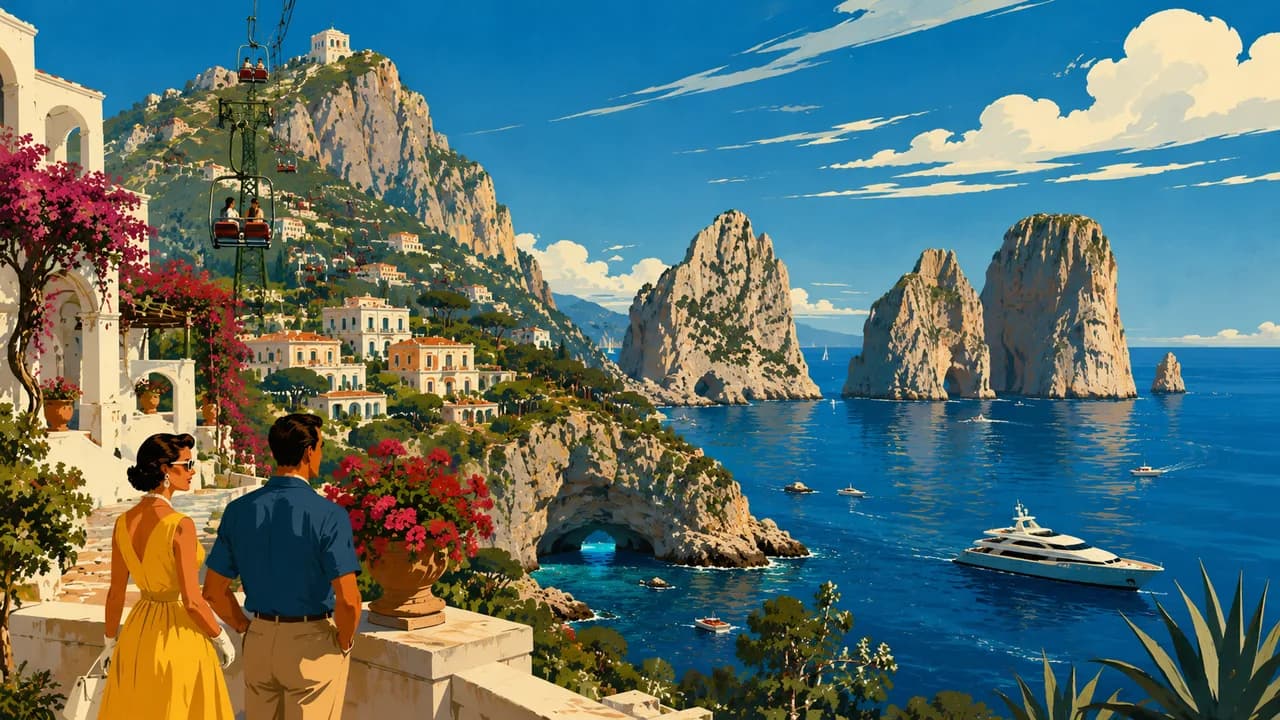 AI generated
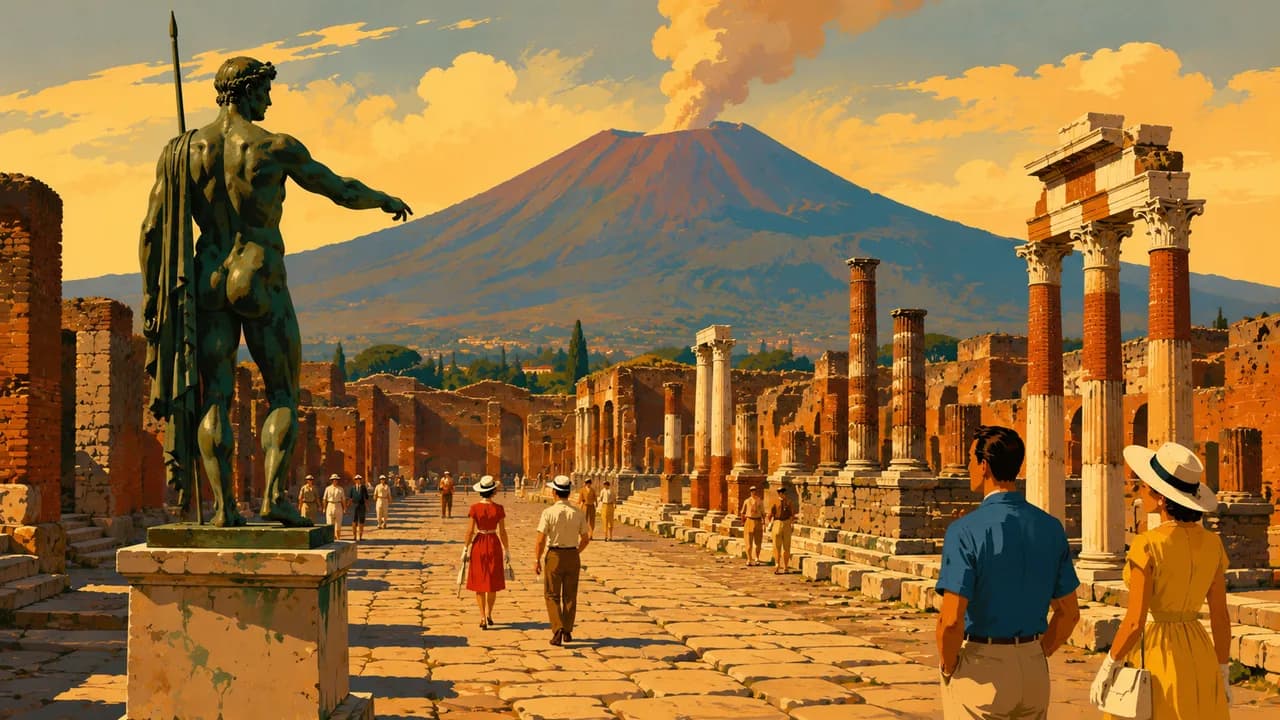 AI generated
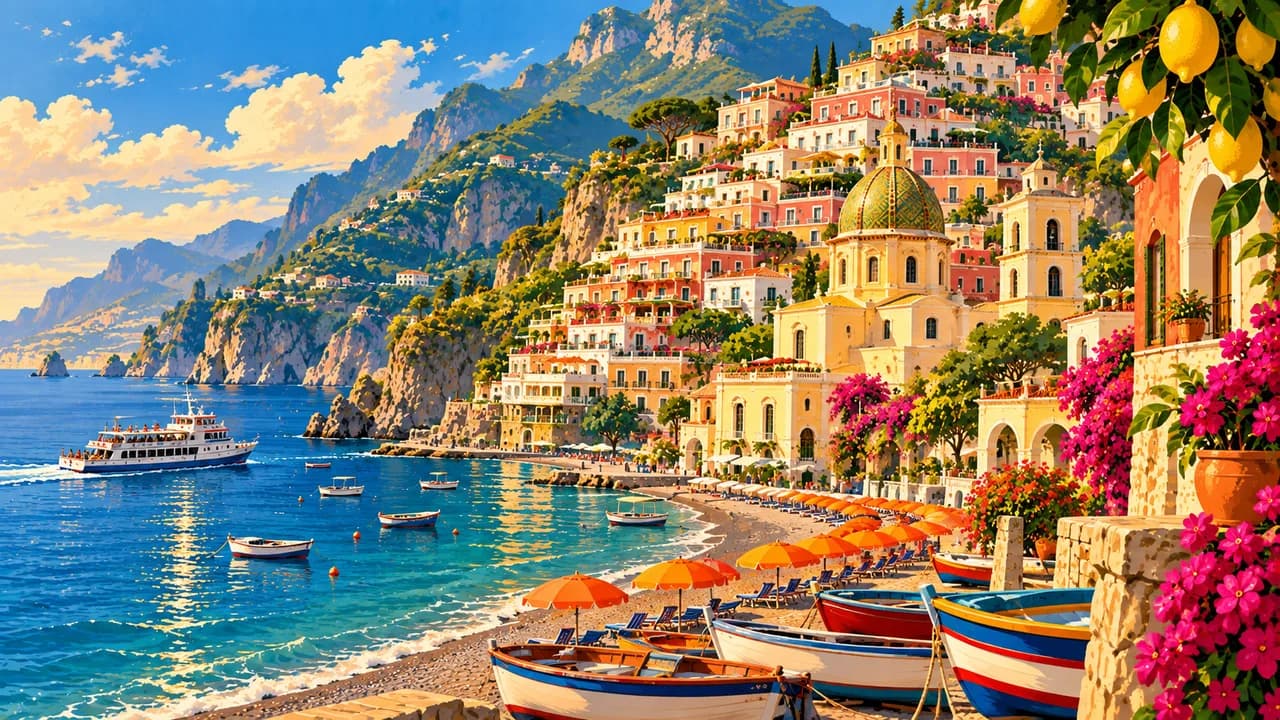 AI generated
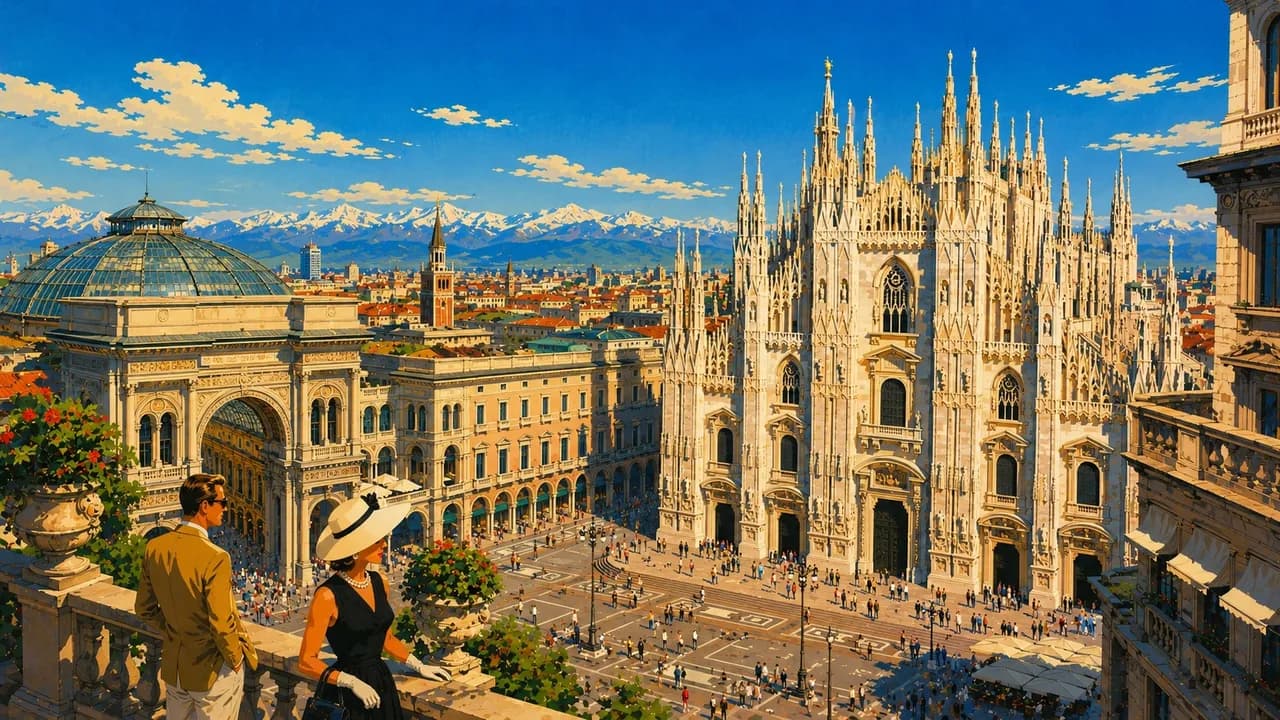 AI generated
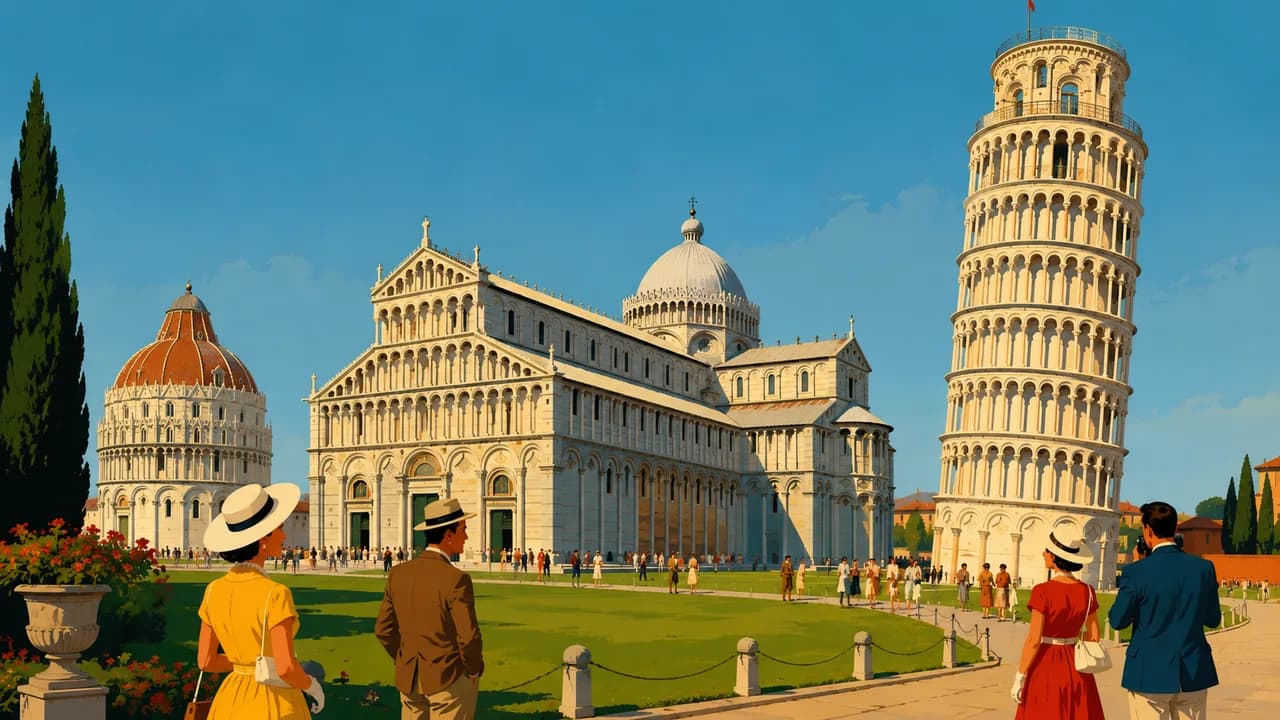 AI generated
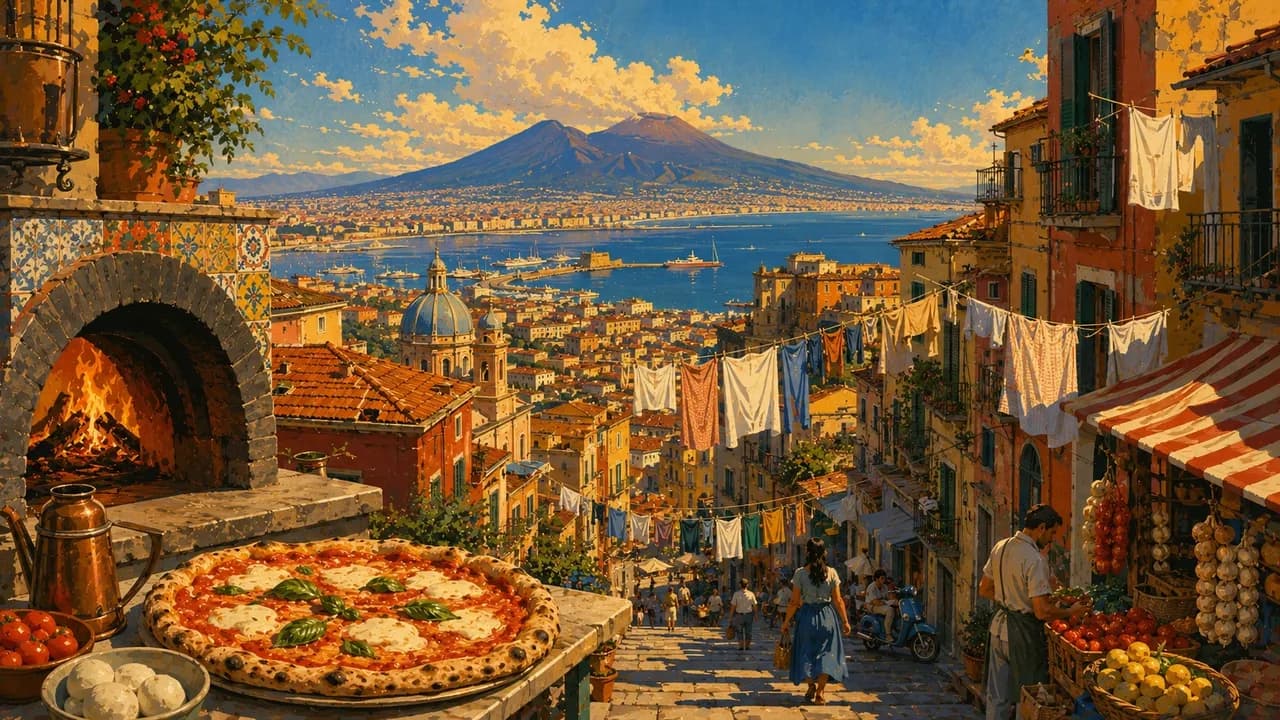 AI generated
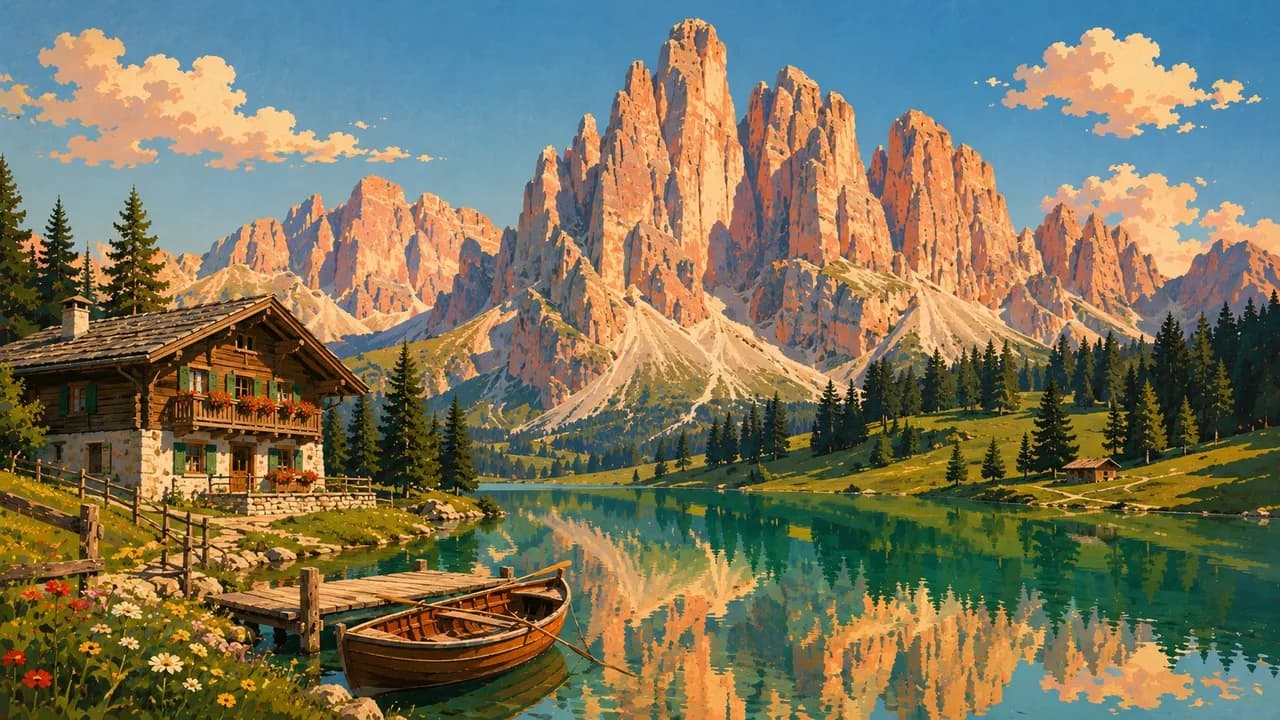 AI generated