Spain
España
Historic cities, sunny island shores and green mountain landscapes meet living traditions and distinctive regional food cultures.
Worth coming back!
Wanderlama keeps growing with new destinations, helpful information and exciting features. Check back soon and discover what is new!
Travel to Spain
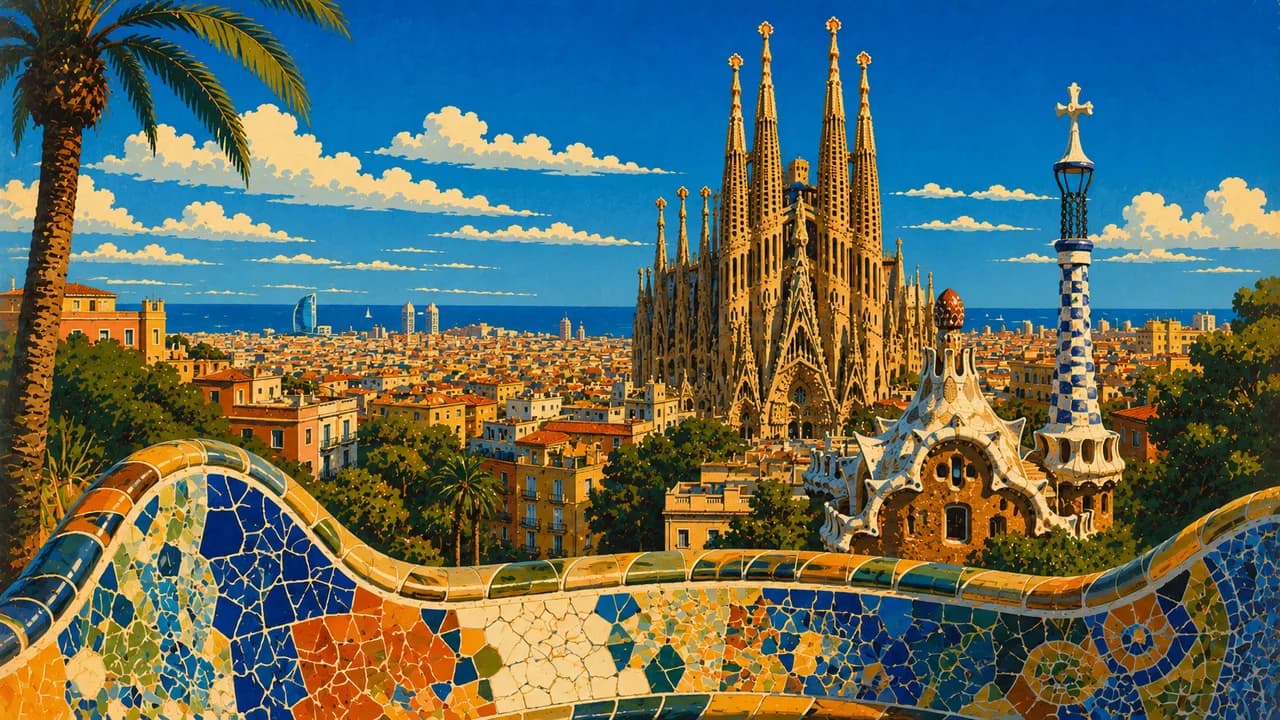
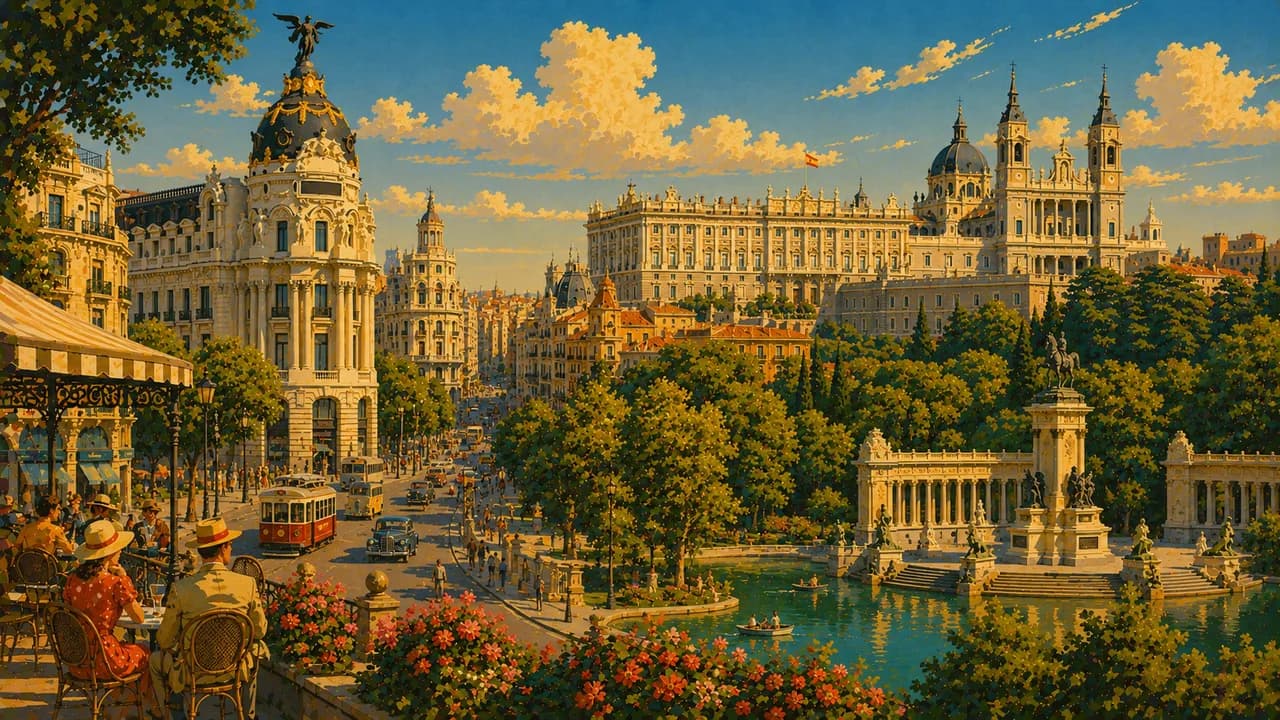
Spain combines historic cities, varied coastlines and mountain landscapes on the Iberian Peninsula with the Balearic and Canary Islands. Madrid brings together royal heritage and the Prado, Reina Sofía and Thyssen museums. Barcelona pairs Gaudí's architecture with Catalan culture, while Valencia combines its historic centre with contemporary architecture and rice cuisine.
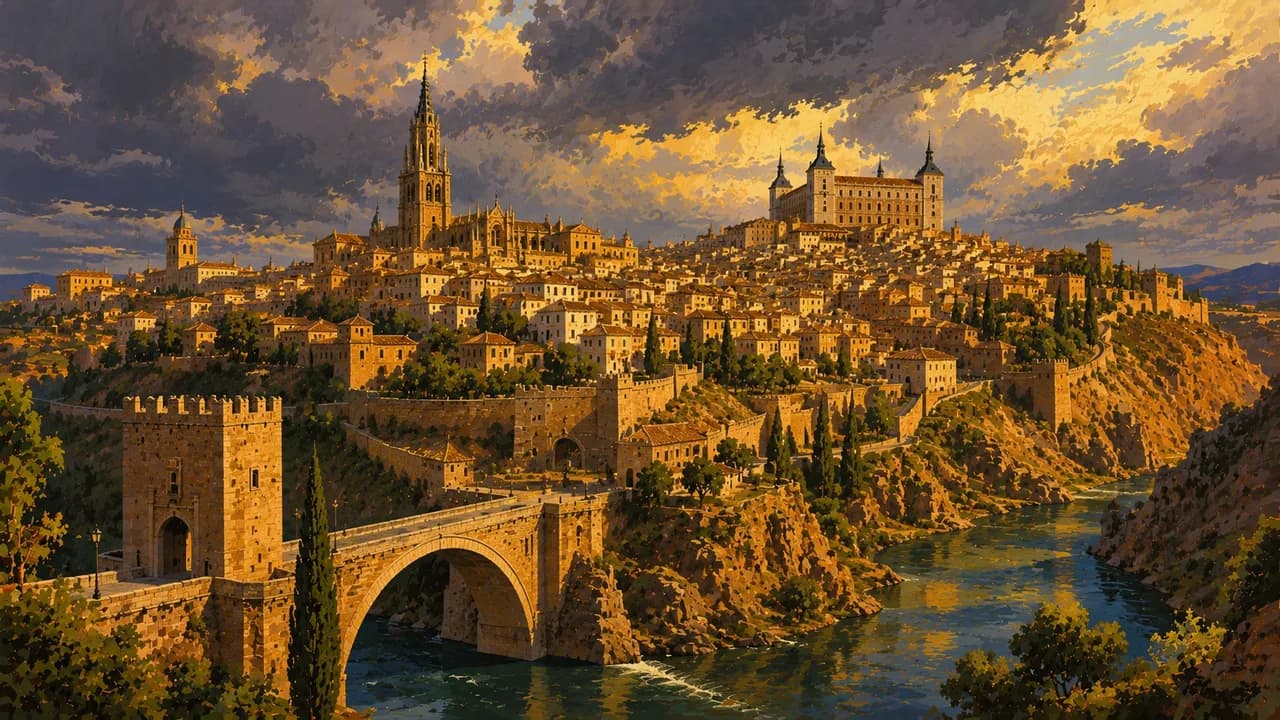
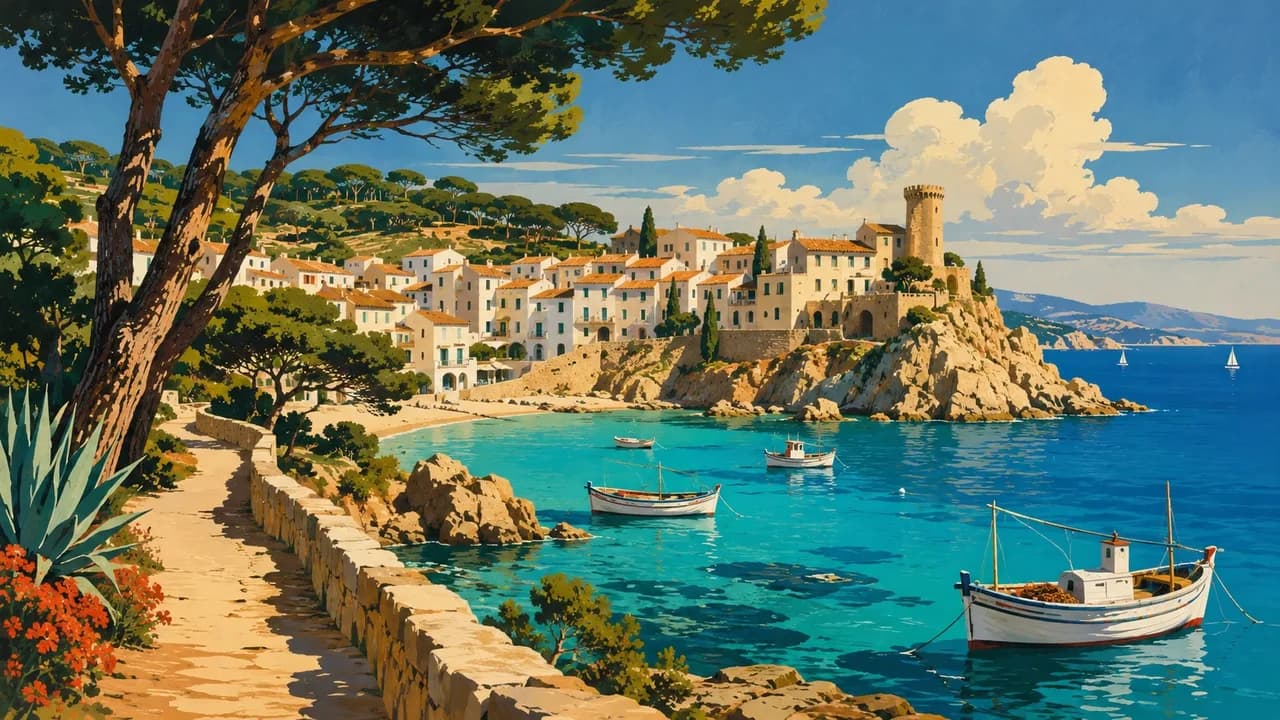
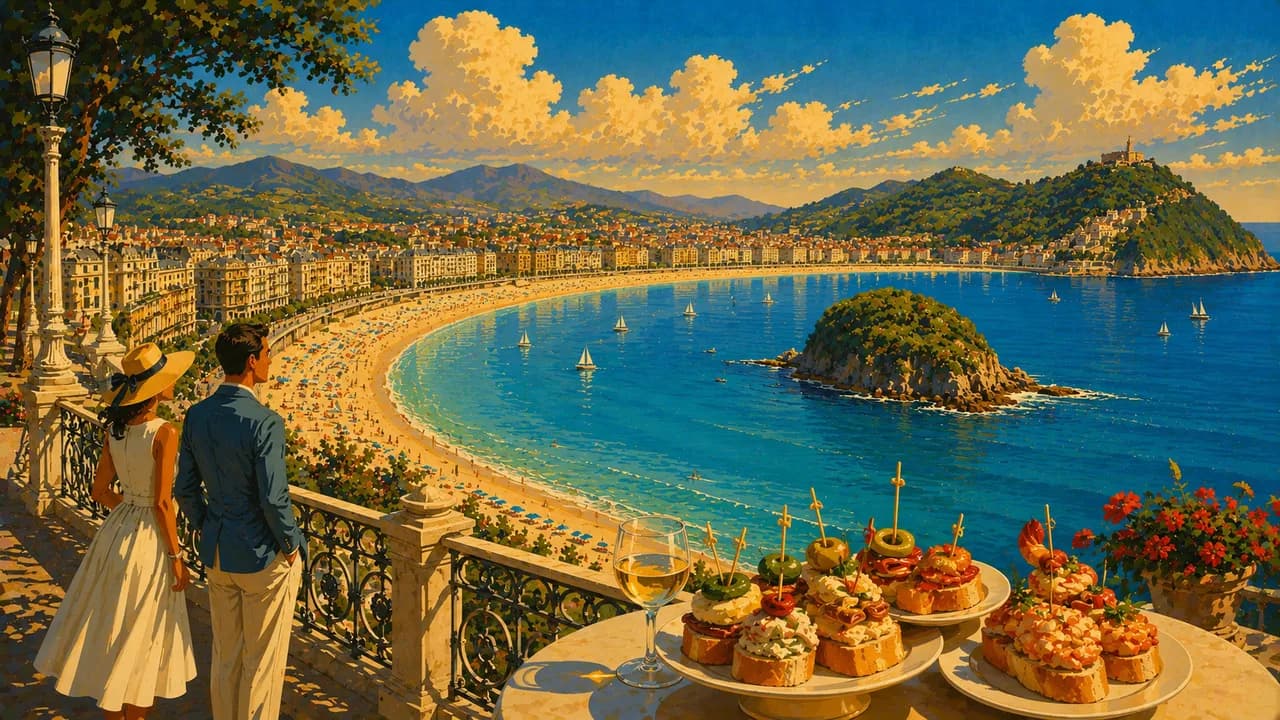
Girona, Tarragona and the Costa Brava complement the Mediterranean beaches around Alicante and Peñíscola. Inland, Segovia, Ávila, Toledo, Cuenca and Salamanca preserve different chapters of the country's history. Cáceres and Mérida add medieval streets and Roman monuments in Extremadura. Zaragoza, Navarre and the vineyards of La Rioja open up the northeast, while the Pyrenees offer mountain walks and winter sports. Bilbao and San Sebastián combine art, coastal scenery and Basque food culture.
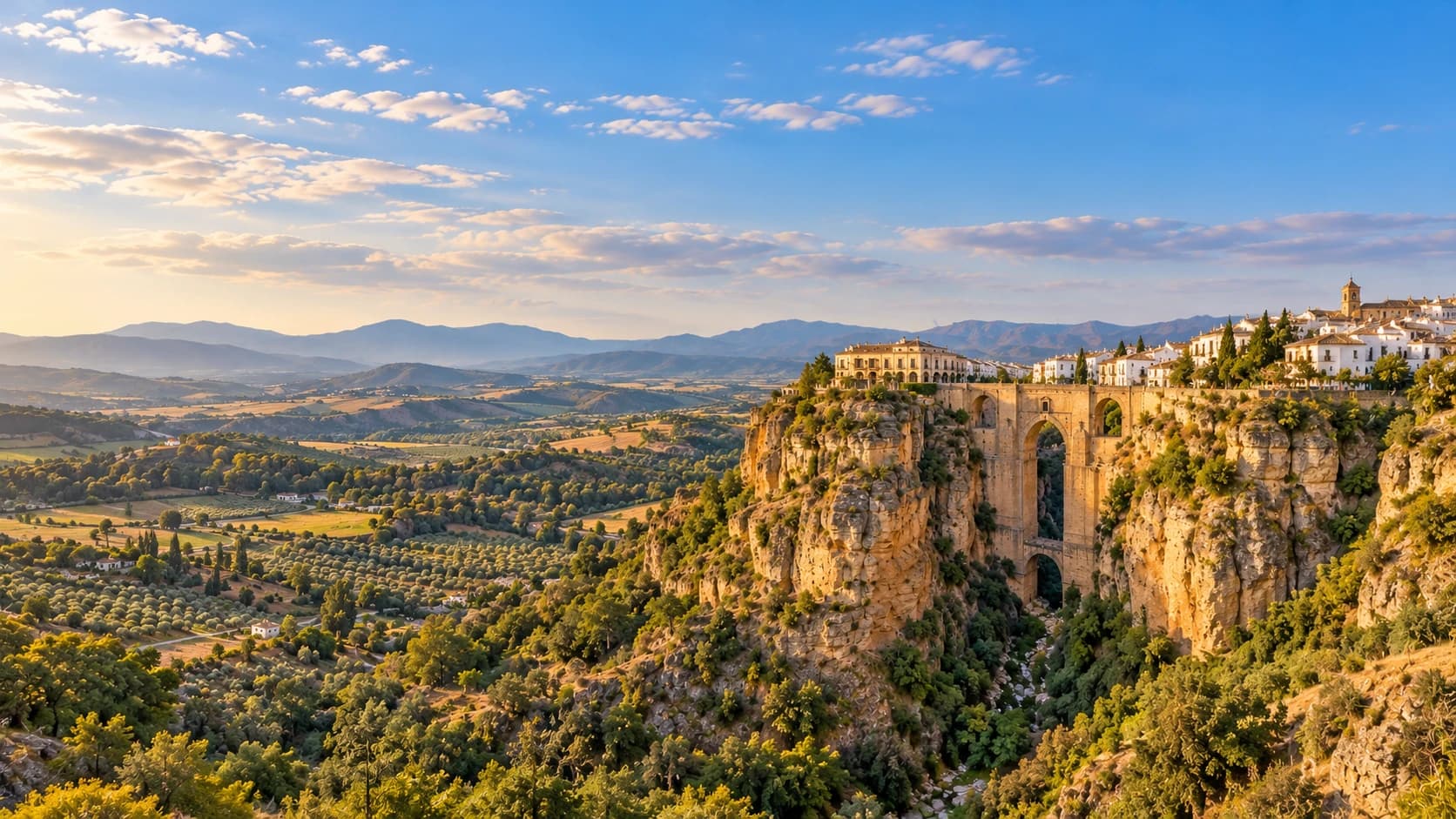
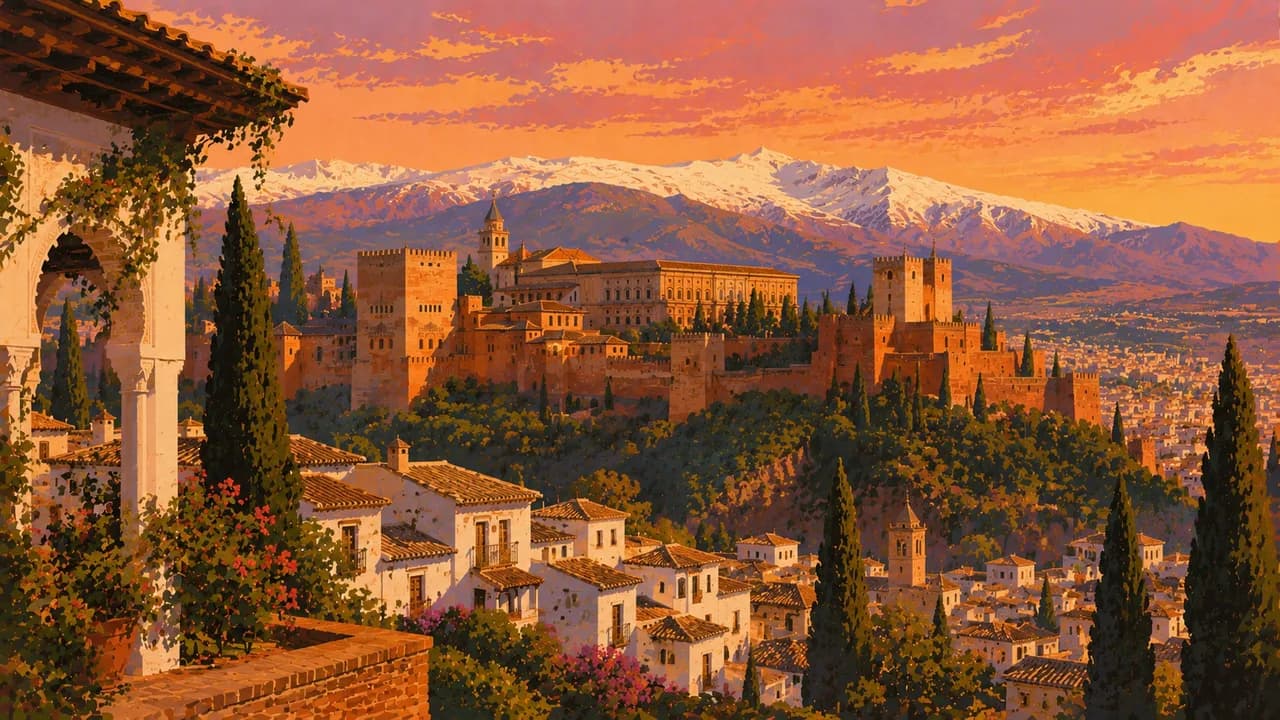
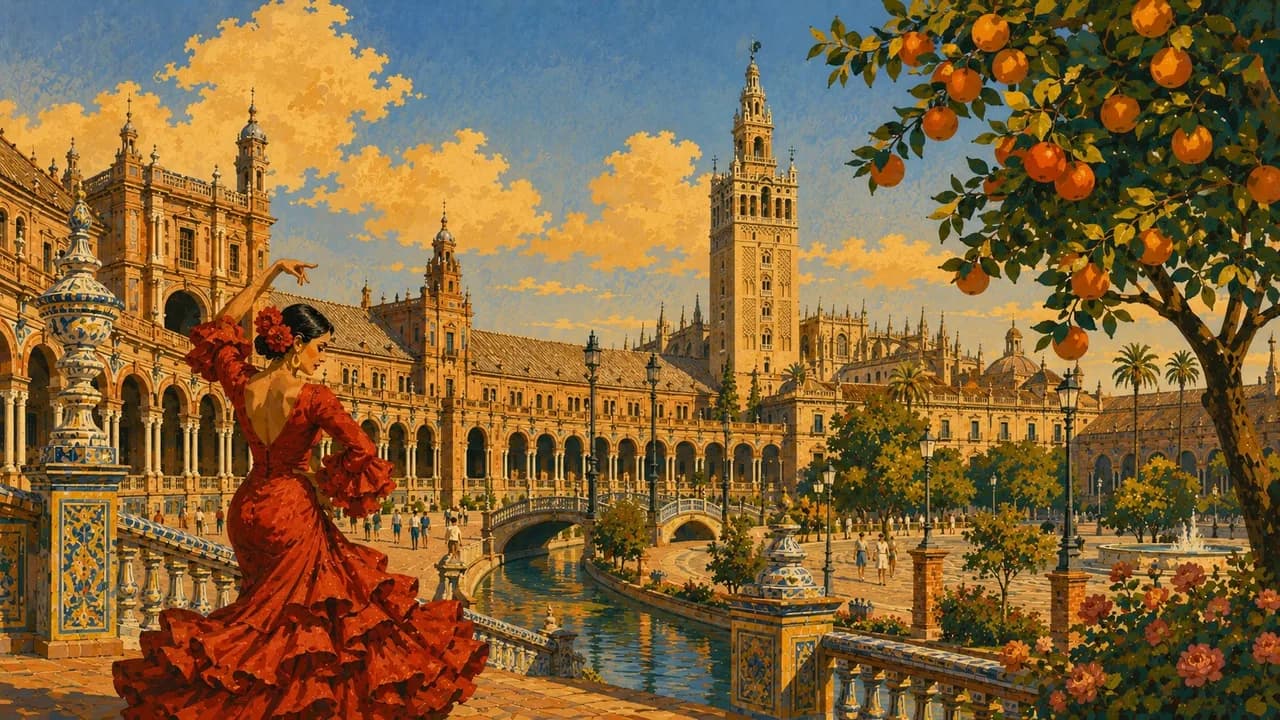
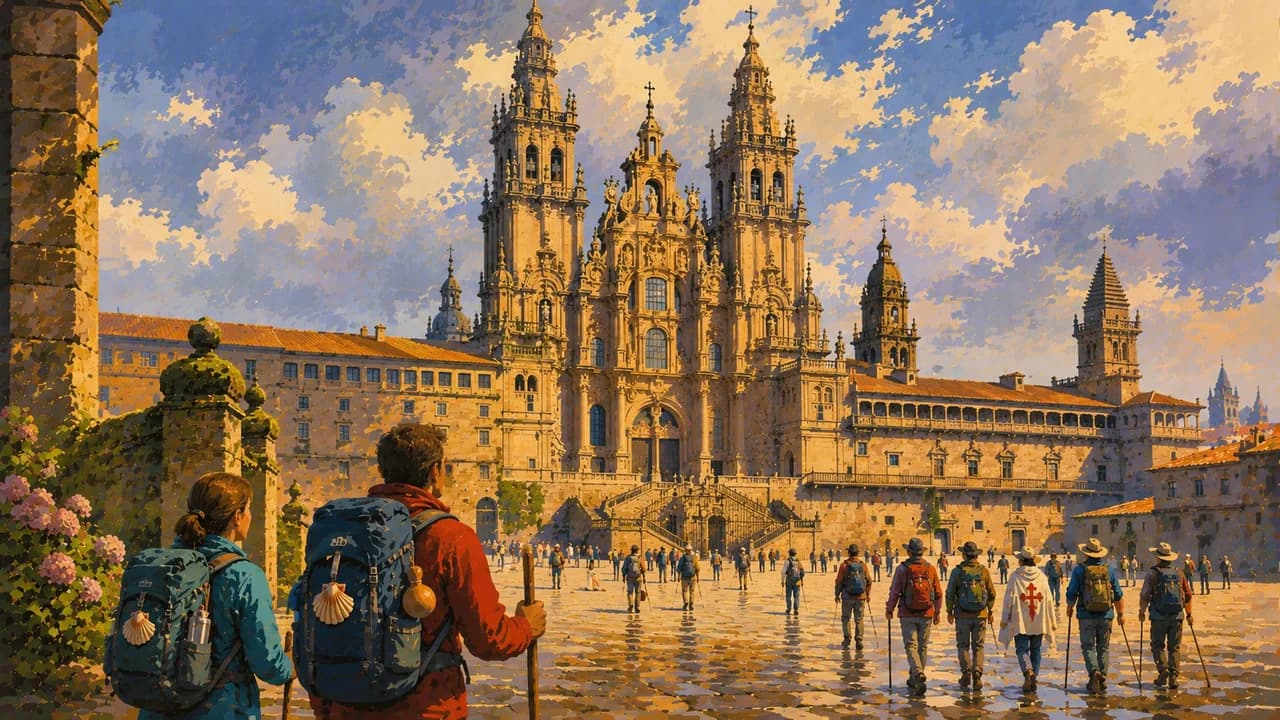
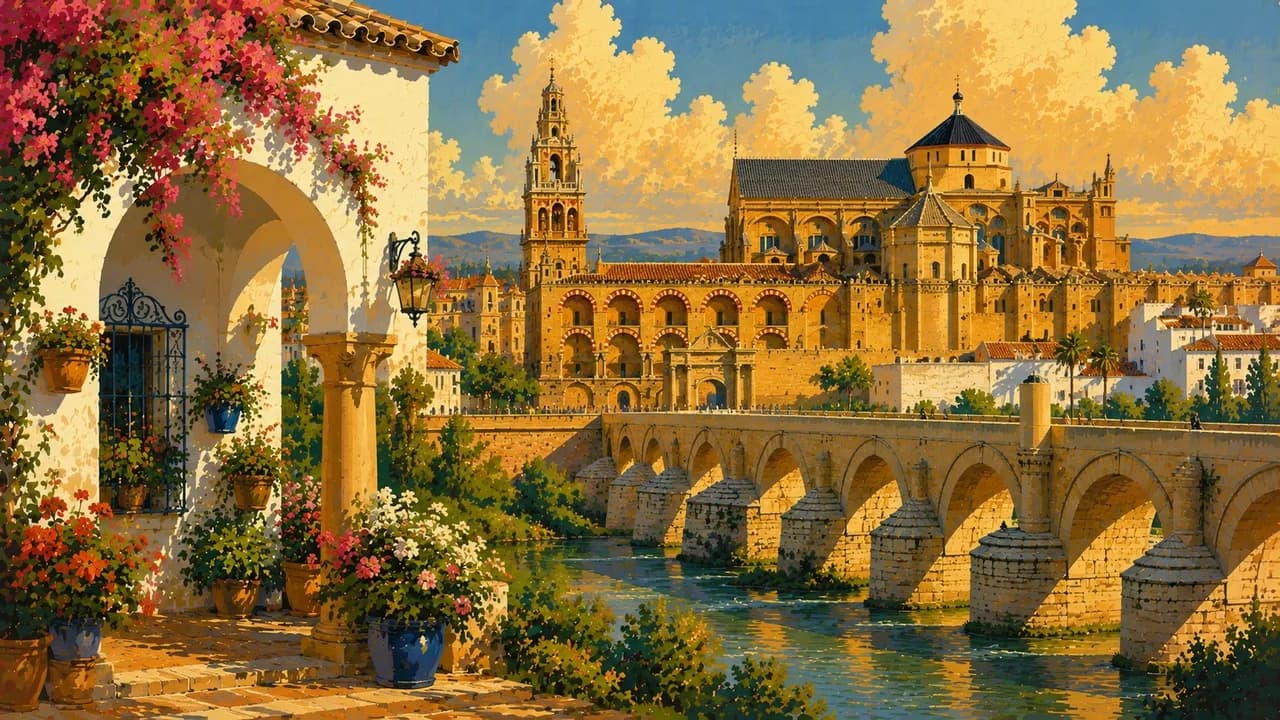
Cantabria, Asturias and Galicia bring green mountains, fishing towns and Atlantic shores, with pilgrimage routes leading to Santiago de Compostela. The Picos de Europa offer another mountain landscape in the north. Andalusia combines the Islamic heritage of Seville, Córdoba and Granada with flamenco, white villages and Ronda's gorge. Cádiz, Jerez and Tarifa contrast with Málaga's museums, the Costa del Sol and the dry landscapes of Tabernas and Cabo de Gata.
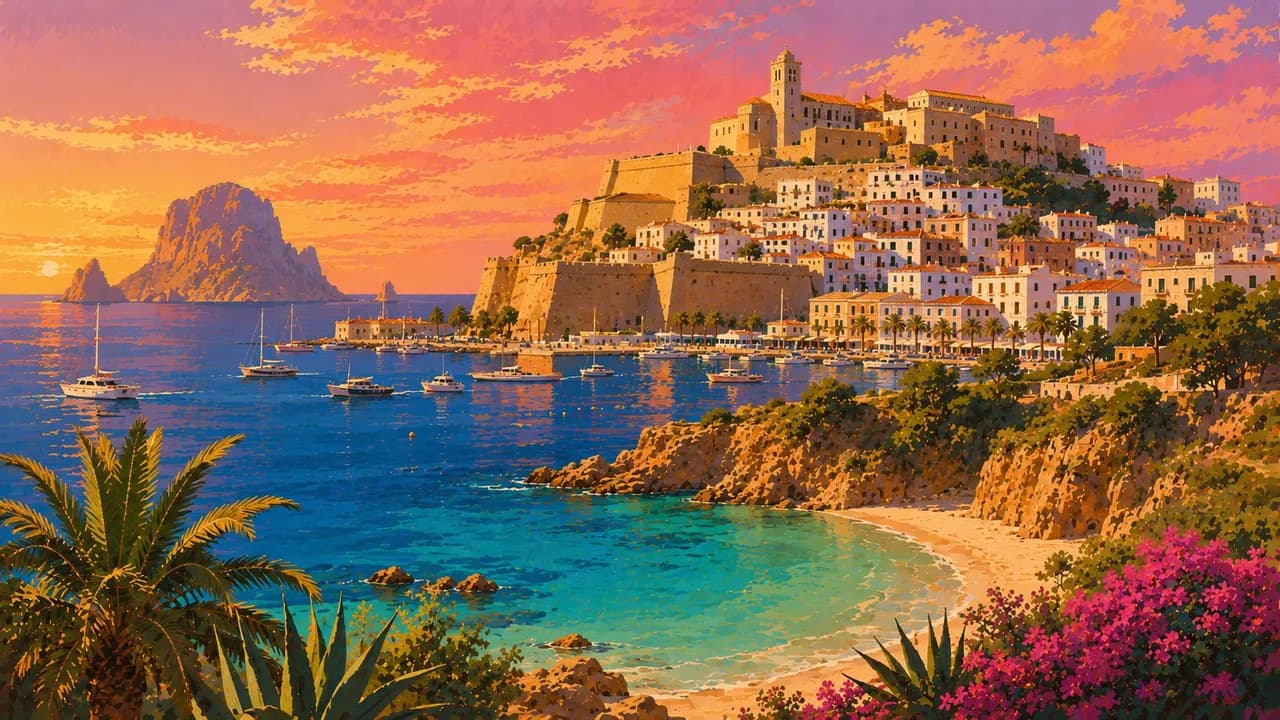
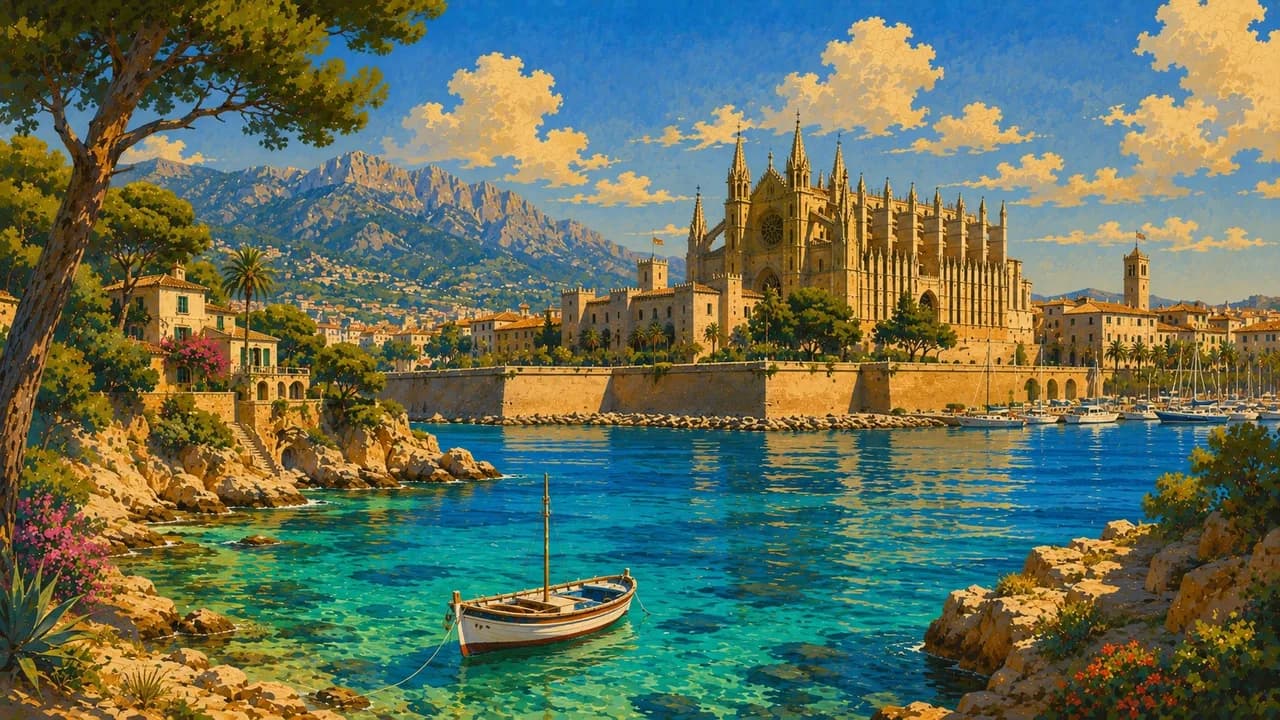
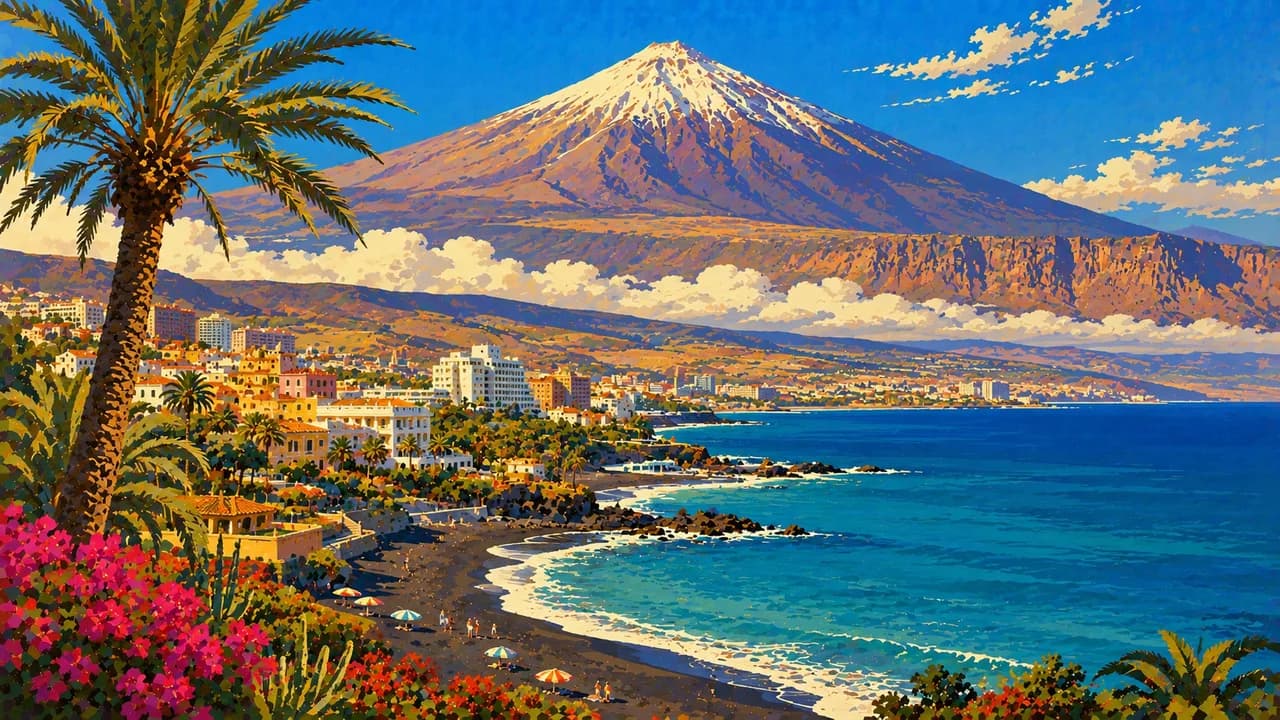
Mallorca, Menorca, Ibiza and Formentera offer more than beaches, with historic towns, rural landscapes and coastal paths. The Atlantic Canary Islands range from the volcanoes of Lanzarote and Tenerife to sandy Fuerteventura, the forests of La Gomera and La Palma, and quieter El Hierro and La Graciosa. Regional languages and traditions shape everyday life alongside Spanish. Tapas, pintxos, Valencian rice dishes, seafood, olive oil, sherry and local wines reflect this diversity.
Travel conditions vary between the wetter north, hot inland summers, high mountains and the islands. Trains link many major mainland cities, while rural areas and island journeys may require buses, ferries, flights or a car.
AI edited
- 17
- Autonomous communities Spain comprises 17 autonomous communities and the two autonomous cities of Ceuta and Melilla. The cities are not included in this count. Autonomous communities and provinces are different administrative levels.
- 49.1 million
- Population Rounded from the INE Annual Population Census for 1 January 2025, which recorded 49,128,297 residents. This is a deliberately dated figure, not a live population count.
- ≈ 506,000 km²
- Area Rounded total area of Spain including the Balearics, Canaries, Ceuta and Melilla. Figures may vary slightly with measurement date and territorial definitions.
- Spanish
- Language Spanish, also called Castilian, is official throughout the state. Other languages are also official regionally under the relevant autonomy statutes.
- Regional languages
- Other languages Catalan or Valencian, Galician, Basque and Aranese have regional co-official status. Other regional languages are also spoken. English proficiency varies by place and person.
- Euro (EUR)
- Currency Spain is part of the euro area. Cards are widely accepted, but cash can be useful for small businesses and rural outings.
- C · F
- Socket types Types C and F are the usual plug systems. Check appliance specifications and adapter requirements before travelling. A travel adapter does not convert voltage.
- Madrid
- Capital Madrid is the capital of Spain. The clock starts with Europe/Madrid. The Canary Islands are one hour behind Madrid and can be selected separately.
- Right-hand traffic
- Driving side Traffic drives on the right in Spain. Islands and historic city centres may have access and parking restrictions. Check local conditions for mountain drives.
- UTC+0 to UTC+2
- Time zones The mainland, Balearics, Ceuta and Melilla use UTC+1 in winter and UTC+2 in summer. The Canaries use UTC+0 and UTC+1 respectively and are one hour behind. The clock follows seasonal changes.
- 44
- UNESCO cultural sites 44 exclusively cultural UNESCO World Heritage properties, checked October 2026. Natural heritage and mixed properties Ibiza and Pyrénées–Mont Perdu are excluded.
Spain on the map

Map data: geoBoundaries (CC BY 4.0), © OpenStreetMap contributors (ODbL), Natural Earth
Climate and best time to travel
Spain has no single best travel season. Spring and autumn suit many cities and inland areas, which can become very hot in midsummer. The Atlantic north is generally wetter and more changeable than the Mediterranean coast. Summer often suits beach holidays, but sea temperatures, wind and waves vary by region. In the Pyrenees and other high mountains, snow and changing weather can affect trails outside winter too. The Canaries often offer mild conditions, with pronounced differences between coasts, high ground and island sides. Winter sports depend on snow and open facilities. Month suggestions are guidance, not guarantees of weather or access.
Destinations in Spain
 AI generated
 AI generated
 AI generated
 AI generated
 AI generated
 AI generated
 AI generated
 AI generated
 AI generated
 AI generated
 AI generated
 AI generated