Portugal
Atlantic shores, tiled towns and vineyard landscapes meet mountain villages and volcanic islands.
Worth coming back!
Wanderlama keeps growing with new destinations, helpful information and exciting features. Check back soon and discover what is new!
Travel to Portugal
Portugal combines Atlantic mainland coasts, mountain interiors and the autonomous island regions of Madeira and the Azores. Tiled façades, fishing traditions, vineyards and contemporary culture shape varied regional identities. Maritime monuments also carry histories of colonial expansion and slavery.
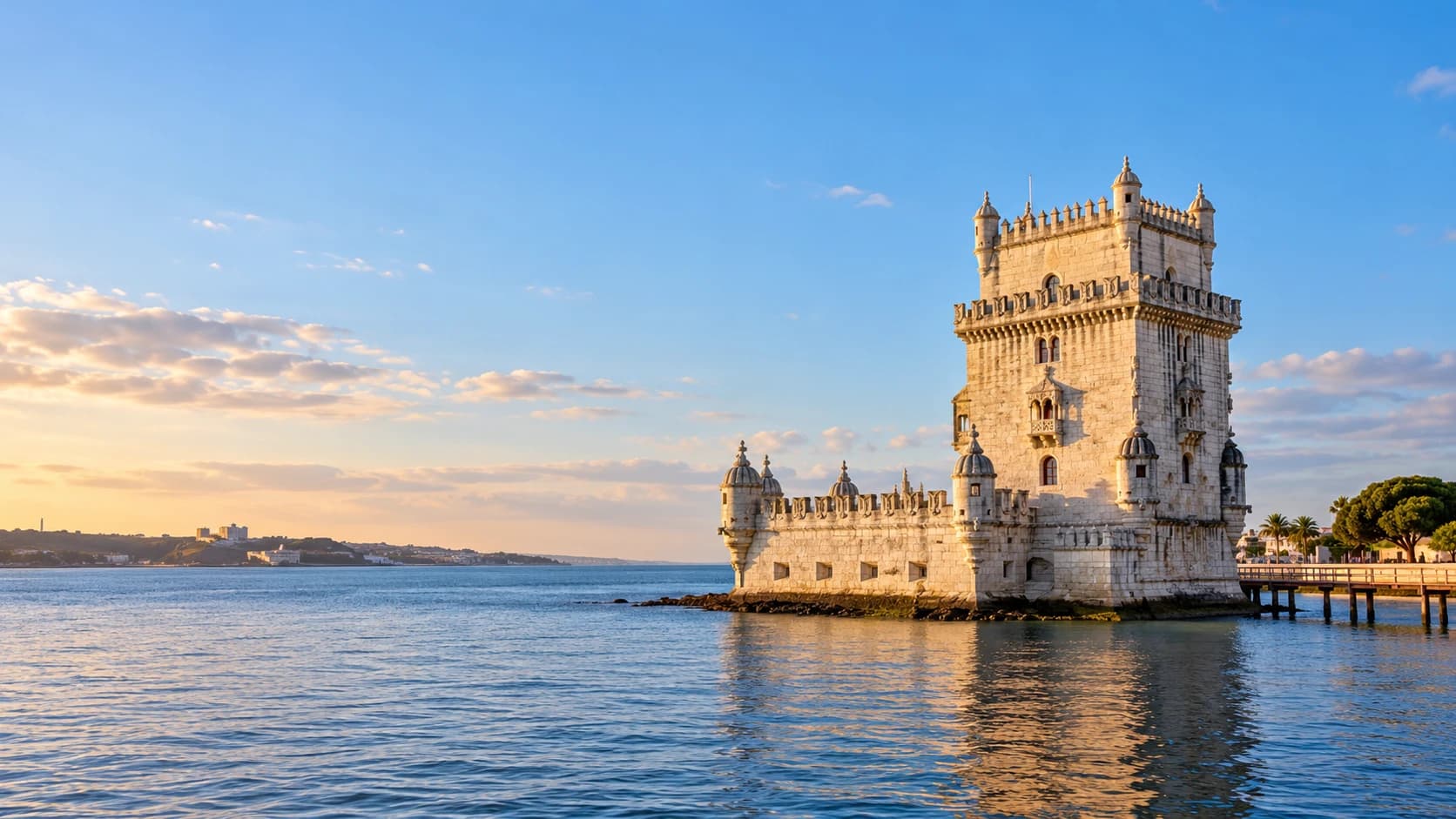
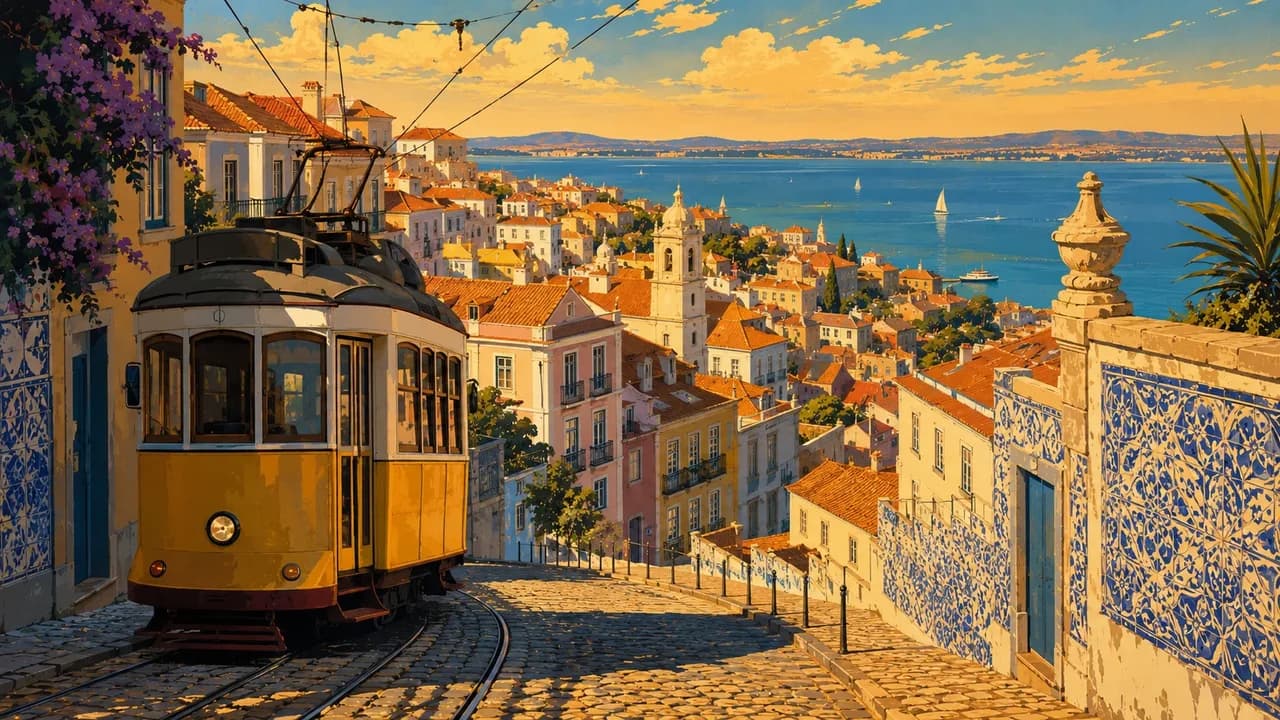
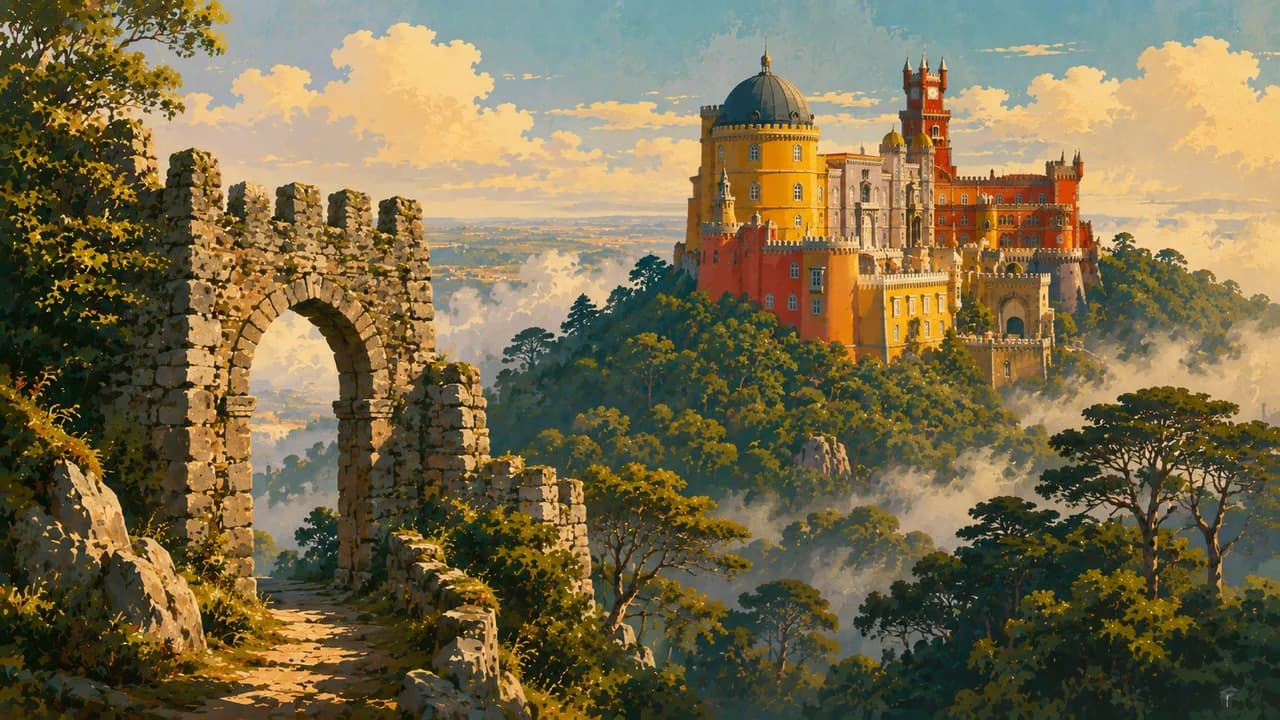
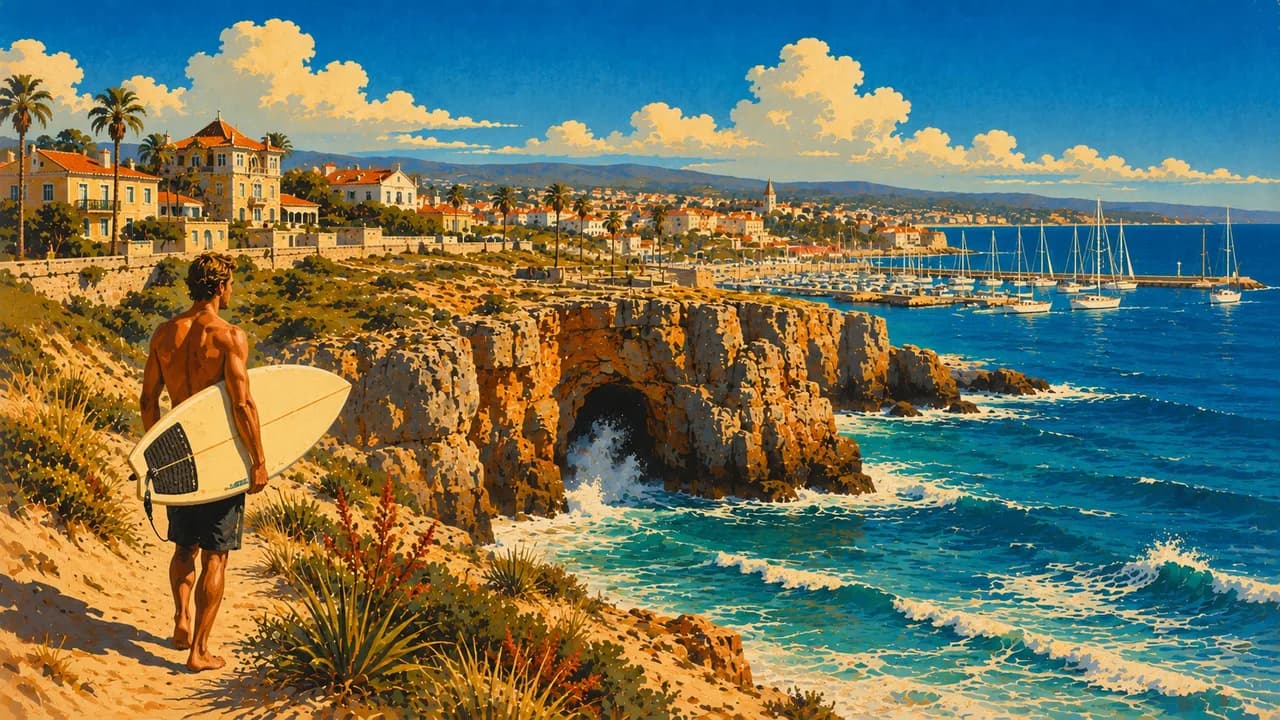
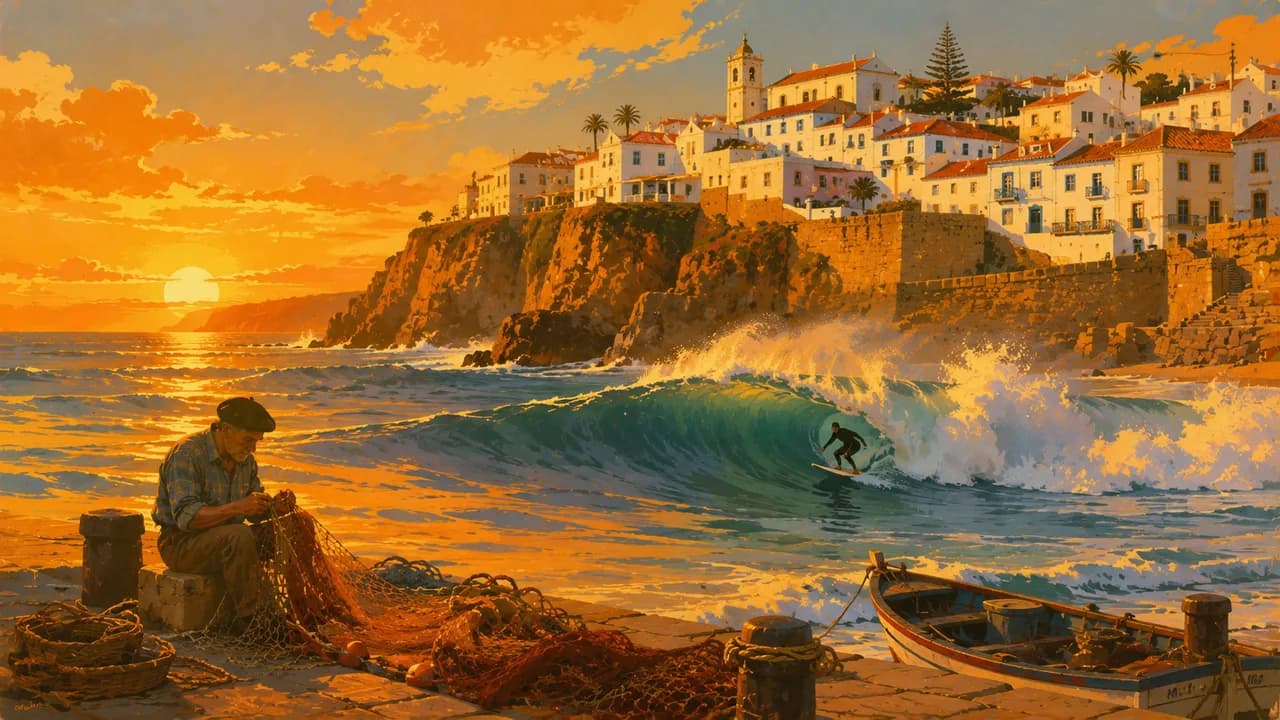
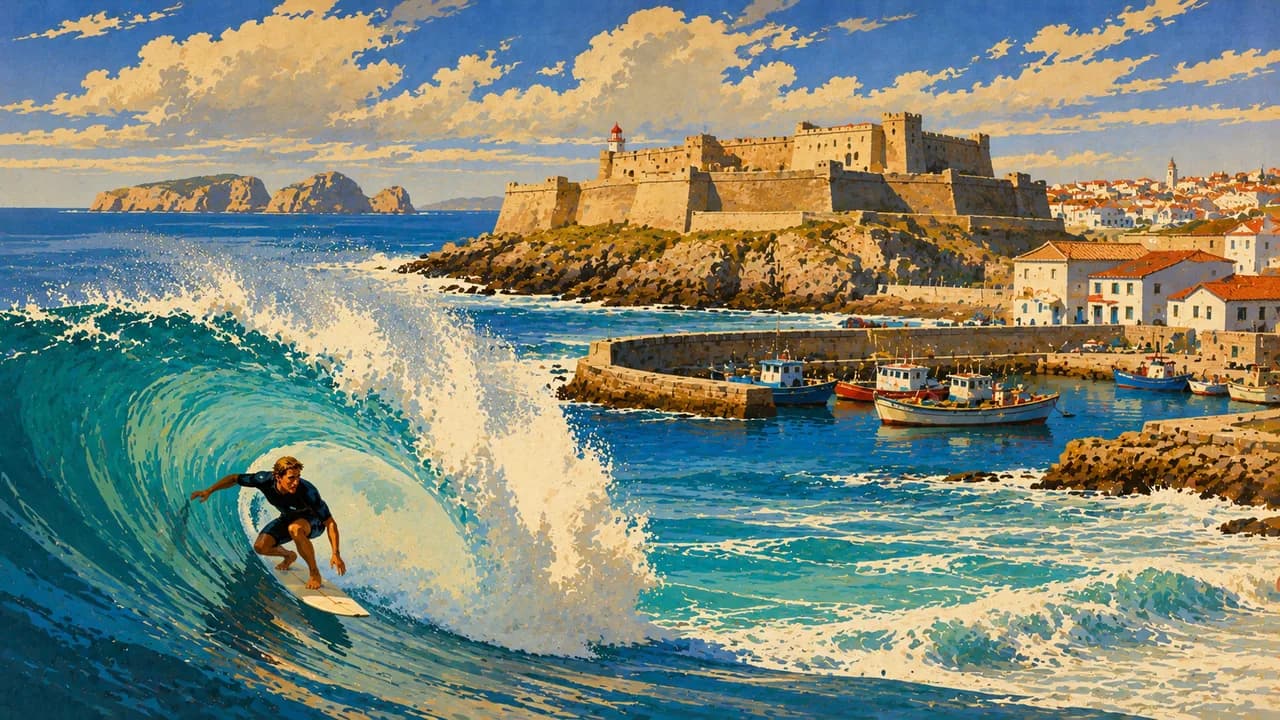
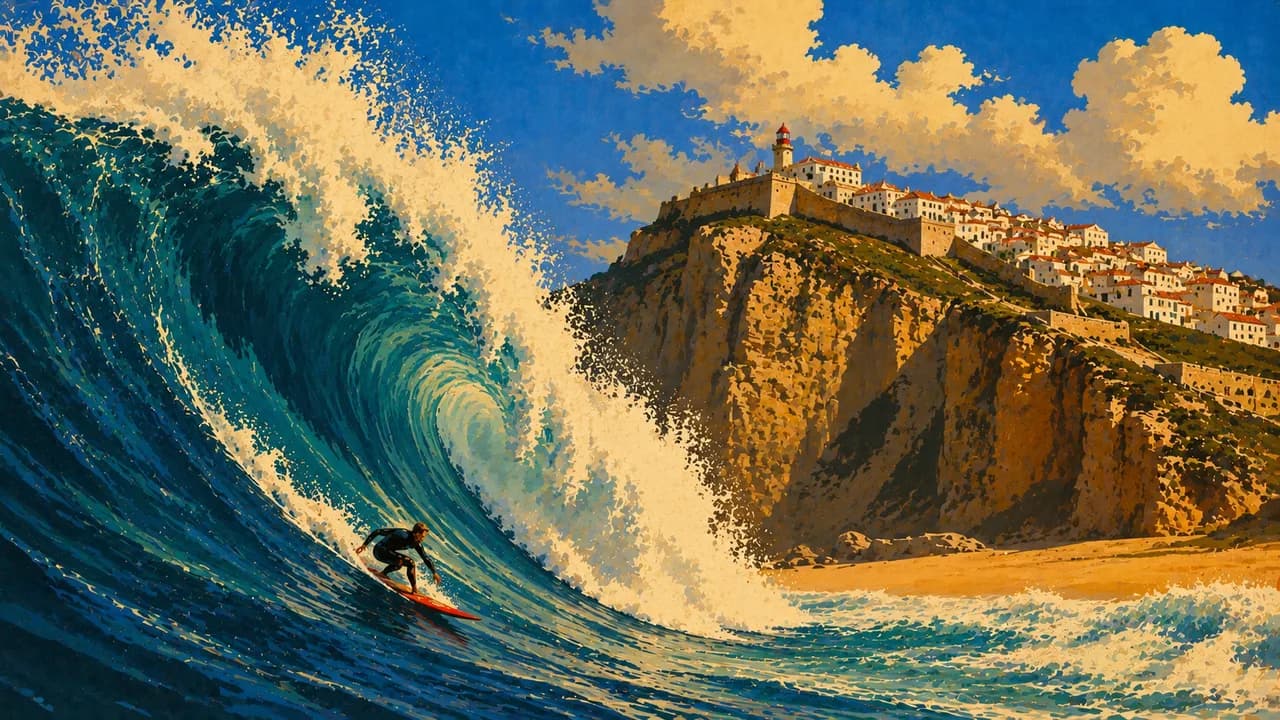
Lisbon (Lisboa) spreads above the Tagus with historic neighbourhoods, trams and Belém’s monuments. Nearby Sintra adds palaces and wooded hills, Cascais coastal promenades, and Setúbal fishing heritage beside the Sado estuary and Arrábida. Ericeira and Peniche introduce surf culture, while Nazaré is known for giant waves, whose occurrence depends on conditions.
Óbidos preserves a walled town, Alcobaça and Batalha monumental monasteries, and Tomar the Convent of Christ. Fátima is a pilgrimage centre. Coimbra combines university heritage with riverfront life, Aveiro canals and lagoon landscapes. Inland, Serra da Estrela offers mountain villages, walking and regional cheeses.
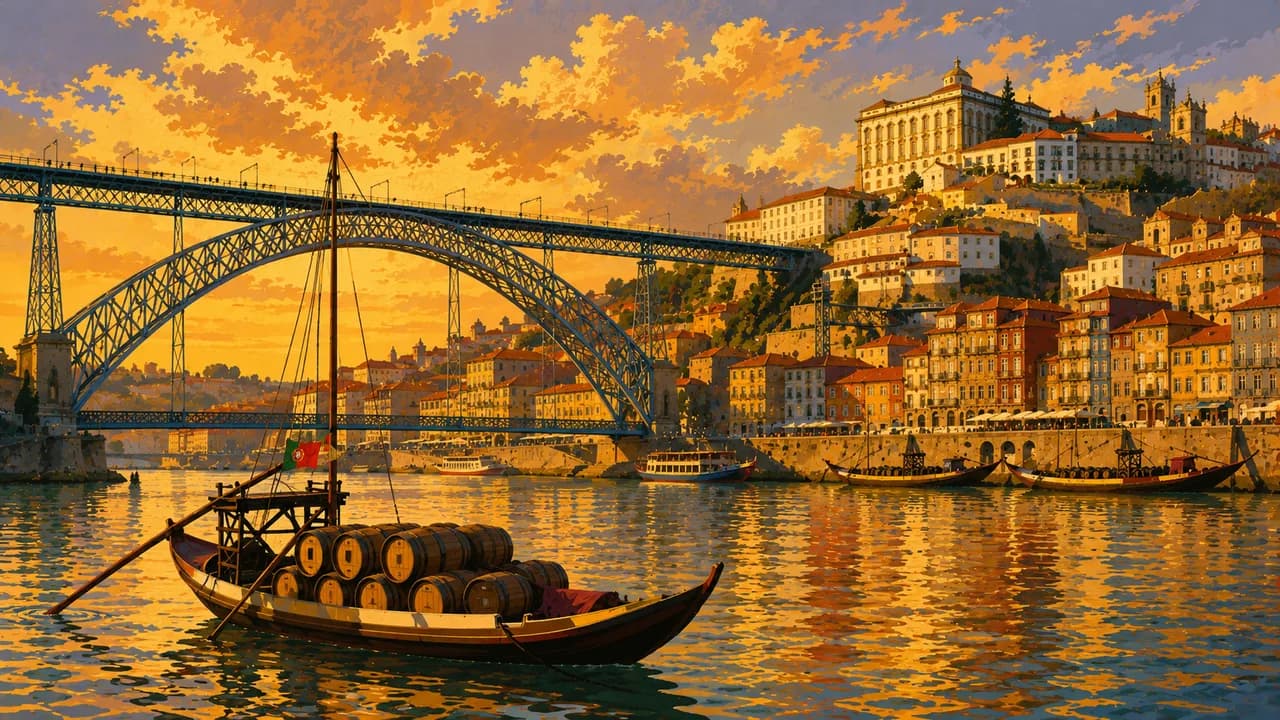
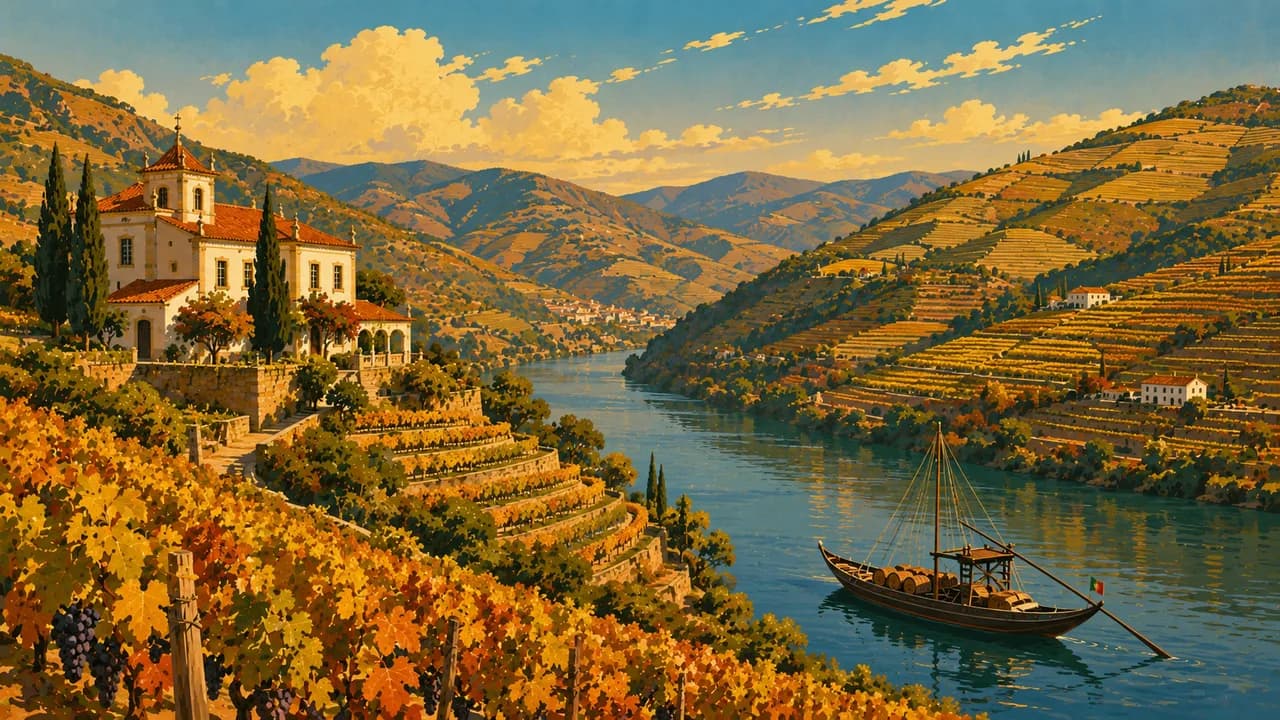
Porto’s riverside centre and the port wine cellars of neighbouring Vila Nova de Gaia lead towards the terraced Douro Valley. Guimarães and Braga reveal medieval and religious heritage. Peneda-Gerês National Park adds mountains and village landscapes, while Bragança opens towards the northeastern interior.
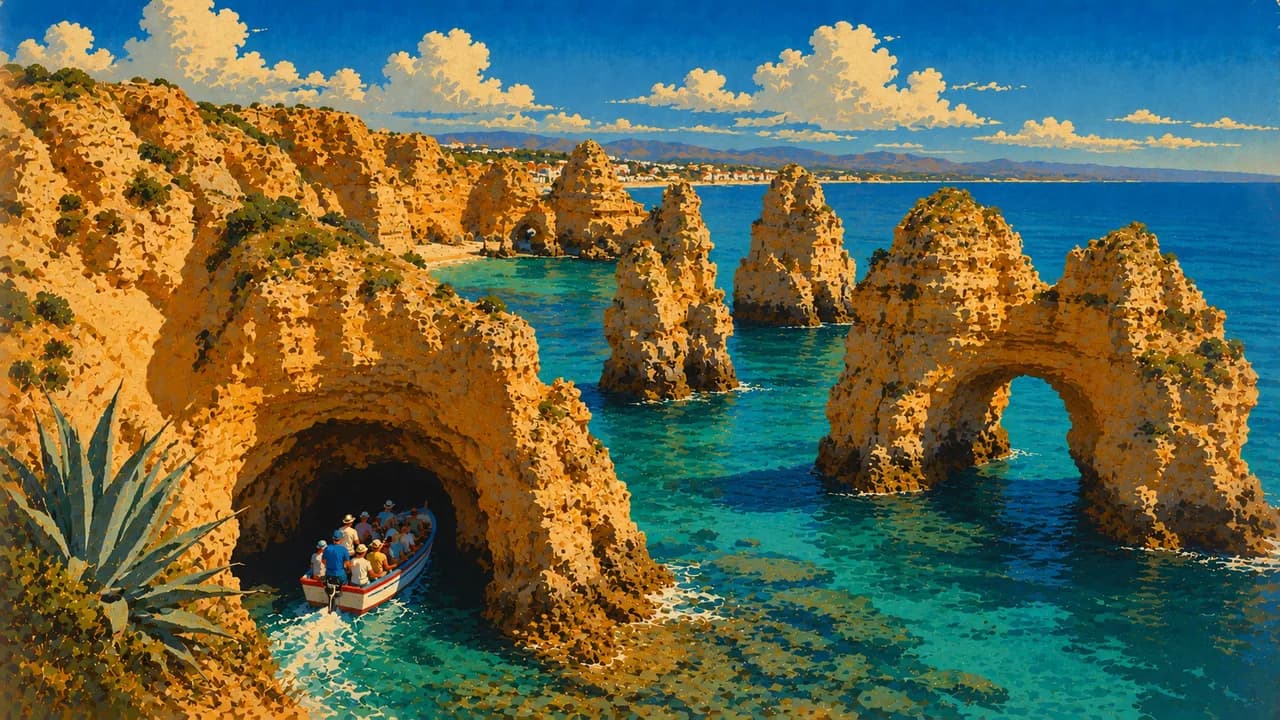
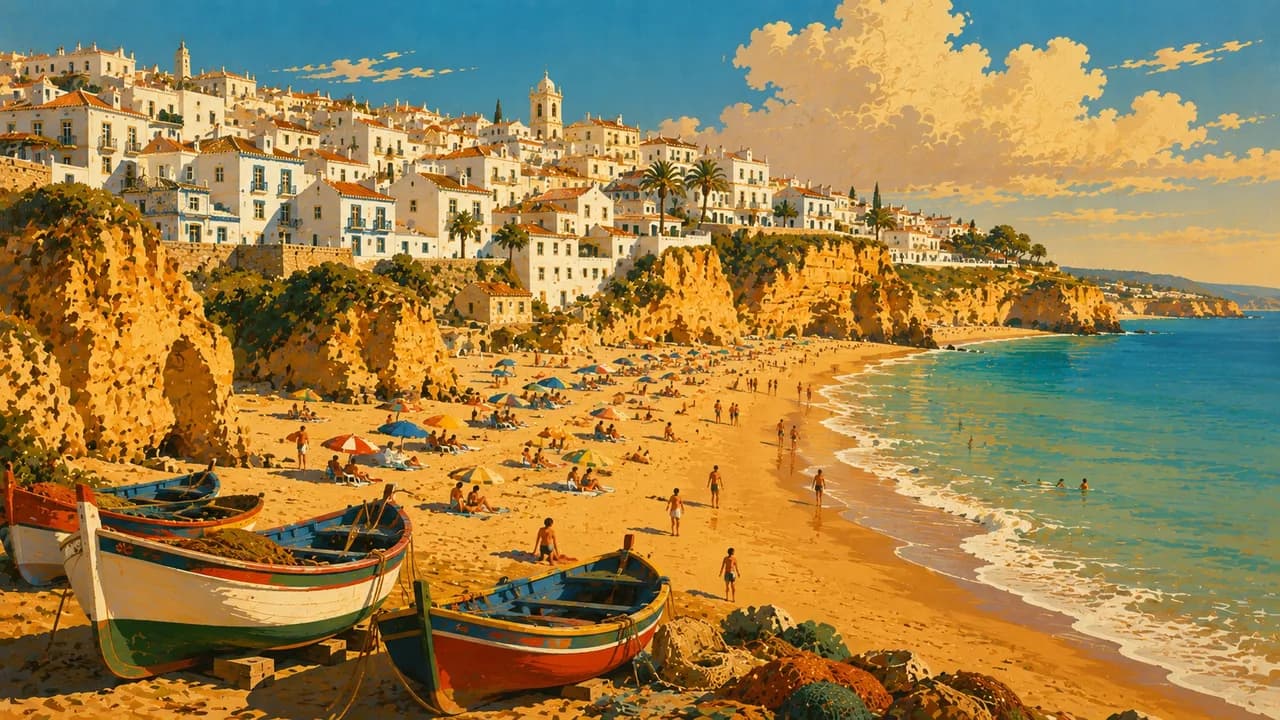
In the Alentejo, Évora combines Roman and later heritage with whitewashed streets. Marvão and Monsaraz overlook rural landscapes, while Elvas preserves border fortifications. In the Algarve, Vila Real de Santo António and Tavira complement the beaches of Albufeira, Portimão and Lagos. Silves adds an inland castle town, and Ria Formosa protects lagoons and island habitats.
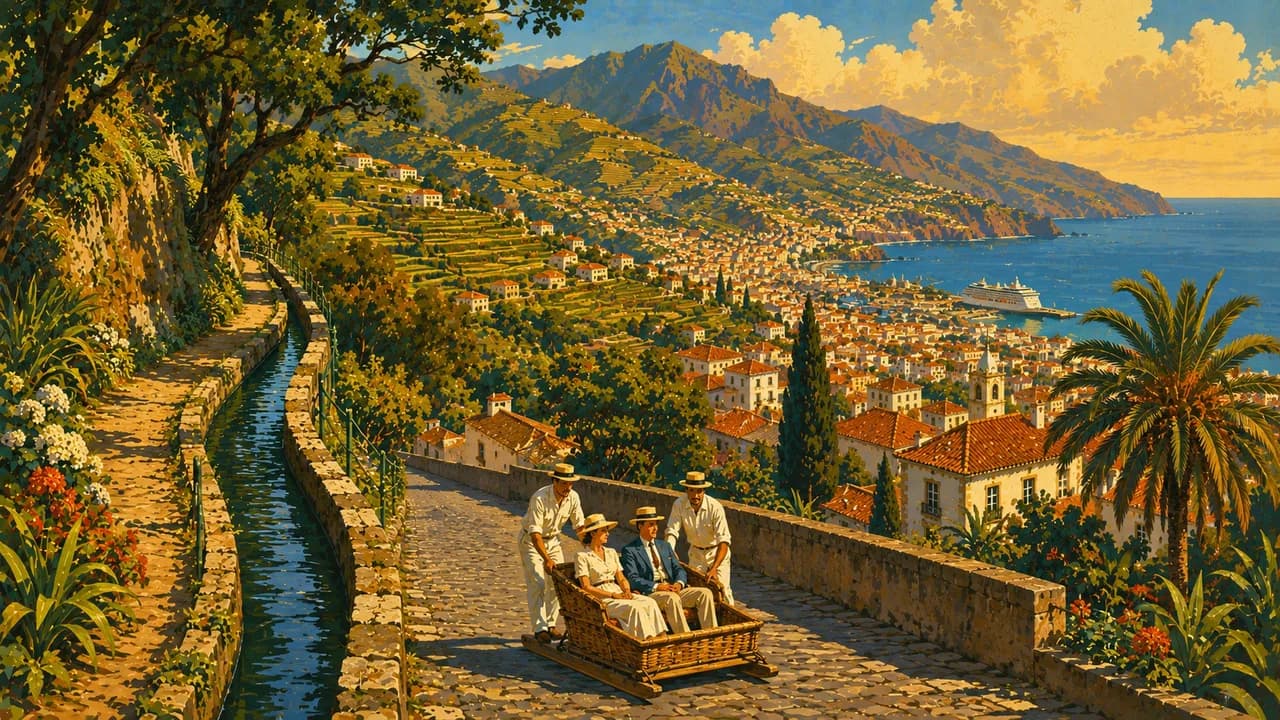
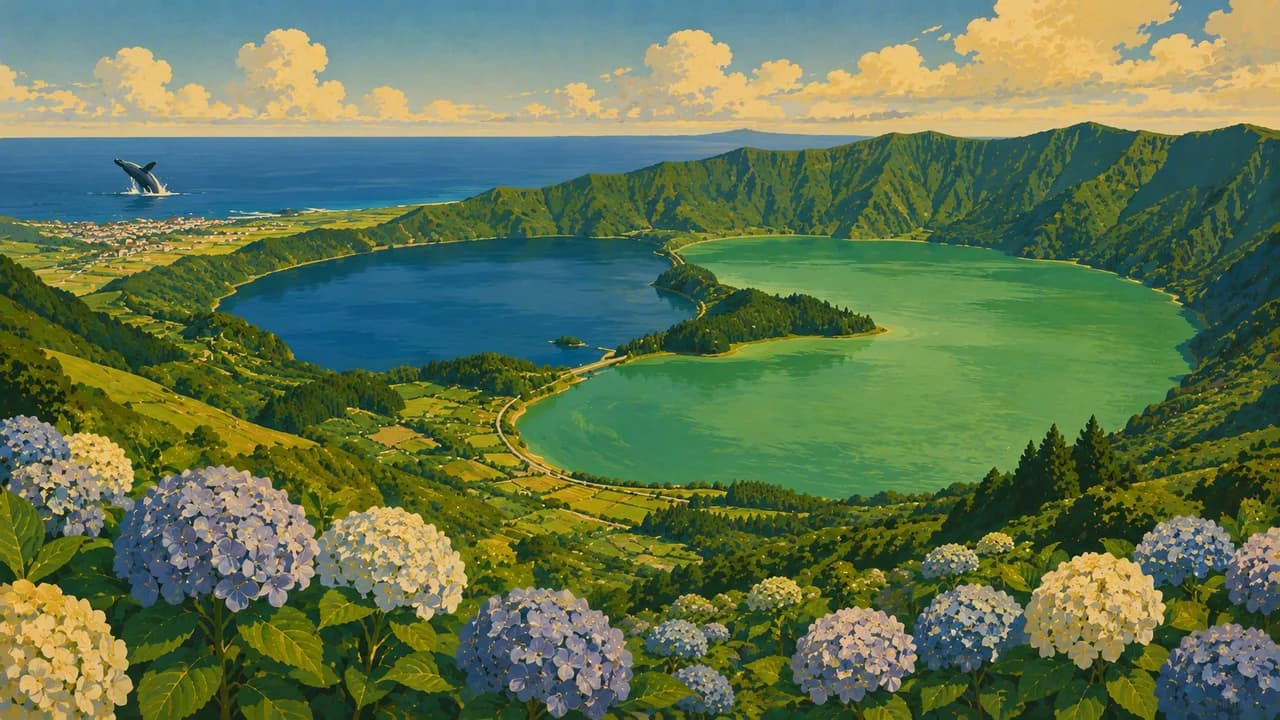
Madeira pairs Funchal with levada walks, steep mountains and laurel forest. In the Azores, Ponta Delgada on São Miguel introduces volcanic lakes and thermal landscapes. Terceira’s Angra do Heroísmo and Pico’s vineyard culture reveal different island identities. Mountain routes, whale watching and inter-island transfers depend on weather and access arrangements.
Fado, village celebrations, bacalhau, seafood, olive oil, pastries and regional wines broaden the journey. Allow time for rural connections, island travel and reservations. Check swimming flags, surf conditions, summer heat, wildfire restrictions and mountain trail status.
AI edited
- 308
- Municipalities Portugal has 308 municipalities across the mainland, Madeira and the Azores. Mainland districts and the two autonomous island regions are different administrative groupings.
- ≈ 11.42 million
- Population The EU country profile reports 11,424,031 inhabitants using Eurostat’s 2026 figures. This dated national total includes Madeira and the Azores, not visitor arrivals.
- 92,226 km²
- Area The EU country profile gives 92,226 km² for Portugal, including the mainland and Atlantic islands. Surrounding territorial waters are not counted as land area.
- Portuguese
- Language Portuguese is the national official language. Local spellings and accents help when looking up places and transport connections.
- Mirandese & others
- Other languages Mirandese has recognised regional language rights in the northeast. Other community and visitor languages vary by locality and provider.
- Euro (EUR)
- Currency Portugal uses the euro throughout the mainland and autonomous island regions. Confirm payment options with smaller operators and rural businesses.
- C · F
- Socket types Portugal uses type C and F plugs and sockets. Household supply is 230 V at 50 Hz. Check device and adapter compatibility.
- Lisbon
- Capital Lisbon, locally Lisboa, is the national capital. The clock offers Lisbon, Madeira and the Azores so island time is explicit.
- Right-hand traffic
- Driving side Traffic keeps right. Narrow historic streets can restrict access. Check parking, road conditions and applicable motorway toll arrangements.
- UTC−1 to UTC+1
- Time zones Mainland Portugal and Madeira use UTC+0 in winter and UTC+1 in summer. The Azores use UTC−1 in winter and UTC+0 in summer, one hour behind. The clocks follow seasonal rules.
- 16
- UNESCO cultural sites UNESCO lists sixteen cultural World Heritage properties in Portugal, including island properties. Madeira’s Laurisilva is a separate natural property, giving seventeen overall. Serial sites count as one inscription.
Portugal on the map

Map data: geoBoundaries (CC BY 4.0), © OpenStreetMap contributors (ODbL), Natural Earth
Climate and best time to travel
Portugal’s regions have different travel seasons. The north is generally wetter, the inland south can be very hot in summer, and Atlantic coasts remain exposed to wind and swell. Spring and autumn suit towns, vineyards and walking. Summer brings busy beach areas and wildfire restrictions. Check swimming flags, surf forecasts and trail closures. Madeira and the Azores have changeable oceanic weather, with mountain cloud and rain even during mild periods. Levada routes and mountain climbs may require reservations. Whale sightings are not guaranteed, and island flights or boats can be disrupted. The month chips show typical planning windows, not guaranteed weather or access.
Destinations in Portugal
 AI generated
 AI generated
 AI generated
 AI generated
 AI generated
 AI generated
 AI generated
 AI generated
 AI generated
 AI generated
 AI generated
 AI generated