Cyprus
Κύπρος · Kıbrıs
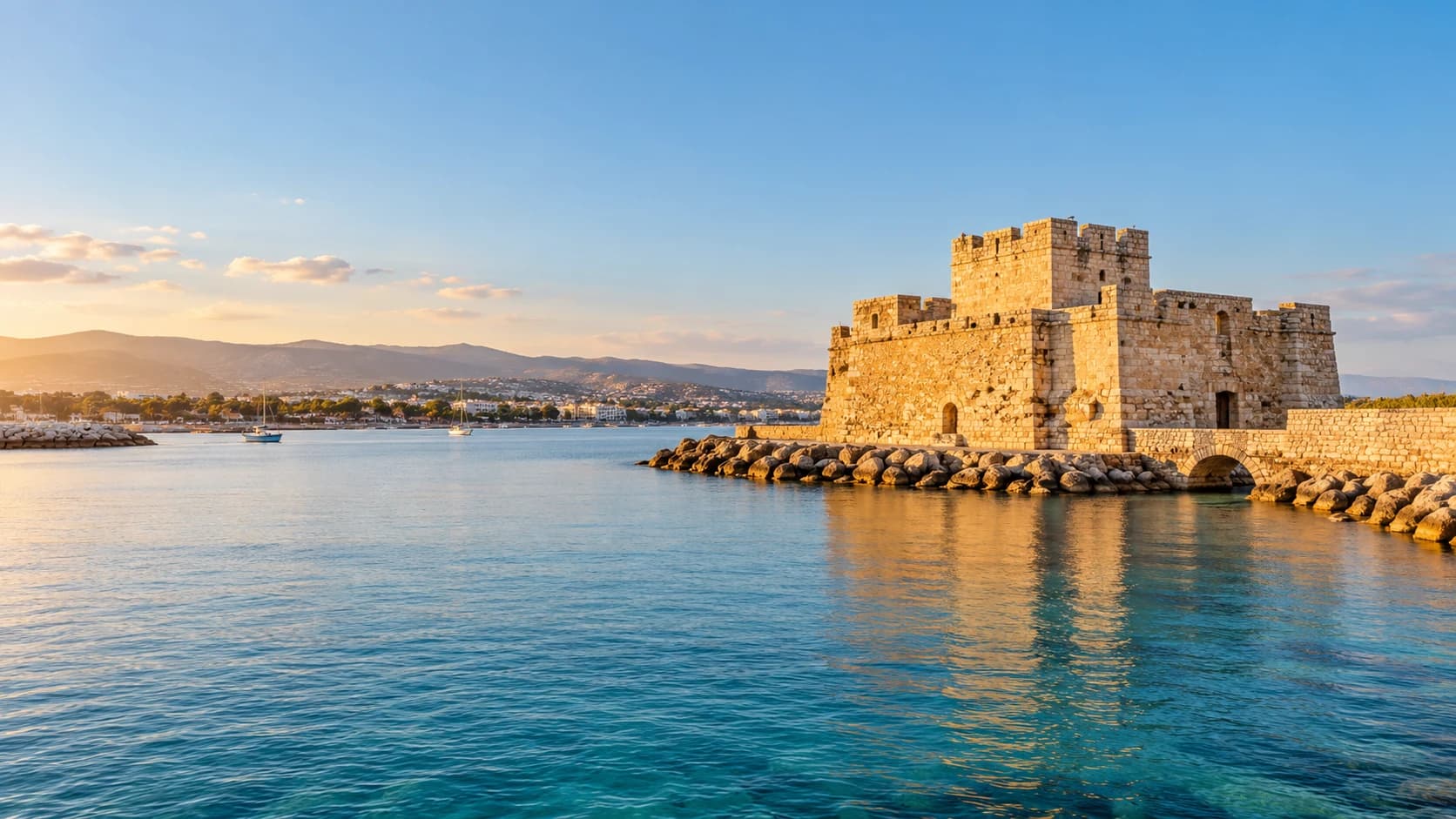
Ancient harbours, mountain villages and shared food traditions meet Mediterranean coves and layered island histories.
Worth coming back!
Wanderlama keeps growing with new destinations, helpful information and exciting features. Check back soon and discover what is new!
Travel to Cyprus
Cyprus combines Mediterranean coasts, mountain villages and a long history shaped by different communities. The Republic of Cyprus is internationally recognised, while the island has been divided since 1974. A UN buffer zone separates the government-controlled area from the northern part. Travel between them requires designated crossings and separate planning.
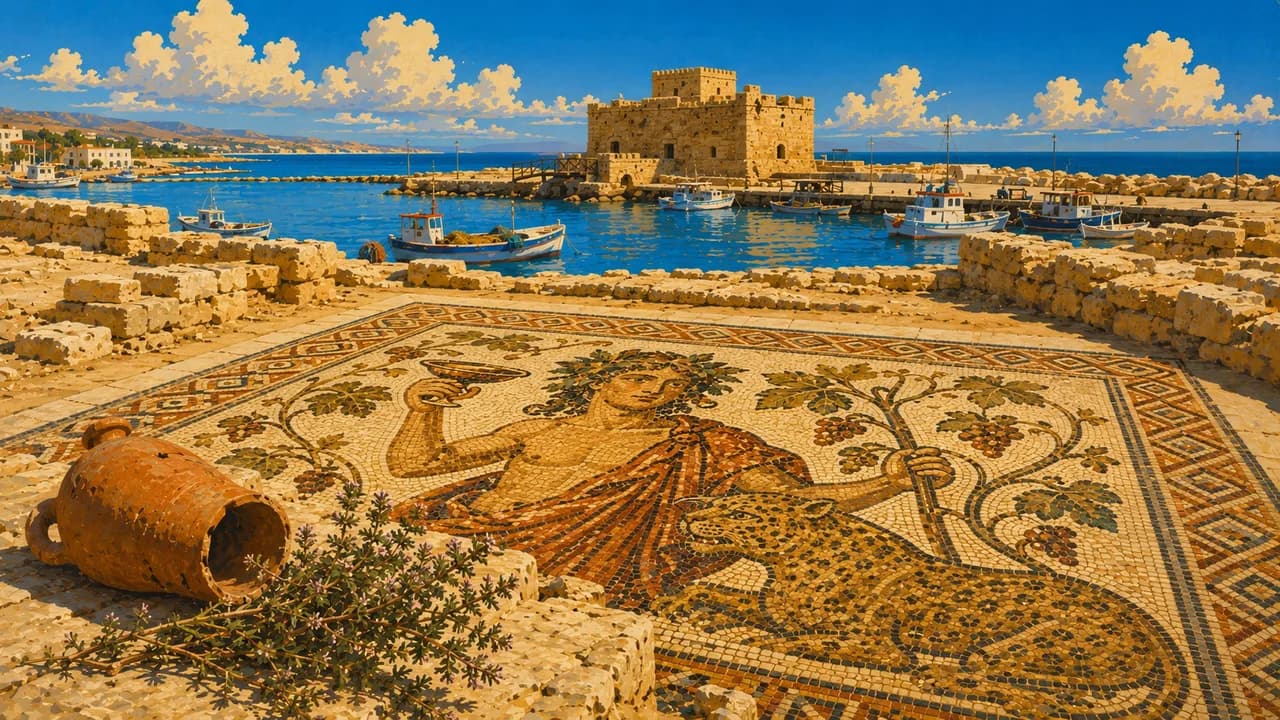
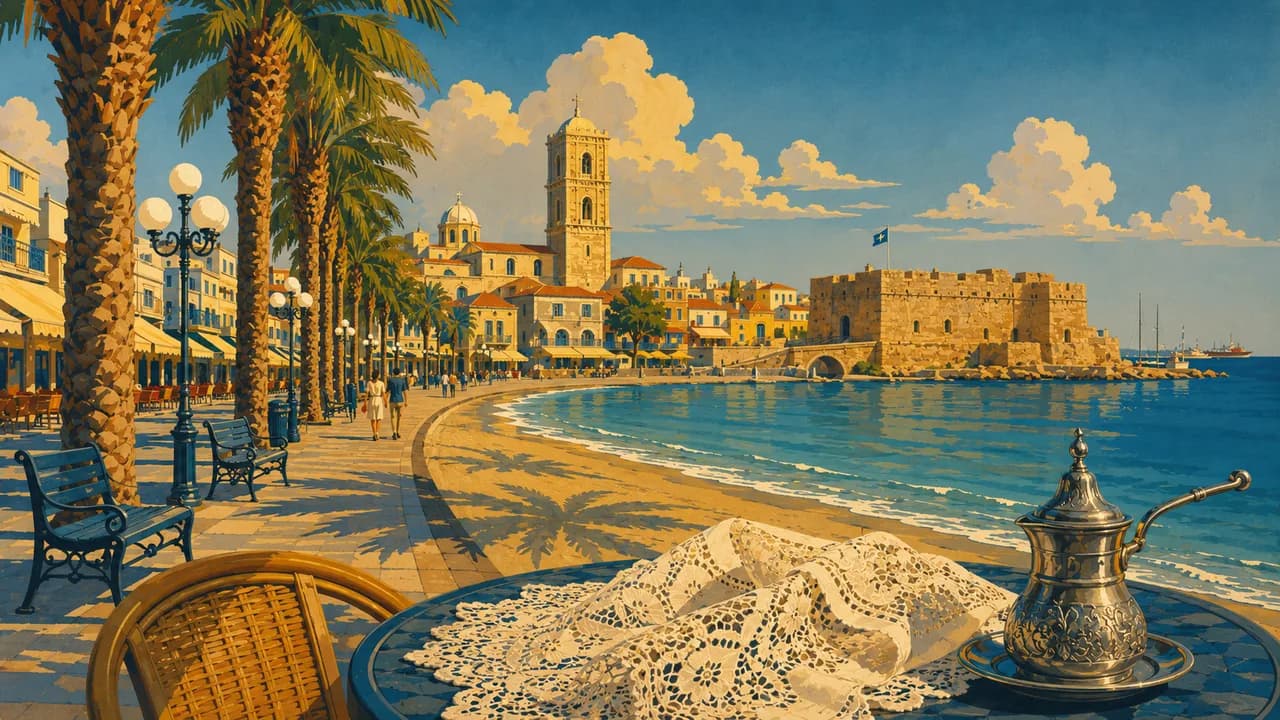
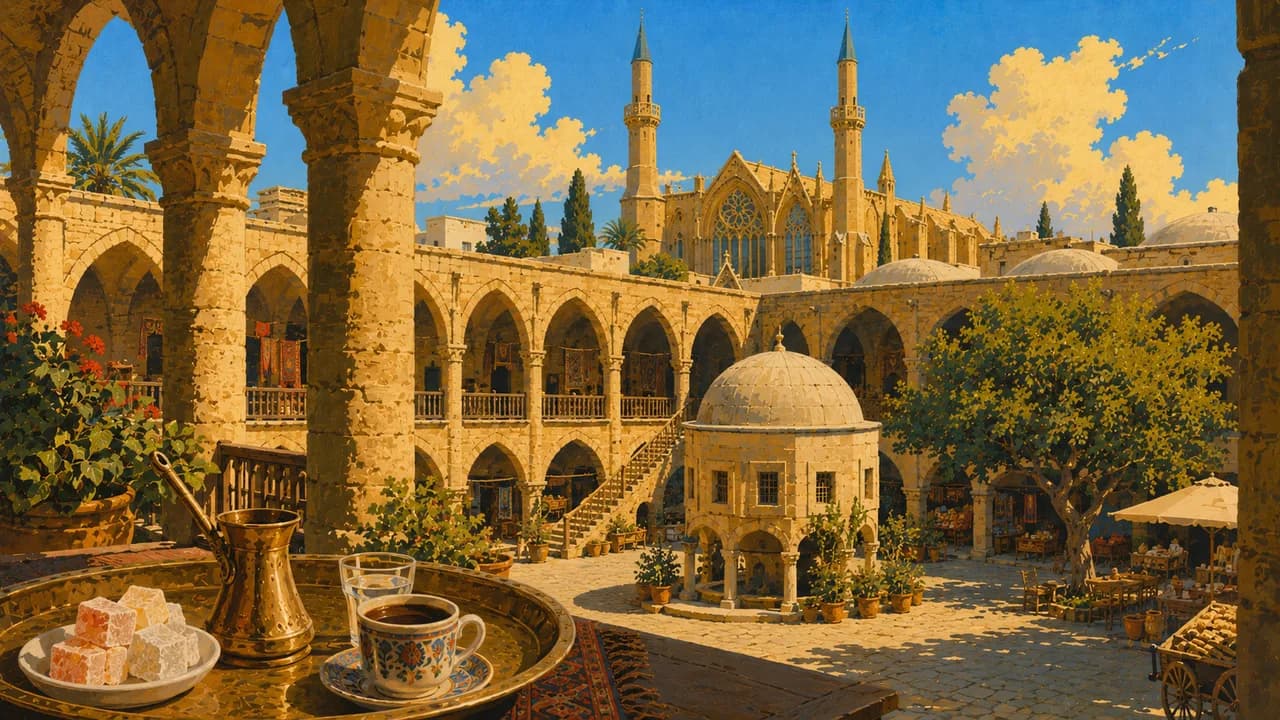
Nicosia, also Lefkosia / Lefkoşa, brings historic walls, museums, religious buildings and neighbourhood life together in a divided capital. Larnaca combines a seafront promenade with cultural landmarks, while Limassol adds a historic centre and maritime atmosphere. Paphos preserves ancient mosaics and archaeological sites alongside its harbour, forming part of a UNESCO World Heritage property.
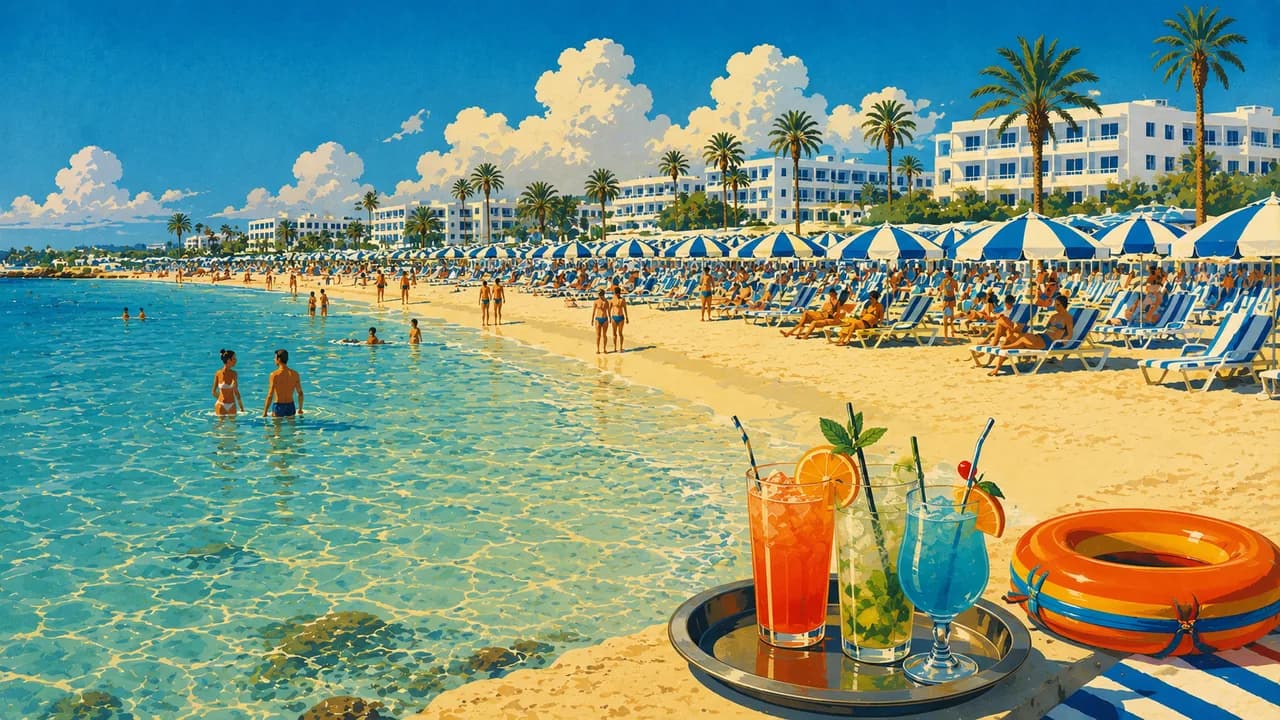
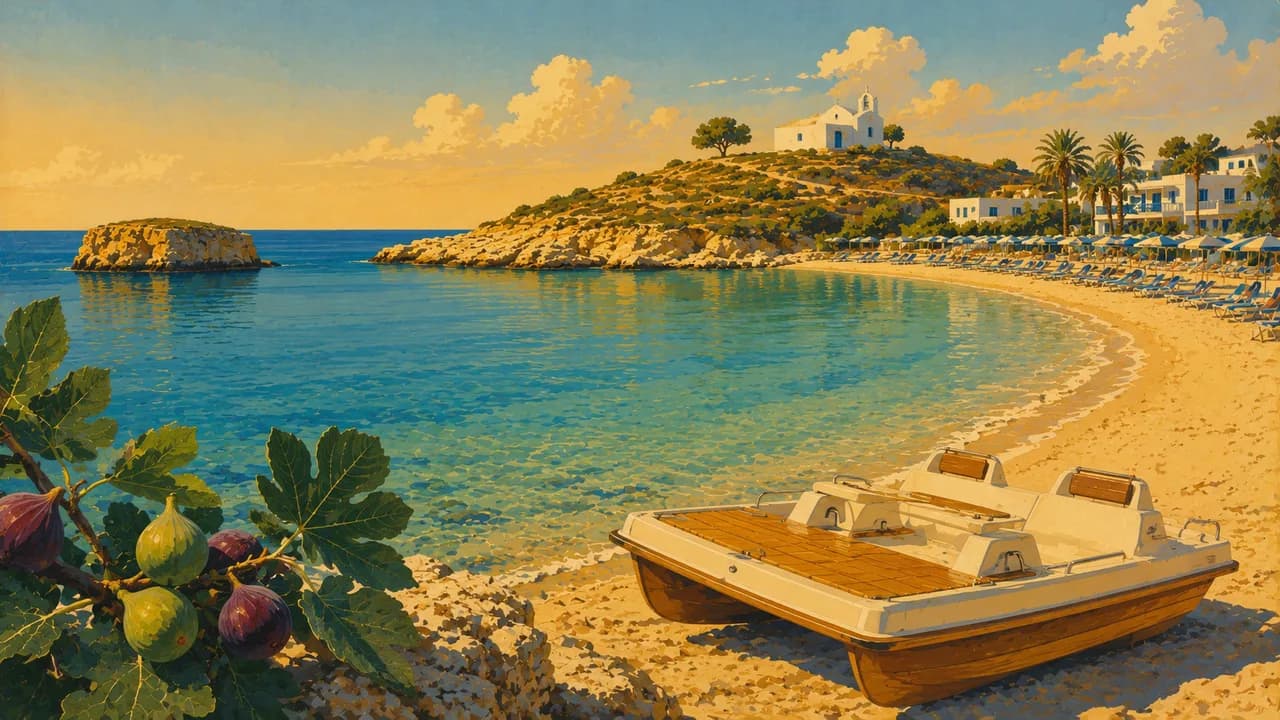
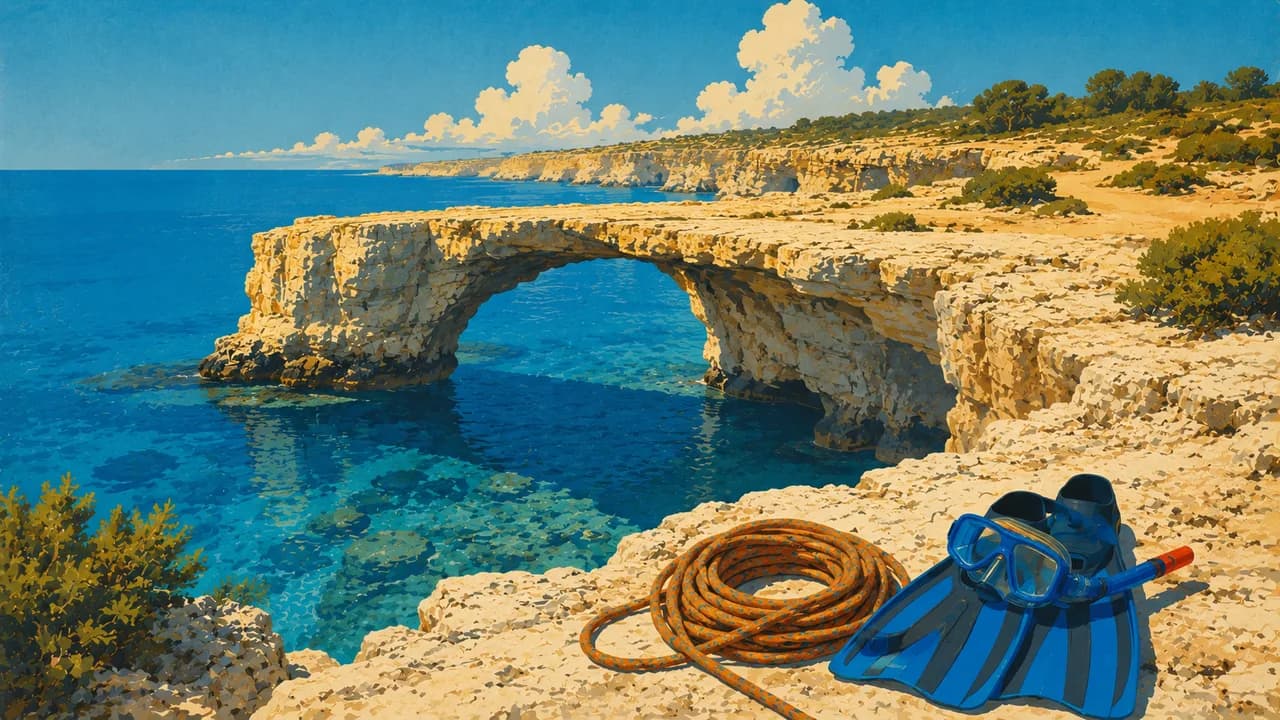
In the southeast, Ayia Napa and Protaras offer sandy coves and resort life. Cape Greco adds rocky coastal paths and sea views. Further west, the Akamas Peninsula provides rugged scenery and walking landscapes. Swimming, boat excursions and access to protected places depend on local conditions and restrictions rather than the appearance of calm water.
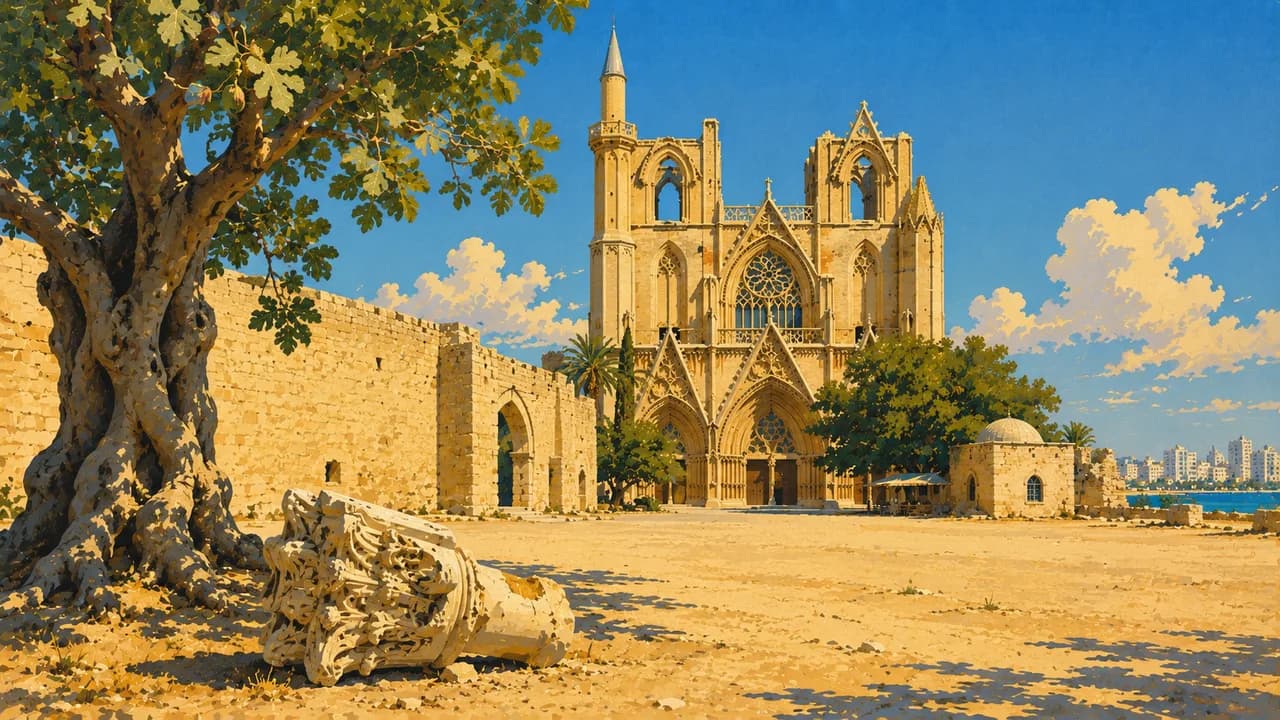
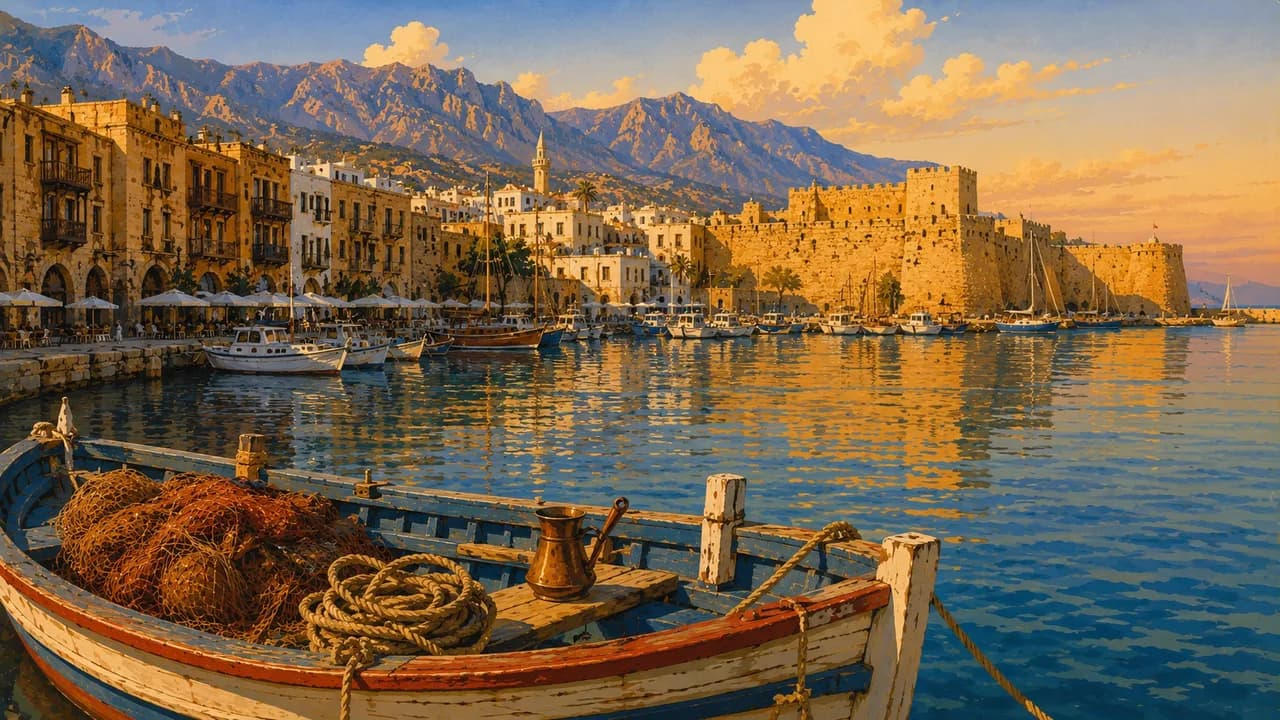
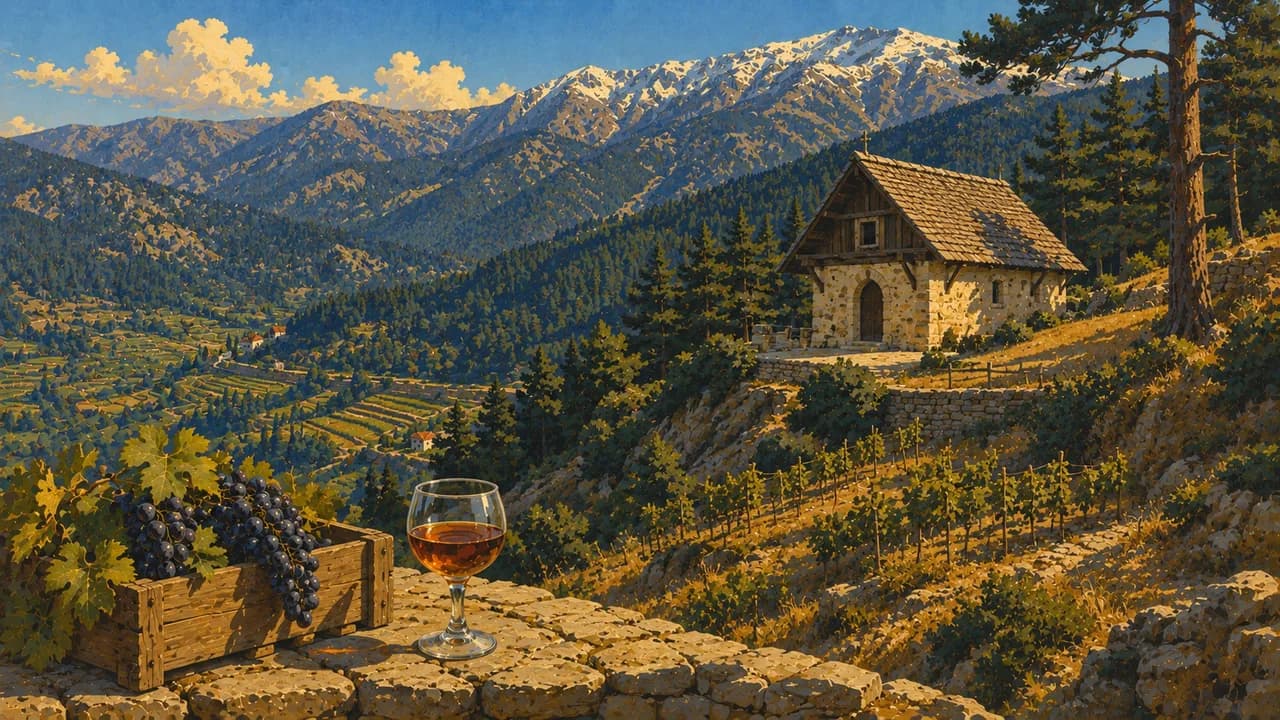
The Troodos Mountains contrast with the coast through wooded slopes, wine villages and painted Byzantine churches. Cooler temperatures attract walkers, while winter snow can affect roads and paths. In the north, Famagusta’s historic walls, Kyrenia’s harbour and the Karpaz Peninsula broaden the island’s architectural and coastal variety. Check current crossing arrangements, site access and rental-car insurance before combining areas.
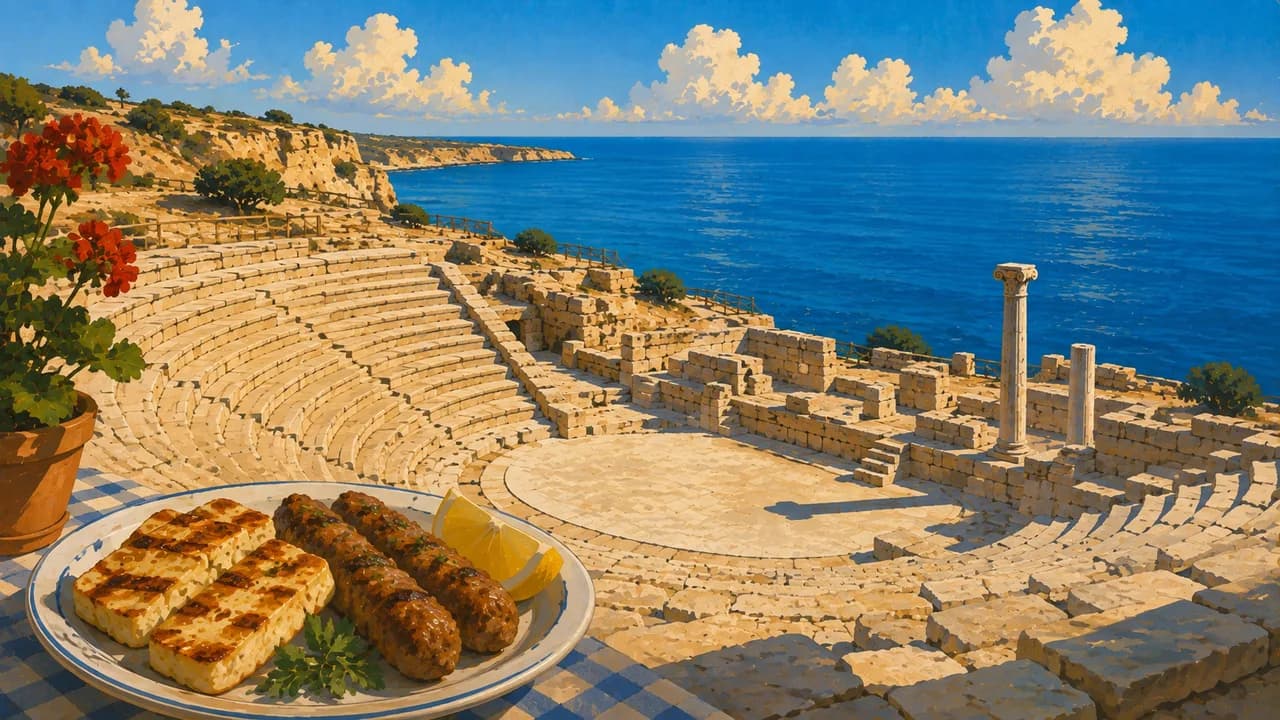
Meze, halloumi or hellim, seasonal vegetables, grilled dishes and local wines reflect connections and differences between island communities. Spring and autumn often suit towns and walking, while summer brings strong inland heat and busy beaches. Allow time for regional journeys and consult local weather, trail and fire restrictions. The euro is used in the Republic, while Turkish lira is used in the north.
AI edited
- 6
- Districts The Republic of Cyprus has six administrative districts. Effective control and district boundaries are different concepts on the divided island.
- ≈ 983,000
- Population CYSTAT estimates 983,000 residents in the government-controlled area at the end of 2024. This is not a population total for the whole island.
- ≈ 9,251 km²
- Area Approximate geographical area of the entire island, including its northern part and the British Sovereign Base Areas. This scope differs from the population figure.
- Greek & Turkish
- Languages Greek and Turkish are the Republic’s official languages; their everyday use varies between communities and areas.
- English & others
- Other languages English is widely used in tourism; other languages depend on community and provider.
- Euro / Turkish lira
- Currency The Republic uses the euro. The northern part uses the Turkish lira in everyday transactions. Check payment and currency arrangements locally.
- G
- Socket type Type G sockets are common, with 230 V at 50 Hz. Confirm device and adapter compatibility.
- Nicosia
- Capital Nicosia, also Lefkosia / Lefkoşa, is the divided capital. The clock follows Asia/Nicosia.
- Left-hand traffic
- Driving side Traffic keeps left. Before crossing with a rental vehicle, check company permission and insurance coverage separately.
- UTC+2 / UTC+3
- Time zone The island currently follows UTC+2 in winter and UTC+3 in summer. Northern Cyprus also changes clocks seasonally; do not assume mainland Turkey’s year-round UTC+3 rule.
- 3
- UNESCO cultural sites UNESCO lists Paphos, Choirokoitia and the Painted Churches in the Troodos Region as three cultural properties. Individual churches do not count as separate inscriptions.
Cyprus on the map

Map data: geoBoundaries (CC BY 4.0), © OpenStreetMap contributors (ODbL), Natural Earth
Climate and best time to travel
Cyprus has hot, dry summers and milder, wetter winters. Spring and autumn often suit archaeological sites, village visits and lower coastal walks. Summer heat can be intense inland, while sea conditions still affect swimming and boats. Troodos has cooler conditions and can receive winter snow. Check trail closures, fire restrictions and mountain weather. Crossings, site access and transport require separate planning for the northern part. Month chips indicate typical planning windows rather than guaranteed weather or access.