Turkey
Türkiye
Ancient sites, lively bazaars and regional food meet turquoise coves, expansive plateaus and green mountain landscapes.
Worth coming back!
Wanderlama keeps growing with new destinations, helpful information and exciting features. Check back soon and discover what is new!
Travel to Turkey
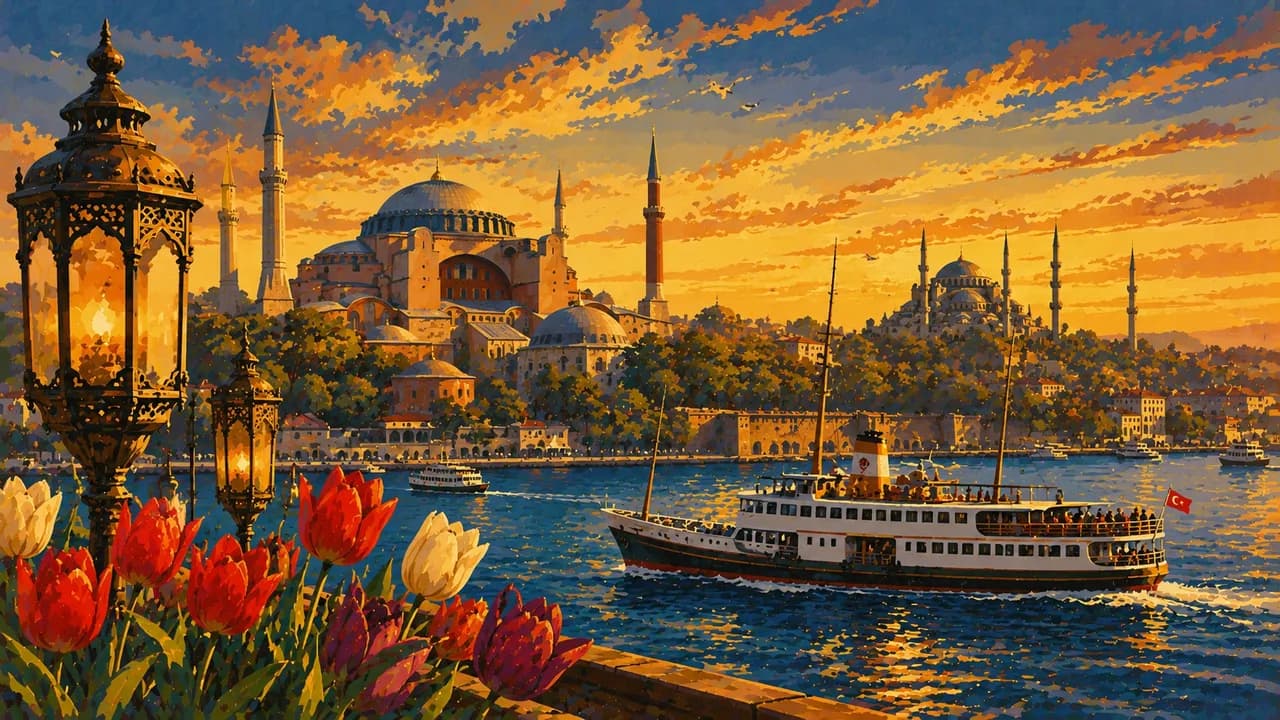
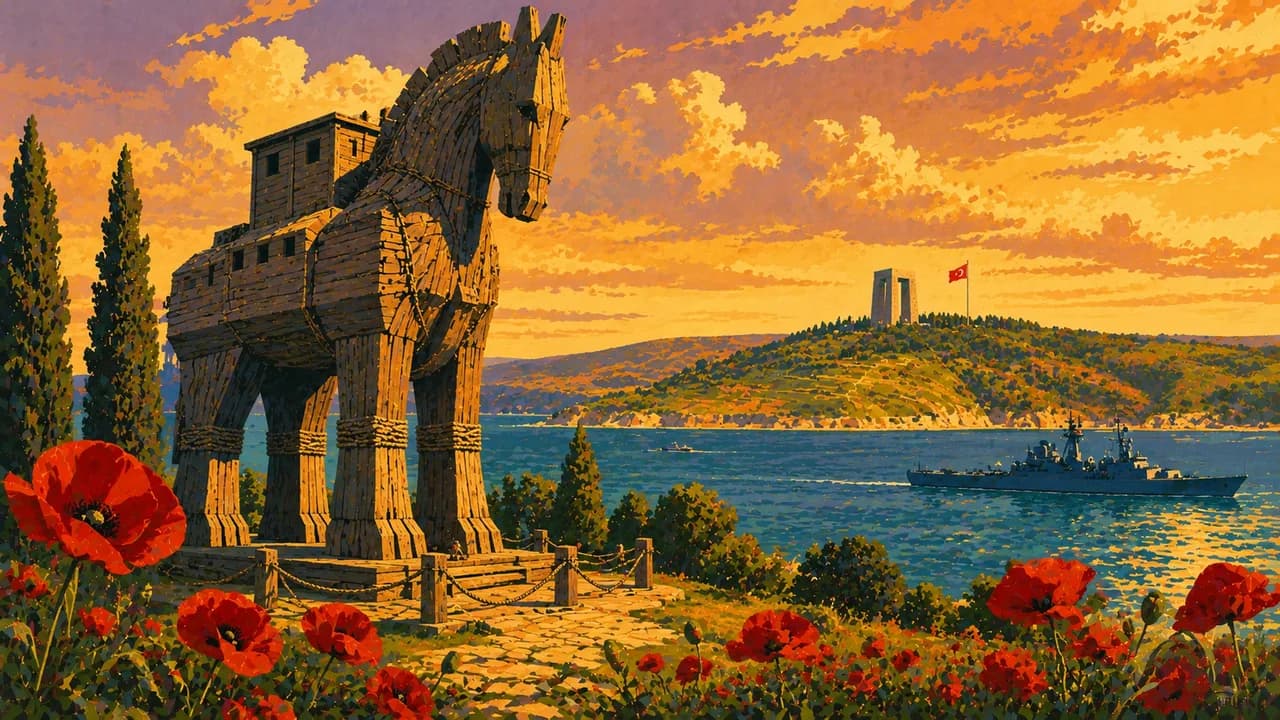
Turkey links southeastern Europe with Anatolia, a landscape of coasts, plateaus, mountains and historic cities. Istanbul spans the Bosphorus, bringing Hagia Sophia, the Blue Mosque, Topkapı Palace and the Grand Bazaar together with contemporary neighbourhood life. Bursa adds Ottoman heritage, while Çanakkale opens towards Troy and the Gallipoli memorial landscapes.
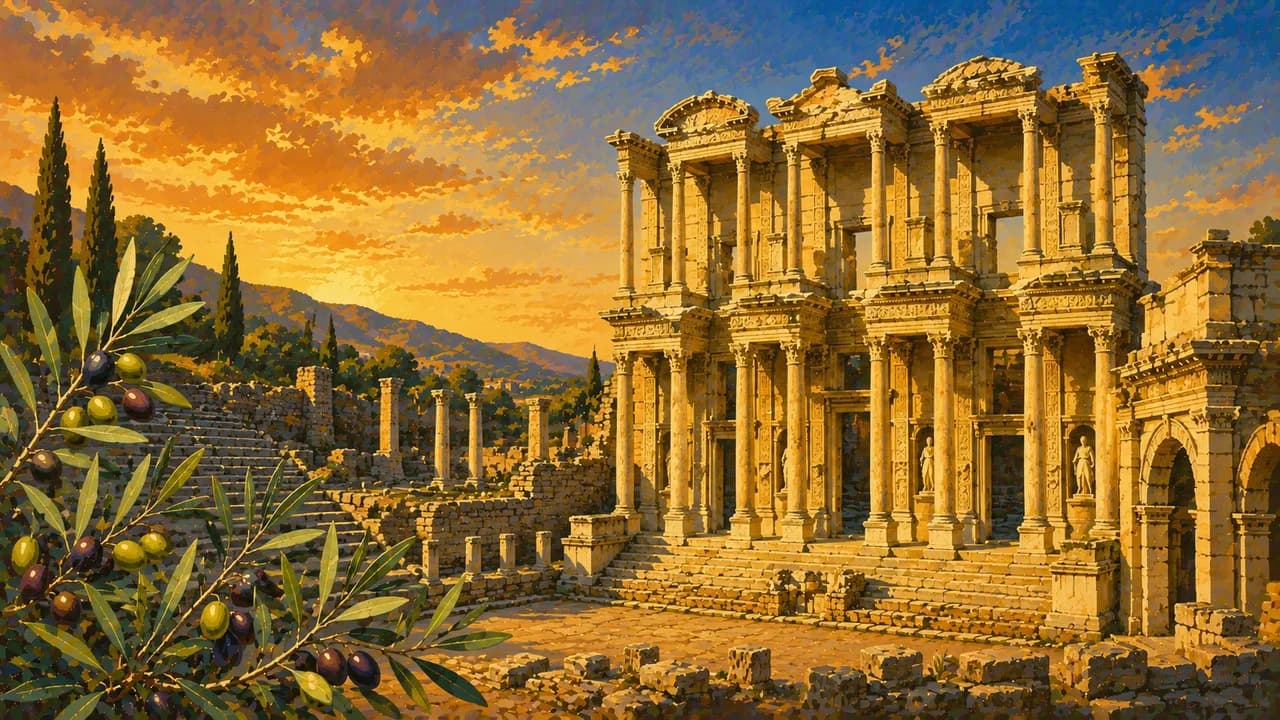
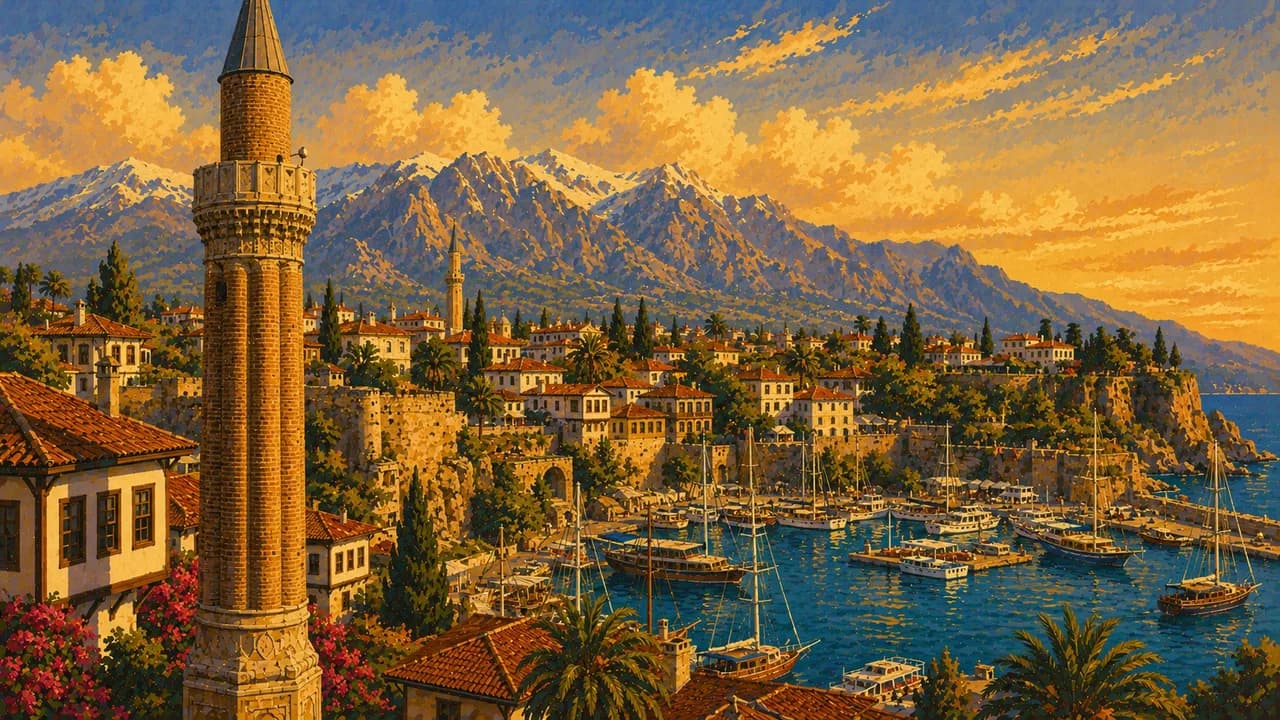
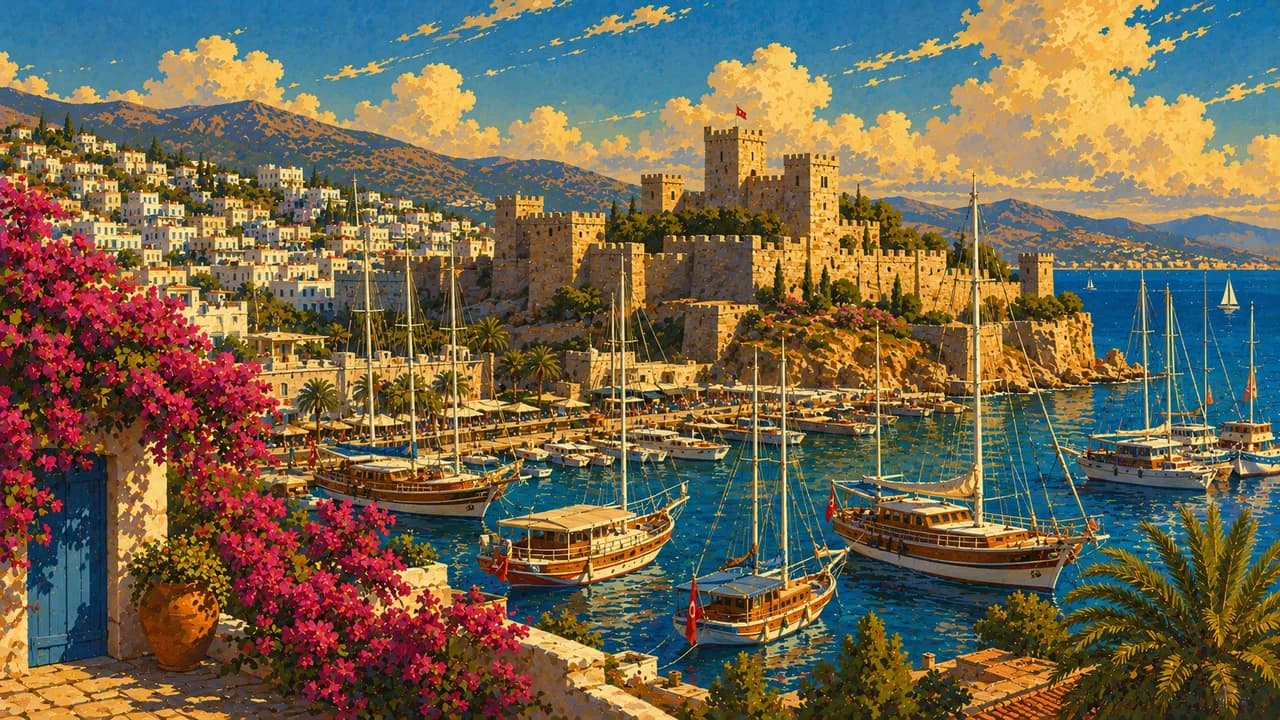
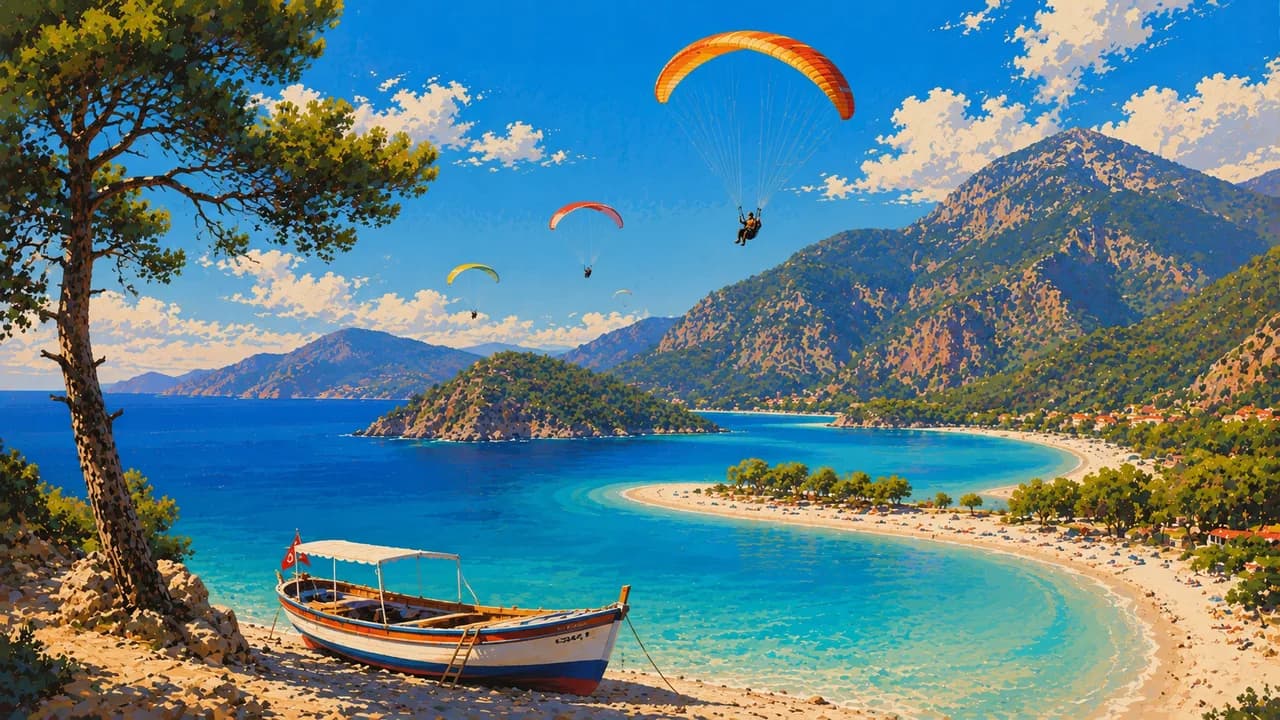
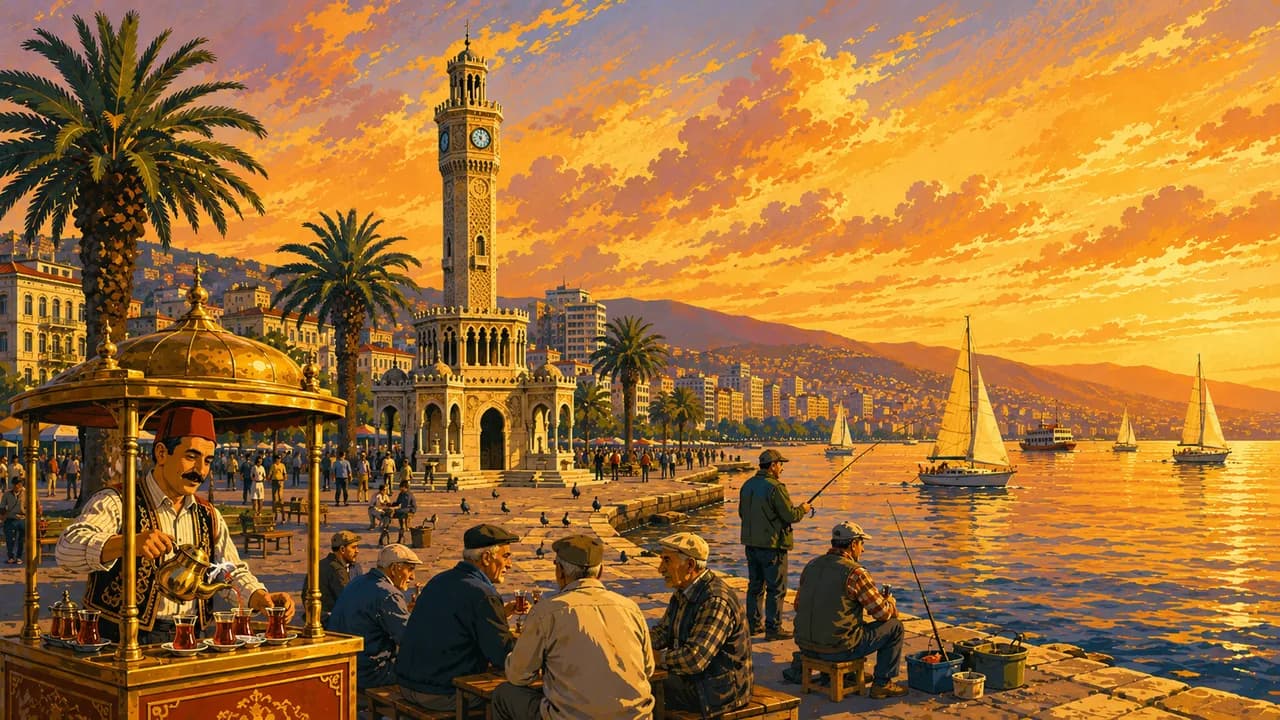
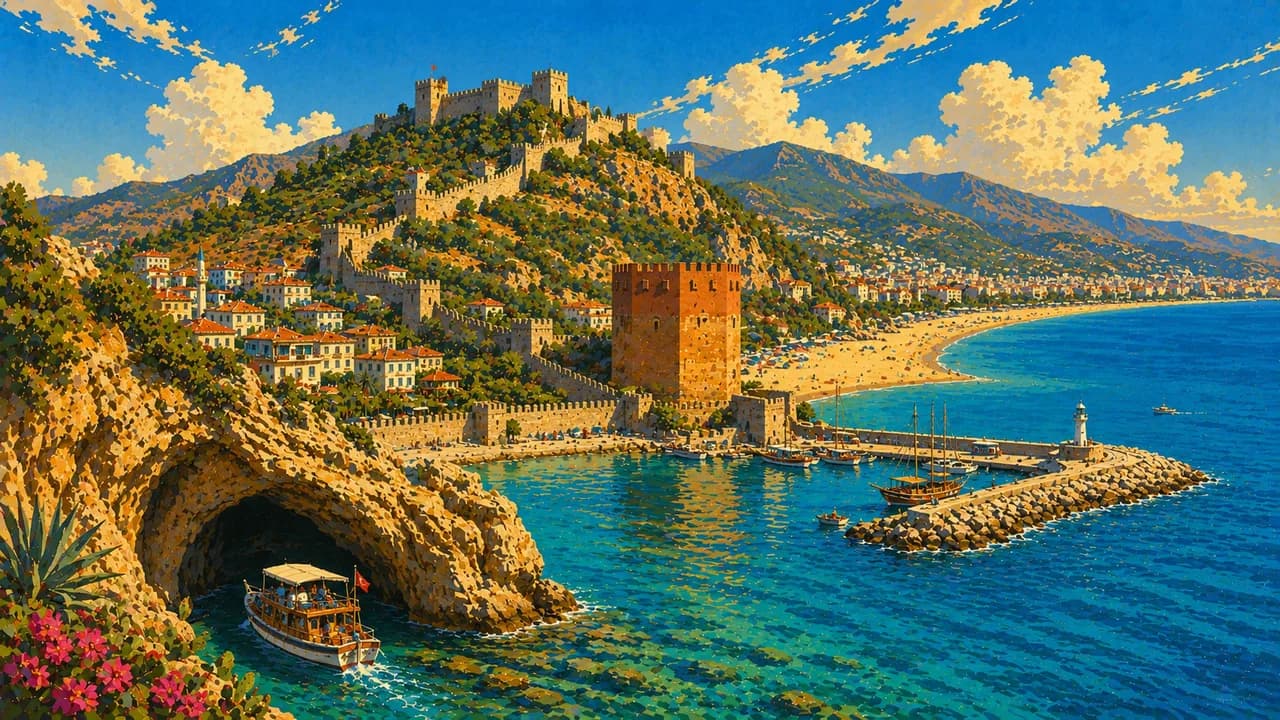
On the Aegean, Izmir and Ephesus connect urban culture with ancient archaeology. Çeşme, Kuşadası and Bodrum add harbours and beaches. Marmaris offers wooded bays, while Fethiye, Kaş and Antalya combine Lycian heritage, coastal walking and Mediterranean scenery. Side adds Roman remains and Alanya a fortified headland. Taurus mountain routes contrast with seaside resorts.
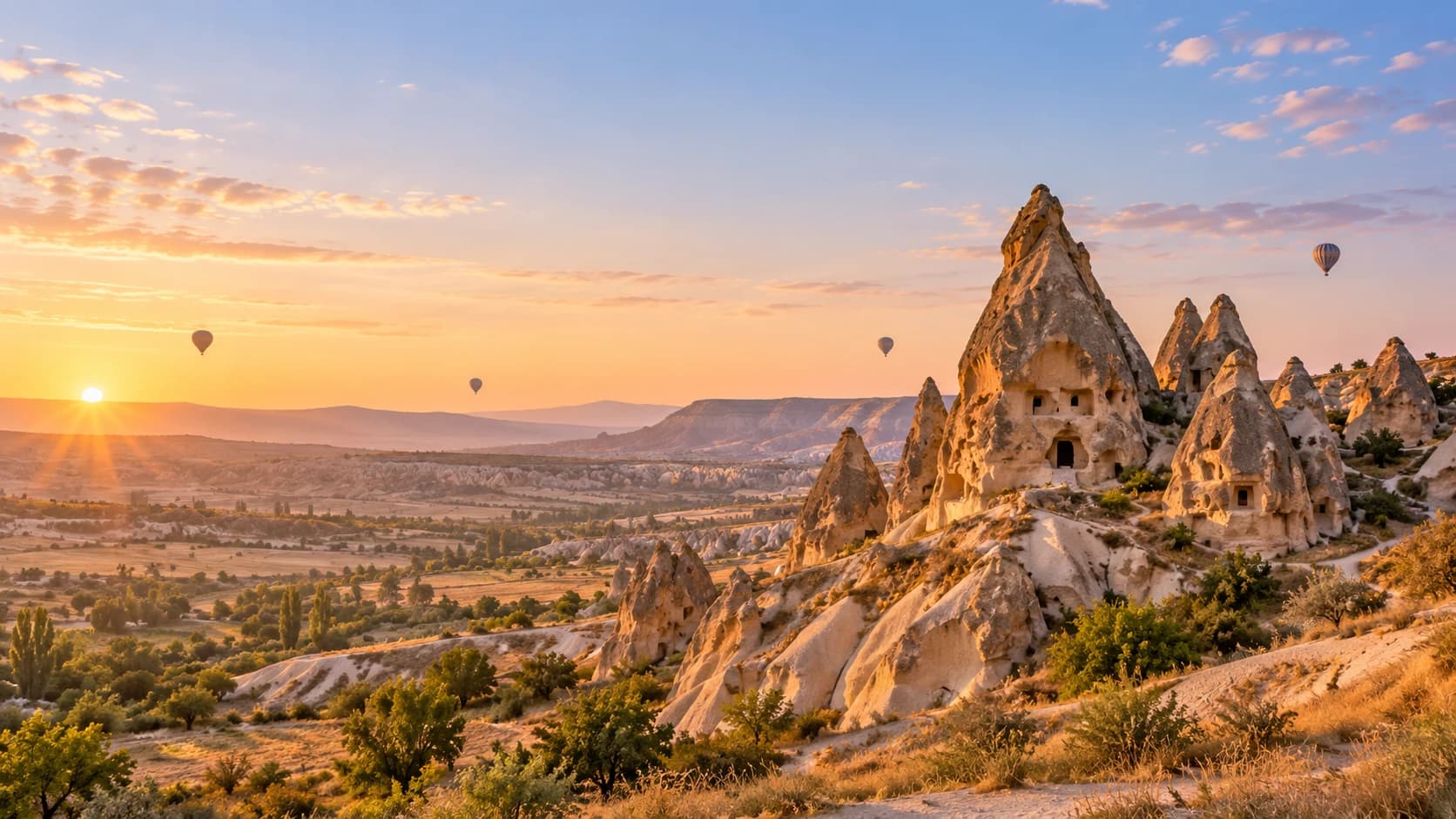
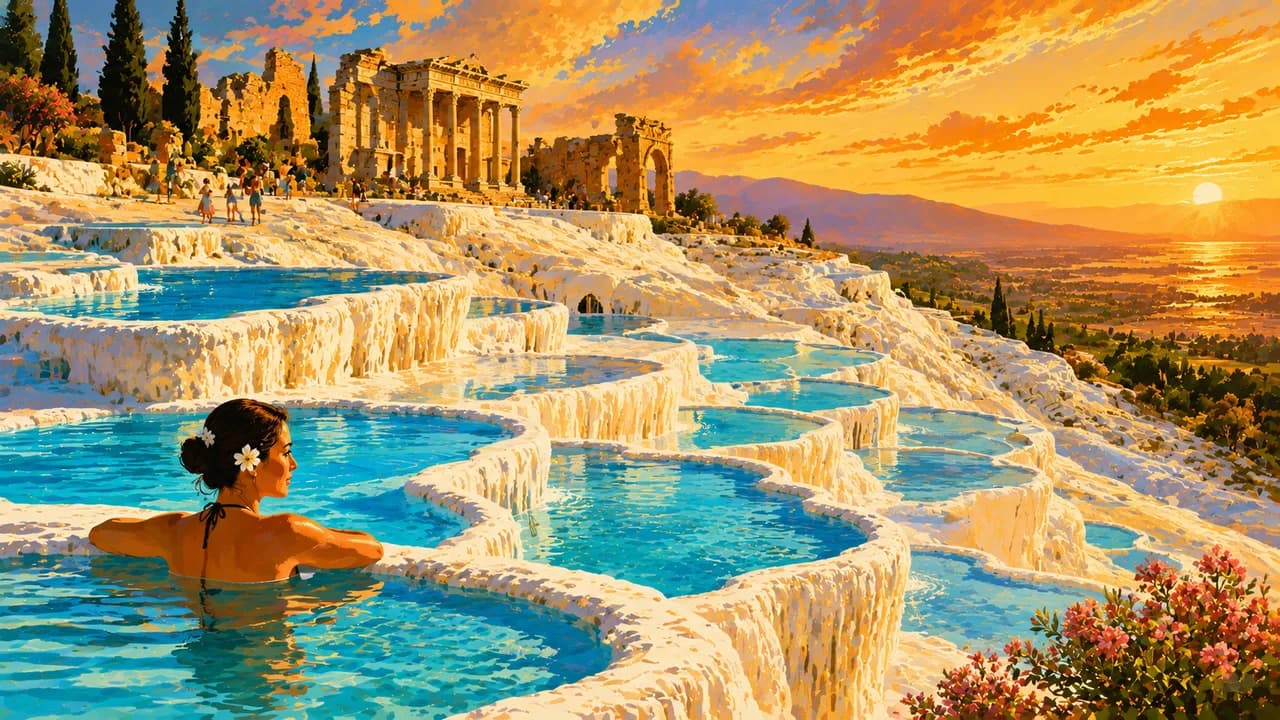
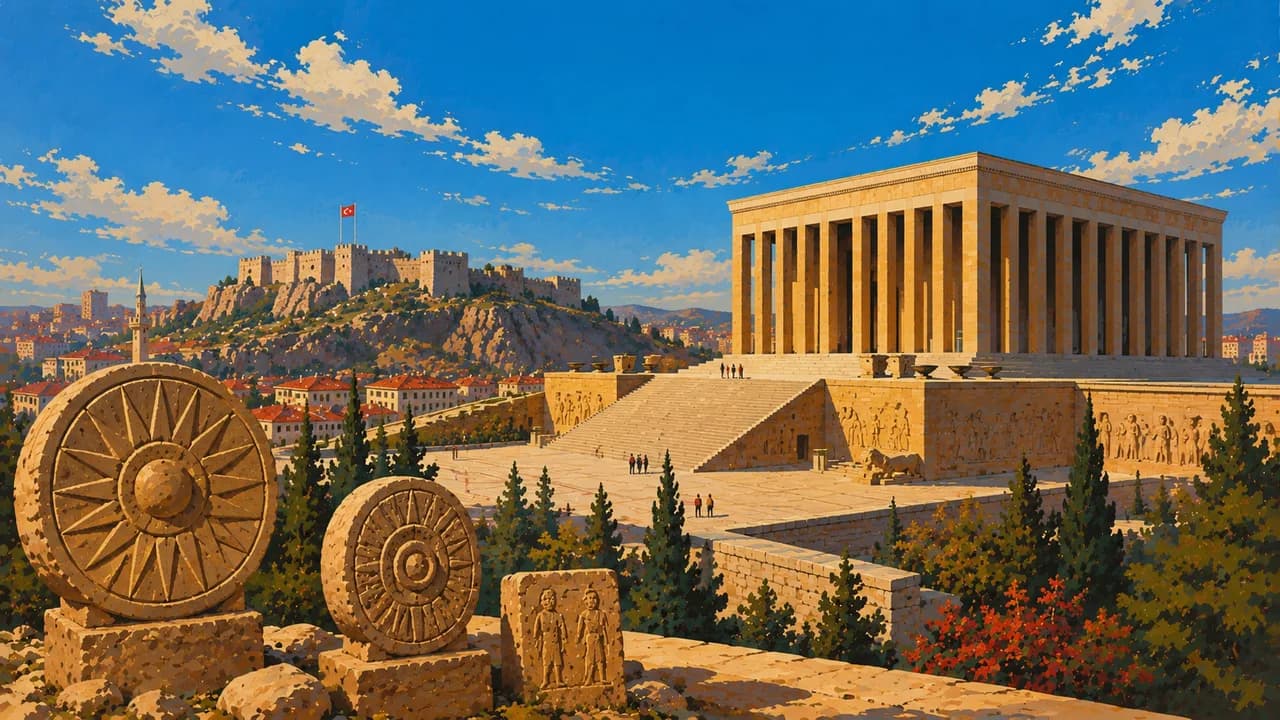
Inland, Pamukkale’s white travertines and neighbouring Hierapolis combine natural formations and ancient ruins, with access restricted to permitted areas. Ankara’s museums introduce successive civilisations, while Konya explores Seljuk and Mevlevi heritage. Cappadocia combines rock-cut churches, underground settlements and eroded valleys. Walking reveals the landscape at ground level, while balloon flights depend on weather and operating approval.
Safranbolu’s preserved houses and Amasya’s riverside streets add further layers of urban history. The Black Sea region around Trabzon brings forested mountains and Sümela Monastery into the picture. Tea-growing landscapes and regional food traditions distinguish this wetter northern coast from Mediterranean resorts.
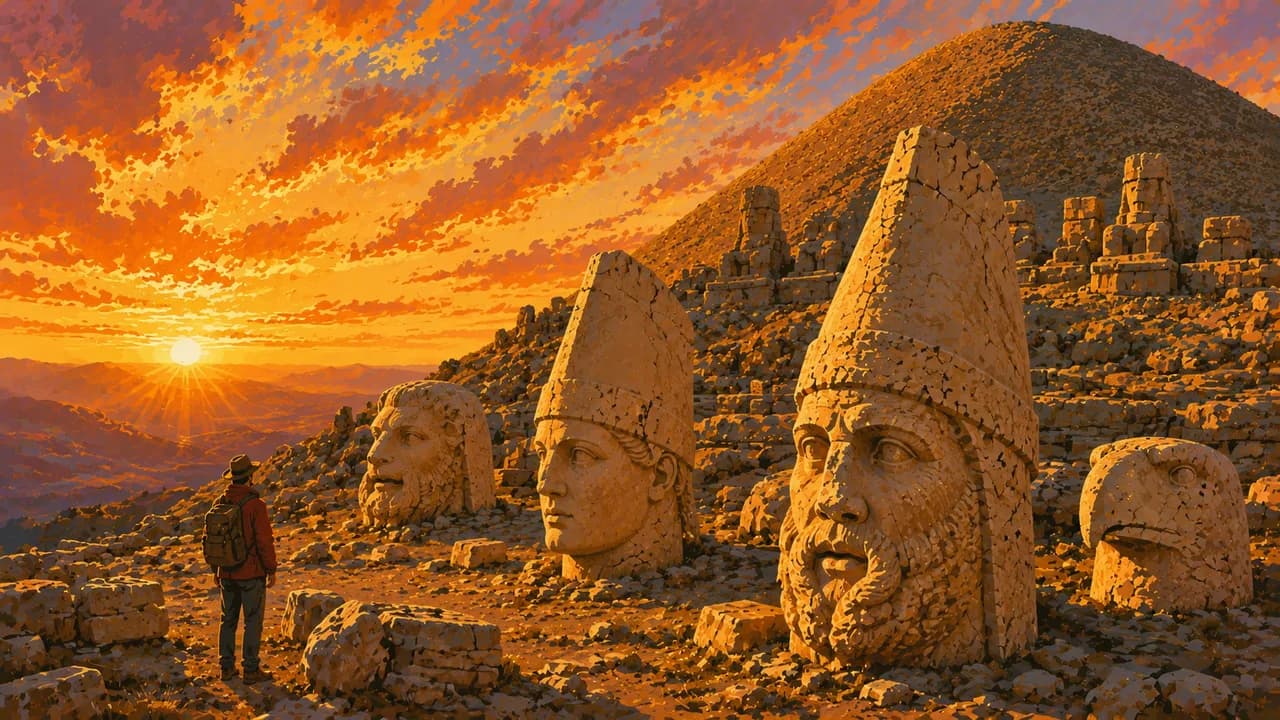
In eastern Anatolia, Kars and the ruins of Ani contrast with Van’s lake landscapes. The southeast combines Gaziantep’s culinary traditions, Şanlıurfa and nearby Göbekli Tepe, Nemrut Dağ’s monumental sculptures and Mardin’s stone architecture. Distinct local cultures and long distances call for separate regional itineraries.
Food ranges from Aegean olive-oil dishes and coastal fish to pide, regional kebabs and Gaziantep baklava, alongside tea and coffee traditions. Spring and autumn often suit cities and archaeology. Coastal summers can be hot, the Black Sea is wetter, and eastern highlands have severe winters. Allow time for transfers and check current site access and mountain conditions.
AI edited
- 81
- Provinces Turkey is divided into 81 provinces. Its seven geographical regions are not an additional administrative tier.
- 86.09 million
- Population TurkStat reports 86,092,168 registered residents on 31 December 2025. The displayed figure is rounded and is not a live population count.
- ≈ 783,600 km²
- Area Rounded from a total area of 783,562 km² including inland waters. Turkey comprises European and Asian territory.
- Turkish
- Language Turkish is the official language. The Turkish flag represents the destination's language here.
- Kurdish & other languages
- Other languages Kurdish and Arabic are among the languages spoken by different regions and communities. English knowledge varies and should not be assumed everywhere outside tourist areas.
- Turkish lira (TRY)
- Currency The national currency is the Turkish lira with the symbol ₺. Check accepted payment methods and local cash needs. Exchange rates and prices change.
- C · F
- Socket types Common types are C and F, with 230 volts and 50 hertz. Check device specifications and adapter requirements. A travel adapter does not convert voltage.
- Ankara
- Capital Ankara is the capital. The local clock shows Ankara and applies throughout the country, since Turkey uses one shared time zone year-round.
- Right-hand traffic
- Driving side Traffic drives on the right. Check current road conditions and local rules for mountain routes, winter driving and long overland journeys.
- UTC+3
- Time zone All of Turkey uses UTC+3 year-round without seasonal clock changes. The clock covers the whole country and retains comparisons with browser time and a saved home location.
- 20
- UNESCO cultural sites The retrieved UNESCO country list shows 20 cultural and two mixed World Heritage properties. Göreme with Cappadocia and Hierapolis-Pamukkale are mixed properties and are excluded from the cultural count. Checked in October 2026.
Turkey on the map

Map data: geoBoundaries (CC BY 4.0), © OpenStreetMap contributors (ODbL), Natural Earth
Climate and best time to travel
Turkey has no single best travel season. Spring and autumn often suit cities, ancient sites and lower-level walks. Aegean and Mediterranean summers can be hot and busy, while winter can bring heavy rain. The Black Sea coast remains rainy even in summer. Central Anatolia has large temperature swings, and snow and closed mountain roads can persist in the east. High-altitude routes need separate weather and access checks. Balloon flights depend on wind, visibility and official clearance, with cancellations possible year-round. At Pamukkale, enter only permitted areas. These months are planning guidance, not weather or access guarantees.
Destinations in Turkey
 AI generated
 AI generated
 AI generated
 AI generated
 AI generated
 AI generated
 AI generated
 AI generated
 AI generated
 AI generated
 AI generated
 AI generated