Malta
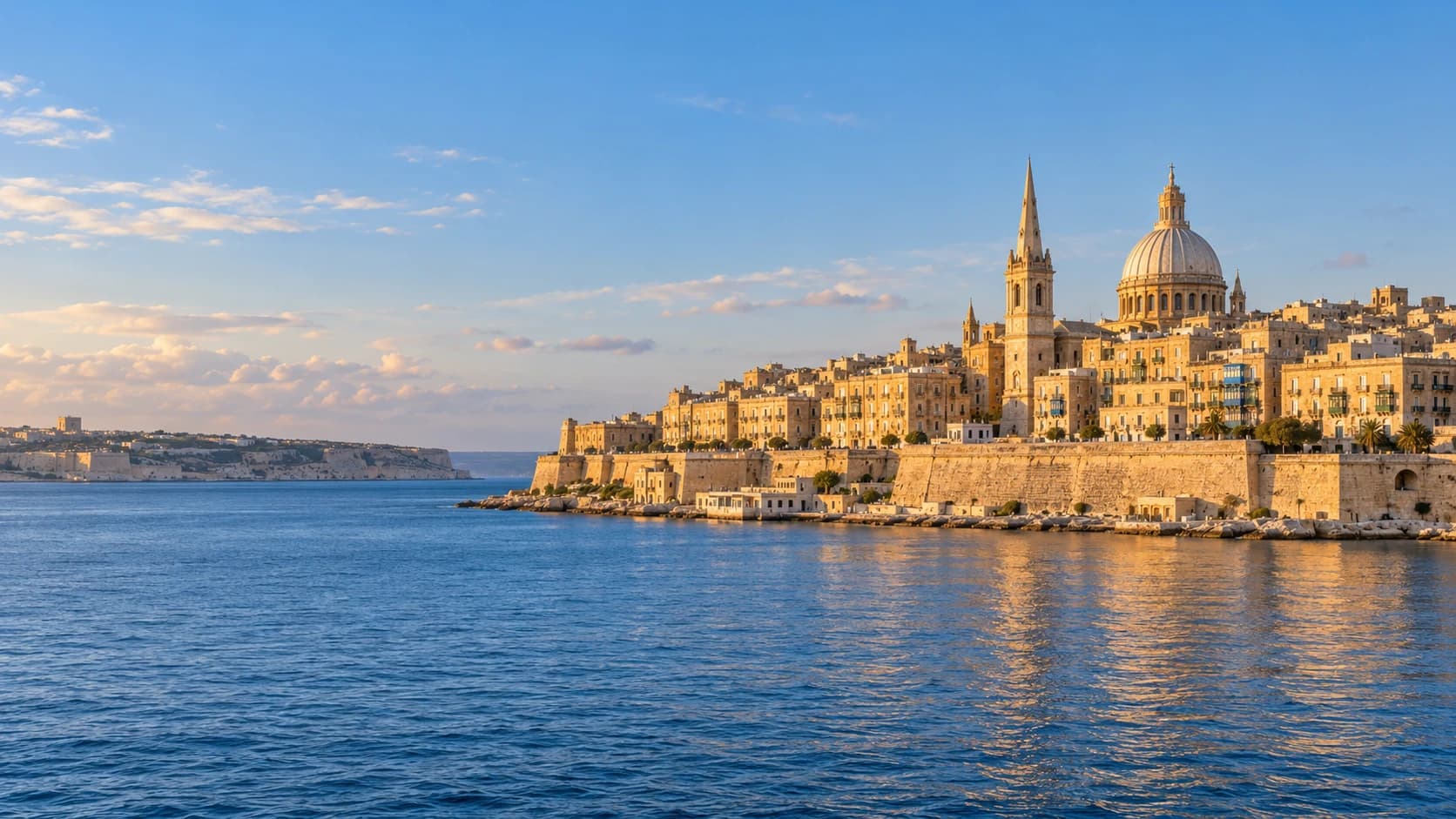
Golden limestone towns, ancient temples and Mediterranean island life between fortified harbours and blue bays.
Worth coming back!
Wanderlama keeps growing with new destinations, helpful information and exciting features. Check back soon and discover what is new!
Travel to Malta
Malta is a Mediterranean island country south of Sicily, combining the main island of Malta with Gozo, Comino and smaller islets. Limestone towns, fortified harbours, prehistoric monuments and rocky coastlines shape the archipelago. Maltese and English are official languages, while village festas, local crafts and food reveal a living culture beyond the historic sights.
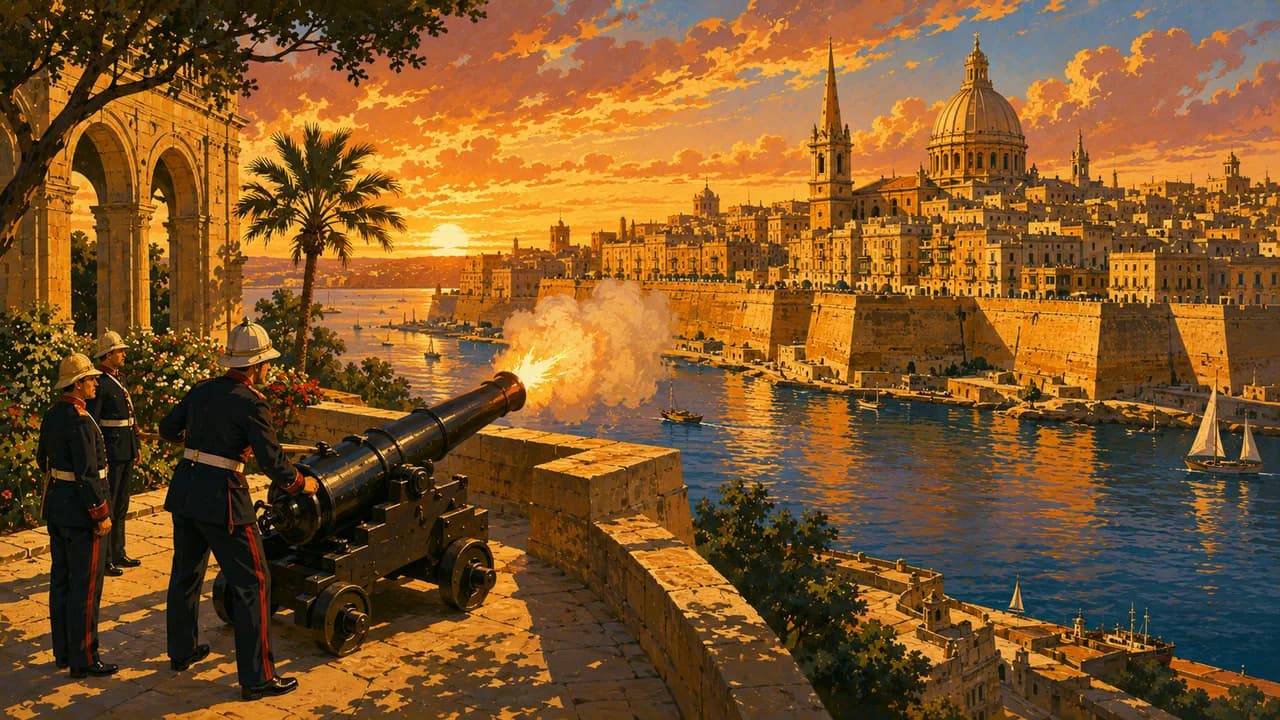
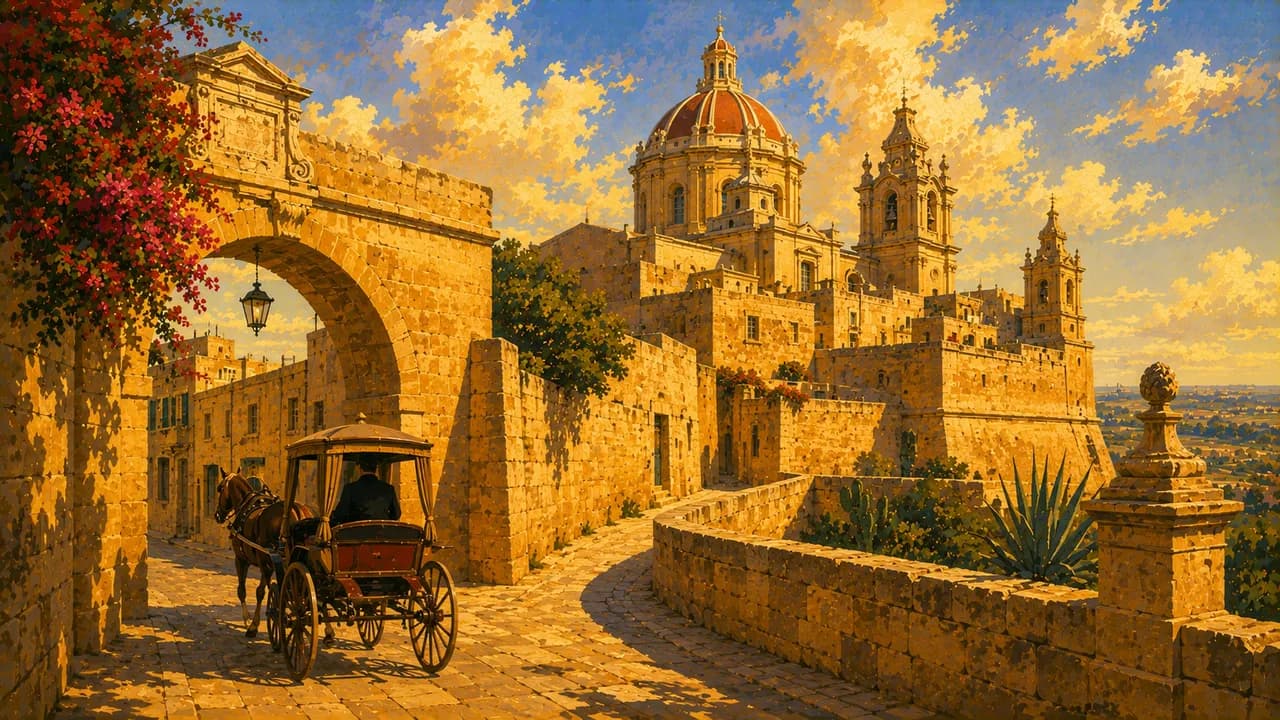
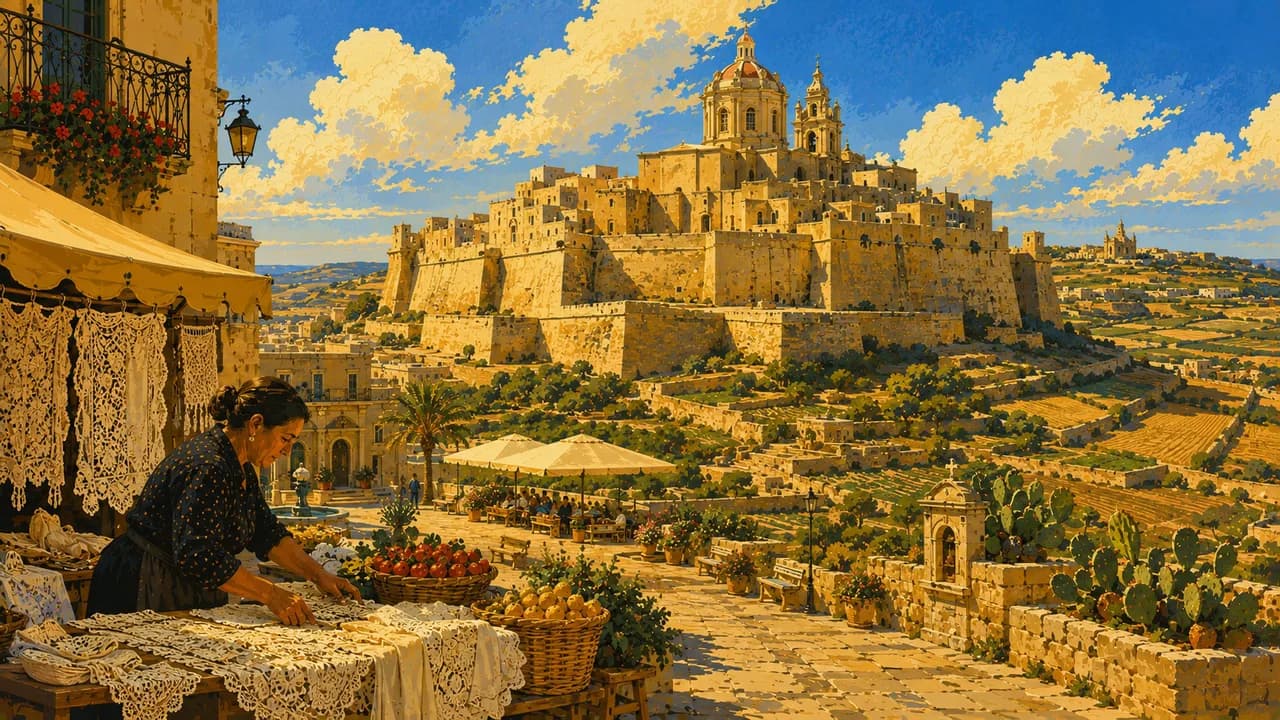
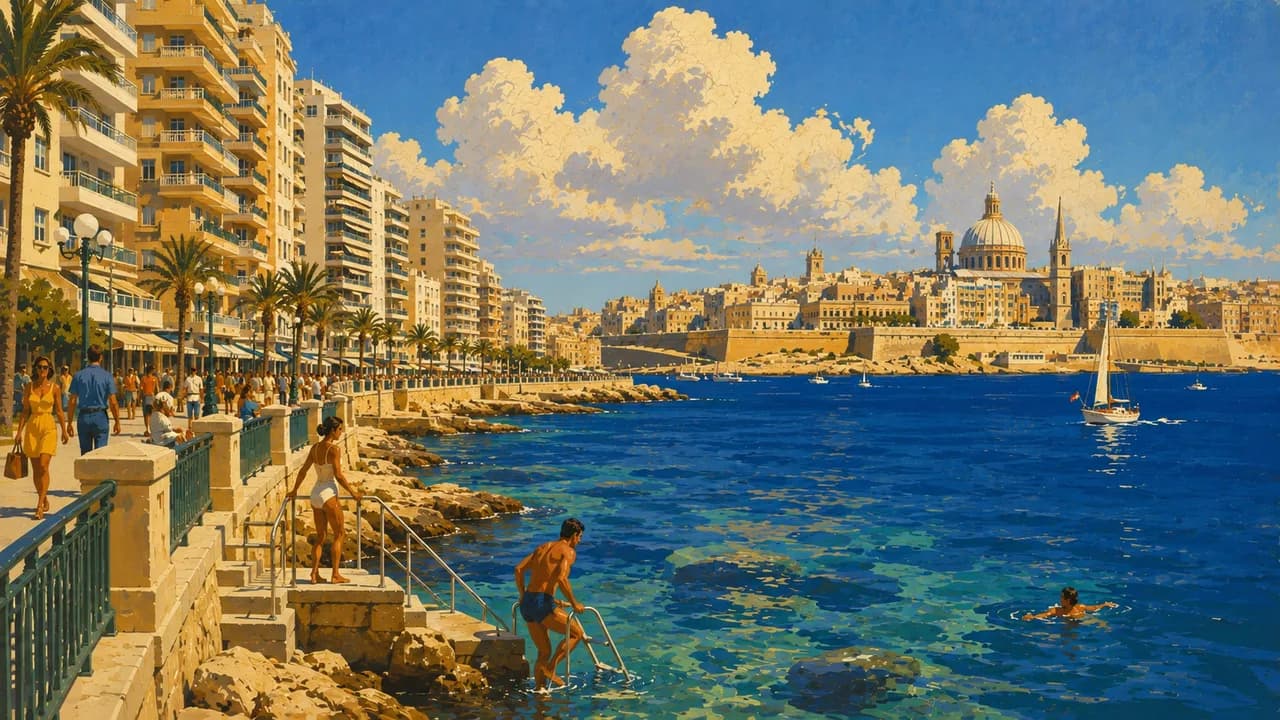
Valletta, the capital built by the Knights of St John, combines bastions, museums and St John’s Co-Cathedral with Caravaggio’s paintings. Across the Grand Harbour, the Three Cities preserve maritime and fortified townscapes. Sliema’s promenades and St Julian’s restaurants and nightlife offer a more contemporary coastal setting. Inland, Mdina’s walled streets and nearby Rabat’s catacombs add different layers of history.
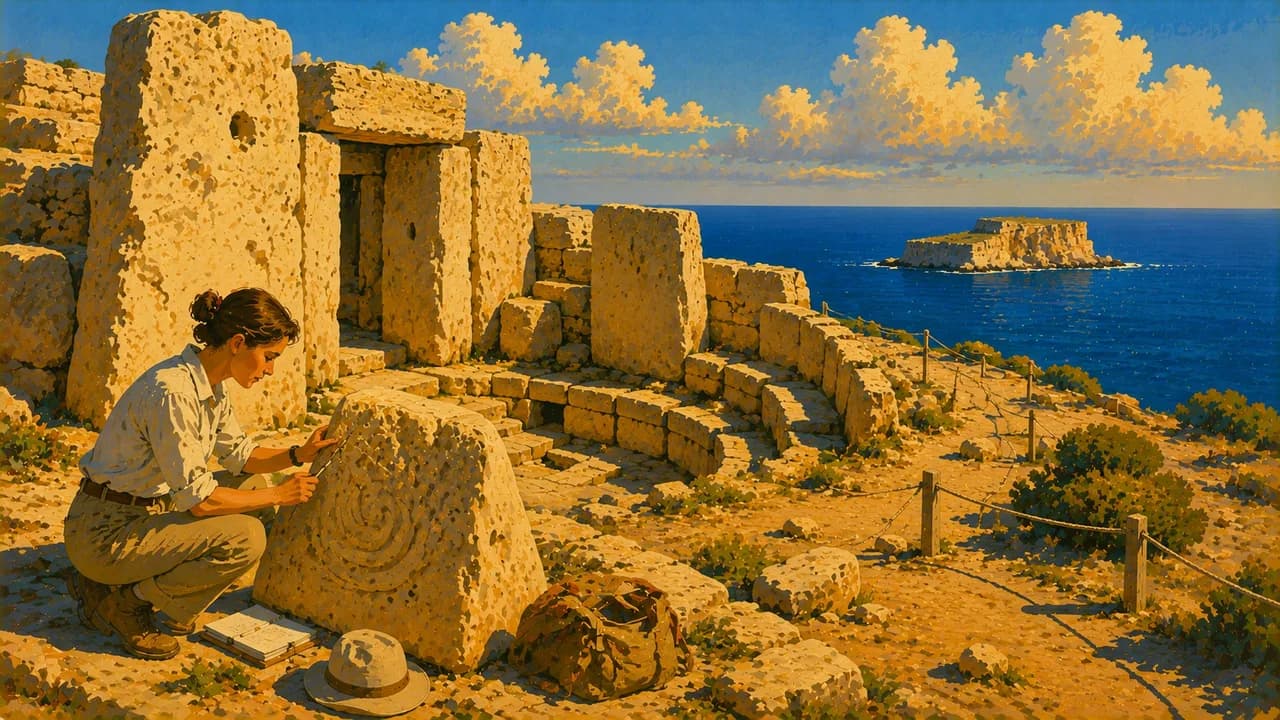
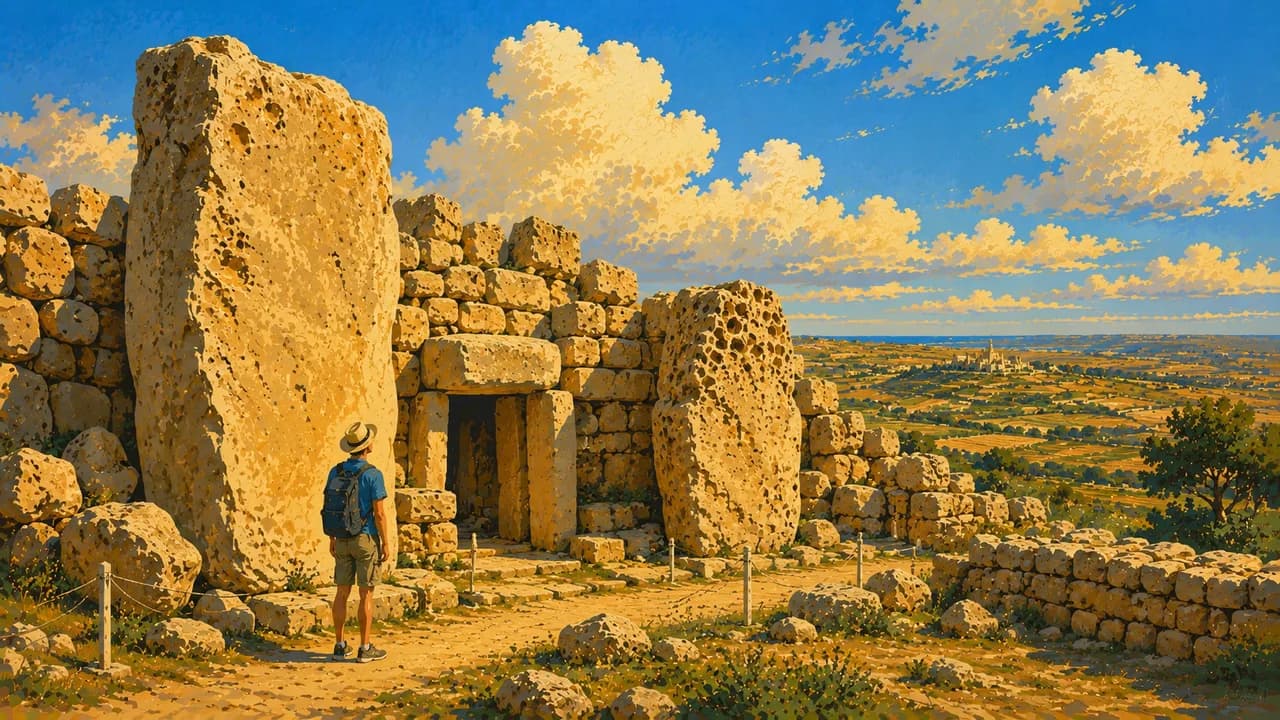
The prehistoric temples of Ħaġar Qim and Mnajdra overlook the southern coast, while Tarxien introduces another monumental complex. The Ħal Saflieni Hypogeum is an underground prehistoric burial site with tightly limited visitor numbers, so advance booking matters. Malta’s temple tradition predates the Egyptian pyramids.
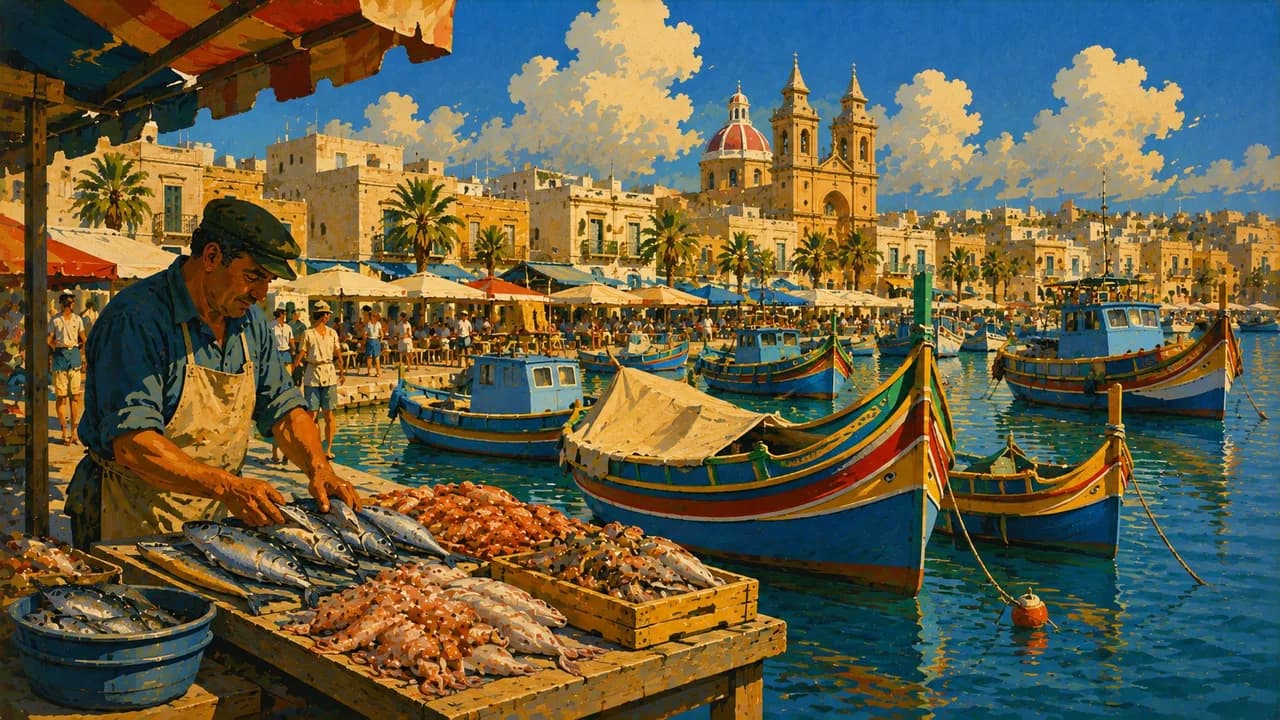
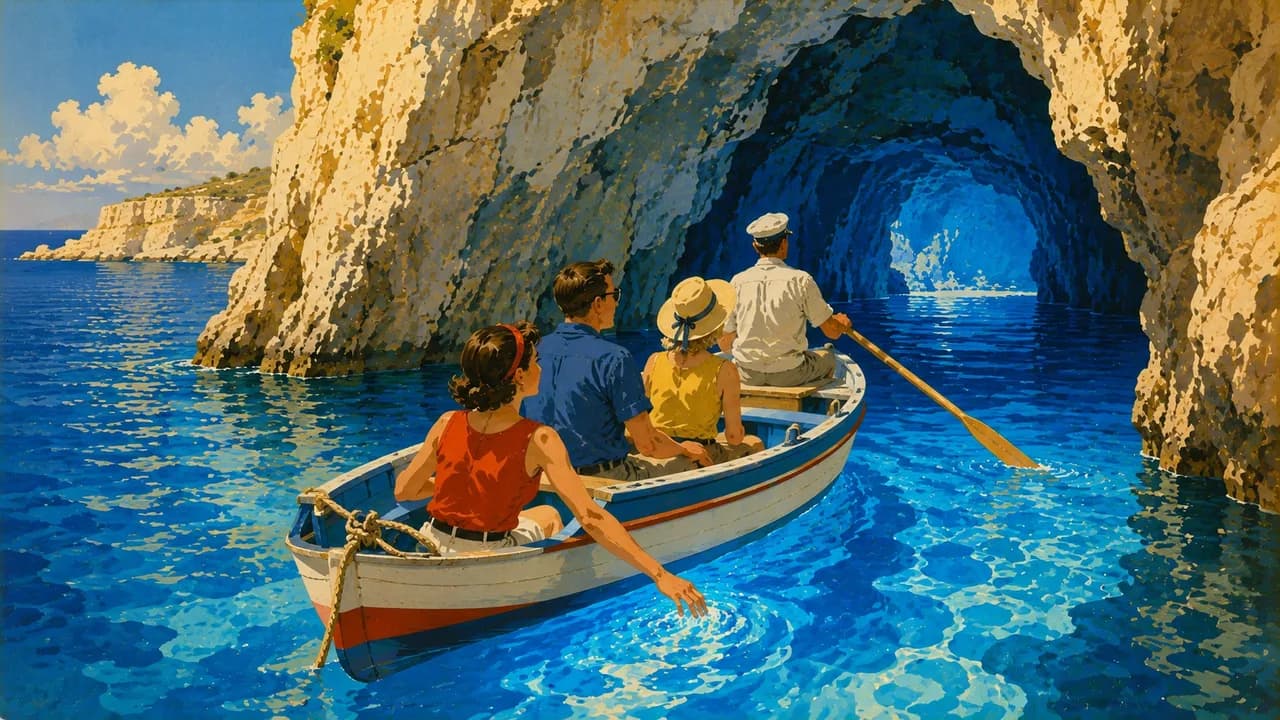
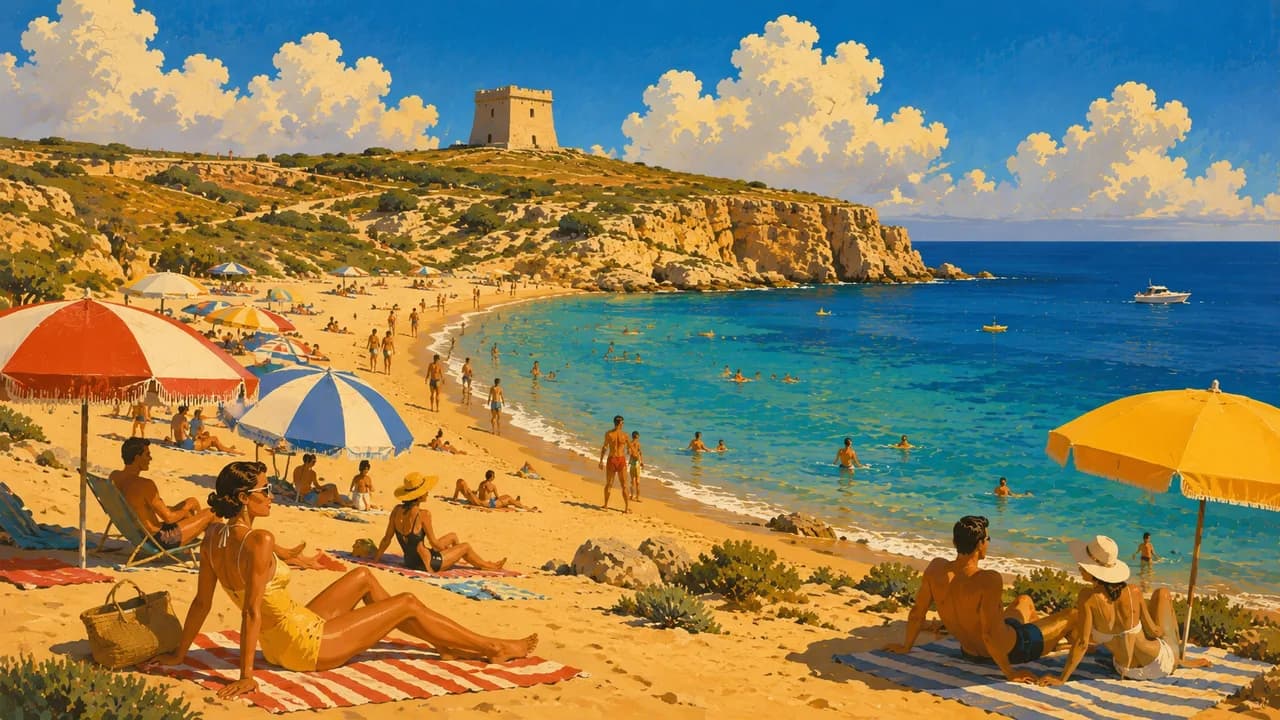
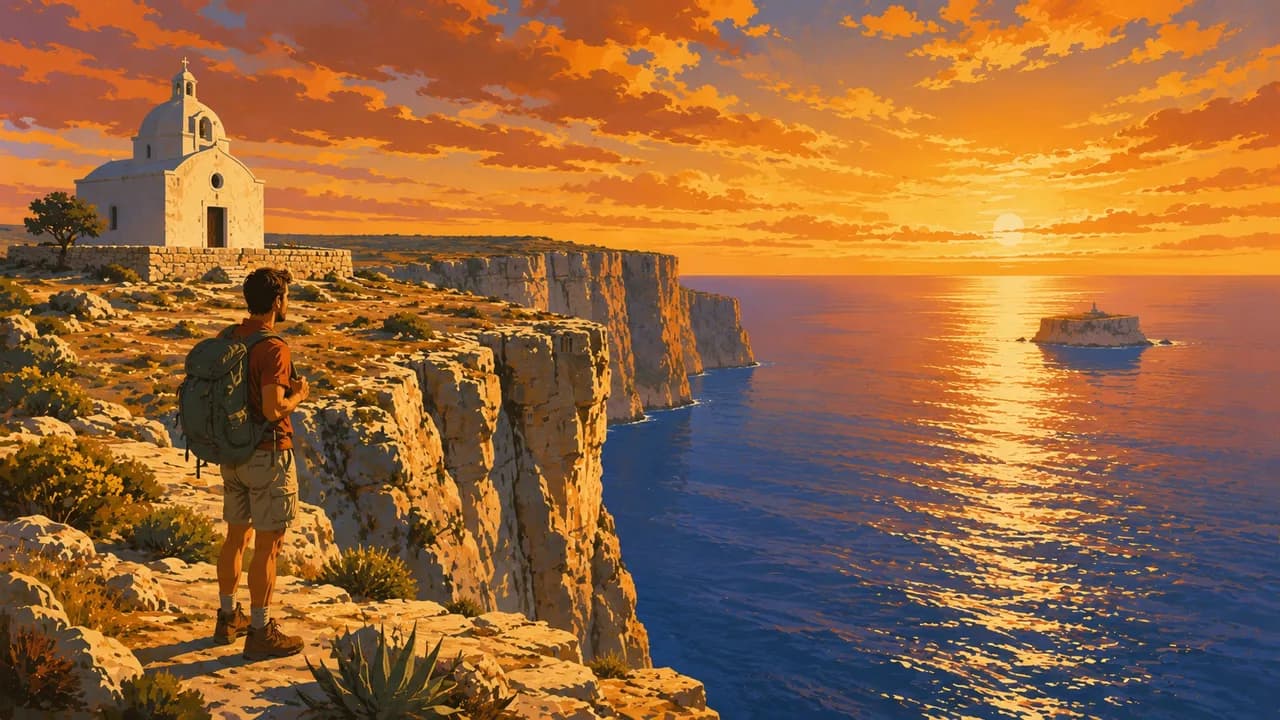
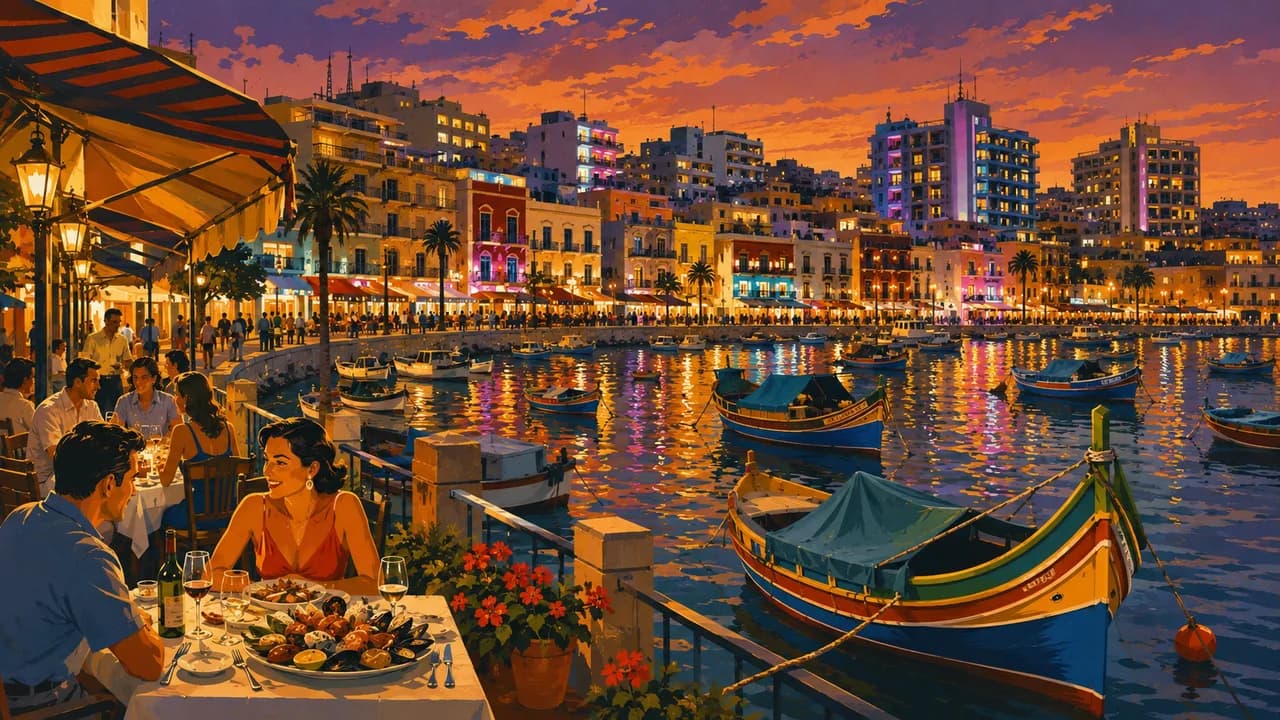
Marsaxlokk brings together fishing boats, harbour life and seafood. The Blue Grotto’s sea caves depend on suitable conditions for boat visits, while Dingli offers cliff-top views. Golden Bay adds a sandy beach to the predominantly rocky coastline. Popeye Village is a former film set adapted as a family attraction, with a different character from the islands’ archaeological sites.
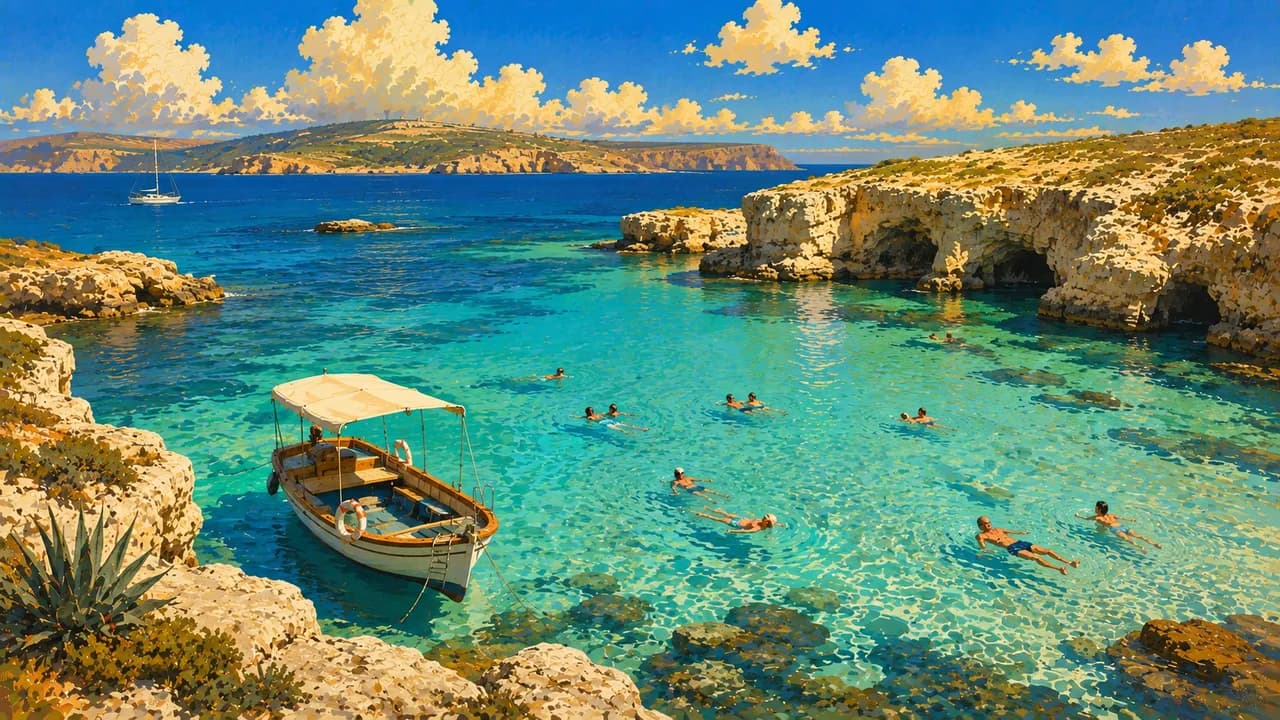
Gozo combines Victoria’s Cittadella with villages, coastal walks and Ġgantija’s prehistoric temples. Dwejra’s Inland Sea and Ramla Bay broaden its coastal landscapes. Comino’s Blue Lagoon is popular and can be crowded. Check current landing-pass requirements and book transport separately. Diving and swimming require suitable sea conditions, and ferry journeys need time within an island itinerary.
Pastizzi pastries, ftira bread and ġbejniet cheeses introduce regional flavours. Summer brings heat and busy beaches, while cooler months suit town visits and walking. Check attraction access, boat departures and weather rather than assuming every coastal activity operates year-round.
AI edited
- 68
- Local councils Malta has 68 local councils. Statistical districts and regional councils use different groupings, so this figure counts municipalities rather than islands or regions.
- 588,254
- Population Eurostat records 588,254 residents on 1 January 2026. This dated national figure covers the Maltese islands and does not count visitor arrivals.
- 316 km²
- Area The EU country profile gives a geographical area of 316 km² for the archipelago. Surrounding territorial waters are not part of this land-area figure.
- Maltese & English
- Languages Maltese and English are official languages. Maltese is the national language, with its own spelling and place-name forms.
- Italian & others
- Other languages Italian is also used, alongside languages spoken by Malta’s international communities. Availability varies by place and service provider.
- Euro (EUR)
- Currency Malta uses the euro. Confirm card acceptance and payment options for smaller operators, village businesses and boat excursions.
- G
- Socket type Type G uses three rectangular pins. Malta supplies 230 V at 50 Hz. Check plug, adapter and device compatibility.
- Valletta
- Capital Valletta is the national capital and seat of government on the main island. The Europe/Malta clock applies throughout the archipelago.
- Left-hand traffic
- Driving side Traffic keeps left. Historic centres and narrow village streets can restrict access. Check parking and Valletta vehicle-access arrangements before driving.
- UTC+1 / UTC+2
- Time zone Malta uses UTC+1 in winter and UTC+2 during daylight saving time. The local clock follows Europe/Malta seasonal rules.
- 3
- UNESCO cultural sites UNESCO lists three cultural World Heritage properties. The Megalithic Temples of Malta form one serial property across several sites, alongside Valletta and the Ħal Saflieni Hypogeum.
Malta on the map

Map data: geoBoundaries (CC BY 4.0), © OpenStreetMap contributors (ODbL), Natural Earth
Climate and best time to travel
Malta has hot, dry summers and milder, wetter winters. Spring and autumn suit town visits and exposed coastal walks. Summer is the main beach season, but heat and limited shade make midday walking demanding. Wind, waves and visibility affect boat trips, swimming and diving. Ferries can be disrupted, so allow time for island transfers. Check current Blue Lagoon landing-pass requirements and book transport separately. Hypogeum entry is limited and needs advance planning. Village festas follow local calendars. Month chips show typical planning windows, not guaranteed weather, access or operating dates.
Destinations in Malta
 AI generated
 AI generated
 AI generated
 AI generated
 AI generated
 AI generated
 AI generated
 AI generated
 AI generated
 AI generated
 AI generated
 AI generated