Norway
Norge · Noreg
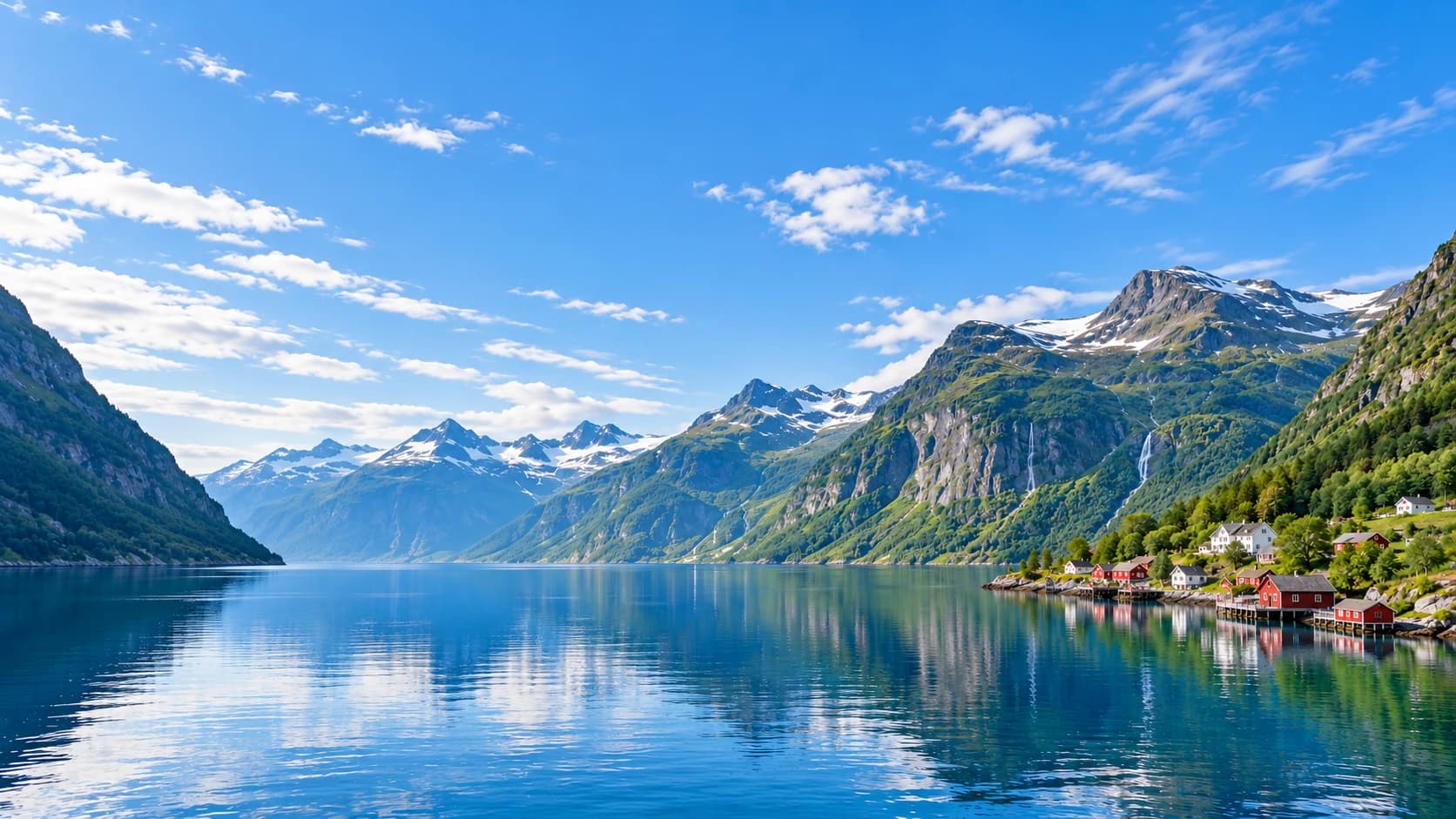
Deep fjords, sweeping mountain landscapes and Arctic light meet living coastal culture and Nordic cooking.
Worth coming back!
Wanderlama keeps growing with new destinations, helpful information and exciting features. Check back soon and discover what is new!
Travel to Norway
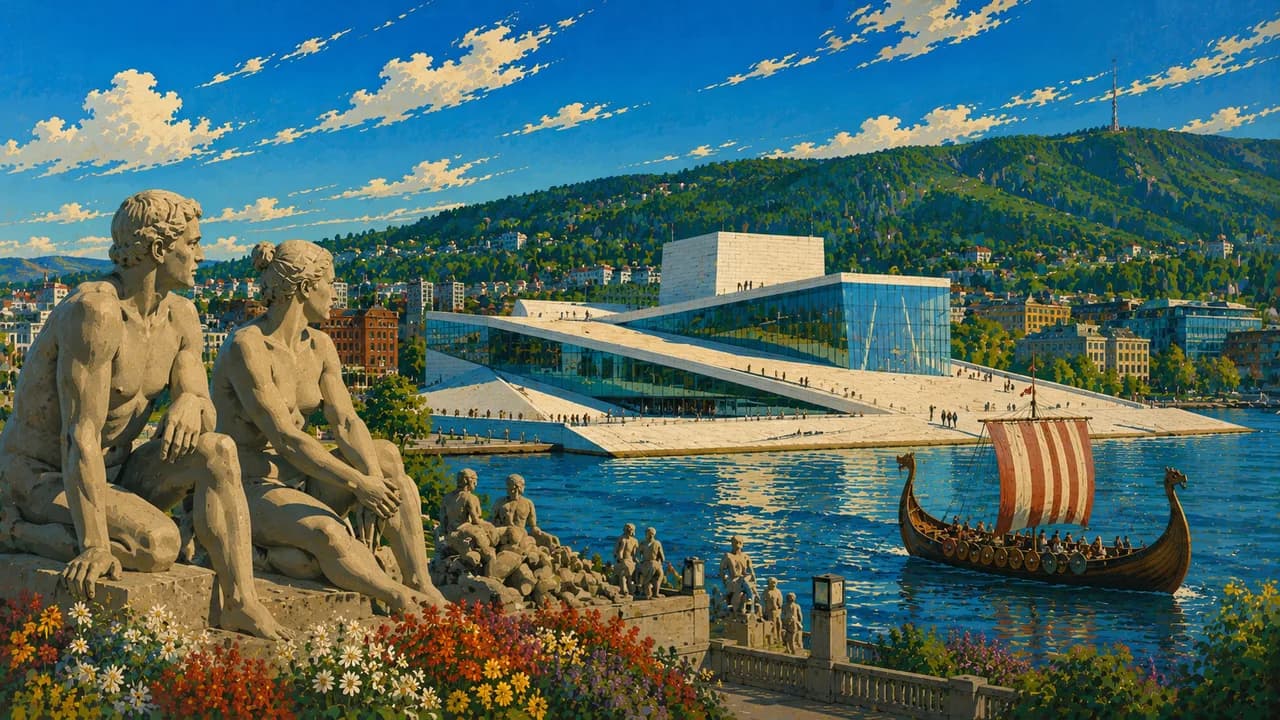
Norway stretches along the western edge of Scandinavia from the North Sea deep into the Arctic, with fjords, mountains, forests and island coastlines. Oslo combines art museums and contemporary architecture with the Oslofjord, while Fredrikstad, the Telemark Canal and Rjukan add fortified streets, waterways and industrial heritage to the southeast.
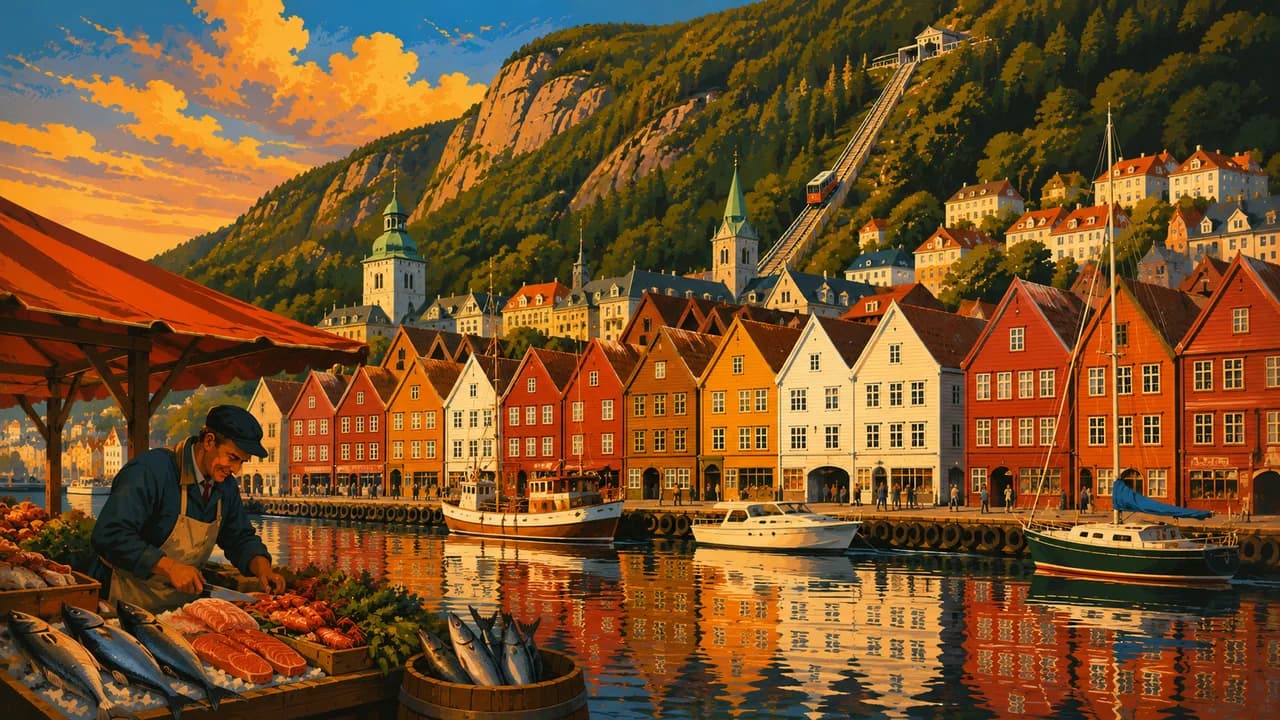
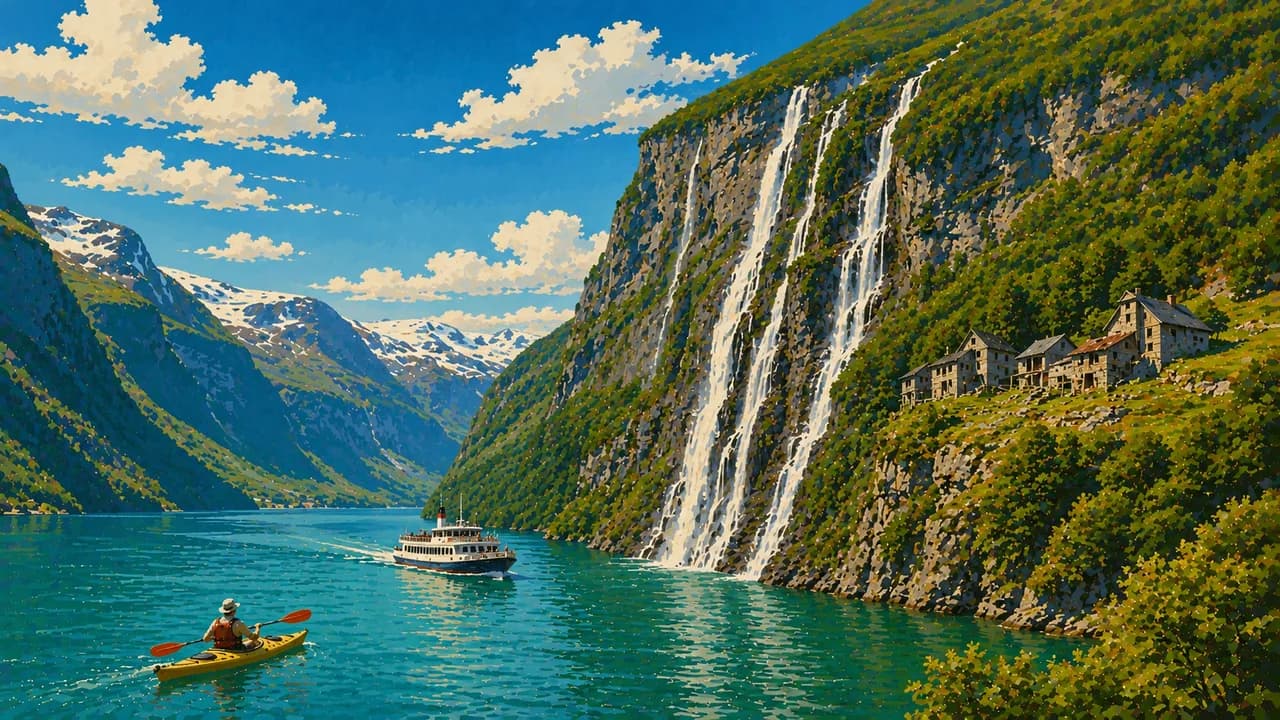
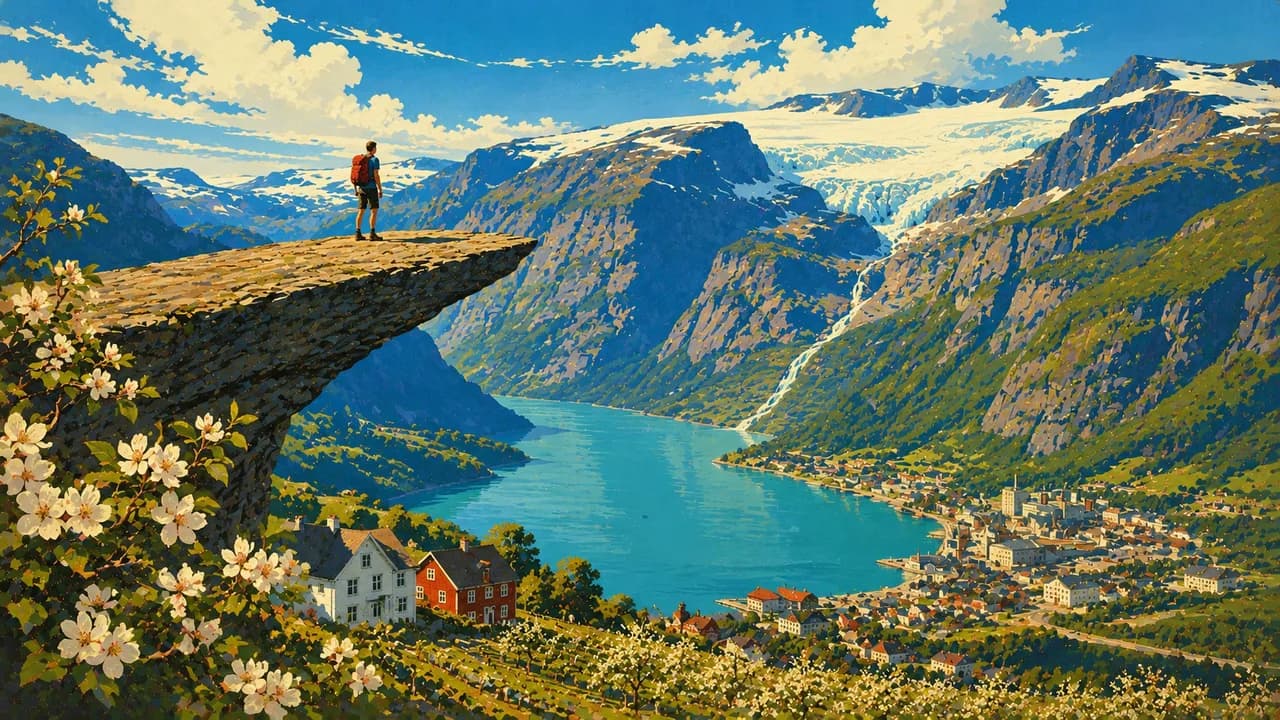
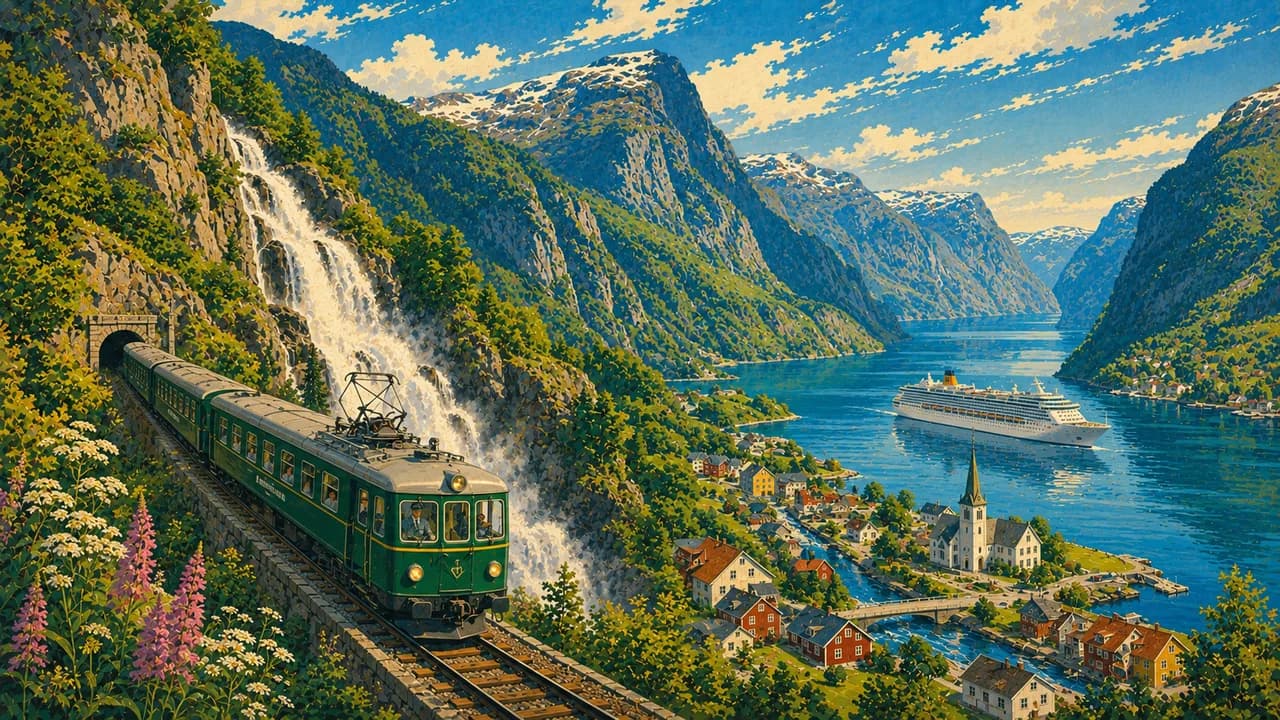
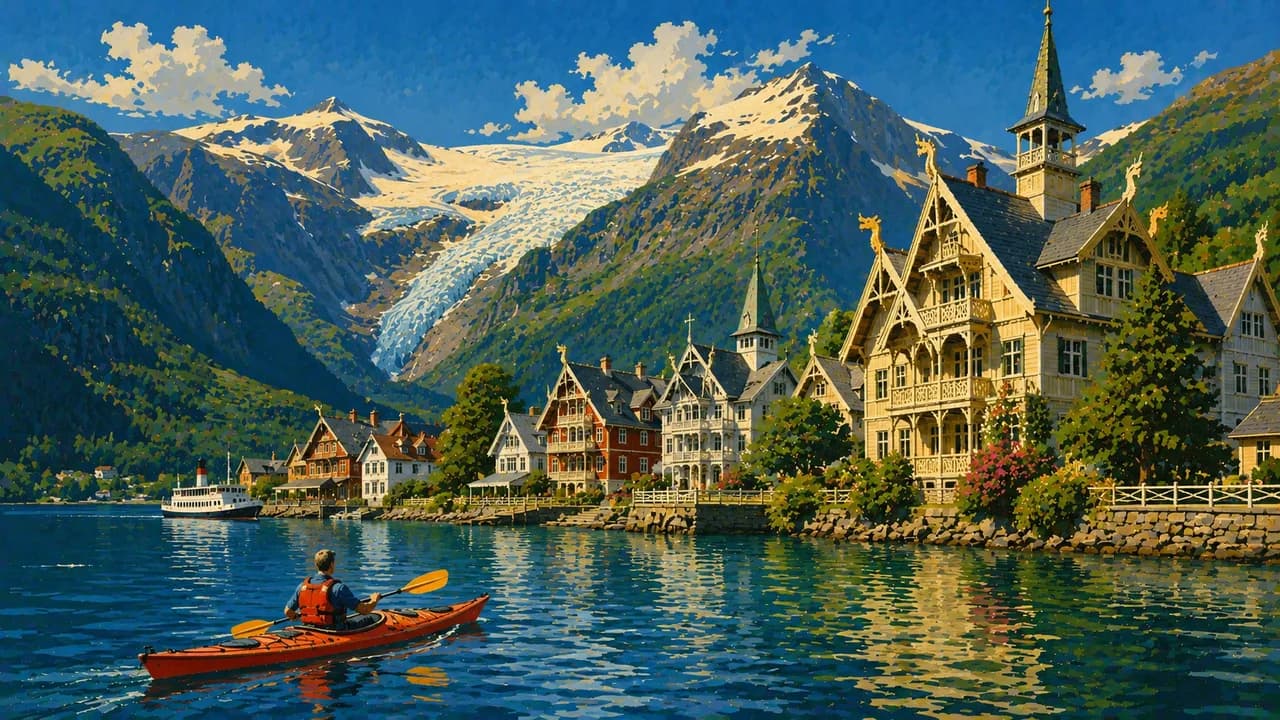
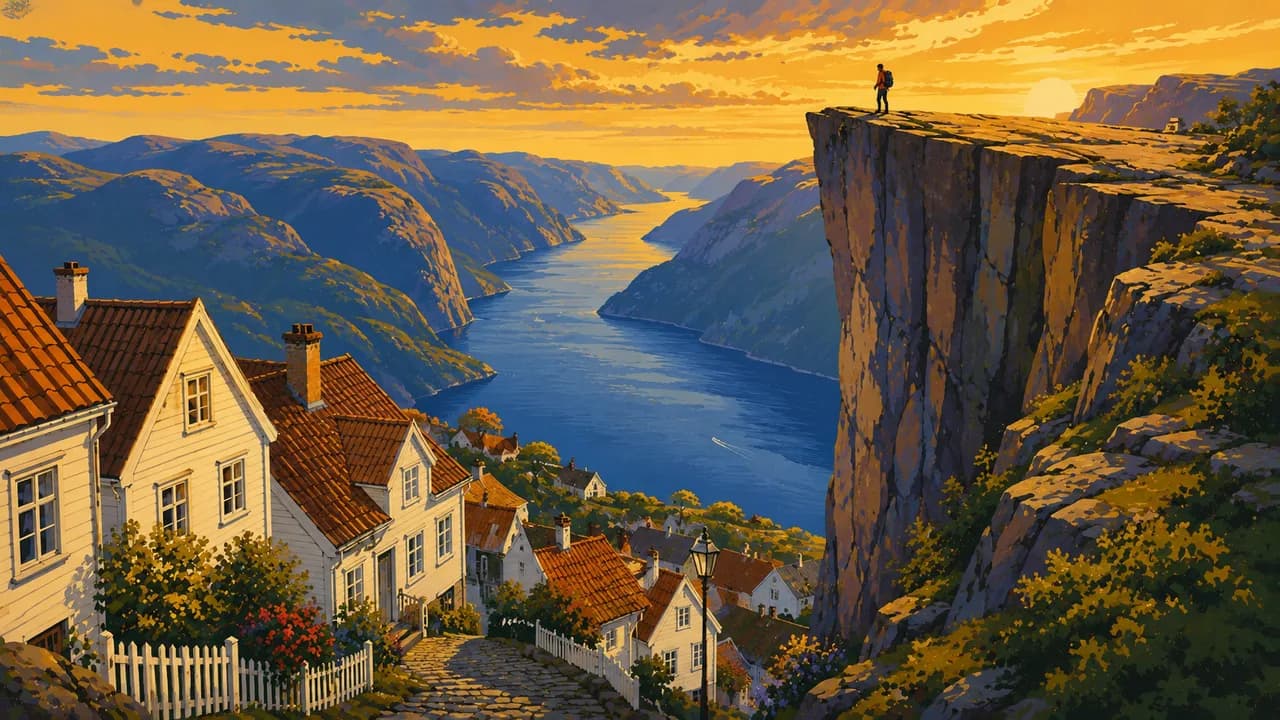
Around Kristiansand, the southern coast offers white wooden towns, sheltered skerries and beaches. In the west, Stavanger and the Lysefjord, Bergen's historic Bryggen wharf, the Hardanger region and the Sognefjord connect coastal culture with waterfalls, orchards and glaciers. The Nærøyfjord and Geirangerfjord form a shared UNESCO World Heritage property, and Flåm's railway and Ålesund's Art Nouveau streets offer contrasting perspectives on the region. Inland, Hardangervidda, Jotunheimen and Dovrefjell combine open plateaus, mountain lakes and hiking country, while Lillehammer and the surrounding valleys are associated with winter sports and rural traditions.
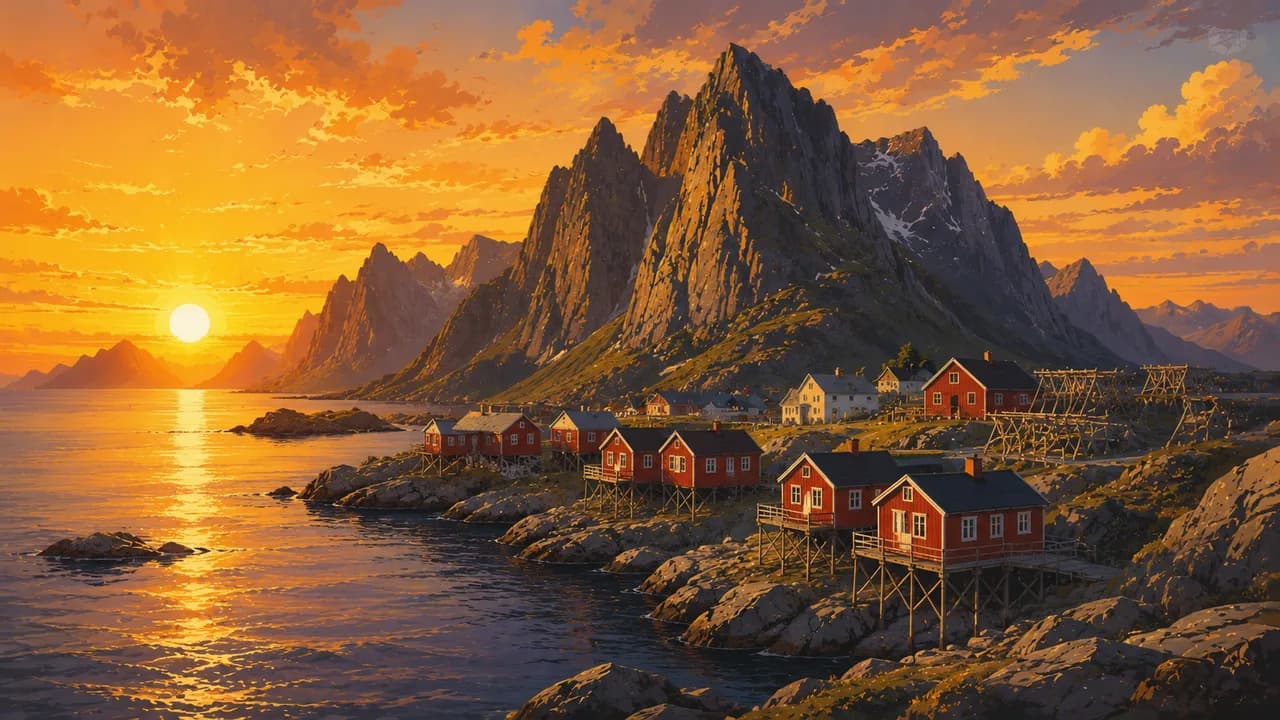
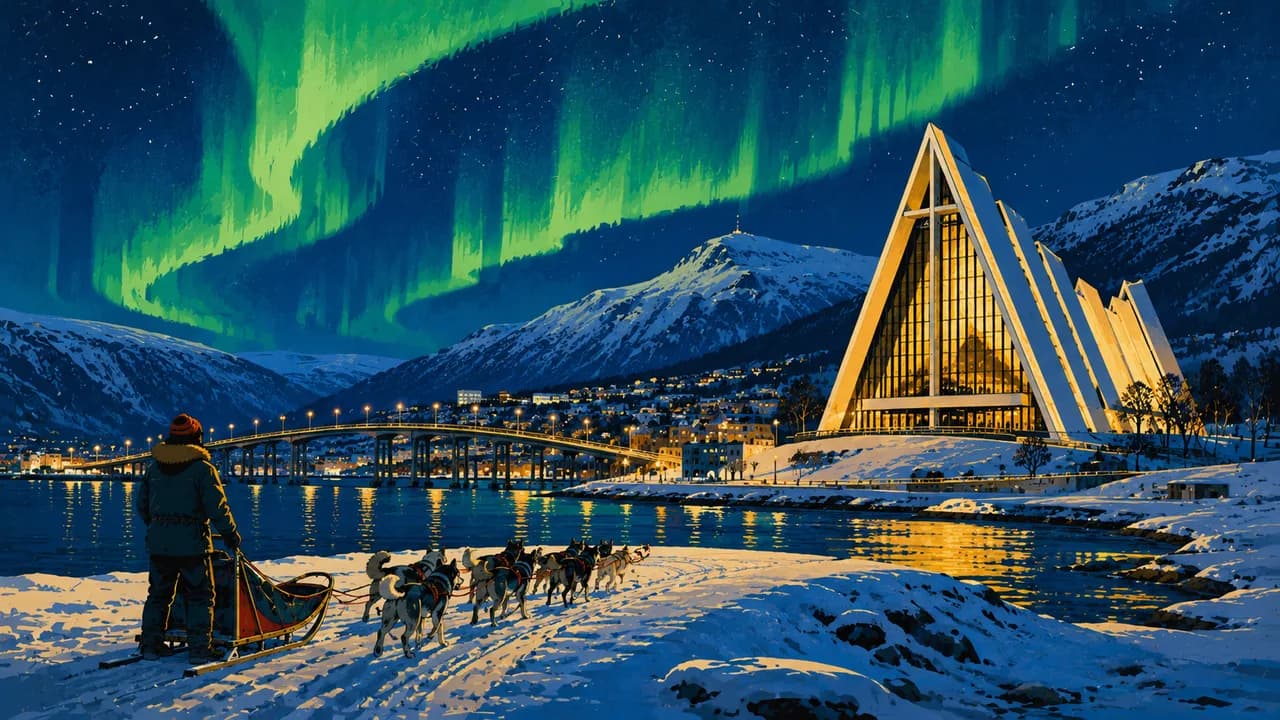
Trondheim's Nidaros Cathedral and the former mining town of Røros bring medieval and industrial history into the portrait. Along Helgeland, the Vega archipelago preserves coastal traditions, while Lofoten, Vesterålen and Senja combine fishing villages, beaches and steep mountains. Tromsø, Alta and the North Cape open up the far north, and Karasjok and Kautokeino are centres of living Sámi culture, language and crafts. Northern summer brings the midnight sun, while dark, clear nights can offer northern lights without any guarantee of a sighting.
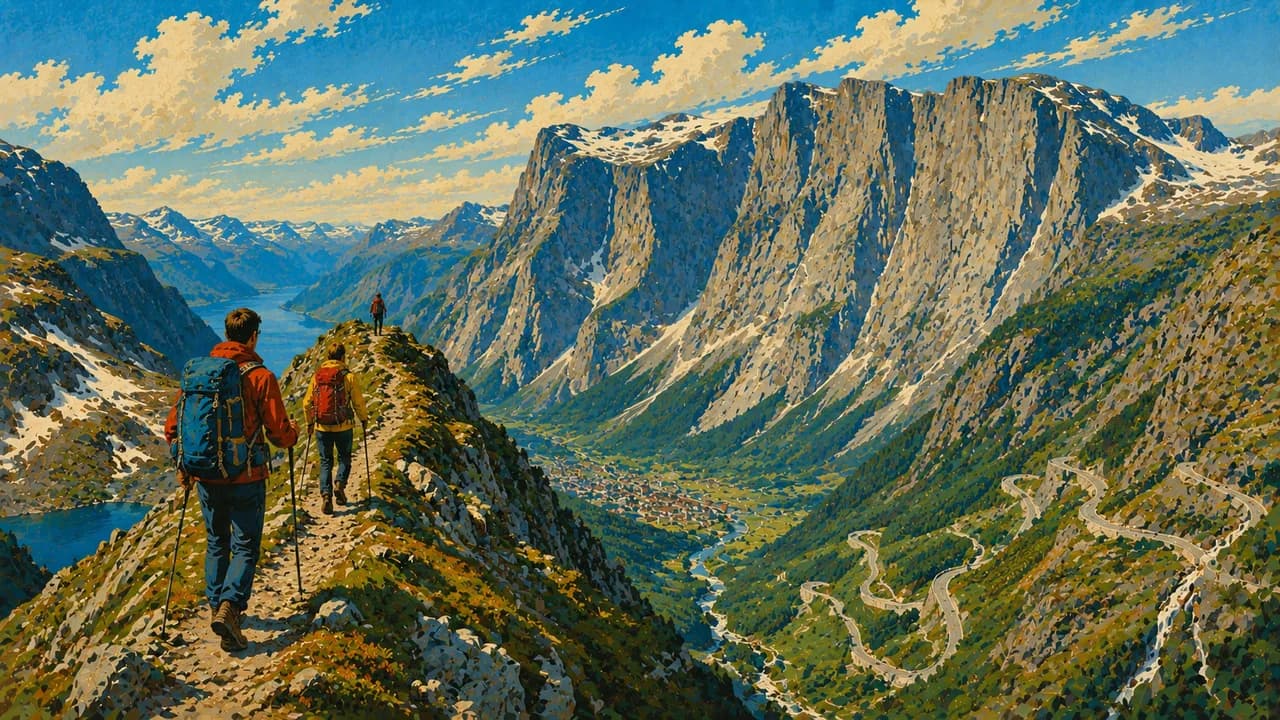
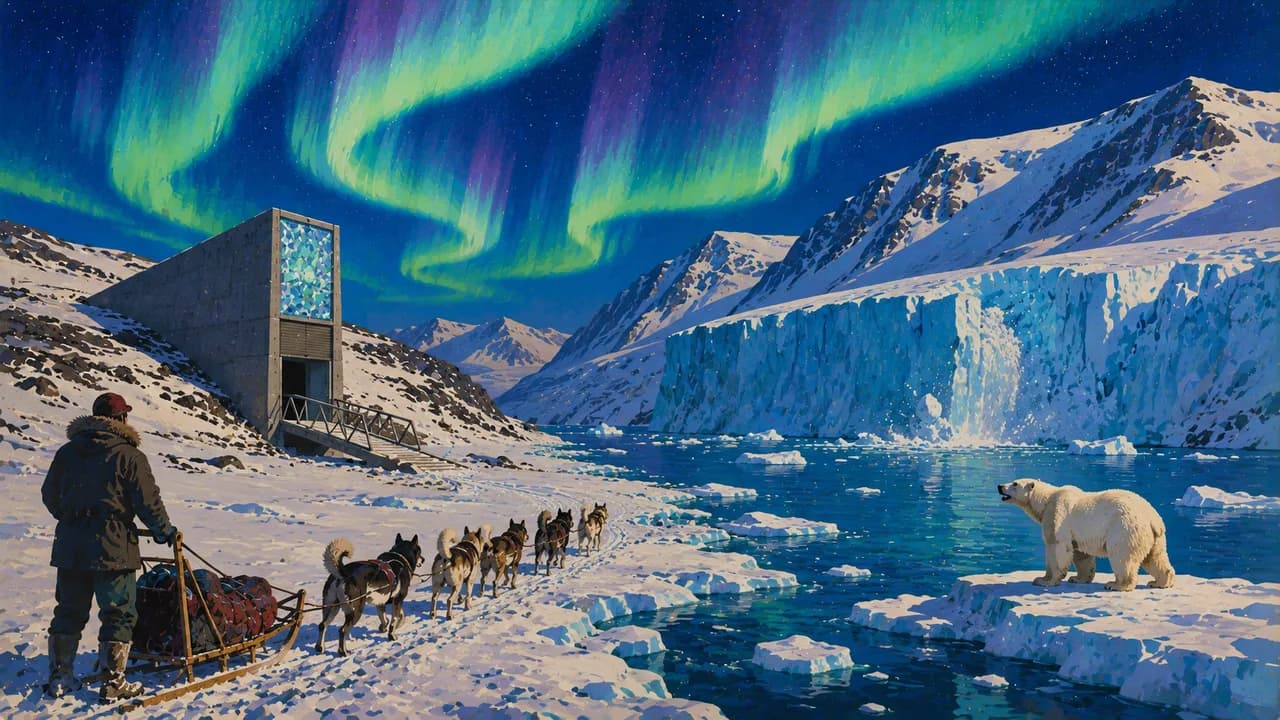
Svalbard adds a separate Arctic island journey with glaciers, polar landscapes and distinct travel and conservation requirements. Fish, seafood, stockfish, cheeses and berries reflect regional food traditions, alongside contemporary Norwegian cooking. Trains, ferries and the coastal express between Bergen and Kirkenes offer alternatives to driving, but long distances, weather and seasonal connections require time. Mountain hiking and winter sports have different regional seasons, and snow, exposed terrain and changing conditions matter even in summer.
Respect local access rules and wildlife, and choose qualified guides for glacier excursions.
AI edited
- 15
- Counties Norway has had 15 counties, known as fylker, since January 2024, including Oslo. Svalbard and Jan Mayen are outside this regional administrative structure.
- 5.64 million
- Population Rounded from 5,636,904 residents according to Statistics Norway at the end of the second quarter of 2026. This follows official population registration, not an additional count of everyone on Svalbard.
- 385,206 km²
- Area According to Kartverket, updated April 2026, including inland waters, Svalbard with Bjørnøya and Jan Mayen. Mainland Norway with its coastal islands accounts for 323,807 km². Maritime areas and Norwegian dependencies are excluded.
- Norwegian
- Language Norwegian is spoken in many dialects. Bokmål and Nynorsk are equal written standards, not two different national languages.
- Sámi & other languages
- Other languages Sámi languages are indigenous languages with specific language rights. Kven and other community languages are also spoken. English is widespread, but individual proficiency varies.
- Norwegian krone (NOK)
- Currency The national currency is the Norwegian krone, abbreviated kr. Card and mobile payments are widespread, but acceptance and fees vary by provider. Euros are not generally accepted as payment.
- C · F
- Socket types Type C and F connections are common, with 230 volts and 50 hertz. A travel adapter does not convert voltage. Check the socket and your appliance specifications.
- Oslo
- Capital Oslo is the capital and is both a municipality and a county. The clock uses Europe/Oslo and automatically accounts for standard time and daylight saving time.
- Right-hand traffic
- Driving side Norway drives on the right. Fjord ferries, mountain passes, snow and temporary closures affect travel times. Check road and weather conditions before driving.
- UTC+1 / UTC+2
- Time zone Norway uses UTC+1 in winter and UTC+2 during daylight saving time. This also applies to Svalbard and Jan Mayen. The clock compares browser time and, when saved, your home location.
- 7
- UNESCO cultural sites Seven cultural UNESCO World Heritage properties, checked in October 2026. These are Bryggen, Urnes, Røros, Alta, Vega, Rjukan–Notodden and the transboundary Struve Arc. The West Norwegian Fjords are natural heritage and are not included here.
Norway on the map

Map data: geoBoundaries (CC BY 4.0), © OpenStreetMap contributors (ODbL), Natural Earth
Climate and best time to travel
Norway's coasts, high mountains and Arctic regions have different travel seasons. May to September often brings longer days and many transport connections for cities and fjords. June to August is often the warmest period on the southern coast, although rain remains possible. High mountain hiking is usually easiest to plan in July and August, sometimes extending into September depending on snow. Snow, cold and rapid weather changes remain possible even in summer. Midnight sun dates in the north vary with latitude. Northern lights may be visible roughly from September to March in dark, clear conditions, but sightings are not guaranteed. Winter sports depend on snow, avalanche conditions and operation. Svalbard has distinct Arctic seasons and particular nature protection and safety requirements. Months are indicative and do not guarantee weather, wildlife sightings or access. Check local advice, roads, ferries and tour availability before excursions.
Destinations in Norway
 AI generated
 AI generated
 AI generated
 AI generated
 AI generated
 AI generated
 AI generated
 AI generated
 AI generated
 AI generated
 AI generated
 AI generated