Estonia
Eesti
Medieval towns, island shores and quiet bog landscapes meet creative city life, song traditions and a food culture rooted in forest and sea.
Worth coming back!
Wanderlama keeps growing with new destinations, helpful information and exciting features. Check back soon and discover what is new!
Travel to Estonia
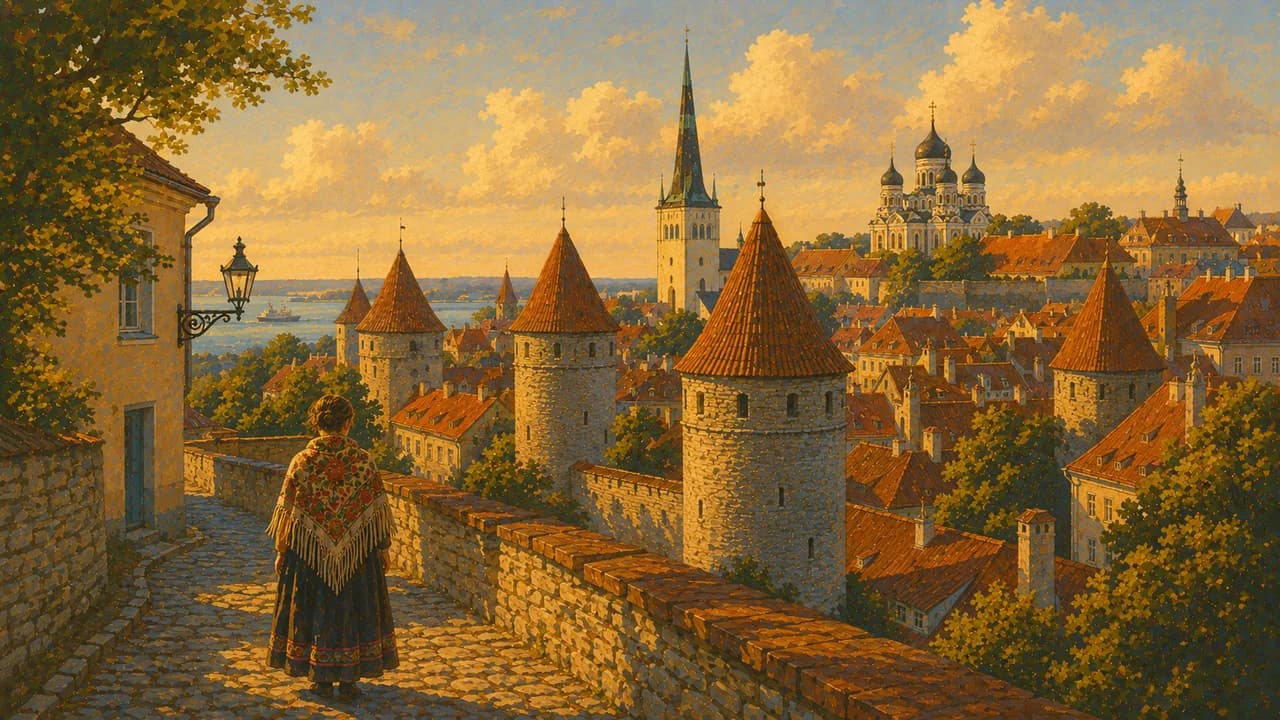
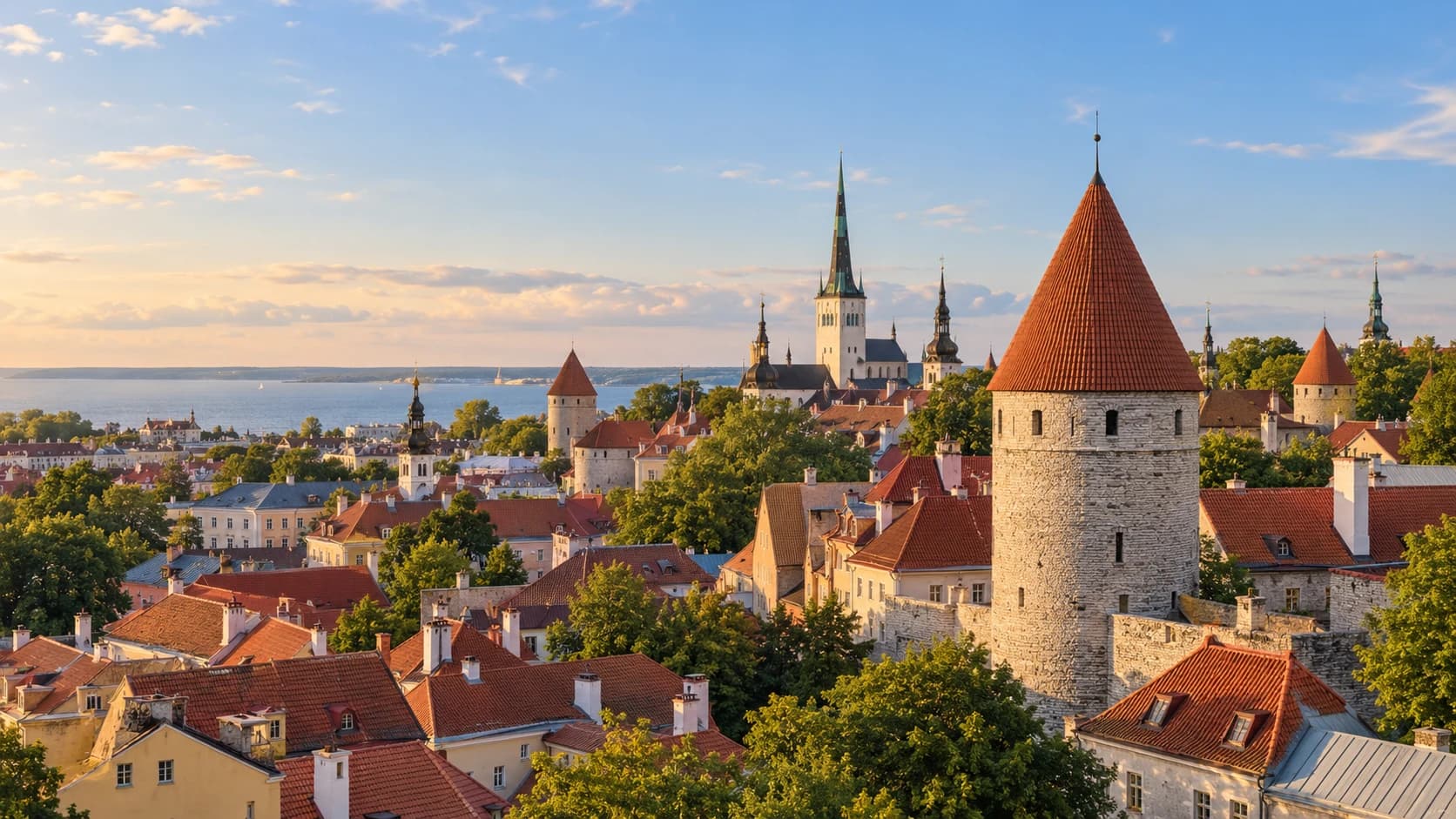
Estonia is the northernmost Baltic state, where forests, bogs, lakes and islands meet a long Baltic coastline. Tallinn combines a UNESCO-listed medieval old town of merchant houses, towers and walls with creative districts such as Telliskivi. Kadriorg adds palace gardens and art, while the Seaplane Harbour explores maritime history. Digital public services sit alongside these historical layers.
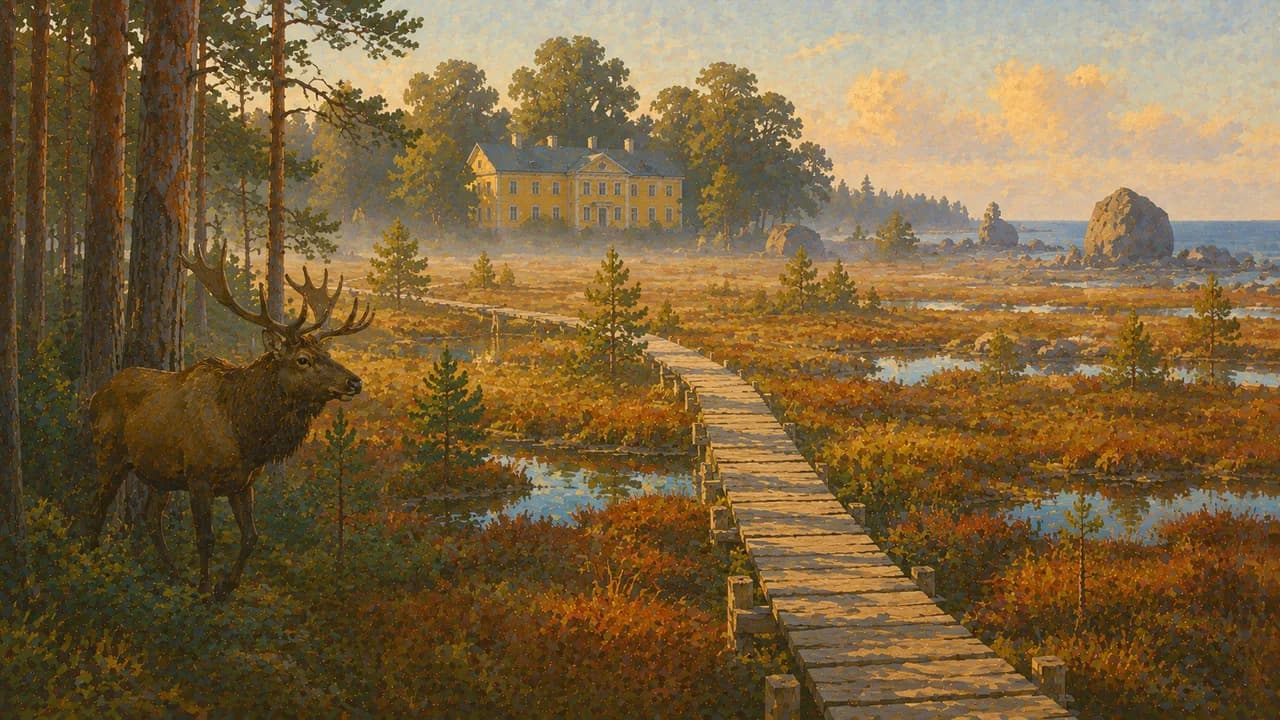
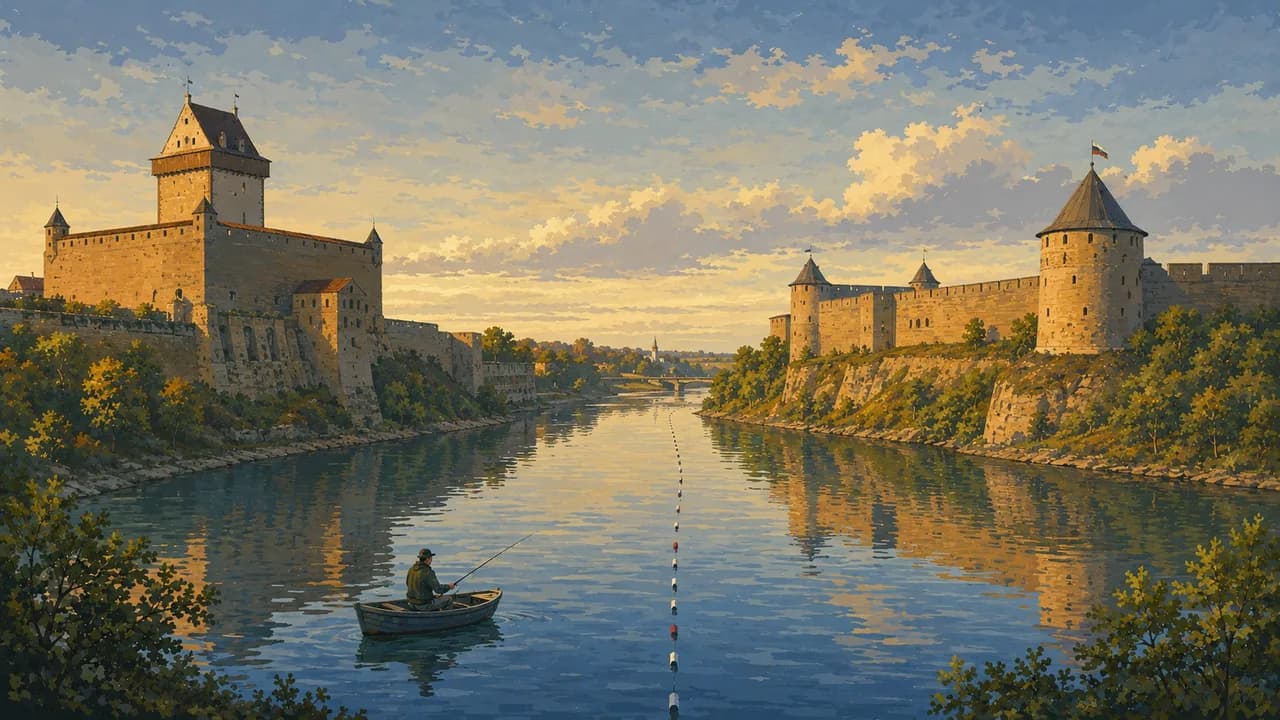
East of Tallinn, Lahemaa National Park brings together bog boardwalks, coastal villages and manor houses such as Palmse and Sagadi. Narva introduces the east through its riverside castle, industrial heritage and Russian-speaking cultural life. Along Lake Peipsi, Old Believer villages preserve distinctive religious traditions, onion growing and local food.
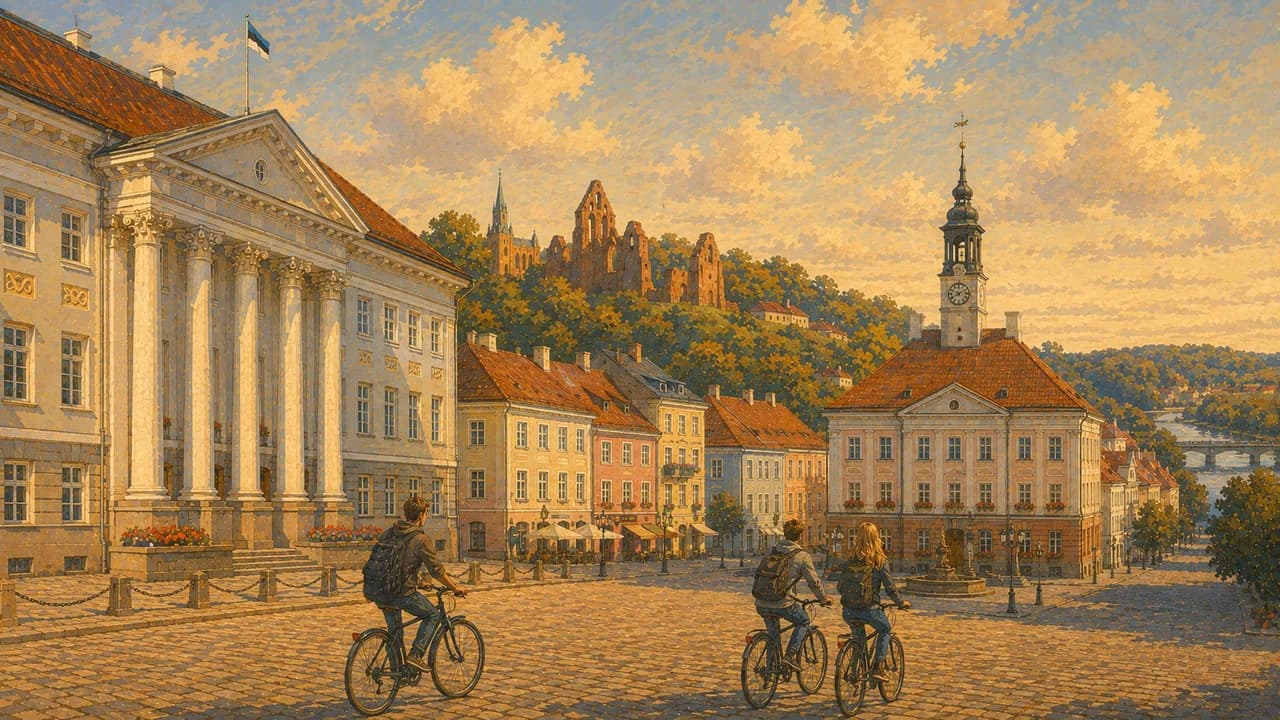
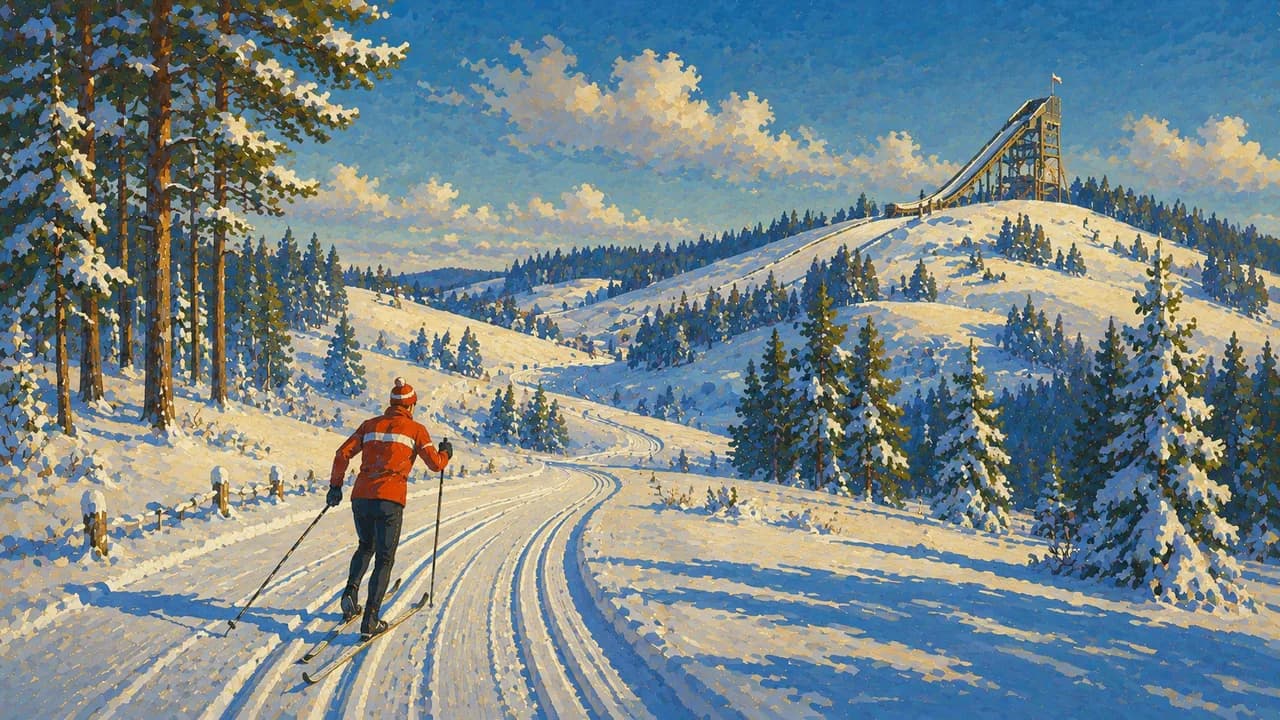
Tartu combines university traditions, riverside walks and the Estonian National Museum. Further south, Otepää offers wooded hills, lakes and outdoor activities, with winter sports depending on conditions. Setomaa adds Seto singing and craft traditions, while Võromaa preserves smoke sauna heritage. Song and dance celebrations connect regional identities with wider Estonian culture.
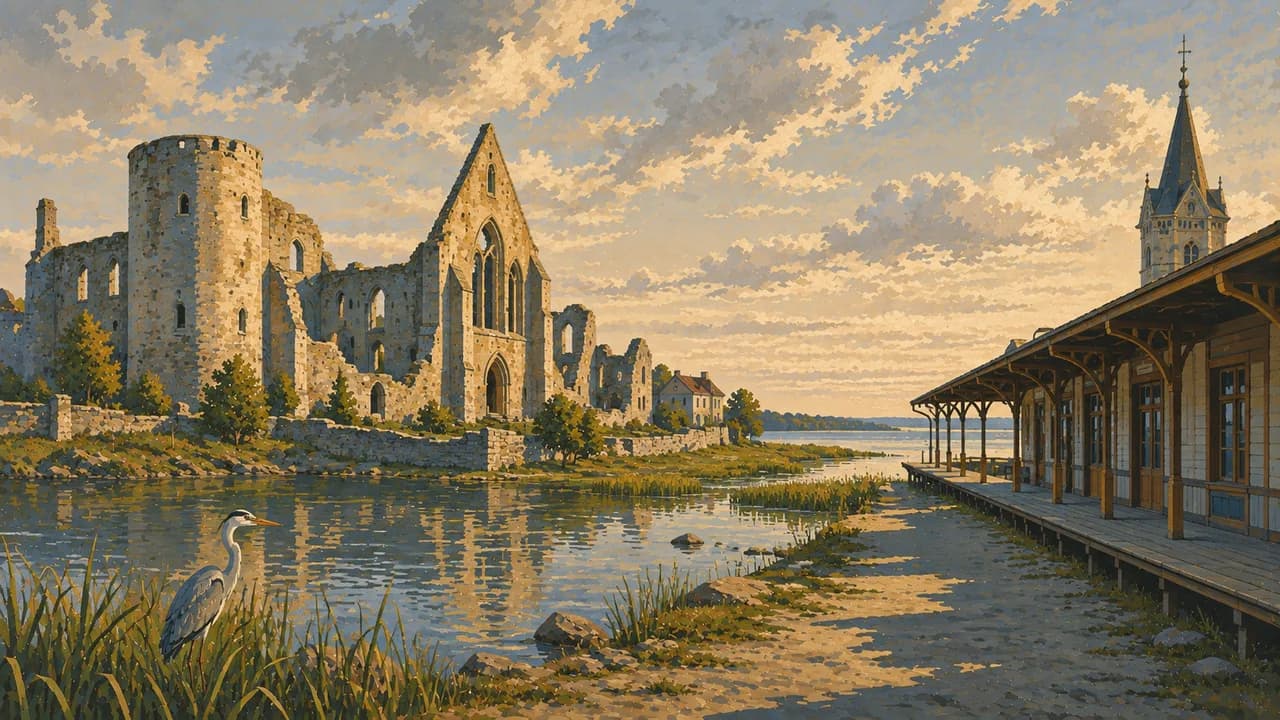
Pärnu combines sandy beaches, wooden villas and spa traditions. Haapsalu adds a medieval castle, seaside promenades and another perspective on resort history. Matsalu National Park protects coastal meadows and wetlands visited by migratory birds. Inland, Soomaa offers bog landscapes and floodplains, whose weather-dependent flooding is known as the fifth season.
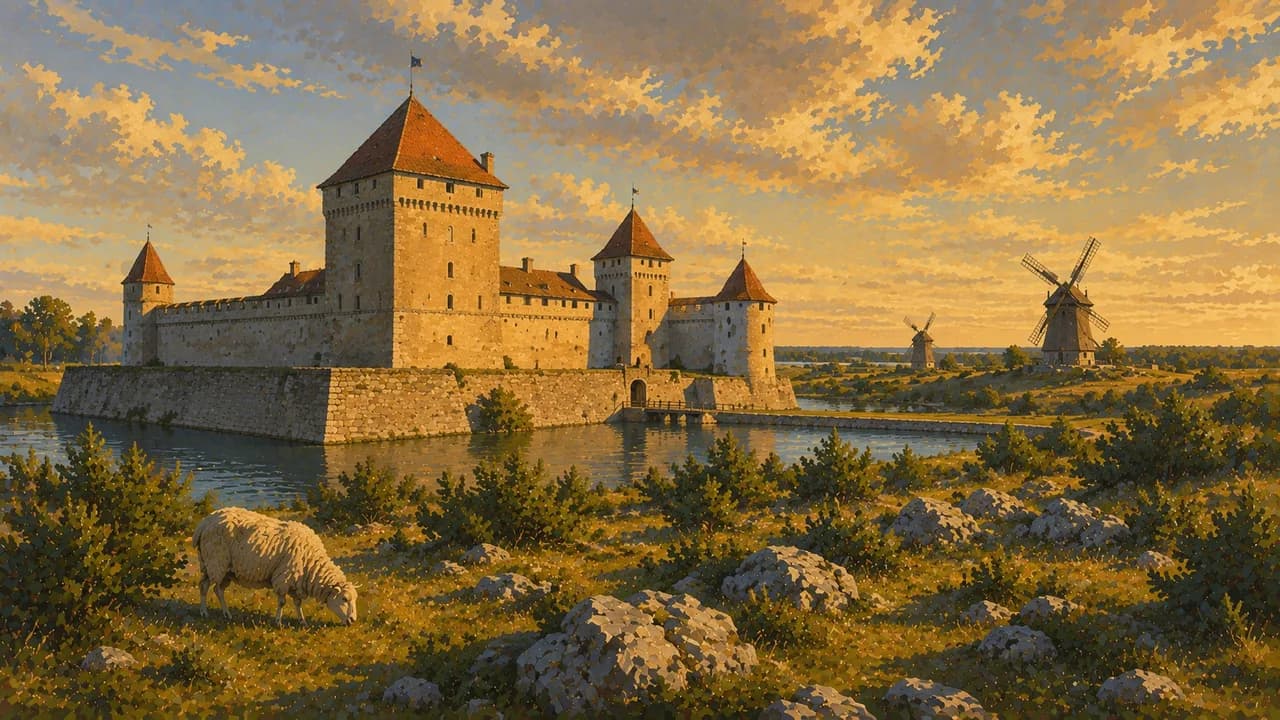
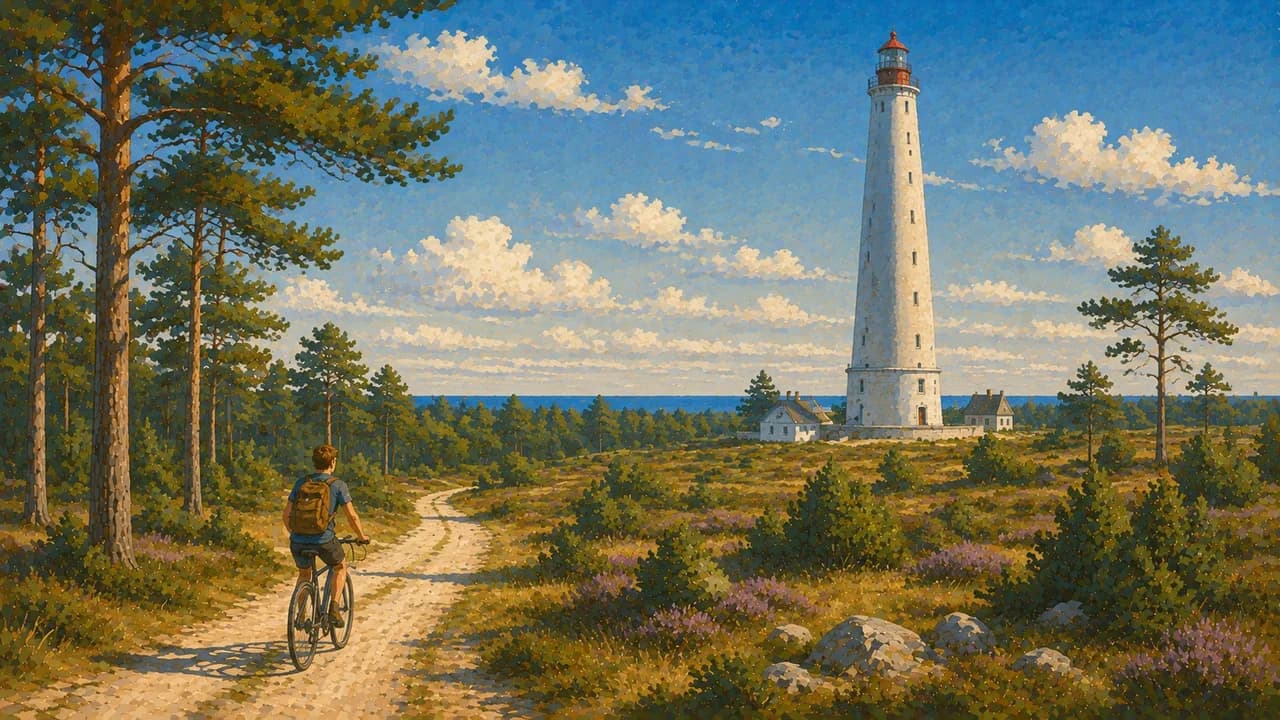
Saaremaa brings together Kuressaare Castle, villages and coastal landscapes, while Vilsandi National Park protects sensitive island habitats. Hiiumaa offers pine forests, beaches and maritime heritage around lighthouses such as Kõpu. Dark rye bread, smoked fish, seasonal berries and local produce complement island and mainland food traditions.
Long summer days favour walking, cycling and coastal visits, while winter brings shorter daylight and variable snow. Buses and trains link major centres, but rural connections and island ferries need separate planning. Sea conditions and seasonal timetables affect crossings, including ferries between Tallinn and Helsinki. Follow marked routes and local conservation restrictions in protected areas.
AI edited
- 15
- Counties Estonia has 15 counties and 79 municipalities. Counties are territorial units, distinct from the local governments that manage municipal affairs.
- ≈ 1.36 million
- Population Statistics Estonia recorded 1,360,745 residents on 1 January 2026. Rounded to 1.36 million.
- ≈ 45,300 km²
- Area Approximate total area including inland waters, rounded from Brand Estonia’s 45,335 km². This is not land area alone.
- Estonian
- Language Estonian is the official language and belongs to the Finnic language family. It differs from the Baltic languages Latvian and Lithuanian.
- Russian & others
- Other languages Russian and other community languages are also spoken. English can help visitors communicate, but availability varies by place and person.
- Euro (EUR)
- Currency Estonia uses the euro. Card payments are common, but check payment options with smaller businesses and rural providers.
- C · F
- Socket types Type F sockets accept compatible C plugs. Electricity is 230 V at 50 Hz. A plug adapter does not convert voltage.
- Tallinn
- Capital Tallinn is Estonia’s capital on the northern coast. Its medieval old town and contemporary districts offer different perspectives on the city.
- Right-hand traffic
- Driving side Traffic keeps right. Winter road conditions can require additional preparation. Check current rules and conditions before driving.
- UTC+2 / UTC+3
- Time zone Estonia uses Eastern European Time, UTC+2 in winter and UTC+3 during summer time. The Tallinn clock follows Europe/Tallinn seasonal changes.
- 2
- UNESCO cultural sites UNESCO lists Tallinn’s historic centre and the transnational Struve Geodetic Arc as cultural World Heritage properties. Intangible traditions and tentative sites are separate lists.
Estonia on the map

Map data: geoBoundaries (CC BY 4.0), © OpenStreetMap contributors (ODbL), Natural Earth
Climate and best time to travel
The Baltic coast has maritime influences, while inland areas tend to have stronger seasonal contrasts. May to September often suits walking, cycling and island visits. June to August brings long days, without guaranteed warmth or swimming conditions. Spring and autumn suit migration birdwatching. Winter sports depend on snow and local conditions. Soomaa’s floods follow weather and water levels rather than a fixed season. Check ferries, seasonal openings and marked routes, and respect nesting and access restrictions.