Latvia
Latvija
Historic towns, sandy shores and forested river valleys reveal Latvia’s regional character.
Worth coming back!
Wanderlama keeps growing with new destinations, helpful information and exciting features. Check back soon and discover what is new!
Travel to Latvia
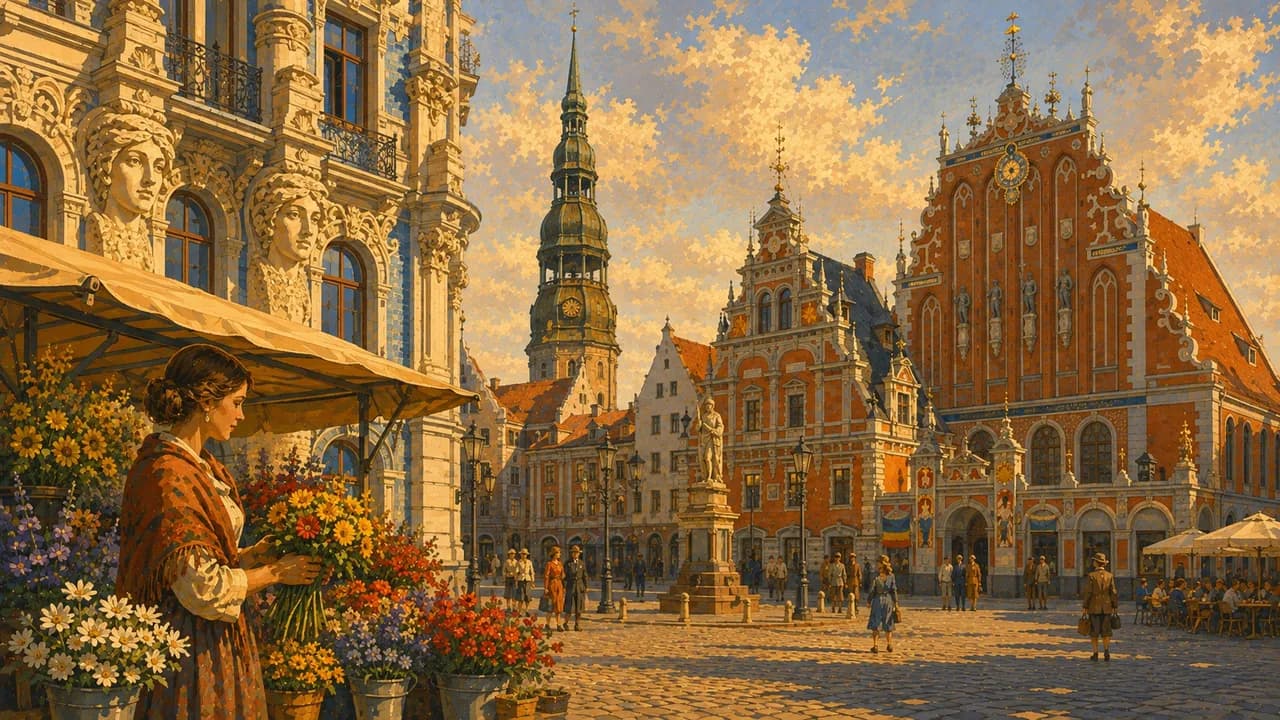
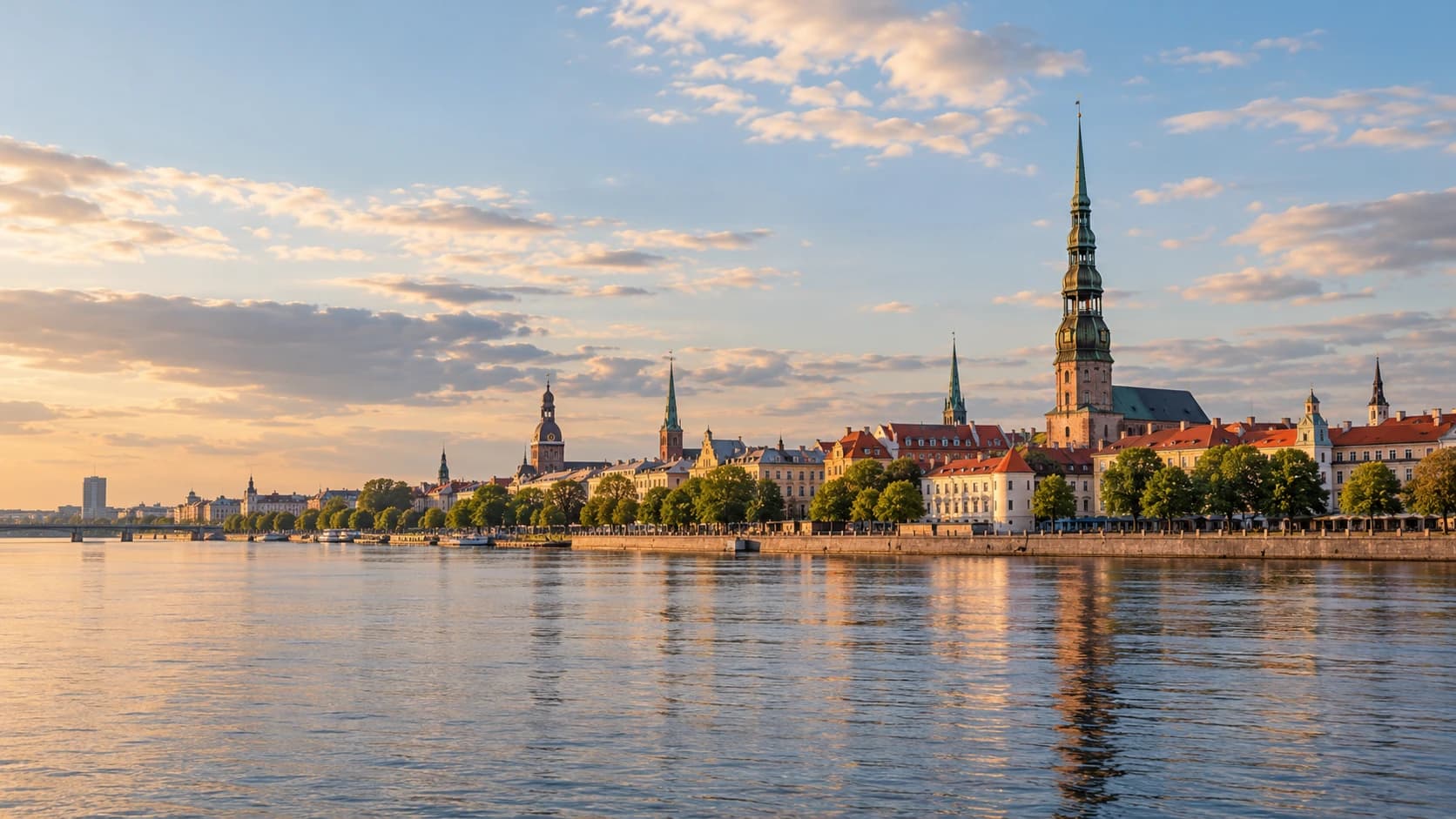
Latvia is the middle of the three Baltic states, where forests, rivers and sandy shores meet a varied cultural landscape. Riga combines its UNESCO-listed historic centre, Art Nouveau streets and the Central Market in former airship hangars with museums, contemporary art and music. Latvian language, choral singing and craft traditions connect urban life with regional communities.
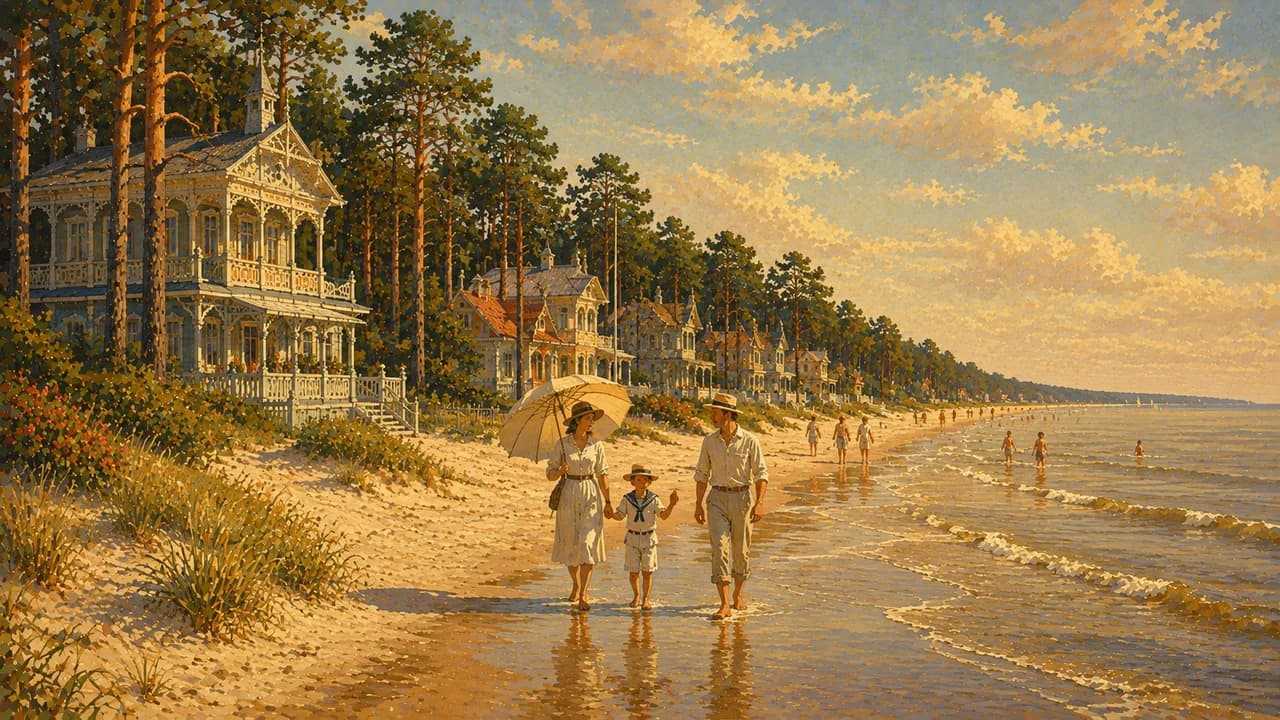
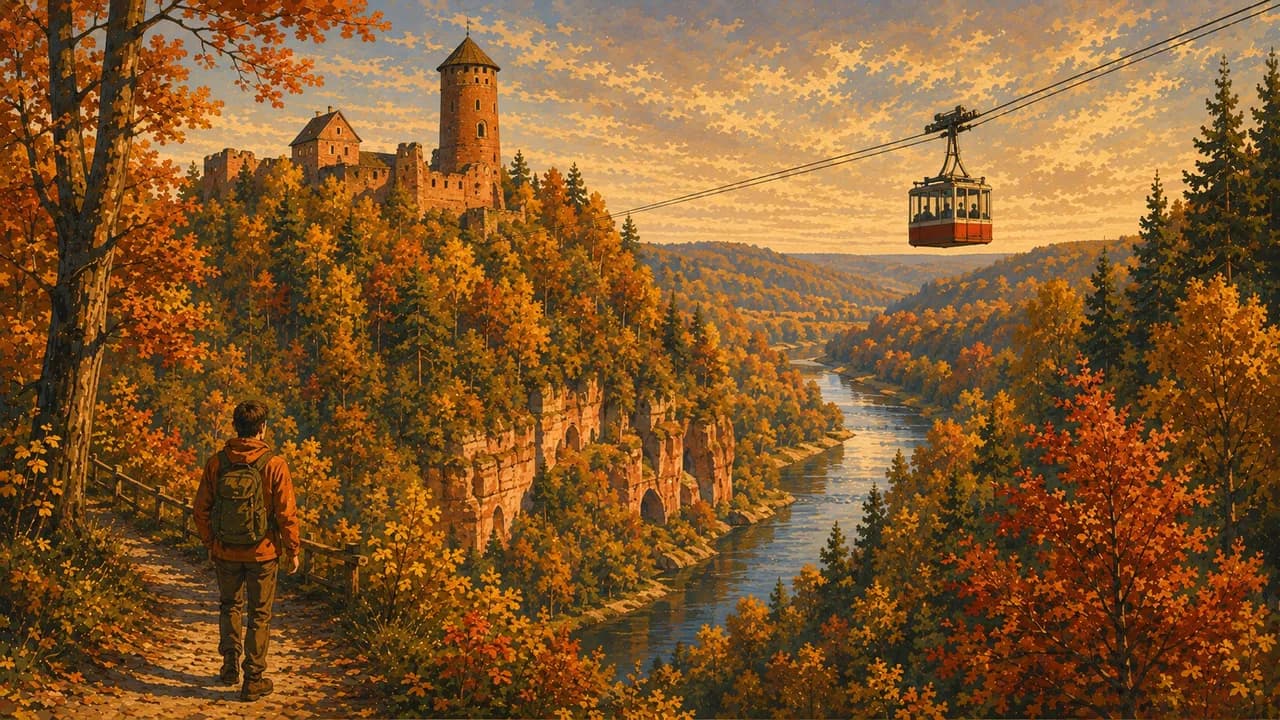
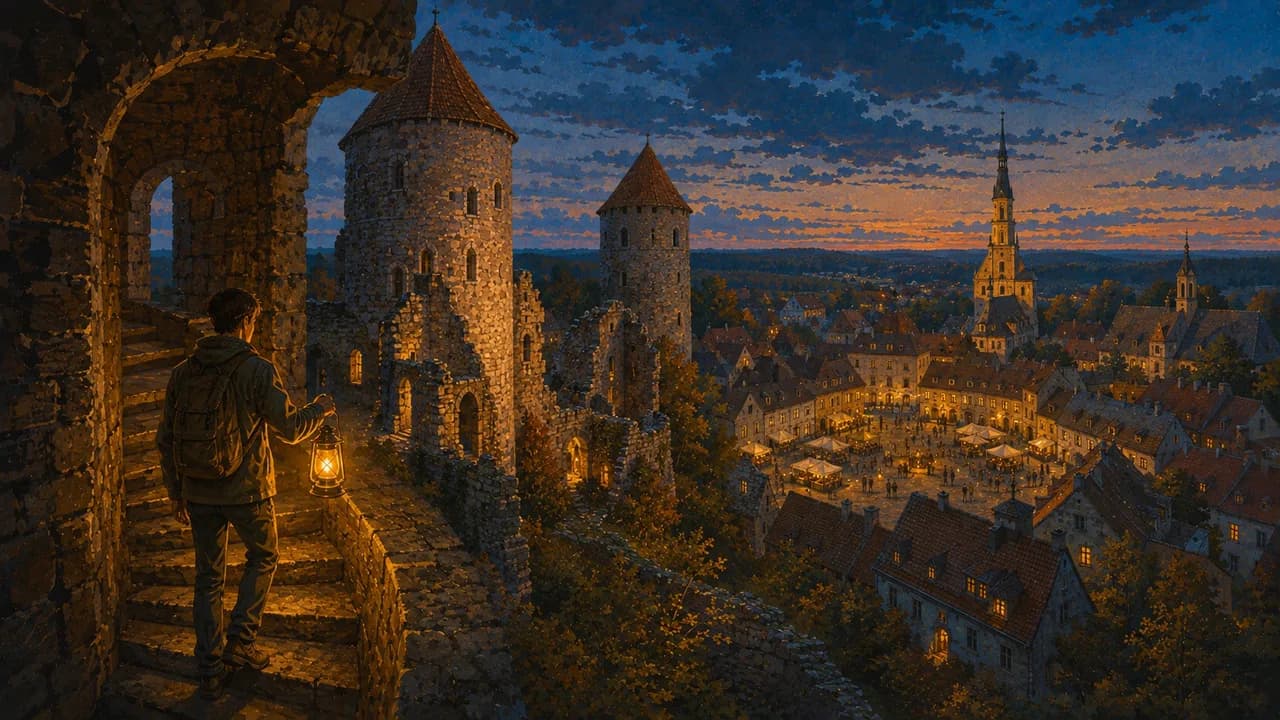
Nearby Jūrmala offers wooden villas, beaches and resort heritage, while Ķemeri National Park protects bogs, wet forests and bird habitats. In Vidzeme, Gauja National Park links sandstone cliffs and wooded river valleys with the castles of Sigulda, Turaida and Cēsis. Walking and paddling reveal different perspectives on the landscape.
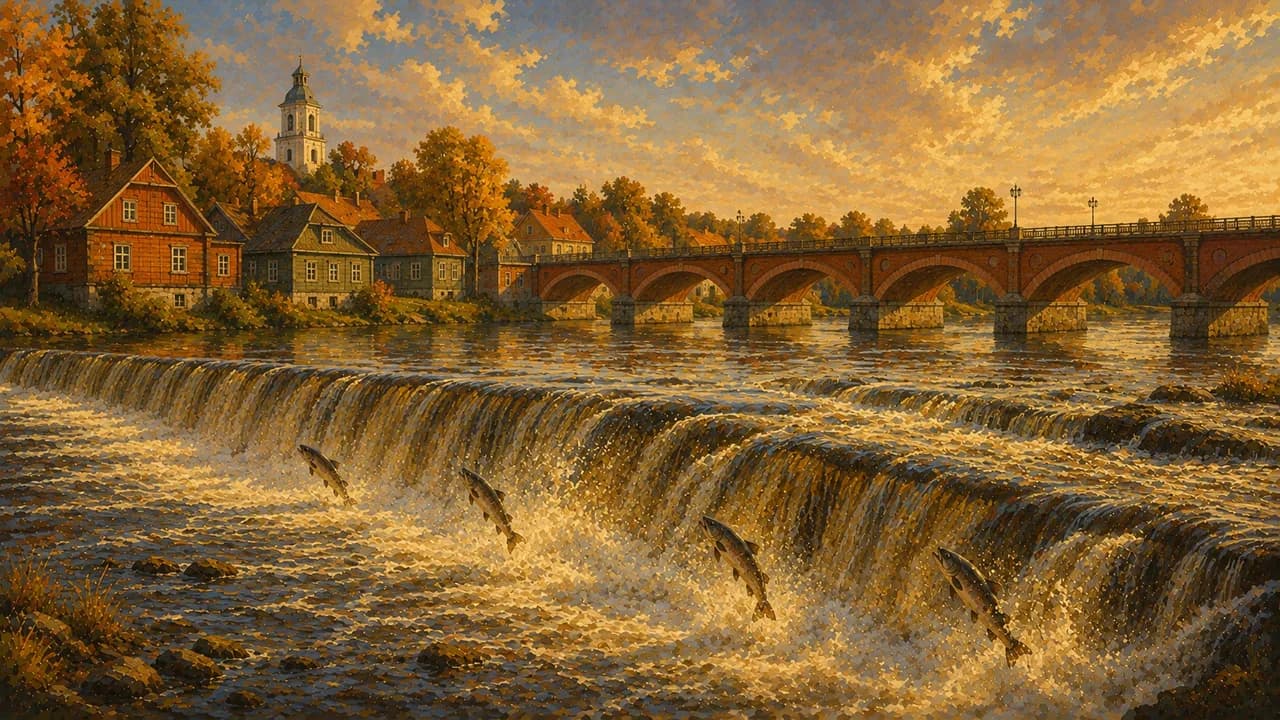
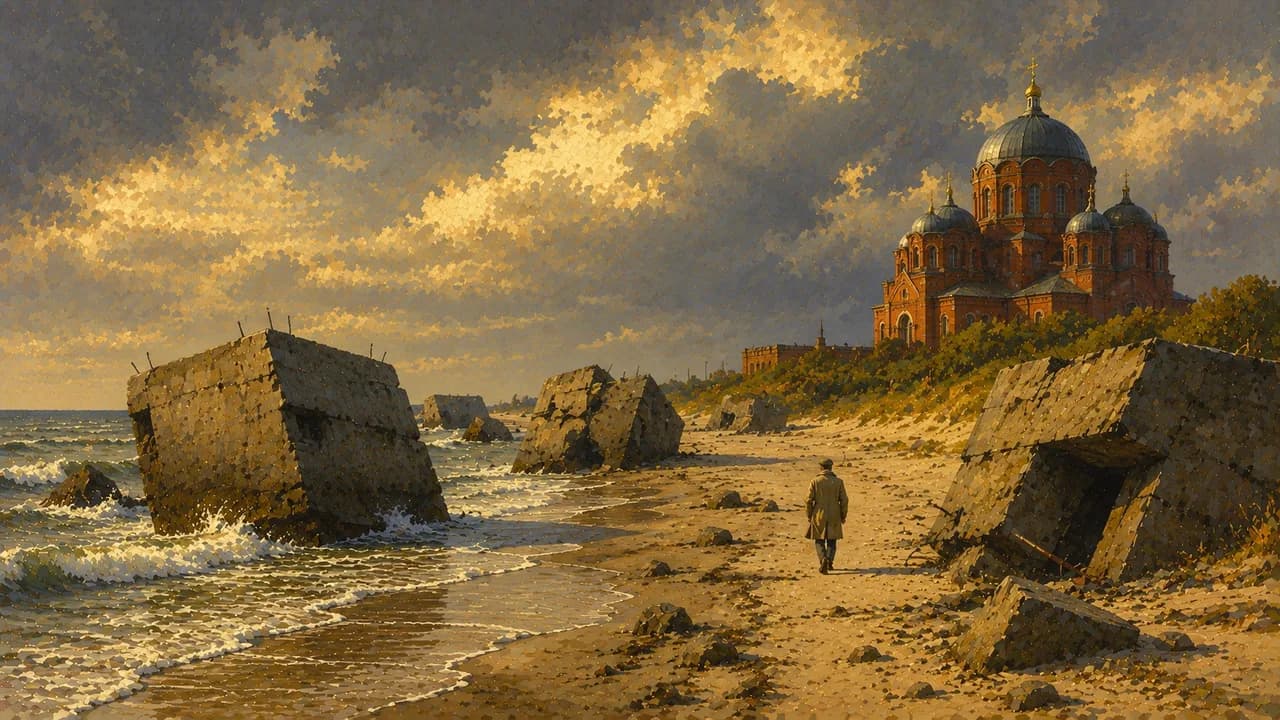
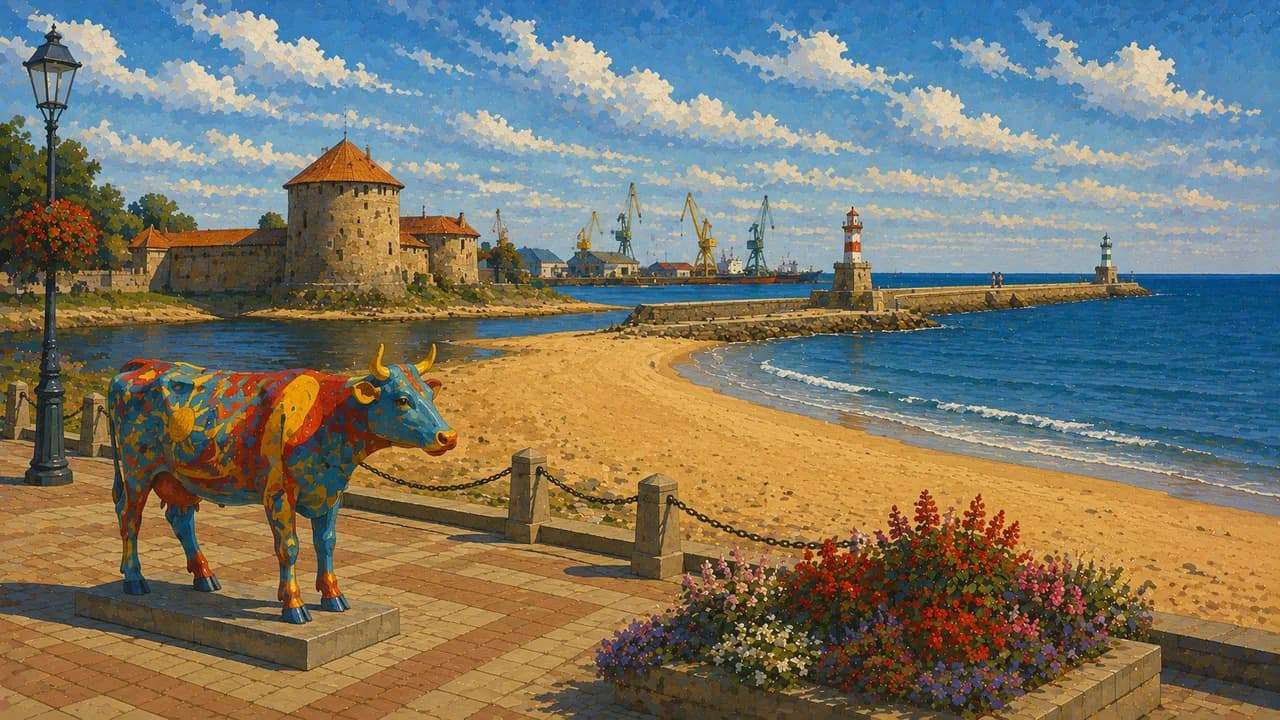
In Kurzeme, Kuldīga’s UNESCO-listed old town and broad Venta waterfall contrast with Ventspils’s port heritage and seaside recreation. Liepāja adds beaches, music and the military history of Karosta. Further north, Cape Kolka and coastal villages introduce Livonian language and heritage alongside fishing traditions.
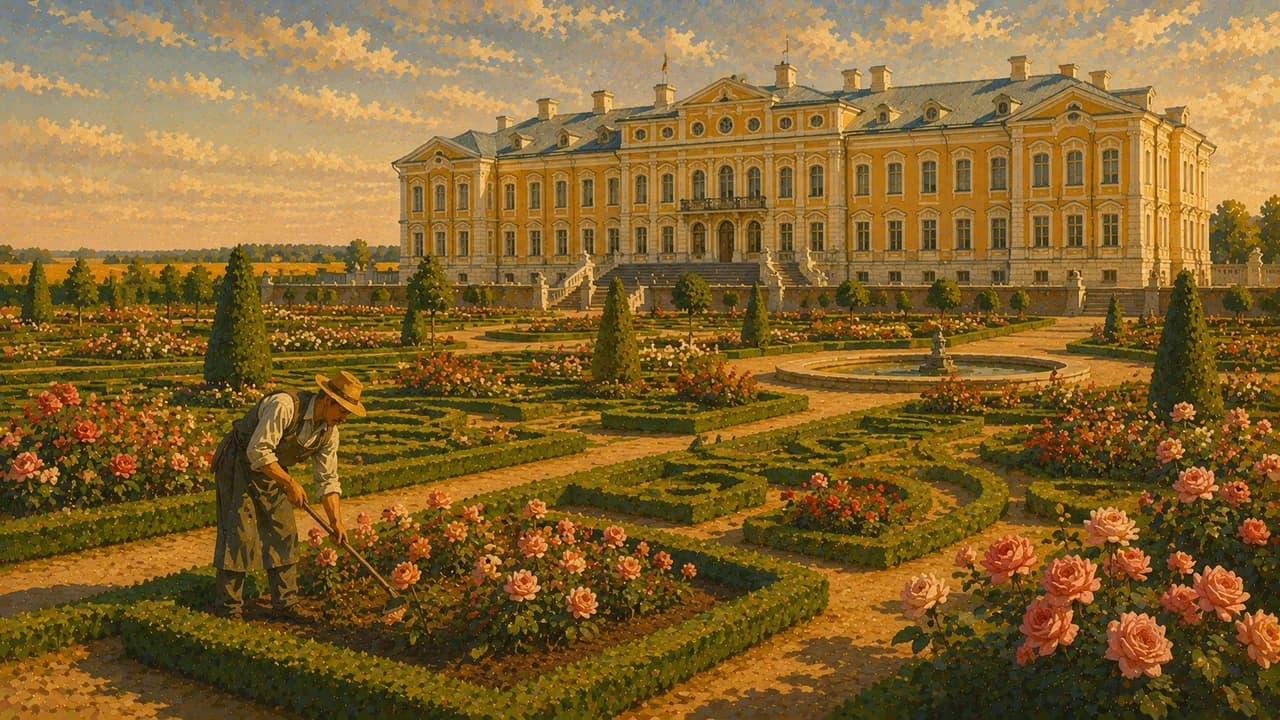
Zemgale’s agricultural plains surround Rundāle Palace, whose Baroque interiors and formal gardens recall the dukes of Courland. Tērvete combines forest trails with Latvian folklore. Sēlija adds rural communities, churches and local traditions away from the principal city routes.
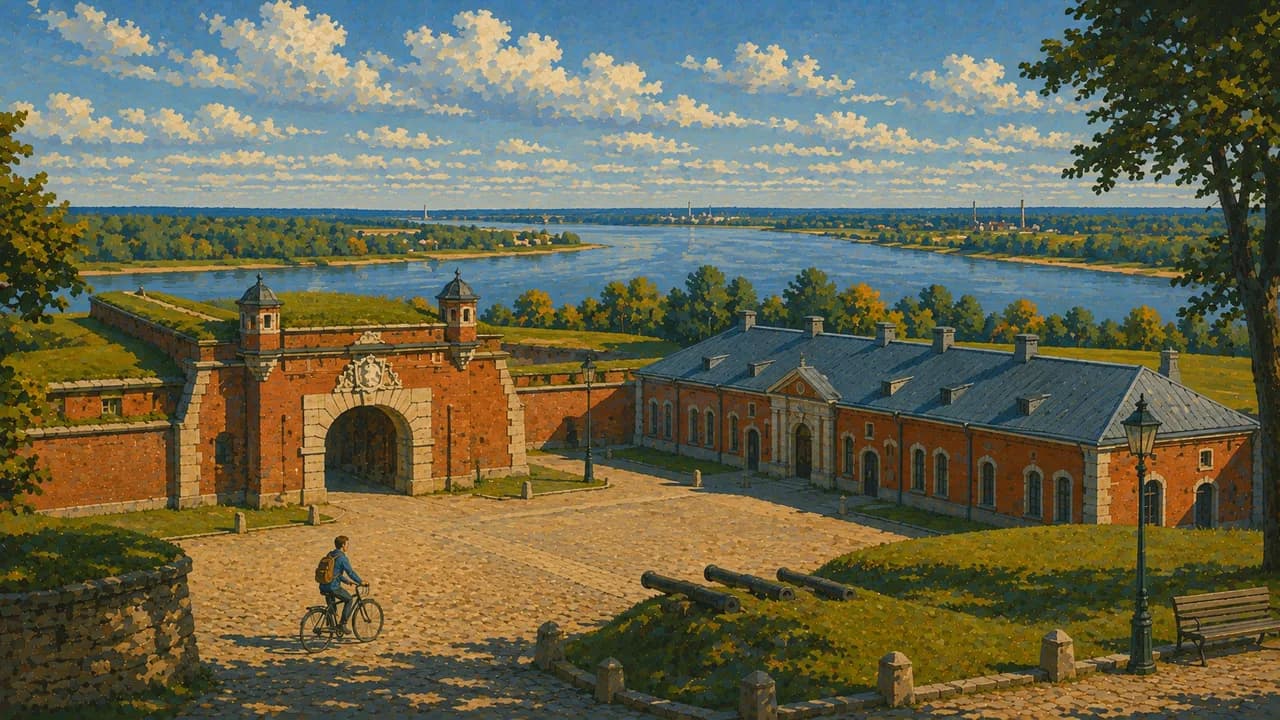
In eastern Latgale, Daugavpils combines its fortress and Rothko Museum with a landscape of different religious communities. Aglona’s basilica and the lakes around Rāzna complement the region’s pottery and Latgalian language traditions. Forests, lakes and the Daugava river bends offer a quieter contrast to the capital.
Dark rye bread, grey peas, smoked fish, berries and mushrooms reflect regional food traditions. Jāņi midsummer celebrations and song and dance traditions express a living cultural identity. Long summer days favour coastal and countryside visits, while autumn colours and variable winter snow change outdoor conditions. Trains and buses connect many towns, but rural routes need planning. Check seasonal opening hours, weather and water conditions, and follow protected-area rules.
AI edited
- 5
- Historical lands Vidzeme, Latgale, Kurzeme, Zemgale and Sēlija are Latvia’s five historical lands. These cultural identities are distinct from present-day municipalities and statistical or tourism regions.
- ≈ 1.845 million
- Population Latvia’s Central Statistical Bureau reports about 1.845 million residents at the beginning of 2026. The release was published on 2 June 2026.
- ≈ 64,600 km²
- Area Rounded from the EU’s 2026 geographical figure of 64,594 km². Total area includes inland waters, rather than Latvia’s marine territory.
- Latvian
- Language Latvian is the official language and belongs to the Baltic language group. Native place names use diacritics that may be simplified in searches or booking systems.
- Russian & others
- Other languages Russian is a widely used community language. Latgalian and Livonian traditions have distinct cultural roles. English is used in tourism, with local variation in proficiency.
- Euro (EUR)
- Currency Latvia uses the euro. Cards are widely accepted in towns and tourist services, but check payment options at small rural businesses and local markets.
- C · F
- Socket types Type F sockets accept compatible type C plugs. Mains electricity is 230 V at 50 Hz. Check your device’s voltage rating and adapter requirements.
- Riga
- Capital Riga, locally Rīga, is Latvia’s capital on the Daugava. Its local time applies throughout the country.
- Right-hand traffic
- Driving side Traffic drives on the right. Rural routes can include gravel surfaces. Rain, ice and snow affect journeys, so check current conditions and allow extra time.
- UTC+2 / UTC+3
- Time zone Europe/Riga uses UTC+2 in winter and UTC+3 during daylight saving time. The clock follows seasonal changes automatically throughout Latvia.
- 3
- UNESCO cultural sites UNESCO lists Riga’s historic centre, Kuldīga’s old town and the transnational Struve Geodetic Arc. Song and dance traditions belong to a separate intangible heritage list. Rundāle is a tentative site.
Latvia on the map

Map data: geoBoundaries (CC BY 4.0), © OpenStreetMap contributors (ODbL), Natural Earth
Climate and best time to travel
Latvia has four distinct seasons, with maritime conditions on the coast and colder winters inland. Long summer days favour beaches and countryside visits, while spring and autumn bring bird migration and changing forest colours. Winter sports depend on snow and local operations. Check opening hours, trail surfaces and water conditions. Respect nesting restrictions and protected-area paths. Trains and buses link many towns, but rural connections need separate planning.