Denmark
Danmark
Open coastlines, royal history and Danish everyday life shaped by design, good food and hygge.
Worth coming back!
Wanderlama keeps growing with new destinations, helpful information and exciting features. Check back soon and discover what is new!
Travel to Denmark
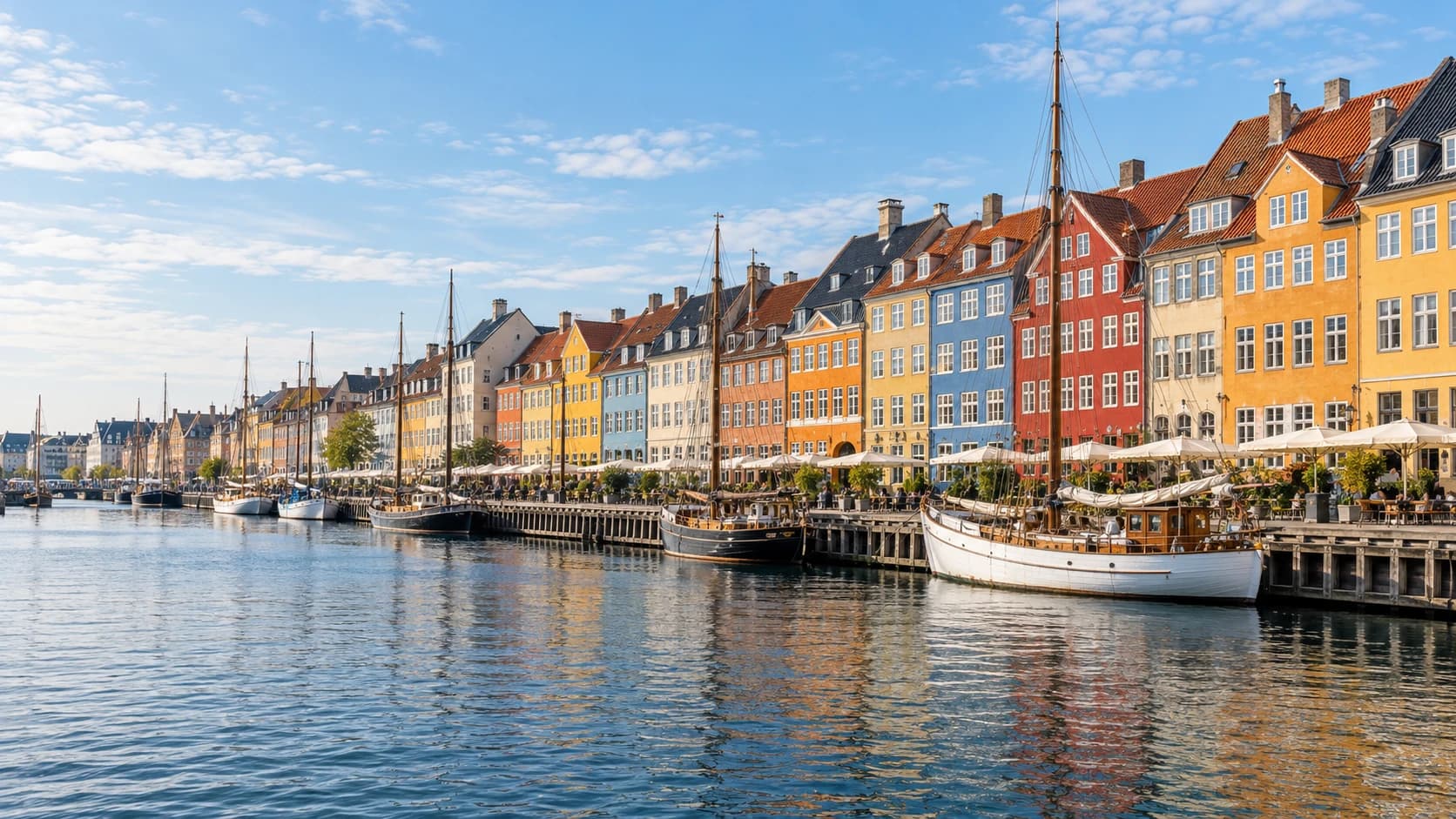
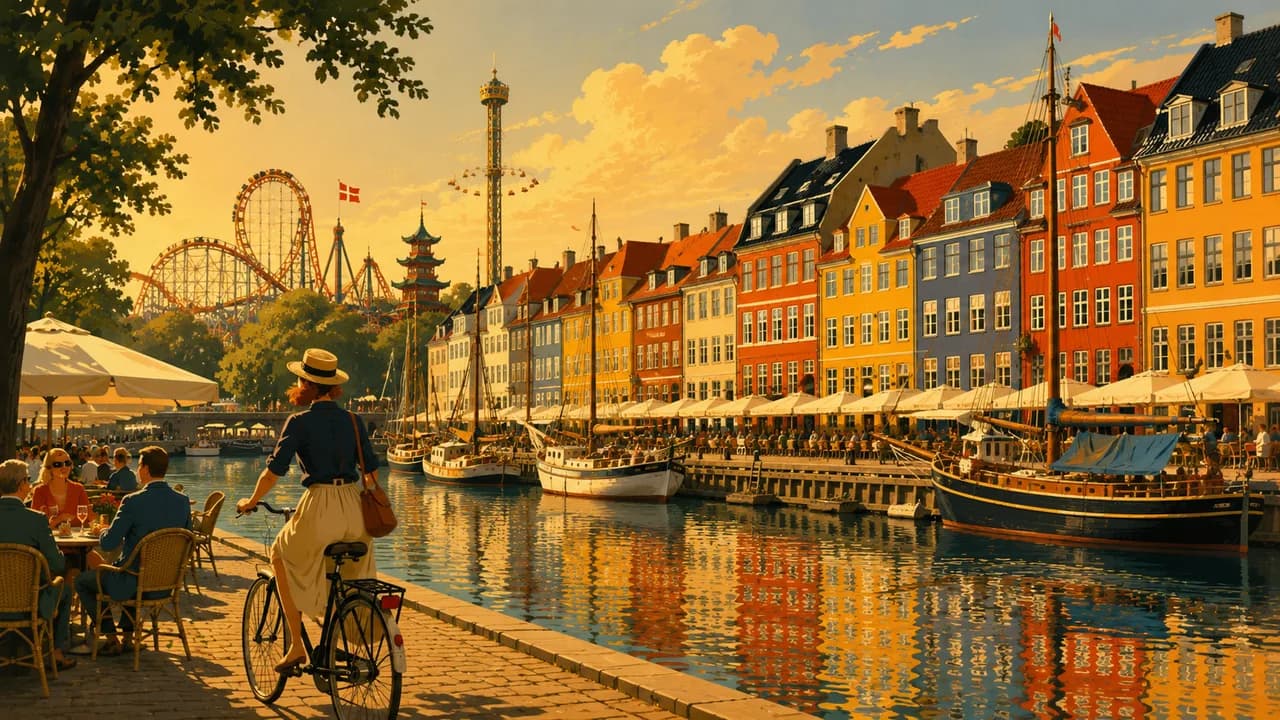
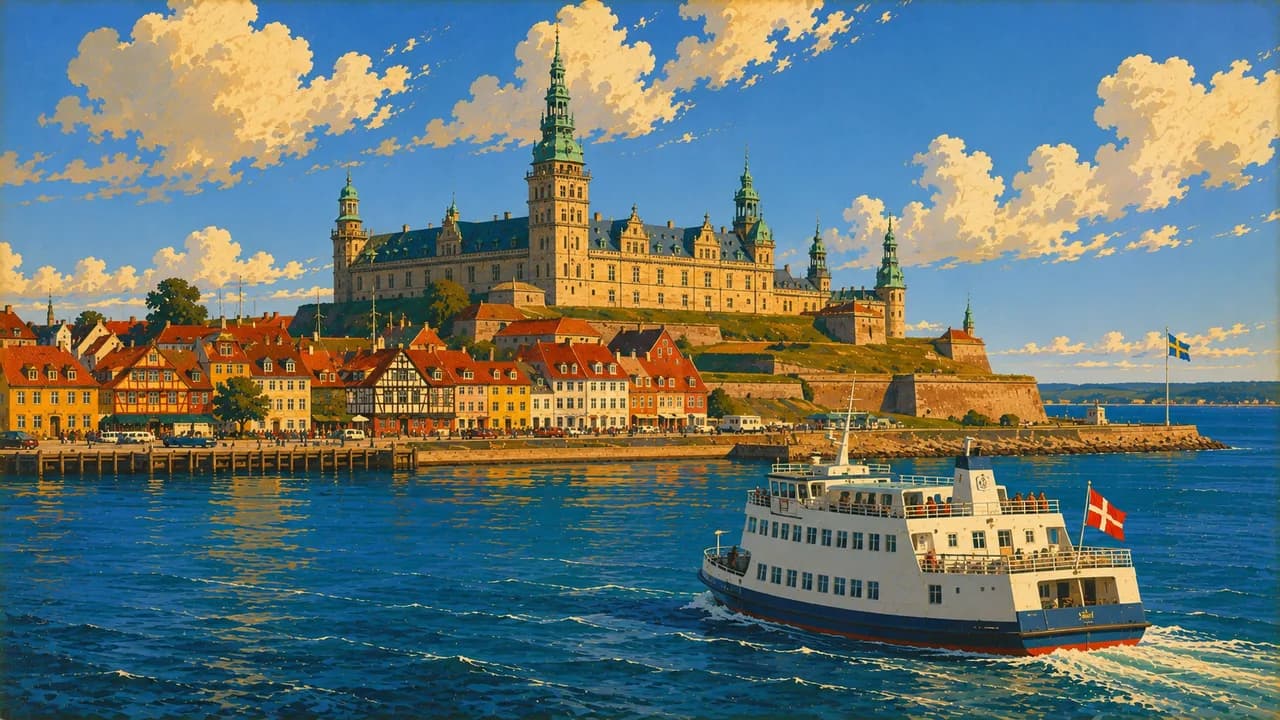
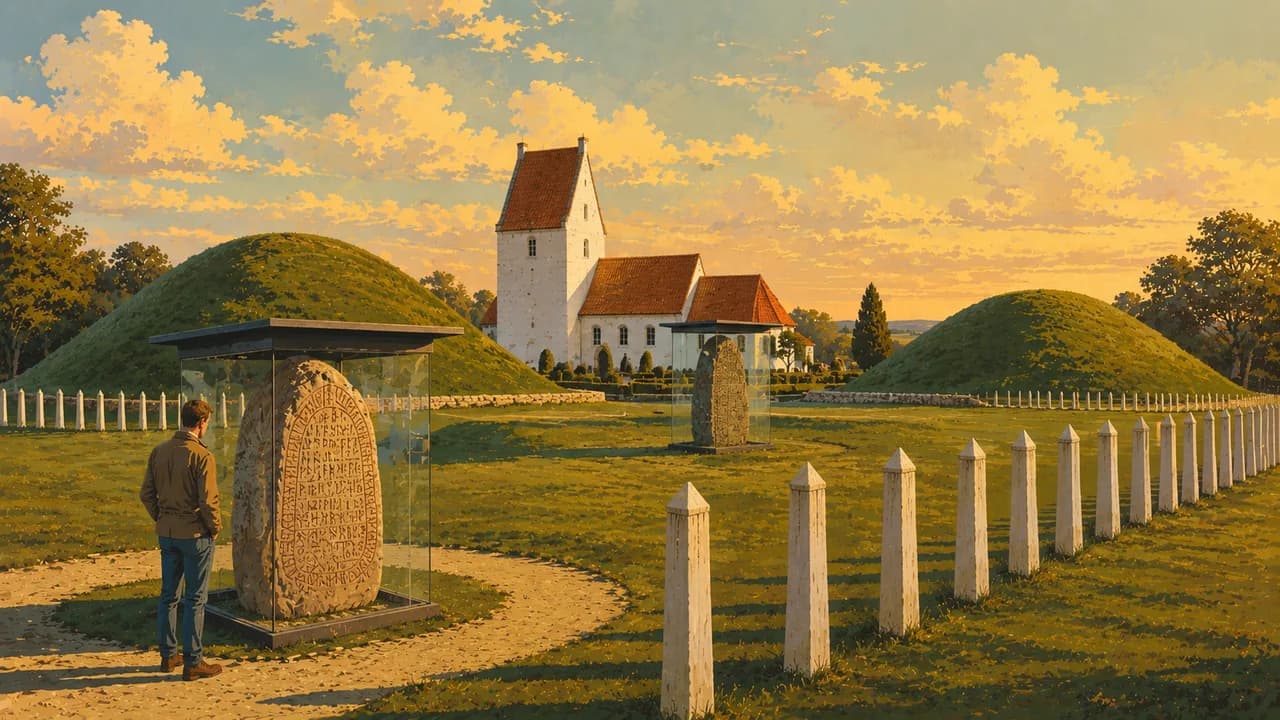
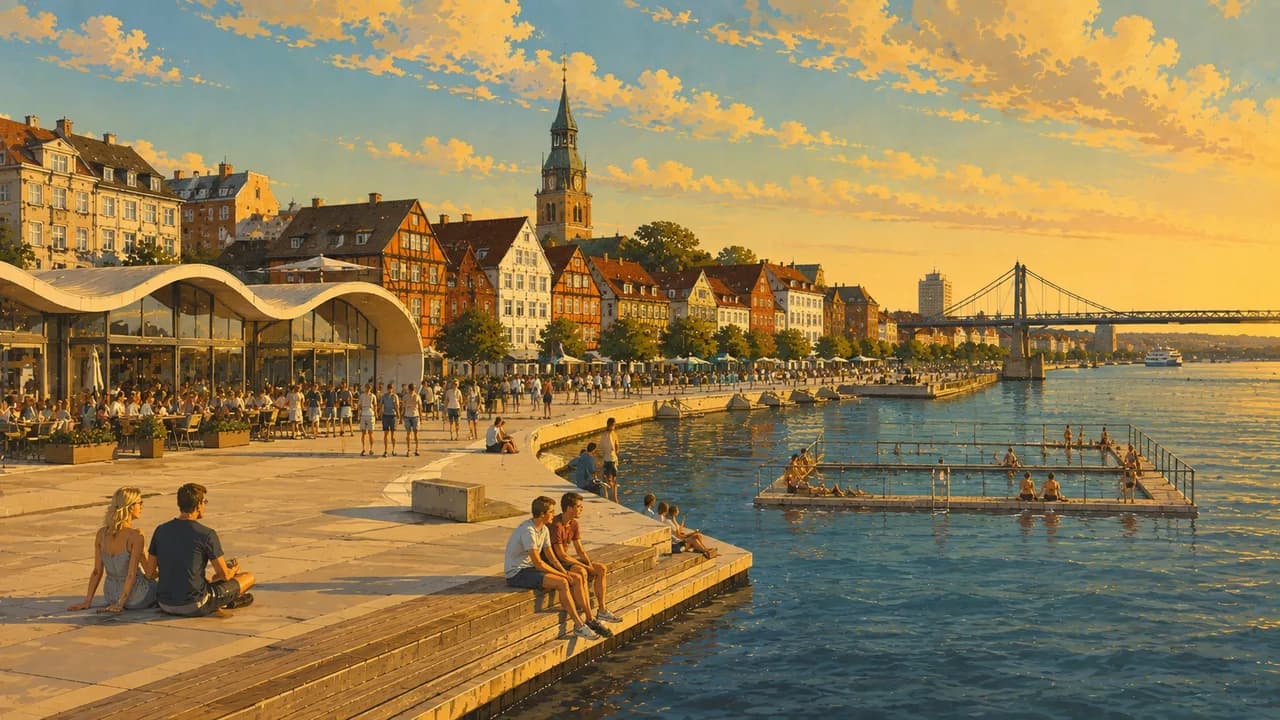
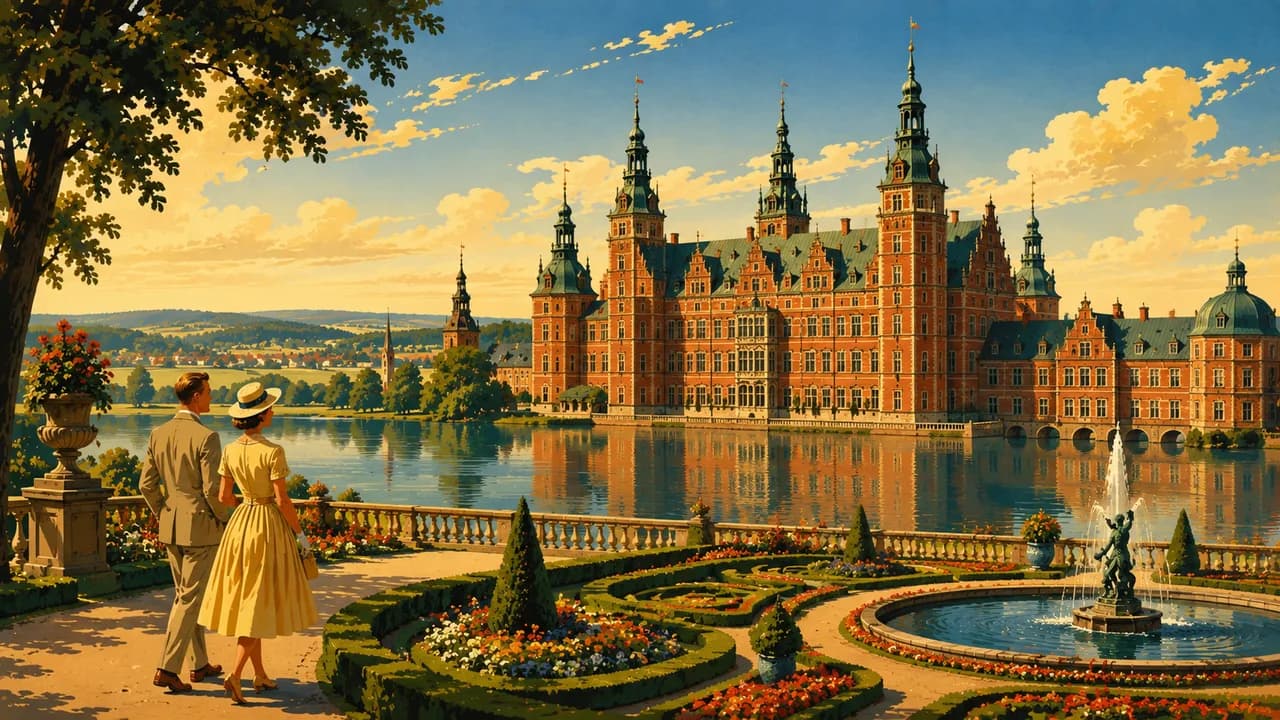
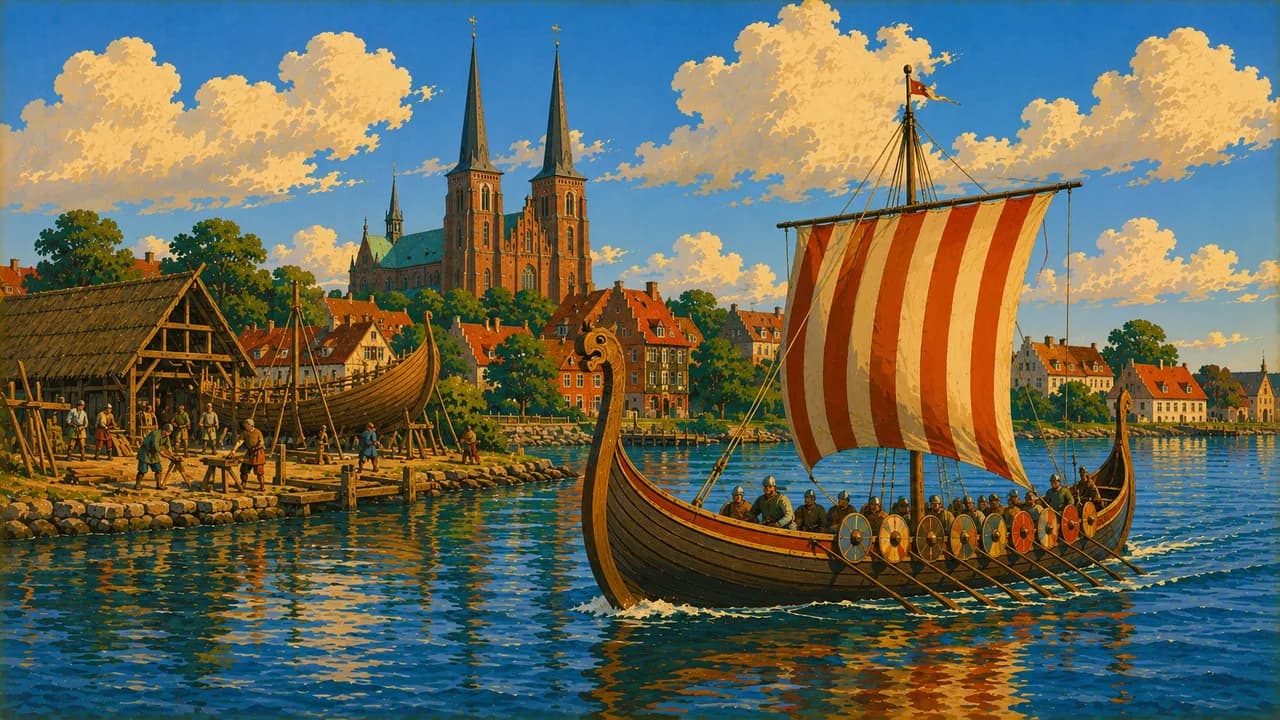
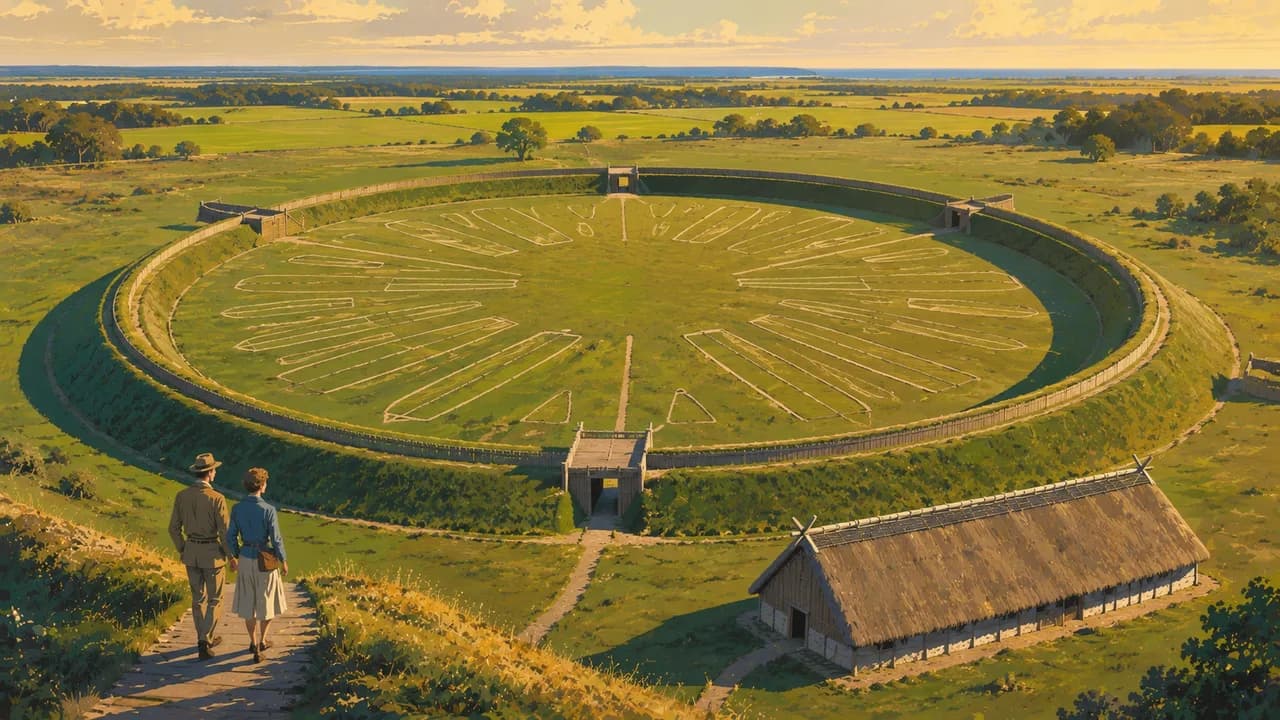
Denmark spans the Jutland peninsula and numerous islands between the North Sea and the Baltic, shaped by royal history and seafaring traditions. Copenhagen (København) combines palaces, colourful Nyhavn, Tivoli Gardens and a celebrated food scene. Kronborg and Frederiksborg castles stand north of the capital, while Roskilde's ships and Jelling's monuments recall the Viking age.
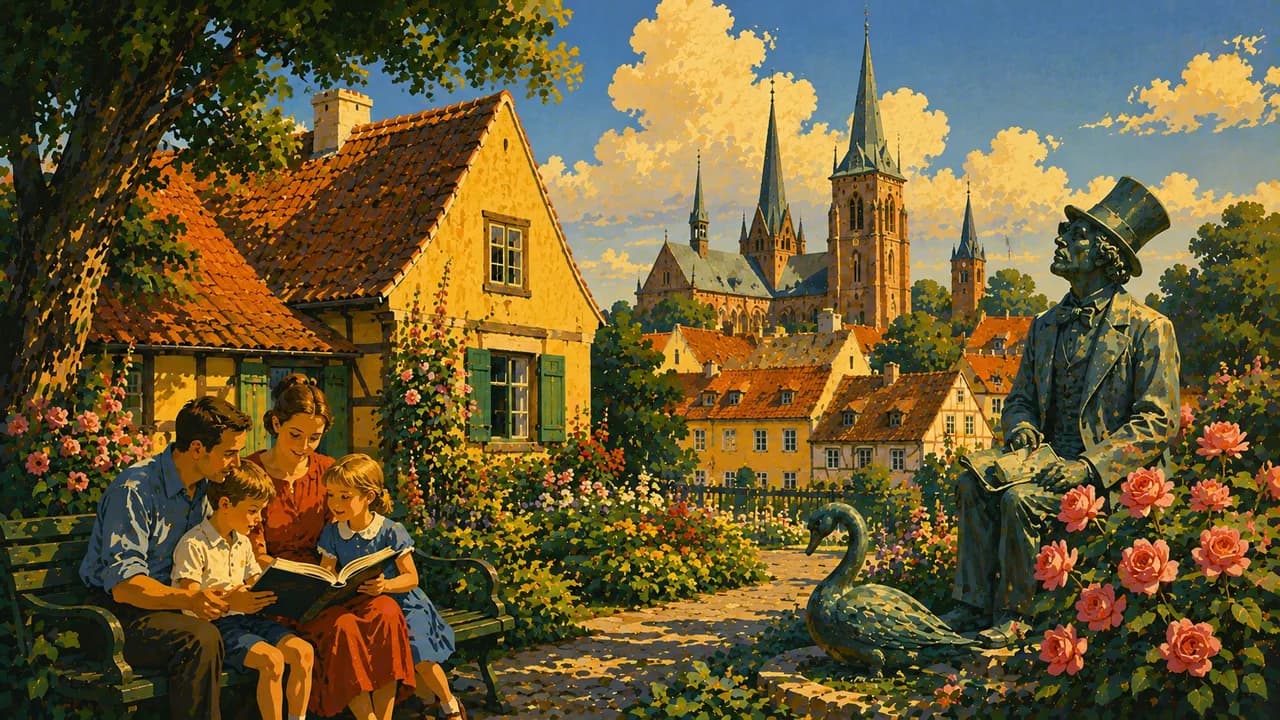
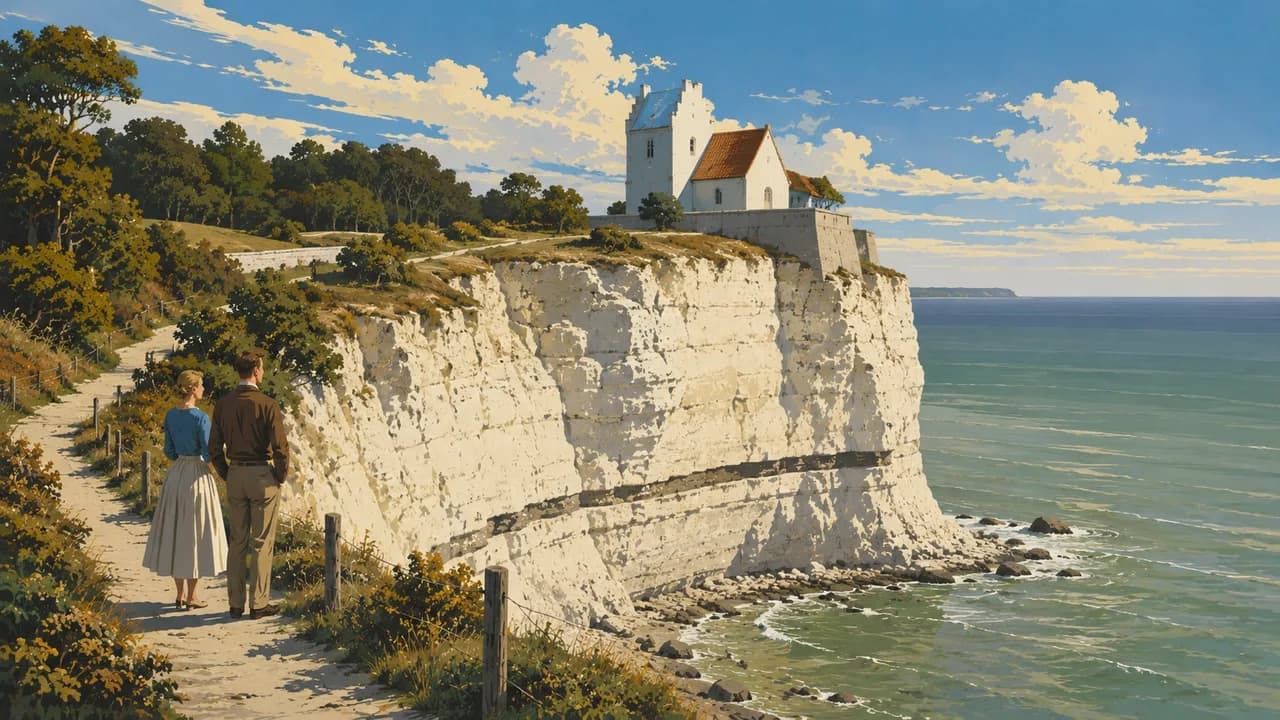
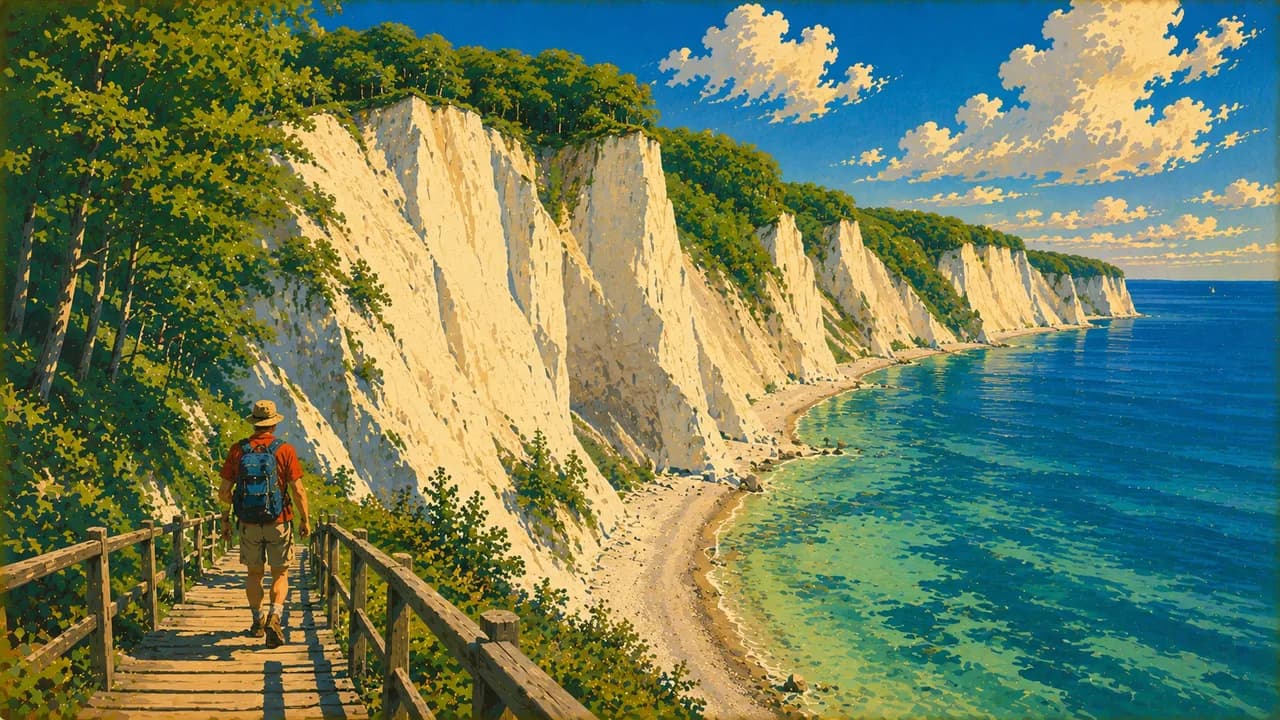
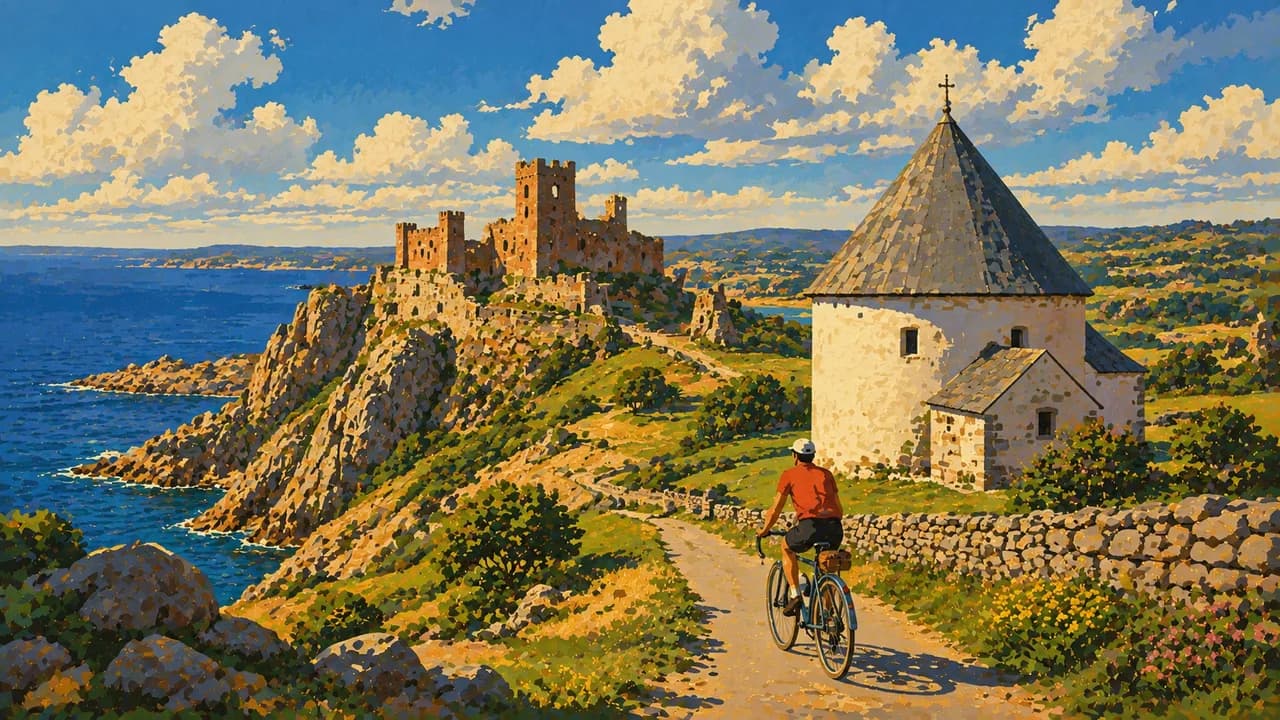
On Funen (Fyn), Odense follows the footsteps of Hans Christian Andersen, and Egeskov Castle rises from its moat. Aarhus combines museums, contemporary architecture and a lively cultural scene. Jutland offers dunes, lighthouses and Skagen's beaches, while the Wadden Sea shelters seals and migrating birds. The chalk cliffs of Møn and Stevns contrast with Bornholm's rocky shores, fishing villages and craft traditions. Cycling routes, bridges, trains and ferries connect many of these landscapes and towns.
Beyond the major sights, small harbours, farm shops and coastal paths reveal the everyday scale of Danish travel. Thy's dune landscapes and the rolling hills of Mols Bjerge offer contrasting outdoor settings, while island journeys connect beaches with local food and workshops. Smørrebrød, pastries, fish and seasonal produce give regional meals a character of their own. Museums and city culture provide year-round options, but bathing, sailing and countryside visits depend more on weather and seasonal services.
The North Sea and Baltic coasts can feel very different on the same day. Wind, rain and ferry schedules should influence cycling and island plans, leaving time for stops rather than only long transfers.
AI edited
- 5
- National parks
- ≈ 6 million
- Population
- 42,956.7 km²
- Area
- Danish
- Language
- English & German
- Other languages English is widely spoken. German is understood particularly in southern border areas and many holiday regions. The German minority in North Schleswig maintains its own language.
- Danish krone (DKK)
- Currency
- C · E · F · K
- Socket types
- Copenhagen
- Capital
- Right-hand traffic
- Driving side
- UTC+1 / UTC+2
- Time zone Denmark uses UTC+1 in winter and UTC+2 during daylight saving time. This excludes Greenland and the Faroe Islands, which have different time zones.
- 6
- UNESCO cultural sites
Denmark on the map

Map data: geoBoundaries (CC BY 4.0), © OpenStreetMap contributors (ODbL), Natural Earth
Climate and best time to travel
Denmark has a temperate maritime climate with mild summers, cool winters and changeable weather. May to September offer long days for cycling, island visits and coastal walks. July and August are usually the best months for swimming holidays, although the sea remains relatively cool. Wind and showers are common on the west coast. Spring and autumn bring birdwatchers to the Wadden Sea. Cities and museums can be visited year-round, while some castles, ferries and leisure attractions operate seasonal timetables or opening hours.
Destinations in Denmark
 AI generated
 AI generated
 AI generated
 AI generated
 AI generated
 AI generated
 AI generated
 AI generated
 AI generated
 AI generated
 AI generated
 AI generated