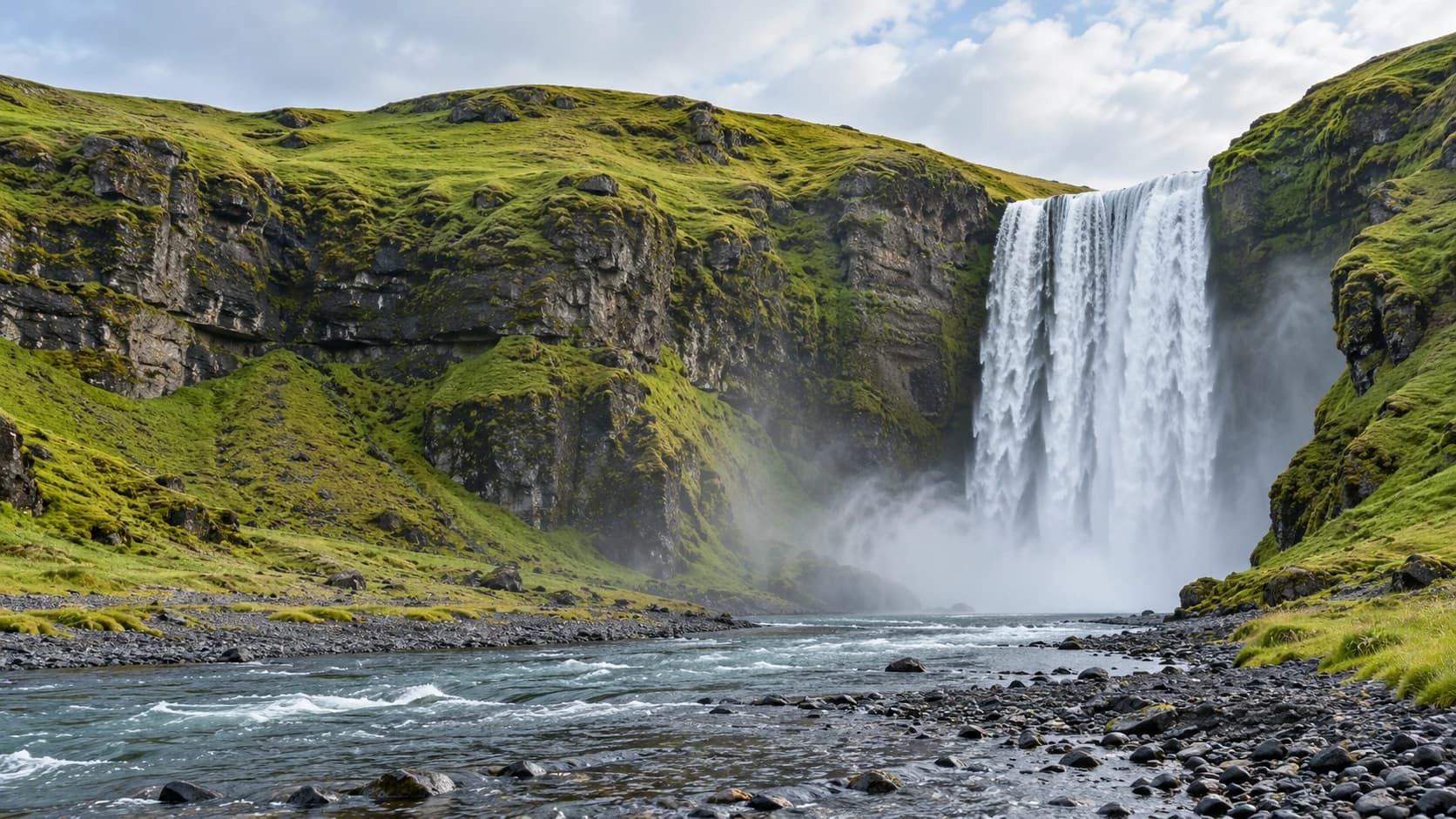
Iceland
Ísland
Volcanic landscapes, glacial waters and Atlantic island culture shape Iceland’s changing horizons.
Worth coming back!
Wanderlama keeps growing with new destinations, helpful information and exciting features. Check back soon and discover what is new!
Travel to Iceland
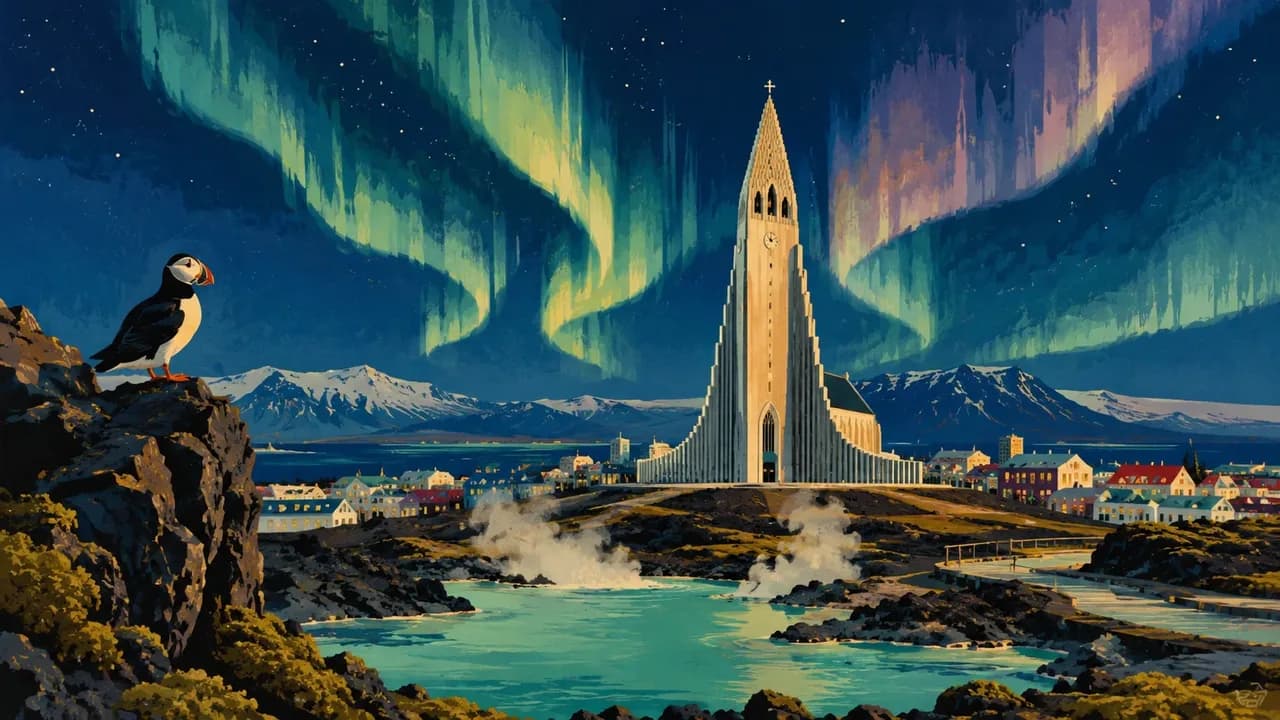
Iceland combines volcanic landscapes, glaciers, waterfalls and a living North Atlantic island culture. Reykjavík brings together Hallgrímskirkja, museums, music and harbour life, while geothermal swimming pools are part of everyday social life. Icelandic language and saga traditions sit alongside contemporary art and design.
The Golden Circle links Þingvellir’s historic assembly site and rift landscape with Gullfoss and the Geysir geothermal area, where Strokkur is the active geyser. Reykjanes adds lava fields, geothermal landscapes and bathing facilities such as the Blue Lagoon, with access subject to volcanic activity and local restrictions.
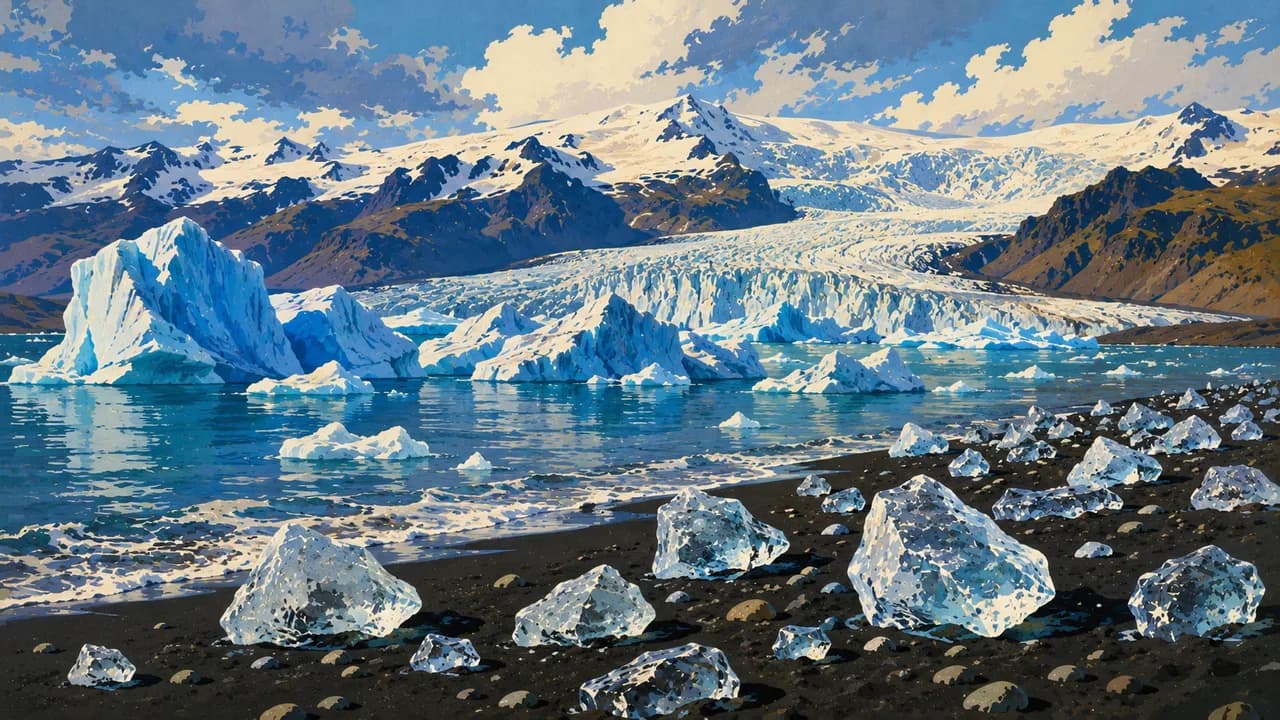
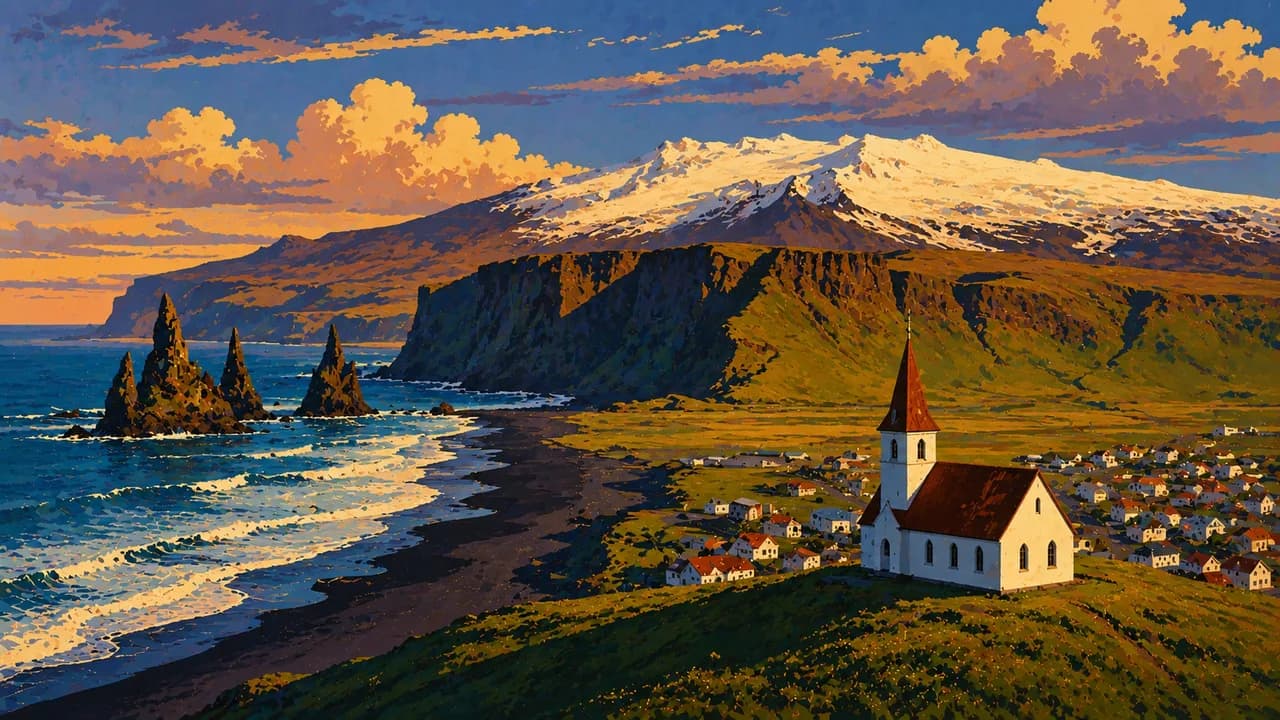
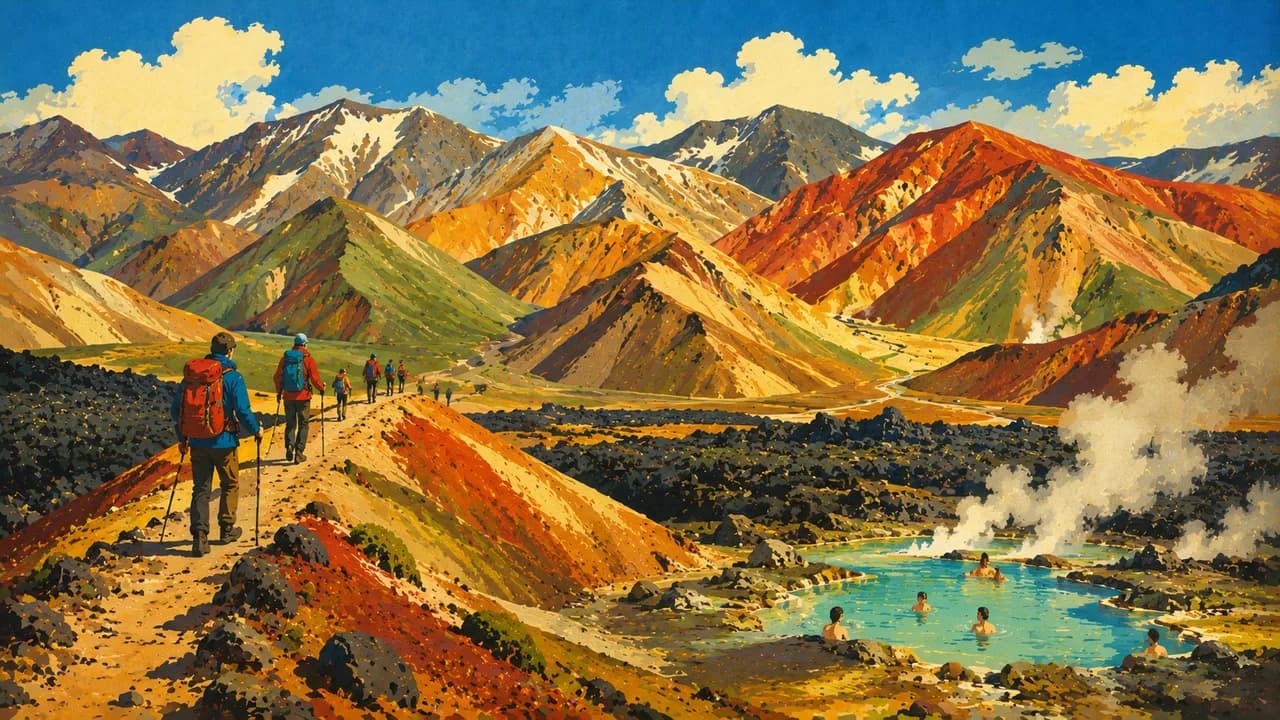
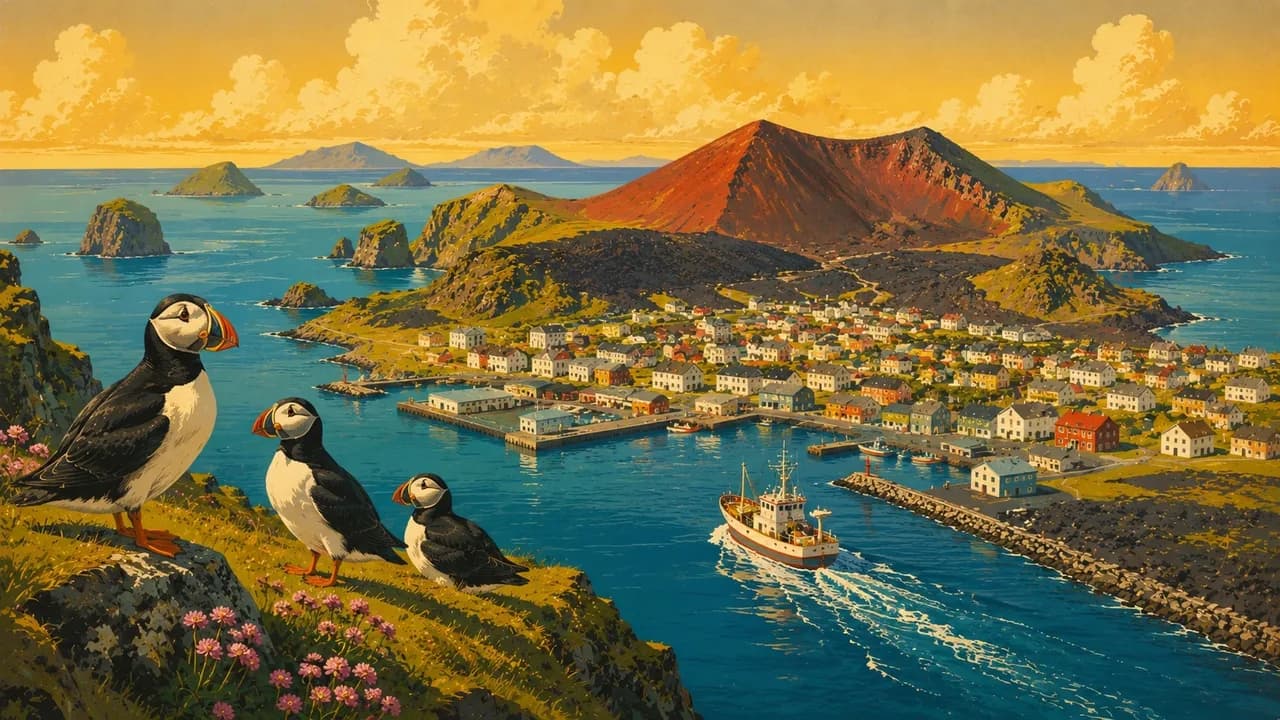
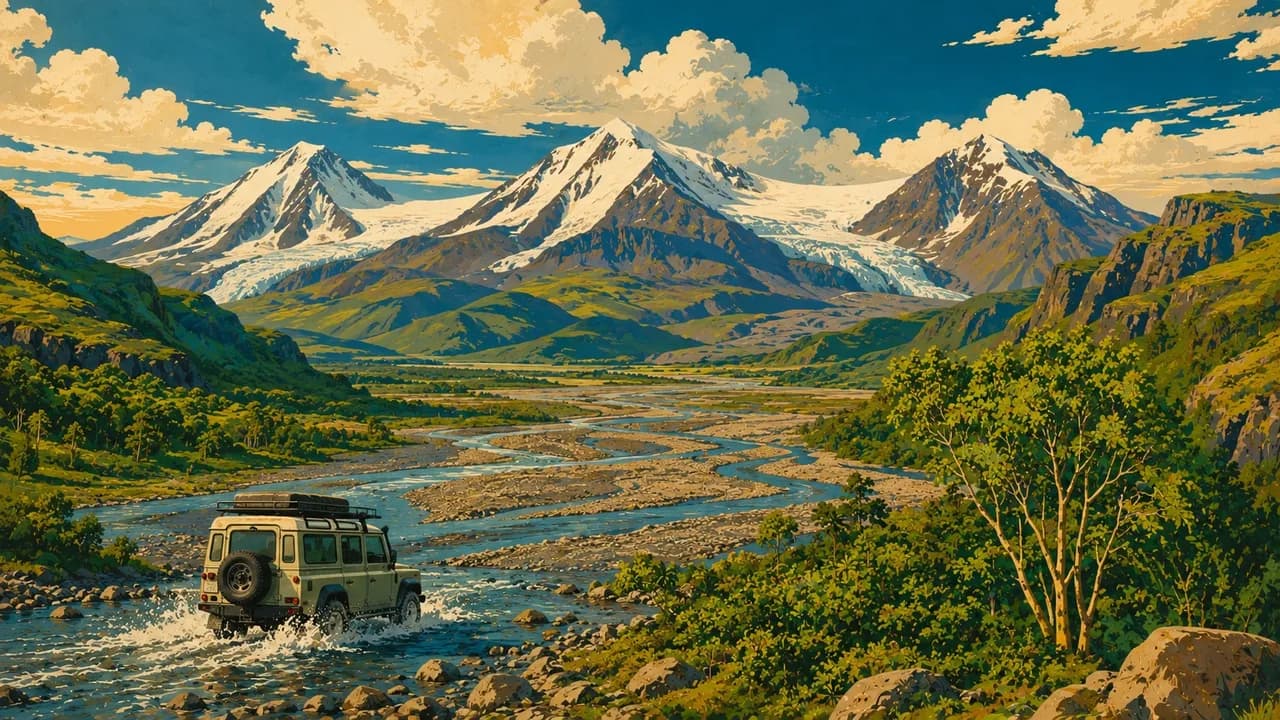
Along the south coast, Seljalandsfoss and Skógafoss lead towards Vík í Mýrdal and Reynisfjara’s black shoreline. Jökulsárlón and nearby Skaftafell introduce Vatnajökull’s glacial landscapes. Vestmannaeyjar adds Heimaey’s fishing heritage, Eldheimar’s eruption history and seasonal puffins and other seabirds. In the interior, Þórsmörk’s wooded valleys and Landmannalaugar’s colourful mountains offer contrasting hiking terrain, with seasonal access and river crossings requiring careful planning.
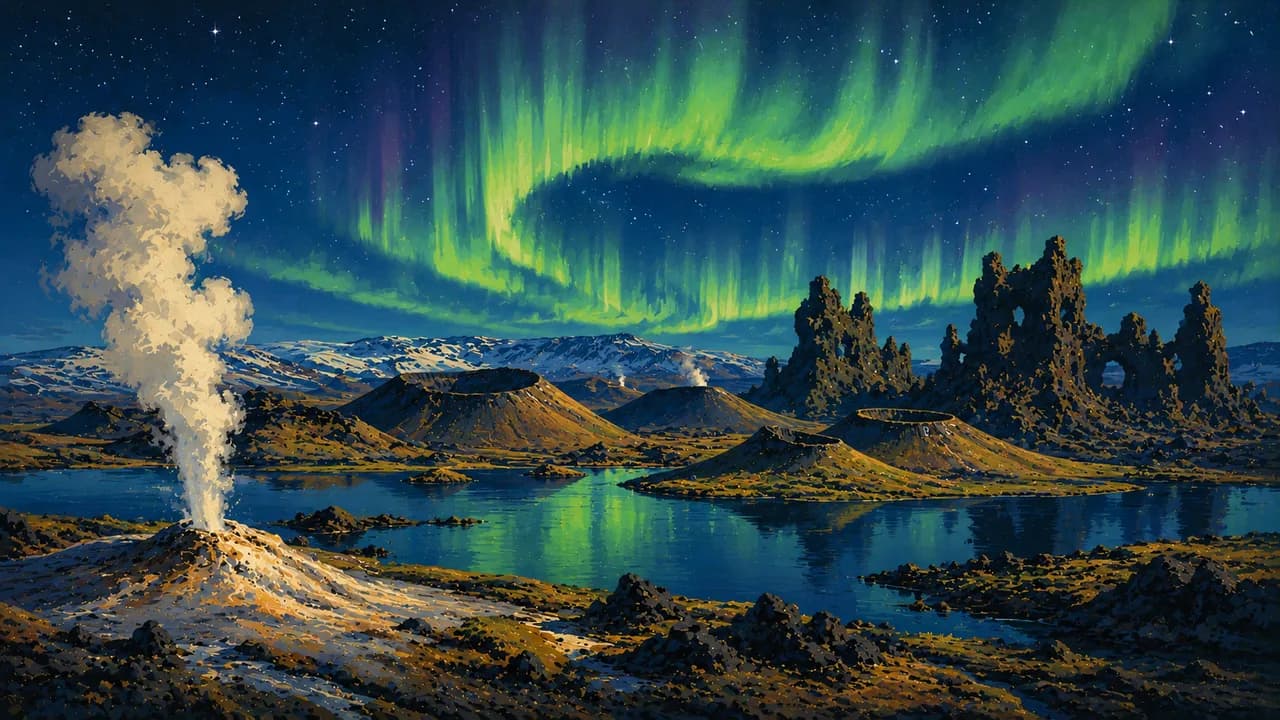
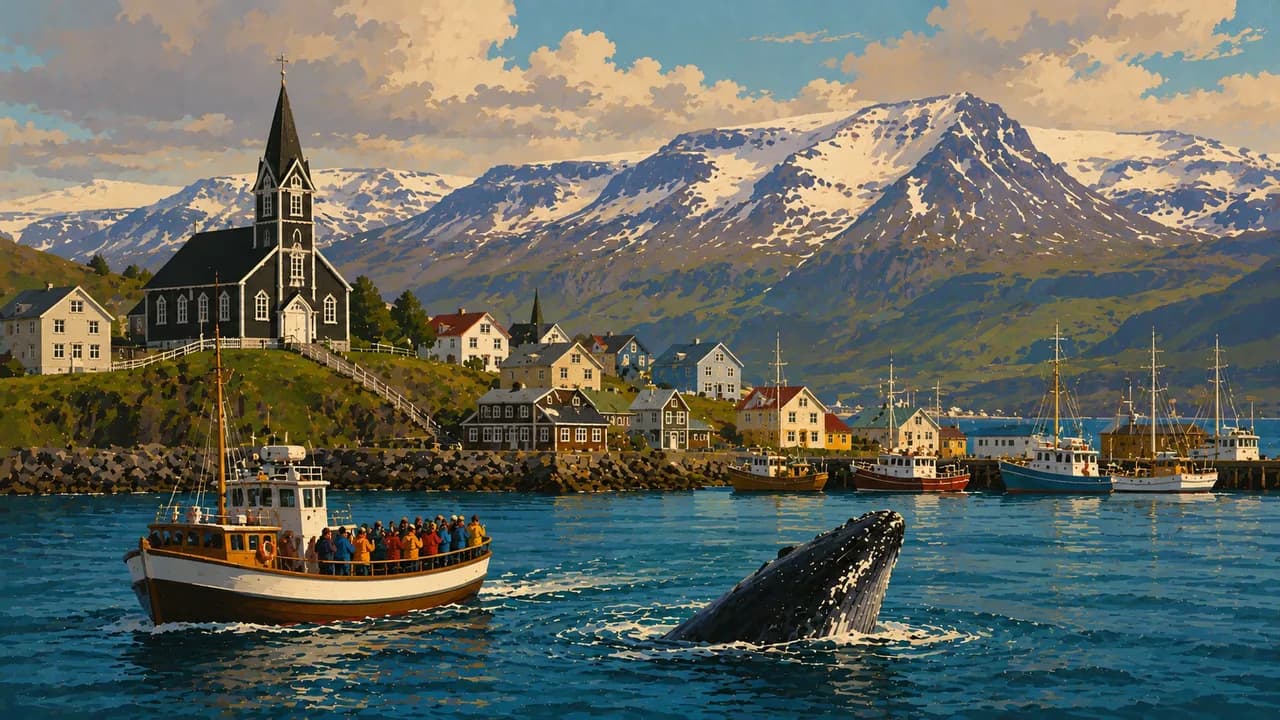
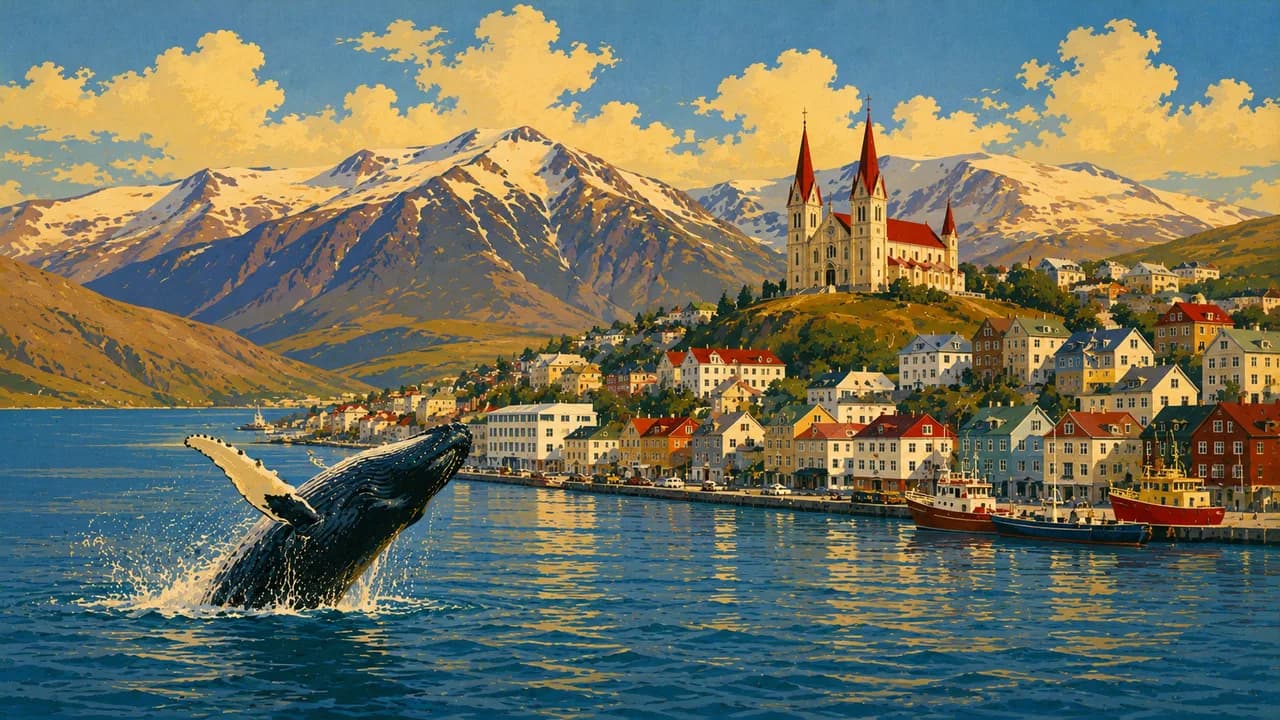
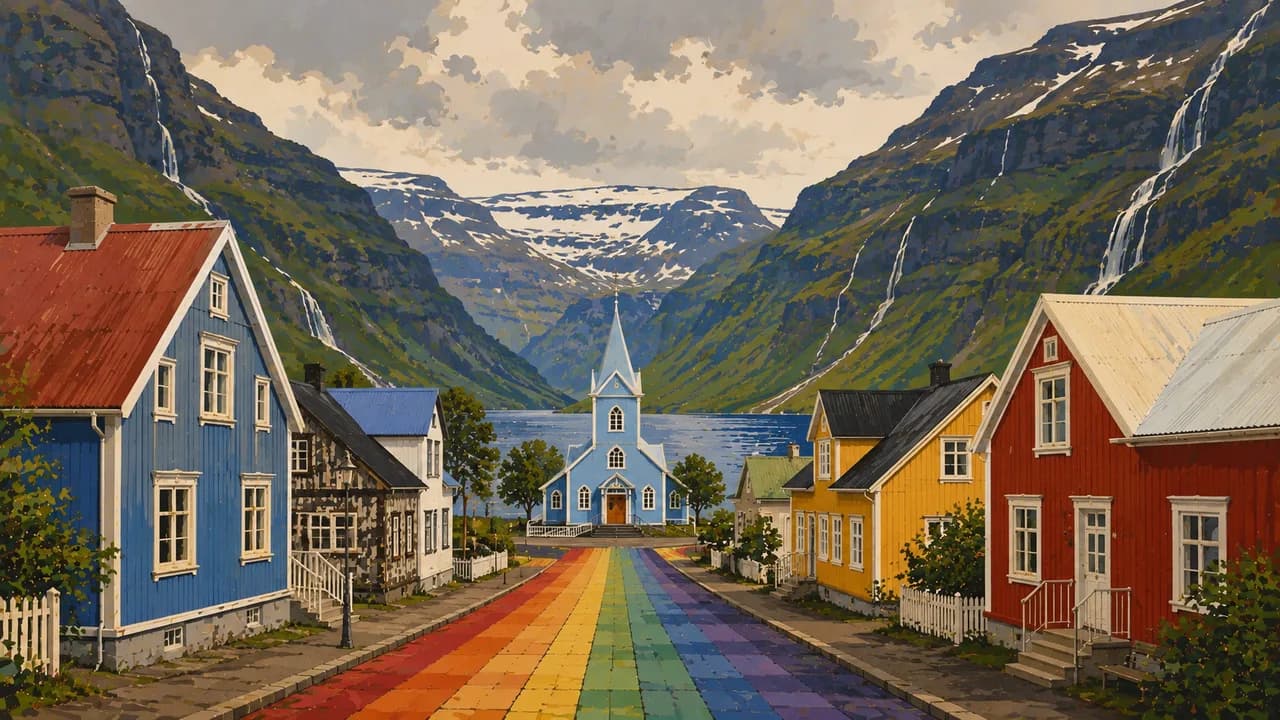
East Iceland combines fjords, fishing villages and mountain roads around Seyðisfjörður. In the north, Lake Mývatn brings volcanic formations, wetlands and birdlife, while Dettifoss adds a powerful glacial waterfall. Húsavík offers whale-watching trips, without guaranteed sightings, and Akureyri combines urban culture with the landscapes of Eyjafjörður.
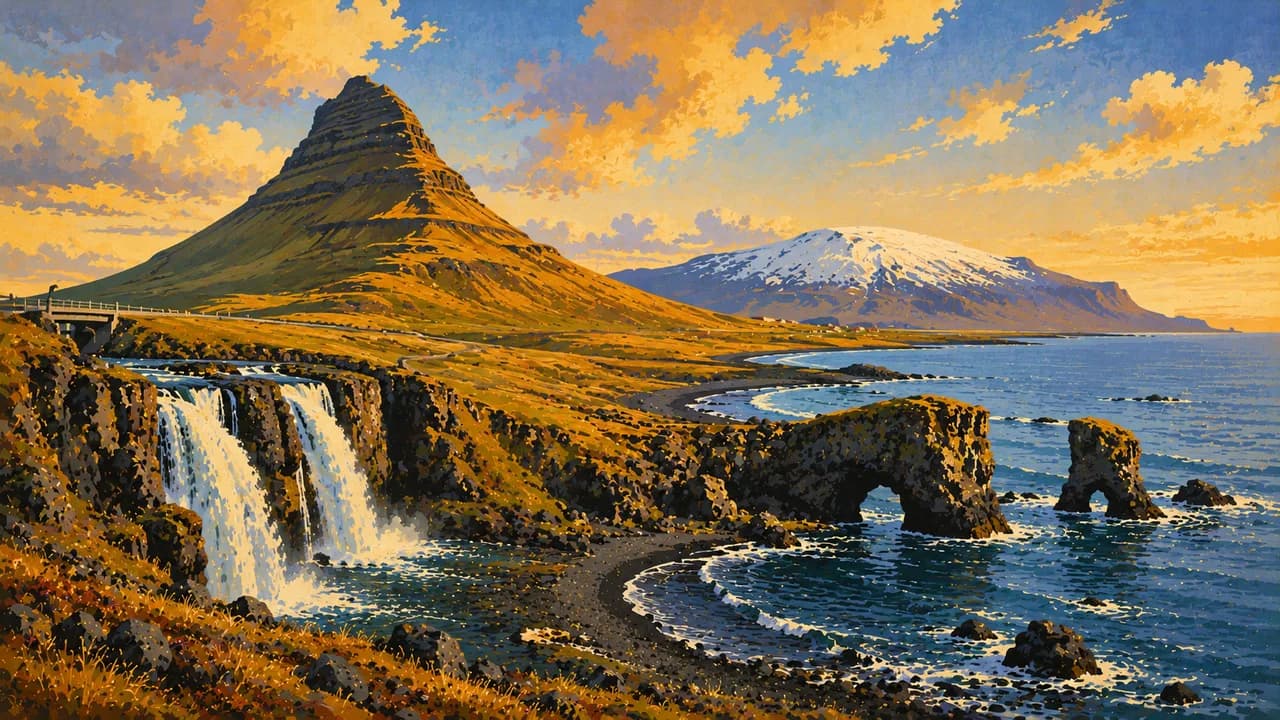
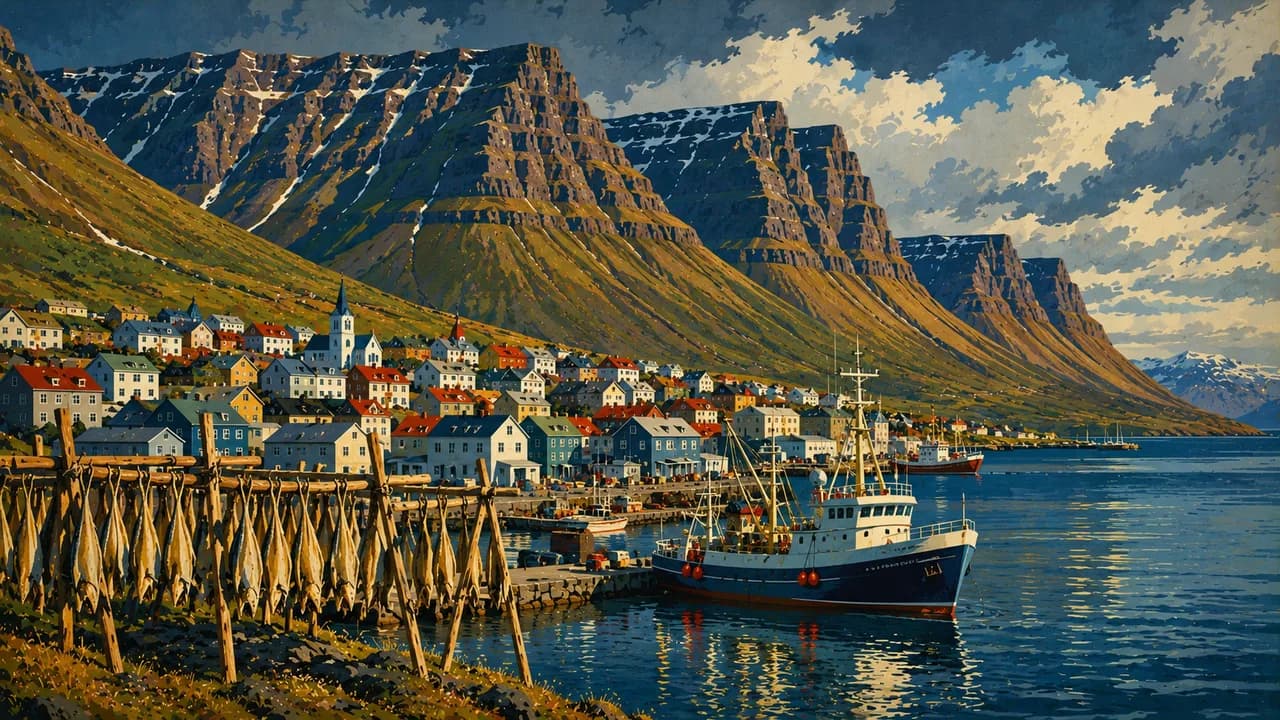
In the Westfjords, Ísafjörður introduces maritime communities and routes towards remote Hornstrandir. Snæfellsnes combines Snæfellsjökull’s glacier volcano, Kirkjufell and coastal villages. Fish, lamb, skyr and rye bread reflect local food traditions. Long summer days contrast with short winter daylight, when dark, clear skies may reveal northern lights.
The Ring Road circles the main island but bypasses many peninsulas and the highlands. Allow time for detours and weather disruption. Check roads, ferries, volcanic notices and local access rules. At Reynisfjara, obey closures and keep well away from dangerous surf. Use qualified guides for glacier activities and protect fragile moss by staying on designated routes.
AI edited
- 7
- Travel regions Visit Iceland groups the country into seven travel regions. These tourism areas are distinct from statistical regions and municipalities, which provide local government.
- ≈ 396,500
- Population Statistics Iceland reports 396,500 residents at the end of June 2026. The second-quarter release was published on 31 July 2026.
- ≈ 103,600 km²
- Area Rounded from Visit Iceland’s total area of 103,592 km². This includes inland waters and glaciers, rather than Iceland’s marine territory.
- Icelandic
- Language Icelandic is the national language. Place names retain Icelandic letters such as Þ and Ð, which can also appear in transliterated forms on maps and booking sites.
- English & others
- Other languages English is widely used in tourism, while Danish is taught in schools. Language skills and available translations vary between places and service providers.
- Icelandic króna (ISK)
- Currency Iceland uses the Icelandic króna, abbreviated ISK. Card payments are widespread. Check accepted payment methods at remote services and small businesses.
- C · F
- Socket types Type F sockets accept compatible type C plugs. Mains electricity is 230 V at 50 Hz. Check your device’s voltage rating and adapter requirements.
- Reykjavík
- Capital Reykjavík is Iceland’s capital on the southwestern coast. It is distinct from Keflavík International Airport and the wider capital region.
- Right-hand traffic
- Driving side Traffic drives on the right. Wind, ice, gravel and single-lane bridges require care. Highland routes need current access checks and suitable vehicles. Driving off designated roads is prohibited.
- UTC+0
- Time zone Atlantic/Reykjavik uses UTC+0 throughout the year. Iceland does not observe daylight saving time, so its time difference from countries that change clocks varies seasonally.
- 1
- UNESCO cultural site Þingvellir is Iceland’s cultural World Heritage property. Surtsey and Vatnajökull National Park are natural properties. Surtsey has restricted access and is not a general visitor destination.
Iceland on the map

Map data: geoBoundaries (CC BY 4.0), © OpenStreetMap contributors (ODbL), Natural Earth
Climate and best time to travel
Iceland’s maritime weather changes quickly, with wind, rain and cool conditions possible in every season. Summer brings long days and the main highland travel window, subject to road openings and river conditions. Winter has short daylight, ice and disruption risks. Northern lights require darkness and clear skies. Check weather, roads, ferries and volcanic restrictions. Respect coastal closures, bird habitats and marked routes. Glacier activities require qualified guidance.