Sweden
Sverige
Island coasts, sweeping lake landscapes and Arctic light meet living culture, design and regional cooking.
Worth coming back!
Wanderlama keeps growing with new destinations, helpful information and exciting features. Check back soon and discover what is new!
Travel to Sweden
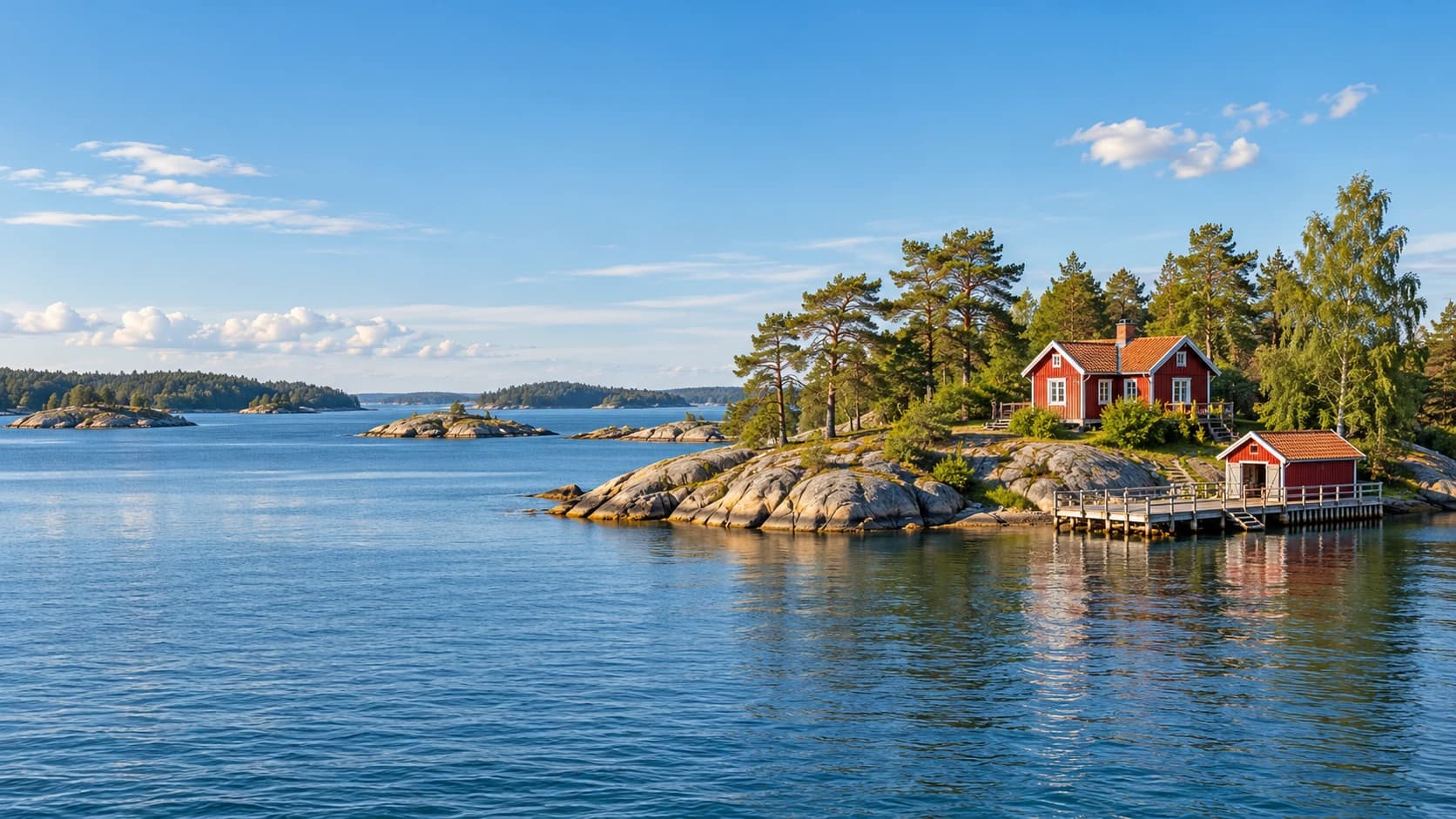
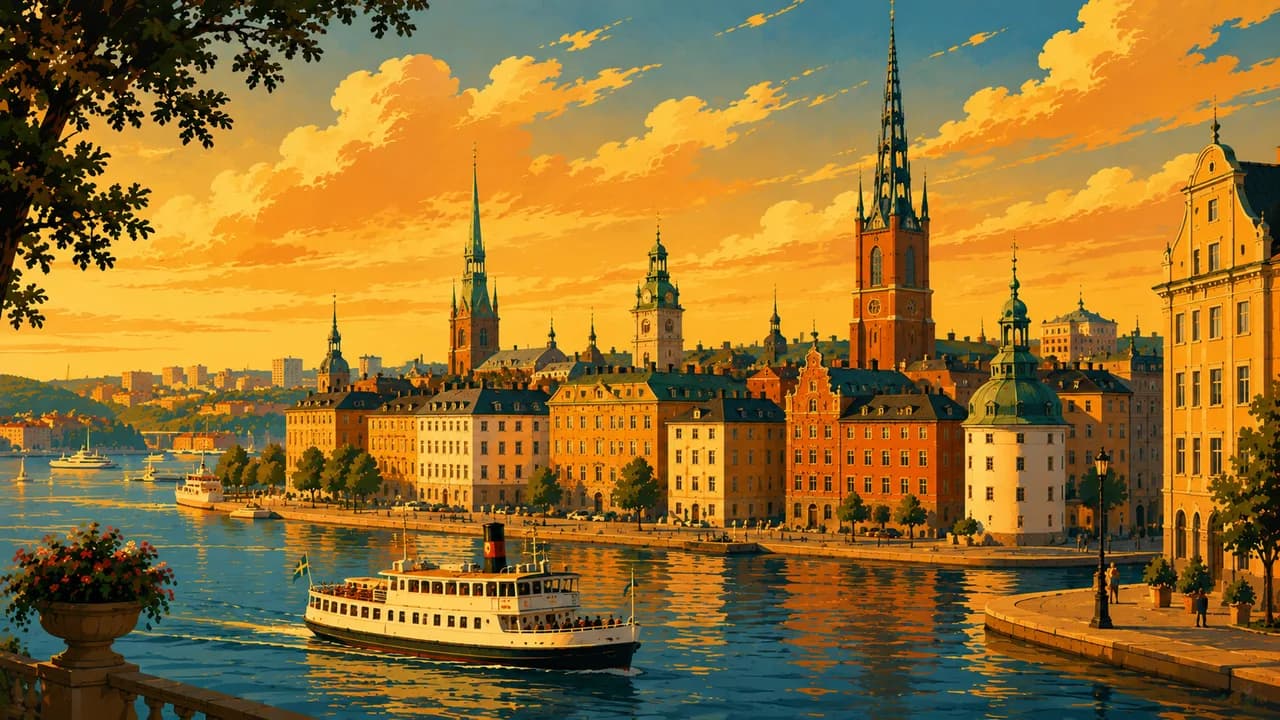
Sweden stretches from southern farmland and island coasts to the mountains and Arctic landscapes of the north, with forests and lakes shaping much of the country. Stockholm combines Gamla Stan, the Vasa Museum and contemporary design with an extensive archipelago, while Uppsala, Örebro and Vadstena add university traditions, castles and monastic history.
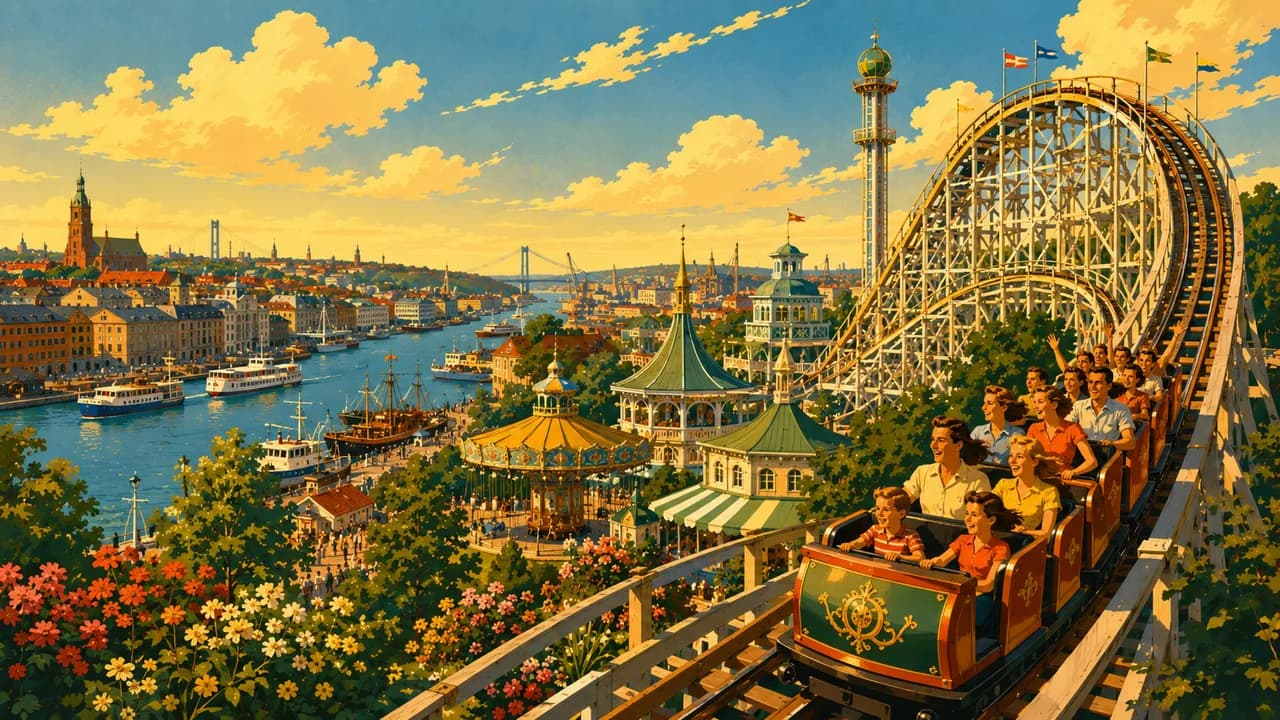
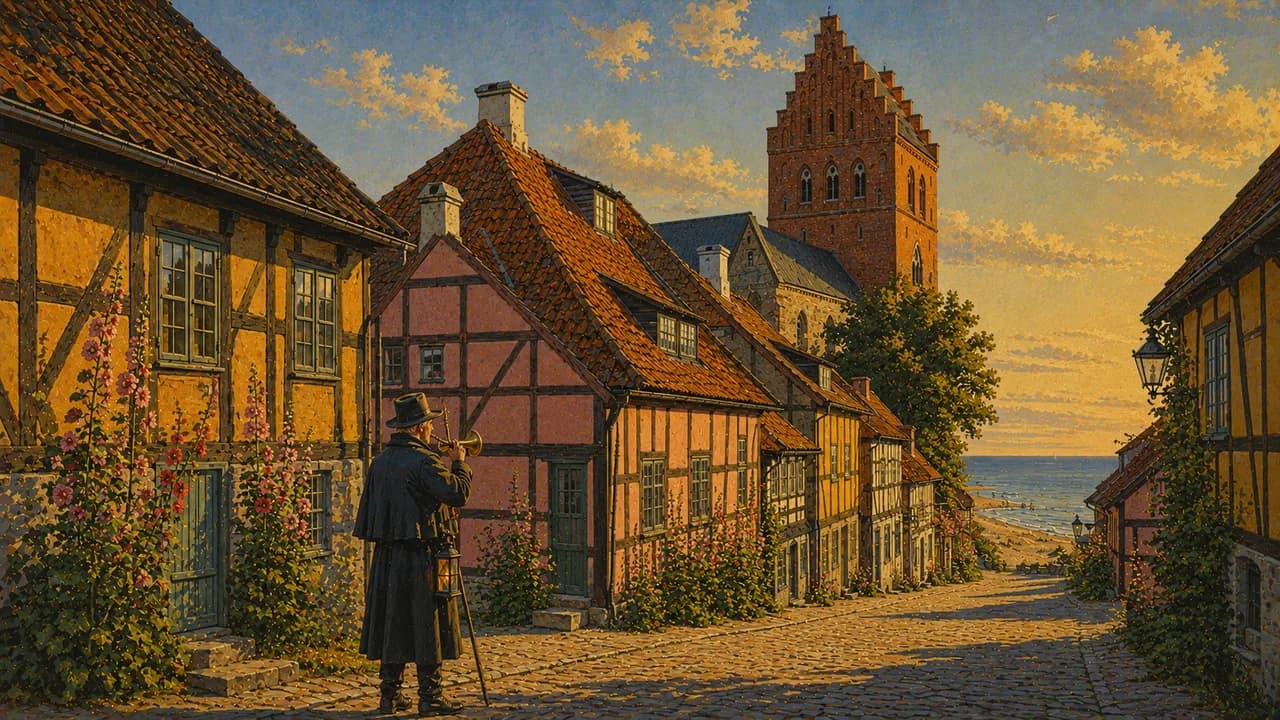
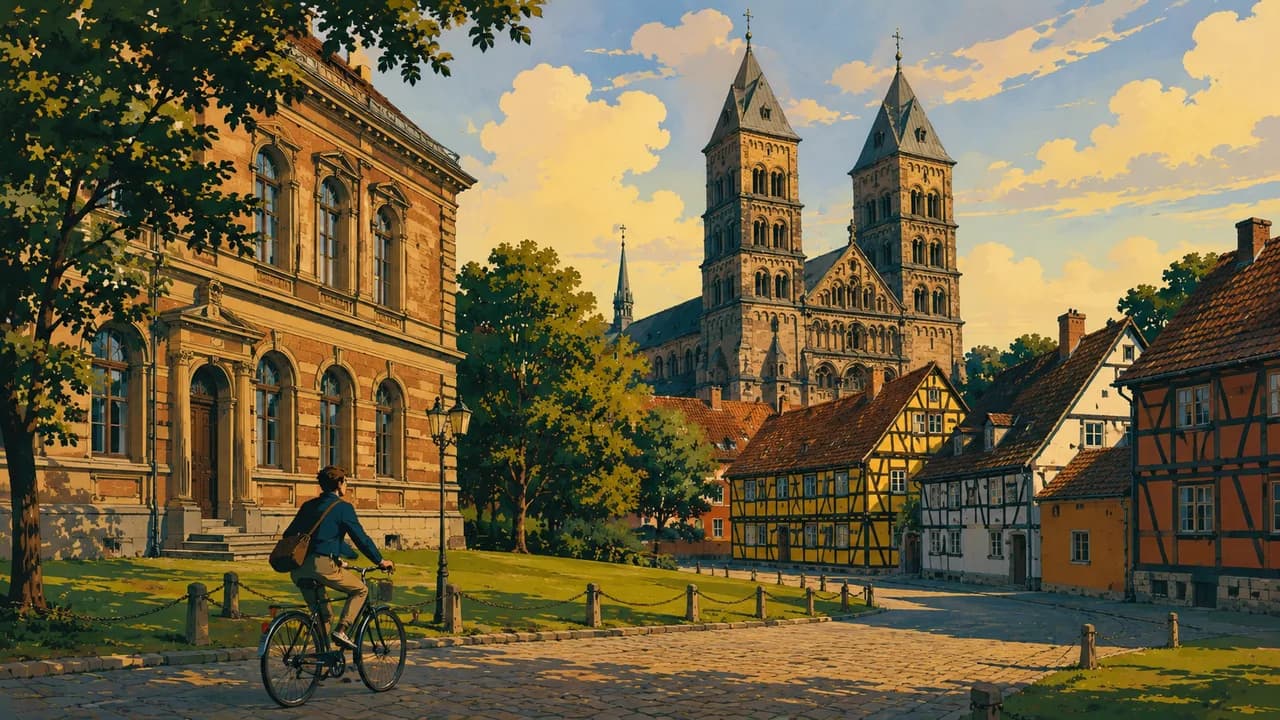
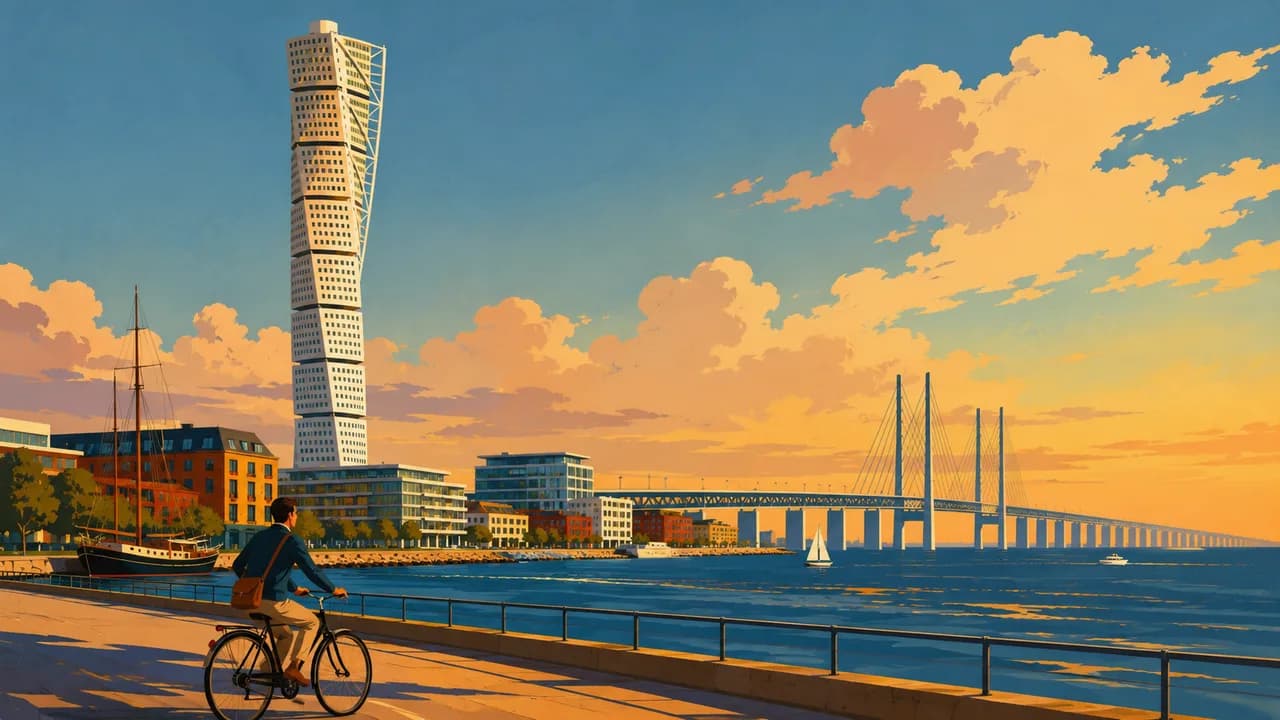
Gothenburg brings together maritime culture, seafood and island excursions, and the granite shores of Bohuslän around Smögen contrast with Halland's beaches and the prehistoric rock carvings at Tanum. In Skåne, Malmö, Lund and Ystad combine urban life, historic streets, agricultural landscapes and sandy coasts. Småland offers wooded lake country, glassmaking traditions and Astrid Lindgren's world around Vimmerby, while the Göta Canal opens up inland waterways.
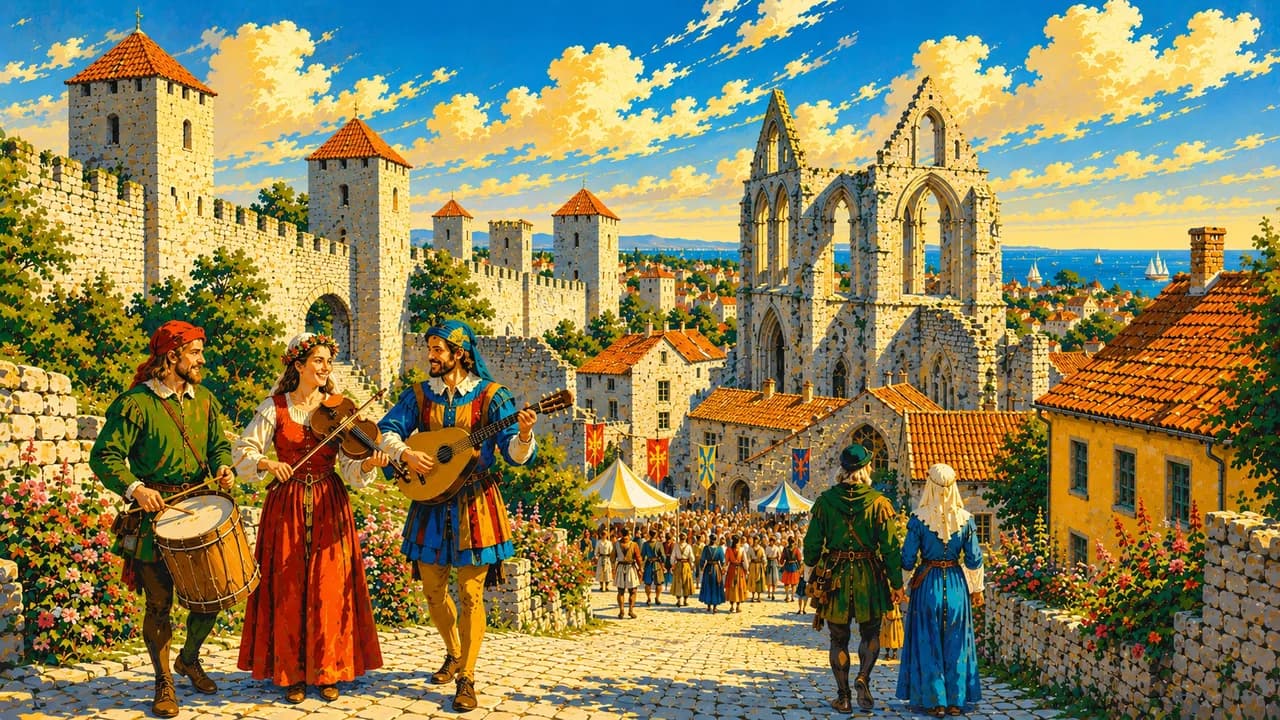
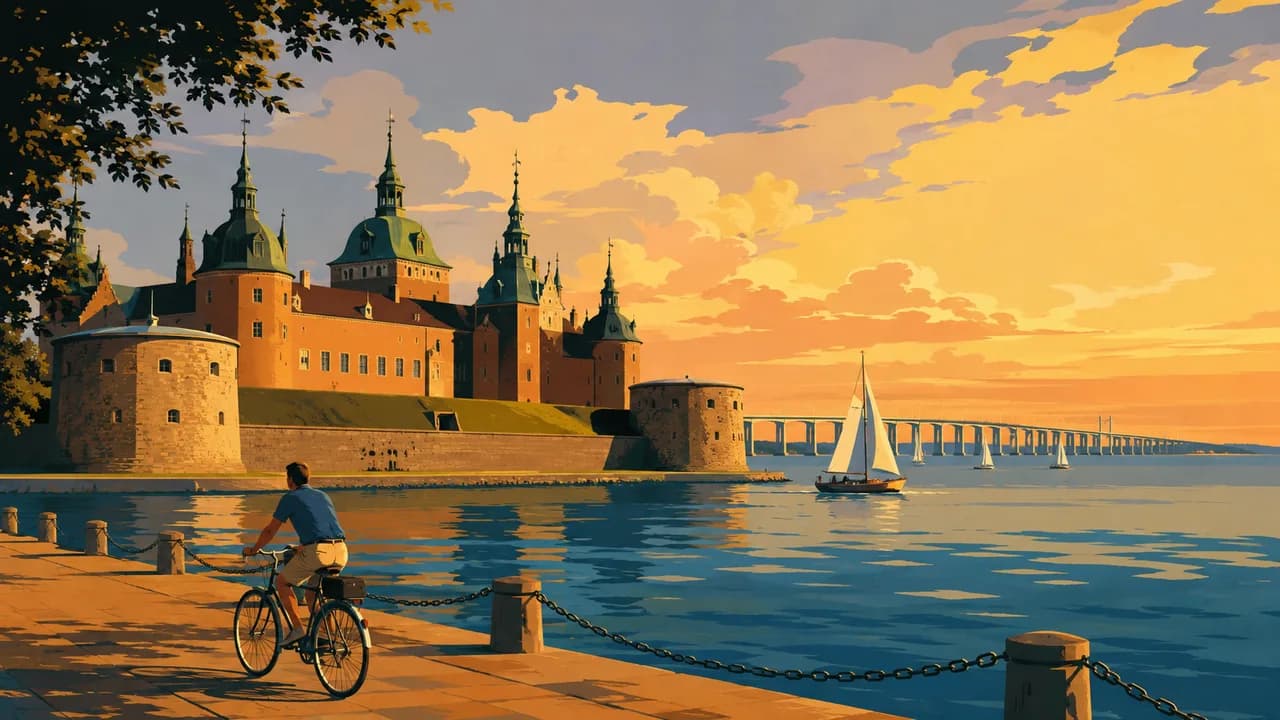
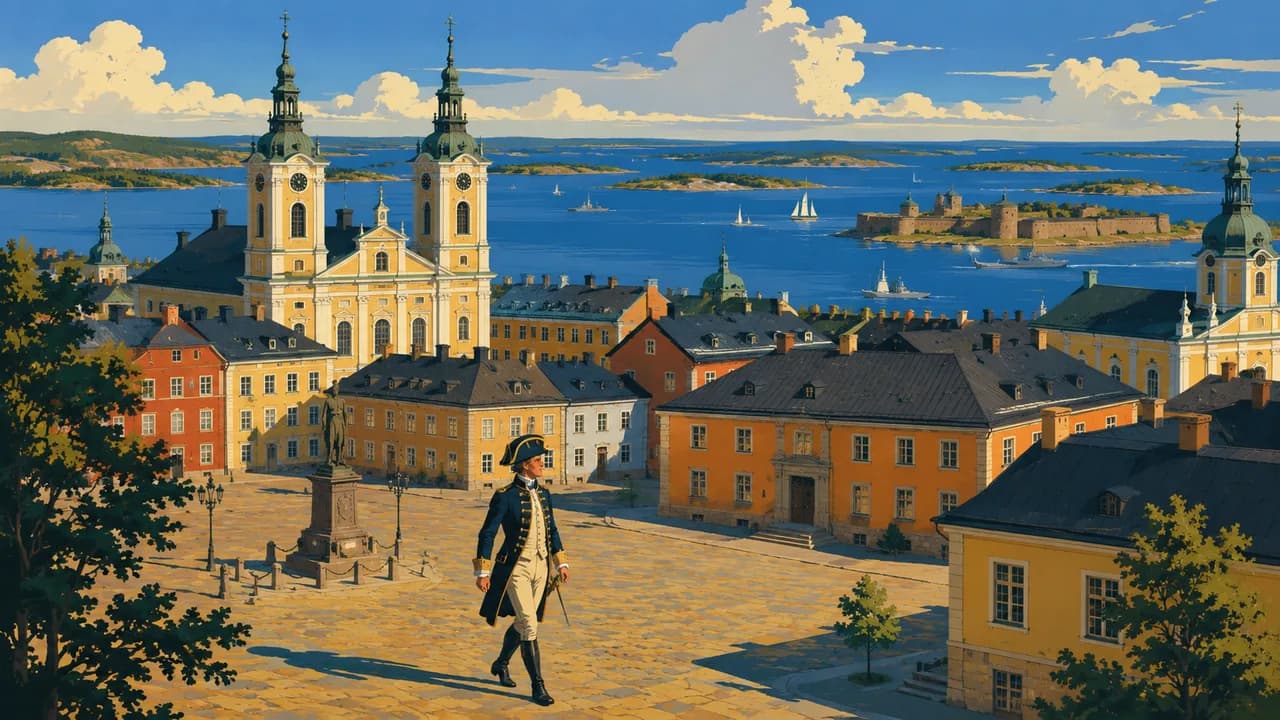
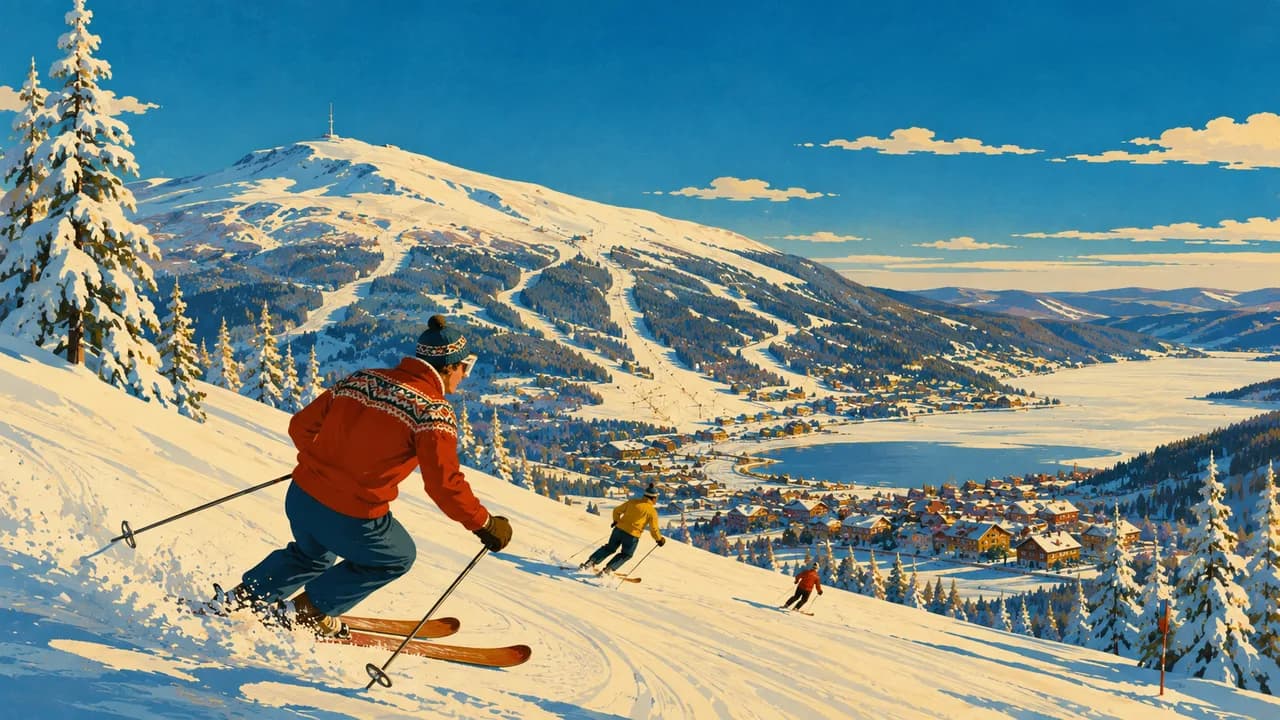
Kalmar's castle and Karlskrona's naval heritage complement the medieval walls of Visby on Gotland and Öland's open agricultural landscapes, windmills and beaches. Dalarna is associated with red wooden houses, folk music and craft traditions, while Falun and Engelsberg preserve chapters of mining and ironworking history. Åre combines winter sports with mountain hiking, and the High Coast offers forested trails and views across the Gulf of Bothnia.
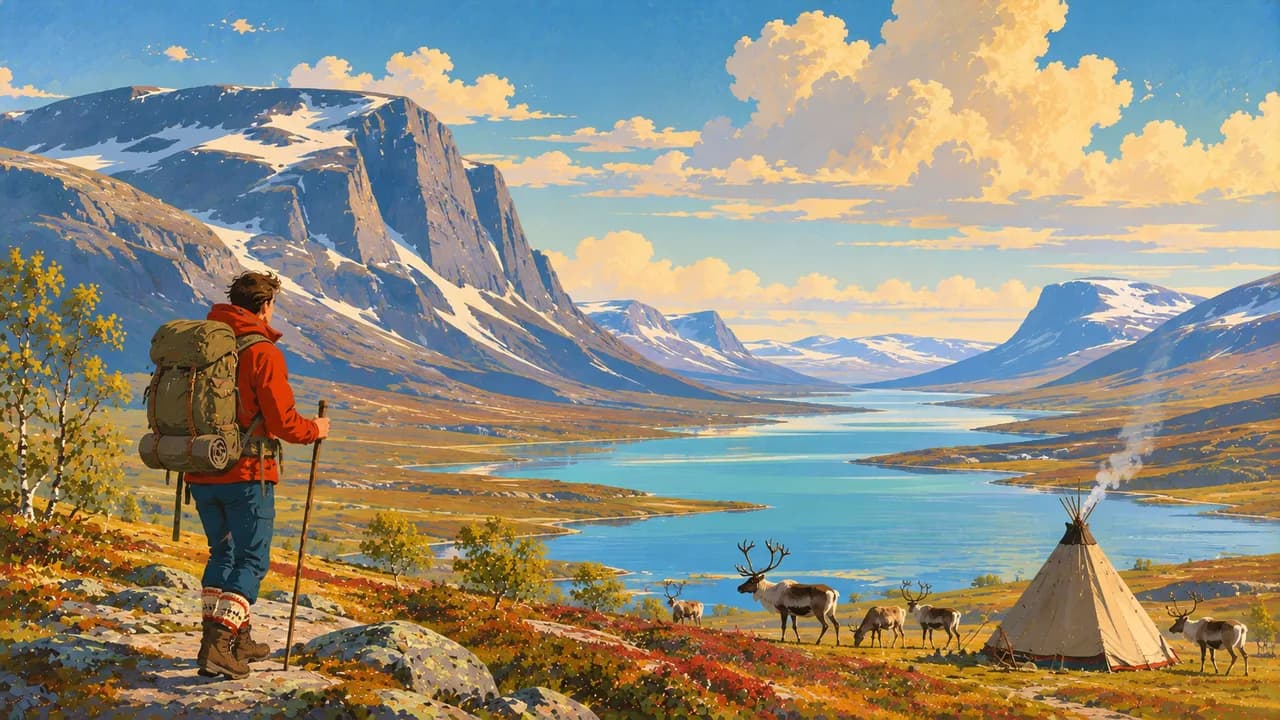
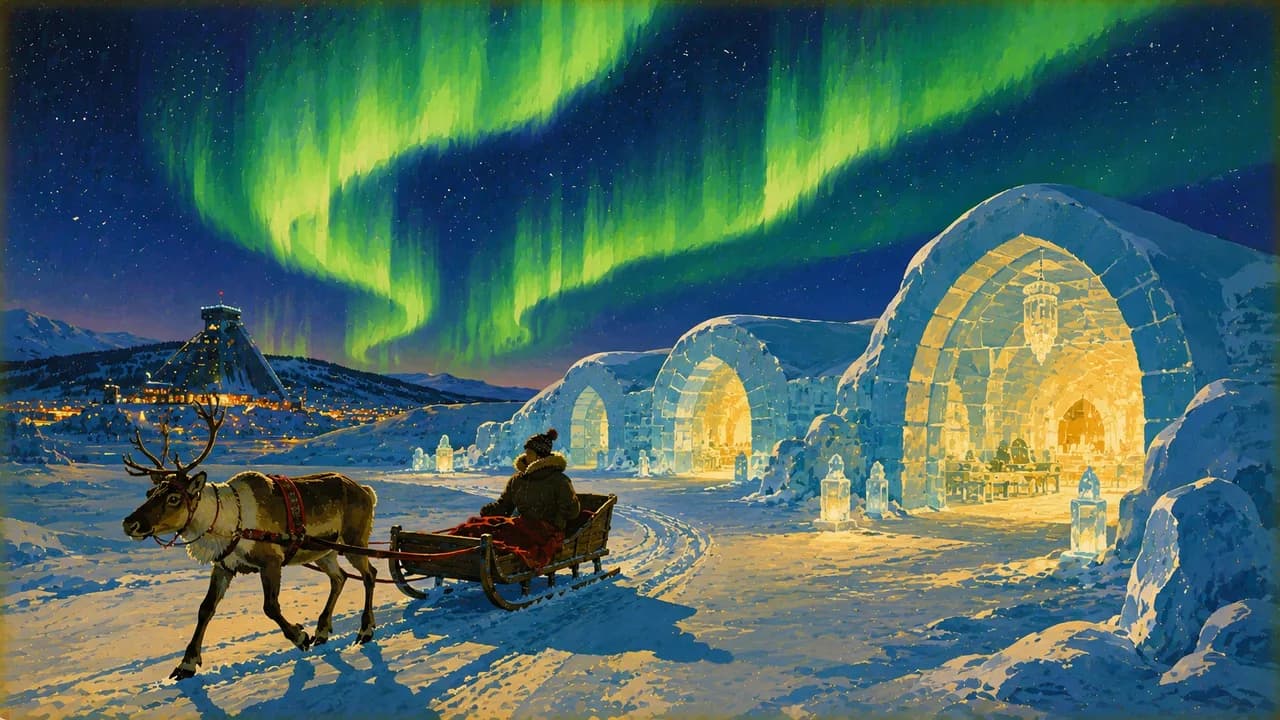
Farther north, Umeå's cultural life and the church village of Gammelstad near Luleå lead towards Kiruna, Jukkasjärvi's ice art and Abisko's mountain scenery. Laponia combines protected mountain landscapes with a living Sámi cultural landscape, and Sámi languages, crafts and food are part of contemporary northern Sweden rather than only its past. Long summer evenings extend across the country, while the actual midnight sun is a phenomenon of the far north.
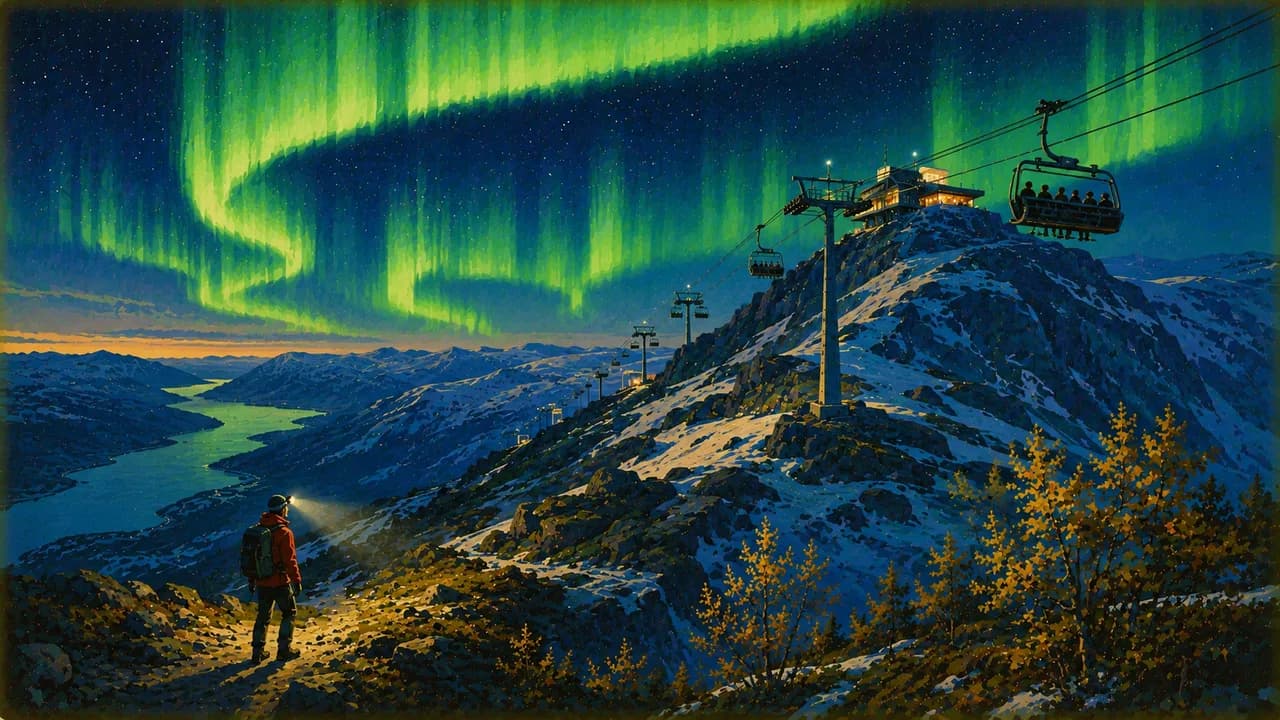
Dark, clear nights can bring northern lights, but no sighting is guaranteed. Regional cooking ranges from fish and shellfish to mushrooms, berries and game, alongside modern restaurants and fika with coffee and cinnamon buns. Trains, ferries and cycling routes connect many places, but northern distances and seasonal transport require planning. Summer hiking and winter activities have different regional windows, and mountain snow, changing weather and local conservation rules matter throughout the year.
AI edited
- 21
- Counties Sweden is divided into 21 administrative counties, known as län. These differ from the historical provinces. Gotland is both an island and a separate county.
- 10.61 million
- Population Rounded from 10,610,483 residents in Statistics Sweden's preliminary figures for 30 June 2026. A dated population registration figure, not a live count.
- ≈ 450,000 km²
- Area A broadly rounded orientation figure for land and inland waters, excluding maritime areas. Official figures differ with measurement date and calculation method. Statistics Sweden has used a new area calculation method since 2025.
- Swedish
- Language Swedish is the country's main language and is spoken in various dialects. Recognised minority languages and other community languages are also present.
- Minority & other languages
- Other languages Recognised national minority languages include Sámi, Finnish, Meänkieli, Romani Chib and Yiddish. Other community languages are also spoken. English is widespread, but individual proficiency varies.
- Swedish krona (SEK)
- Currency The national currency is the Swedish krona, abbreviated kr. Card and mobile payments are widespread, but acceptance and fees vary by provider. Euros are not generally accepted as payment.
- C · F
- Socket types Type C and F connections are common, with 230 volts and 50 hertz. A travel adapter does not convert voltage. Check the socket and your appliance specifications.
- Stockholm
- Capital Stockholm is the capital, situated between Lake Mälaren and the Baltic Sea. The clock uses Europe/Stockholm and automatically accounts for standard time and daylight saving time.
- Right-hand traffic
- Driving side Sweden drives on the right. Long distances, snow, ice and wildlife can affect travel planning. Check road and weather conditions before driving.
- UTC+1 / UTC+2
- Time zone Sweden uses UTC+1 nationwide in winter and UTC+2 during daylight saving time. These are seasonal offsets of one time zone, not different simultaneous local times. The clock compares browser time and, when saved, your home location.
- 13
- UNESCO cultural sites 13 exclusively cultural UNESCO World Heritage properties, checked October 2026. High Coast with Kvarken is natural heritage, Laponia is mixed. Both are excluded.
Sweden on the map

Map data: geoBoundaries (CC BY 4.0), © OpenStreetMap contributors (ODbL), Natural Earth
Climate and best time to travel
Sweden's south, coasts and northern mountains have different travel seasons. May to September often brings long days and more seasonal connections for cities, lakes and many coastal regions. June to August is often warmest, although rain and cooler days remain possible. July and August are often easiest to plan for the northern mountains, while September depends more on snow and local conditions. Cold weather and snow remain possible at altitude even in summer. Actual midnight sun occurs only in the far north, with dates varying by location. Northern lights may be visible roughly from September to March in dark, clear conditions, but sightings are not guaranteed. Winter sports depend on regional snow, avalanche conditions and operation. Sámi culture is alive throughout the year, while individual activities and events have their own dates. Months are indicative and do not guarantee weather, sightings or access. Check local advice, trails, ferries and tour availability before excursions.
Destinations in Sweden
 AI generated
 AI generated
 AI generated
 AI generated
 AI generated
 AI generated
 AI generated
 AI generated
 AI generated
 AI generated
 AI generated
 AI generated