Lithuania
Lietuva
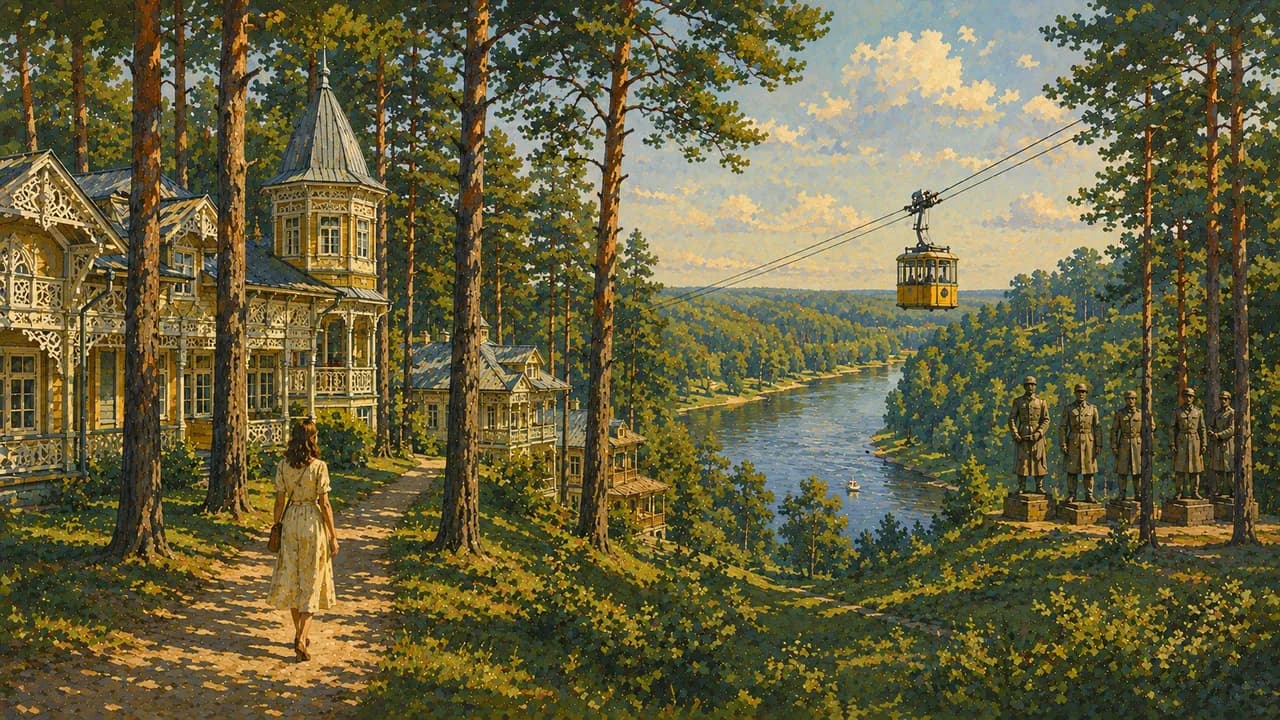
Historic cities, forest lakes and Baltic dunes reveal Lithuania’s regional character.
Worth coming back!
Wanderlama keeps growing with new destinations, helpful information and exciting features. Check back soon and discover what is new!
Travel to Lithuania
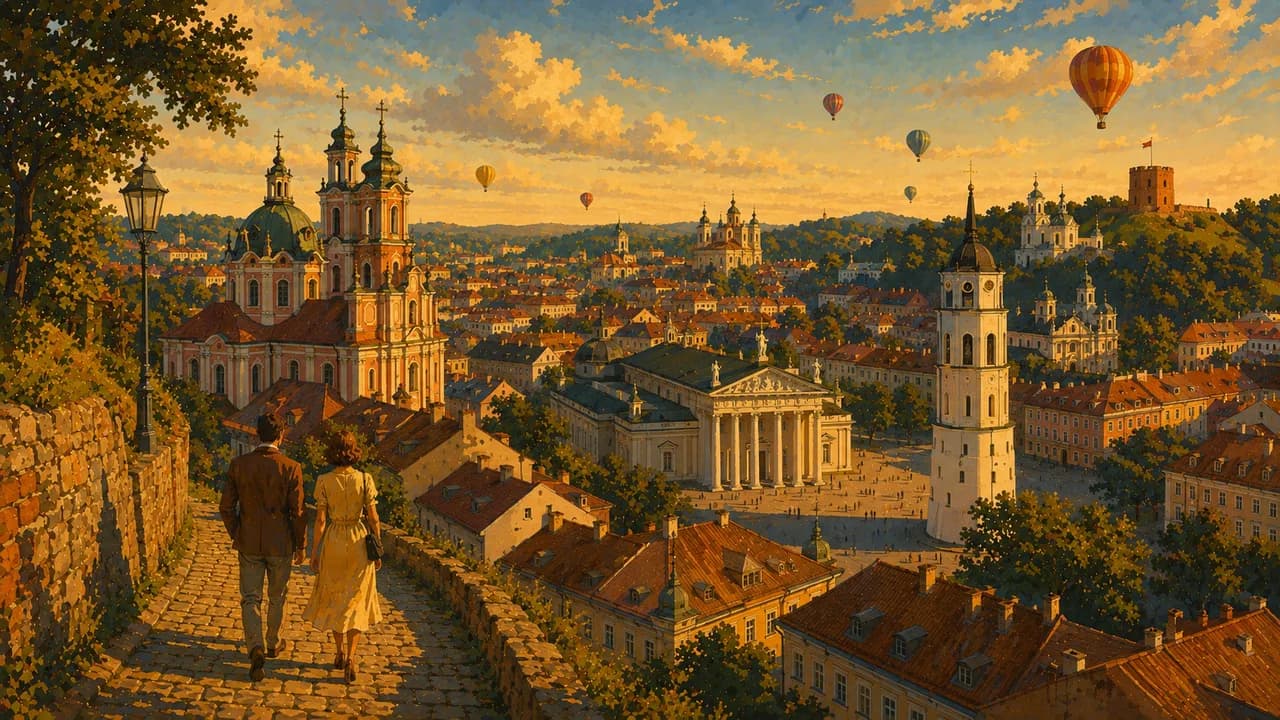
Lithuania is the southernmost and largest of the three Baltic states, where lakes, forests and sandy shores complement historic towns and living regional traditions. Vilnius combines its UNESCO-listed historic centre, Baroque churches and university courtyards with contemporary culture in Užupis. Museums and memorials explore Jewish heritage, the Holocaust and the country’s experiences of occupation and independence.
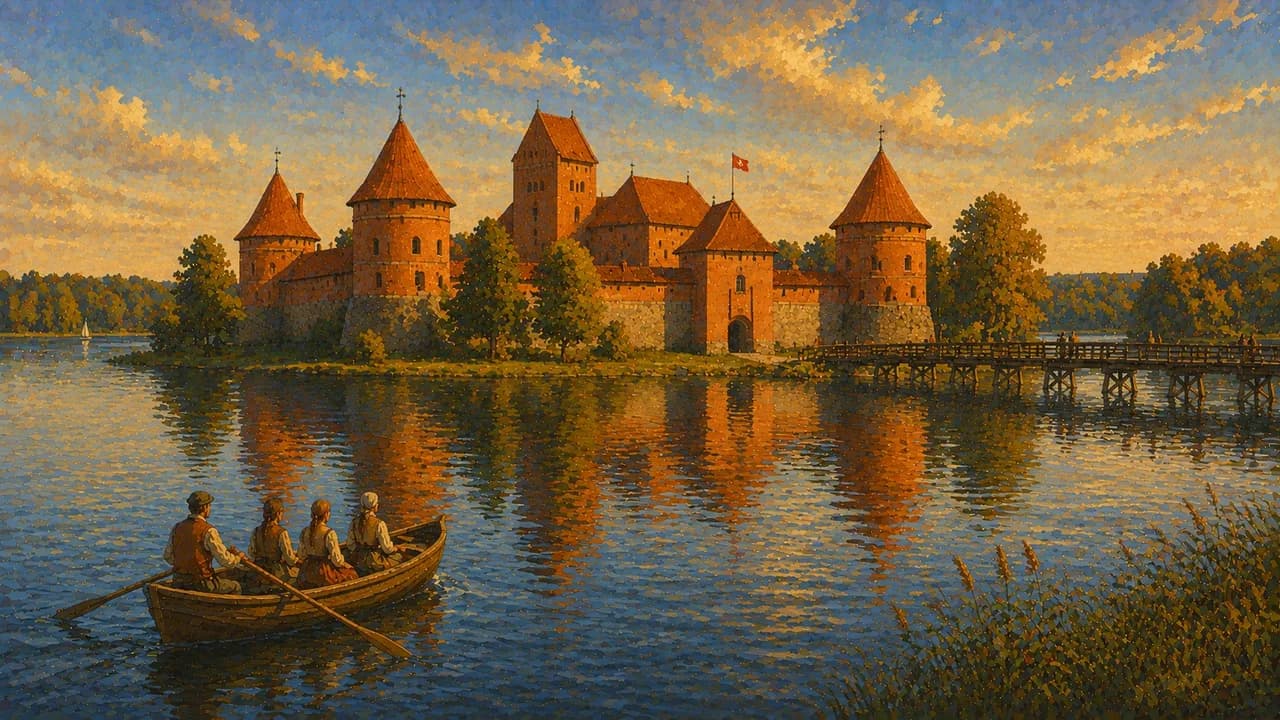
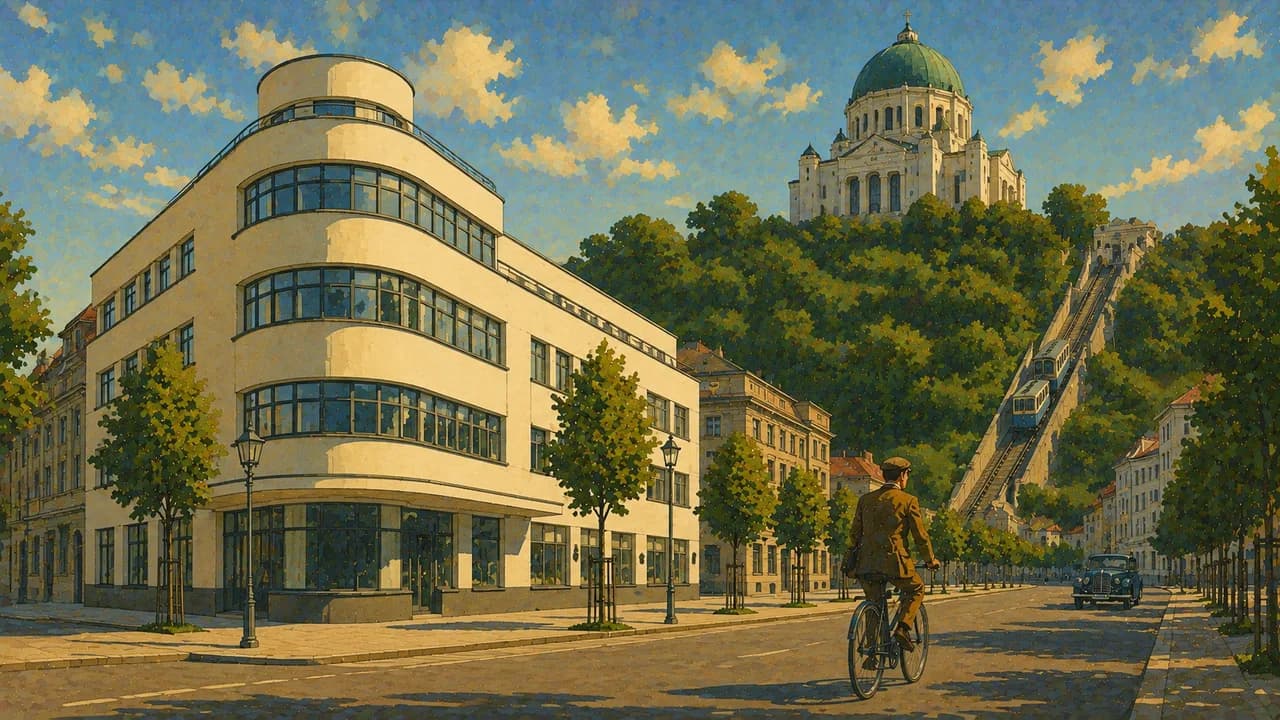
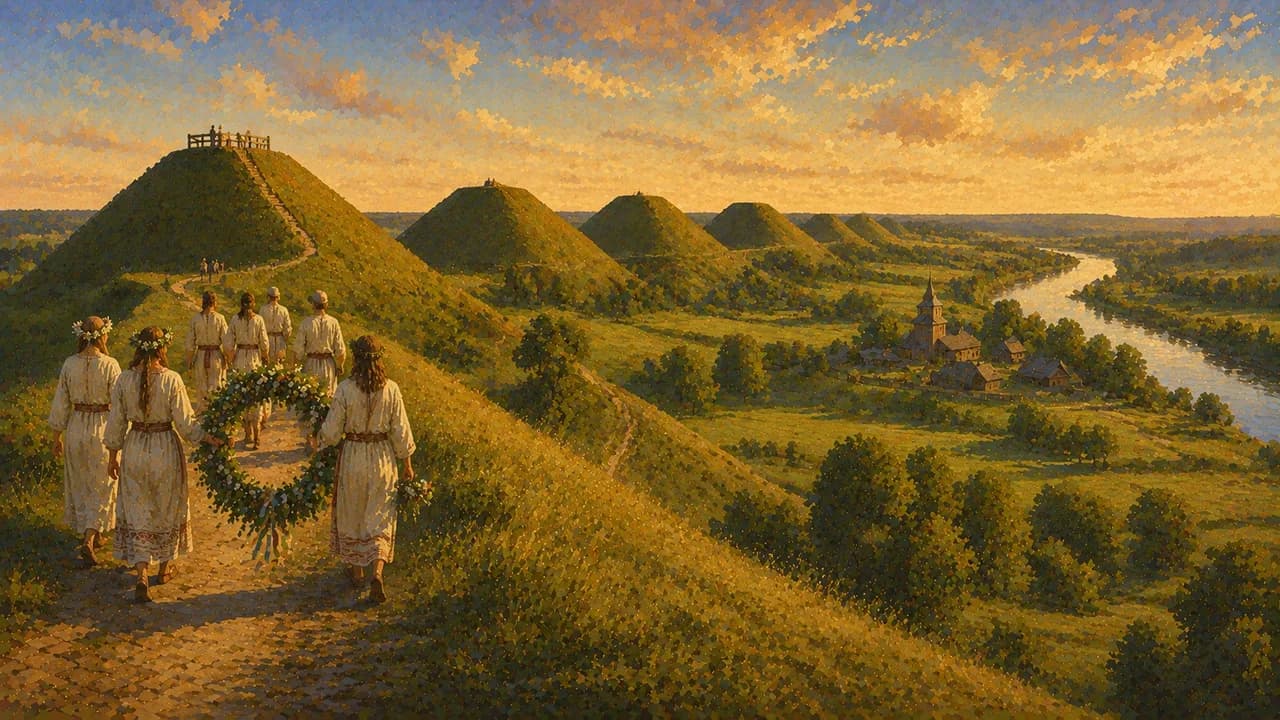
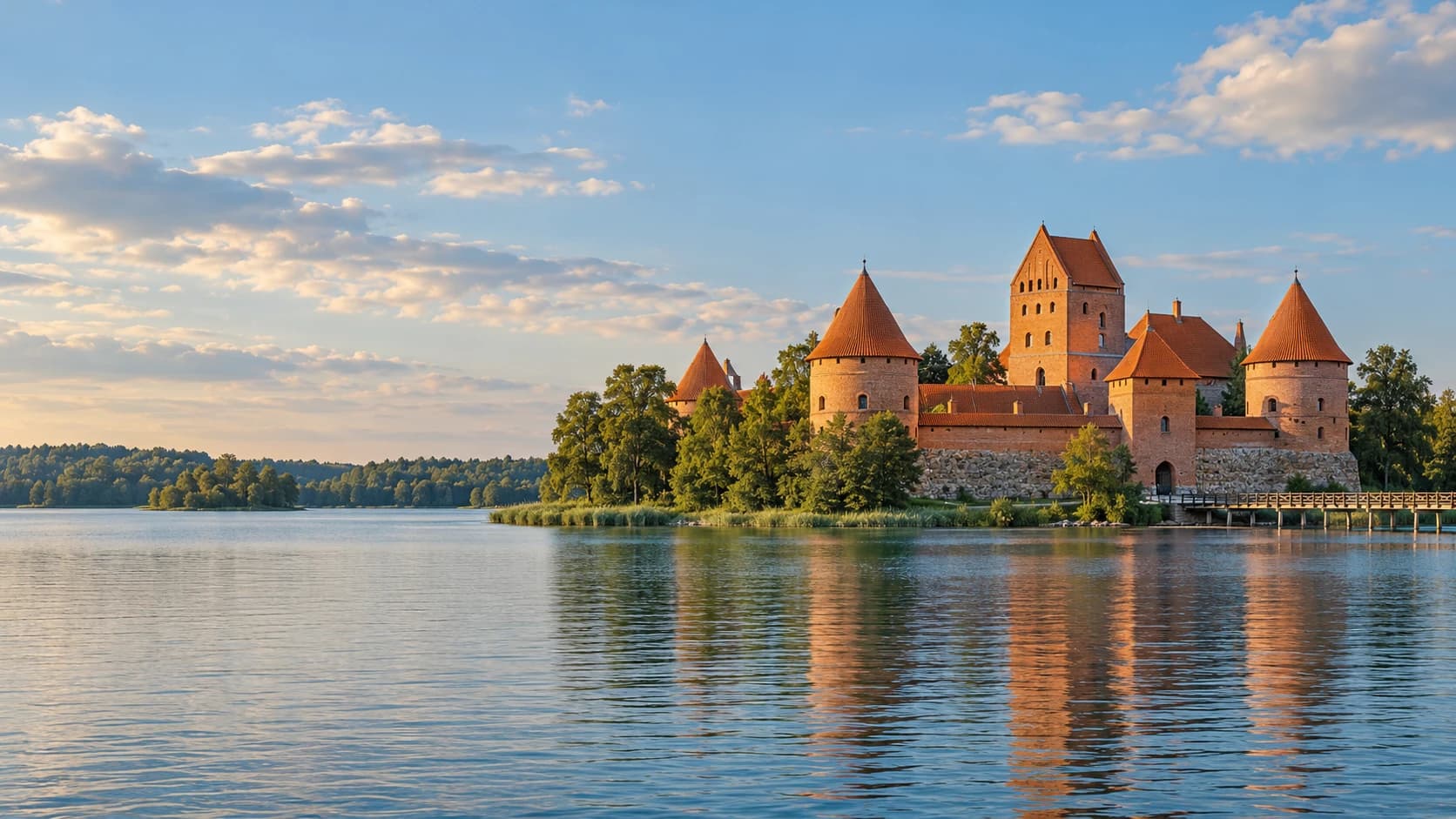
Nearby Trakai pairs its island castle on Lake Galvė with Karaim community heritage and kibinai pastries. Kernavė’s archaeological landscape and hillforts overlook the Neris valley, recalling early settlement and medieval statehood. Kaunas adds a UNESCO-listed ensemble of interwar modernist architecture, an old town and museums connected with art and national history.
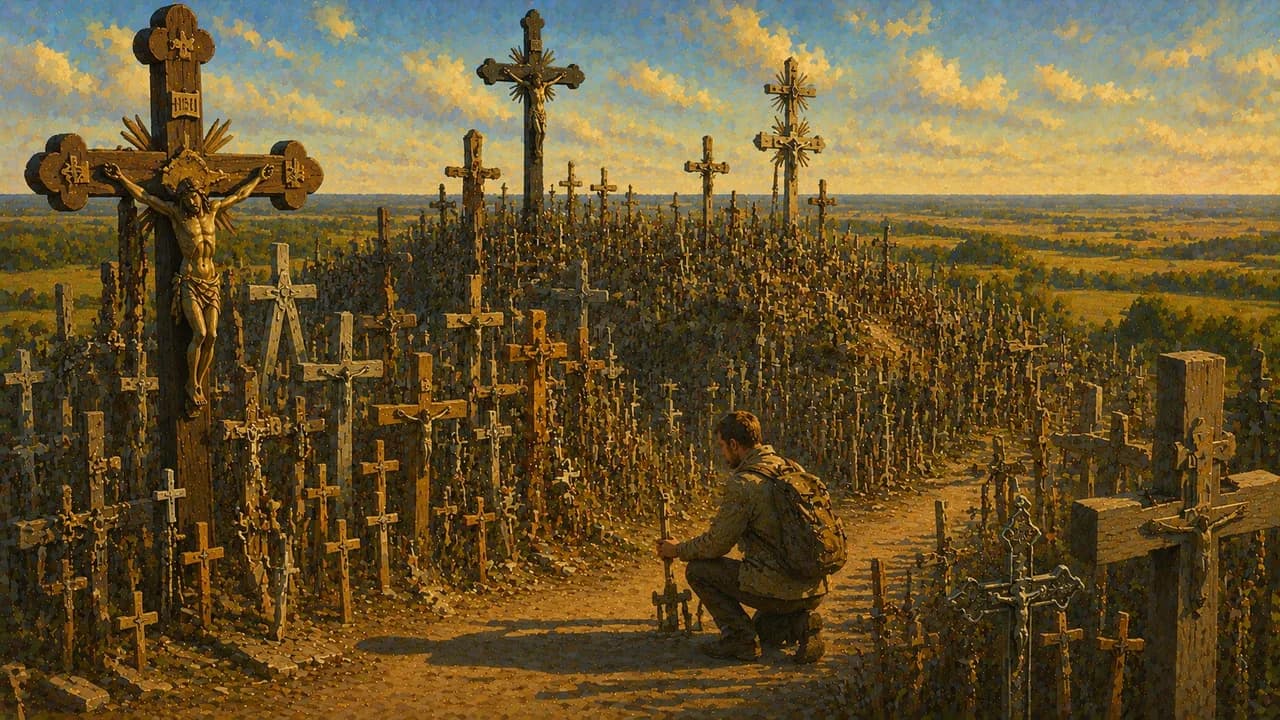
In the north, the Hill of Crosses near Šiauliai is a living place of pilgrimage and remembrance, linked to cross-crafting traditions. Aukštaitija offers lakes, wooded landscapes and villages, while Žemaitija, also known as Samogitia, adds distinctive regional traditions and the lake country around Plateliai.
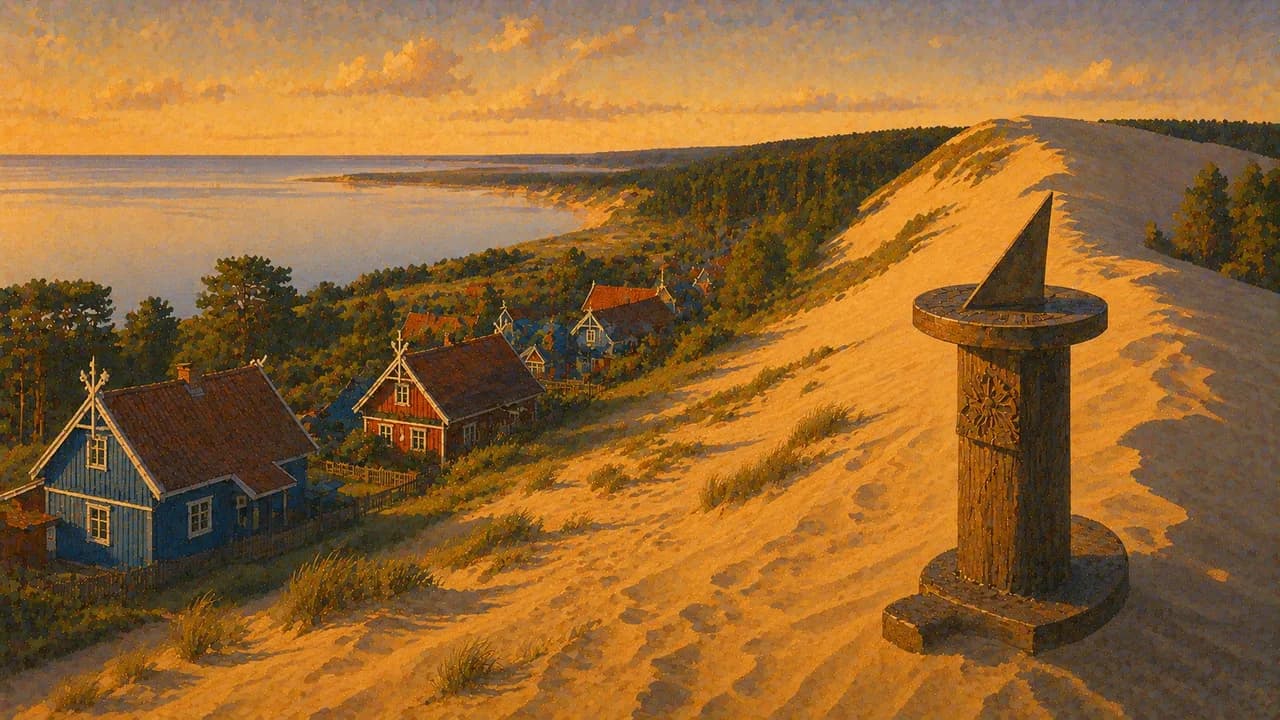
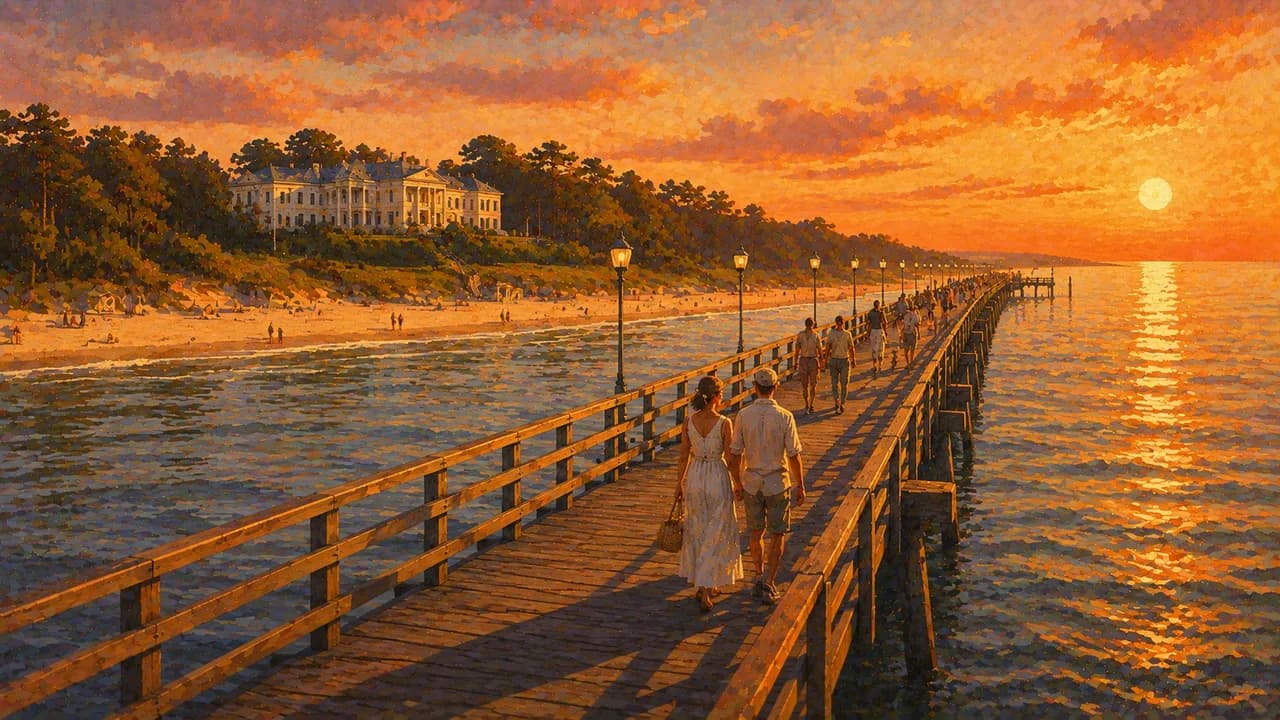
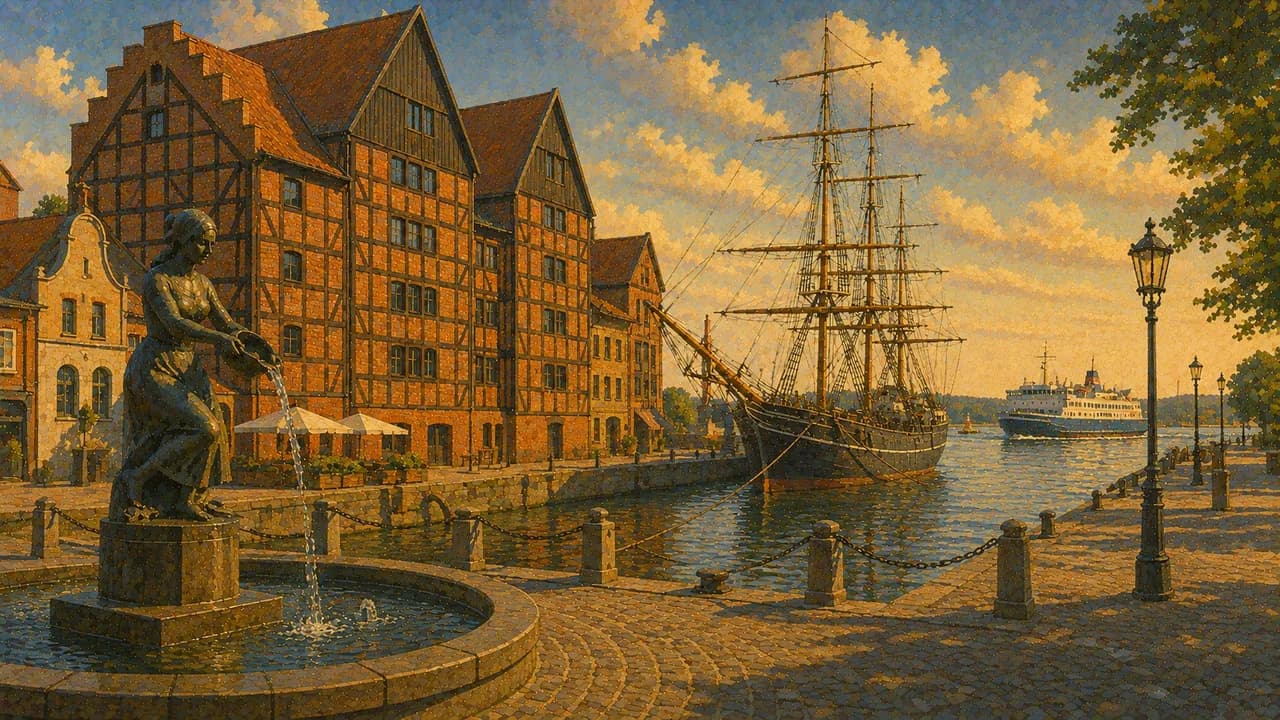
Klaipėda introduces port life, maritime heritage and access to the Lithuanian part of the Curonian Spit. Around Nida, dunes, pine woods, lagoon shores and former fishing settlements form a protected cultural landscape. The Curonian Spit is a transboundary UNESCO cultural landscape in Lithuania and Russia. Palanga combines beaches, a seaside promenade and the Amber Museum in Birutė Park.
In southern Dzūkija, Druskininkai combines spa traditions with forest walks and the Nemunas landscape. Traditional villages and forest foods give the region its character. Suvalkija’s agricultural landscapes and food traditions contrast with Lithuania Minor’s maritime and German-influenced heritage. Lithuanian multipart singing, woodcraft and seasonal festivals connect these regional identities with everyday culture.
Dark rye bread, cepelinai potato dumplings, cold beetroot soup and smoked fish complement contemporary cooking. Summer favours coastal visits and lake activities, while autumn colours and variable winter snow bring different outdoor conditions. Trains and buses link major towns, but rural journeys and coastal ferries need separate planning. Check seasonal services, weather and water conditions, and follow protected-area paths and dune restrictions.
AI edited
- 5
- Ethnographic regions Aukštaitija, Dzūkija, Žemaitija, Suvalkija and Lithuania Minor are five ethnographic regions. They describe cultural identities, distinct from present-day administrative boundaries.
- ≈ 2.89 million
- Population The EU country profile gives 2,890,664 residents using Eurostat’s 2025 figures. The tile rounds this dated figure to about 2.89 million.
- ≈ 65,300 km²
- Area Rounded from the EU country profile’s 2025 geographical figure of 65,284 km². The national total includes inland waters.
- Lithuanian
- Language Lithuanian is the official language and belongs to the Baltic language group. Local place names use diacritics that may appear simplified in searches and booking systems.
- Polish, Russian & others
- Other languages Polish and Russian are established community languages. The 2021 census records both among residents’ mother tongues. English is also spoken, with proficiency varying by age and location.
- Euro (EUR)
- Currency Lithuania uses the euro. Check payment options for small rural businesses, markets and individual activities before setting out.
- C · F
- Socket types Type F sockets accept compatible type C plugs. Mains electricity is 230 V at 50 Hz. Check your device’s voltage rating and adapter requirements.
- Vilnius
- Capital Vilnius is Lithuania’s capital, at the meeting of the Neris and Vilnia rivers. Its local time applies throughout the country.
- Right-hand traffic
- Driving side Traffic drives on the right. Rural routes can include gravel surfaces. Rain, ice and snow affect journeys, so check current conditions and allow extra time.
- UTC+2 / UTC+3
- Time zone Europe/Vilnius uses UTC+2 in winter and UTC+3 during daylight saving time. The clock follows seasonal changes automatically throughout Lithuania.
- 5
- UNESCO cultural sites UNESCO lists historic Vilnius, Kernavė, modernist Kaunas, the Curonian Spit and the transnational Struve Geodetic Arc. Cross-crafting belongs to the separate intangible heritage list.
Lithuania on the map

Map data: geoBoundaries (CC BY 4.0), © OpenStreetMap contributors (ODbL), Natural Earth
Climate and best time to travel
Lithuania has four distinct seasons, with maritime conditions on the coast and colder winters inland. Long summer days favour beaches, lakes and countryside visits. Spring and autumn offer bird migration and changing forest colours, while cities and spas welcome visitors year-round. Check opening hours, trail conditions and ferry schedules. Stay on marked dune paths and respect nesting restrictions. Rural transport connections need separate planning.