Finland
Suomi
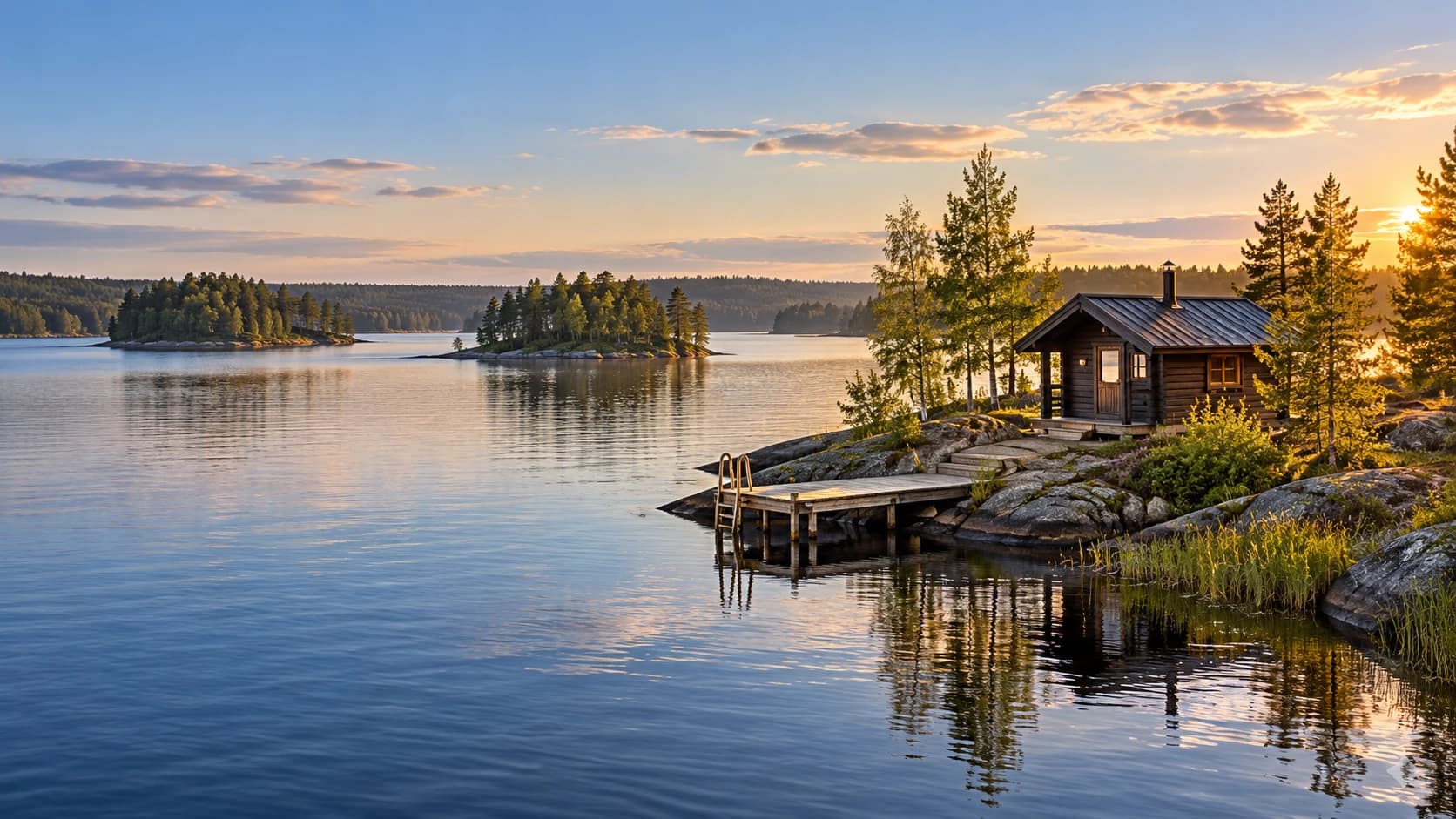
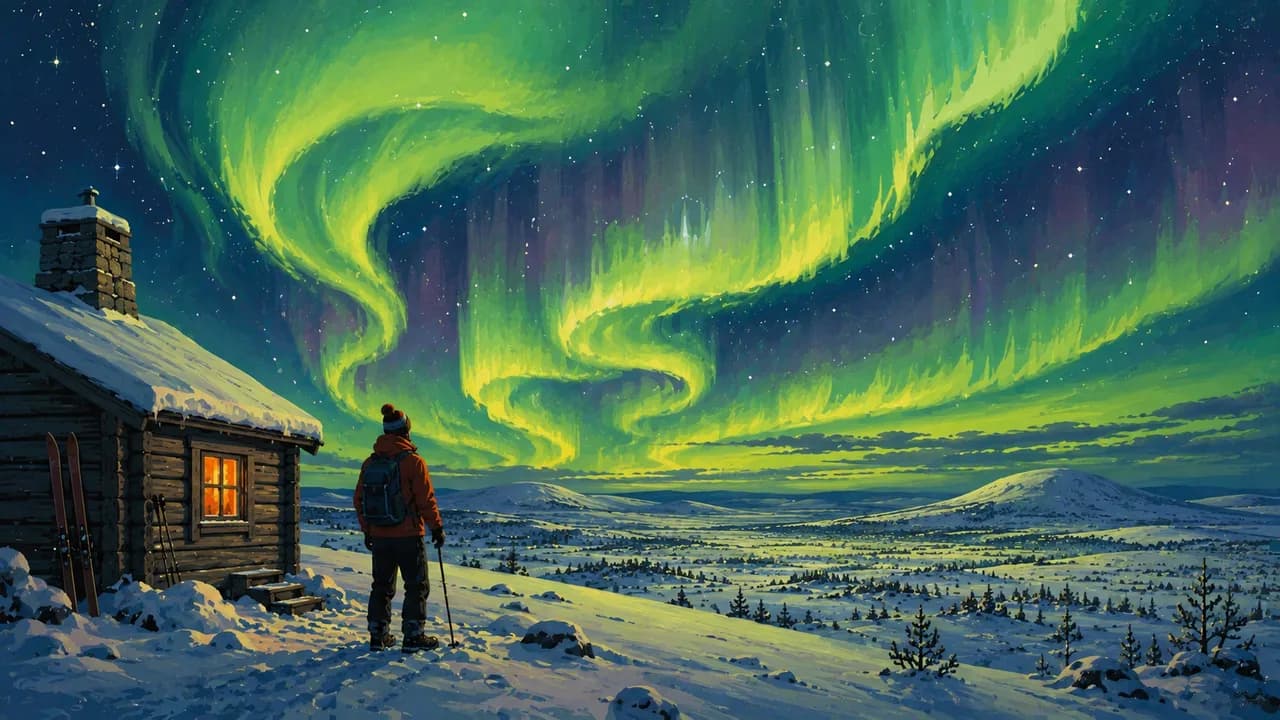
Lakes and forests, Baltic islands and northern light shape Finland’s quiet contrasts.
Worth coming back!
Wanderlama keeps growing with new destinations, helpful information and exciting features. Check back soon and discover what is new!
Travel to Finland
Finland stretches from the Baltic coast through forests and thousands of lakes to the fells of Lapland. Finnish and Swedish language communities shape its cultural landscape, while the Sámi have their own Indigenous languages and traditions in the north. Sauna, design and time outdoors connect city life with rural and island communities.
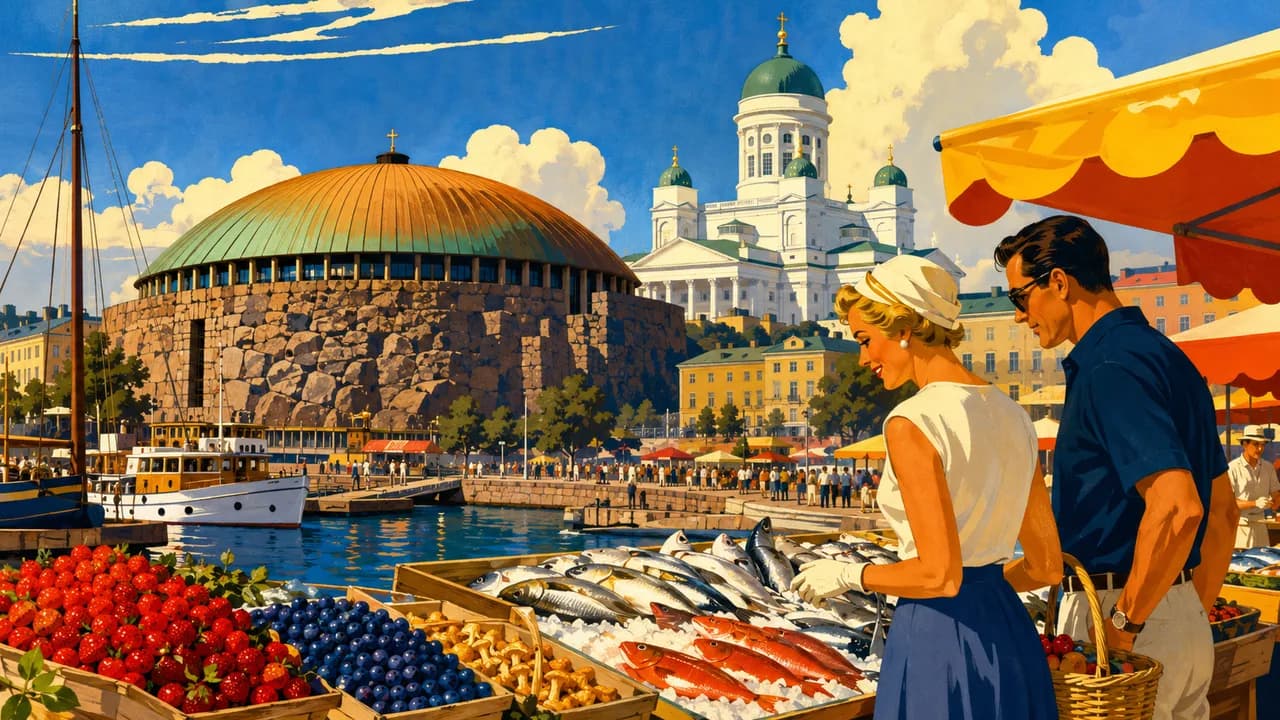
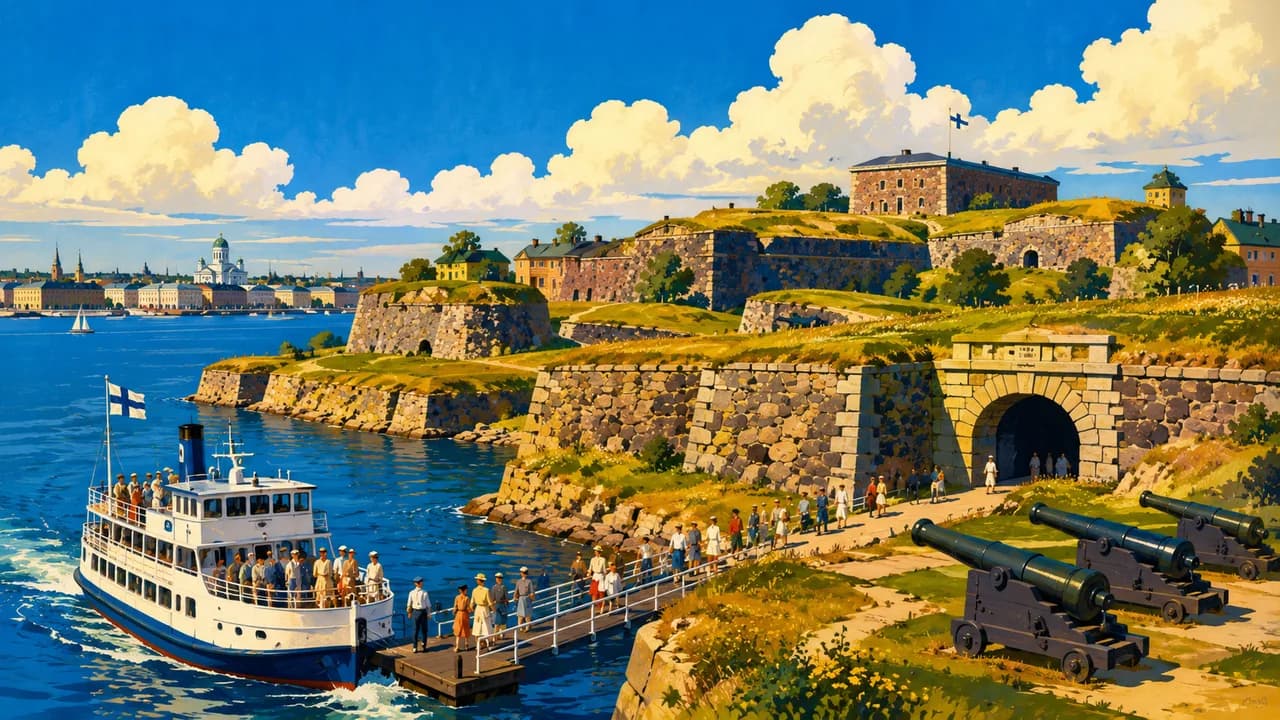
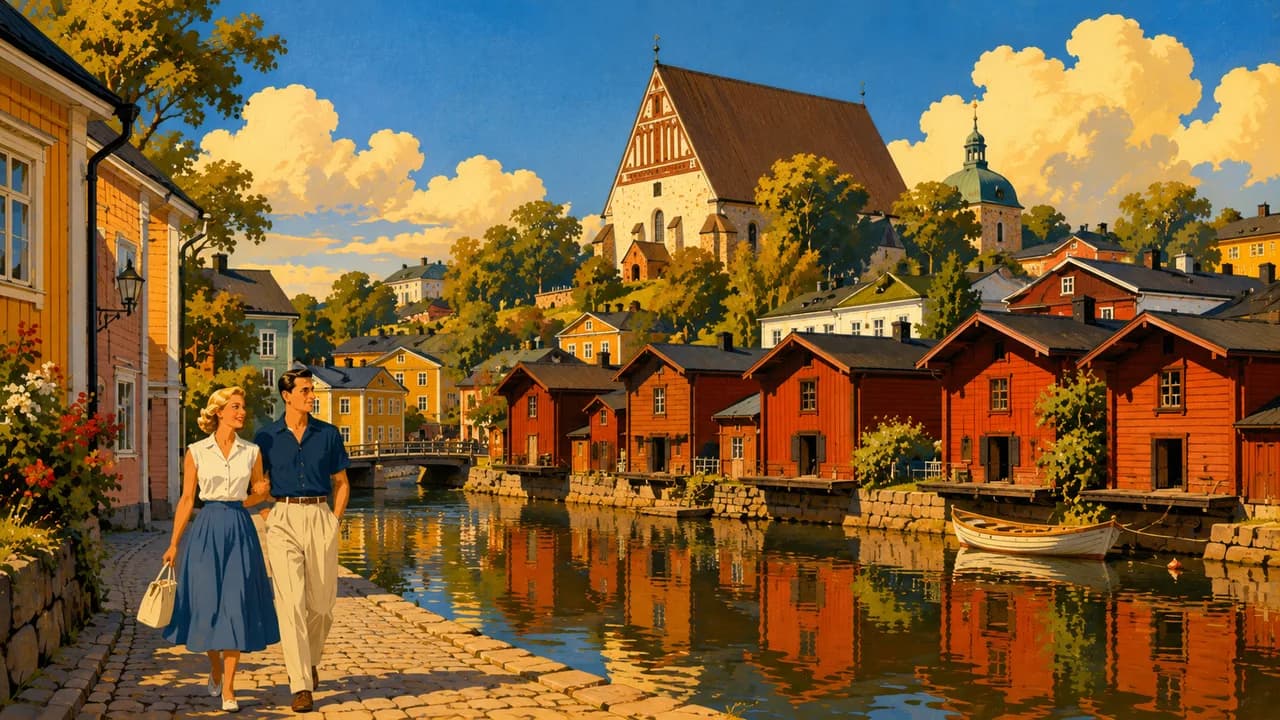
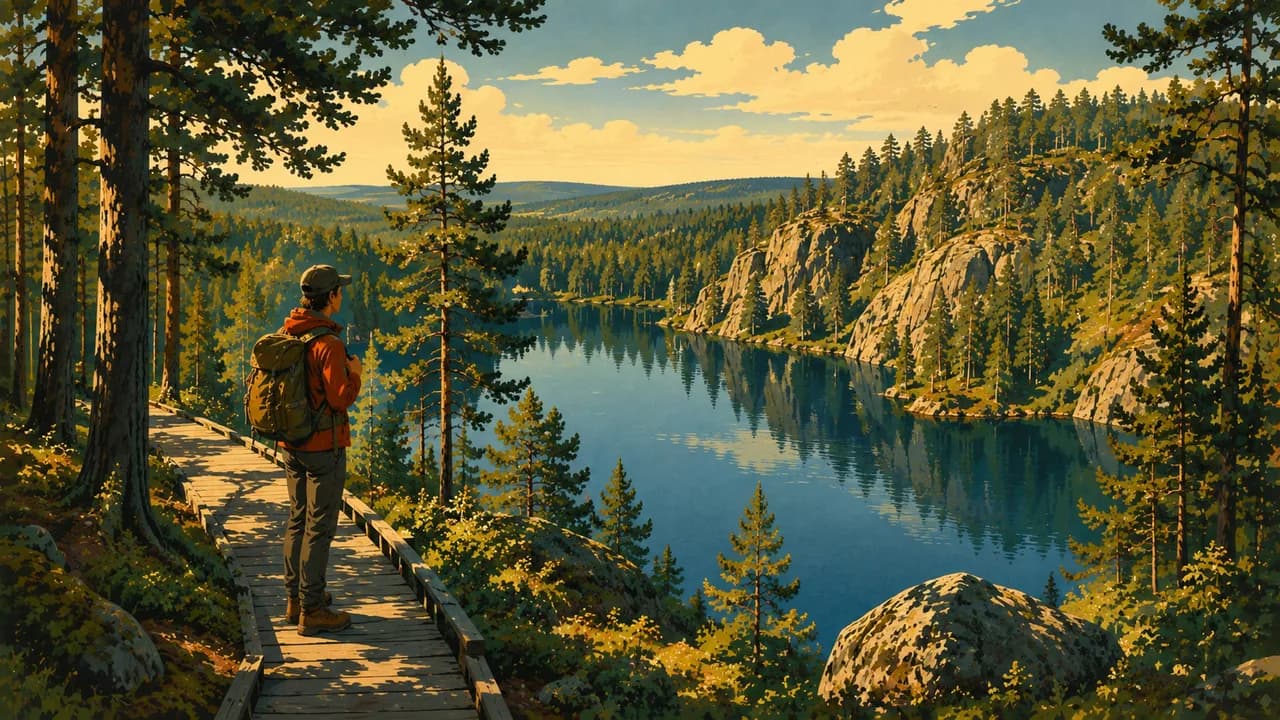
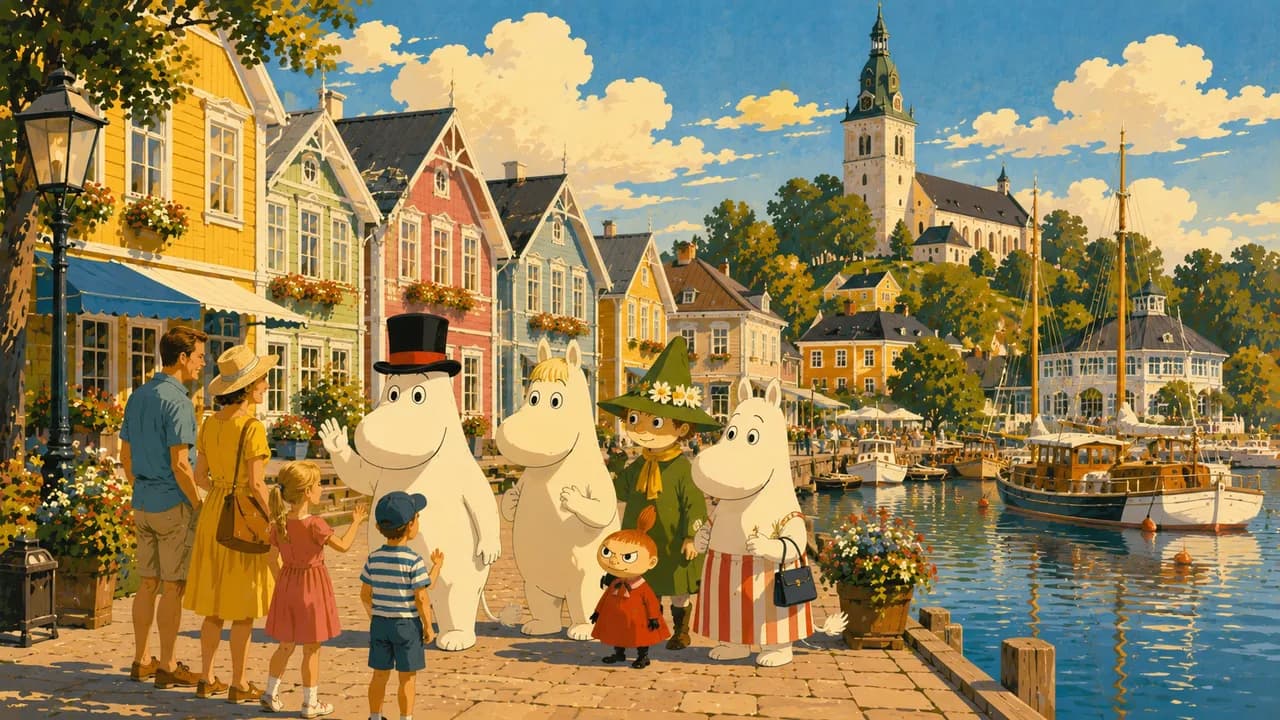
Helsinki combines architecture, museums and waterfront markets with the island fortress of Suomenlinna, a UNESCO World Heritage Site. Porvoo adds wooden streets and riverside warehouses, while Nuuksio National Park offers forest paths and small lakes near the capital. Turku introduces medieval castle and cathedral heritage, and nearby Naantali combines a wooden old town with archipelago scenery.
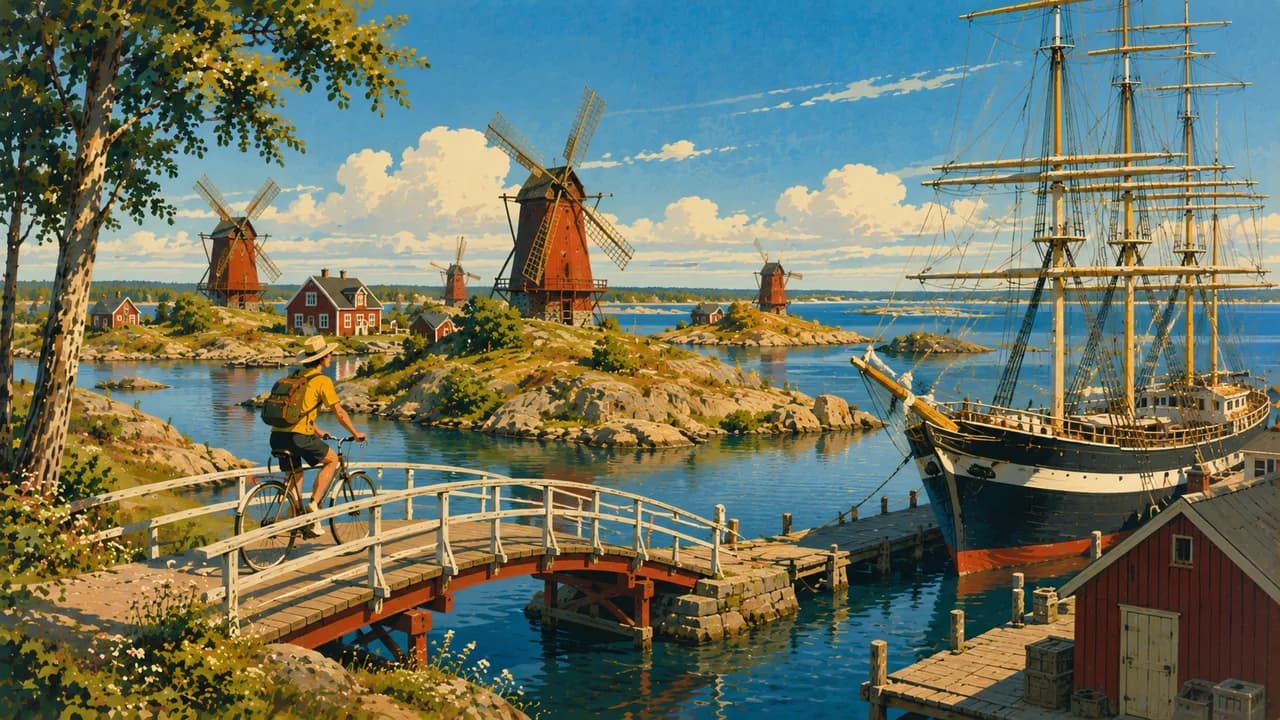
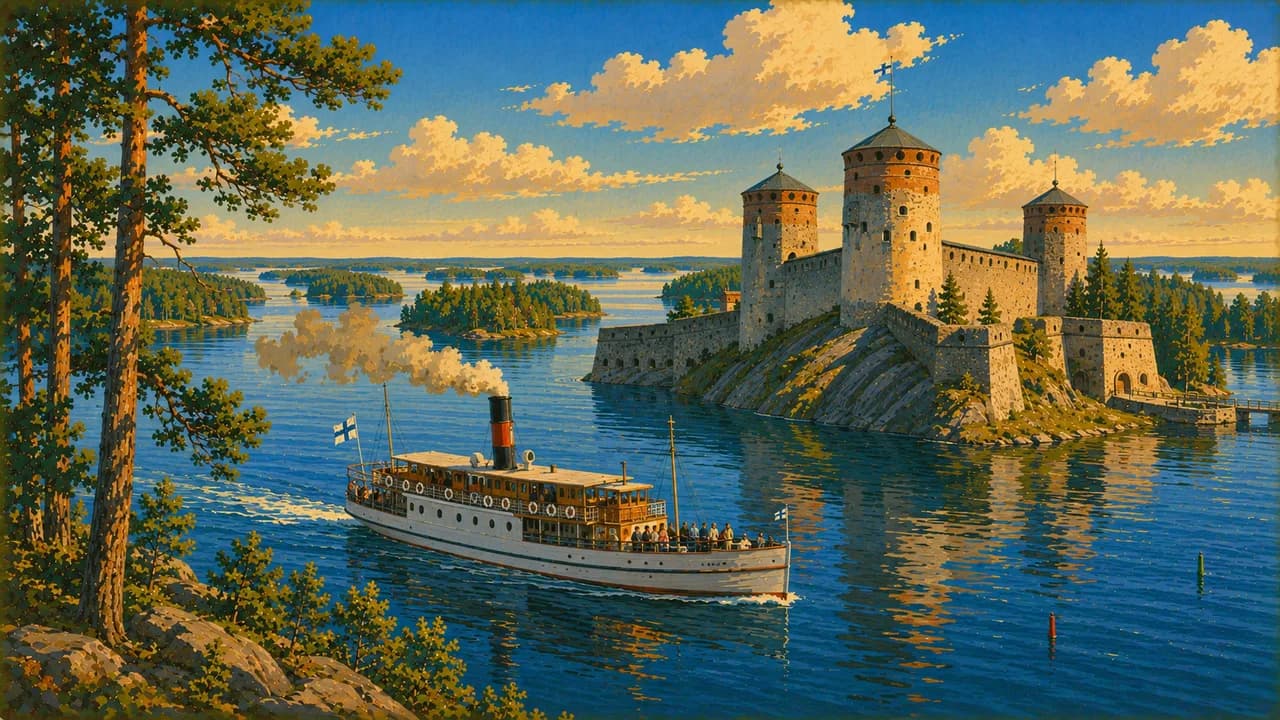
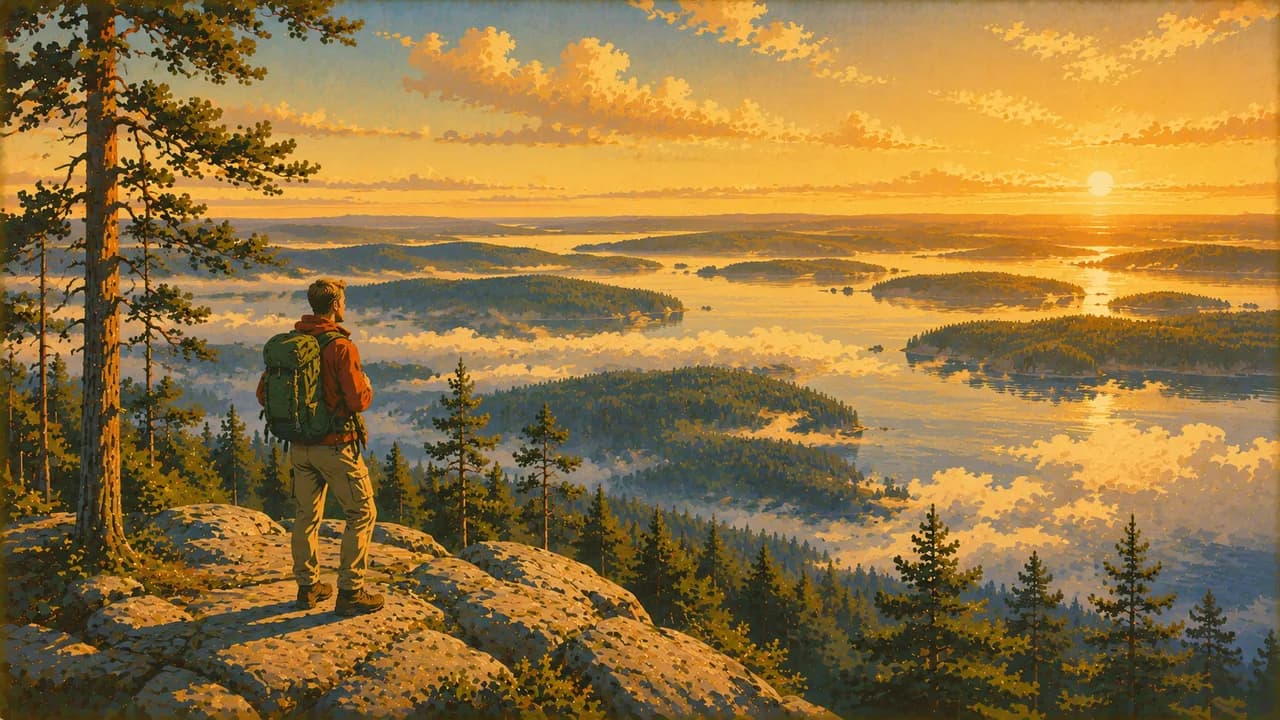
The southwestern islands offer cycling, maritime villages and ferry journeys. Åland is an autonomous, Swedish-speaking region of Finland with its own island identity and seafaring heritage. Inland, Tampere combines industrial history, museums and public saunas between lakes. Around Savonlinna, Olavinlinna Castle and Lake Saimaa connect cultural visits with boating and cottage life. Koli National Park adds wooded hills and views across Lake Pielinen.
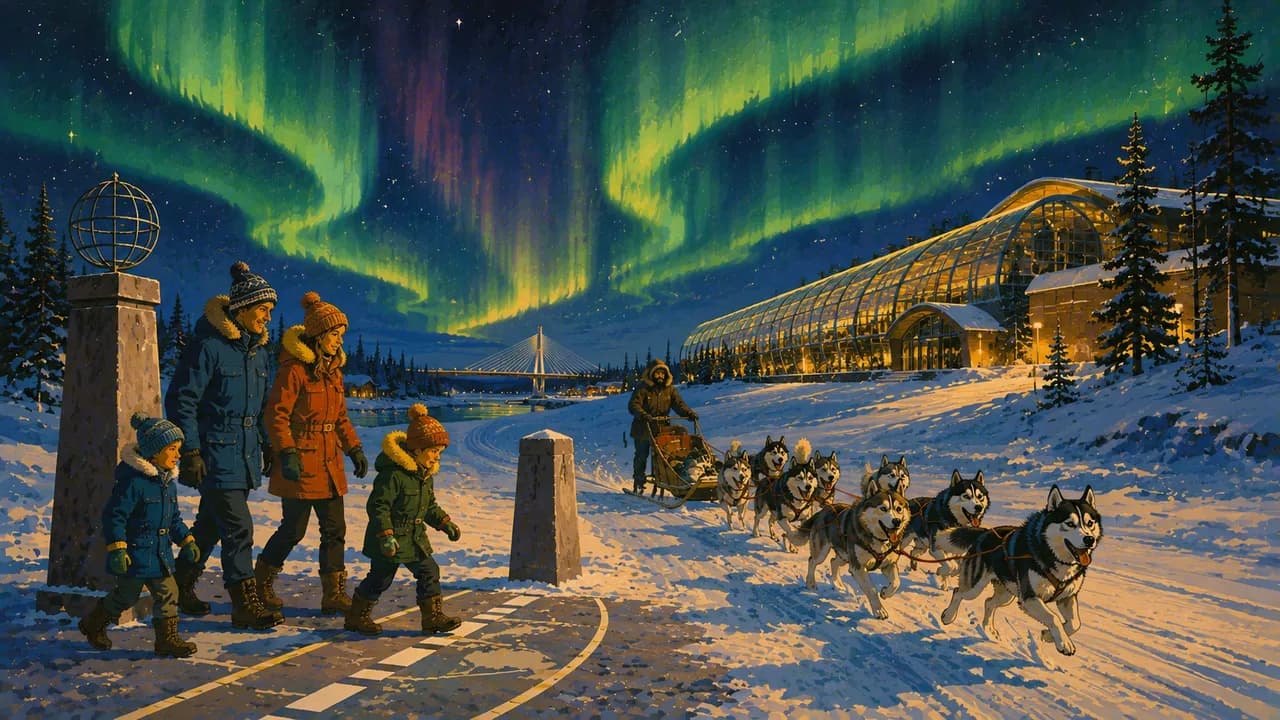
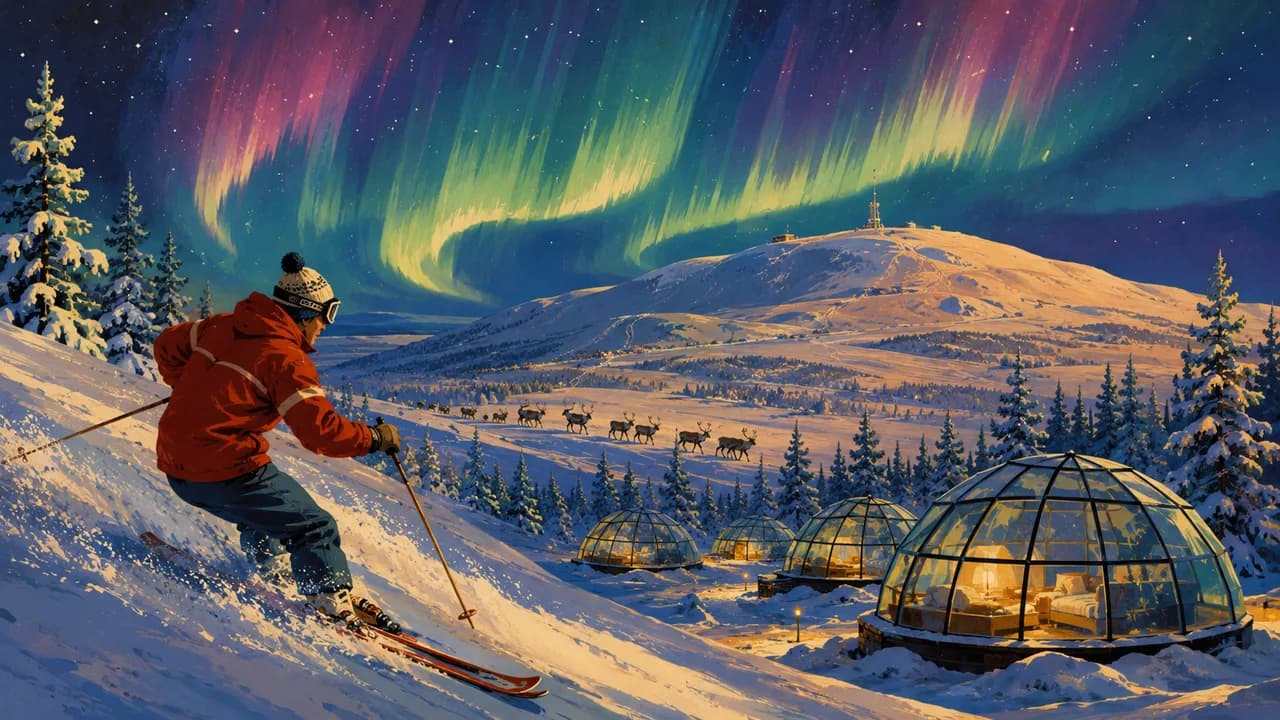
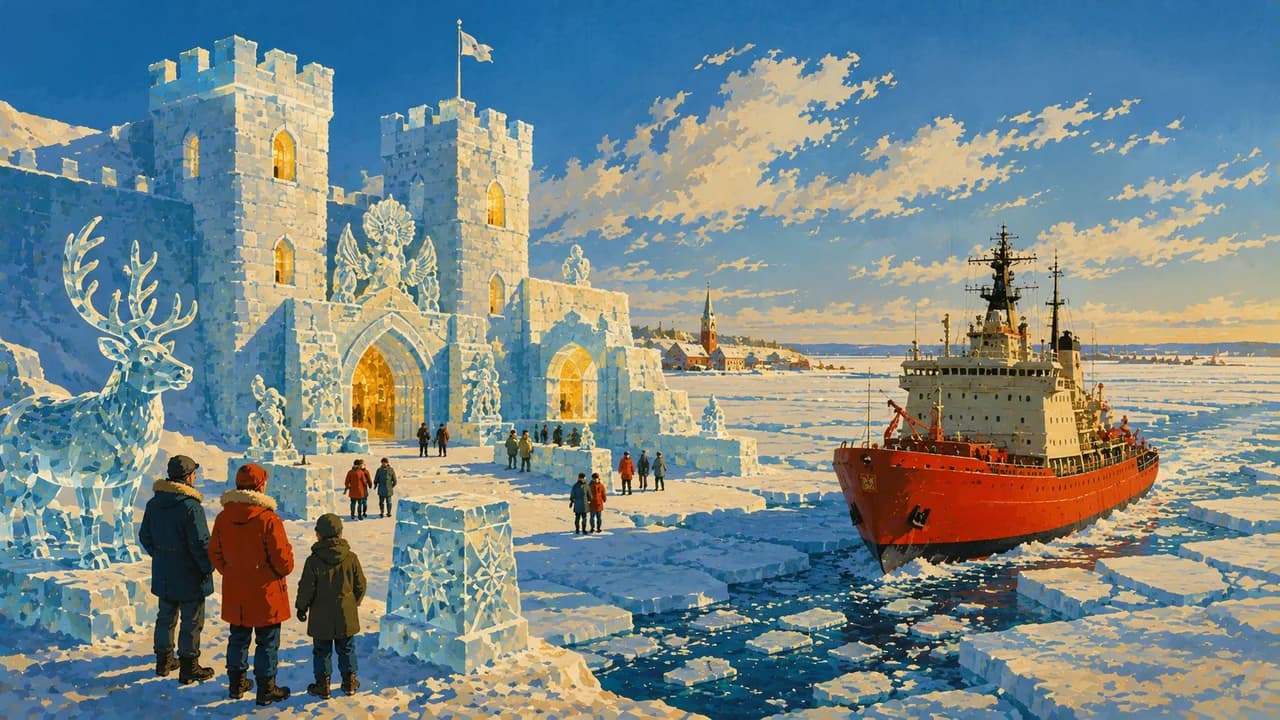
Oulu brings northern coastal culture, cycling and seaside recreation. Kemi adds maritime heritage and seasonal icebreaker excursions, subject to ice and operating conditions. Rovaniemi introduces Arctic museums and Christmas-themed attractions, while Levi and Saariselkä offer fell landscapes, hiking, winter sports and guided husky and reindeer excursions. In Inari, Siida presents Sámi culture and northern nature, complemented by experiences offered by Sámi communities.
Rye bread, Karelian pastries, fish, berries and mushrooms reflect regional food traditions alongside contemporary cooking. Summer brings long days, with midnight sun in the far north. Autumn colours, snowy winters and spring thaw create different travel conditions. Northern lights require darkness and suitable skies and are never guaranteed.
Rail links many cities, but rural journeys and island ferries need separate planning. Outdoor access rights come with responsibilities, and protected areas have specific rules. Check weather, ice conditions, seasonal services and fire restrictions. Respect local communities, reindeer herding and the guidance of Sámi hosts.
AI edited
- 19
- Regions Finland has 19 regions, including autonomous Åland. Regions are distinct from municipalities and the separate organisation of health and social services.
- ≈ 5.66 million
- Population Statistics Finland reports a preliminary population of 5,662,086 at the end of September 2026, published on 22 October 2026.
- ≈ 338,000 km²
- Area Rounded from the EU’s 338,363 km² figure. This includes land and inland waters, rather than Finland’s marine territory.
- Finnish & Swedish
- Languages Finnish and Swedish are Finland’s national languages. Swedish is especially visible along parts of the coast and in autonomous Åland.
- Sámi & others
- Other languages Inari, Northern and Skolt Sámi have protected regional rights. Other community languages include Russian and Estonian. English is widely used in tourism, with local variation.
- Euro (EUR)
- Currency Finland uses the euro, including Åland. Cards are widely accepted, but check payment options at small or remote businesses.
- C · F
- Socket types Type F sockets accept compatible type C plugs. Mains electricity is 230 V at 50 Hz. Check your device’s voltage rating and adapter requirements.
- Helsinki
- Capital Helsinki is Finland’s capital on the southern Baltic coast. Its local time applies throughout the country, including Åland.
- Right-hand traffic
- Driving side Traffic drives on the right. Winter conditions and wildlife require extra care. Check current road conditions and seasonal tyre requirements before driving.
- UTC+2 / UTC+3
- Time zone Europe/Helsinki uses UTC+2 in winter and UTC+3 during daylight saving time. The clock follows seasonal changes automatically across Finland, including Åland.
- 7
- UNESCO cultural sites UNESCO lists seven cultural properties, including Aalto Works added in 2026, and one natural property, the shared High Coast and Kvarken Archipelago. Sauna traditions belong to the separate intangible heritage list.
Finland on the map

Map data: geoBoundaries (CC BY 4.0), © OpenStreetMap contributors (ODbL), Natural Earth
Climate and best time to travel
Finland’s seasons differ greatly between the southern coast and Lapland. Summer brings long daylight hours, while northern autumn colours usually peak in September. Snow cover and safe ice vary with weather and latitude. Northern lights need darkness and clear skies and are never guaranteed. Check ferries, opening hours, trail conditions and protected-area rules. Approach Sámi culture through locally led visits and follow hosts’ guidance.
Destinations in Finland
 AI generated
 AI generated
 AI generated
 AI generated
 AI generated
 AI generated
 AI generated
 AI generated
 AI generated
 AI generated
 AI generated
 AI generated