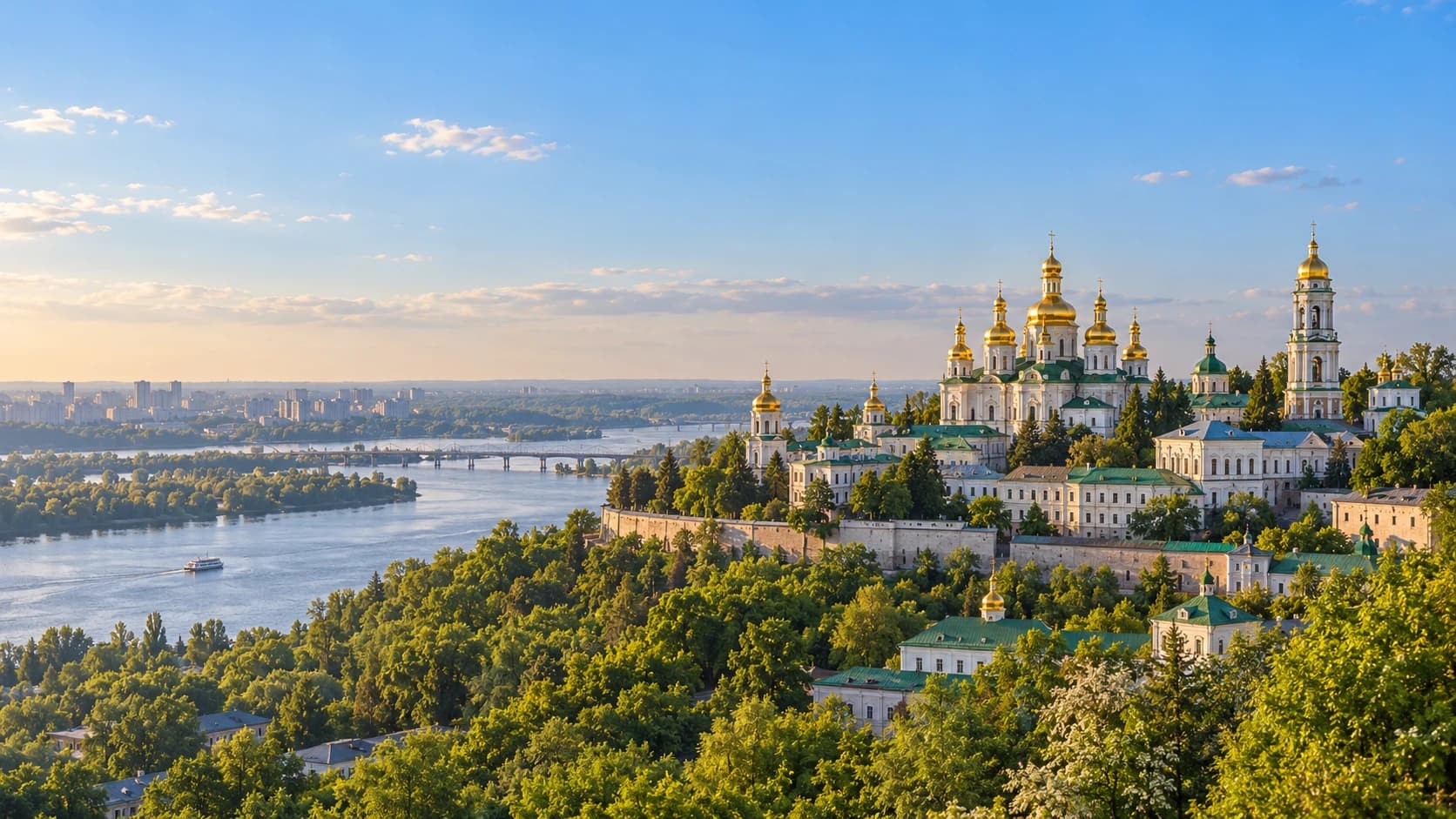
Ukraine
Україна
Golden domes, Carpathian forests and living traditions shape a rich and diverse cultural landscape.
Worth coming back!
Wanderlama keeps growing with new destinations, helpful information and exciting features. Check back soon and discover what is new!
Travel to Ukraine
Ukraine is the largest country entirely within Europe, with fertile plains, river valleys, the Carpathian Mountains and Black Sea shores. Russia’s full-scale invasion has profoundly affected people, infrastructure and cultural heritage. Germany’s Federal Foreign Office currently warns against travel throughout the country, including western regions.
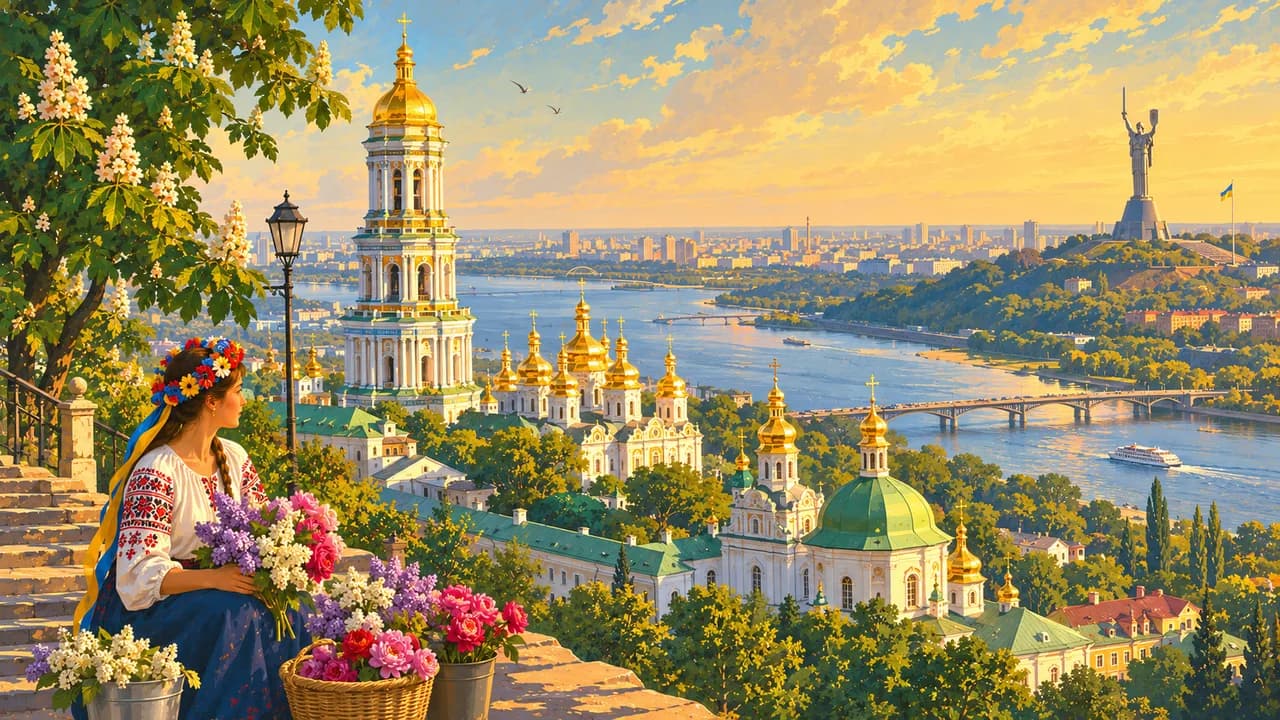
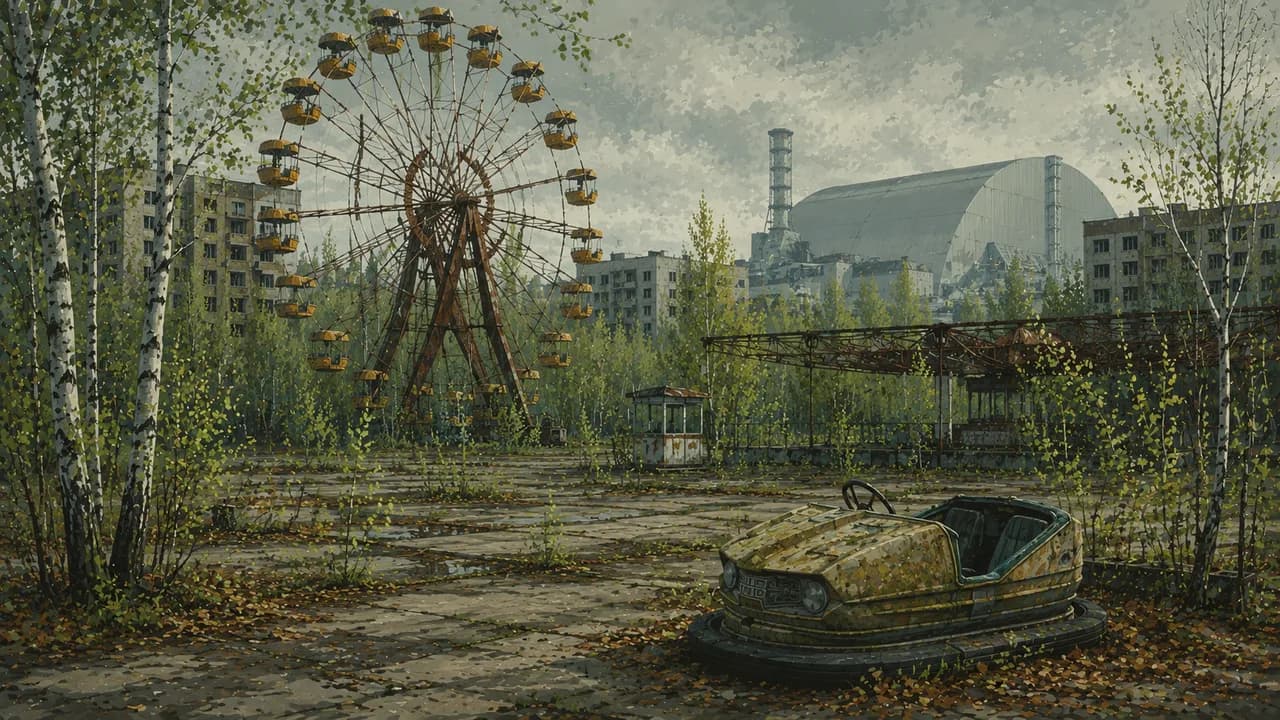
Kyiv combines Saint Sophia Cathedral, the Kyiv-Pechersk Lavra and green hills above the Dnipro with museums and contemporary culture. Chernihiv has important medieval churches. Chornobyl represents the history and consequences of the 1986 nuclear disaster. Ordinary tourist visits to its exclusion zone remain suspended, rather than forming a currently available excursion.
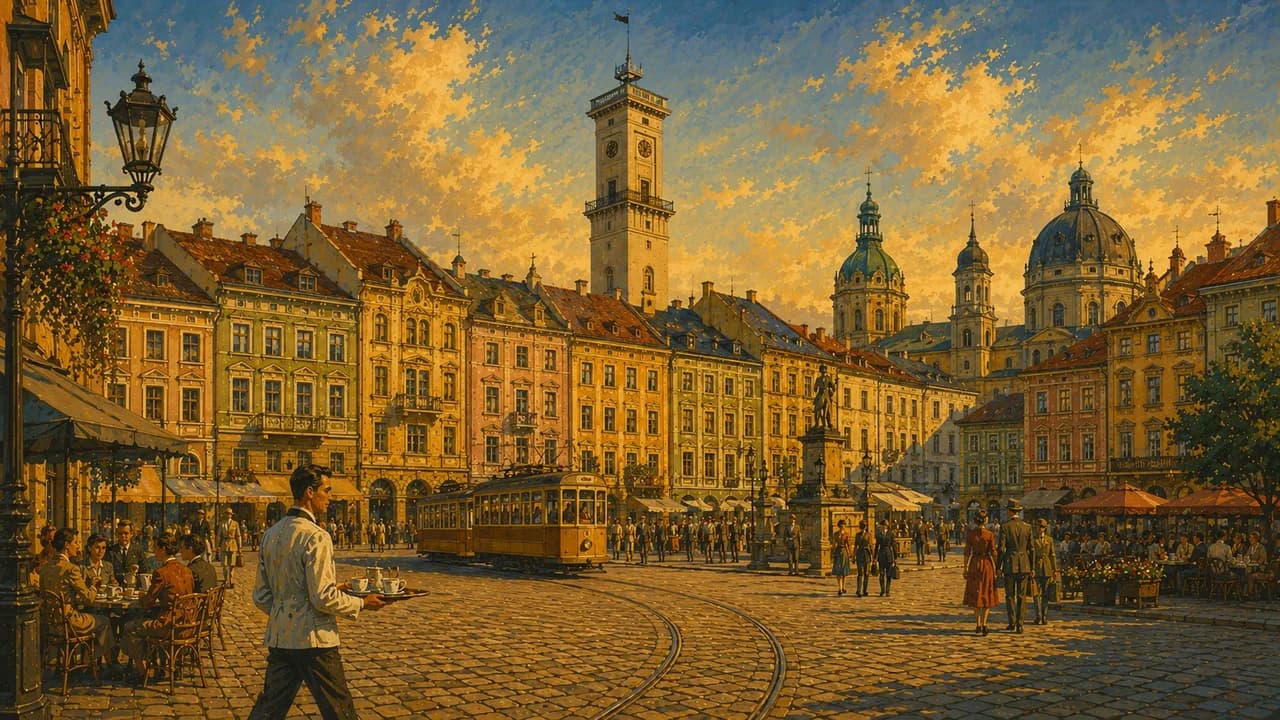
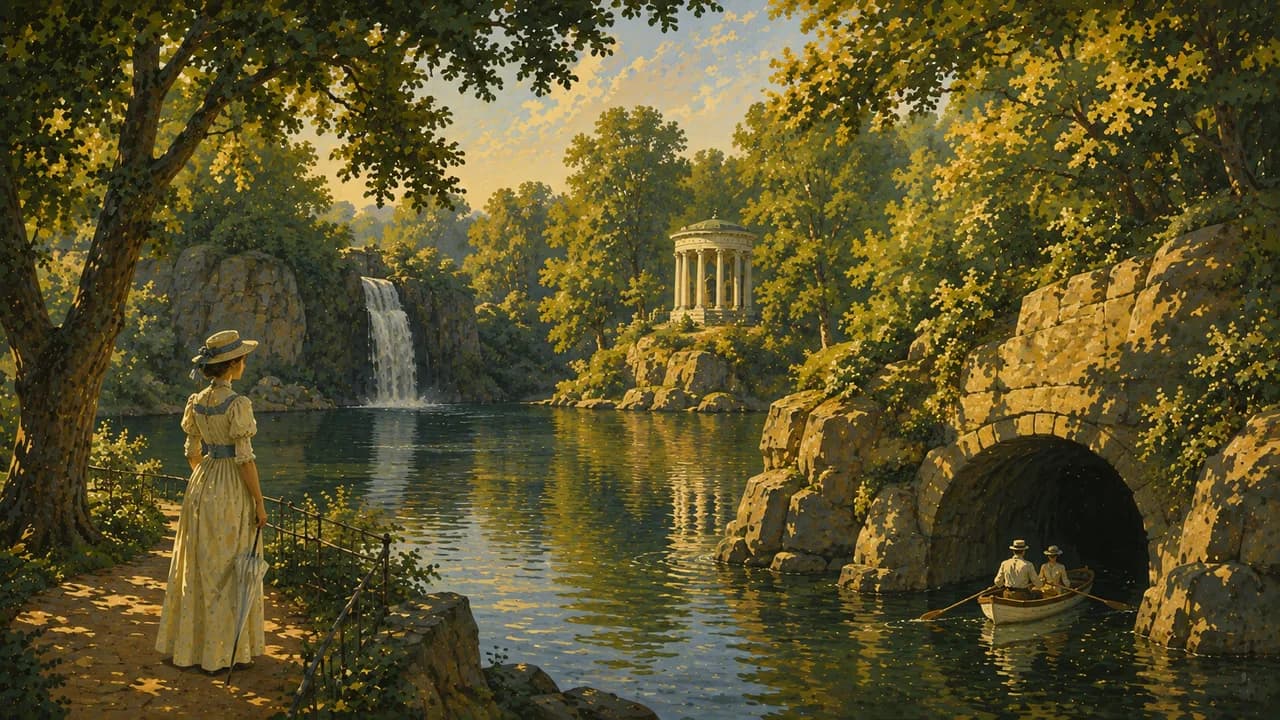
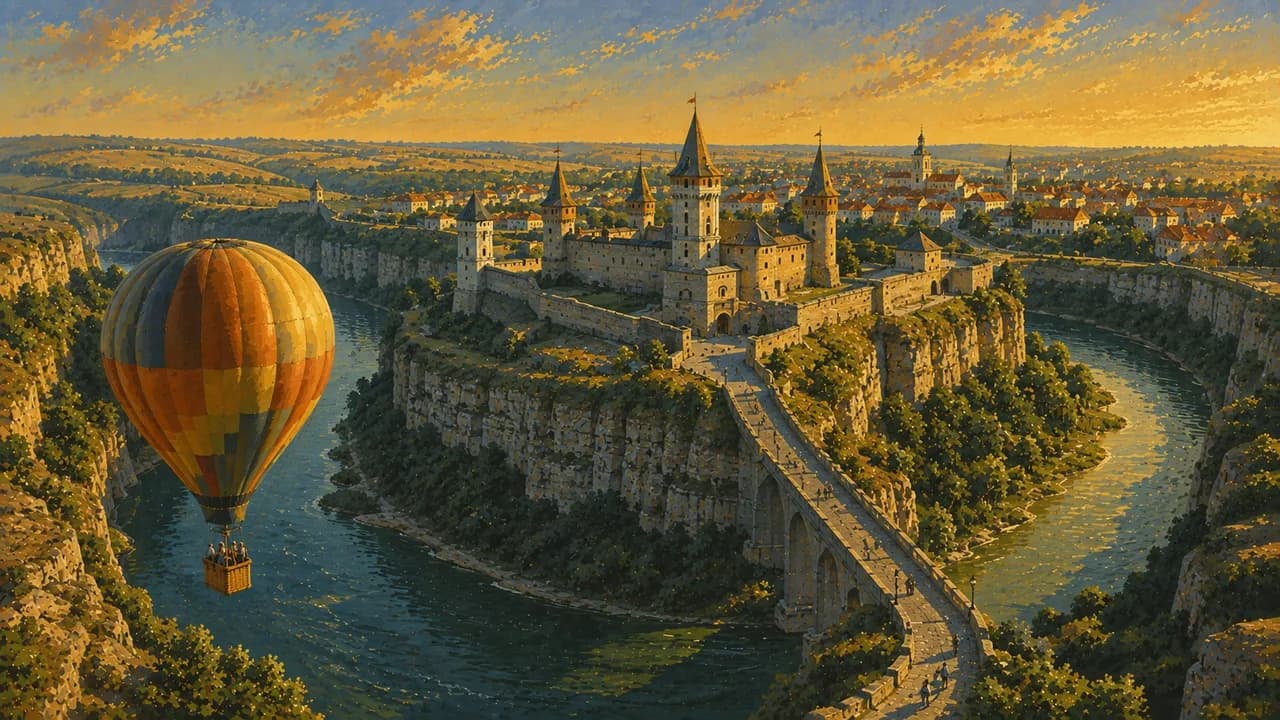
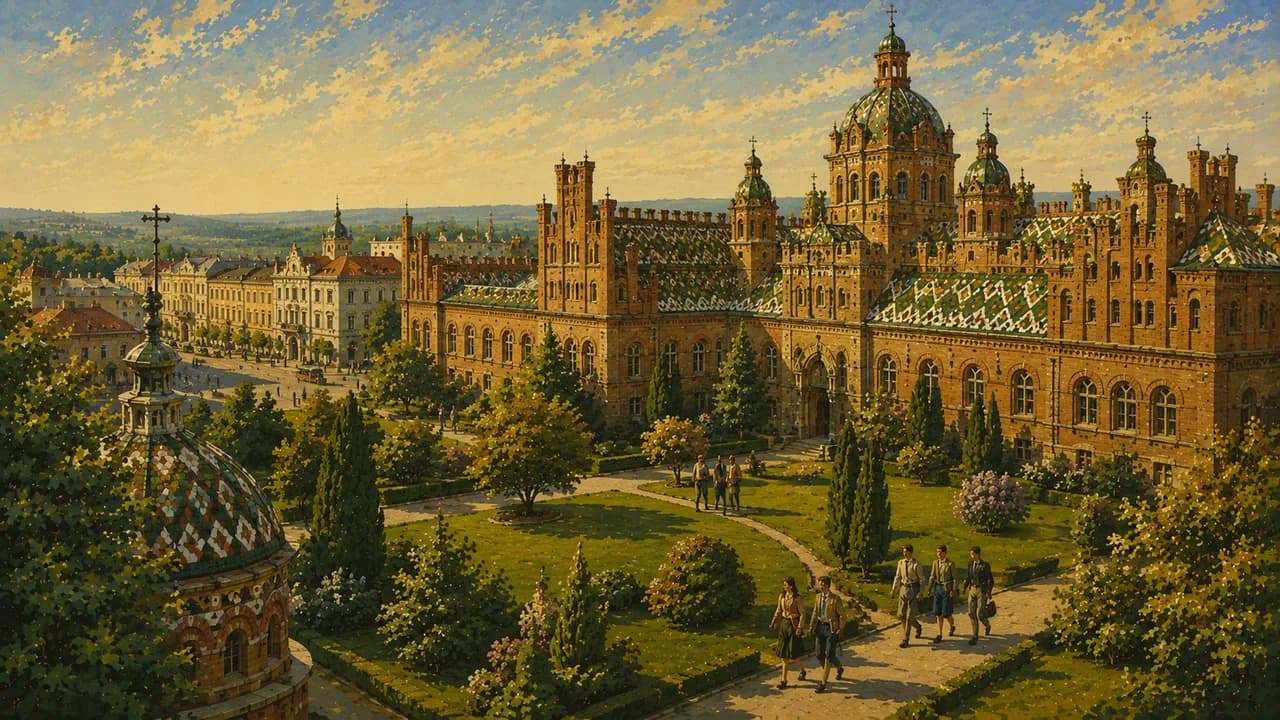
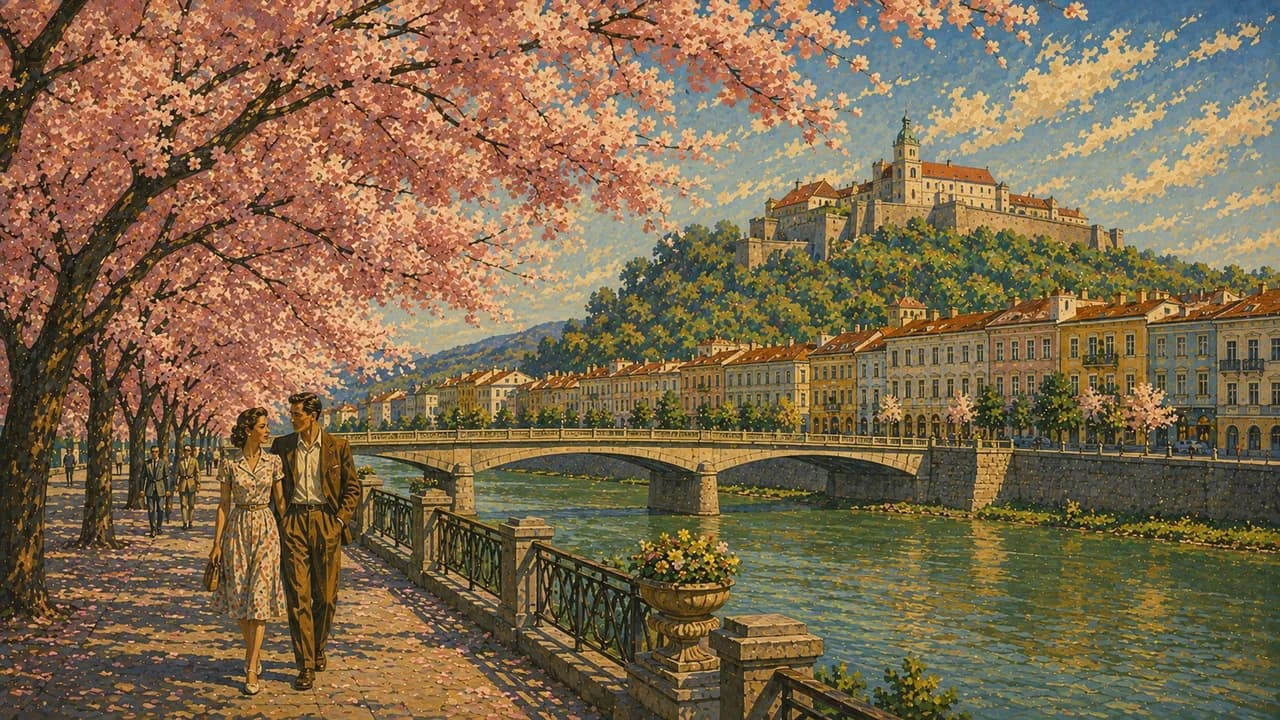
Lviv’s historic centre reflects Ukrainian, Polish, Armenian and Jewish histories. Chernivtsi adds Bukovinian heritage and the former metropolitan residence, now a university complex. Kamianets-Podilskyi has a fortress beside the Smotrych canyon. Uman is associated with Sofiyivka Park and Jewish pilgrimage, while Vinnytsia contributes riverfront and urban heritage.
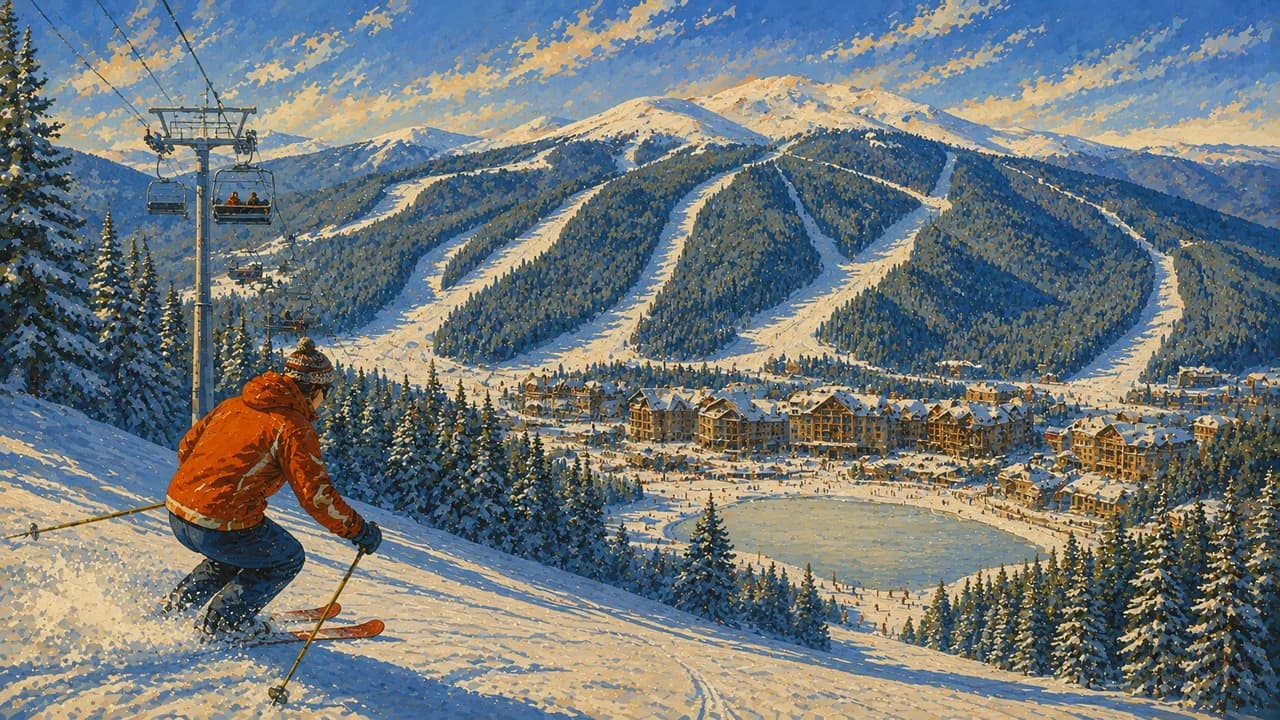
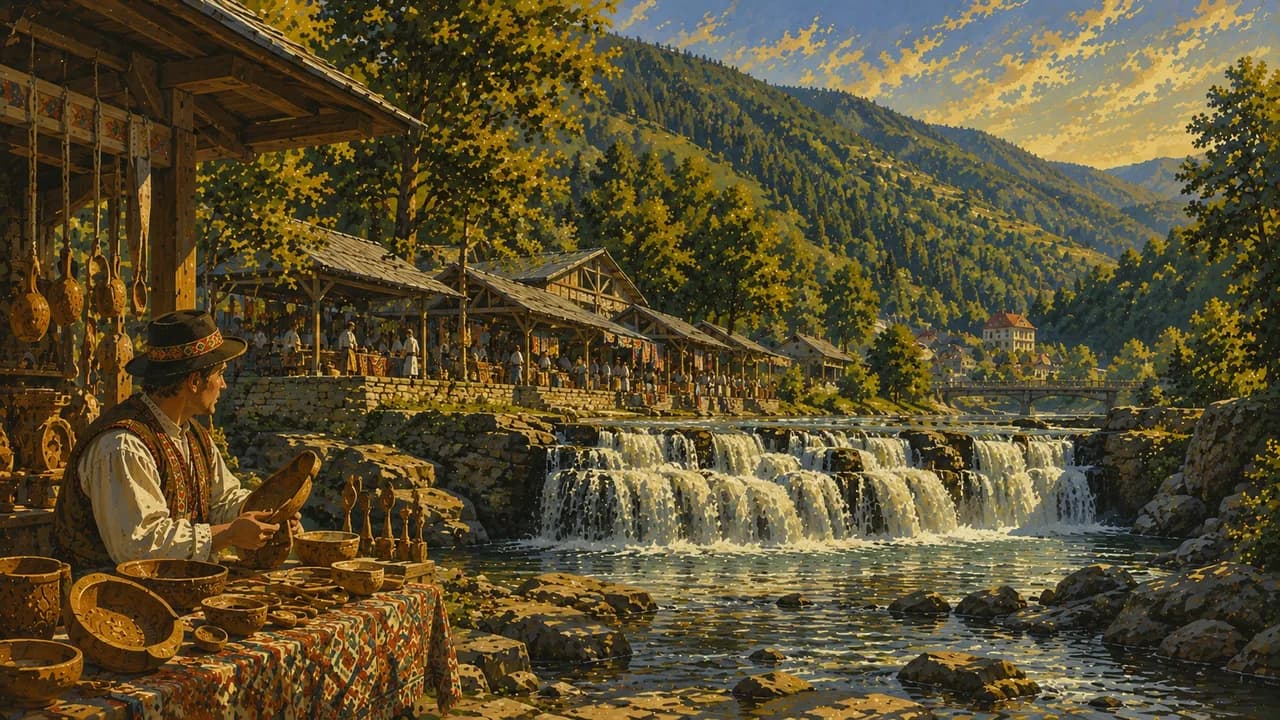
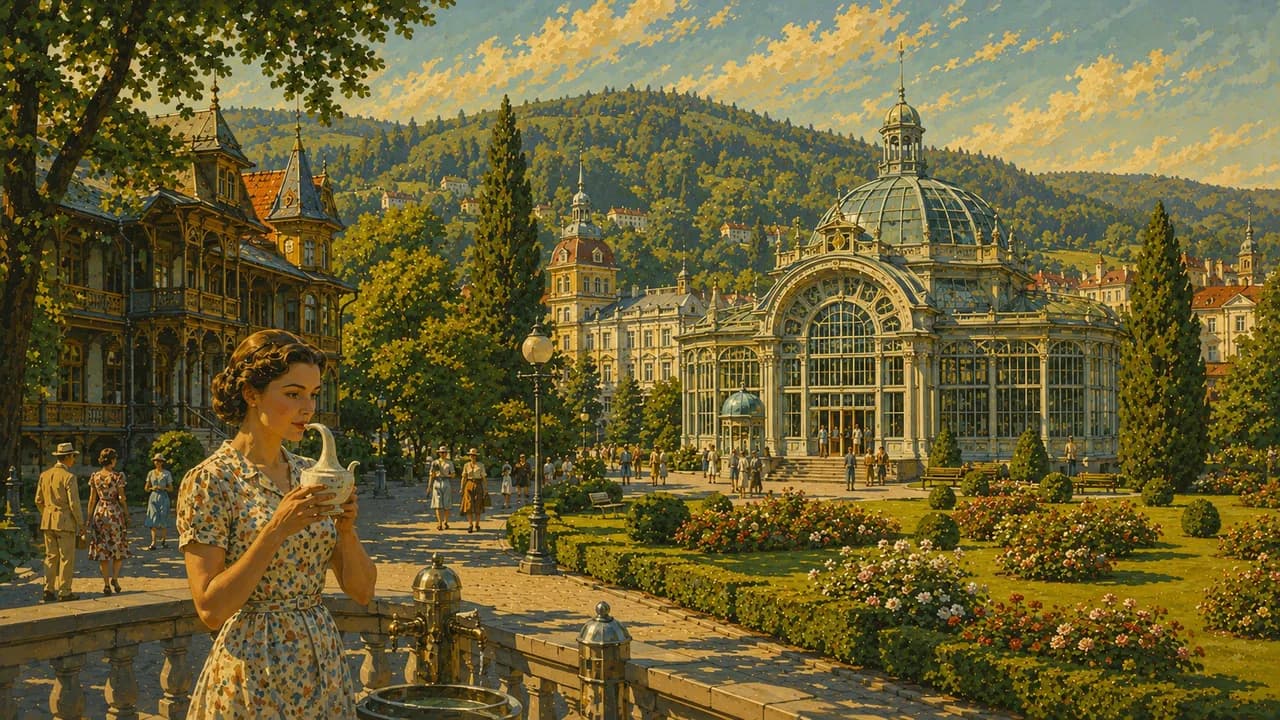
Ivano-Frankivsk introduces the Carpathian foothills, and Kolomyia preserves Hutsul and decorated-egg traditions. Yaremche and Bukovel represent mountain landscapes and established outdoor and winter-sports infrastructure. Truskavets has a mineral-water spa tradition. Beyond the mountains, Mukachevo and Uzhhorod reveal castles and the multilingual history of Transcarpathia. Seasonal conditions and wartime restrictions affect access.
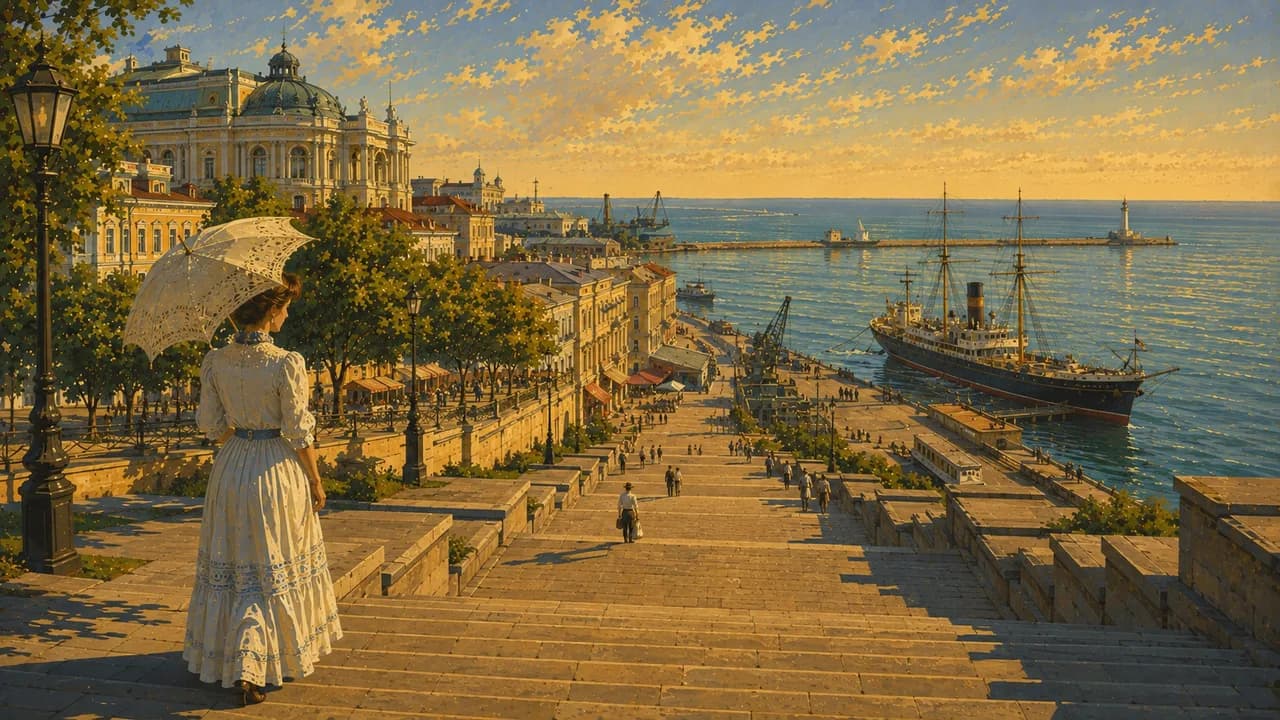
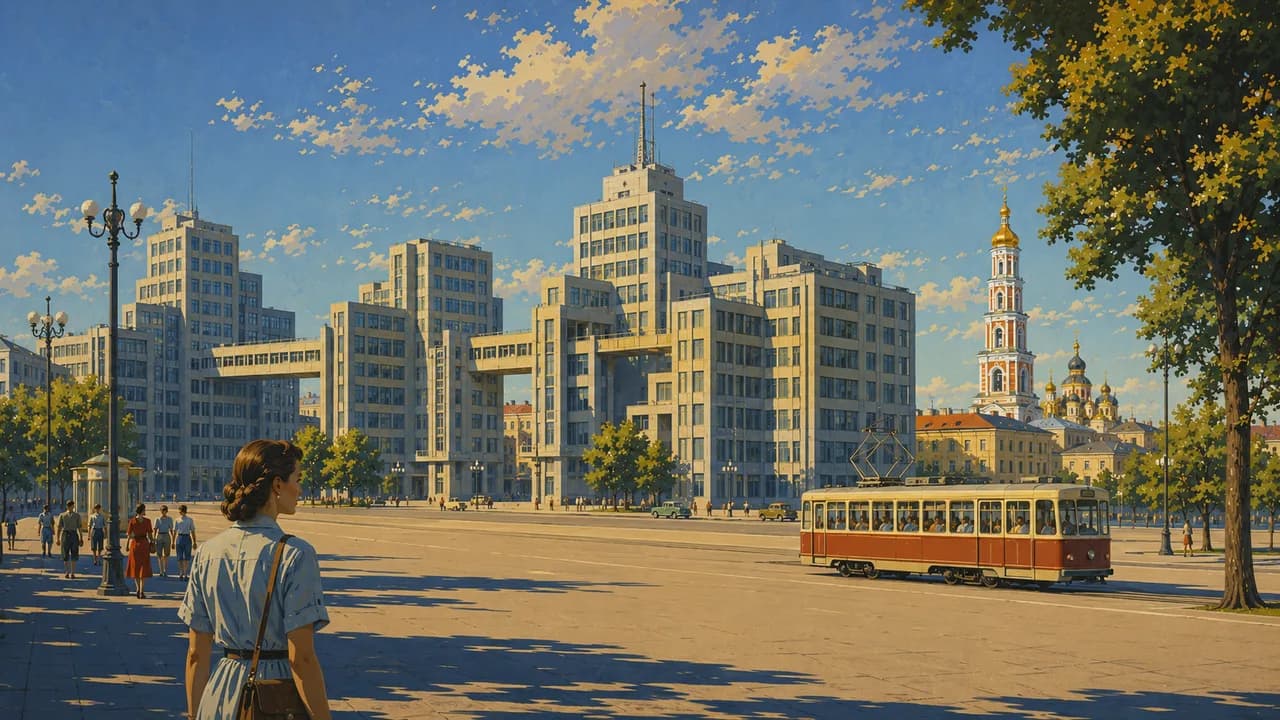
Poltava contributes literary, embroidery and pottery traditions. Kharkiv has university and modernist architectural heritage, Dnipro a major industrial and scientific history, and Zaporizhzhia strong connections with Cossack history. Odesa’s port, opera house, celebrated steps and historic centre reflect the Black Sea’s cultural exchanges. These cities and their heritage have been affected by Russian attacks.
Borscht, varenyky and regional dishes accompany embroidery, folk music and pysanka egg decoration. Ukraine’s cultural diversity also includes Crimean Tatar traditions. Conditions differ between snowy mountains, continental plains and the south. Airspace closure, air raids, mines and changing local restrictions require current official information. Museum opening, transport and landscape access cannot be inferred from their cultural significance.
AI edited
- 24
- Oblasts Ukraine comprises 24 oblasts, the Autonomous Republic of Crimea and the cities of Kyiv and Sevastopol with special status. This constitutional structure does not describe current military control.
- ≈ 39 million
- Population UN World Statistics Pocketbook 2025 projected estimate of 38.980 million, including Crimea, using the medium-fertility variant. Wartime displacement makes population estimates particularly uncertain. This is not a count of people currently living in government-controlled areas.
- 603,500 km²
- Area Surface area in the UN World Statistics Pocketbook 2025, with reference year 2023. It covers Ukraine’s internationally recognised territory, including Crimea, rather than only government-controlled areas.
- Ukrainian
- Language Ukrainian is the state language. Place names here follow the catalogue’s established English and German display names.
- Russian, Crimean Tatar and more
- Other languages Communities also speak Russian, Crimean Tatar, Hungarian, Romanian and other languages. Their use varies by region and community.
- Hryvnia (UAH)
- Currency The hryvnia is Ukraine’s national currency. Current payment and banking arrangements should be checked because wartime conditions can interrupt services.
- C · F
- Socket types Types C and F sockets with 230 V at 50 Hz. Wartime power outages can affect supply. Check device compatibility and adapter requirements.
- Kyiv
- Capital Kyiv is the capital, on the Dnipro. The clock follows Europe/Kyiv and accounts for the seasonal time change.
- Right-hand traffic
- Driving side Traffic drives on the right. Damaged roads, checkpoints and wartime restrictions can affect routes and journey times.
- UTC+2 / UTC+3
- Time zone Kyiv follows UTC+2 in winter and UTC+3 during summer time. Russian occupation authorities impose different clock arrangements in some occupied areas.
- 7
- UNESCO cultural sites UNESCO lists seven cultural and one natural World Heritage properties for Ukraine. Serial and transboundary properties count as inscriptions, not individual monuments. Several cultural properties are on the List of World Heritage in Danger.
Ukraine on the map

Map data: geoBoundaries (CC BY 4.0), © OpenStreetMap contributors (ODbL), Natural Earth
Climate and best time to travel
Germany’s Federal Foreign Office currently warns against travel throughout Ukraine. The month ranges describe typical climate and seasonal conditions, not current access or safe travel. Much of the country has a continental climate, with warm summers and cold winters. May to June and September often offer milder city-walking conditions. Mountain summers are shorter, weather changes quickly and winter snow varies by elevation. The southern coast is generally warmer. Air raids, mines, power outages and changing restrictions affect all planning. Chornobyl’s exclusion zone remains closed to ordinary tourist visits, so its card has no seasonal window.
Destinations in Ukraine
 AI generated
 AI generated
 AI generated
 AI generated
 AI generated
 AI generated
 AI generated
 AI generated
 AI generated
 AI generated
 AI generated
 AI generated