Georgia
საქართველო
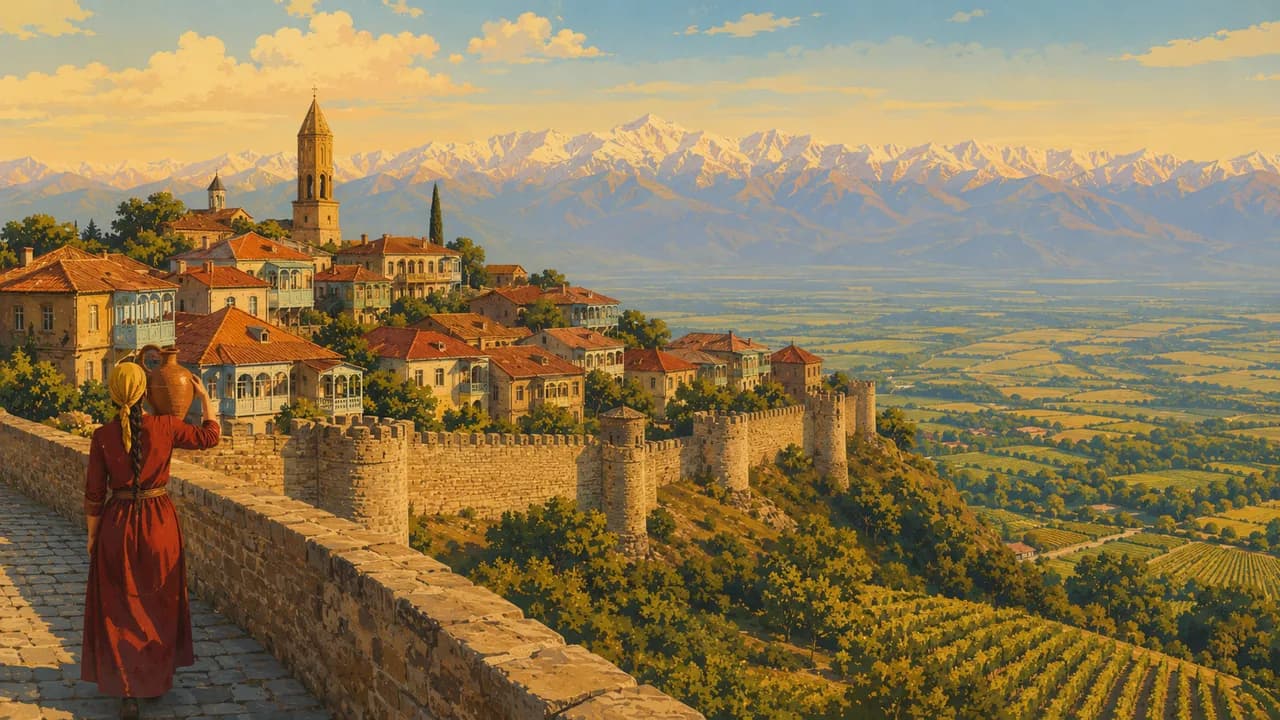
Stone mountain villages and historic churches meet green coastal forests, lively city culture and winemaking traditions in clay vessels.
Worth coming back!
Wanderlama keeps growing with new destinations, helpful information and exciting features. Check back soon and discover what is new!
Travel to Georgia
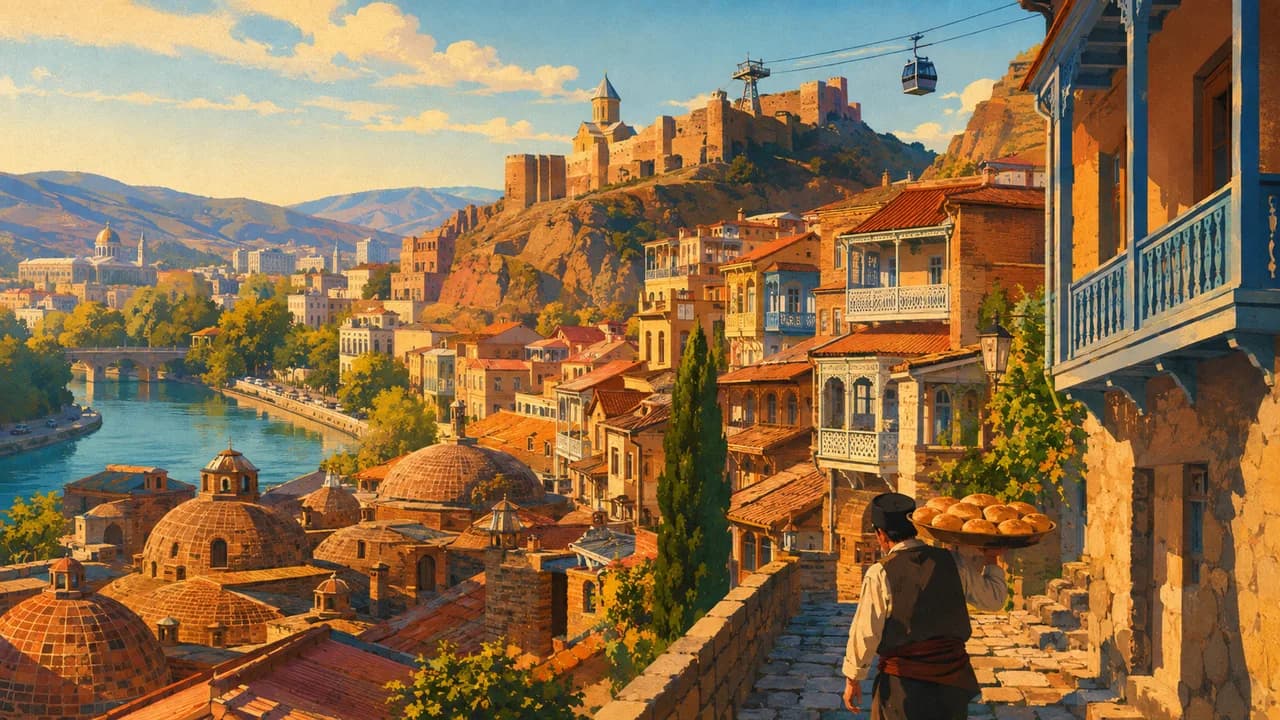
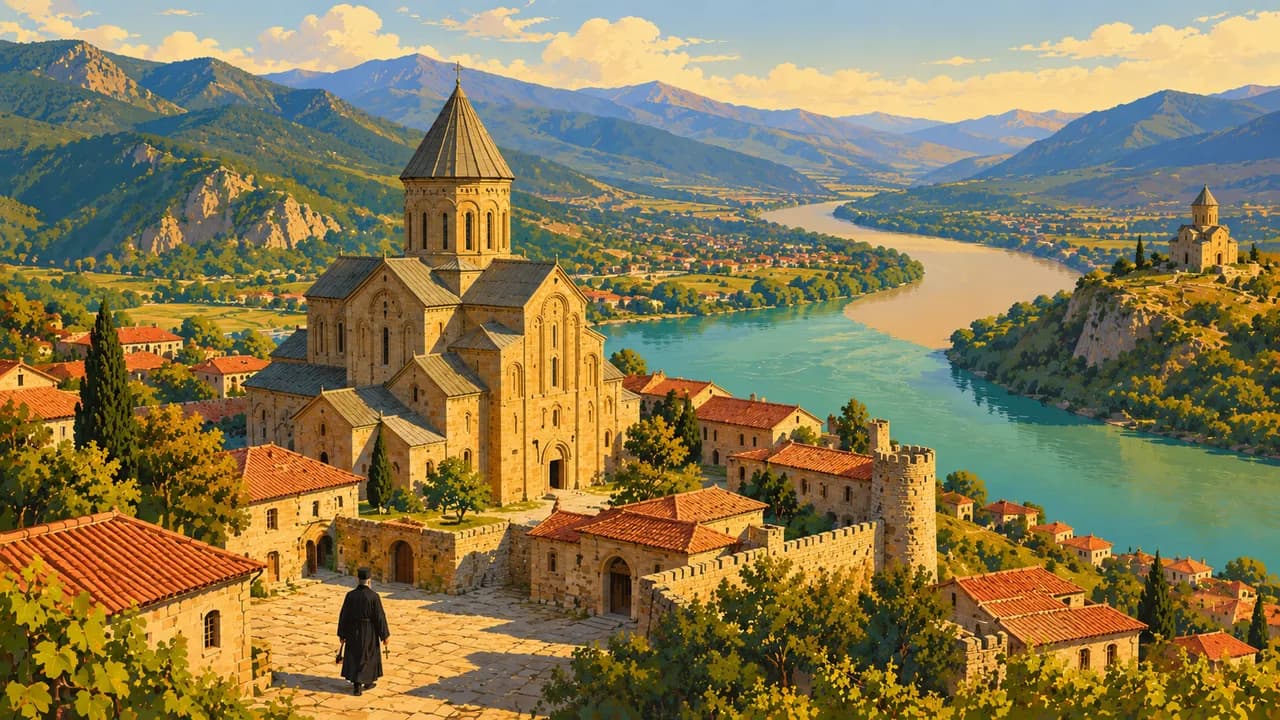
Georgia lies in the Caucasus on the eastern Black Sea, combining mountain landscapes, historic churches and longstanding wine traditions. The capital Tbilisi brings together carved wooden balconies, sulphur baths, neighbourhood cafés and contemporary culture beneath its fortress. Nearby Mtskheta preserves the religious heritage of Svetitskhoveli Cathedral and Jvari Monastery. Around Gori, the rock-cut town of Uplistsikhe reveals a different layer of settlement history.
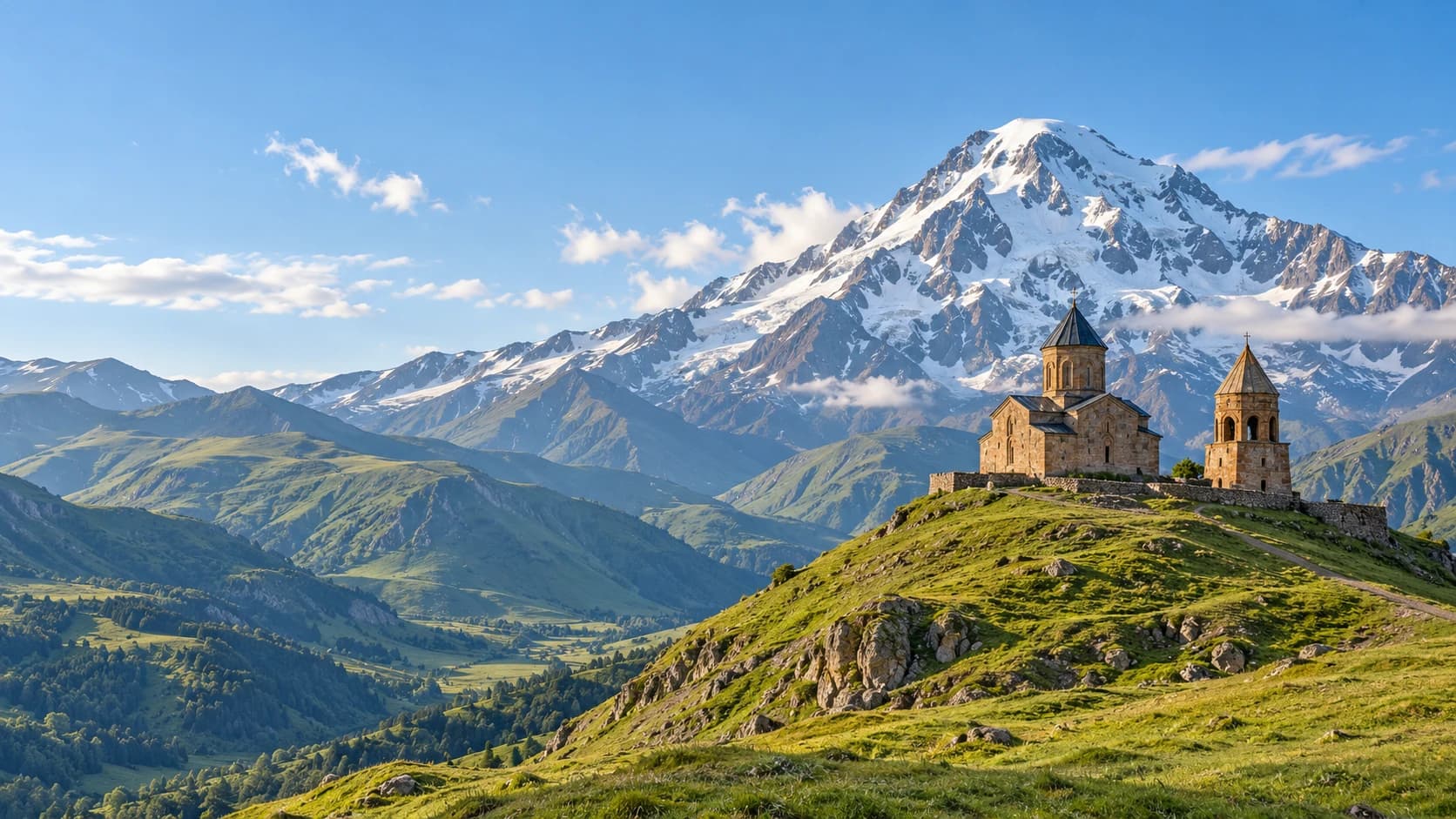
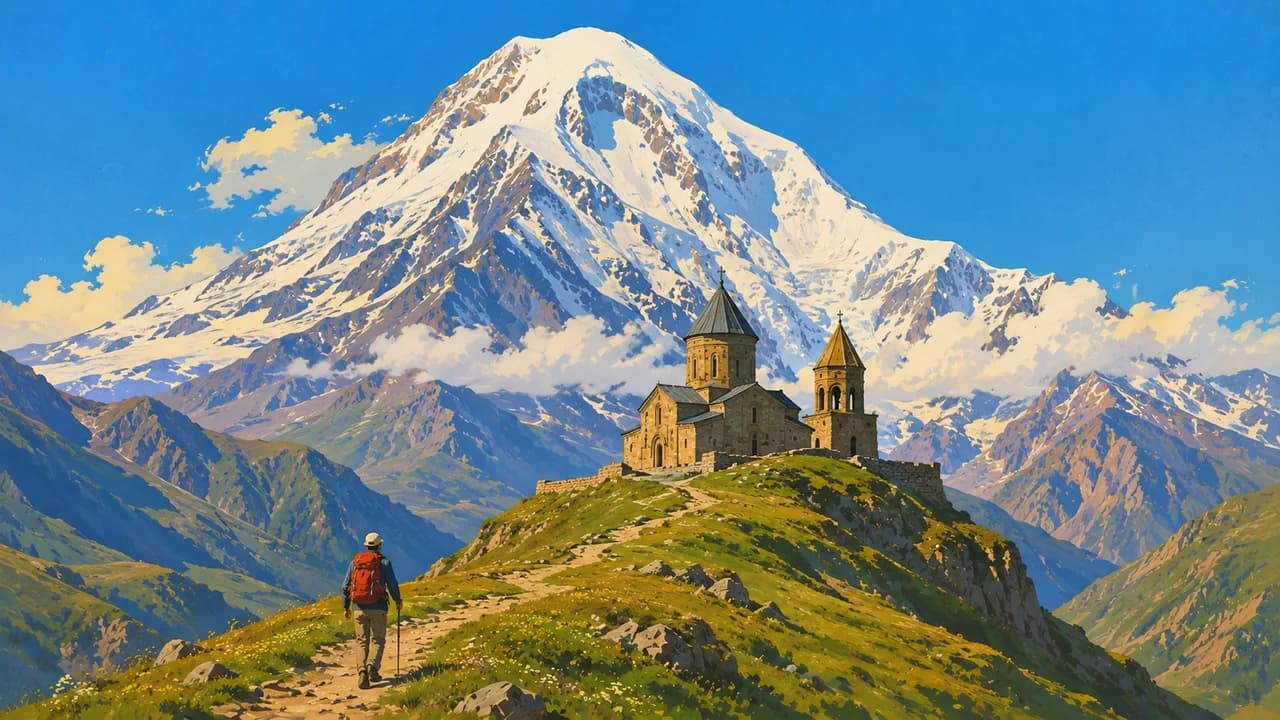
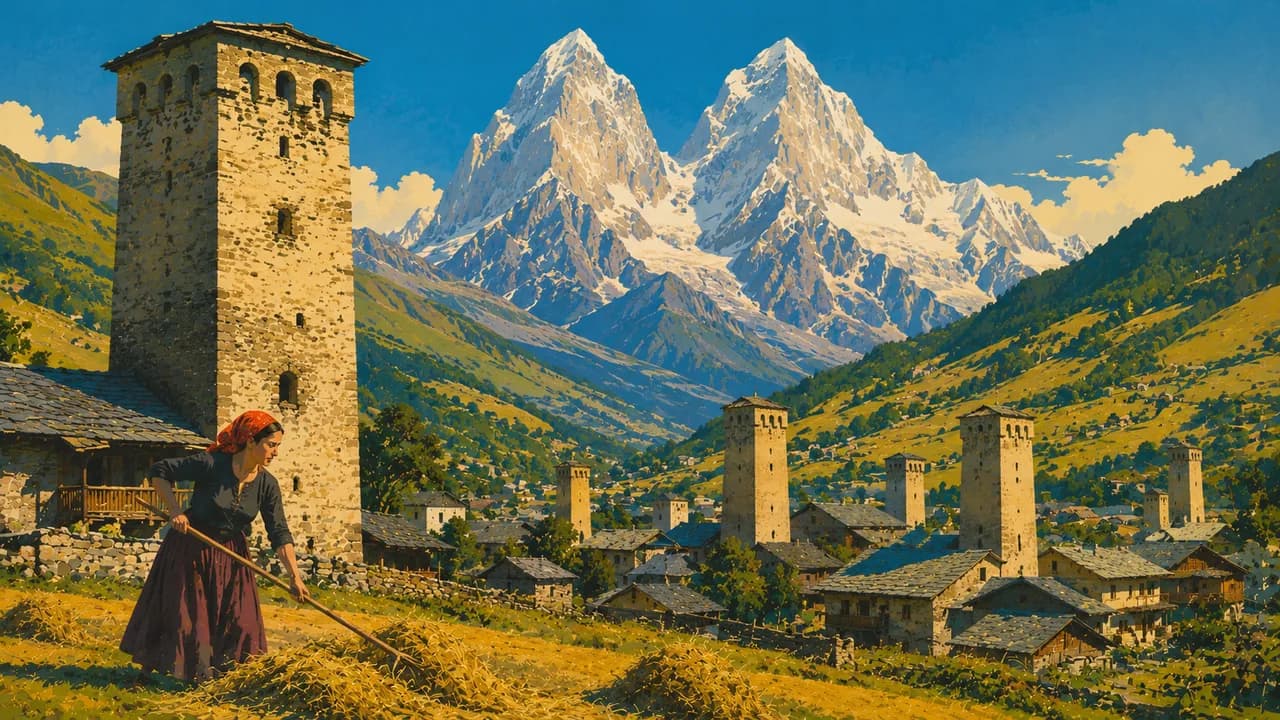
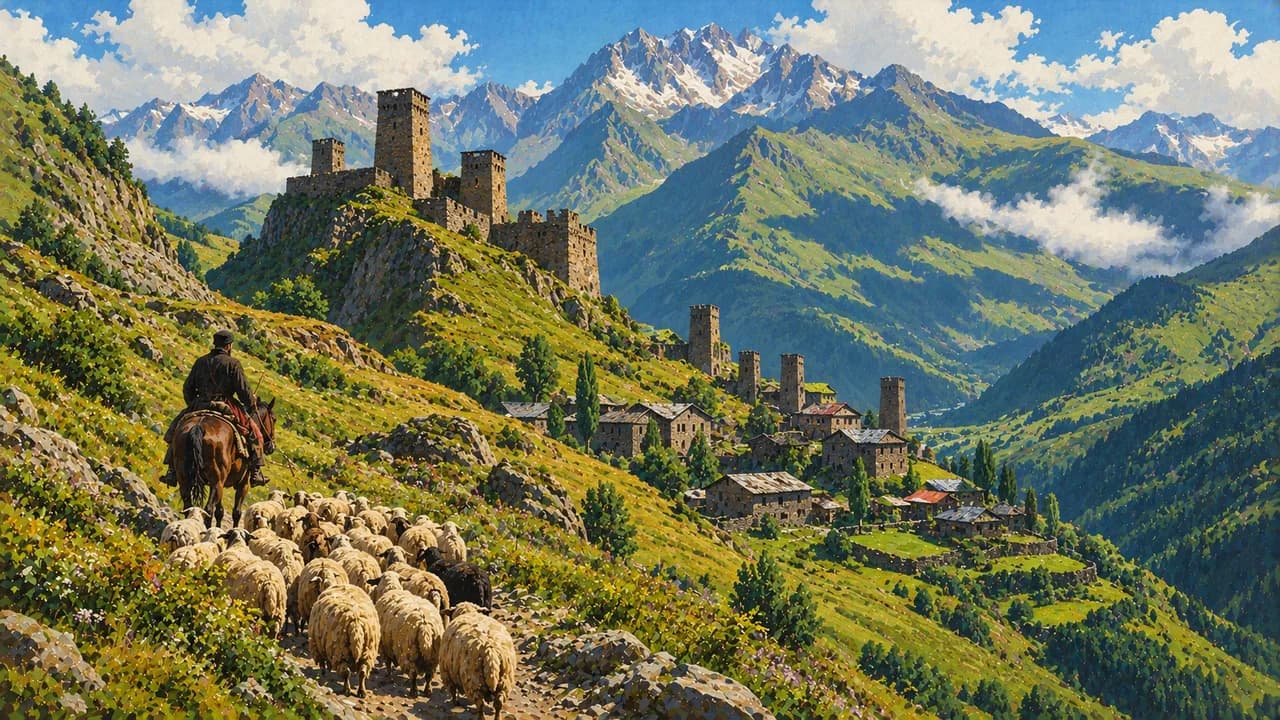
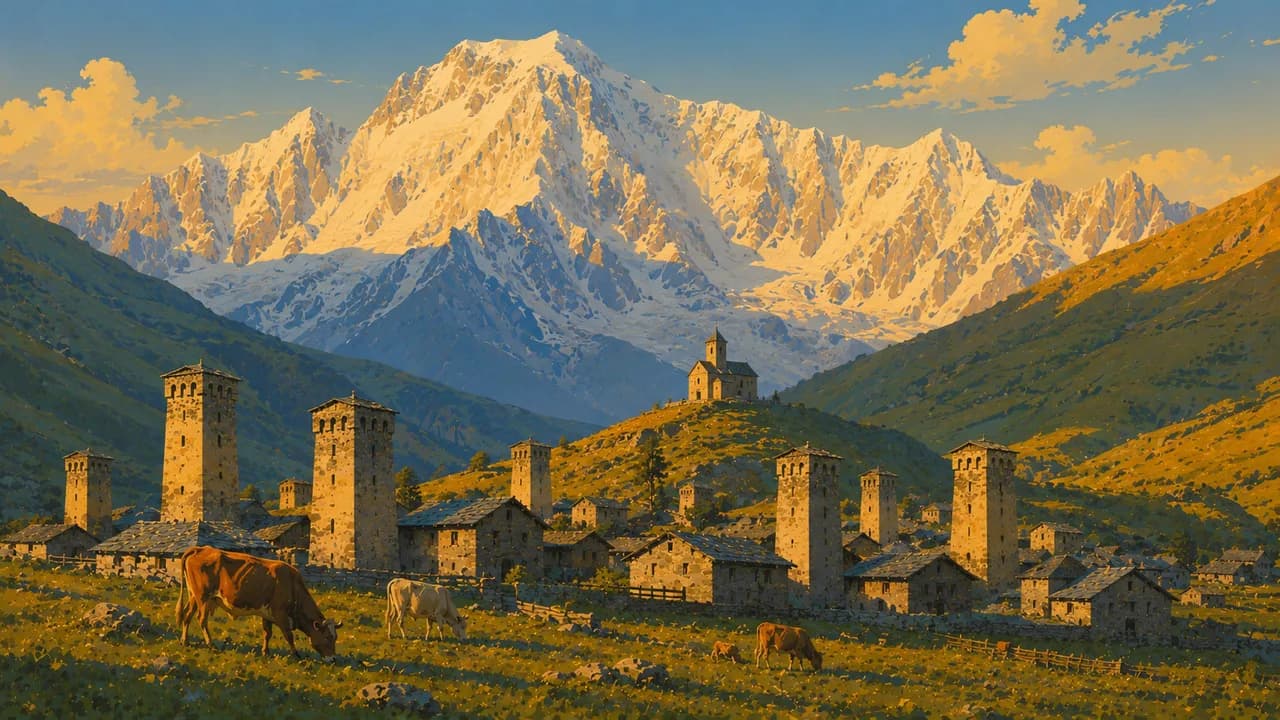
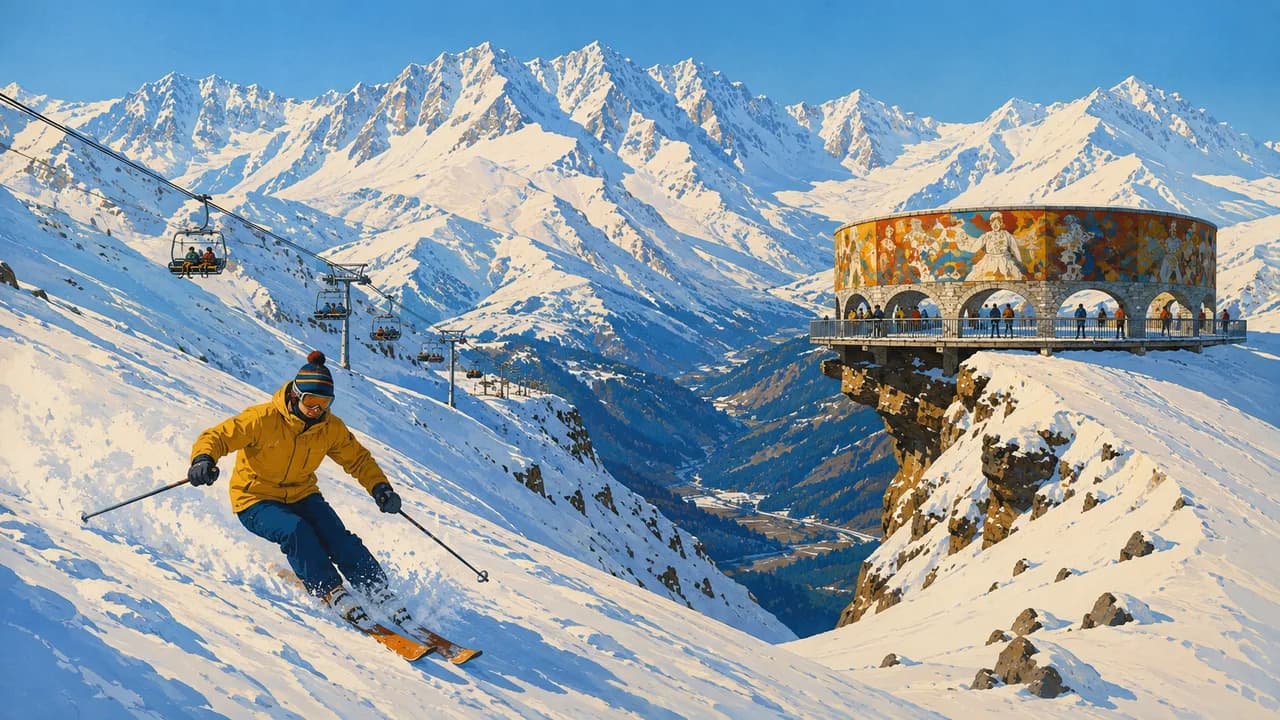
In the Greater Caucasus, Stepantsminda in Kazbegi offers access to valleys and Gergeti Trinity Church beneath Mount Kazbek. Gudauri offers winter sports when snow and facilities allow. Svaneti's stone tower villages around Mestia and Ushguli combine local traditions with mountain walks. Tusheti adds remote highland settlements, but its demanding road access is seasonal and requires current local checks.
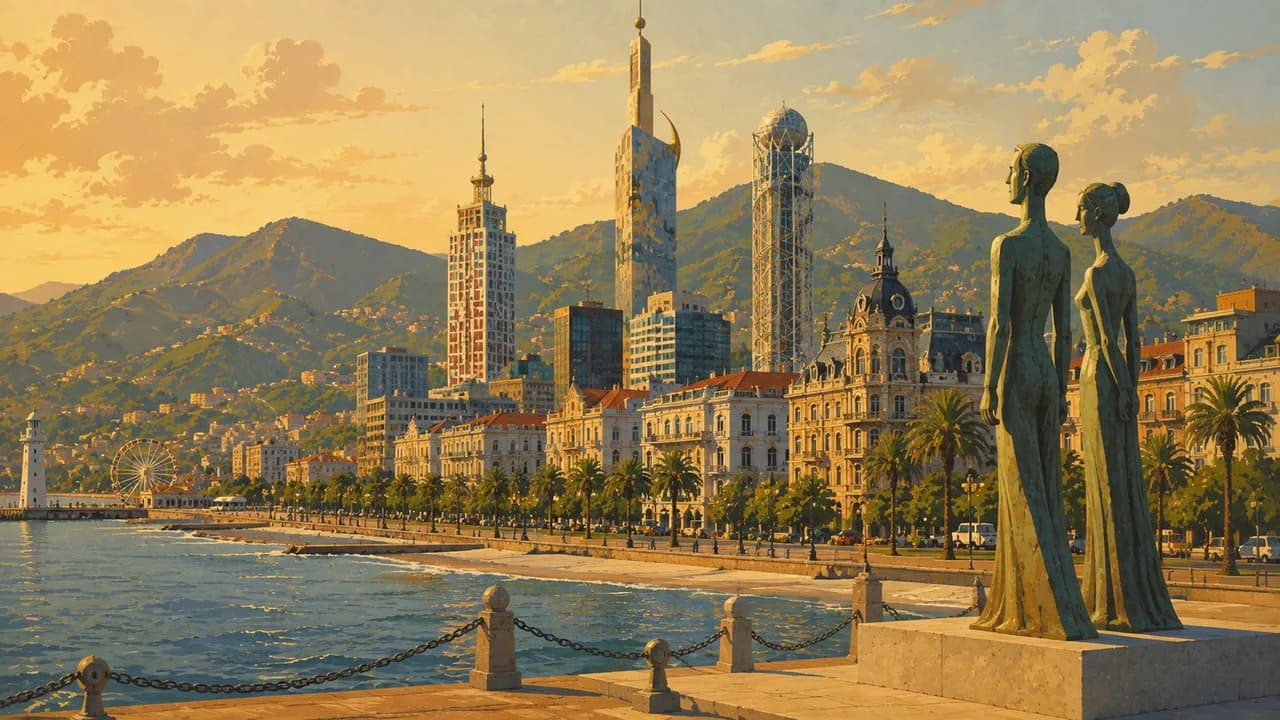
Western Georgia has another character. Kutaisi offers markets and access to Gelati Monastery, while nearby limestone landscapes include Prometheus Cave. Batumi combines Black Sea promenades, modern architecture and coastal food traditions. Inland Adjara's humid forests and the trails of Mtirala National Park contrast with the high Caucasus. Rain and changing trail conditions need consideration even in warmer months.
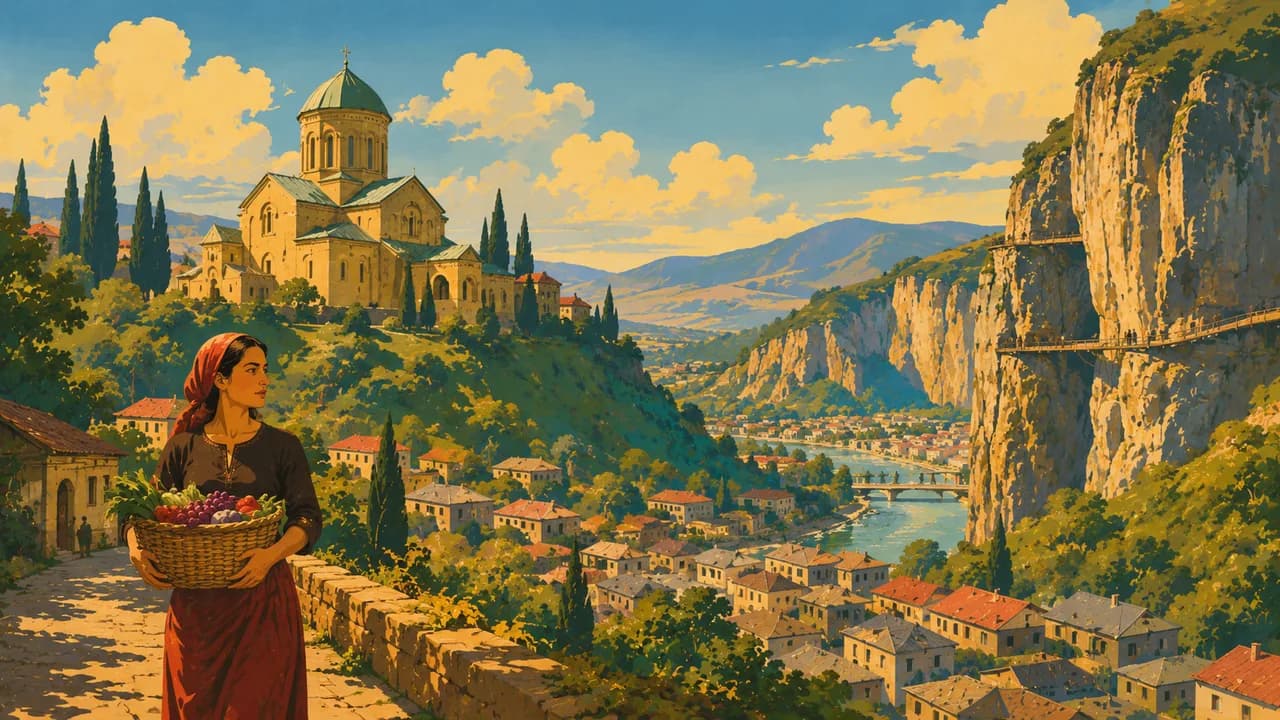
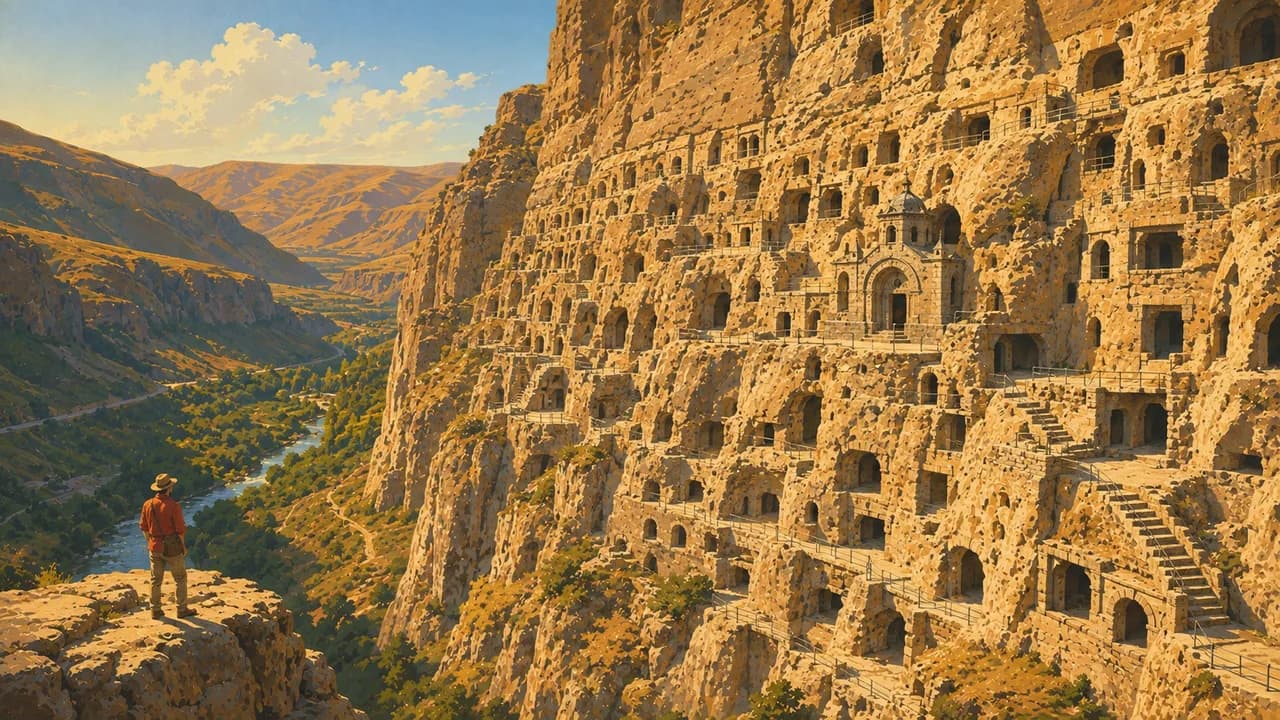
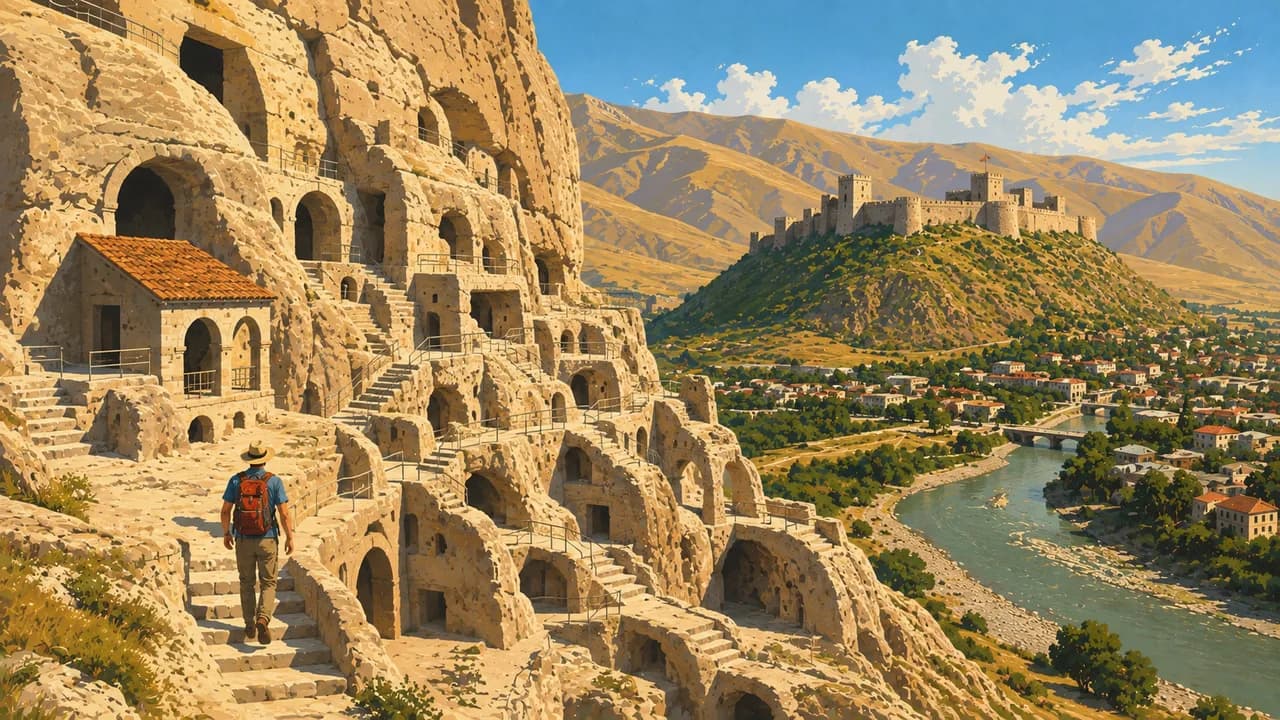
In the south, Borjomi is associated with mineral springs and the forest trails of Borjomi-Kharagauli National Park. Akhaltsikhe's fortress and Vardzia's cliff-carved monastery broaden the picture of Samtskhe-Javakheti. To the east, Kakheti combines Sighnaghi, vineyards and monastery visits with winemaking in clay qvevri vessels.
Regional food includes khinkali dumplings, different styles of khachapuri and walnut-based dishes, complemented by local wines and traditions of shared meals. Spring and autumn often suit towns and lower elevations, while high mountain routes depend on snow, weather and road openings. Allow time for winding transfers. Abkhazia, South Ossetia and nearby conflict areas must not be treated as ordinary sightseeing extensions.
AI edited
- Qvevri
- Traditional winemaking Qvevri are large clay vessels for making and storing wine. The Georgian method is UNESCO intangible heritage, not part of the World Heritage count shown here.
- 3.94 million
- Population Geostat reports 3,941,100 residents at 1 January 2026, based on the 2024 census and subsequent demographic changes in 2025. The statistics exclude occupied territories. The displayed figure is rounded, not a live count.
- 69,700 km²
- Area Total area refers to Georgia's internationally recognised territory including Abkhazia and South Ossetia. Unlike the population statistics, it is not limited to government-controlled territory. This does not imply tourist access.
- Georgian
- Language Georgian is the official language and has its own script. The constitution also gives Abkhazian official status in the Autonomous Republic of Abkhazia. The flag represents Georgian here.
- Armenian & Azerbaijani
- Other languages Other spoken languages include Armenian, Azerbaijani and Russian. Language knowledge differs by region and person. English should not be assumed everywhere.
- Georgian lari (GEL)
- Currency The national currency is the lari with the symbol ₾. One lari equals 100 tetri. Check cash requirements and card acceptance before travelling to rural or remote areas.
- C · F
- Socket types Common types are C and F, with approximately 220 volts and 50 hertz. Check device specifications and adapter requirements. A travel adapter does not convert voltage.
- Tbilisi
- Capital Tbilisi is the capital. The clock uses the country time observed there.
- Right-hand traffic
- Driving side Traffic drives on the right. Snow, heavy rain and landslides can make mountain roads impassable. Check current road conditions, suitable vehicles and rental restrictions.
- UTC+4
- Time zone Government-controlled areas use UTC+4 year-round. This does not describe the time actually observed in the conflict areas.
- 3
- UNESCO cultural sites Three cultural UNESCO World Heritage properties, checked October 2026. Colchic rainforests are natural heritage, qvevri winemaking is intangible heritage. Both are excluded here.
Georgia on the map

Map data: geoBoundaries (CC BY 4.0), © OpenStreetMap contributors (ODbL), Natural Earth
Climate and best time to travel
Georgia has no single best travel season. Spring and autumn often suit cities, church visits and lower-level walks. Eastern summers can be hot, while the Black Sea coast and western forests remain wetter. High Caucasus routes need separate checks for snow, weather, river crossings and trail conditions. The demanding road to Tusheti is seasonal, with opening dependent on current conditions. Winter sports require suitable snow and open facilities. Wine harvest timing differs by region, grape variety and year. Reservations and local advice are useful. These months are planning guidance, not weather or access guarantees.
Destinations in Georgia
 AI generated
 AI generated
 AI generated
 AI generated
 AI generated
 AI generated
 AI generated
 AI generated
 AI generated
 AI generated
 AI generated
 AI generated