Russia
Россия
Historic cities, vast forests and volcanic horizons reveal a country of striking regional contrasts.
Worth coming back!
Wanderlama keeps growing with new destinations, helpful information and exciting features. Check back soon and discover what is new!
Travel to Russia
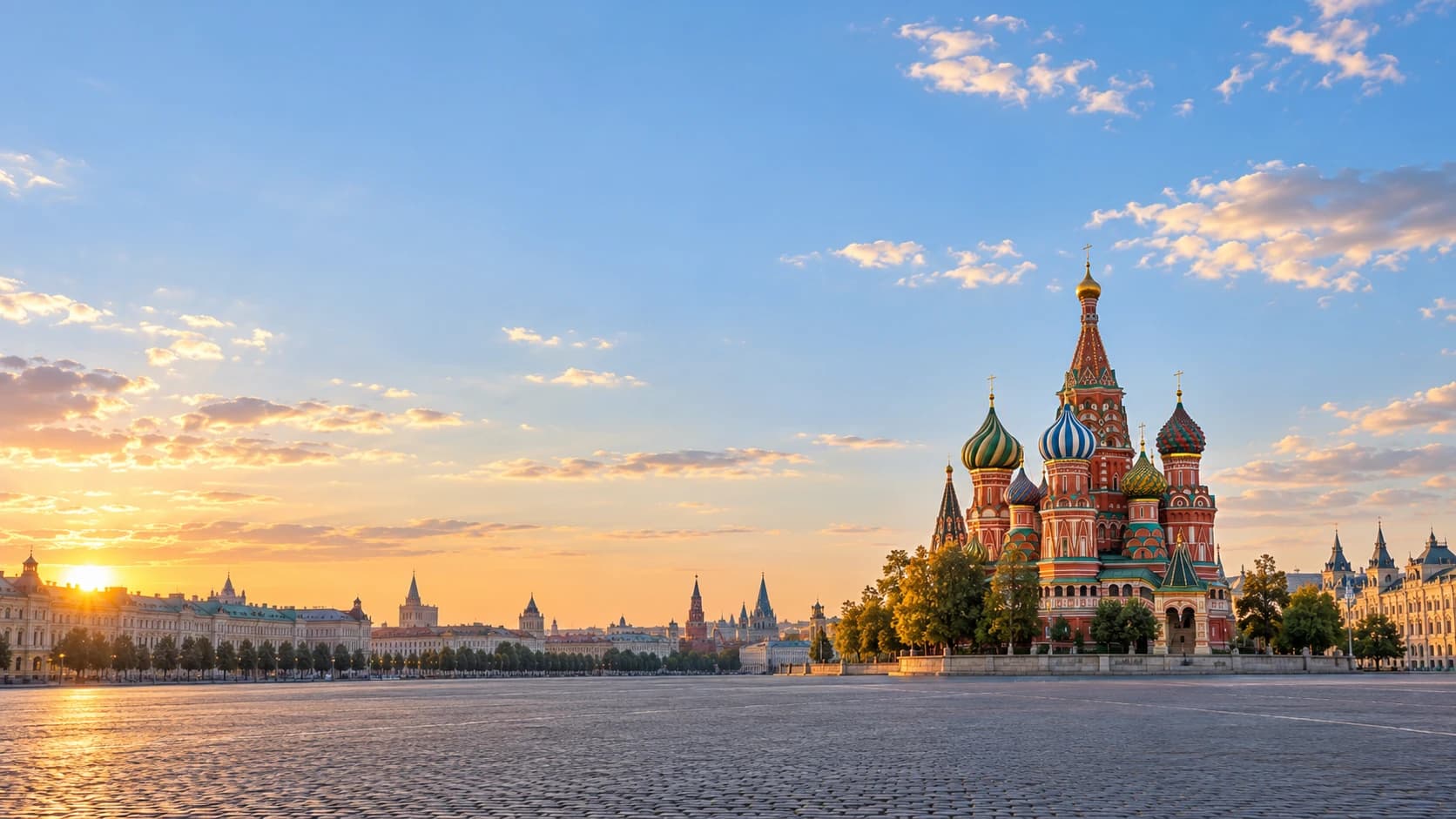
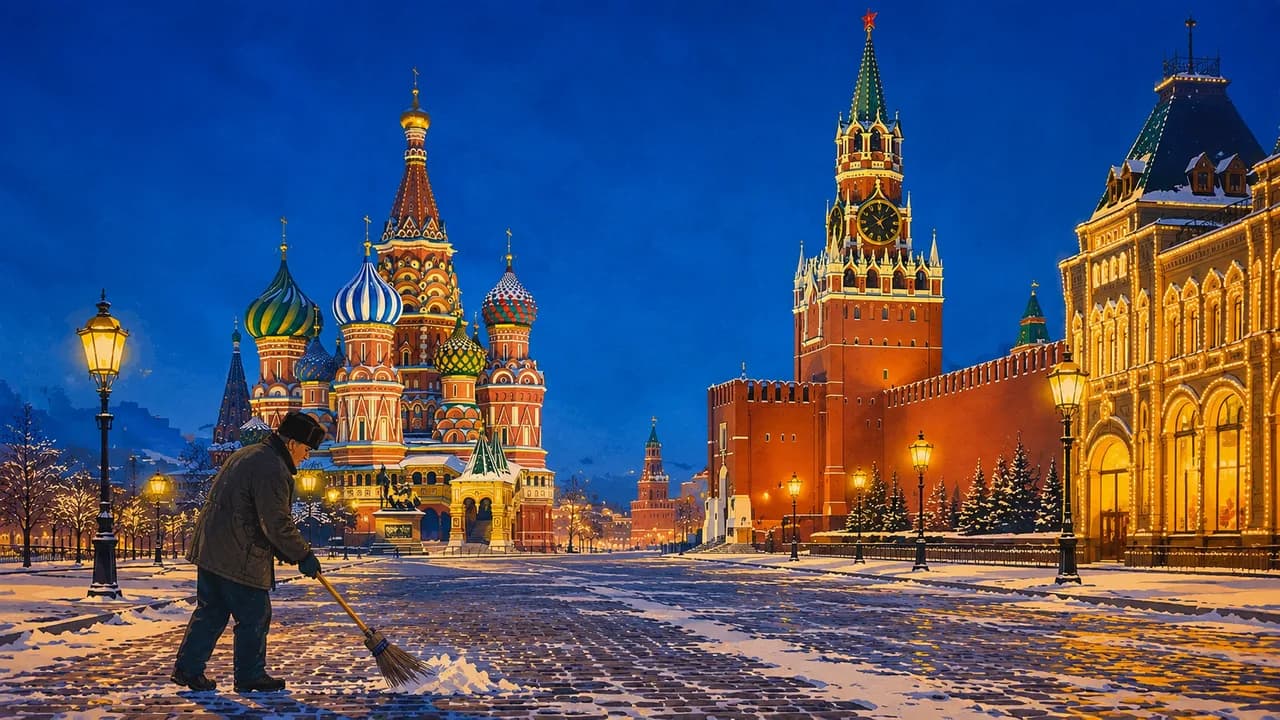
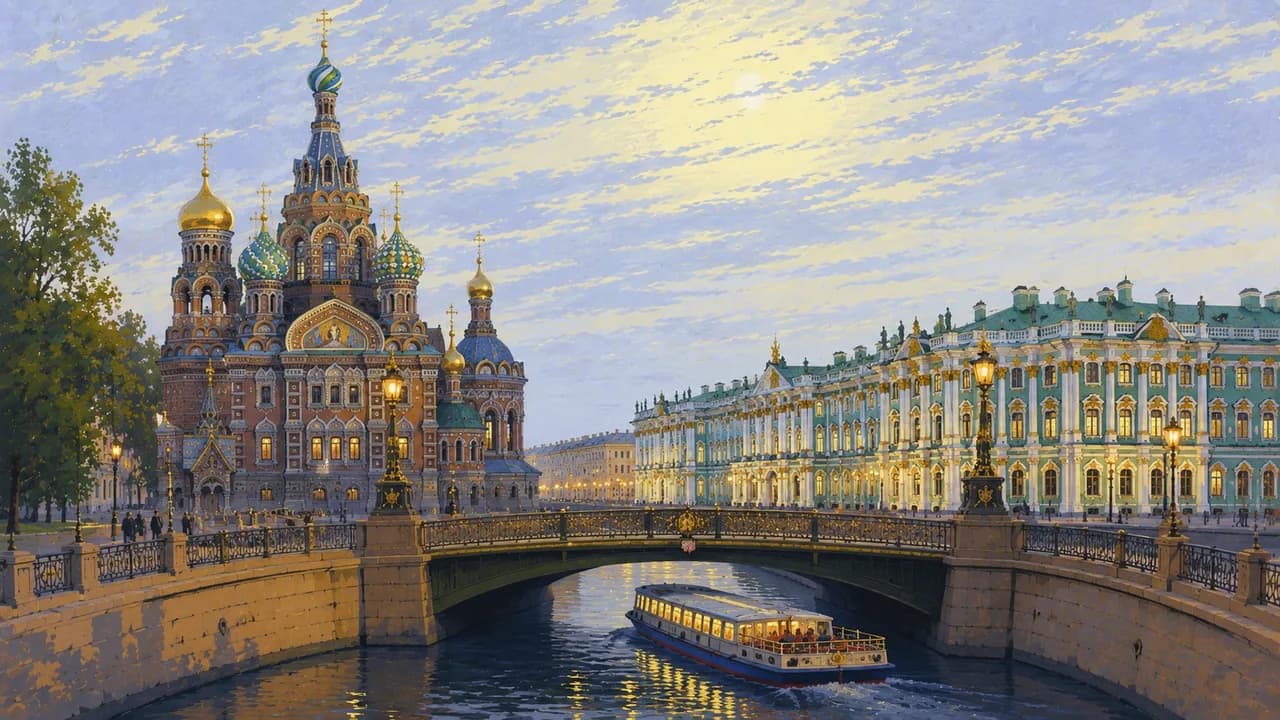
Russia, the world’s largest country, stretches from Eastern Europe across Siberia to the Pacific, encompassing tundra, forests, steppe and mountains. Moscow combines the Kremlin, Red Square, Saint Basil’s Cathedral, museums and ornate metro stations. Saint Petersburg adds the Hermitage, canals and imperial palaces, alongside literary, musical and ballet traditions.
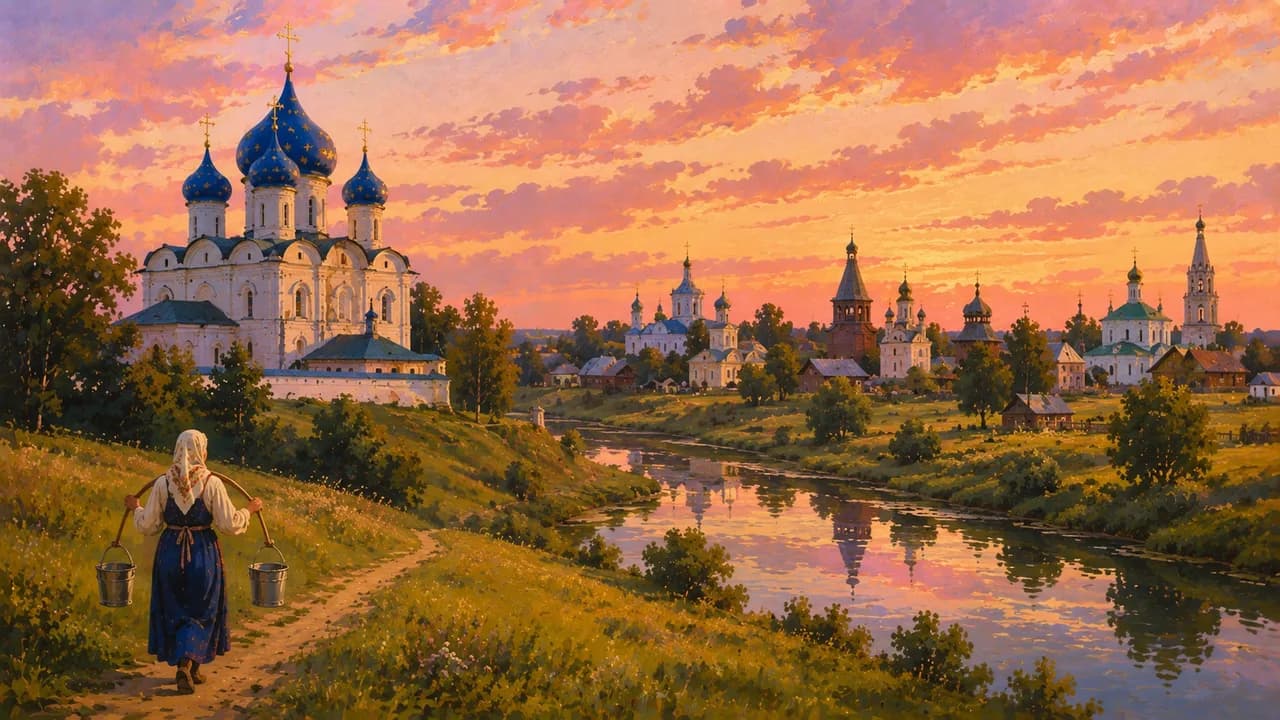
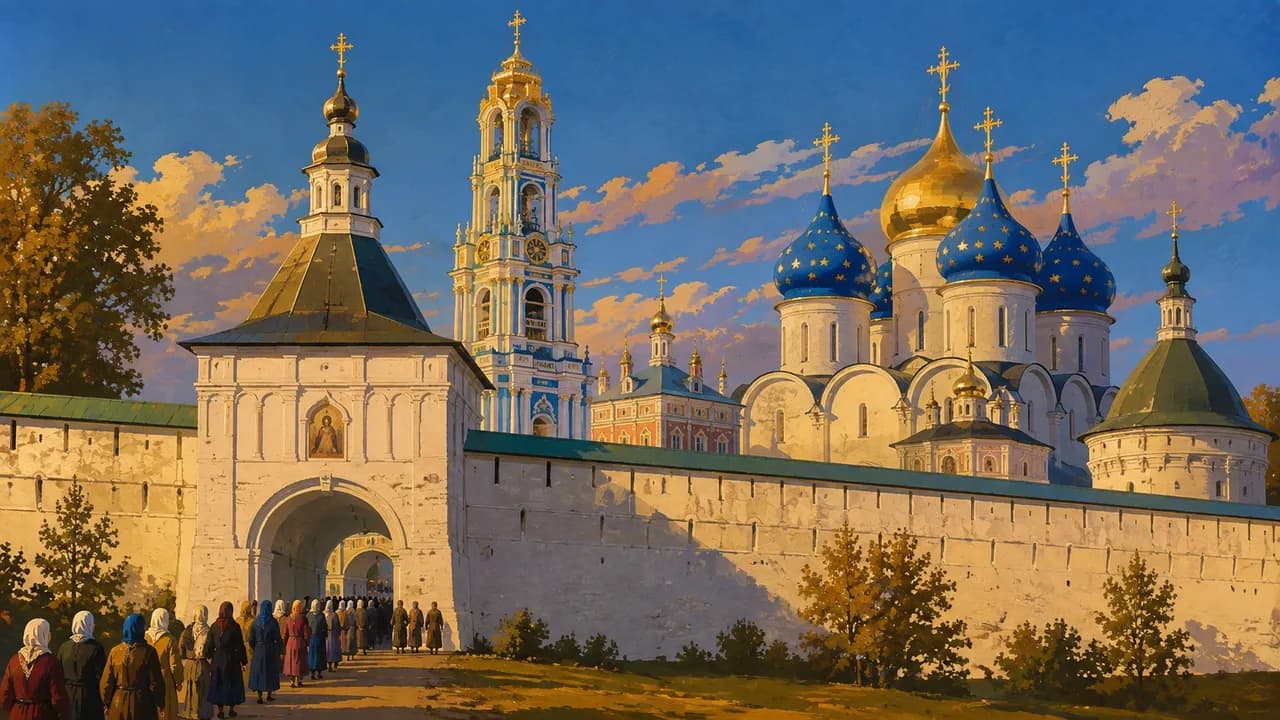
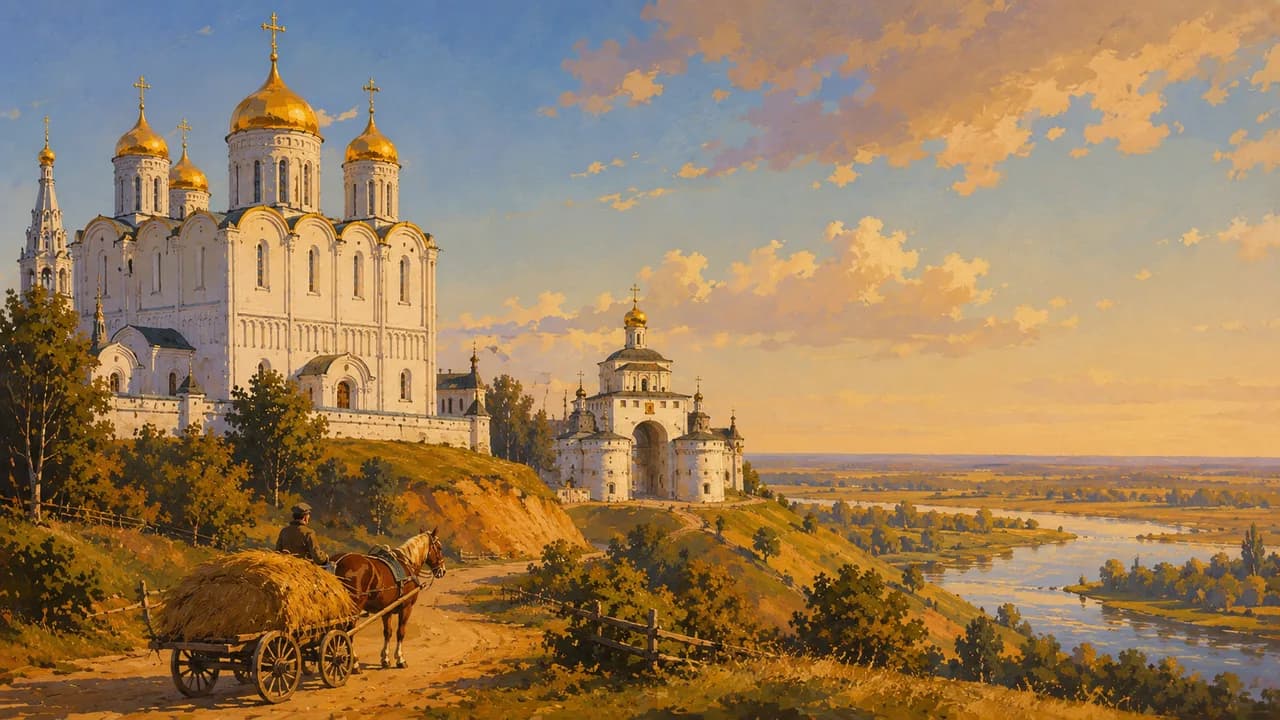
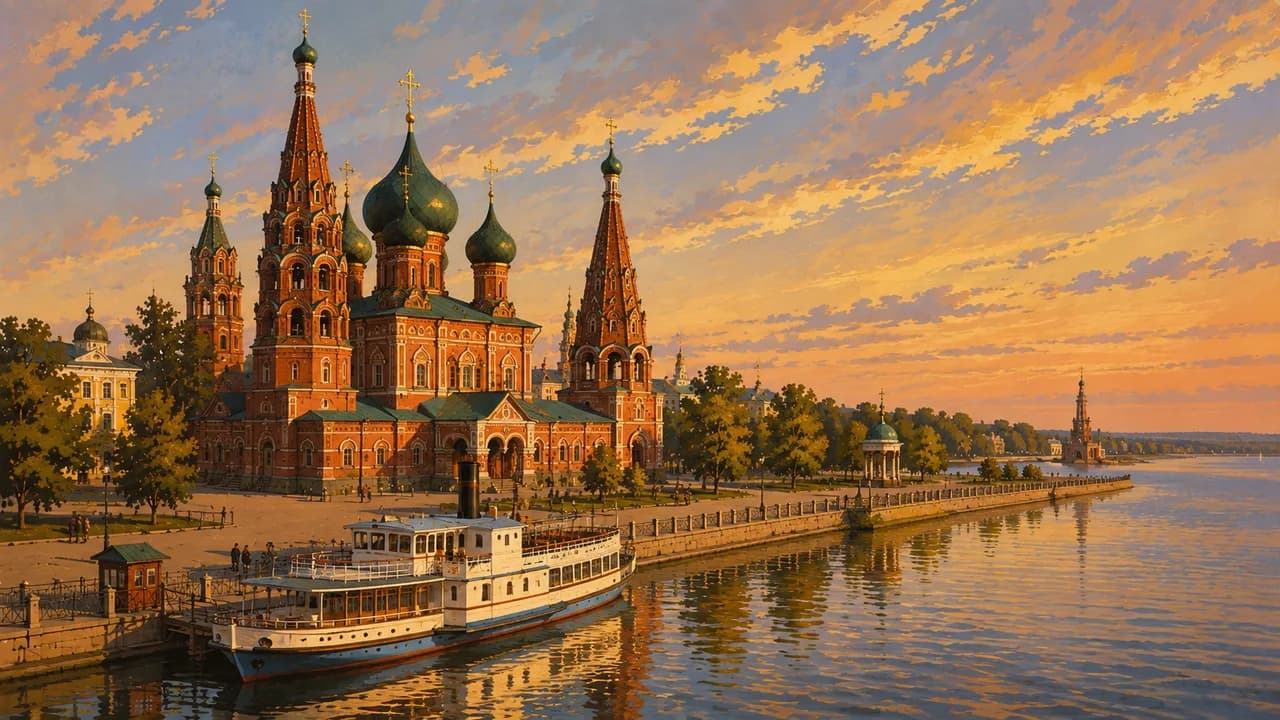
The Golden Ring introduces historic towns northeast of Moscow. Sergiev Posad centres on the Trinity Sergius monastery, Vladimir and Suzdal preserve white-stone monuments, and Yaroslavl has churches beside the Volga. Veliky Novgorod reveals medieval religious and civic heritage. These places broaden the picture beyond the two largest cities.
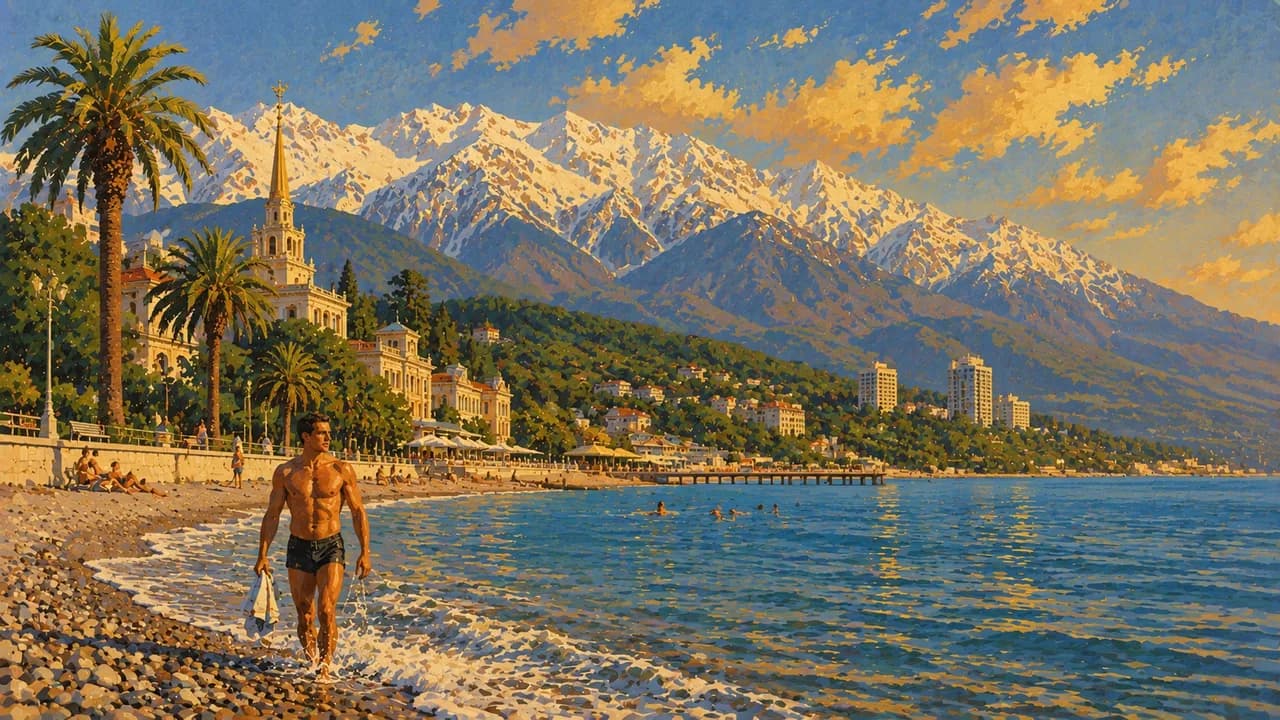
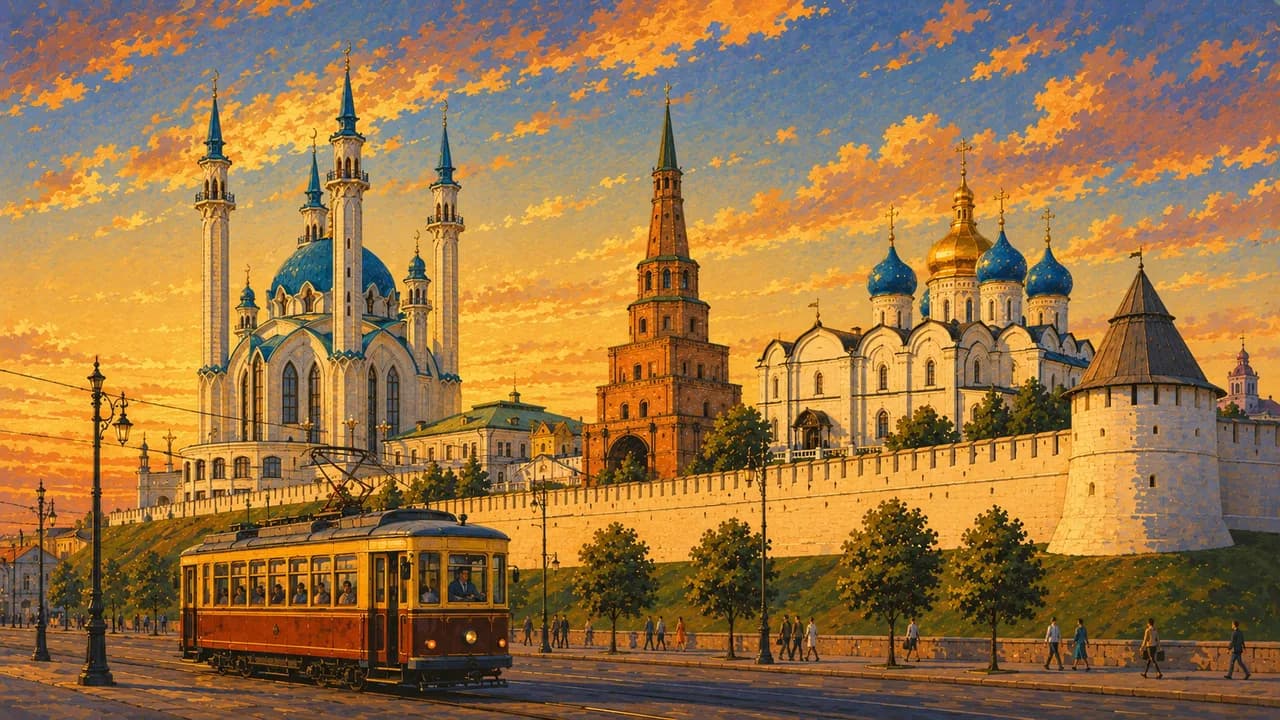
Kaliningrad, separated from mainland Russia on the Baltic, has layers of former Königsberg history. Murmansk introduces Arctic landscapes and contrasting polar daylight and darkness. Nizhny Novgorod overlooks the meeting of the Volga and Oka, while Kazan reflects Tatar and Russian traditions, with mosques and Orthodox churches. Sochi combines Black Sea shores with the Caucasus foothills.
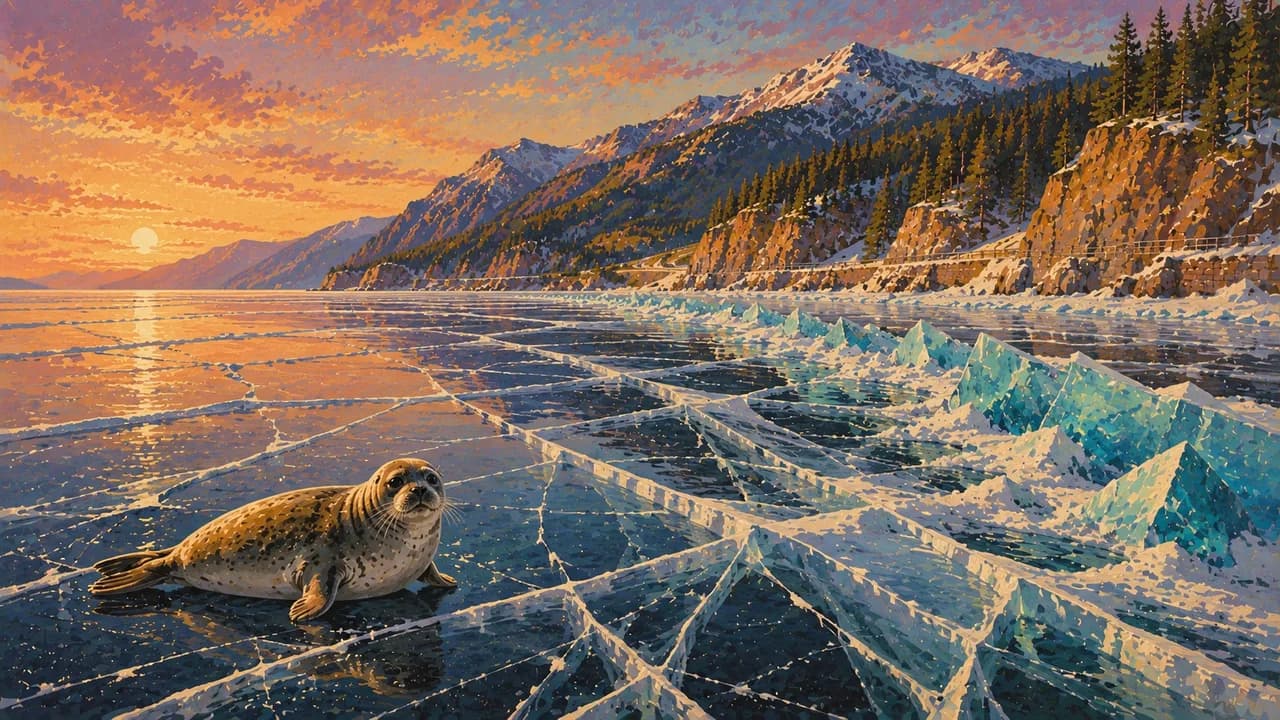
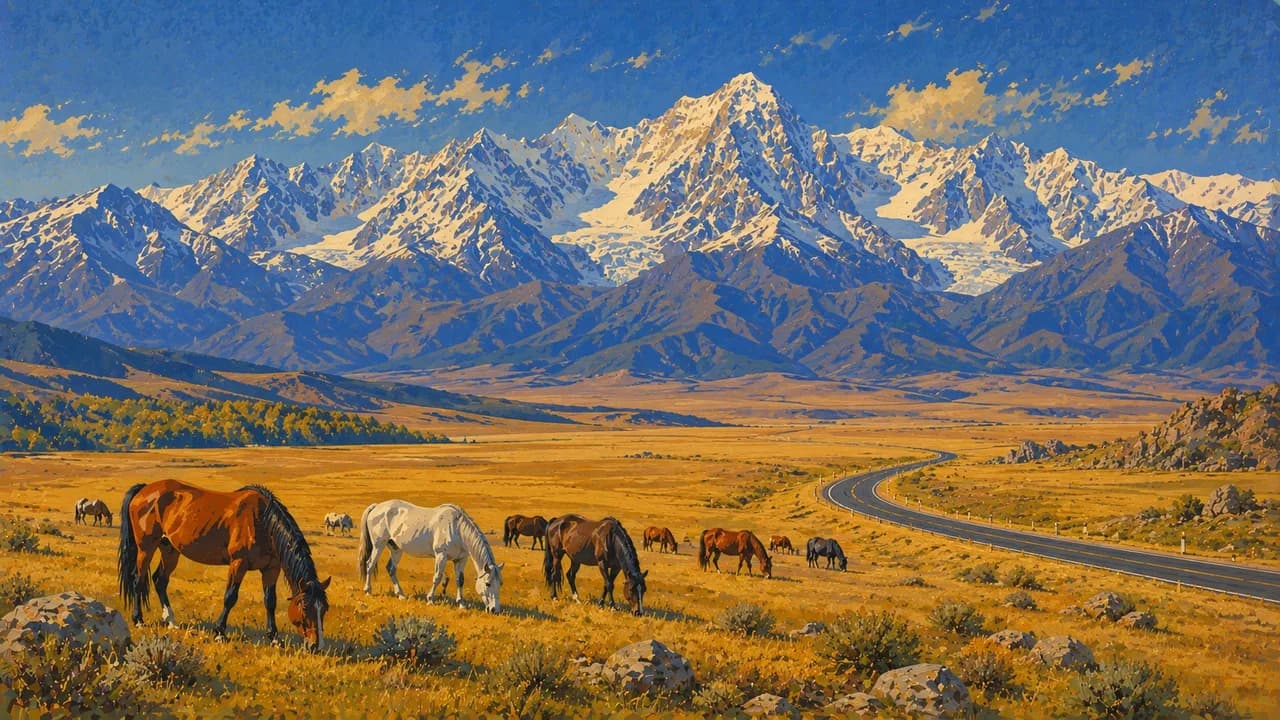
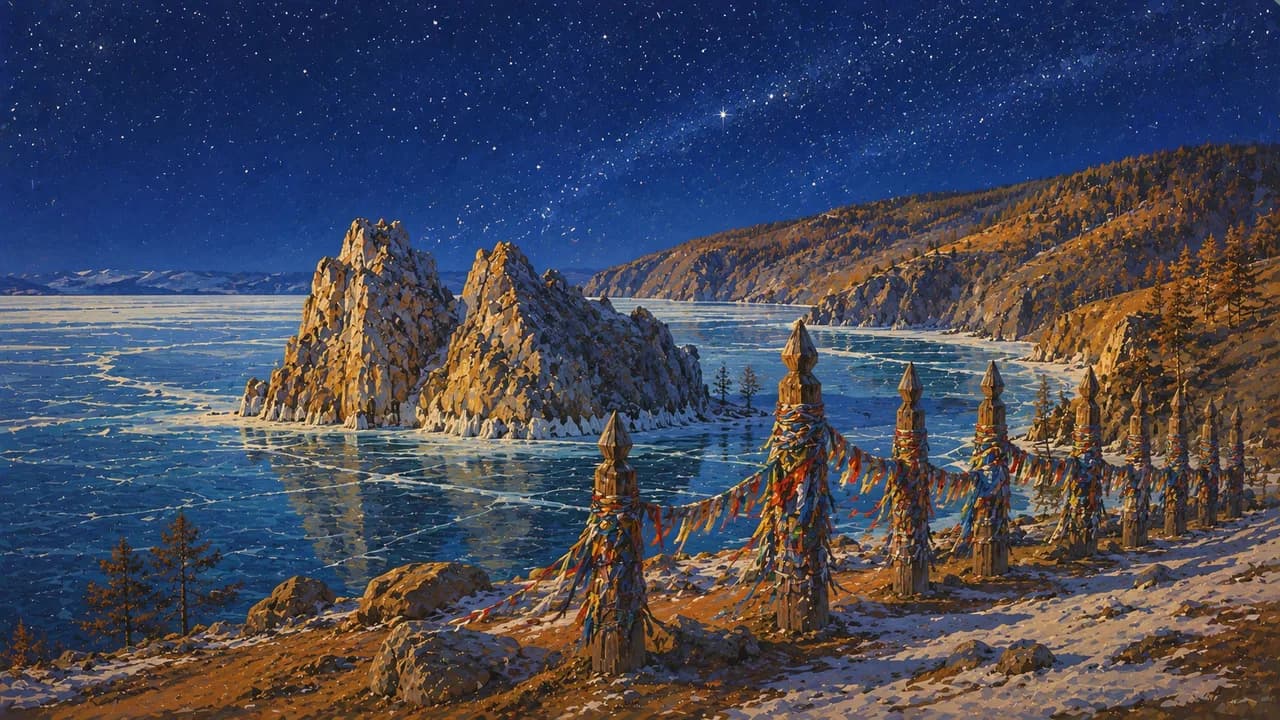
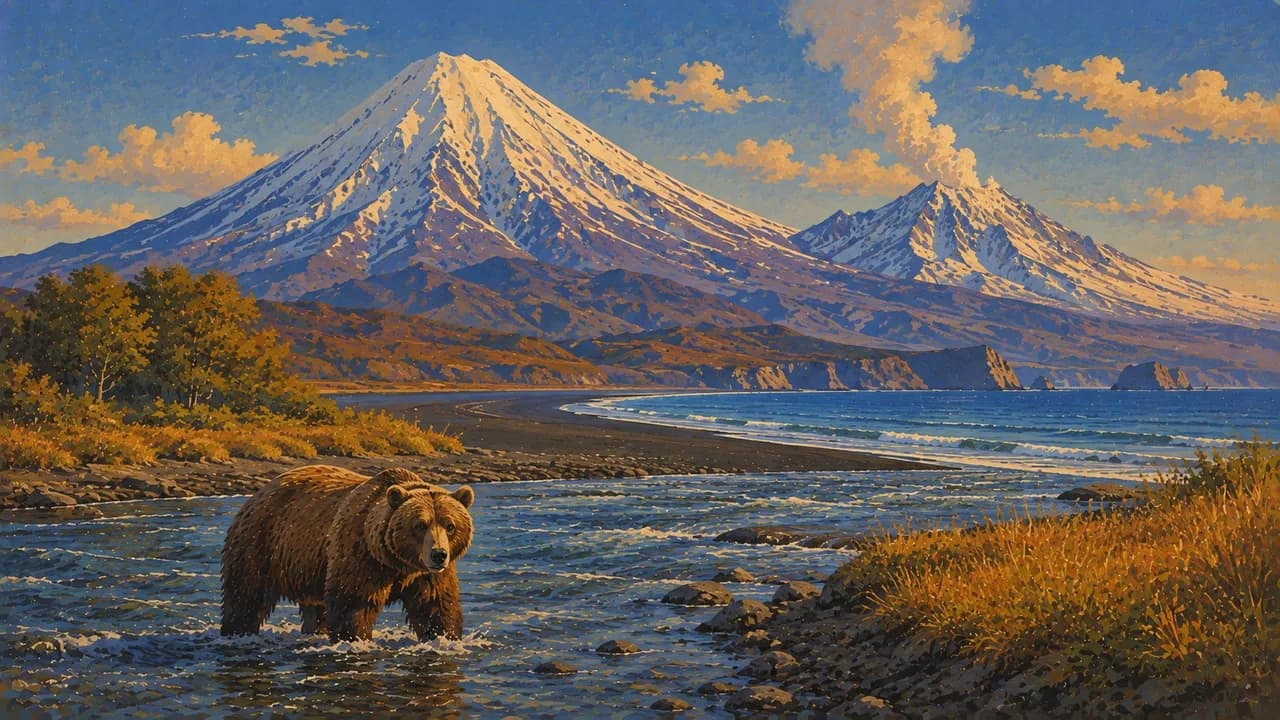
Yekaterinburg connects the industrial and cultural history of the Urals with routes eastward. The Trans-Siberian Railway illustrates the country’s vast distances. The Altai Mountains add alpine valleys, while Lake Baikal, the world’s deepest lake, and Olkhon Island have distinctive shore landscapes and Buryat cultural connections. Vladivostok faces the Pacific, and Kamchatka has volcanoes, geothermal landscapes and wildlife habitats.
The country’s many peoples and languages shape varied traditions. Blini, pelmeni, rye bread and mushroom dishes represent only part of its food culture, alongside Tatar pastries and regional fish dishes. Seasonal conditions differ enormously, from Arctic winters to warmer southern coasts. Remote protected areas may require permits, guides and substantial transport planning.
Germany’s Federal Foreign Office currently warns against travel to Russia, citing serious security risks including arbitrary detention. Russia’s war against Ukraine also affects transport and border conditions. Consult current official advice and entry, payment and insurance arrangements before considering any journey.
AI edited
- 8
- Federal districts Federal districts group constituent regions for presidential administration. They are not the individual federal subjects. This grouping is not a statement recognising territorial claims.
- ≈ 144 million
- Population UN World Statistics Pocketbook 2025 projected estimate, medium-fertility variant, of 143.997 million. This dated UN reference is not a current census count and differs from national statistical series.
- ≈ 17.1 million km²
- Area Rounded surface area from the UN World Statistics Pocketbook 2025, whose area reference is 2023. The UN table gives 17,098,246 km². Territorial claims are not added to this figure.
- Russian
- Language Russian is the nationwide official language. Republics may establish additional official languages used alongside Russian.
- Tatar, Bashkir, Buryat and more
- Other languages Many regional and Indigenous languages are spoken, including Tatar, Bashkir, Buryat and Sakha. Language use and availability of English vary considerably.
- Russian ruble (RUB)
- Currency The national currency is the Russian ruble. Foreign-issued payment cards face major restrictions, so current official payment guidance matters.
- C · F
- Socket types Types C and F sockets. Electrical Safety First lists a supply of 220 V at 50 Hz. Check your equipment’s rated voltage and adapter requirements.
- Moscow
- Capital Moscow is the capital. The clock on this page shows Moscow time rather than the local time of every destination.
- Right-hand traffic
- Driving side Traffic drives on the right. Distances and road conditions vary widely outside the major cities.
- UTC+2 to UTC+12
- Time zones Local time spans UTC+2 to UTC+12, without seasonal clock changes. Moscow follows UTC+3 throughout the year.
- 22
- UNESCO cultural sites UNESCO’s state-party list includes 22 cultural and 11 natural World Heritage properties. Serial and transboundary properties count as inscriptions, not as individual monuments.
Russia on the map

Map data: geoBoundaries (CC BY 4.0), © OpenStreetMap contributors (ODbL), Natural Earth
Climate and best time to travel
Germany’s Federal Foreign Office currently warns against travel to Russia. The month ranges below describe typical seasonal conditions and do not confirm access. The country spans Arctic, continental and milder coastal climates. May to September often offers more comfortable city walking in the west, while northern and high-altitude summers are shorter. The Arctic has polar daylight and darkness. The southern coast is warmer, and mountain weather can change rapidly. Summer and early autumn generally suit open-water and walking conditions around Baikal and in the Altai. Volcanic areas, protected landscapes and remote routes require current local checks. Winter ice, wildlife sightings and transport connections are never guaranteed.
Destinations in Russia
 AI generated
 AI generated
 AI generated
 AI generated
 AI generated
 AI generated
 AI generated
 AI generated
 AI generated
 AI generated
 AI generated
 AI generated