Moldova
Vineyards, limestone valleys and village traditions meet leafy cities and a rich cultural heritage.
Worth coming back!
Wanderlama keeps growing with new destinations, helpful information and exciting features. Check back soon and discover what is new!
Travel to Moldova
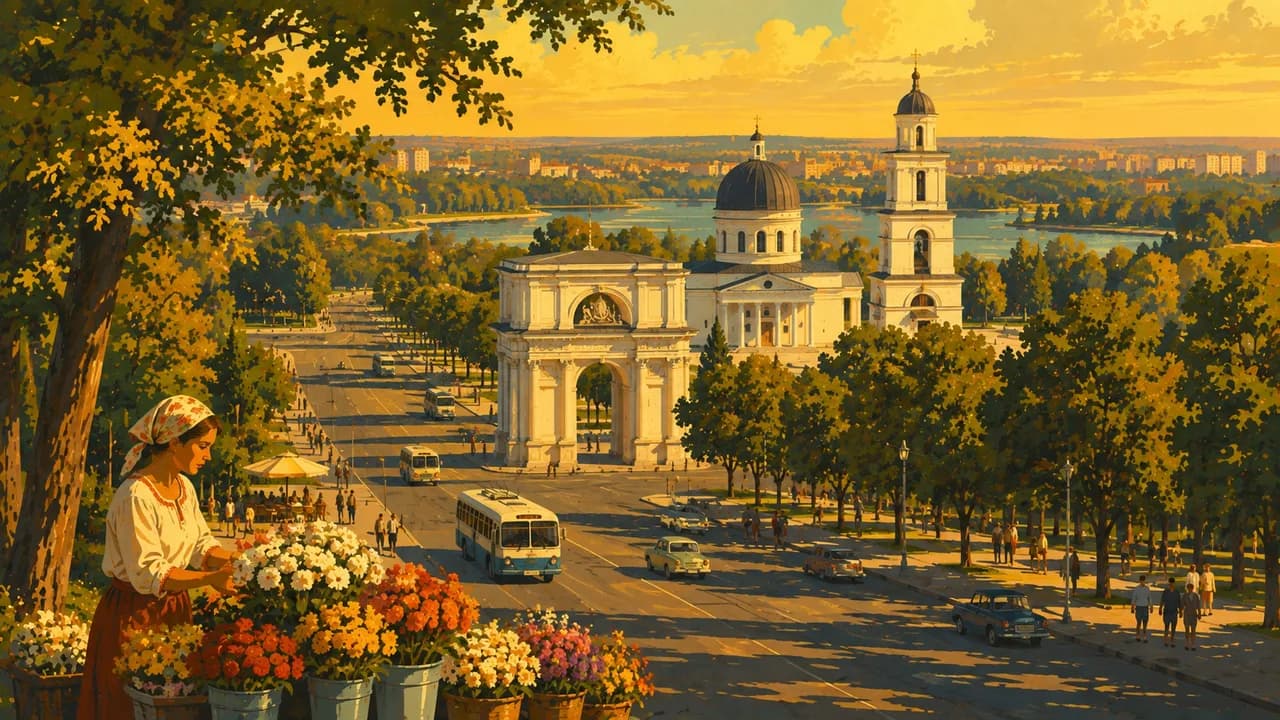
Moldova is a landlocked country between Romania and Ukraine, shaped by rolling farmland, vineyards, villages and river valleys. Chișinău, the capital, combines leafy parks and lakes with Cathedral Square, museums, markets and architecture reflecting different periods of the city’s history. Romanian is the official language, while other languages and regional traditions contribute to the country’s cultural variety.
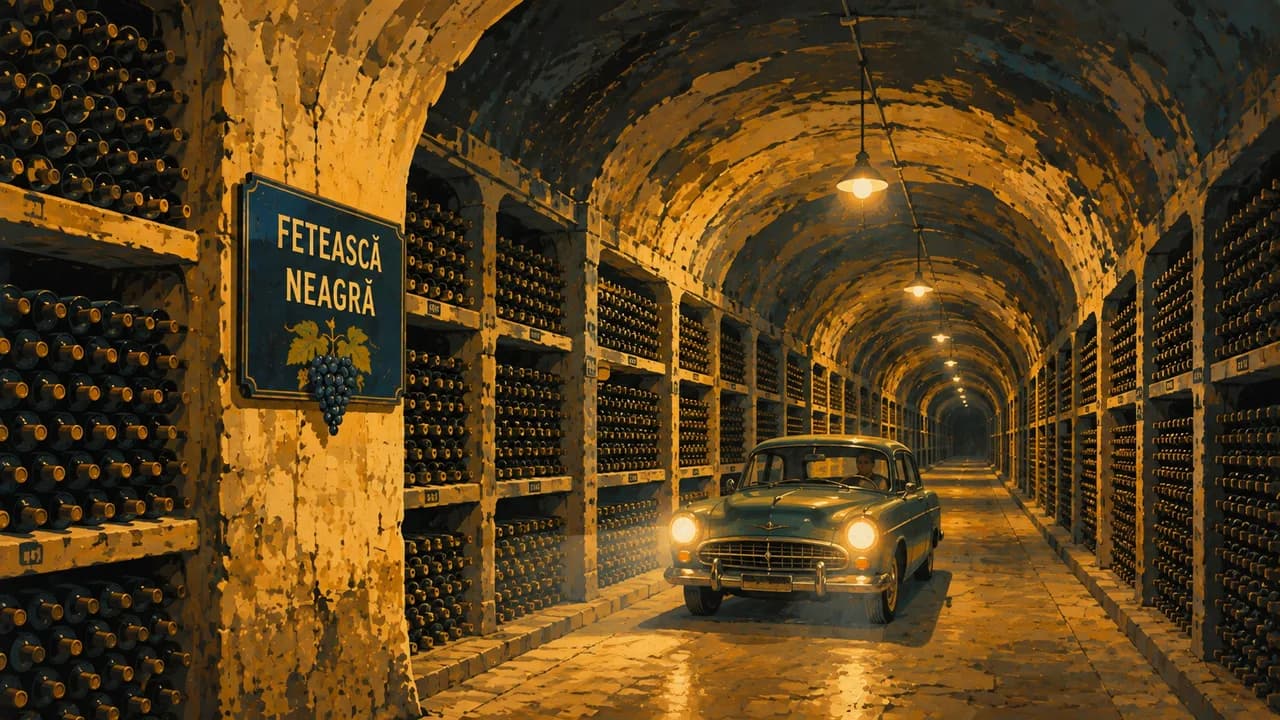
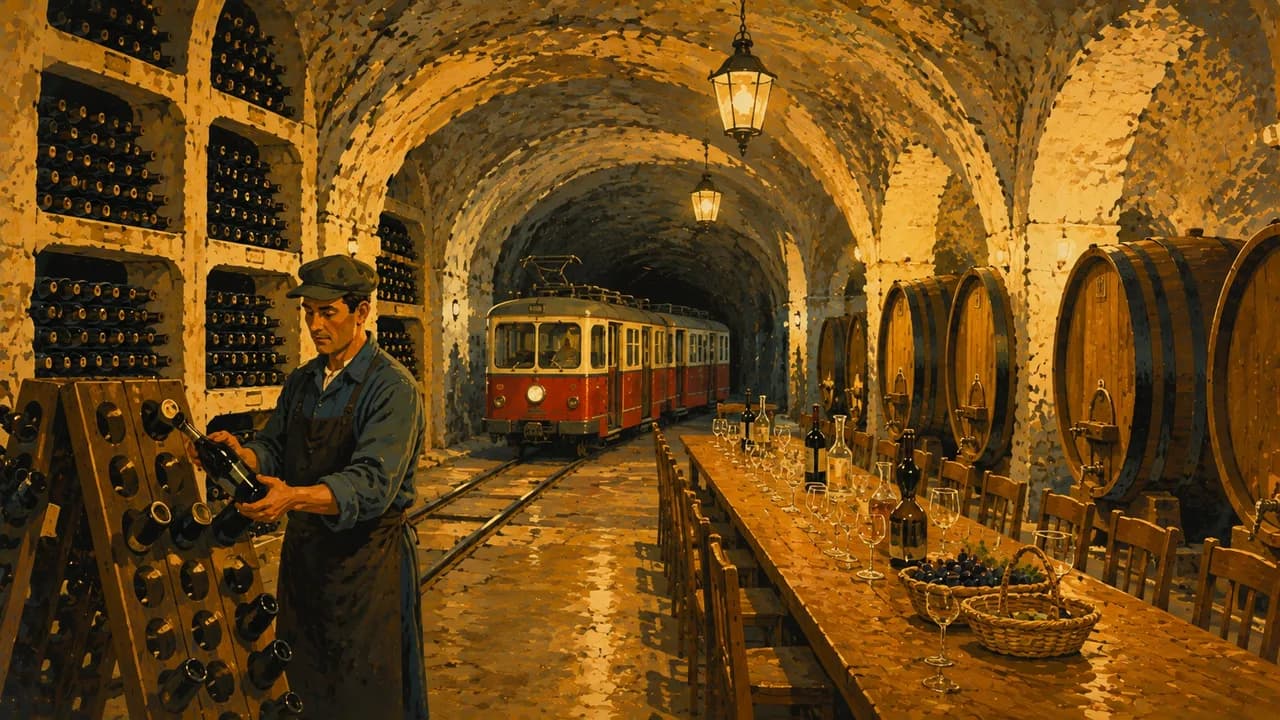
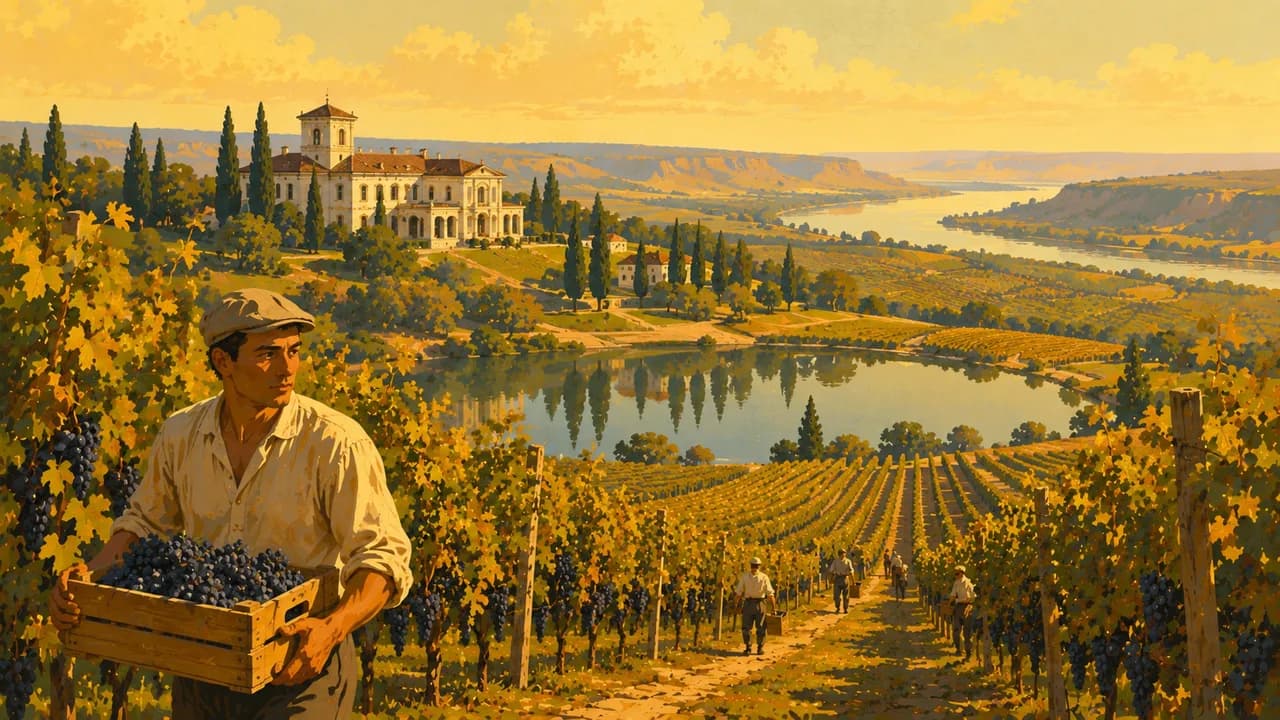
Wine is central to the landscape and local economy. Mileștii Mici and Cricova preserve extensive underground galleries used for wine storage and collections, with organised visits requiring advance checks. Purcari adds a vineyard estate in the southeast and another perspective on Moldovan winemaking. Cellar experiences, small producers and rural guesthouses offer different settings, so tour arrangements and transport should be planned individually.
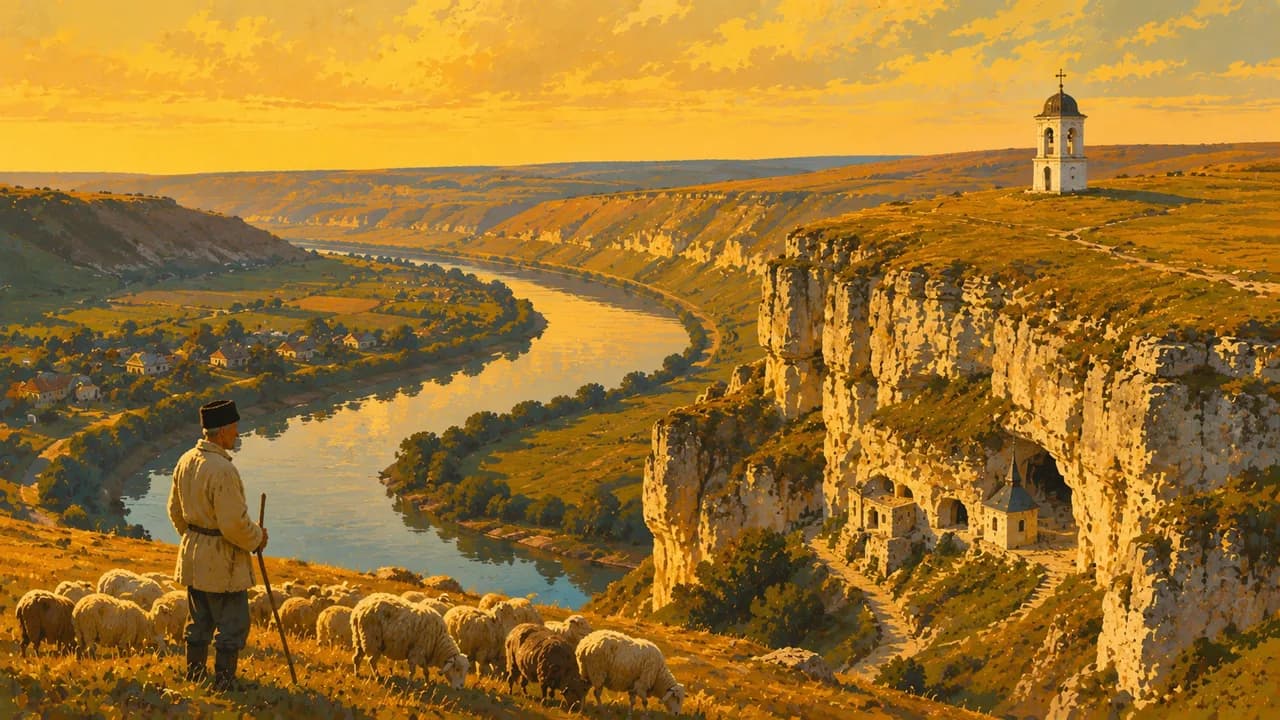
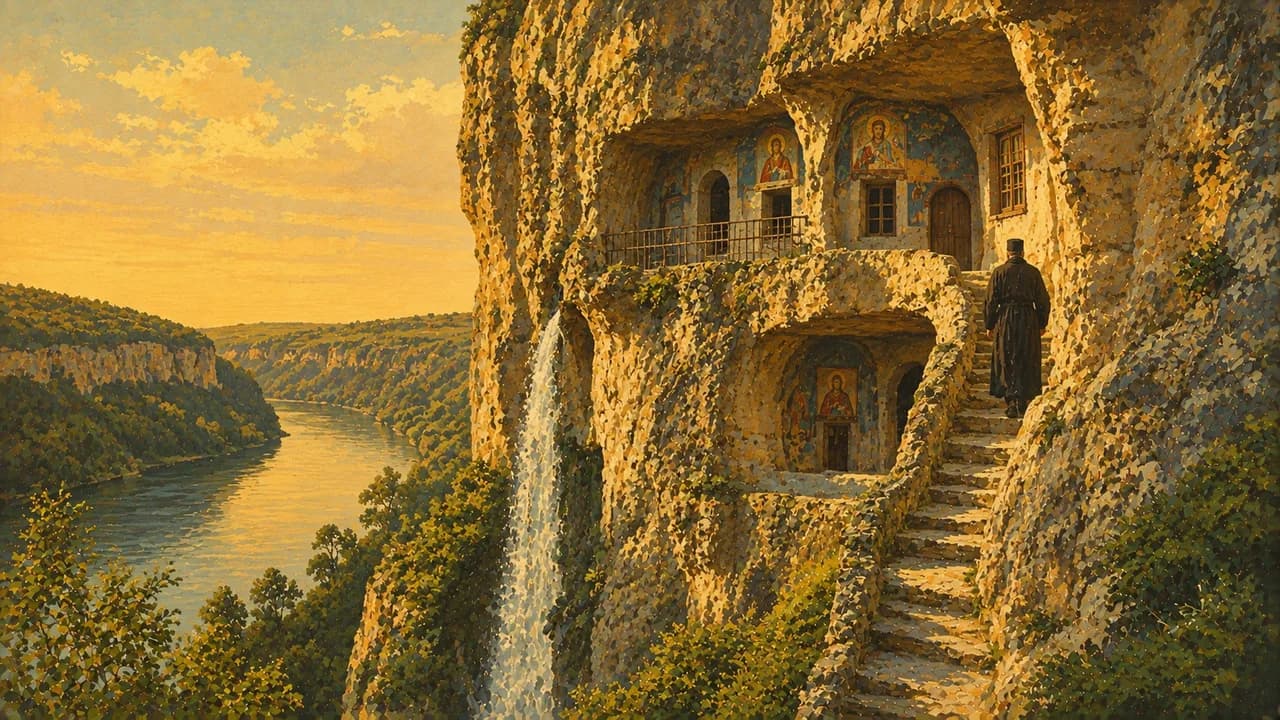
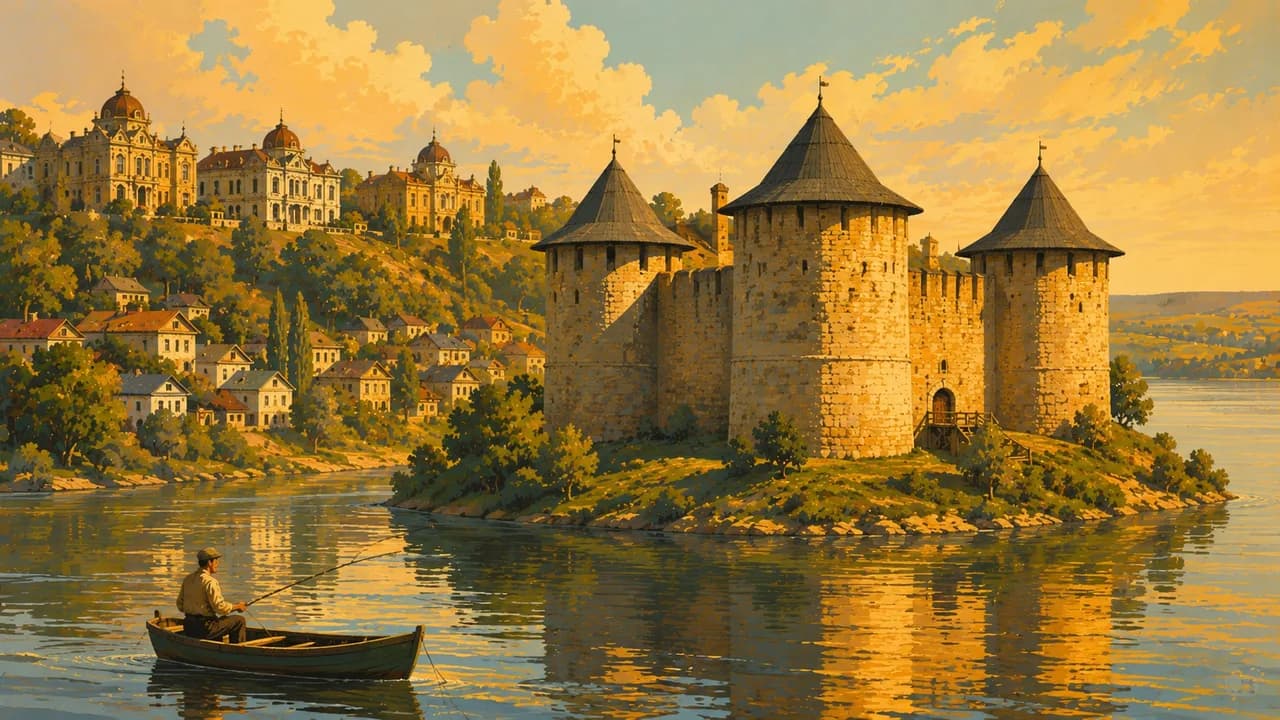
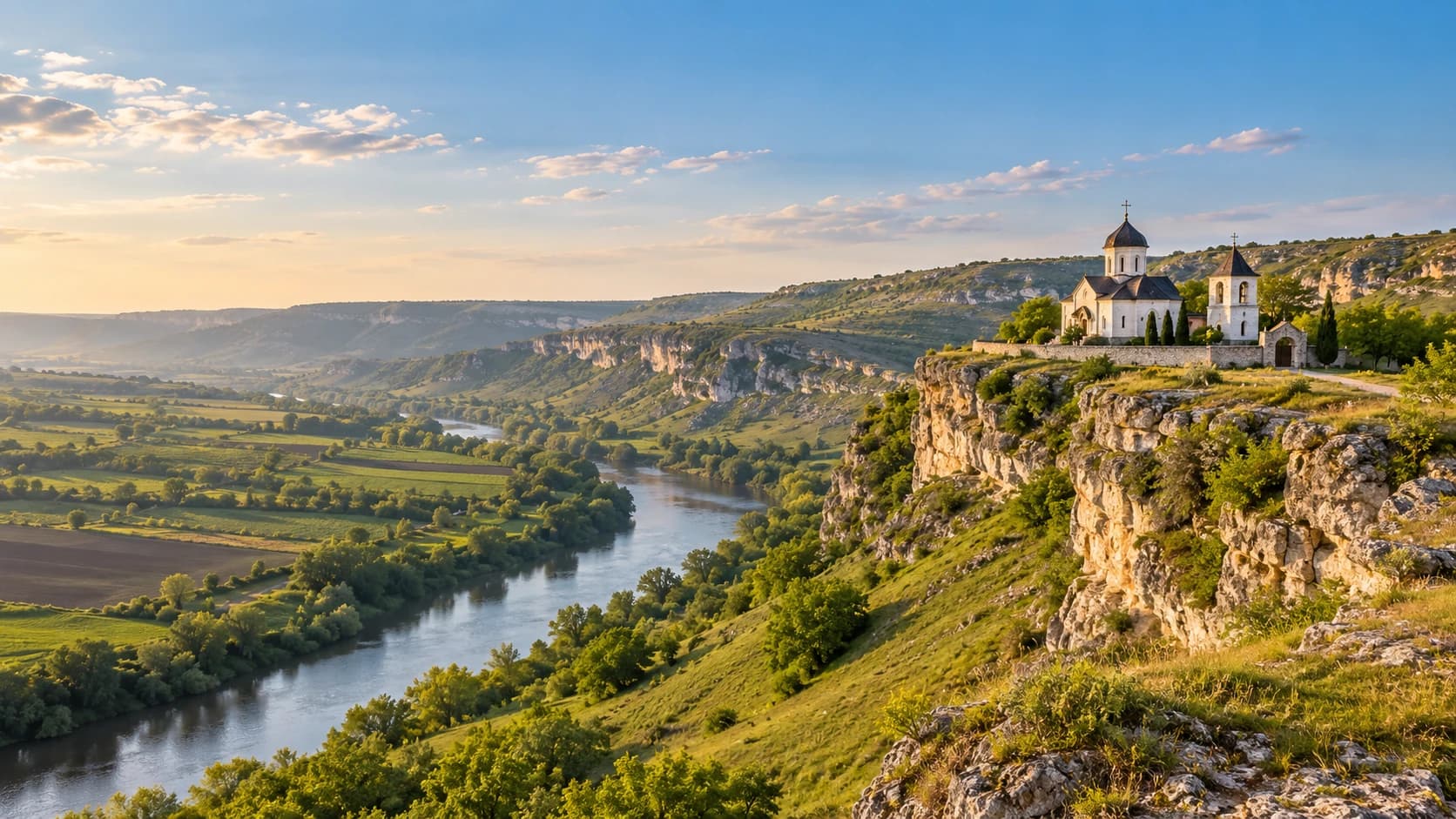
Orheiul Vechi combines limestone cliffs above the Răut, archaeological remains, a rock-cut monastery and villages such as Butuceni and Trebujeni. Its significance extends beyond a single cave church. Further north, Țipova adds a monastic complex carved into cliffs beside the Dniester, also called the Nistru. Soroca’s circular fortress on the same river reveals another layer of regional history. Paths and interiors have differing access conditions.
Rural culture includes weaving, pottery, seasonal celebrations and shared meals. In the south, Gagauzia contributes its own language and food traditions. Mămăligă made from maize, filled plăcinte, sarmale, vegetables and cheeses broaden the culinary picture beyond wine. Spring and autumn often suit towns and countryside, while summer heat, rain and winter conditions can affect walks and rural roads.
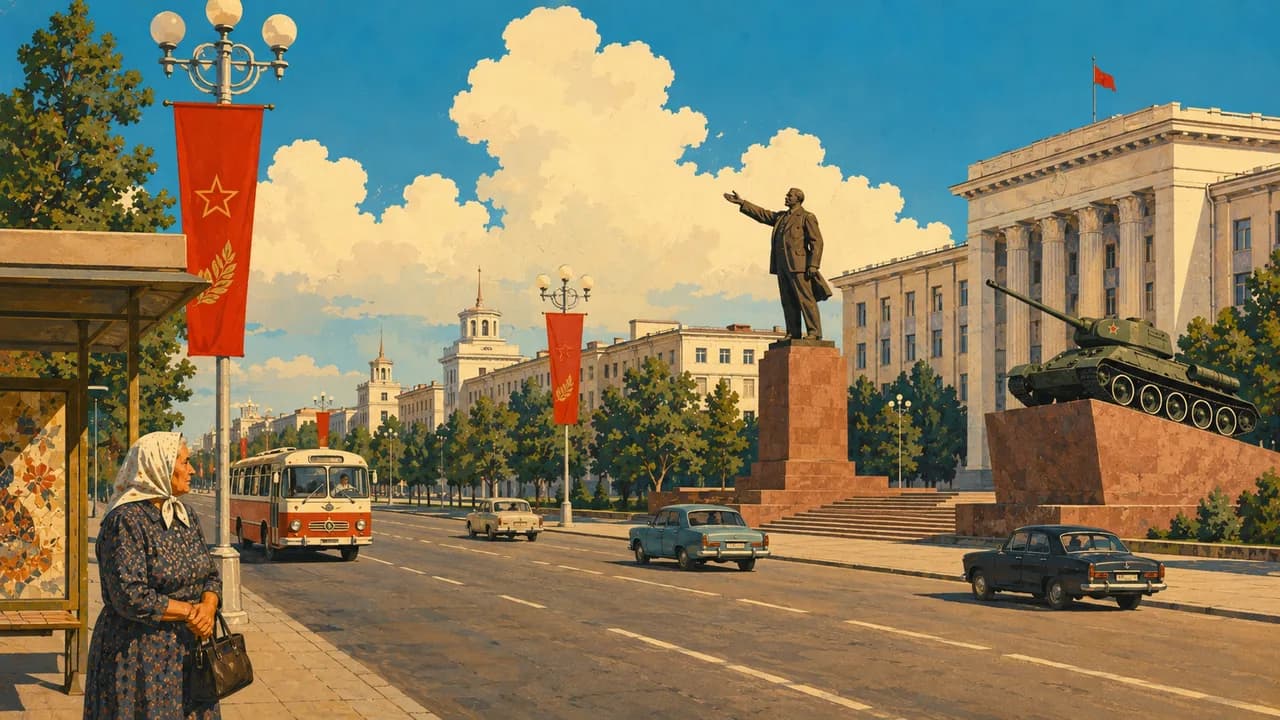
Tiraspol is the main city of Transnistria, an internationally unrecognised breakaway region within Moldova that remains outside the Moldovan government’s control. Soviet-era monuments form part of its urban landscape, but its political and security context matters. Germany’s Federal Foreign Office currently advises against travel to Transnistria. Check current official advice, border conditions and transport arrangements before considering any itinerary, particularly near Ukraine.
AI edited
- 32
- Districts Moldova has 32 districts, known as raioane. Municipalities, autonomous Gagauzia and the left-bank territorial unit are separate administrative categories.
- ≈ 2.37 million
- Population Preliminary usual-resident population on 1 January 2026 from the National Bureau of Statistics. Coverage excludes the left-bank territorial units, Bender and other specified localities. It does not cover all recognised territory.
- ≈ 33,800 km²
- Area Approximate surface area of the internationally recognised territory, including Transnistria. Its geographical scope differs from the population figure shown here.
- Romanian
- Language Romanian is the official language. Local place names generally use Romanian spelling.
- Russian, Gagauz, Ukrainian
- Other languages Russian, Gagauz, Ukrainian and Bulgarian are among the languages spoken by different communities. English availability varies by location and service.
- Moldovan leu (MDL)
- Currency The national currency is the Moldovan leu, divided into 100 bani. It is distinct from the Romanian leu. Payment arrangements in Transnistria differ.
- C · F
- Socket types Types C and F sockets, with a supply of 230 V at 50 Hz. Check device compatibility and adapter requirements.
- Chișinău
- Capital Chișinău is Moldova’s capital and largest city, with parks, museums and the main national institutions.
- Right-hand traffic
- Driving side Traffic drives on the right. Road conditions and rural access vary, so allow additional travel time.
- UTC+2 / UTC+3
- Time zone Europe/Chisinau follows UTC+2 in winter and UTC+3 during summer time. The capital clock accounts for seasonal changes.
- 1
- UNESCO cultural site UNESCO lists the shared Struve Geodetic Arc as a cultural World Heritage property. Orheiul Vechi and the Cricova and Mileștii Mici cellars are on the Tentative List, not inscribed World Heritage sites.
Moldova on the map

Map data: geoBoundaries (CC BY 4.0), © OpenStreetMap contributors (ODbL), Natural Earth
Climate and best time to travel
Moldova has a continental climate with warm to hot summers and cold winters. April to June and September to October often suit city walks, cultural visits and valley landscapes. Summer heat can make exposed trails tiring, while rain or ice affects rural paths. Cellar visits are possible throughout the year with advance arrangements. Harvest dates vary by vineyard. For Tiraspol and Transnistria, the German Federal Foreign Office currently advises against travel. Check current official advice before planning a visit.