Belarus
Беларусь
Castles, forest lakes and layered city histories reveal a country of living crafts and varied regional traditions.
Worth coming back!
Wanderlama keeps growing with new destinations, helpful information and exciting features. Check back soon and discover what is new!
Travel to Belarus
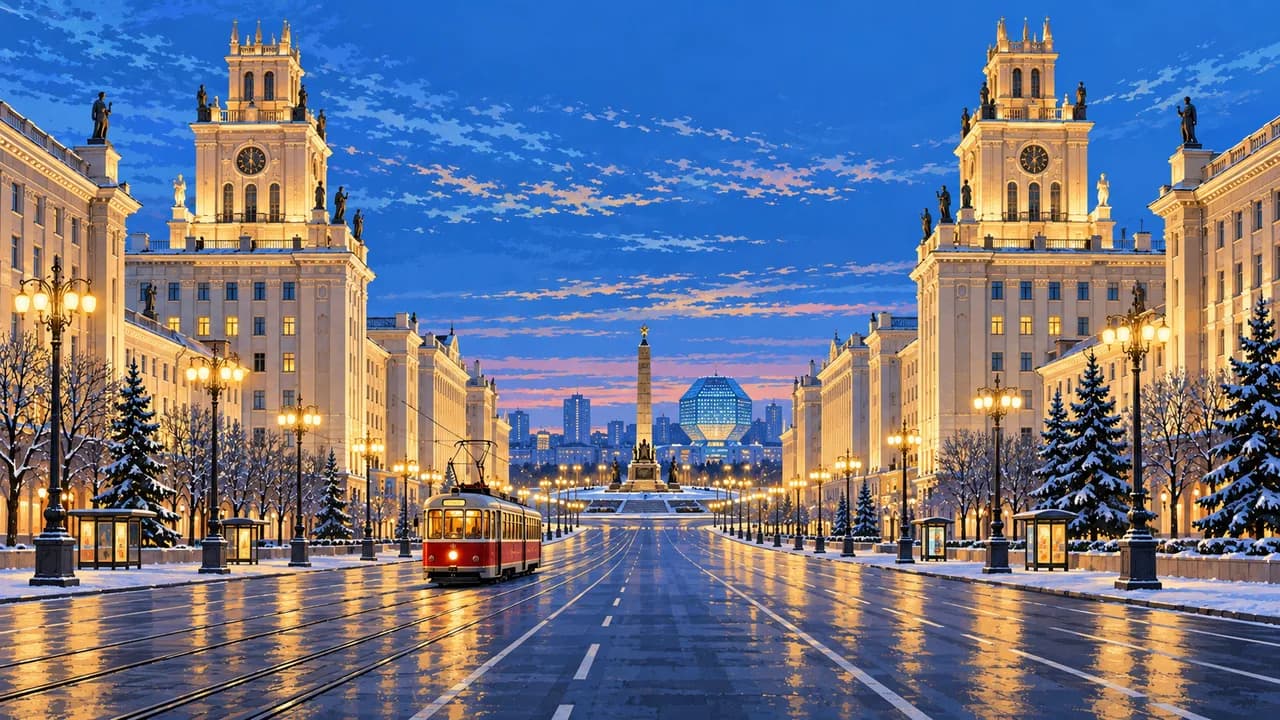
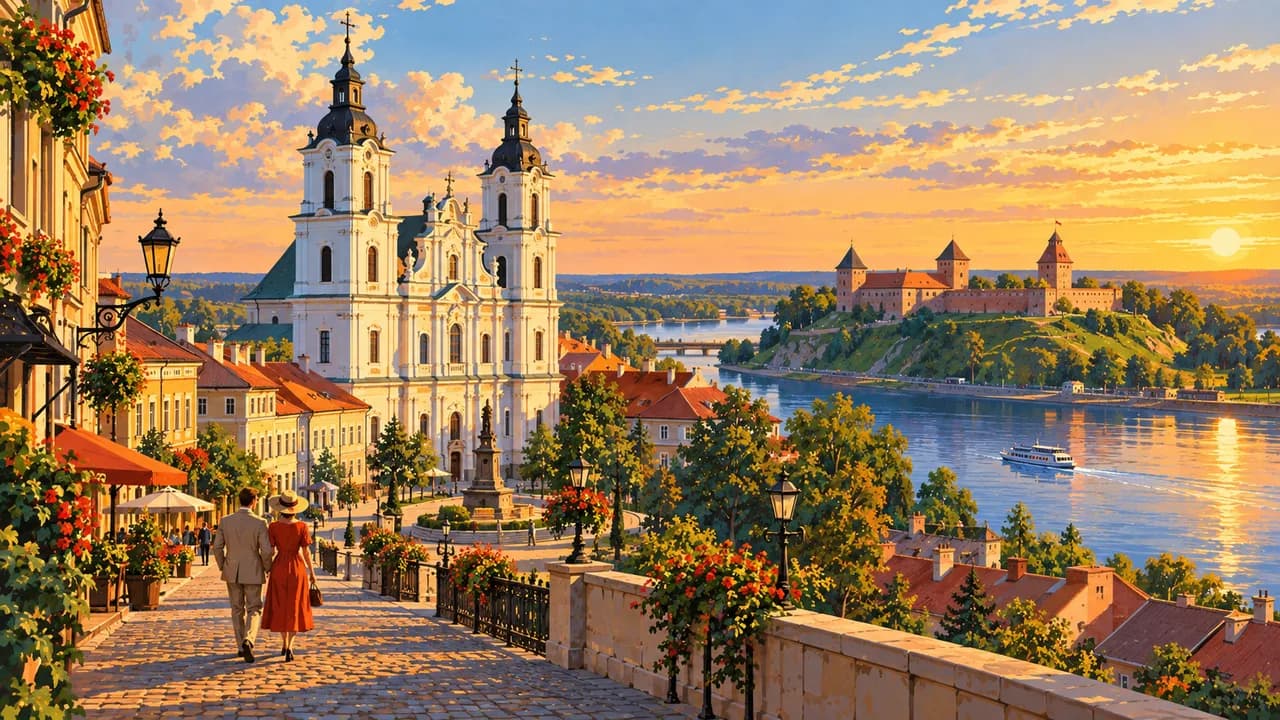
Belarus is a landlocked country of low hills, broad plains, forests, lakes and wetlands in Eastern Europe. Minsk, the capital, combines monumental Soviet avenues and squares rebuilt after the Second World War with older quarters, museums and green spaces along the Svislach. Its landscapes and towns reflect intertwined Belarusian, Lithuanian, Polish, Jewish and Russian histories.
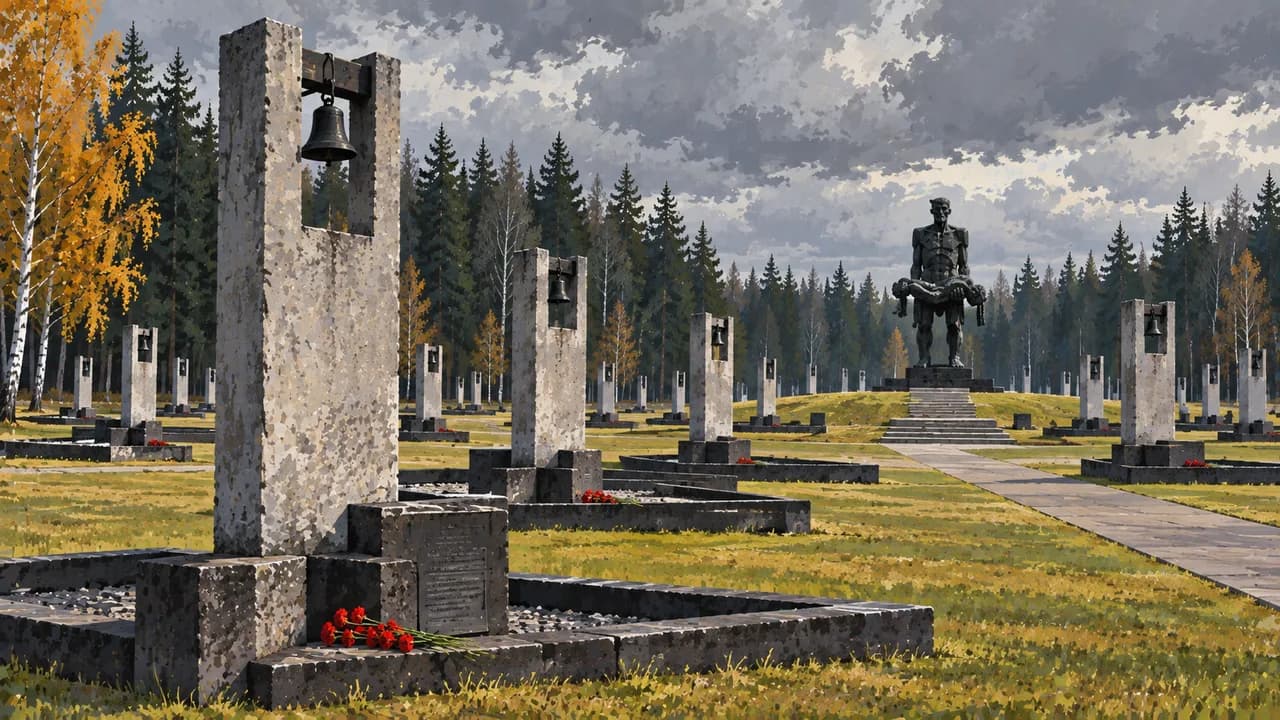
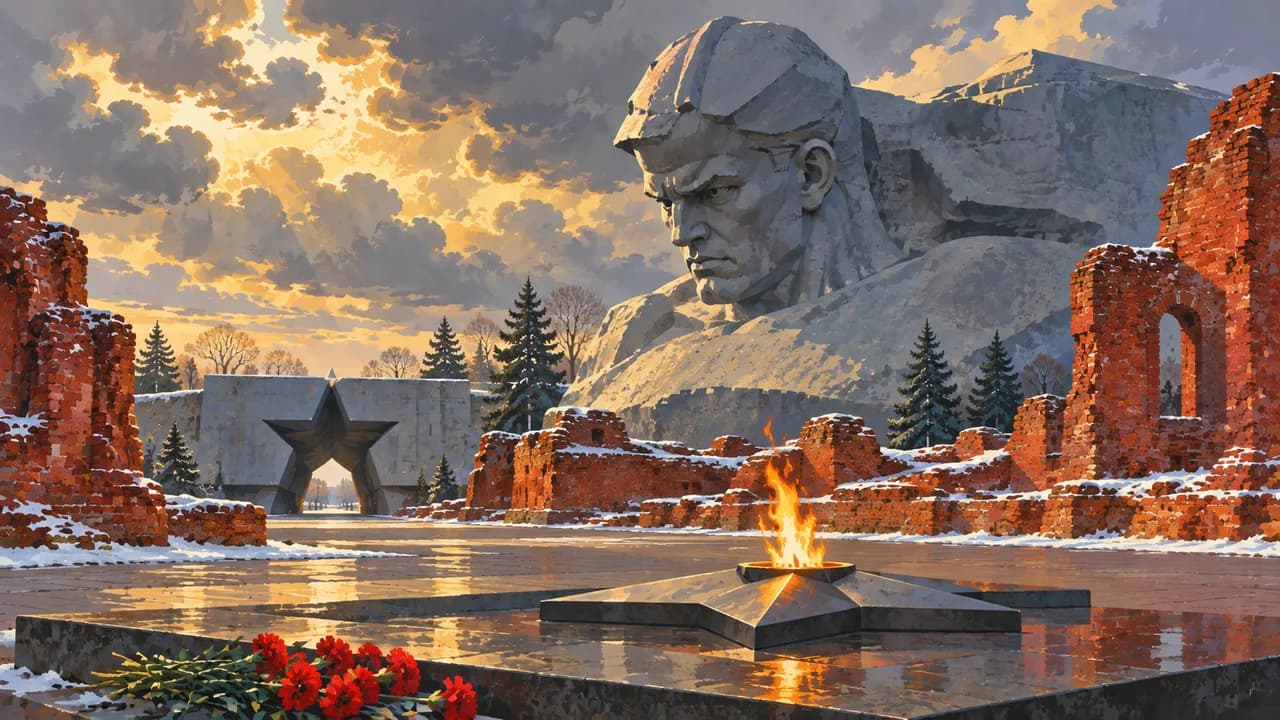
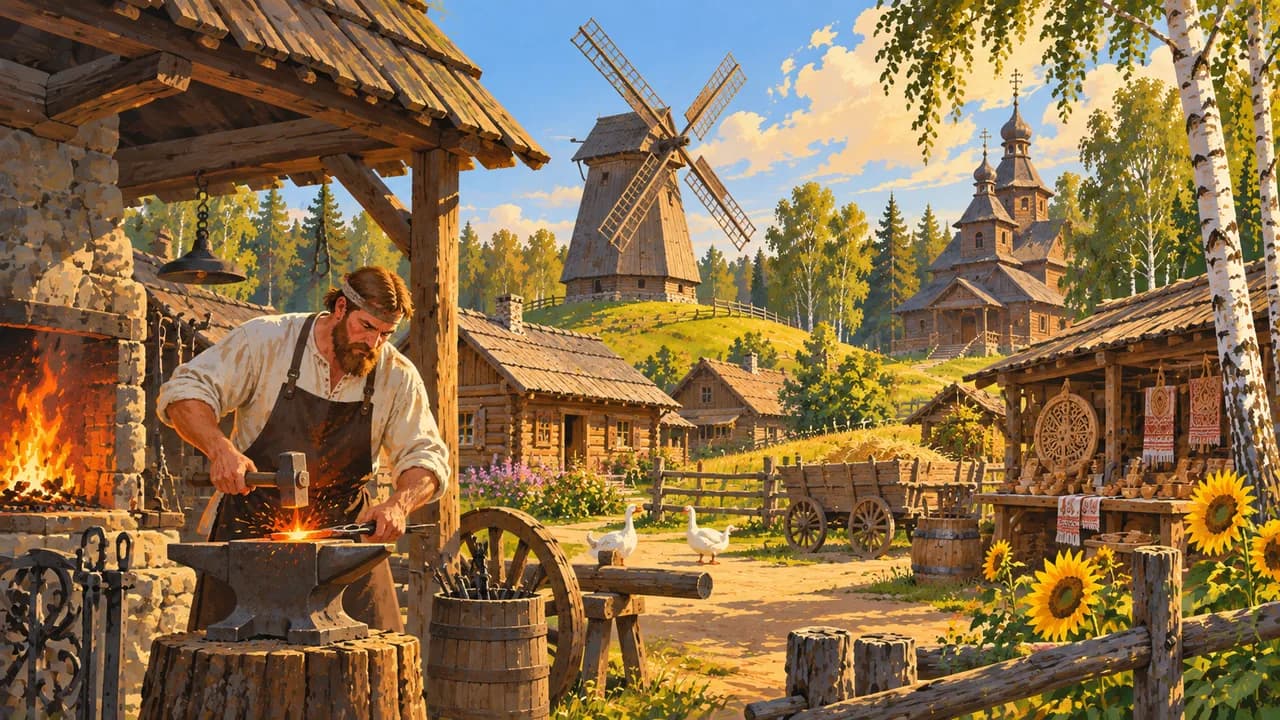
War remembrance is central at Brest Fortress and Khatyn, where the memorial commemorates a village destroyed with its inhabitants during the German occupation. These are places of mourning and historical reflection. Near Minsk, Dudutki presents traditional crafts and rural technologies through workshops and museum displays.
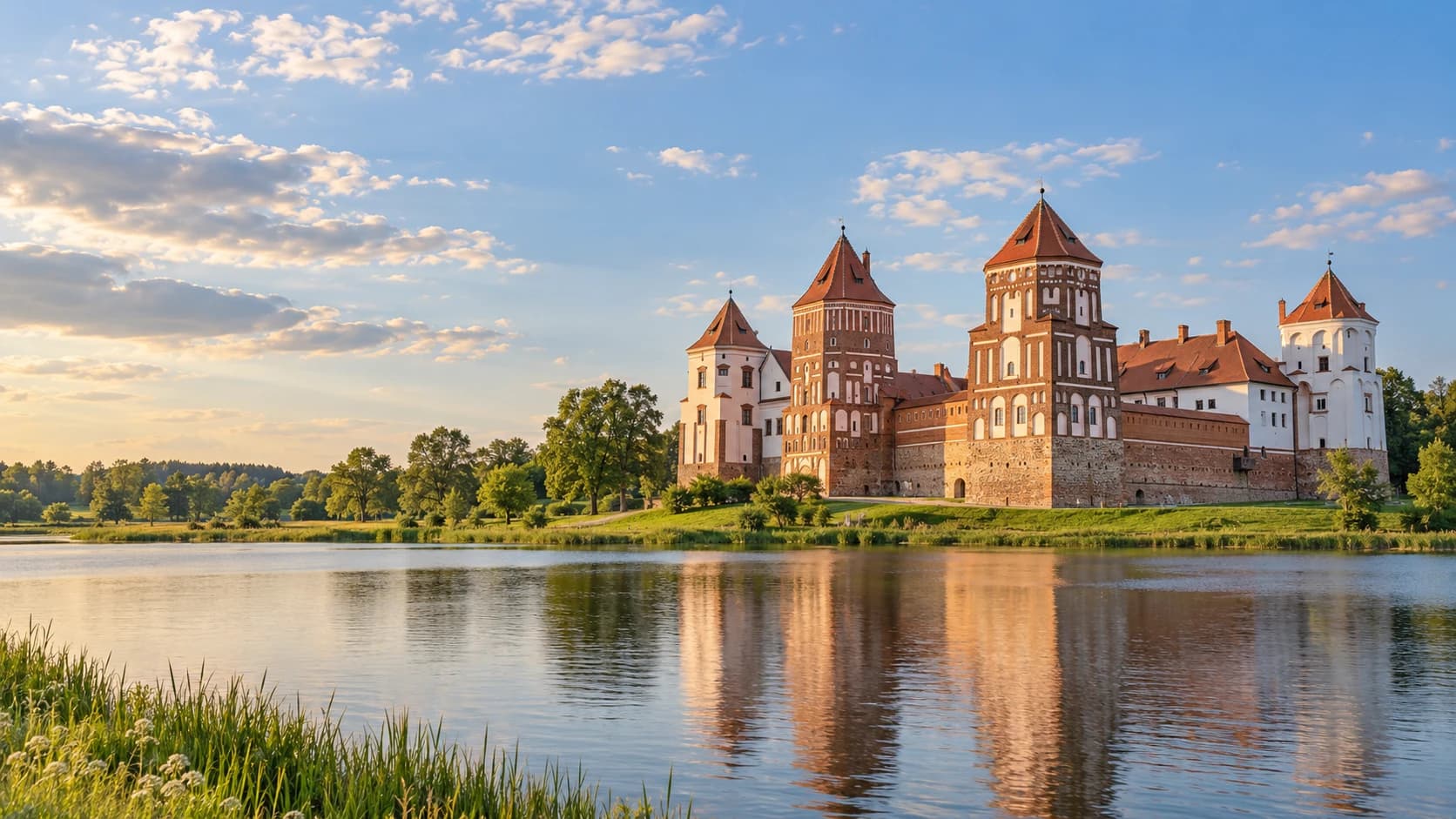
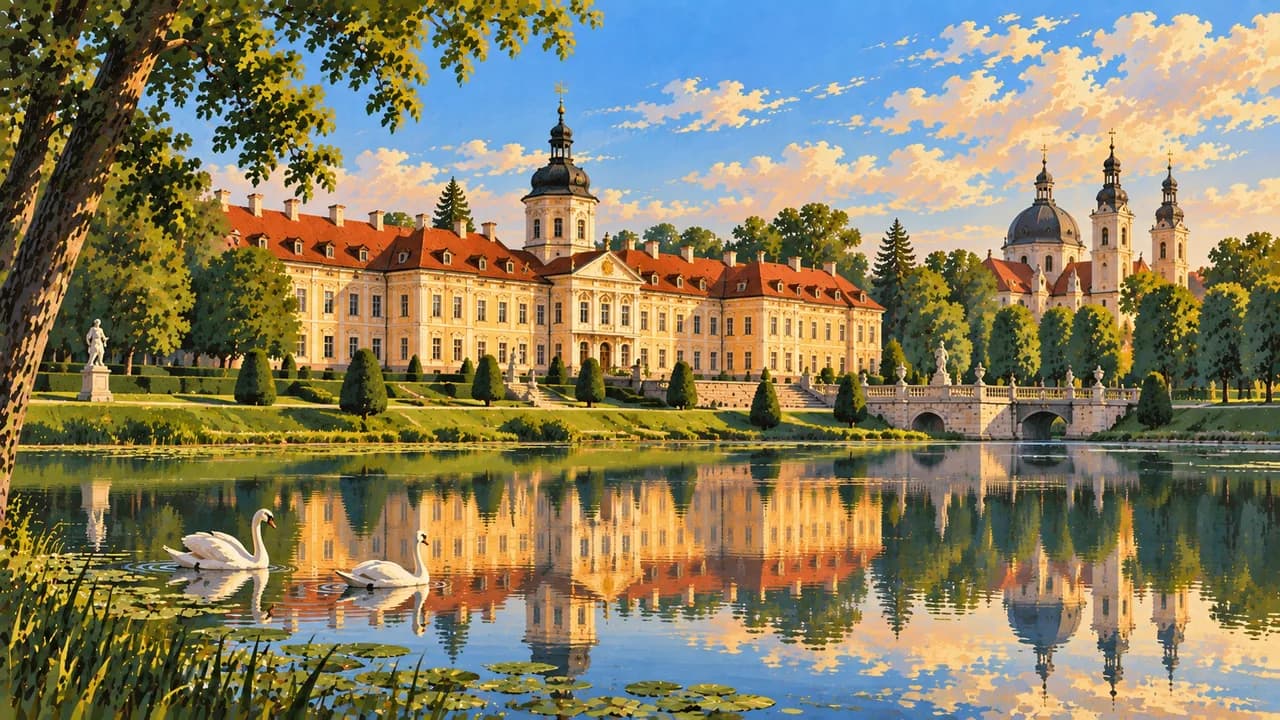
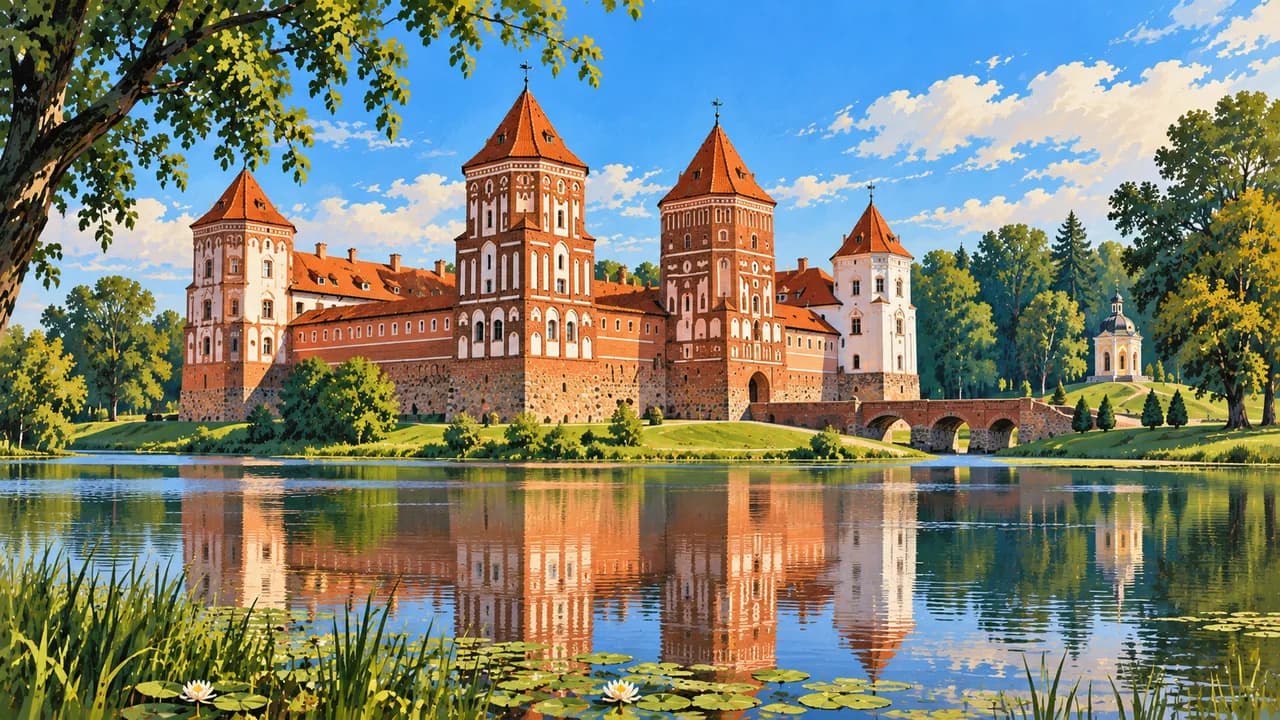
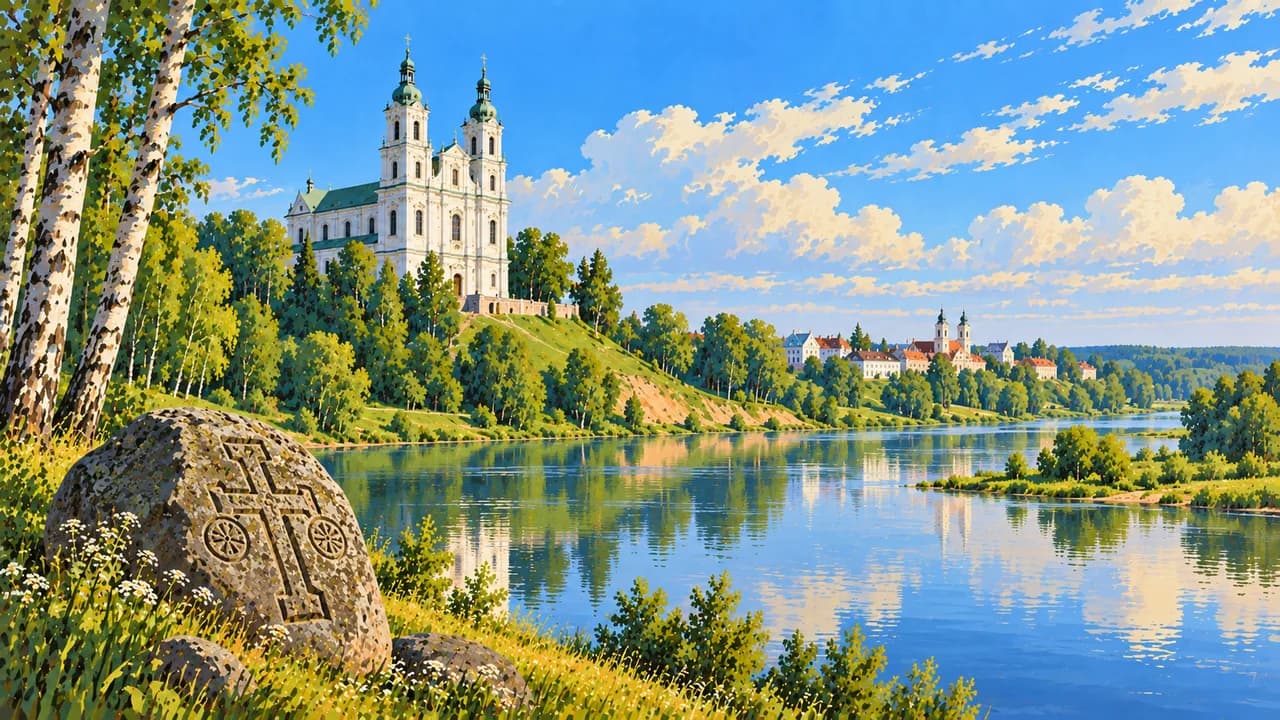
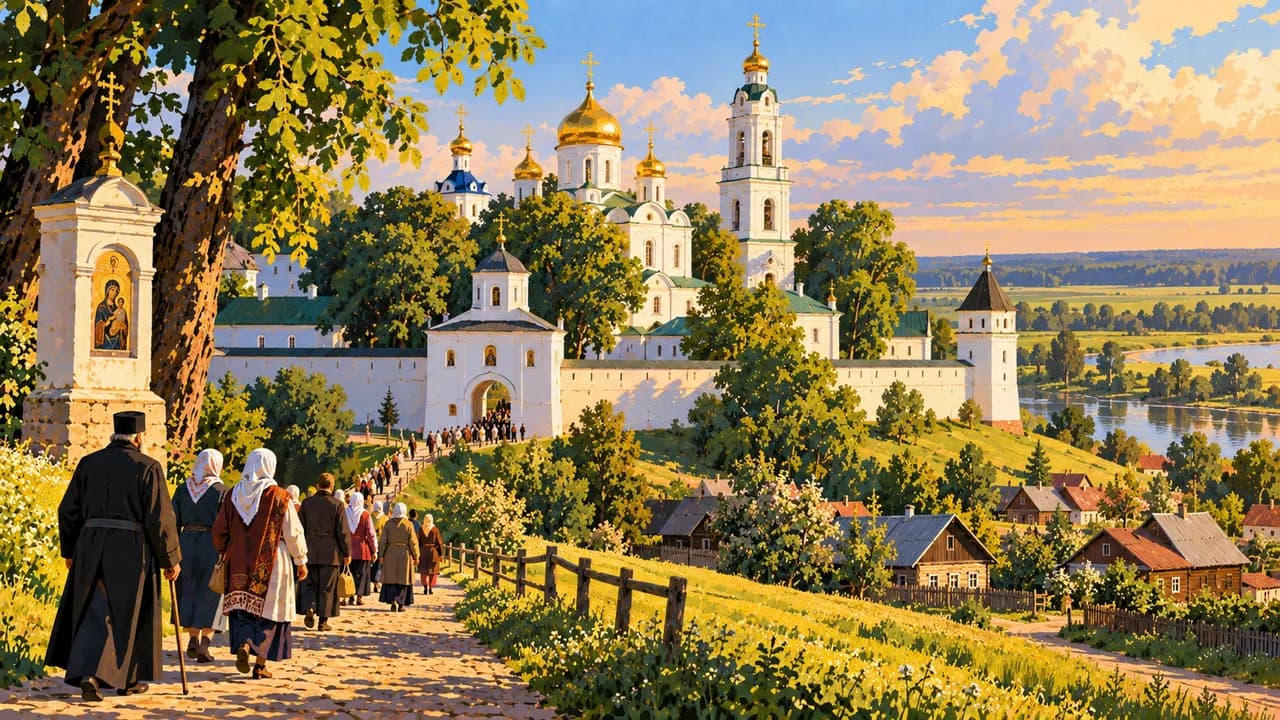
The UNESCO-listed Mir Castle and the Radziwill residence at Niasvizh reveal aristocratic architecture and landscaped settings. Hrodna adds churches and royal castles above the Neman. Lida and Navahrudak preserve contrasting castle remains, while Kosava contributes a palace landscape. Zhyrovichy remains an active Orthodox monastery and pilgrimage centre, where religious life shapes visiting arrangements.
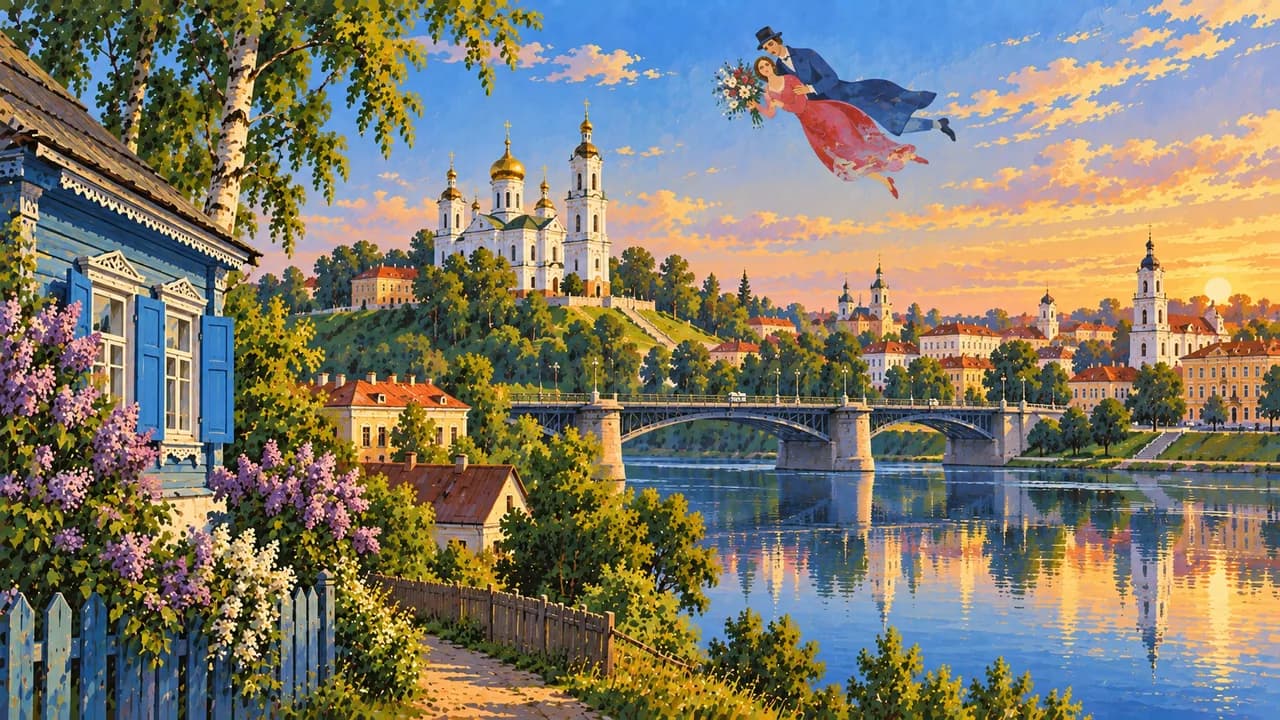
Polatsk offers Saint Sophia Cathedral and a rich museum landscape. Vitsebsk is closely associated with Marc Chagall and artistic traditions. Mahilyow adds civic and church heritage, while Homyel has a palace and park overlooking the Sozh. Pinsk introduces the river landscapes and cultural traditions of Polesia, broadening the portrait beyond the capital and western castles.
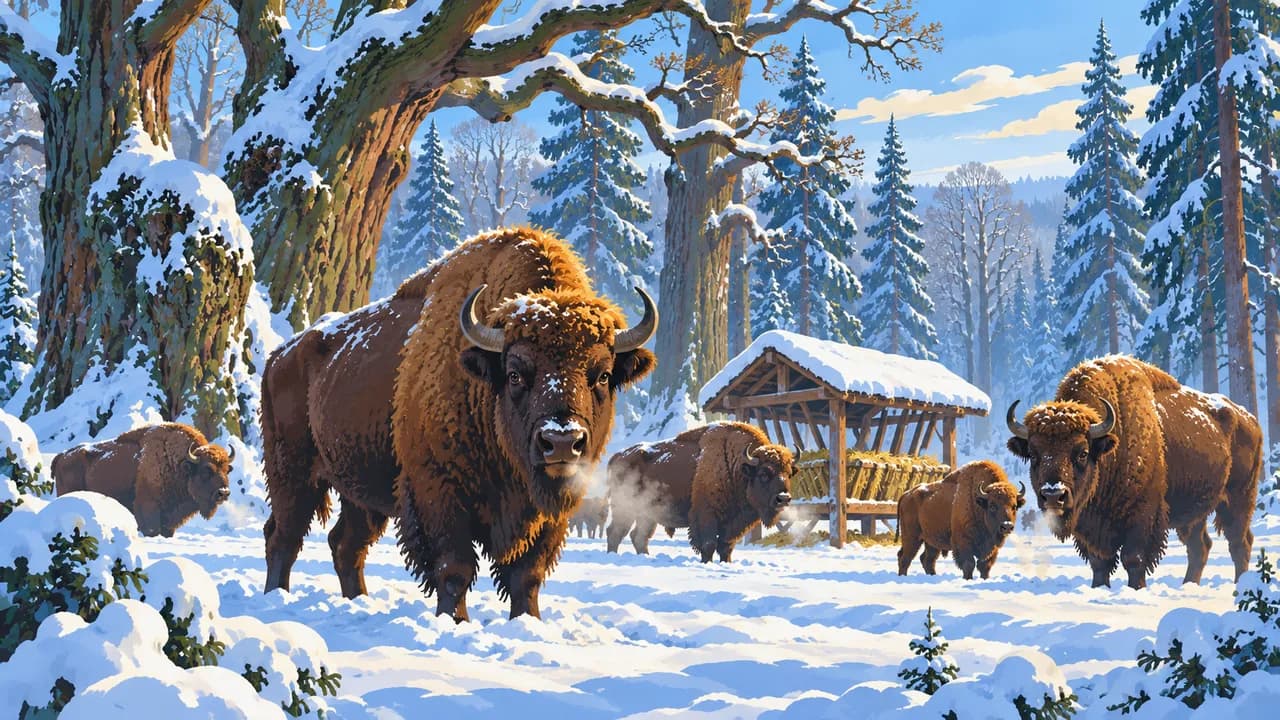
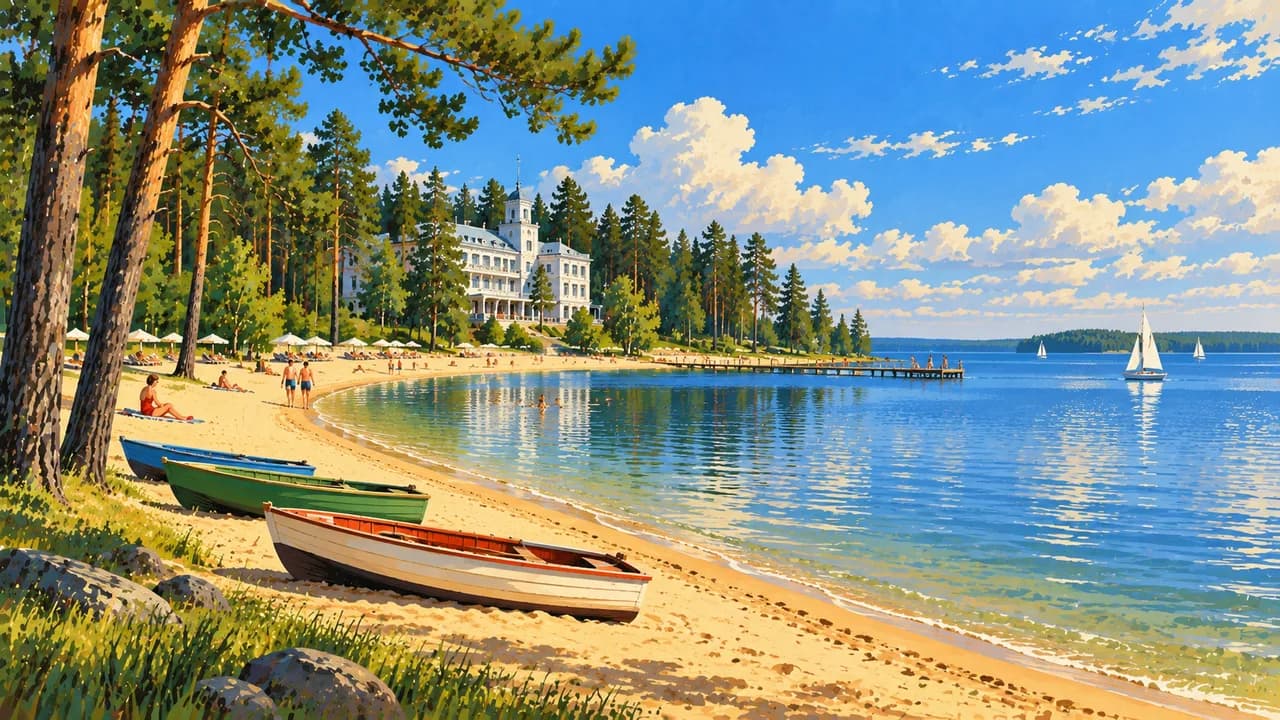
Belavezhskaya Pushcha forms the Belarusian part of the transboundary Białowieża Forest, with old woodland and European bison. Wildlife sightings are not guaranteed. Narach and the Braslaw Lakes add wooded shores, glacial lake landscapes and seasonal outdoor activities. Protected areas have designated routes and access rules that require local checking.
Draniki potato pancakes, rye bread, mushrooms and dairy dishes connect regional food traditions. Outdoor conditions vary with summer heat, rain and winter snow. Germany’s Federal Foreign Office currently advises against travel to Belarus. Consult current official advice, border restrictions and transport arrangements before considering a journey.
AI edited
- 6 + 1
- Regions & capital Six oblasts and the independent city of Minsk. The capital is separate from Minsk Oblast.
- ≈ 9.06 million
- Population Belstat records 9,056,080 residents on 1 January 2026. This figure is a dated population estimate.
- 207,600 km²
- Area National territory published in the official country facts.
- Belarusian & Russian
- Languages Belarusian and Russian are both official languages. Both use Cyrillic script.
- English & others
- Other languages English availability varies by visitor service. Polish and other community languages are also encountered regionally.
- Belarusian ruble
- Currency The national currency is the Belarusian ruble, code BYN. Foreign card use and payment arrangements require current checking.
- C · F
- Socket types Types C and F sockets, generally 220 V at 50 Hz. Check device and adapter compatibility.
- Minsk
- Capital Minsk is the capital and a separate administrative city. The clock follows Europe/Minsk.
- Right-hand traffic
- Driving side Vehicles drive on the right. Rural road quality and winter conditions can affect journeys.
- UTC+3
- Time zone Local time is UTC+3 throughout the year without seasonal clock changes.
- 3
- UNESCO cultural sites Three UNESCO cultural inscriptions cover Mir, the Radziwill complex at Niasvizh and the transnational Struve Geodetic Arc. Białowieża Forest is a separate natural inscription, making four properties overall.
Belarus on the map

Map data: geoBoundaries (CC BY 4.0), © OpenStreetMap contributors (ODbL), Natural Earth
Climate and best time to travel
Belarus has a temperate continental climate with seasonal rainfall, warm summers and cold winters. Late spring to early autumn is a typical window for cities, castles and woodland routes. Lakeside activities depend on local conditions and permitted access. Snow, ice, summer heat and temporary forest restrictions can affect outdoor plans. Wildlife sightings are not guaranteed. Germany’s Federal Foreign Office currently advises against travel to Belarus. The month chips describe usual seasonal conditions and do not override travel warnings or guarantee access. Check current official advice, border and transport restrictions, site openings and protected-area rules.
Destinations in Belarus
 AI generated
 AI generated
 AI generated
 AI generated
 AI generated
 AI generated
 AI generated
 AI generated
 AI generated
 AI generated
 AI generated
 AI generated