Dalarna
Sweden · 165 m
Description
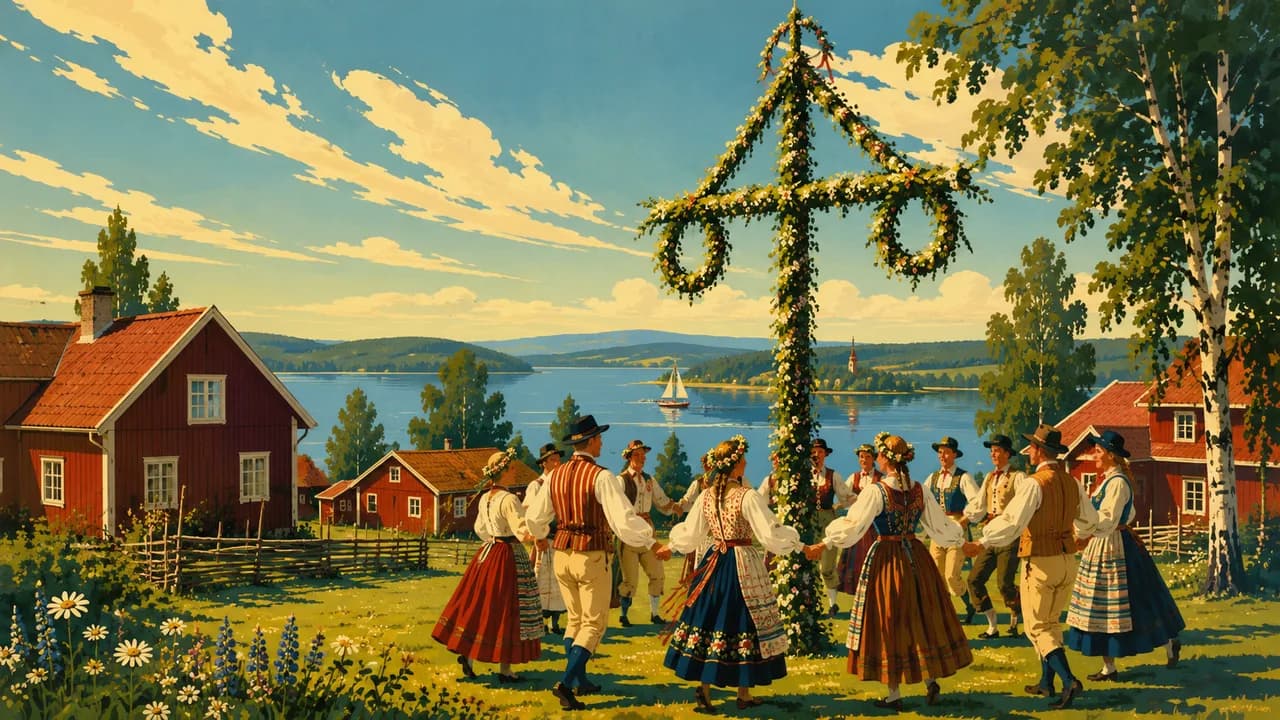
Dalarna is often regarded as the cultural heartland of Sweden, combining traditional folk culture, craftsmanship and distinctive landscapes. The region around Lake Siljan is known for its red-painted wooden houses, villages such as Tällberg, Leksand and Rättvik, traditional costumes and vibrant folk music. In Nusnäs near Mora, the famous Dala horse, one of the best-known symbols of Swedish folk art, is still carved and painted by hand. Dalarna is also renowned for its traditional Midsummer celebrations, featuring decorated maypoles, folk dancing and traditional dress. With the historic mining area of Falun, now a UNESCO World Heritage Site, and the landscape around Lake Siljan shaped by a meteorite impact around 377 million years ago, Dalarna brings together cultural heritage, craftsmanship, industrial history and remarkable geology in one of Sweden’s most distinctive regions.
Length of stay
Recommended length of stay: 2 to 5 days (optimal 3 days)
Travel season
Best time to visit: June – August
- Jan
- Feb
- Mar
- Apr
- May
- Jun
- Jul
- Aug
- Sep
- Oct
- Nov
- Dec
Highlights
- Lake Siljan and Siljan villages
- Falun Mine (UNESCO)
- Dalarna Dala horse tradition in Nusnäs
- Zorn Museum and Zorngården
- Carl Larsson-gården
- Midsummer celebrations in Dalarna (June)
- Dalarnas Museum
- Lake Siljan boat tours
- Tällberg village
- Rättvik and Rättvik Pier
- Leksand and Leksand Church
- Falu red wooden town
- Staberg mining estate
- Ornässtugan historic house
- Siljan Geopark
- Dalhalla open-air theatre
- Fulufjället National Park and Njupeskär waterfall
- Orsa Grönklitt wildlife park
- Sälen mountain resort(Day trip)
- Vasaloppet route
- Nusnäs Dala horse workshops
- Mora Church
- Tomteland theme park
- Styggforsen waterfall
- Hildasholm gardens
- Avesta Art and Verket
- Hiking in Dalarna's mountains
- Dalarna cross-country skiing (December - March)
- Dalarna cycling routes
Getting there
- Seaport:
- Reachable by ship or ferry