Austria
Österreich
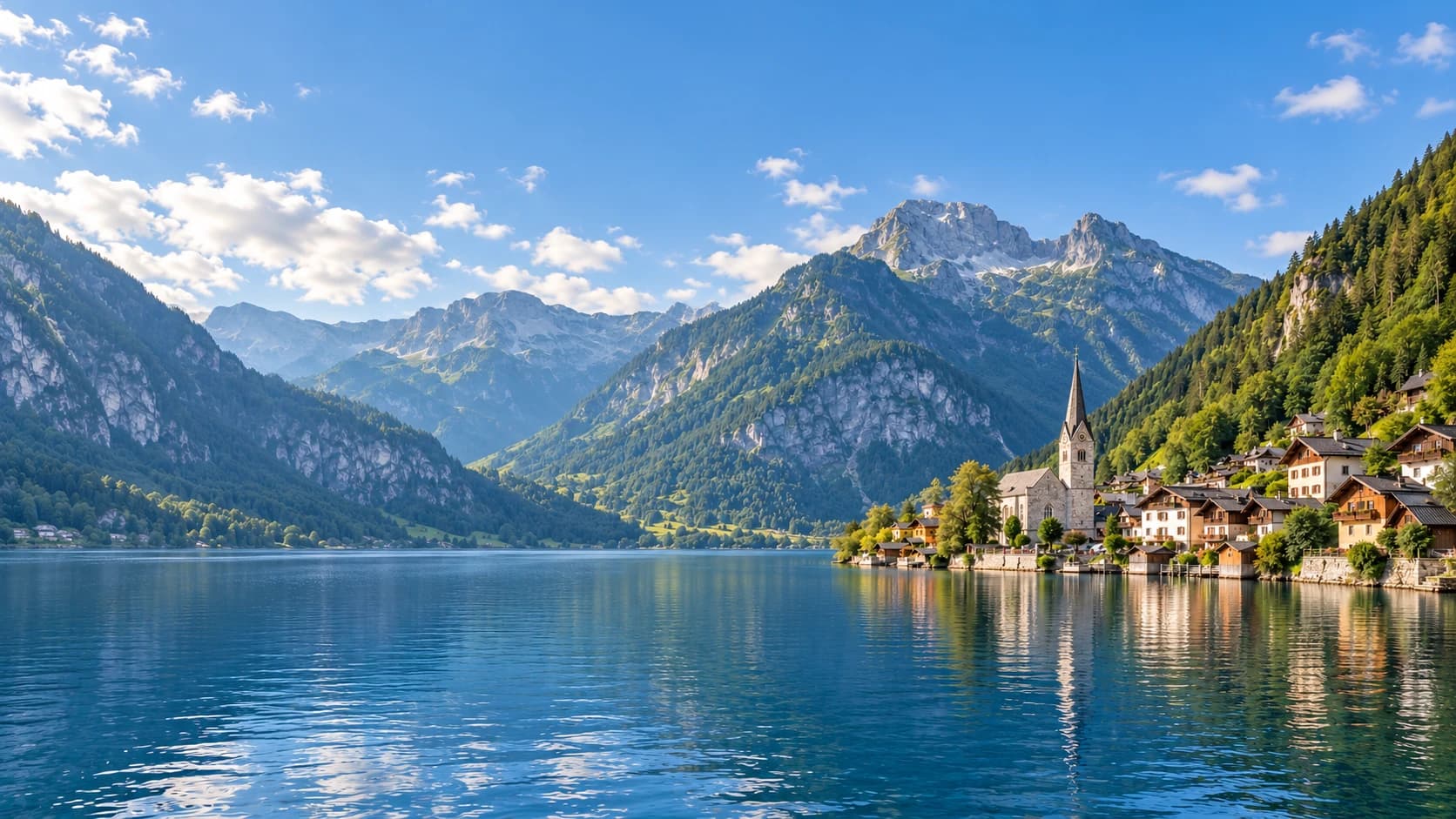
Alpine peaks, clear lakes and historic cities meet living musical traditions, regional food and varied wine landscapes.
Worth coming back!
Wanderlama keeps growing with new destinations, helpful information and exciting features. Check back soon and discover what is new!
Travel to Austria
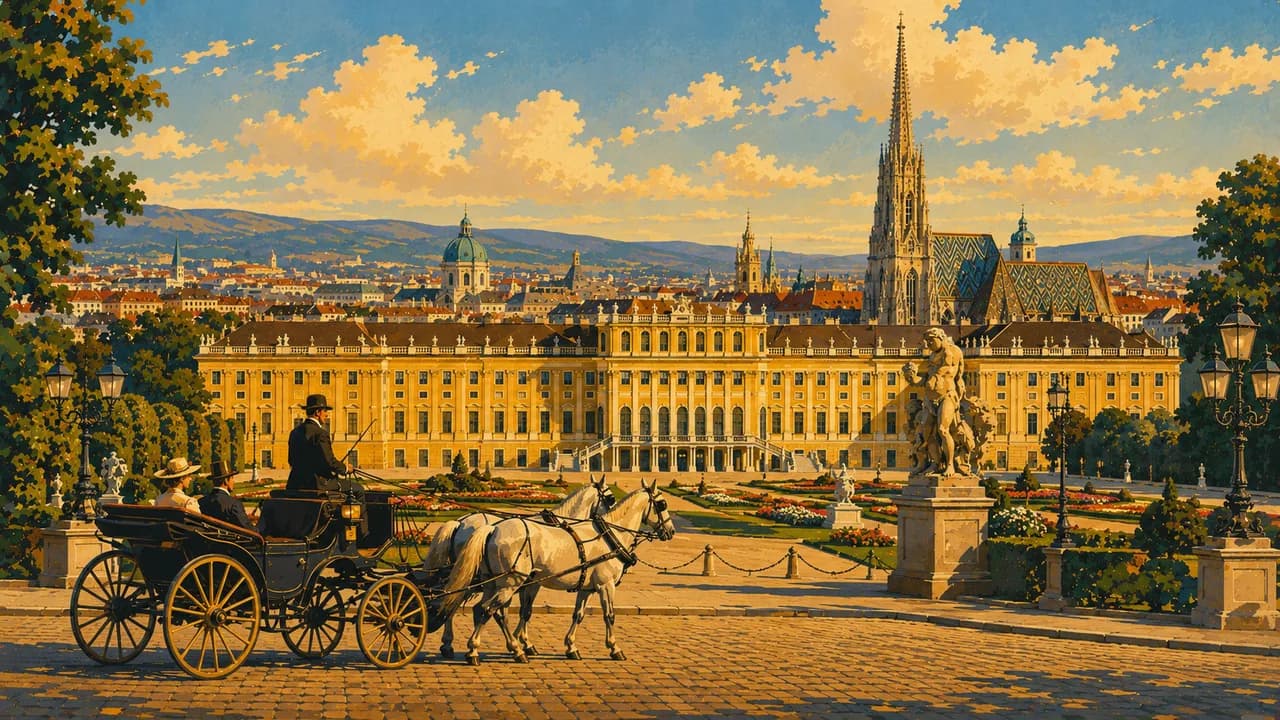
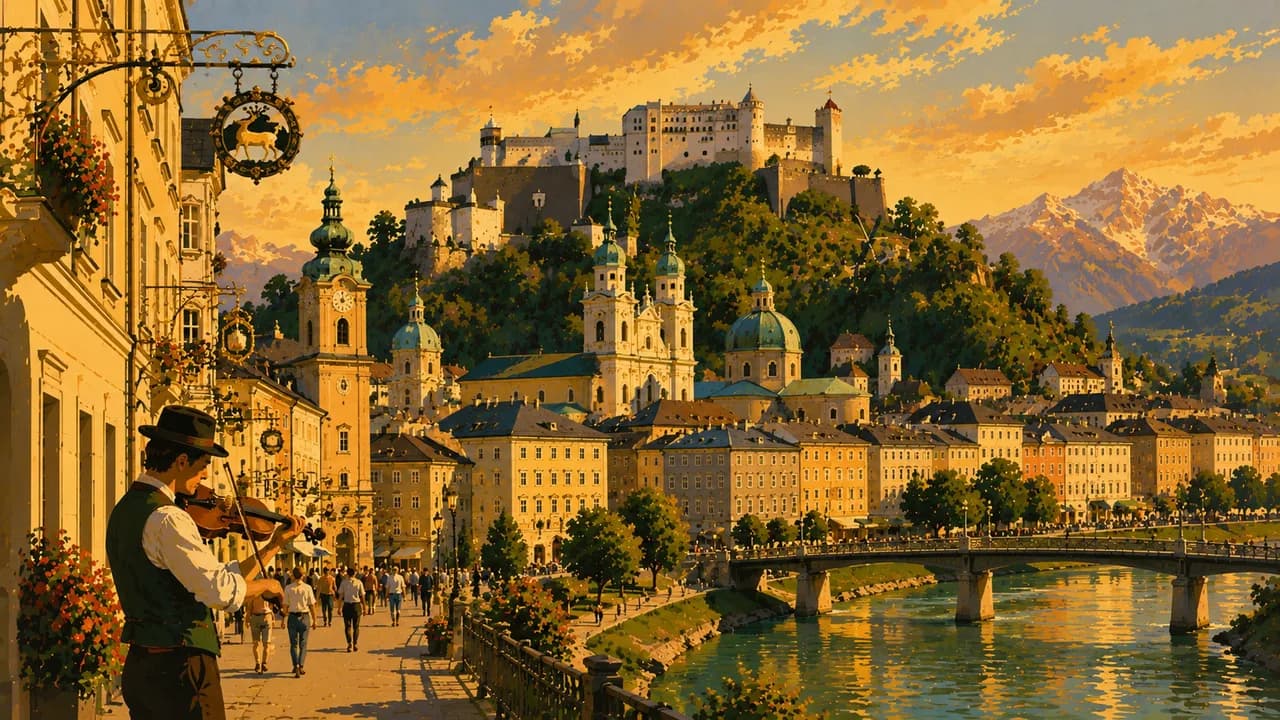
Austria combines Alpine peaks and lakes with historic cities, Danube valleys and eastern wine country. Vienna brings together Habsburg palaces such as Schönbrunn, major art collections, classical music and coffee house culture. Salzburg pairs its fortress and baroque old town with Mozart's musical legacy.
Graz combines historic streets with contemporary architecture, while Linz adds museums and media art beside the Danube. In Lower Austria, the Wachau's vineyards and Melk Abbey invite cultural visits and cycling. Carnuntum reveals Roman history, the Semmering Railway crosses the mountains, and pilgrimage routes lead to Mariazell. Burgenland offers Eisenstadt's Haydn heritage, wine villages and the reed beds and birdlife around Lake Neusiedl. Southern Styria adds vineyard hills and regional food, while Klagenfurt, Villach and Carinthia's lakes combine town visits with swimming and mountain excursions.
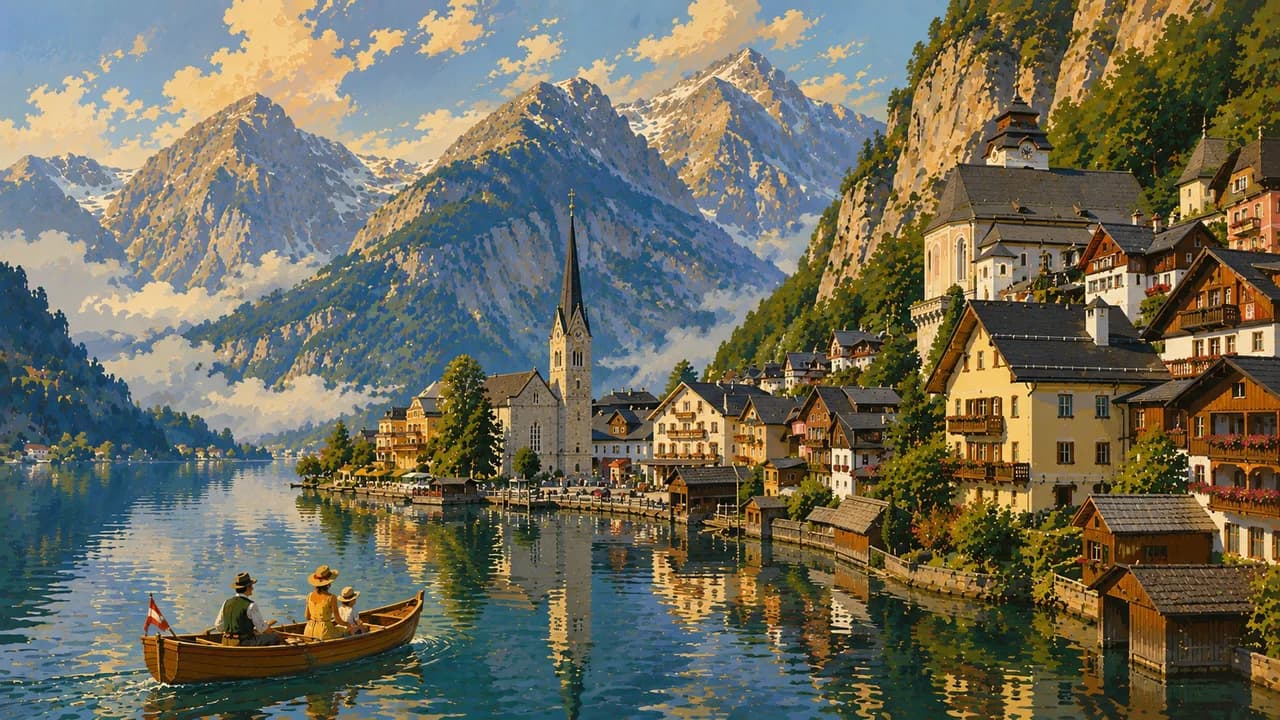
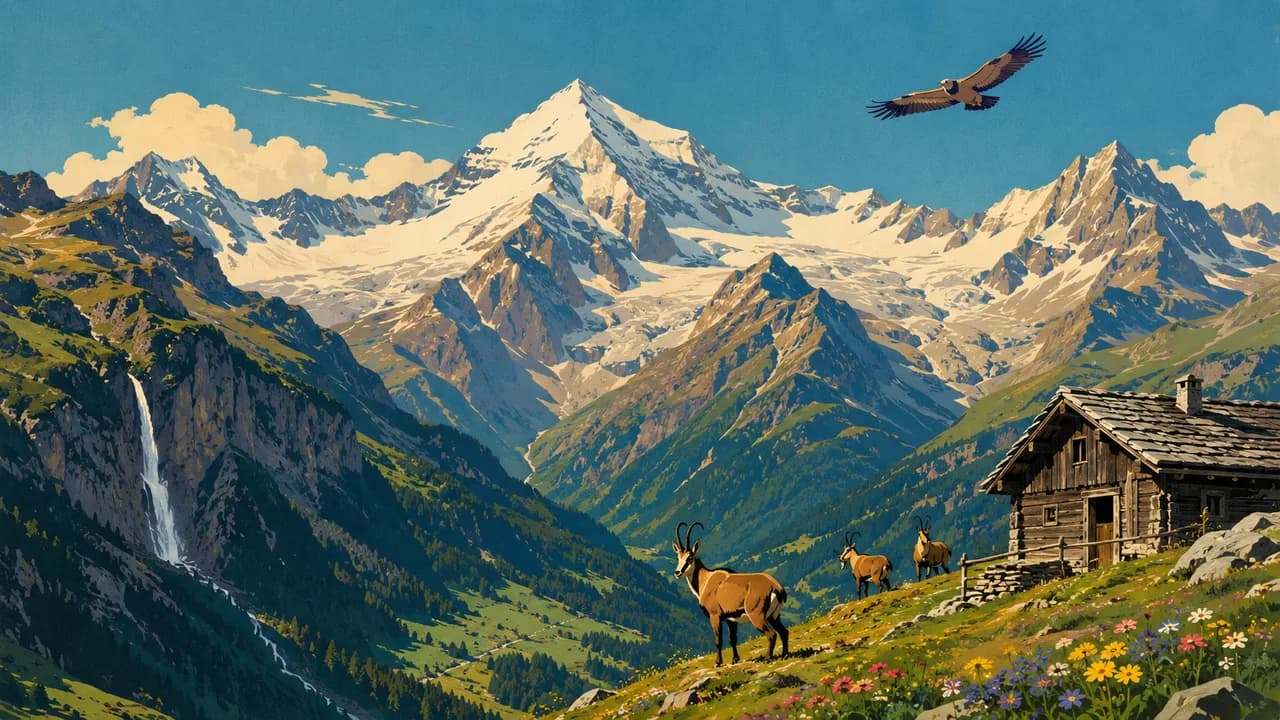
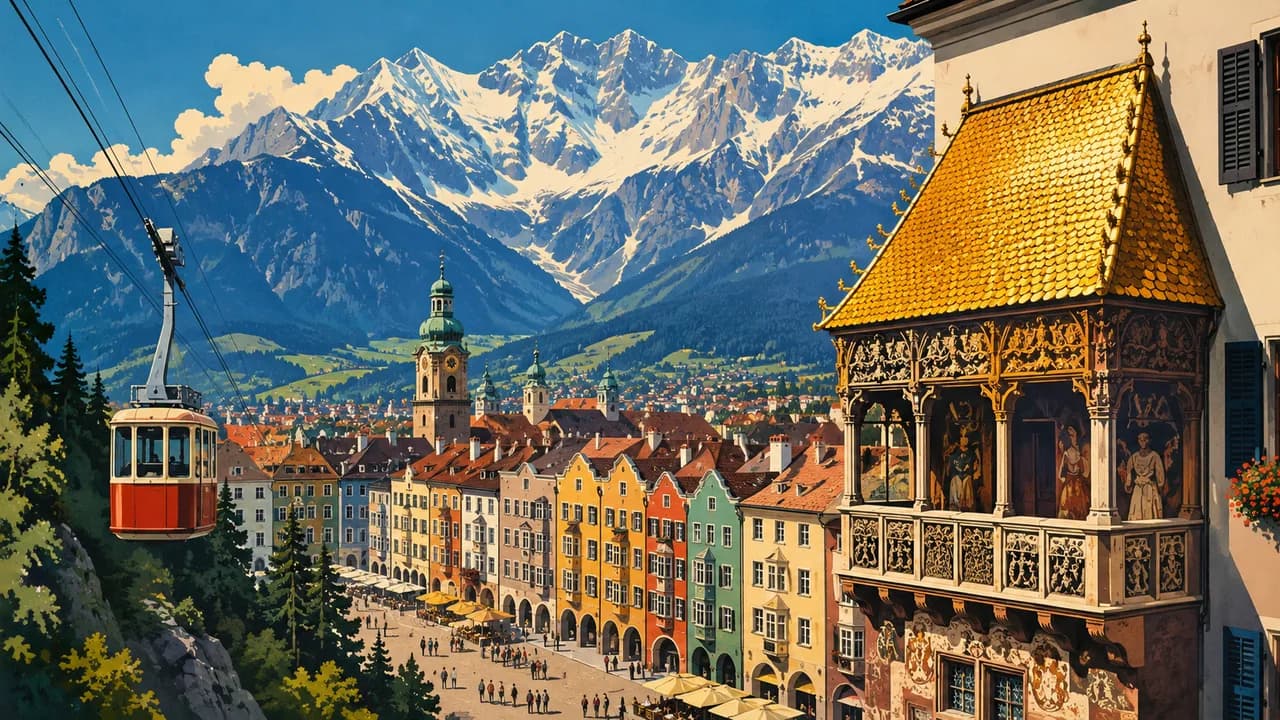
Hallstatt, Bad Ischl and the lakes of the Salzkammergut bring together cultural history and Alpine scenery. The protected forests of Dürrenstein offer a different natural setting, with access subject to conservation rules. Around the Hohe Tauern, the Grossglockner, Krimml Waterfalls and valleys near Zell am See and Kaprun reveal high mountain landscapes. Innsbruck, the Achensee and Tyrolean valleys offer hiking, cycling and winter sports, while Vorarlberg combines Alpine villages with architecture and Bregenz on Lake Constance.
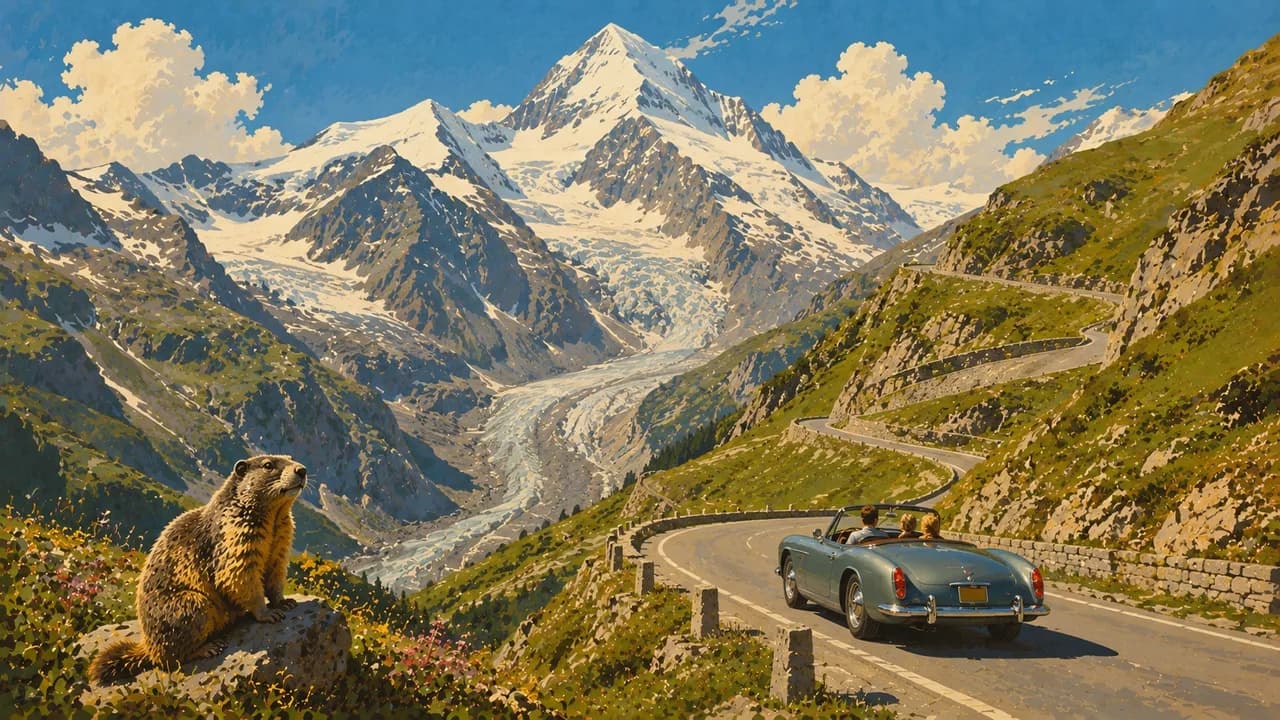
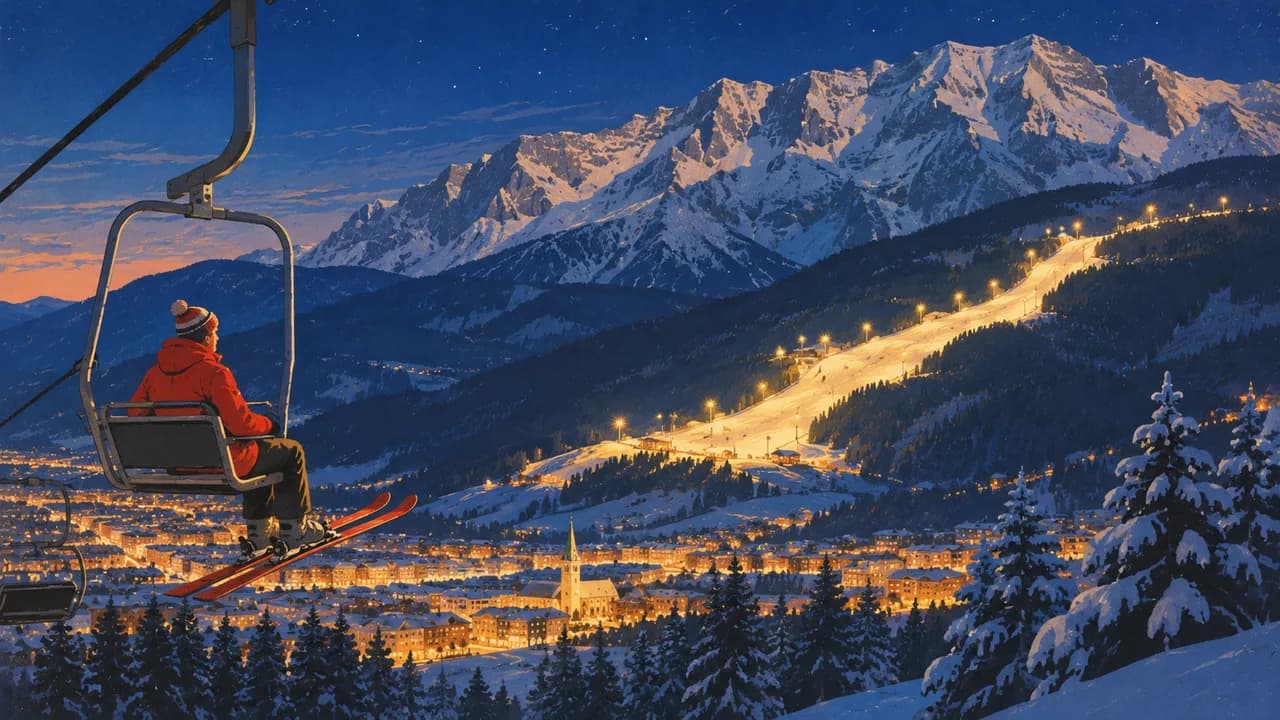
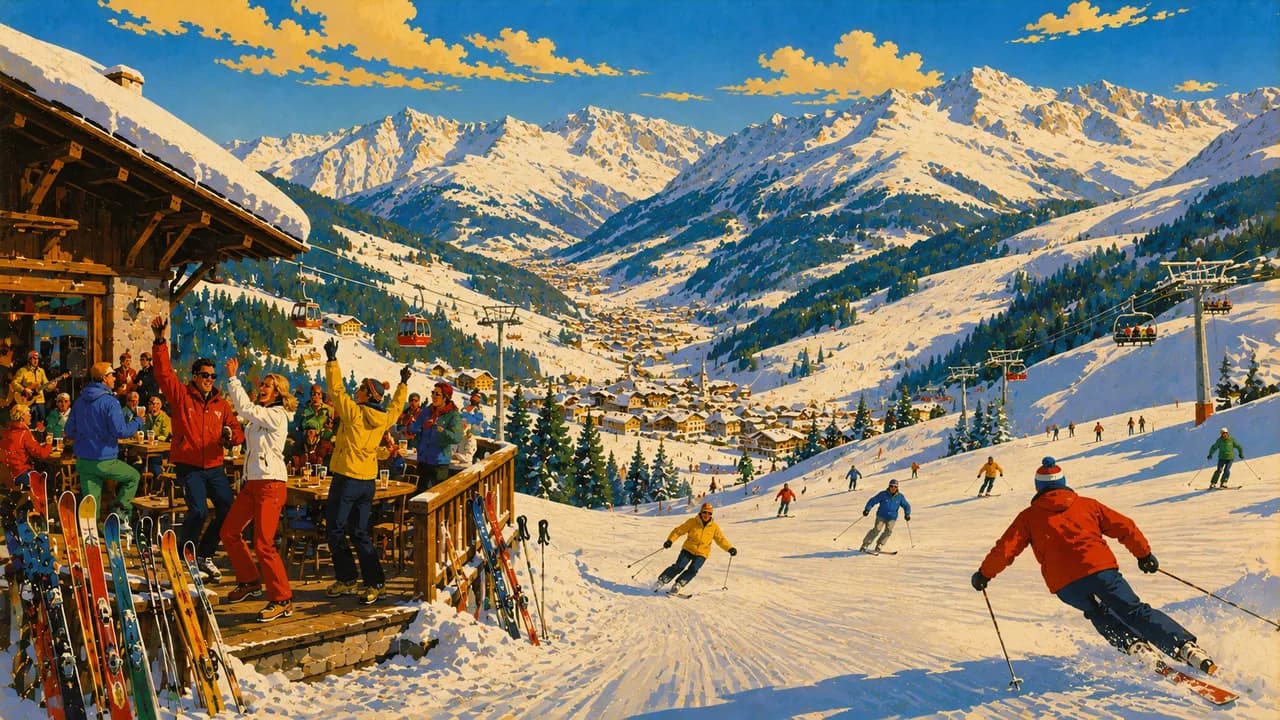
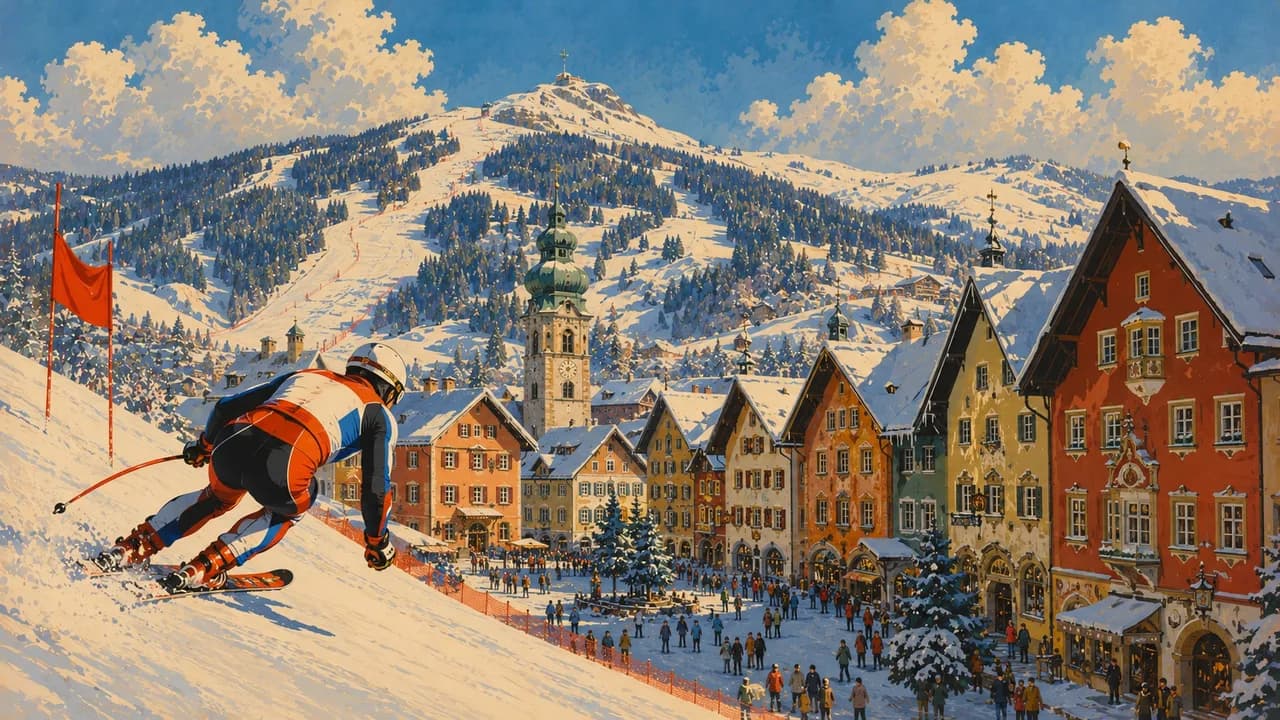
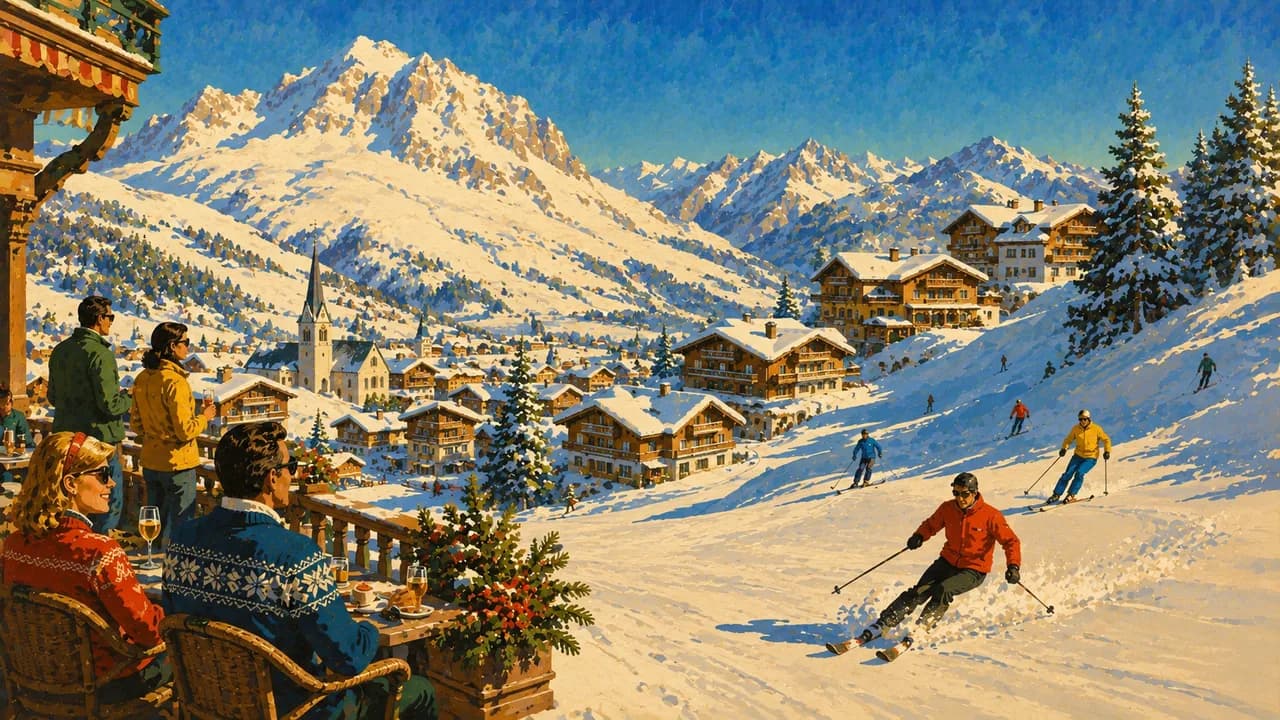
Ski areas around the Arlberg, Kitzbühel, the Zillertal and Schladming depend on snow conditions and operating seasons. Baden bei Wien, Bad Ischl and Bad Gastein add spa traditions. Alpine cheeses, dumplings, pastries, Styrian pumpkin seed oil and regional wines reflect a varied food culture. Trains connect the main cities and many valleys, with buses or other onward transport needed for some rural destinations. Mountain routes, high roads and lifts require checks on weather, snow, access and seasonal opening.
AI edited
- 9
- Federal provinces Burgenland, Carinthia, Lower Austria, Upper Austria, Salzburg, Styria, Tirol, Vorarlberg and Vienna form the nine federal provinces. Vienna is both a city and a federal province.
- 9.22 million
- Population Rounded from Statistics Austria's final population figure for 1 January 2026, which recorded 9,215,956 residents. This is a dated figure, not a live count.
- ≈ 83,880 km²
- Area Rounded total area of Austria. Official figures may vary slightly with measurement date and territorial definitions.
- German
- Language German is the state official language, with an Austrian standard variety and regional dialects. The German flag identifies the language here, not the travel destination. Minority languages have special protection rights.
- Minority languages
- Other languages Languages of the recognised autochthonous ethnic groups include Burgenland Croatian, Slovene, Hungarian, Czech, Slovak and Romani. Protection and official use differ by region and legal context. English proficiency varies.
- Euro (EUR)
- Currency Austria is part of the euro area. Cards are widely accepted, but mountain huts and small businesses may require cash. Check payment options ahead.
- C · F
- Socket types Types C and F are the usual plug systems. Check appliance specifications and adapter requirements ahead. A travel adapter does not convert voltage.
- Vienna
- Capital Vienna is the capital and a federal province in its own right. The same local time applies throughout Austria.
- Right-hand traffic
- Driving side Traffic drives on the right in Austria. Many motorways and expressways require a vignette or route toll. Check winter equipment, closures and local access rules before travelling.
- UTC+1 / UTC+2
- Time zone All of Austria uses Europe/Vienna, with Central European Time at UTC+1 in winter and UTC+2 in summer. These are seasonal offsets within one time zone. The clock follows the change automatically.
- 11
- UNESCO cultural sites Eleven cultural World Heritage properties according to UNESCO, checked in October 2026. The transnational natural property of ancient beech forests is excluded here. Serial and cross-border properties are counted per inscription, not per individual place.
Austria on the map

Map data: geoBoundaries (CC BY 4.0), © OpenStreetMap contributors (ODbL), Natural Earth
Climate and best time to travel
Austria's travel seasons vary by altitude, region and activity. Cities, museums, music and spas offer year-round options, with dates and opening hours to check. Spring and autumn often suit cycling, wine landscapes and lower-altitude walks. Summer often suits lake swimming, without guaranteed water temperatures or bathing weather. Lingering snow, sudden weather changes and thunderstorms remain possible in the high mountains even in summer. High roads, mountain huts and lifts have their own operating seasons. Winter sports depend on snow, open facilities and safe conditions. Away from secured routes, avalanche conditions and appropriate experience are essential. Month suggestions are guidance, not guarantees of weather or access. Check local weather, flood, trail and avalanche warnings, protected-area rules and reservation requirements ahead.
Destinations in Austria
 AI generated
 AI generated
 AI generated
 AI generated
 AI generated
 AI generated
 AI generated
 AI generated
 AI generated
 AI generated
 AI generated
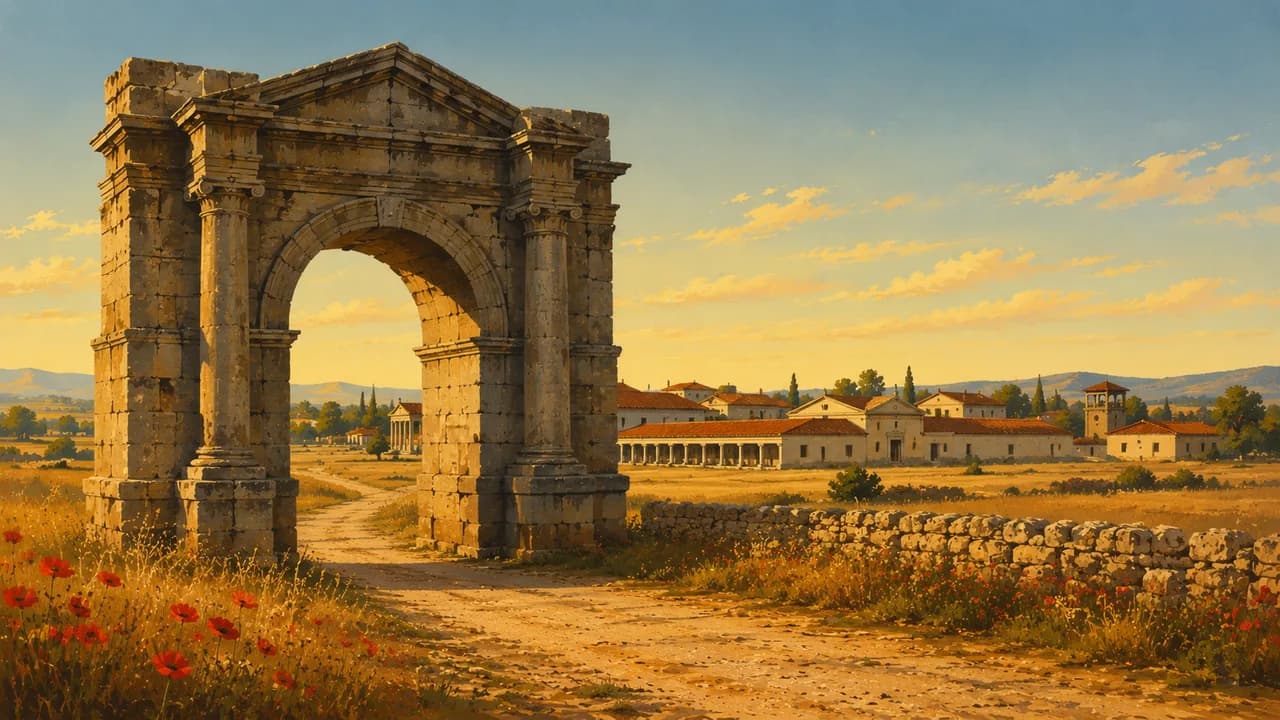 AI generated