Slovenia
Slovenija
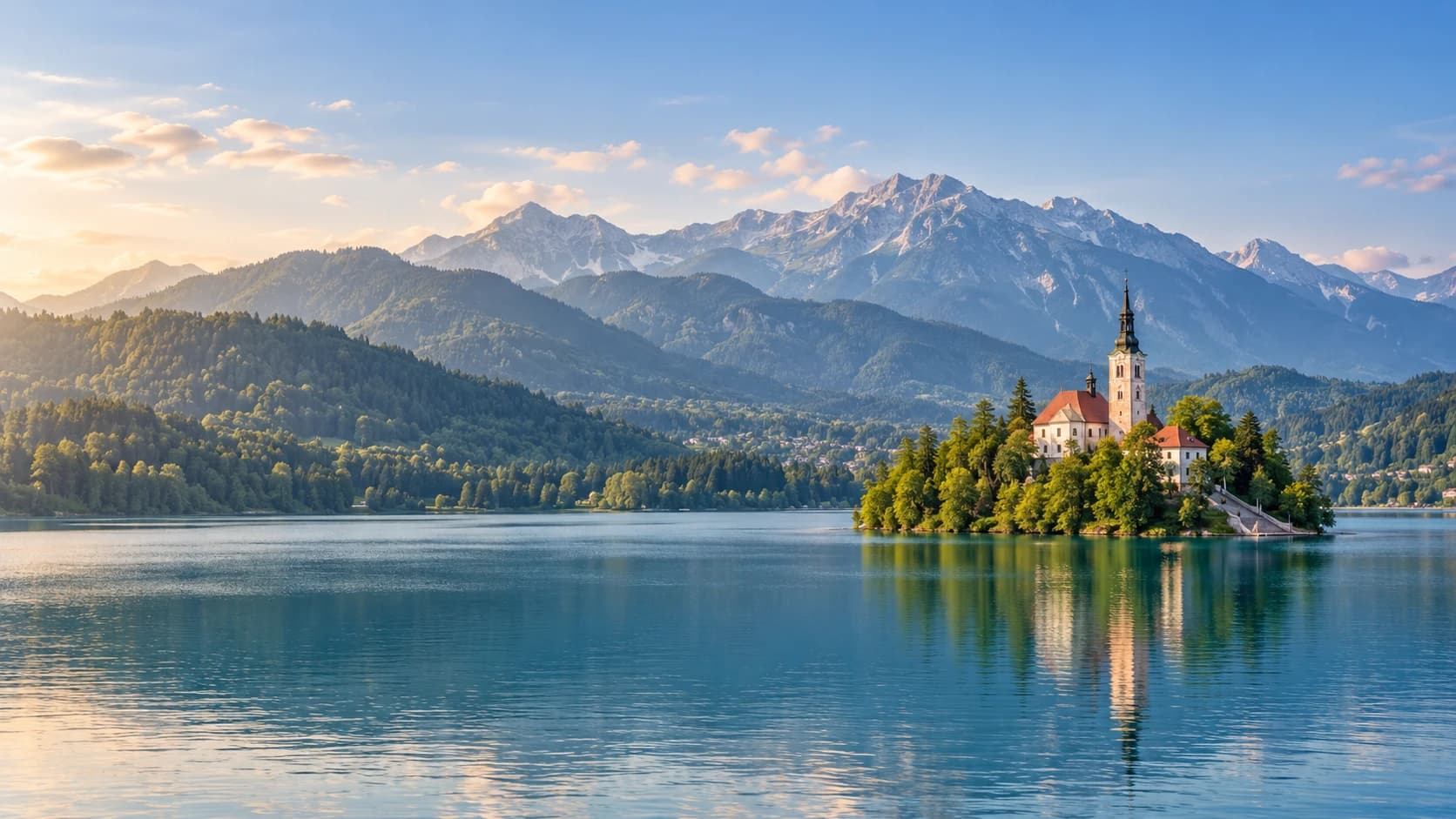
Alpine peaks and clear lakes meet karst caves, Mediterranean coastal towns and a living culture of distinctive regional food.
Worth coming back!
Wanderlama keeps growing with new destinations, helpful information and exciting features. Check back soon and discover what is new!
Travel to Slovenia
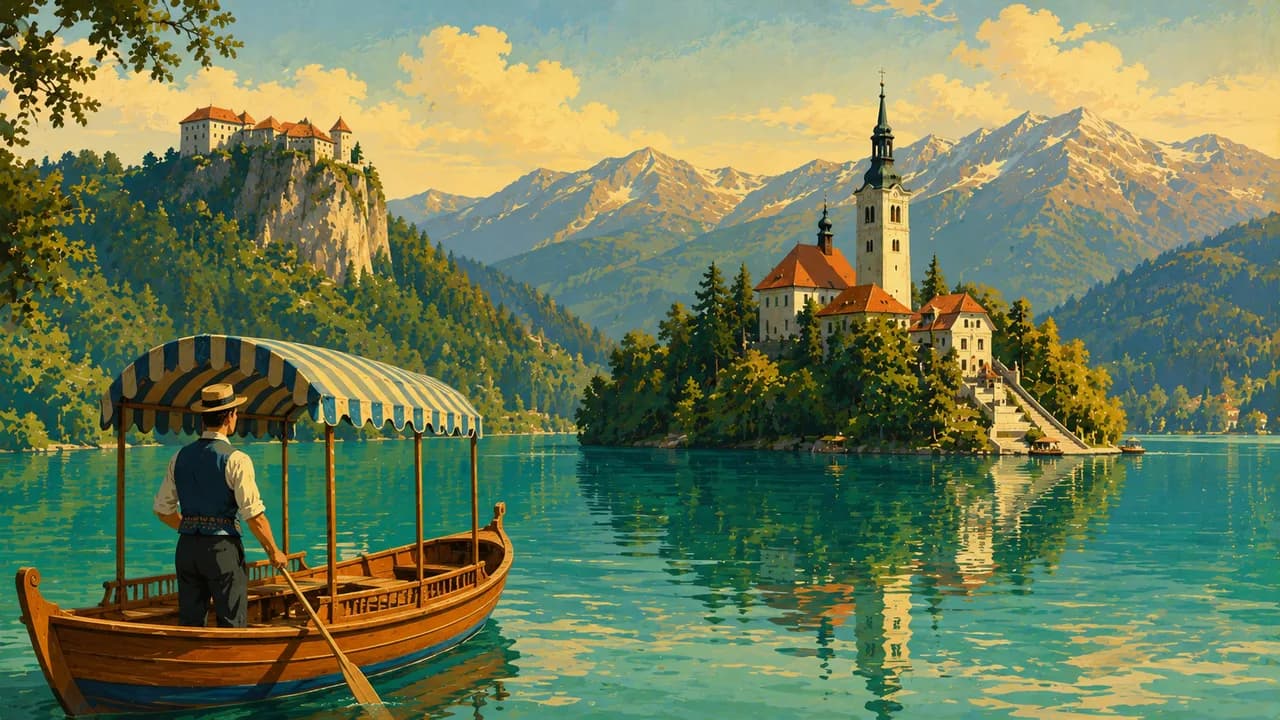
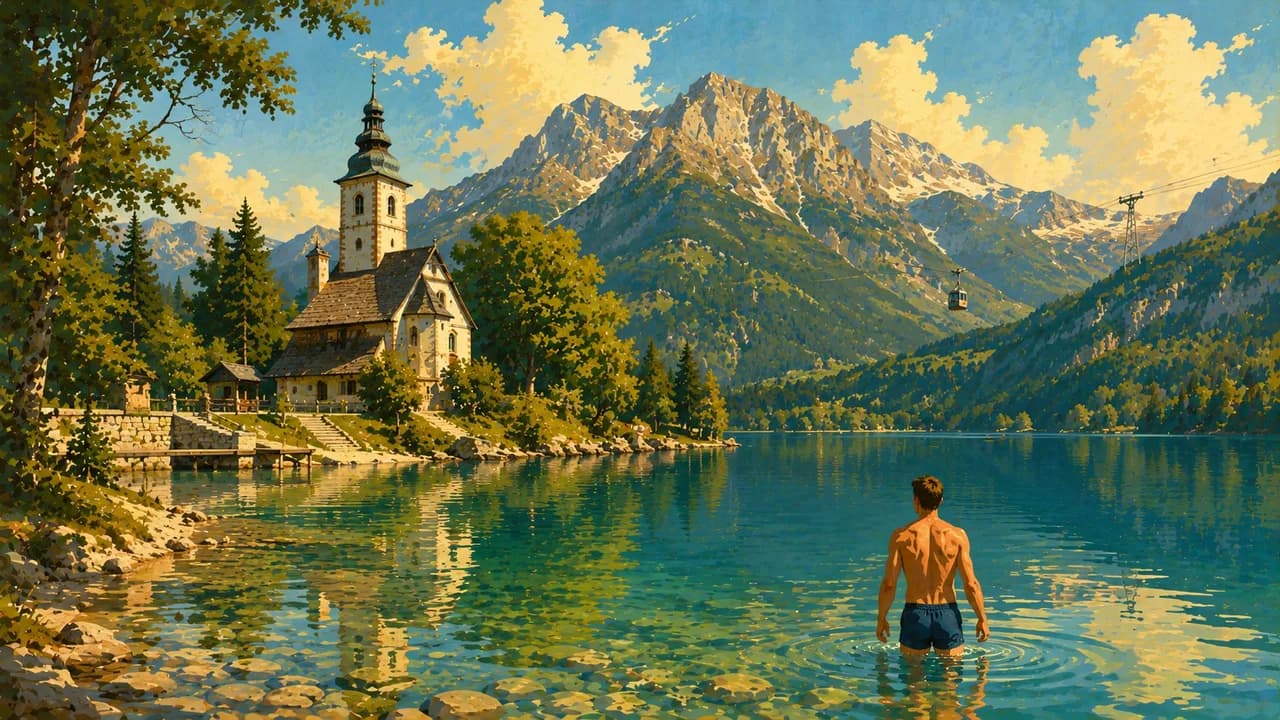
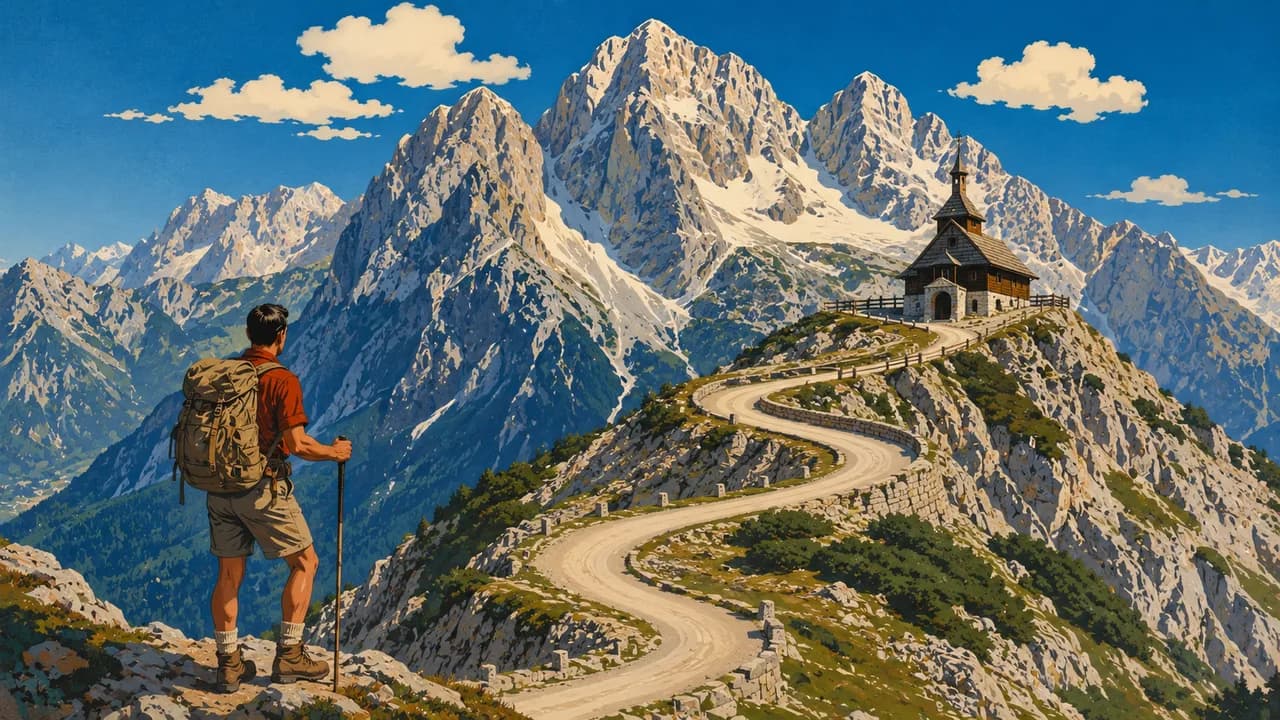
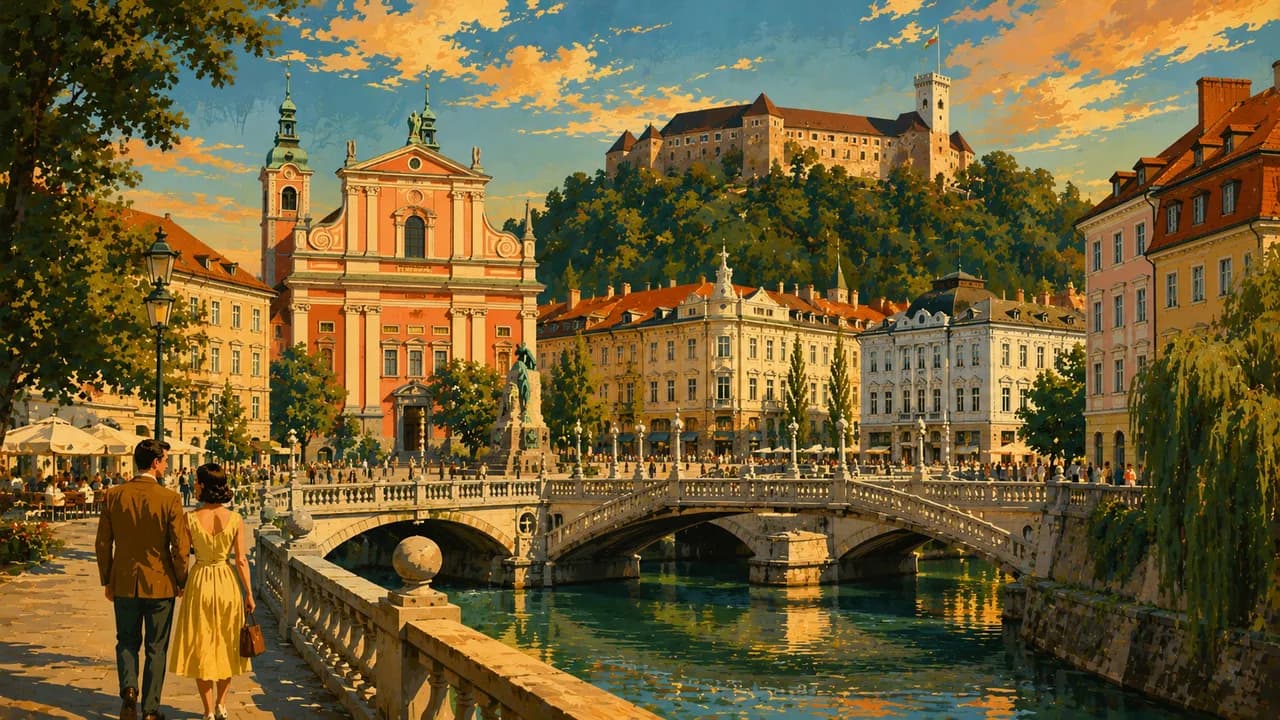
Slovenia brings together Alpine peaks, Mediterranean shores, karst landscapes and the hills and plains of the east. Ljubljana, the capital, combines its riverside old town, bridges and markets with museums and lively cafés. Lake Bled's island church and Lake Bohinj offer contrasting lake landscapes beside the Julian Alps and Triglav National Park.
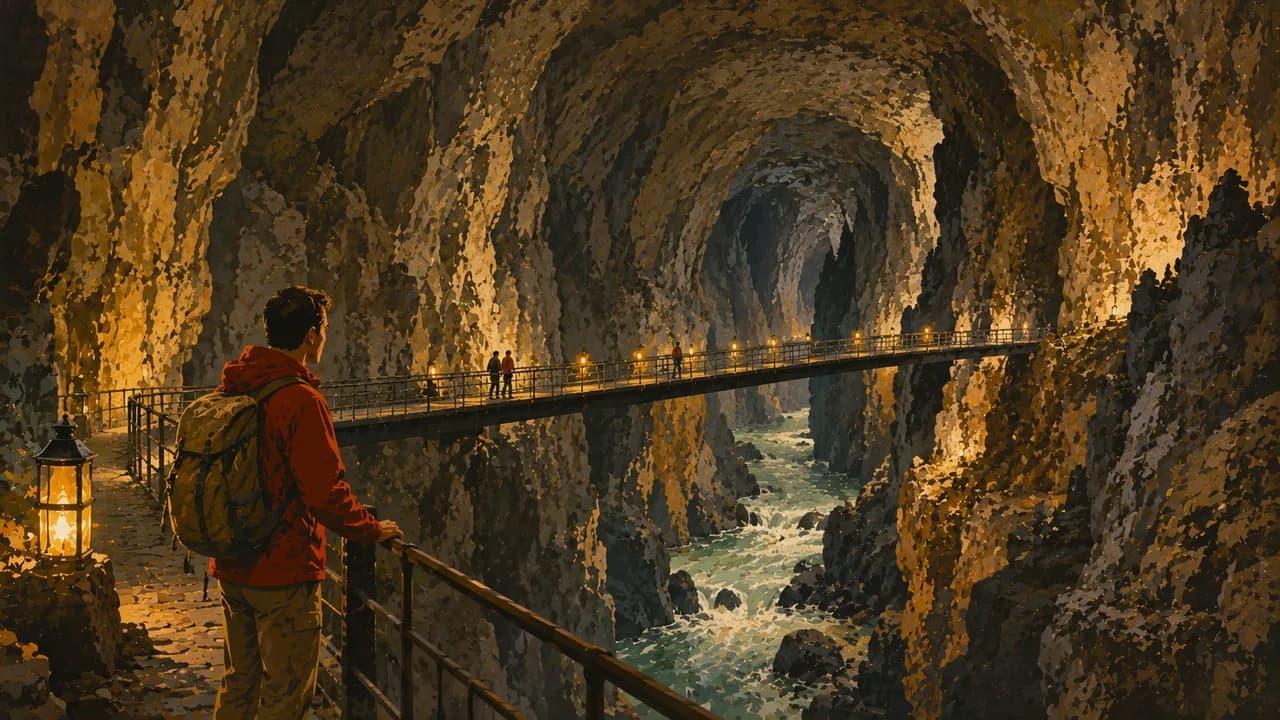
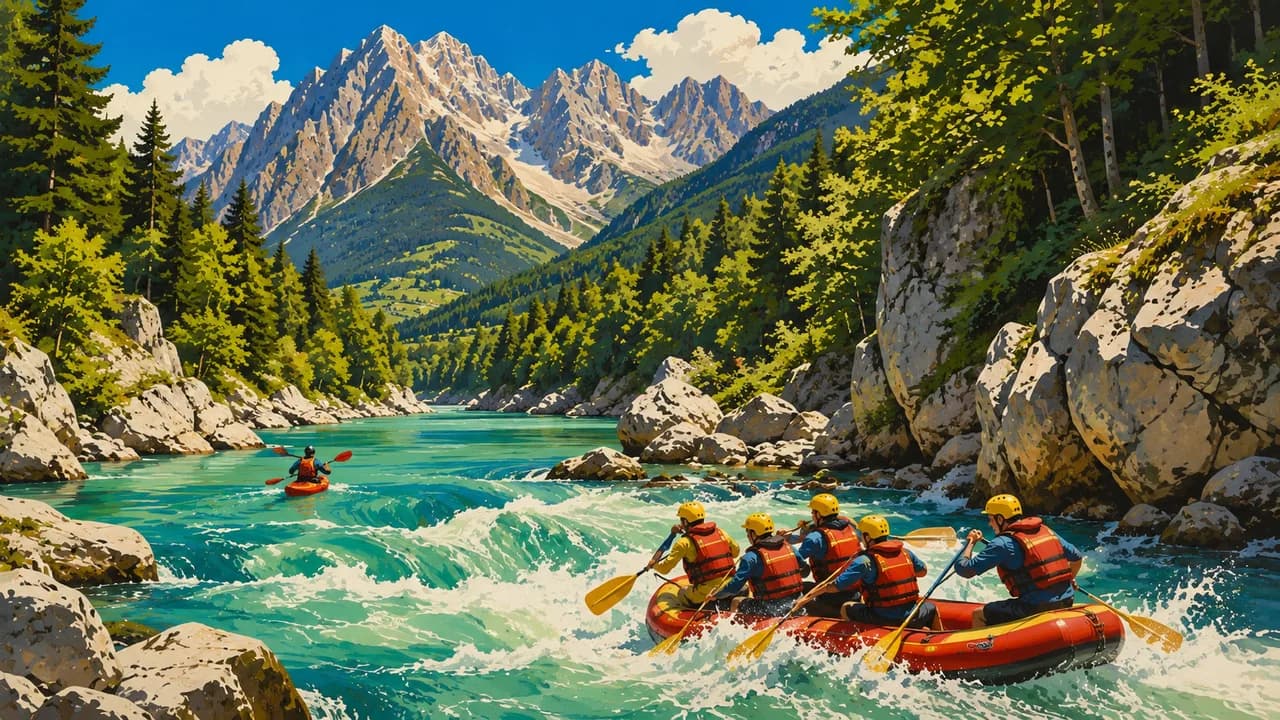
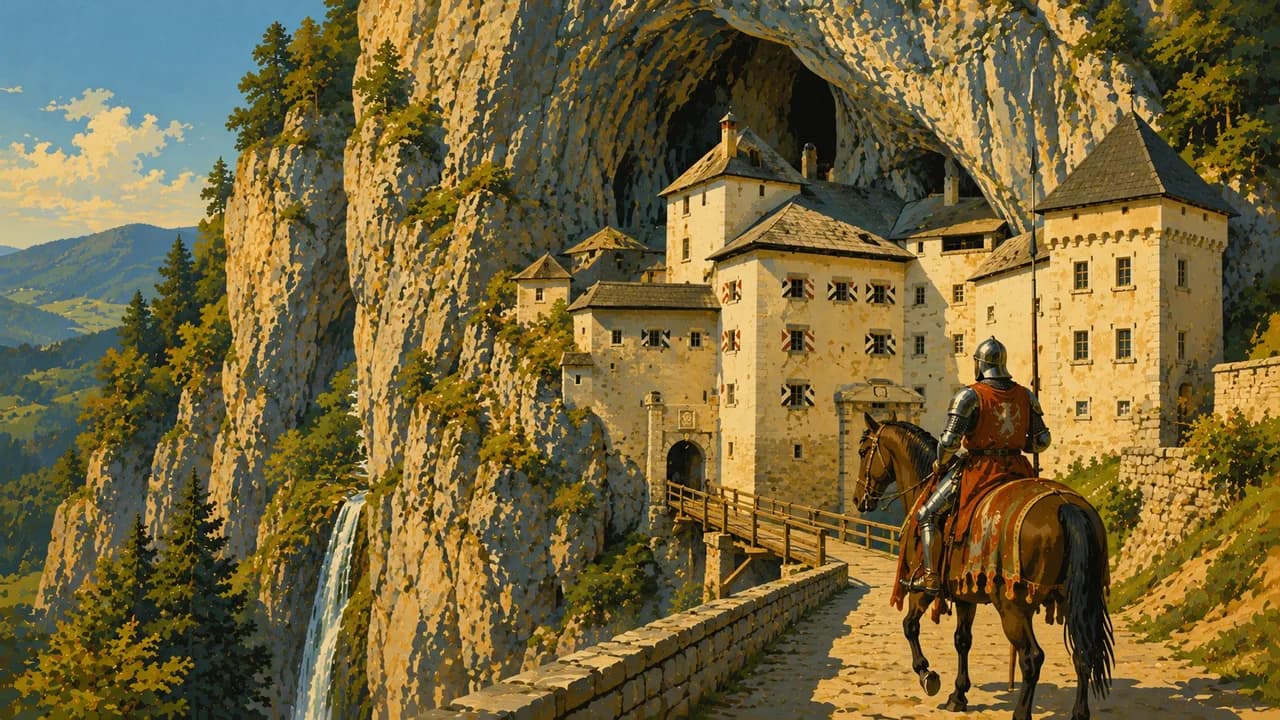
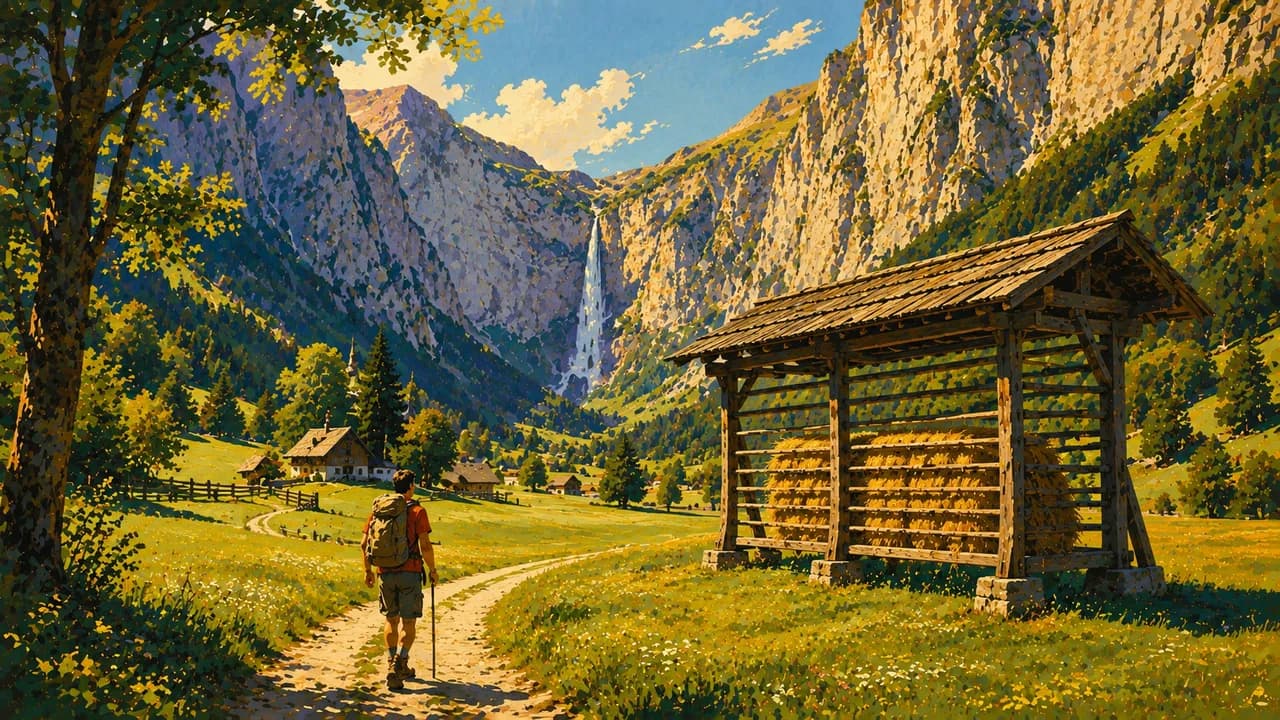
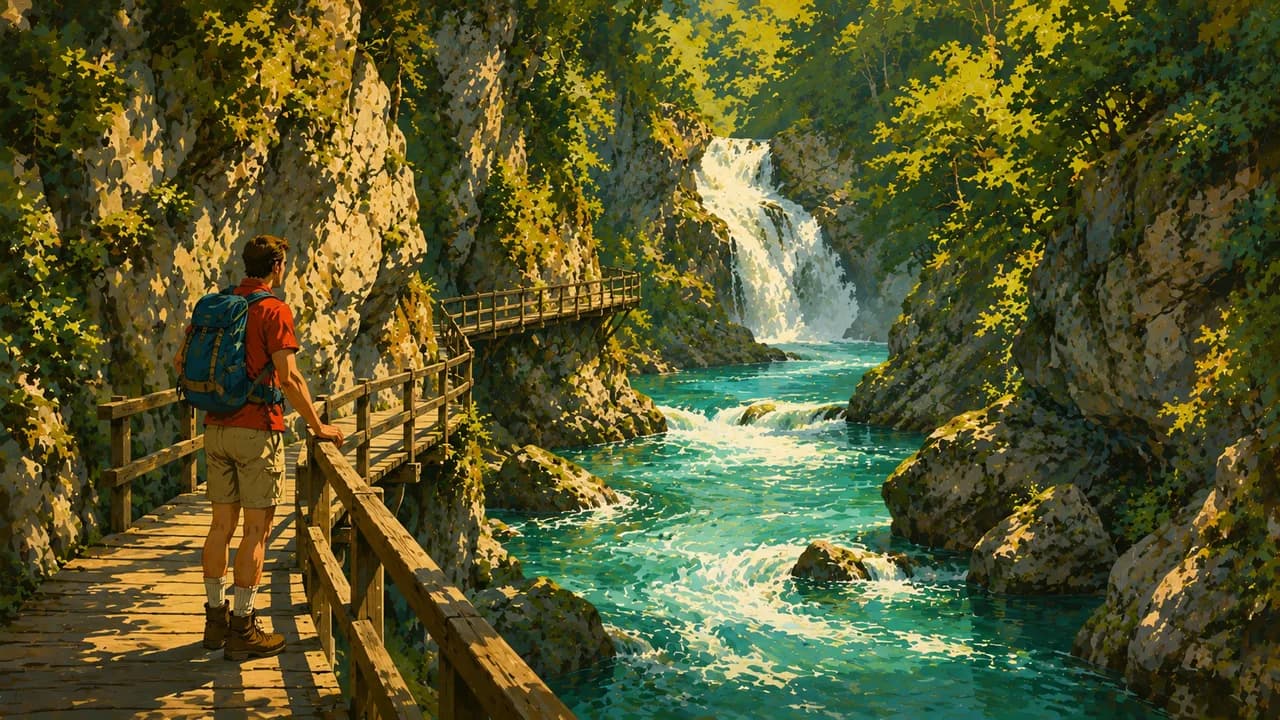
Nearby Vintgar Gorge reveals a different waterside landscape, with access dependent on opening arrangements and conditions. The turquoise Soča Valley offers walks, mountain scenery and river activities with suitable experience and qualified operators. The Logar Valley lies in the Kamnik-Savinja Alps, a separate mountain area with meadows and waterfalls. Postojna Cave and the UNESCO-listed Škocjan Caves reveal the underground Karst, while Predjama Castle is built into a cliff.
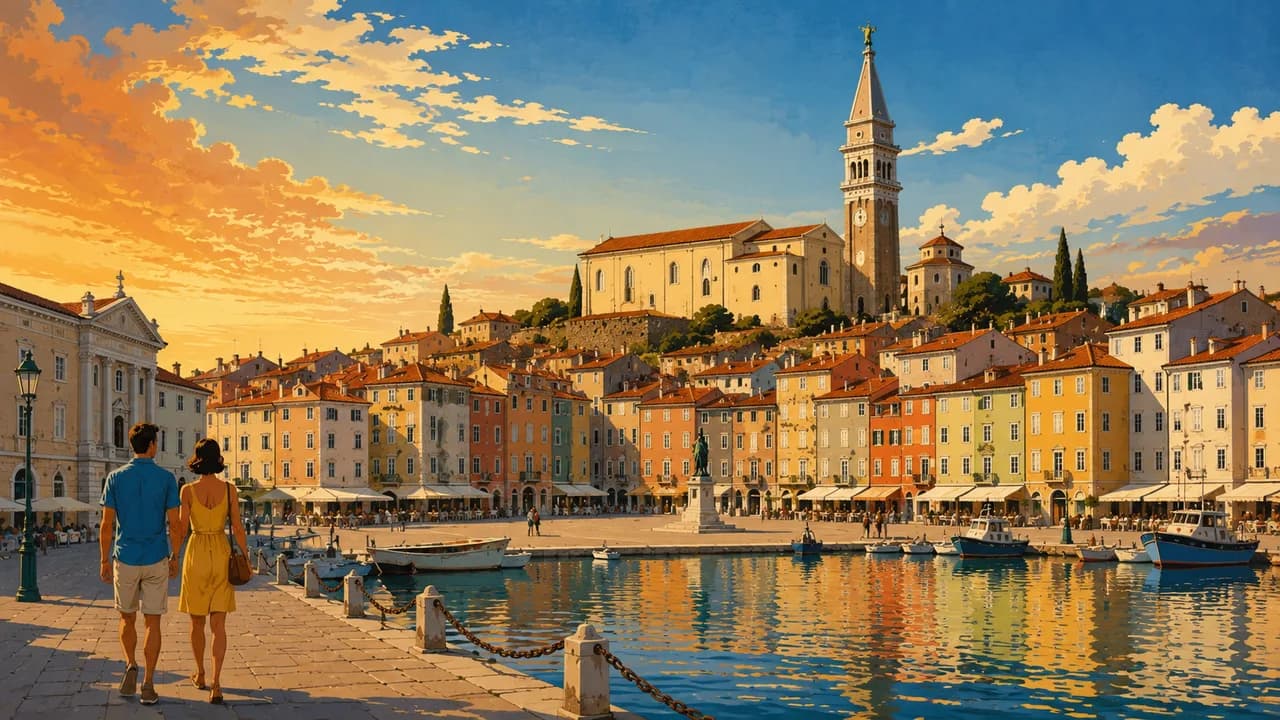
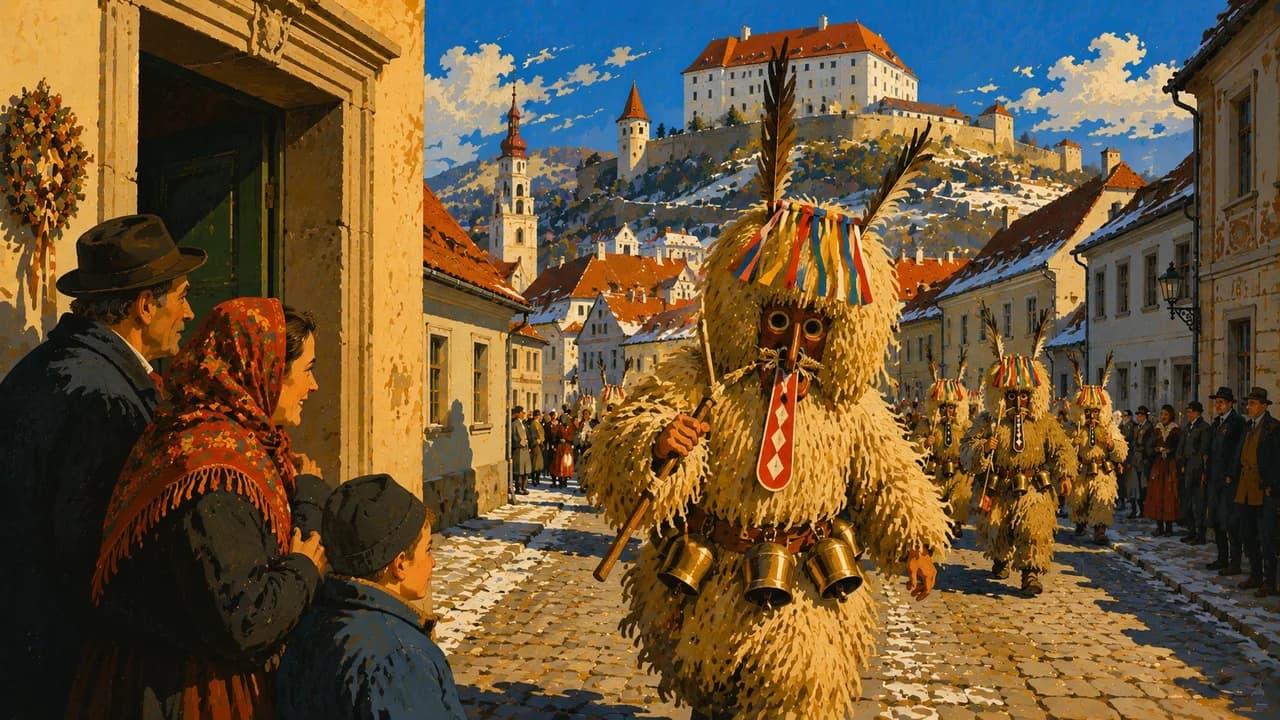
Piran's Venetian heritage, coastal towns, salt pans and olive groves add a Mediterranean dimension. Inland, the Vipava Valley and Brda offer wine villages and regional food. Maribor and Ptuj combine historic streets with the Drava and surrounding vineyards, while Celje adds its hilltop castle and archaeological heritage. Idrija tells stories of mercury mining and bobbin lacemaking. The thermal regions of Dolenjska and Prekmurje bring spas, gentle countryside and local traditions into the portrait.
Potica, štruklji dumplings, cheeses, pumpkin seed oil, coastal seafood and local wines reflect the country's culinary variety. Cycling, hiking and winter sports offer different ways to explore, depending on terrain and seasonal conditions. Distances are relatively short, but mountain roads and rural connections can require time and changes of base. Trains and buses connect many towns, with onward transport needed for some valleys and trailheads.
Check mountain weather, river conditions, cave and gorge access, reservations and seasonal opening before setting out.
AI edited
- 212
- Municipalities Slovenia has 212 municipalities, including twelve urban municipalities. Municipalities, statistical regions and historic landscapes are different divisions and are not mixed in this count.
- 2.14 million
- Population Rounded from the Slovenian statistical office SURS population figure of 2,135,107 residents on 1 January 2026. This is a deliberately dated figure, not a live count.
- 20,273 km²
- Area Total area according to the Slovenian Tourist Board's country information. Official area figures may vary slightly with measurement date and territorial definitions.
- Slovenian
- Language Slovenian is official throughout the state. Italian or Hungarian are also official in their respective ethnically mixed areas. These languages are not treated as universally official nationwide.
- Italian & Hungarian
- Other languages Italian and Hungarian are additionally official in the legally defined areas of their respective national communities. Other languages are also spoken. English proficiency varies by place and person.
- Euro (EUR)
- Currency Slovenia is part of the euro area. Cards are widely accepted, but mountain huts and small businesses may require cash. Check payment options ahead.
- C · F
- Socket types Types C and F are the usual plug systems. Check appliance specifications and adapter requirements ahead. A travel adapter does not convert voltage.
- Ljubljana
- Capital Ljubljana is the capital of Slovenia. Local time is the same throughout the country. Trains and buses reach many towns, while remote valleys and trailheads may need onward connections.
- Right-hand traffic
- Driving side Traffic drives on the right in Slovenia. Check toll and vignette rules, winter equipment and local access restrictions ahead. Mountain roads may close seasonally.
- UTC+1 / UTC+2
- Time zone All of Slovenia uses Europe/Ljubljana, with Central European Time at UTC+1 in winter and UTC+2 in summer. These are seasonal offsets within one time zone. The clock follows the change automatically.
- 3
- UNESCO cultural sites Three cultural UNESCO World Heritage properties, checked October 2026. Škocjan and the beech forests are natural heritage and excluded. Serial inscriptions do not count per component.
Slovenia on the map

Map data: geoBoundaries (CC BY 4.0), © OpenStreetMap contributors (ODbL), Natural Earth
Climate and best time to travel
Slovenia's travel seasons differ between high mountains, Karst, coast and the more continental east. Cities, culture, spas and many cave experiences can be planned year-round, subject to their own opening hours and reservations. Spring and autumn often suit lower-altitude walks, cycling and wine regions. Summer often offers suitable lake and high-mountain conditions, without guaranteed bathing weather or snow-free trails. Lingering snow, thunderstorms and rapid weather changes remain possible in the Alps. Coastal towns can be hot and busier in midsummer. River activities depend on water levels, weather, suitable skills and qualified operators. Winter sports require snow and open facilities. Month suggestions are guidance, not guarantees of weather or access.
Destinations in Slovenia
 AI generated
 AI generated
 AI generated
 AI generated
 AI generated
 AI generated
 AI generated
 AI generated
 AI generated
 AI generated
 AI generated
 AI generated