Czech Republic
Česko
Castles, spa traditions and sandstone landscapes meet lively cities and Moravian wine country.
Worth coming back!
Wanderlama keeps growing with new destinations, helpful information and exciting features. Check back soon and discover what is new!
Travel to Czech Republic
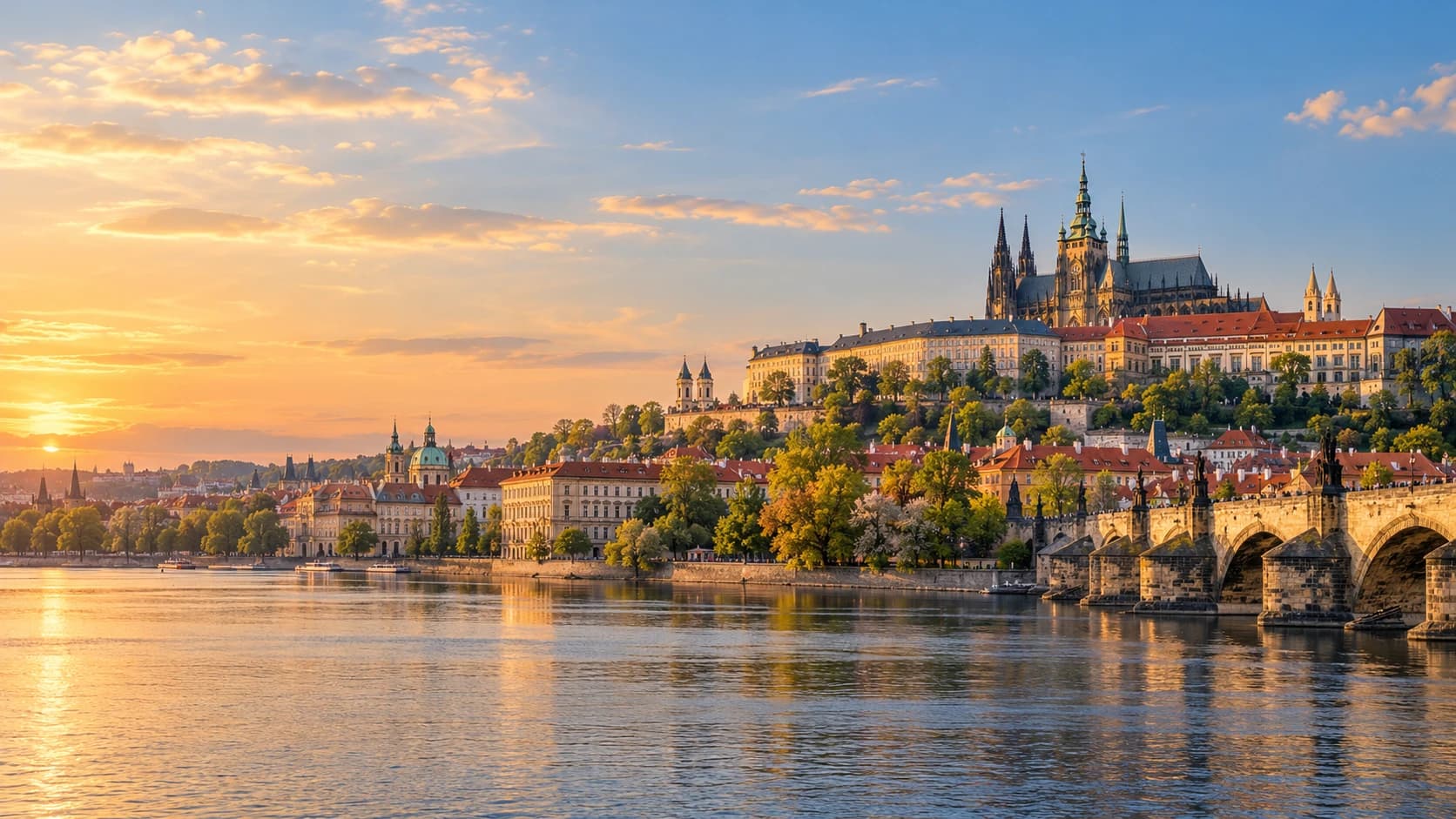
Czechia brings together the historic lands of Bohemia, Moravia and Czech Silesia. Castles, spa towns, sandstone landscapes and wooded mountains complement cities shaped by Gothic, baroque and modern architecture. Beer culture, Moravian wine, music and regional traditions add depth beyond the familiar capital sights.
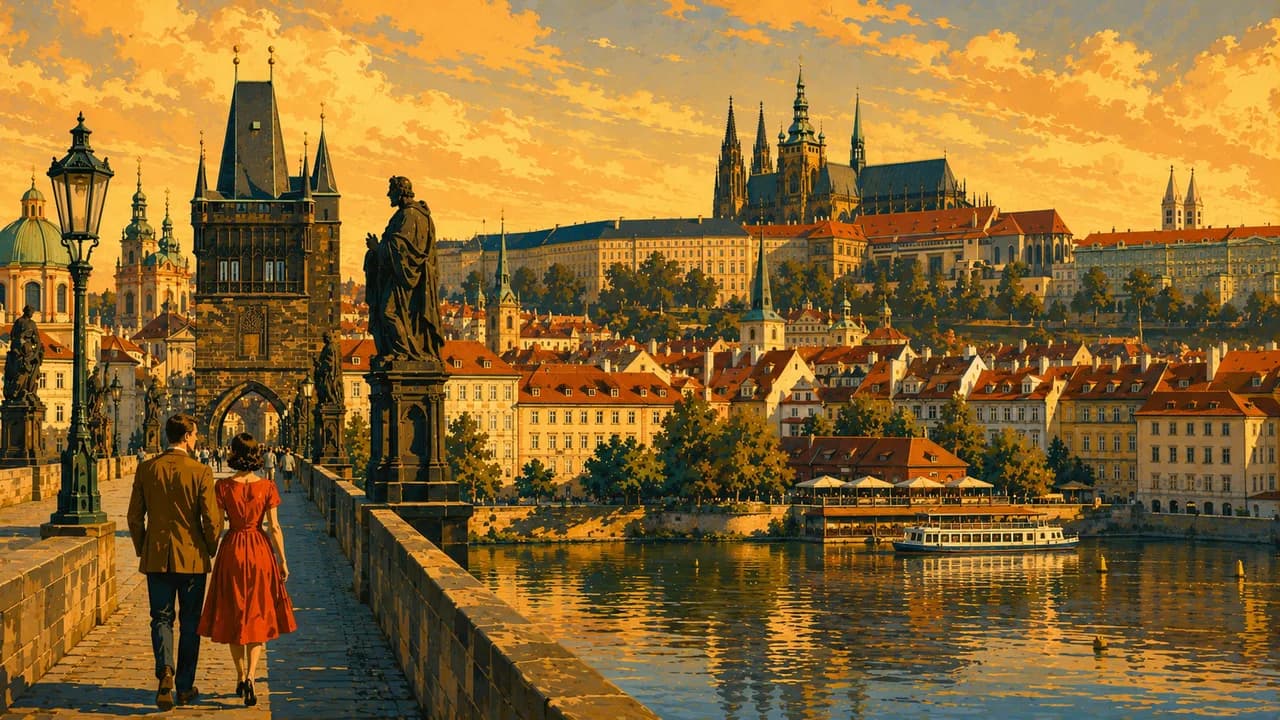
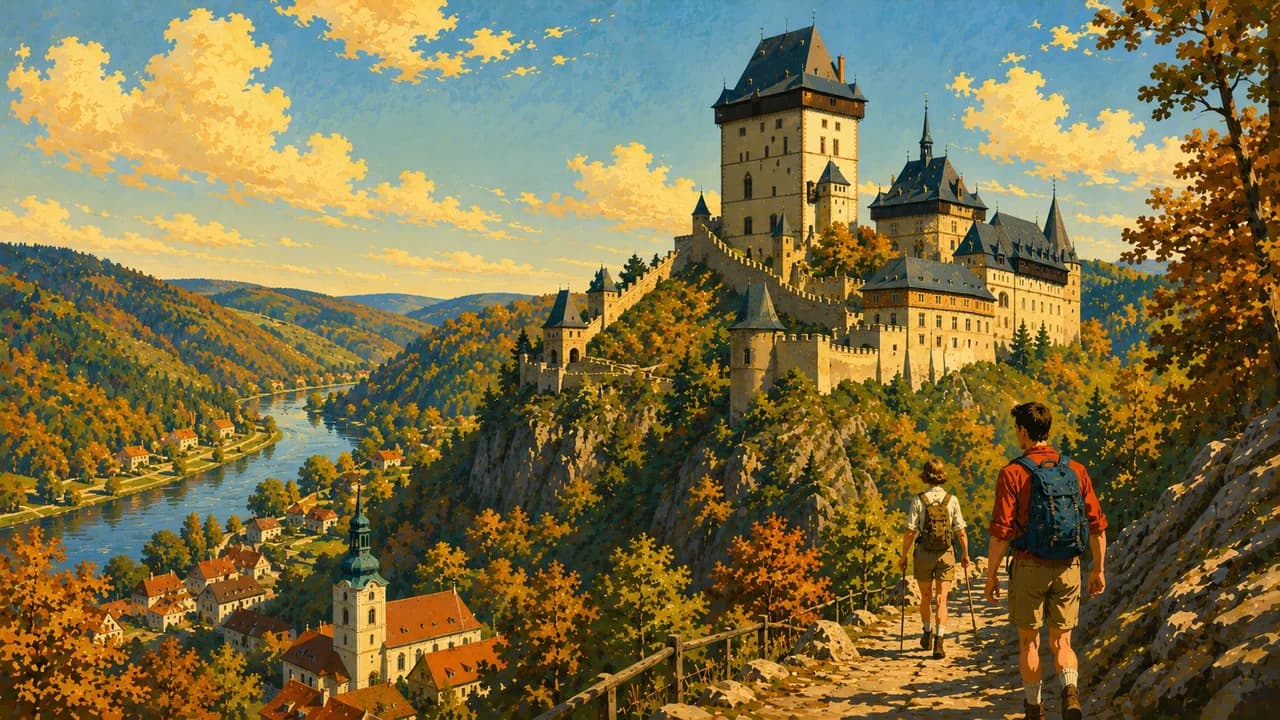
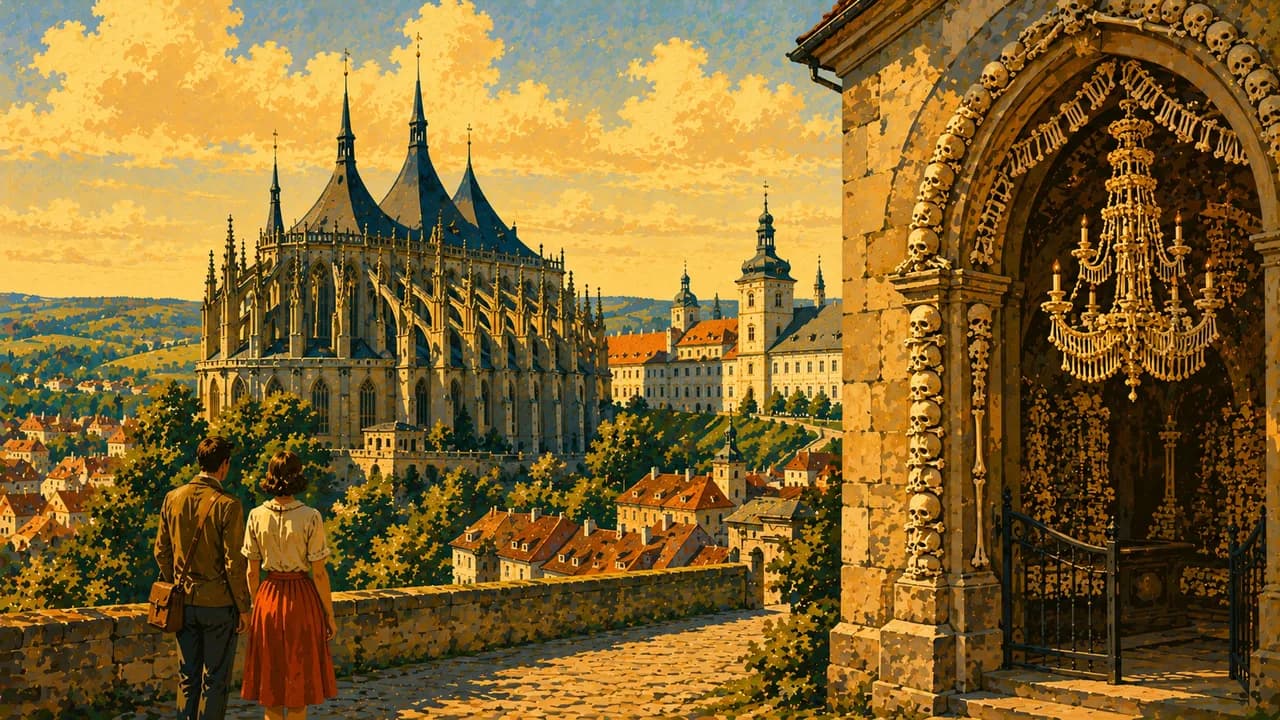
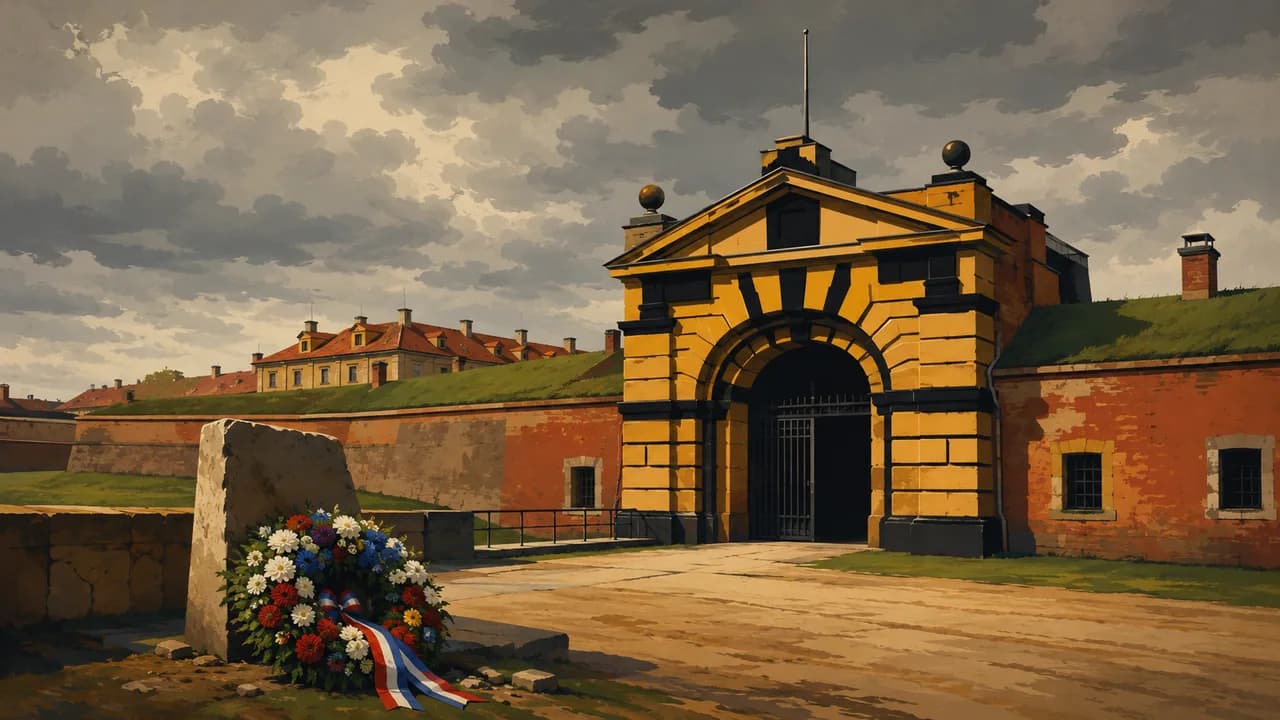
Prague combines Charles Bridge, the castle above the Vltava and the Old Town with Jewish heritage and major museums. Nearby Karlštejn reveals royal castle history, while Kutná Hora adds St Barbara’s Church and the Sedlec ossuary. Terezín requires a different approach as a place of remembrance for victims of Nazi persecution.
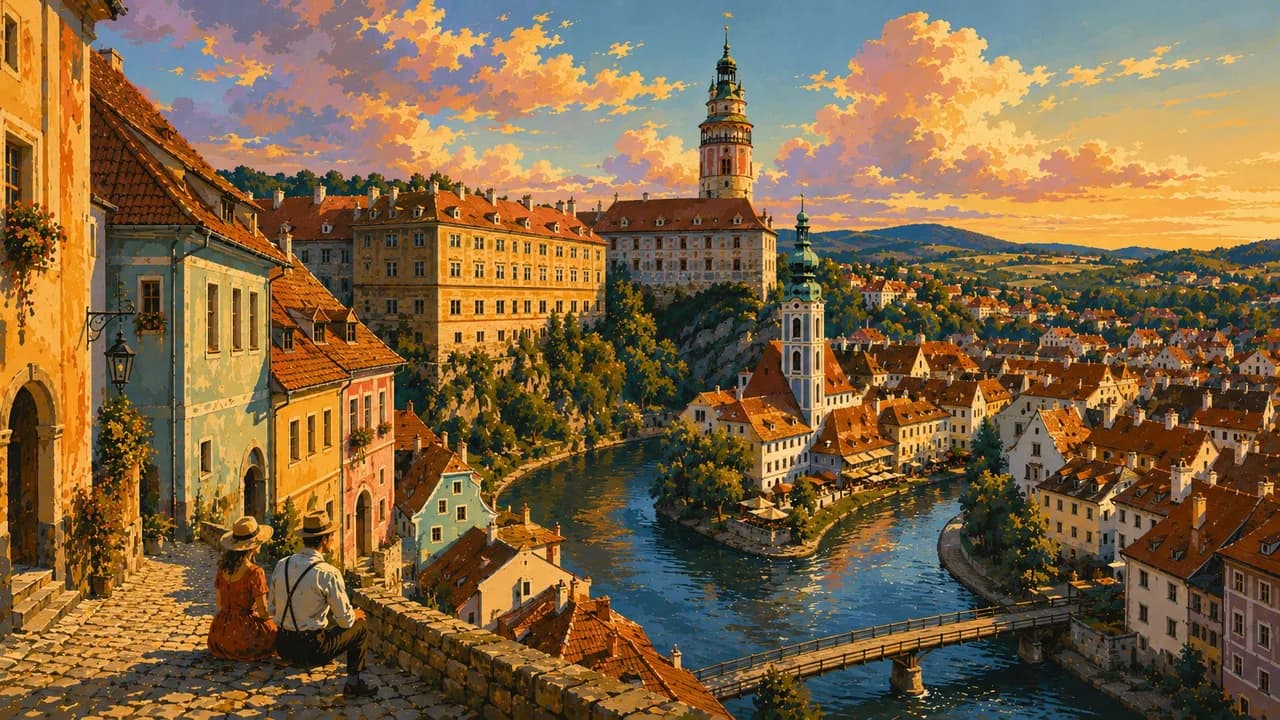
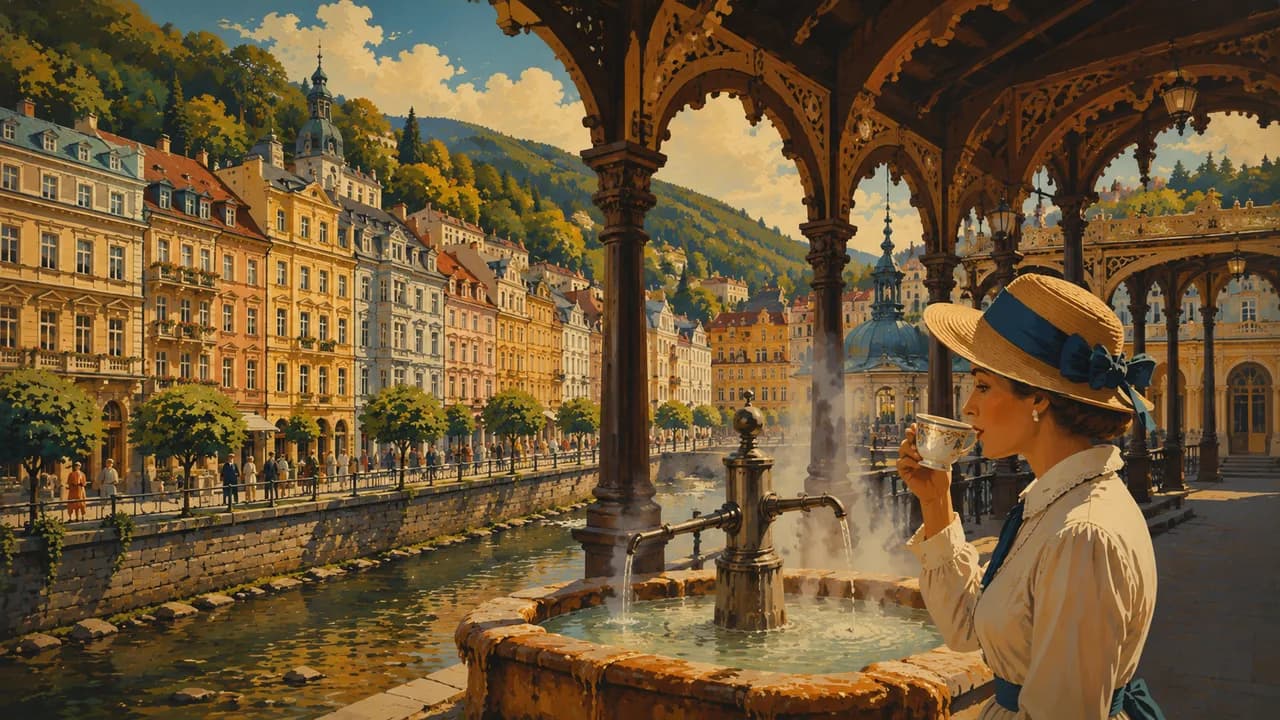
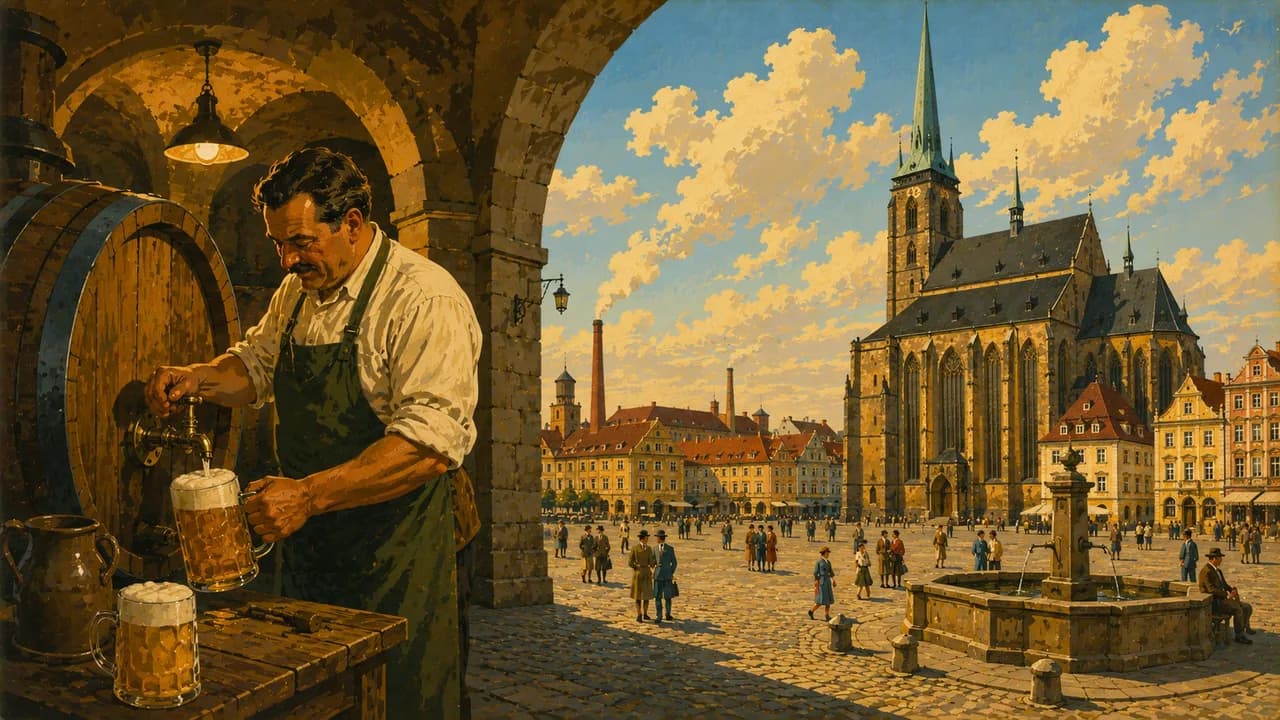
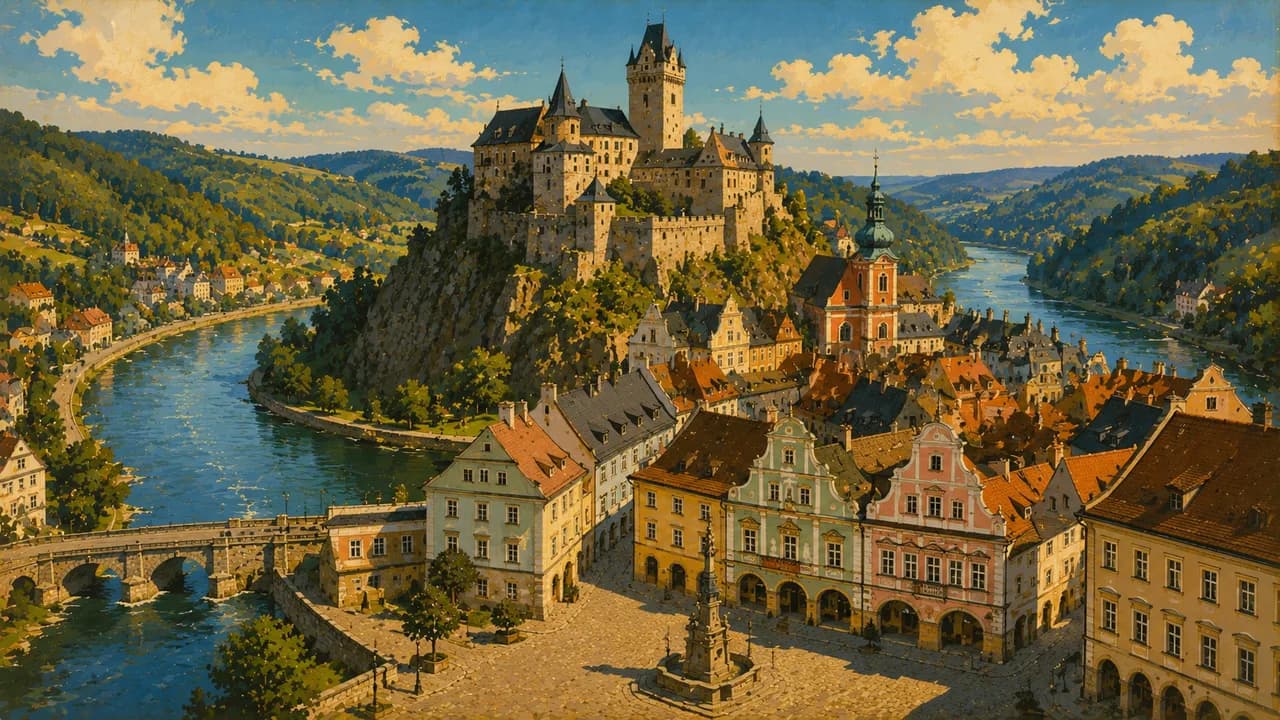
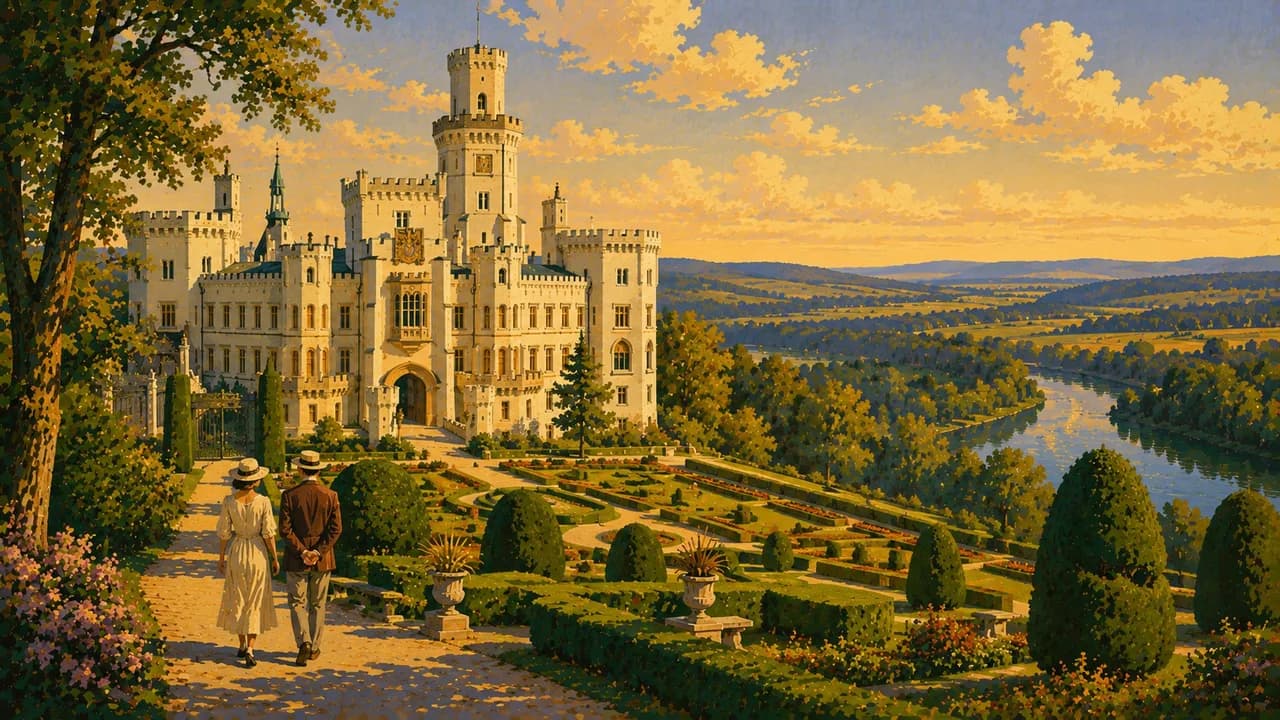
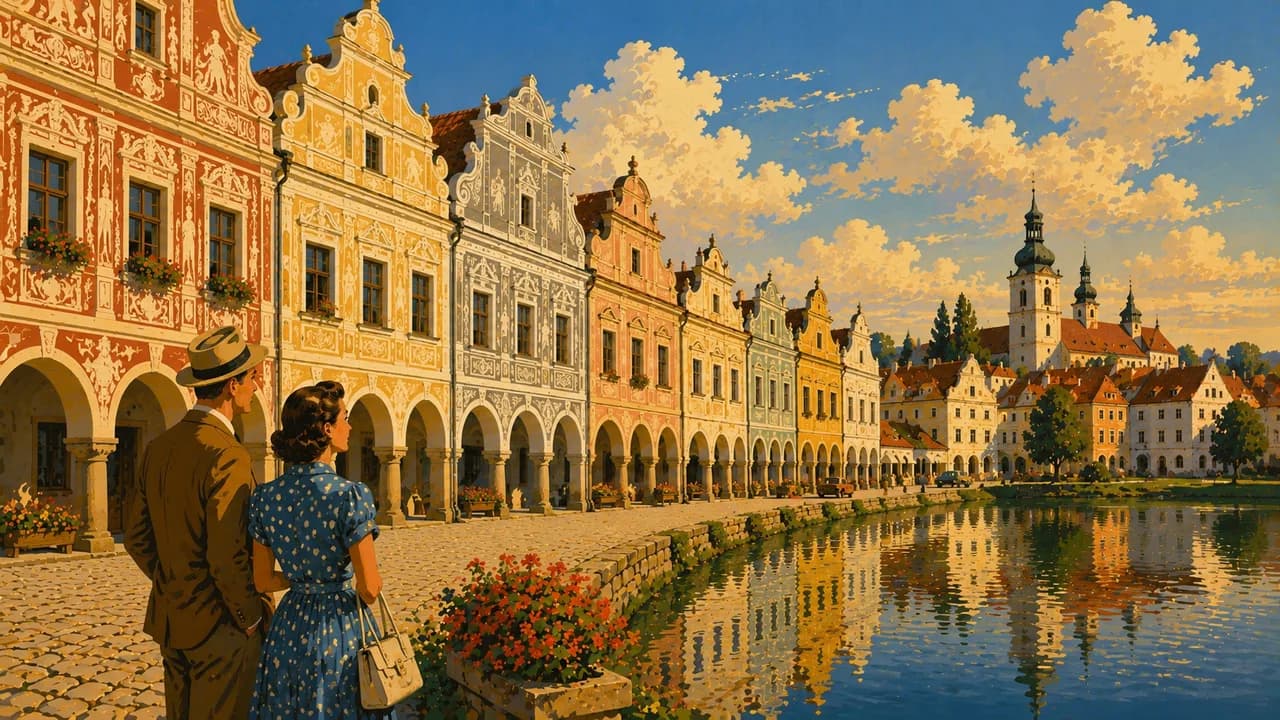
Western Bohemia offers Pilsen’s brewing heritage, the fortified town of Loket and Karlovy Vary’s spa colonnades. Mariánské Lázně and Františkovy Lázně broaden the spa region. South Bohemia combines Český Krumlov’s riverside old town with Hluboká nad Vltavou’s chateau, fishpond landscapes and villages. Telč adds a Renaissance square framed by colourful houses.
Brno introduces Moravia through university life, cafés and modern architecture, including Villa Tugendhat. Mikulov and the Lednice-Valtice landscape connect wine country with historic estates and gardens. Kroměříž offers its castle and gardens, while Olomouc combines an old university city with monumental religious and civic architecture. Ostrava’s industrial heritage adds another perspective on the country’s east.
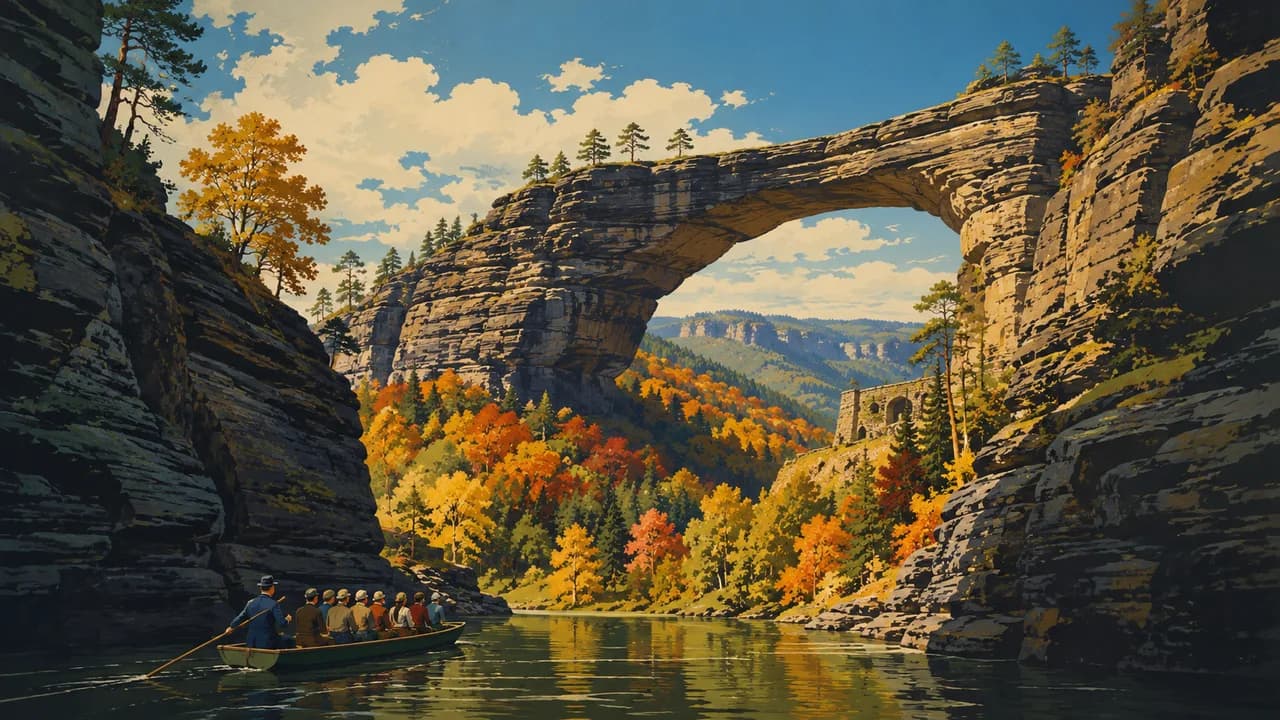
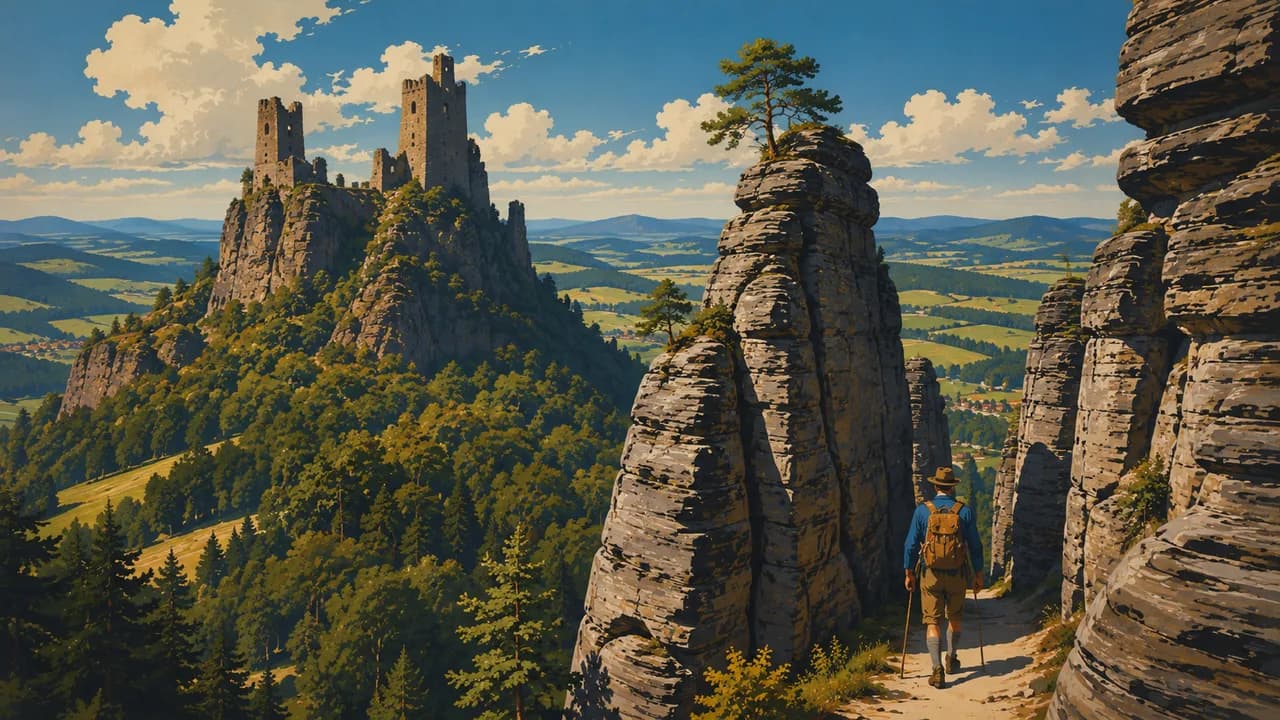
Bohemian Switzerland and Český Ráj offer sandstone cliffs, forest trails and viewpoints. The Šumava and Krkonoše mountains add hiking and seasonal winter sports, while the Moravian Karst reveals caves and the Macocha Abyss. Protected-area routes, cave visits and mountain outings require checks on access, reservations and weather.
Dumplings, roast dishes, soups, pastries and freshwater fish reflect varied regional cooking. Trains and buses connect many towns, but rural sights often need onward planning. Allow time outside Prague and check seasonal castle openings, spa services and advance bookings for popular interiors.
AI edited
- 14
- Regions Thirteen regions and the capital Prague form fourteen self-governing regions. The historical lands of Bohemia, Moravia and Czech Silesia have different boundaries.
- ≈ 10.90 million
- Population The Czech Statistical Office records 10,903,655 inhabitants on 30 June 2026. This is a dated national population estimate, not the number of visitors or Czech citizens abroad.
- 78,871 km²
- Area The EU country profile gives a geographical area of 78,871 km². This covers the national territory, including cities, farmland, forests and inland waters.
- Czech
- Language Czech is the official language. Native place names often differ from familiar English or German forms, so use the local spelling when searching transport timetables.
- Slovak, Ukrainian & Romani
- Other languages These are examples of languages used by minority and migrant communities. English and German visitor services vary by destination and provider.
- Czech koruna (CZK)
- Currency The Czech koruna is the national currency. Euro acceptance is optional and exchange terms can vary. Confirm the billing currency and payment options before paying.
- C · E
- Socket types The electricity supply uses 230 V and 50 Hz. Type E sockets have an earth pin. Grounded plugs must be compatible with it.
- Prague
- Capital Prague, locally Praha, is the capital and seat of national government. Its local time applies throughout Czechia.
- Right-hand traffic
- Driving side Traffic keeps right. Historic centres can restrict vehicle access. Check parking, road conditions and applicable toll arrangements before a journey.
- UTC+1 / UTC+2
- Time zone Europe/Prague follows UTC+1 in winter and UTC+2 during daylight saving time. The local clock changes automatically with the seasonal rules.
- 16
- UNESCO cultural sites UNESCO lists sixteen cultural World Heritage properties in Czechia. The transnational ancient beech forests are a separate natural property. A shared inscription may contain several places.
Czech Republic on the map

Map data: geoBoundaries (CC BY 4.0), © OpenStreetMap contributors (ODbL), Natural Earth
Climate and best time to travel
Czechia has four seasons. Lowland towns and southern wine country are generally warmer than the wooded uplands and mountain ranges. Spring and autumn suit city visits, castles and lower walking routes. Summer brings longer days, but heat, thunderstorms and busy attractions can affect plans. High trails and winter sports depend on weather, snow and operating conditions. In sandstone landscapes, check current trail closures and protected-area rules. Castle interiors, cave tours and spa treatments may need seasonal planning or advance booking. The month tiles show typical planning windows, not guaranteed weather or opening dates.
Destinations in Czech Republic
 AI generated
 AI generated
 AI generated
 AI generated
 AI generated
 AI generated
 AI generated
 AI generated
 AI generated
 AI generated
 AI generated
 AI generated