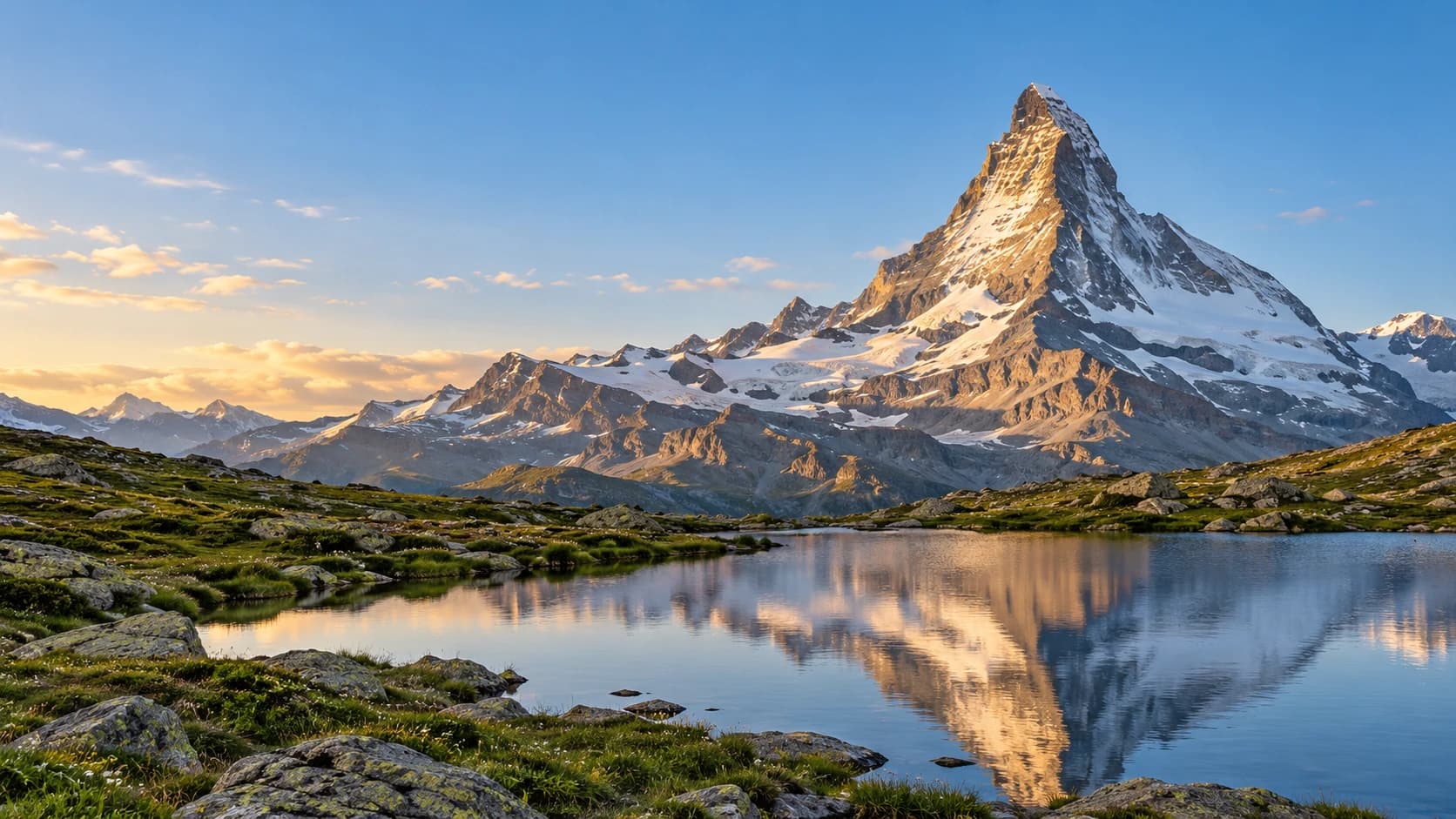
Switzerland
Schweiz · Suisse · Svizzera · Svizra
Alpine valleys, lakefront cities and living regional traditions reveal the country beyond its famous peaks.
Worth coming back!
Wanderlama keeps growing with new destinations, helpful information and exciting features. Check back soon and discover what is new!
Travel to Switzerland
Switzerland combines the Alps with the densely settled Central Plateau and wooded Jura hills. Its four national languages, German, French, Italian and Romansh, shape distinct regional cultures. Contemporary art, farming, craftsmanship and local festivals complement the familiar mountain scenery.
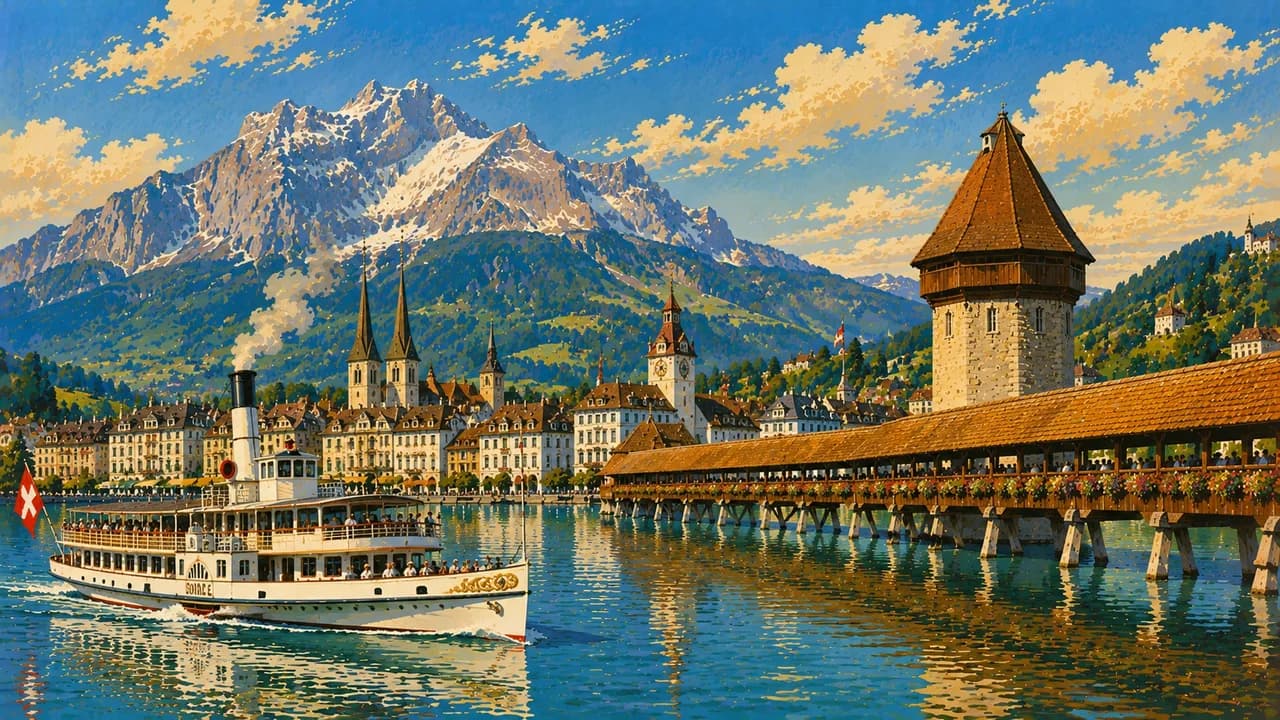
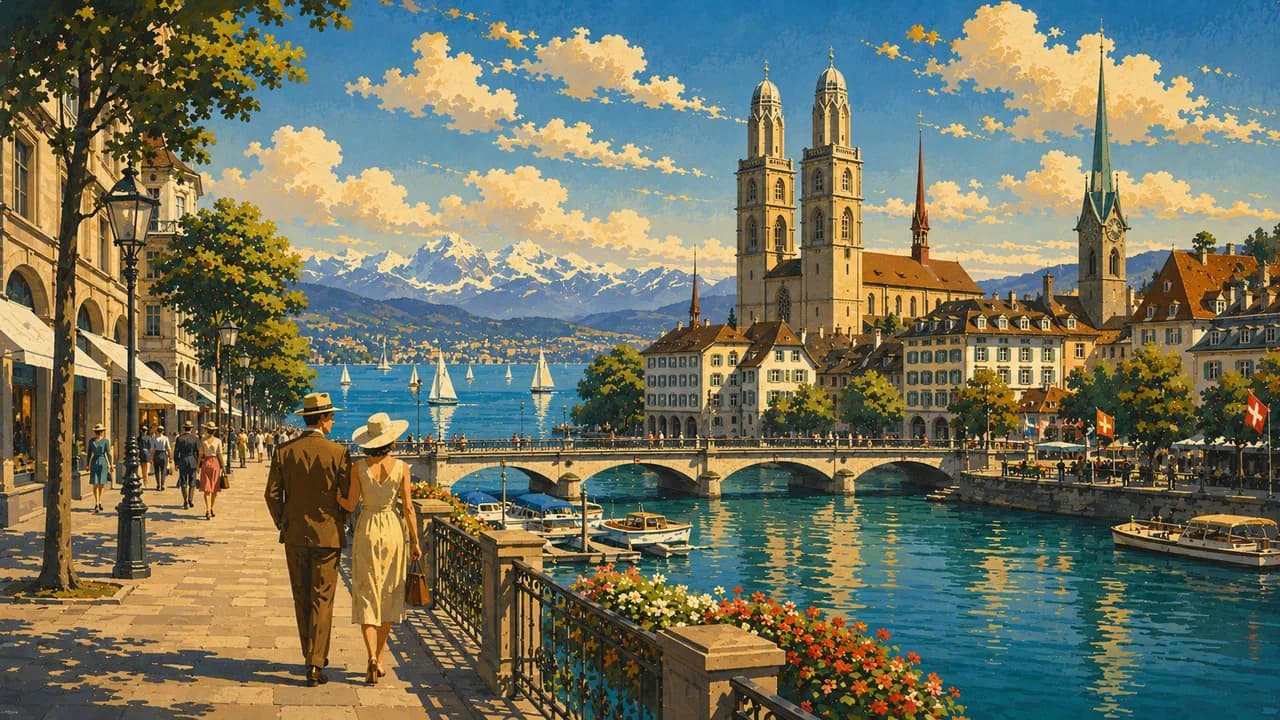
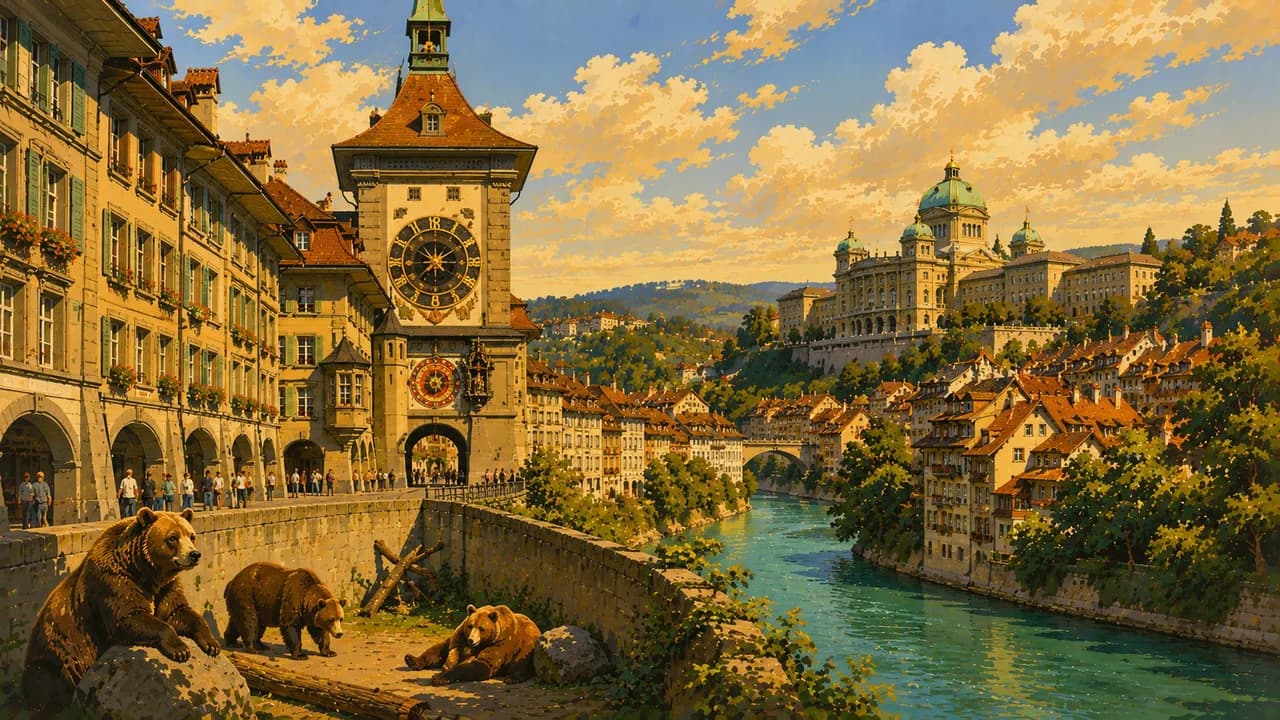
Zurich (Zürich) combines lakefront life with museums, while Basel stands on the Rhine with major art collections. Bern’s arcaded old town and the historic bridges of Lucerne (Luzern) add urban heritage. Schaffhausen, the Rhine Falls and Stein am Rhein reveal river landscapes and painted facades. St. Gallen adds its abbey heritage, while Appenzell preserves cattle processions, music and cheese traditions.
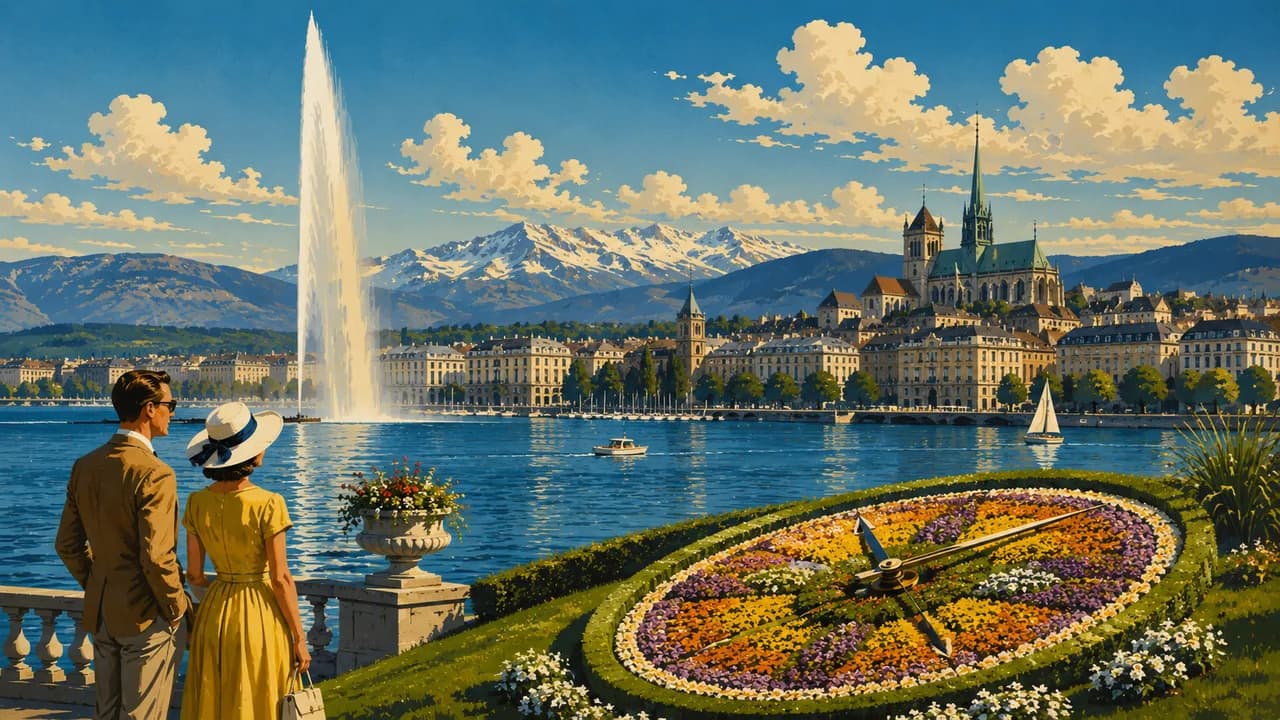
Geneva (Genève), Lausanne, Montreux and Vevey offer contrasting perspectives on Lake Geneva, from international institutions to museums and musical heritage. Lavaux’s terraced vineyards and Gruyères’ historic town and cheese culture broaden a journey through French-speaking Switzerland.
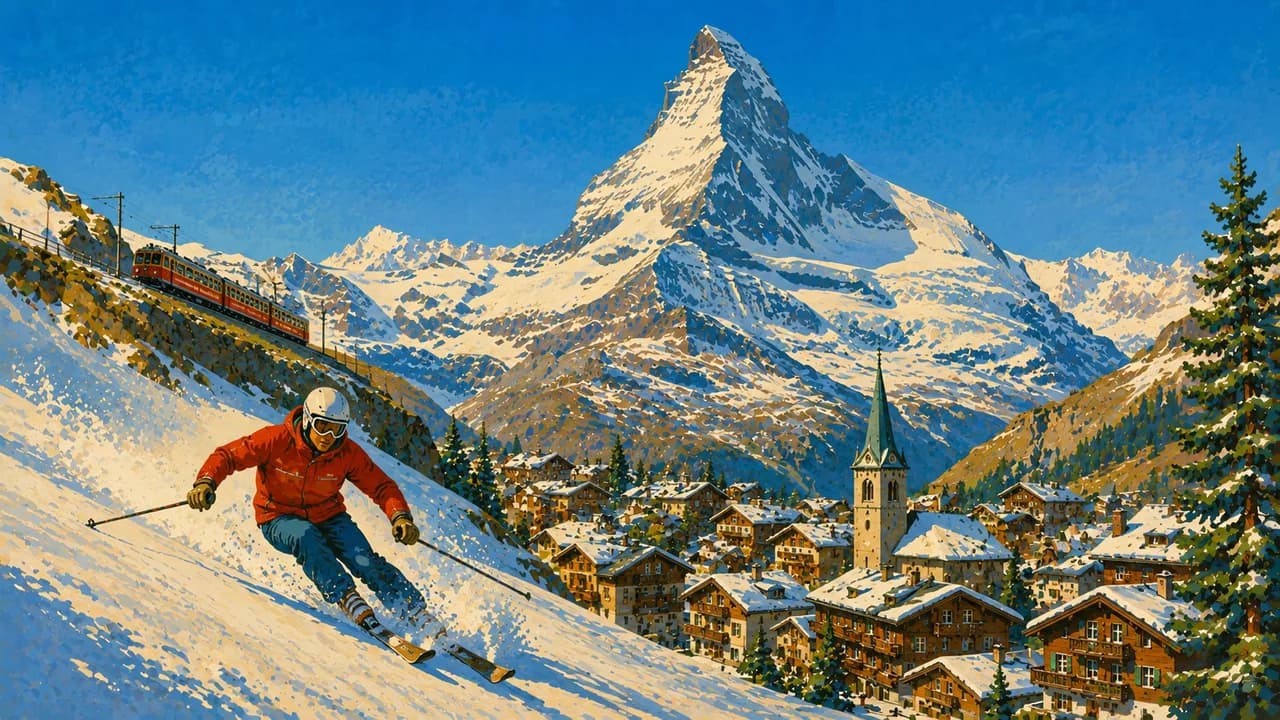
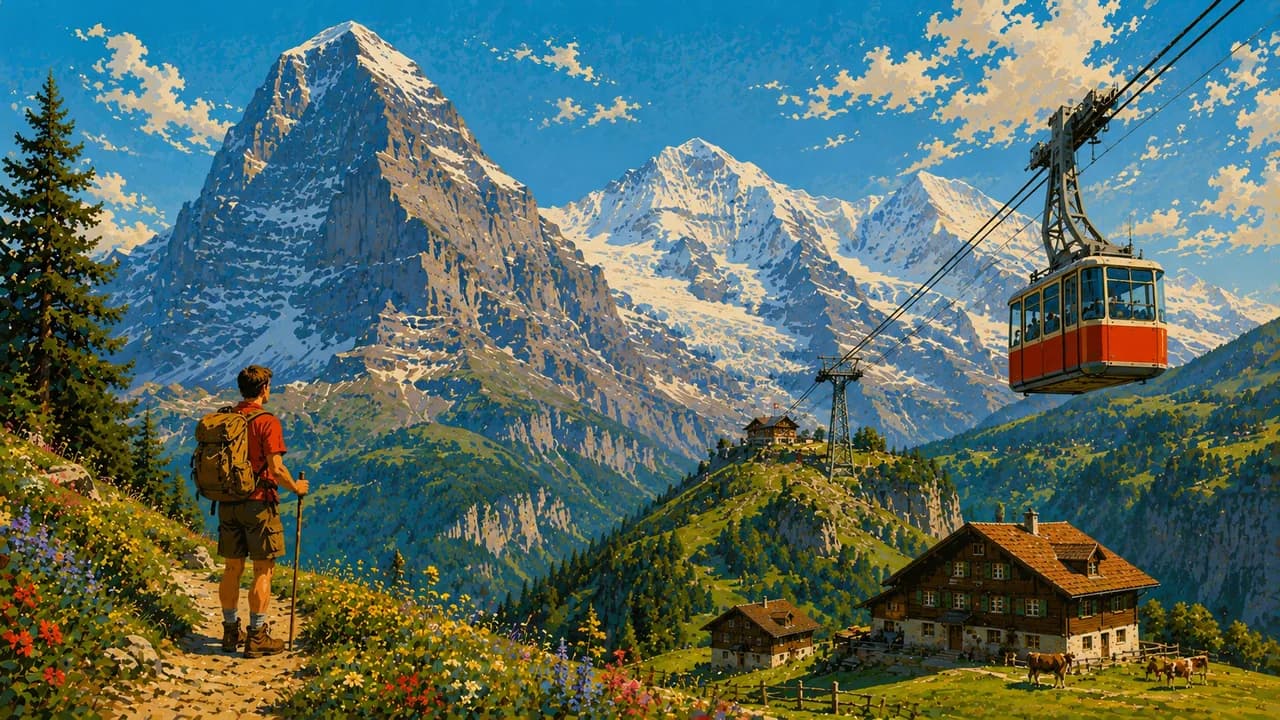
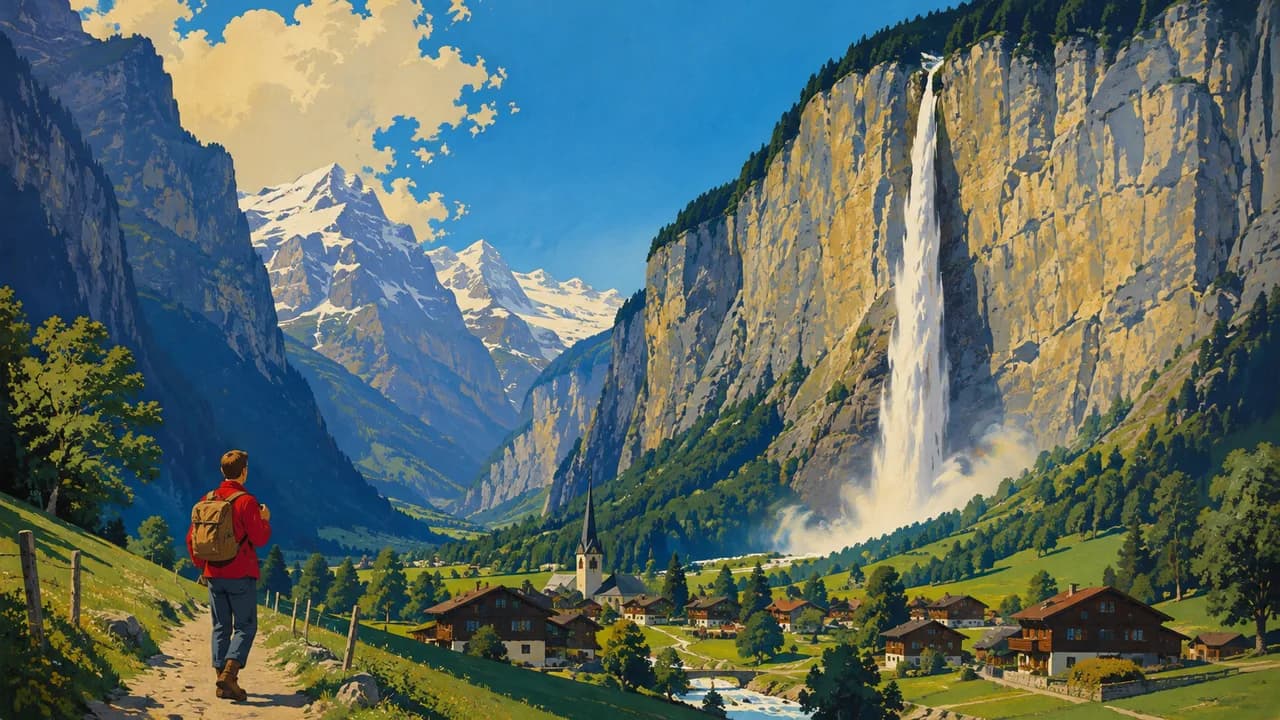
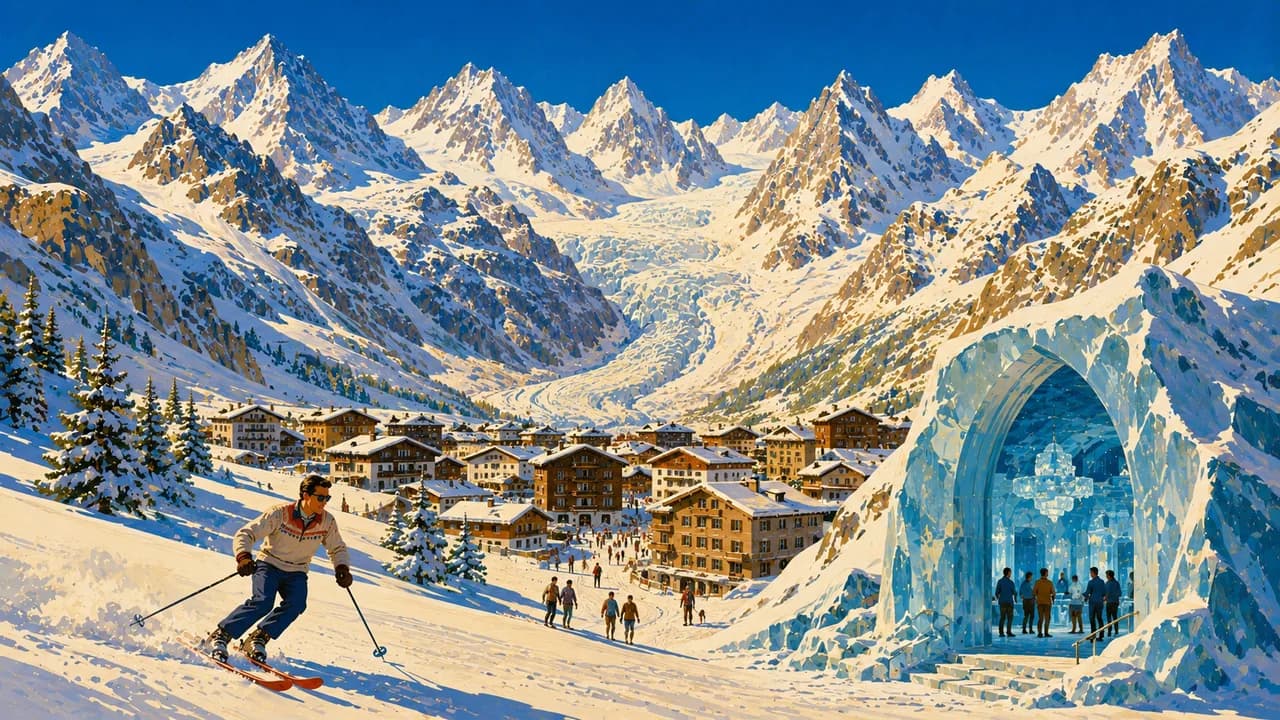
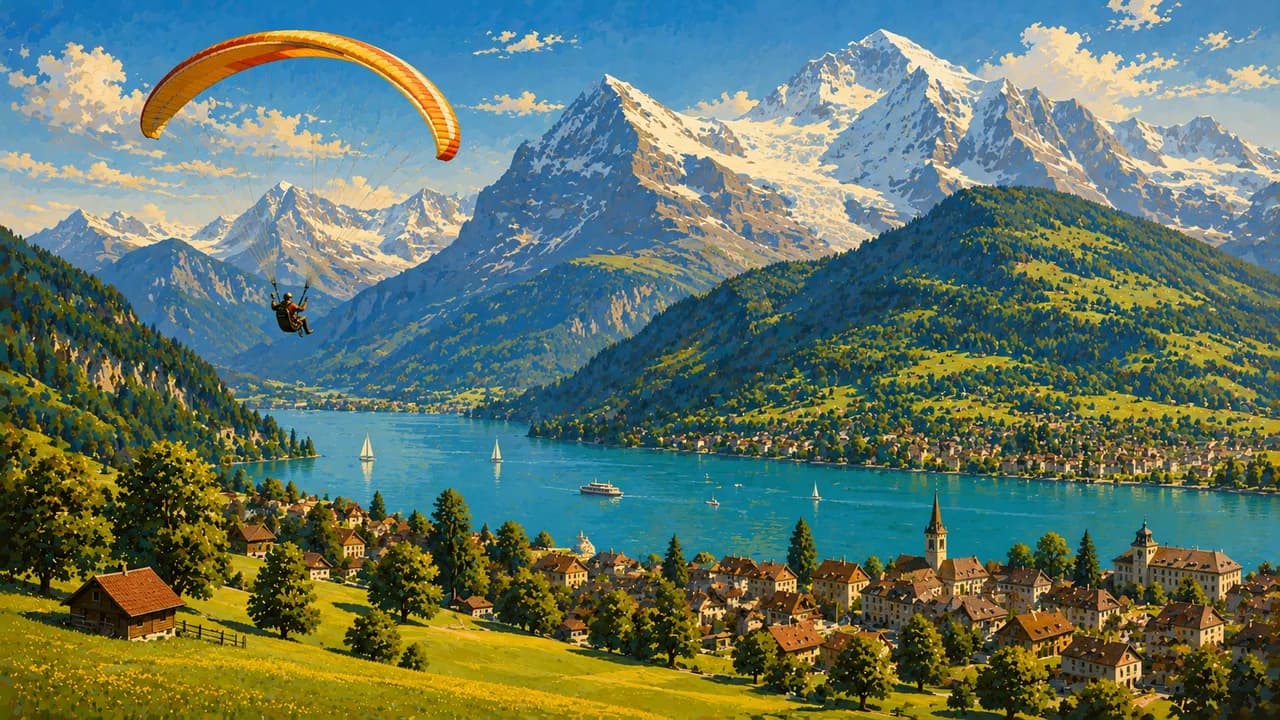
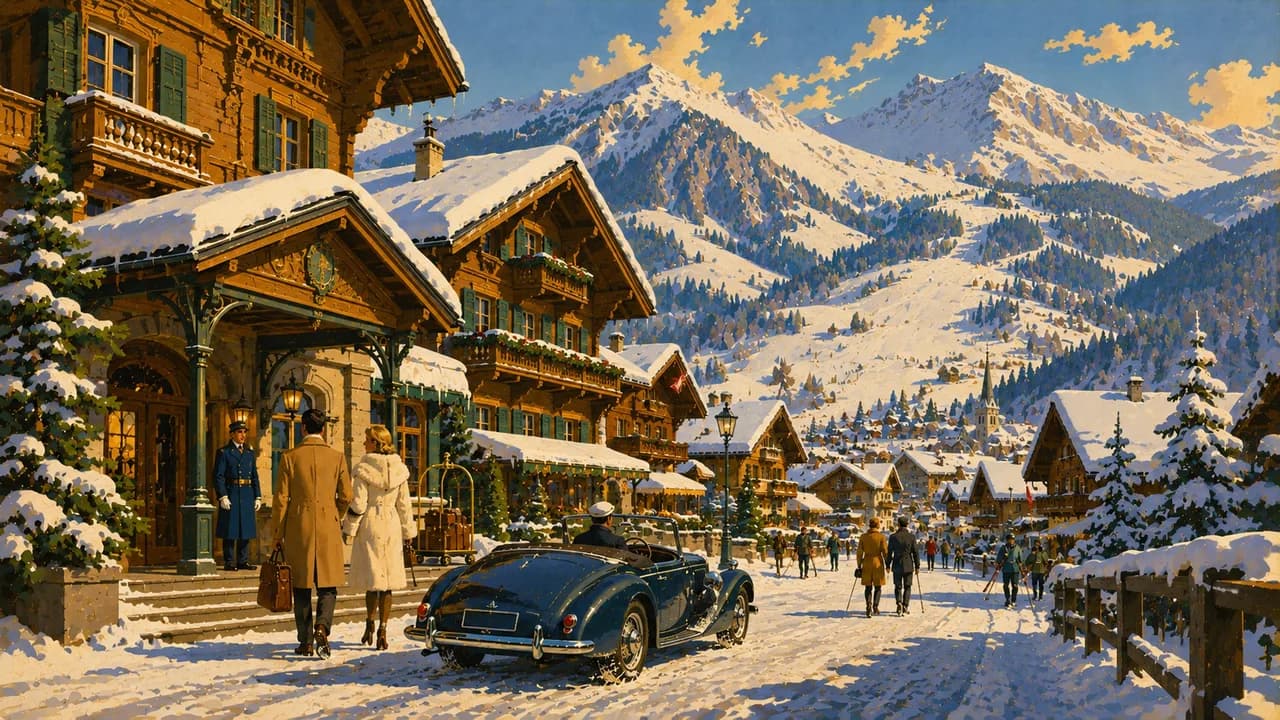
Interlaken, Thun and Brienz connect lakeside visits with the Bernese Oberland. Grindelwald, Lauterbrunnen, Wengen and Mürren reveal the Jungfrau region’s valleys and mountain villages. Engelberg adds monastery heritage and mountain excursions. Gstaad, Zermatt below the Matterhorn, Saas-Fee, Verbier and the Aletsch Glacier offer contrasting Alpine landscapes and seasonal activities. Walking on glaciers requires suitable routes, equipment and expertise.
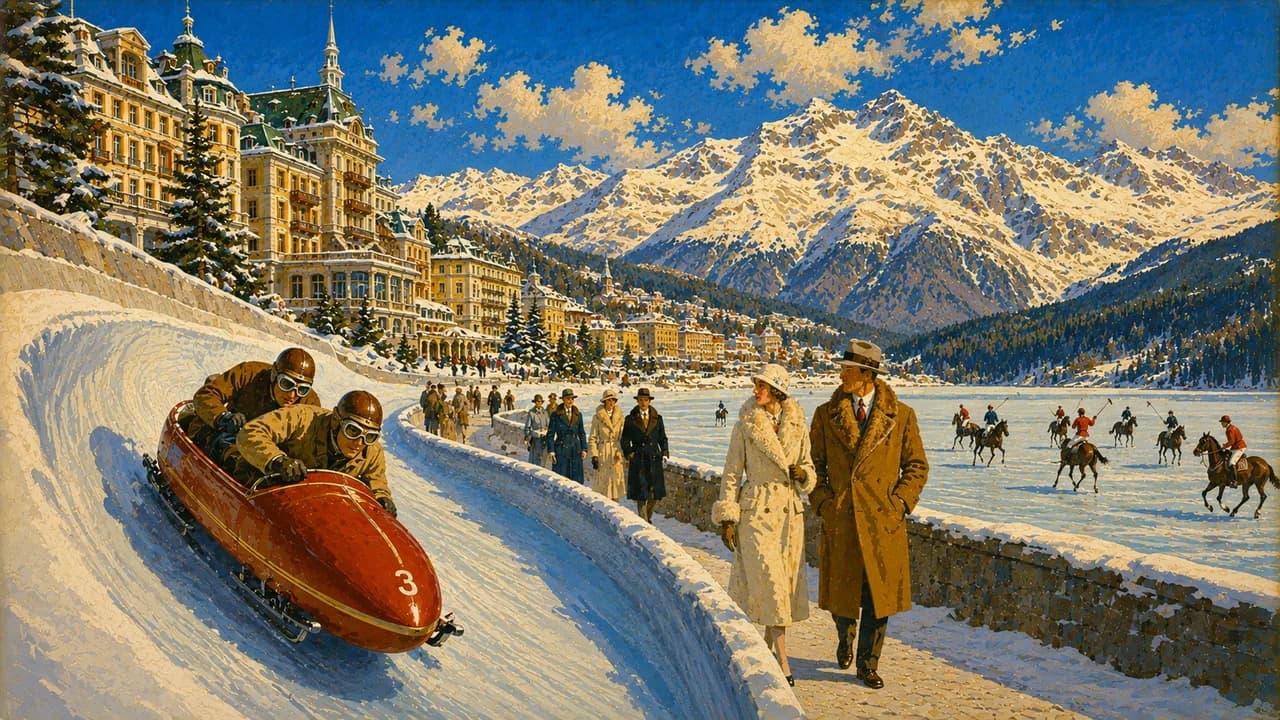
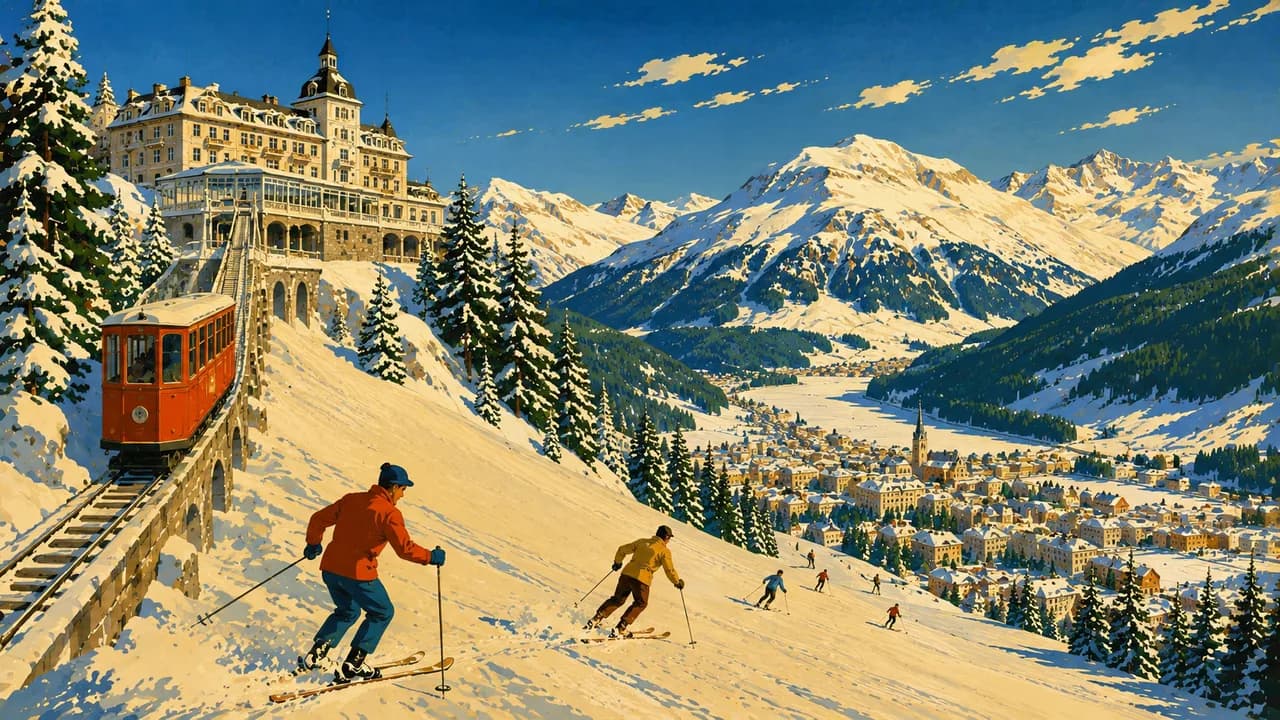
In Graubünden, Chur’s old town introduces a multilingual canton. Arosa, Davos and St. Moritz combine mountain recreation with resort culture, while Scuol introduces Engadine village and bathing traditions. South of the Alps, Bellinzona’s castles, Lugano’s lakefront and Locarno’s film culture reveal Italian-speaking Ticino. Scenic rail journeys, including the Glacier Express, connect mountain landscapes without replacing time in individual valleys.
Rösti, fondue, raclette, Ticino risotto and Graubünden’s capuns reflect varied food traditions alongside chocolate and regional wines. Trains, buses and boats connect many destinations, but mountain services and some panoramic-train reservations need advance planning. Budget for accommodation and activities. Check weather, snow, trail difficulty and seasonal closures before hiking or winter sports.
AI edited
- 26
- Cantons Twenty-six cantons form the Swiss federation. They are administrative units, distinct from geographical landscapes and the four language regions.
- ≈ 9.13 million
- Population The Federal Statistical Office’s final STATPOP results record 9,127,100 permanent residents on 31 December 2025. This excludes the separately counted non-permanent resident population.
- 41,285 km²
- Area The federal geographic overview gives about 41,285 km², including inland waters. Land-use statistics using different measurement references can show a slightly different total.
- German, French, Italian, Romansh
- Languages The four national languages have distinct regional distributions. Swiss German dialects dominate everyday speech in German-speaking areas. Romansh is used in parts of Graubünden.
- English, Portuguese & Albanian
- Other languages English, Portuguese and Albanian are among commonly spoken non-national languages. Visitor-service languages vary by region and business.
- Swiss franc (CHF)
- Currency The Swiss franc is the national currency. Some businesses accept euros, but acceptance and conversion terms vary. Confirm payment options for smaller businesses and mountain huts.
- C · J
- Socket types Types C and J use 230 V and 50 Hz. Flat Europlugs fit compatible J sockets. Bulky type F plugs may require an adapter.
- Bern
- Federal city Bern is the federal city and seat of parliament and government. It functions as the de facto capital, while Switzerland has no officially designated capital city.
- Right-hand traffic
- Driving side Traffic keeps right. Mountain passes can close seasonally. Some resorts are car-free, so check access arrangements and onward rail or bus connections.
- UTC+1 / UTC+2
- Time zone Europe/Zurich applies throughout Switzerland, including Bern. Standard time is UTC+1 and daylight saving time UTC+2. The clock follows seasonal changes automatically.
Switzerland on the map

Map data: geoBoundaries (CC BY 4.0), © OpenStreetMap contributors (ODbL), Natural Earth
Climate and best time to travel
Switzerland has four seasons with strong differences between lowlands, southern valleys and higher mountains. Spring and autumn suit city visits and lower routes. Summer opens more Alpine trails, but snow can linger and thunderstorms can change plans. Winter activities depend on snow, trail status and lift operations. Ticino can be milder yet receive heavy rain. Choose routes for your ability and check mountain weather, closures and transport schedules. Glacier walking requires appropriate equipment and expertise. Panoramic trains and boat services may need reservations or follow seasonal timetables.
Destinations in Switzerland
 AI generated
 AI generated
 AI generated
 AI generated
 AI generated
 AI generated
 AI generated
 AI generated
 AI generated
 AI generated
 AI generated
 AI generated