Hungary
Magyarország
Thermal springs, historic towns and wine country meet broad plains and lakeside life.
Worth coming back!
Wanderlama keeps growing with new destinations, helpful information and exciting features. Check back soon and discover what is new!
Travel to Hungary
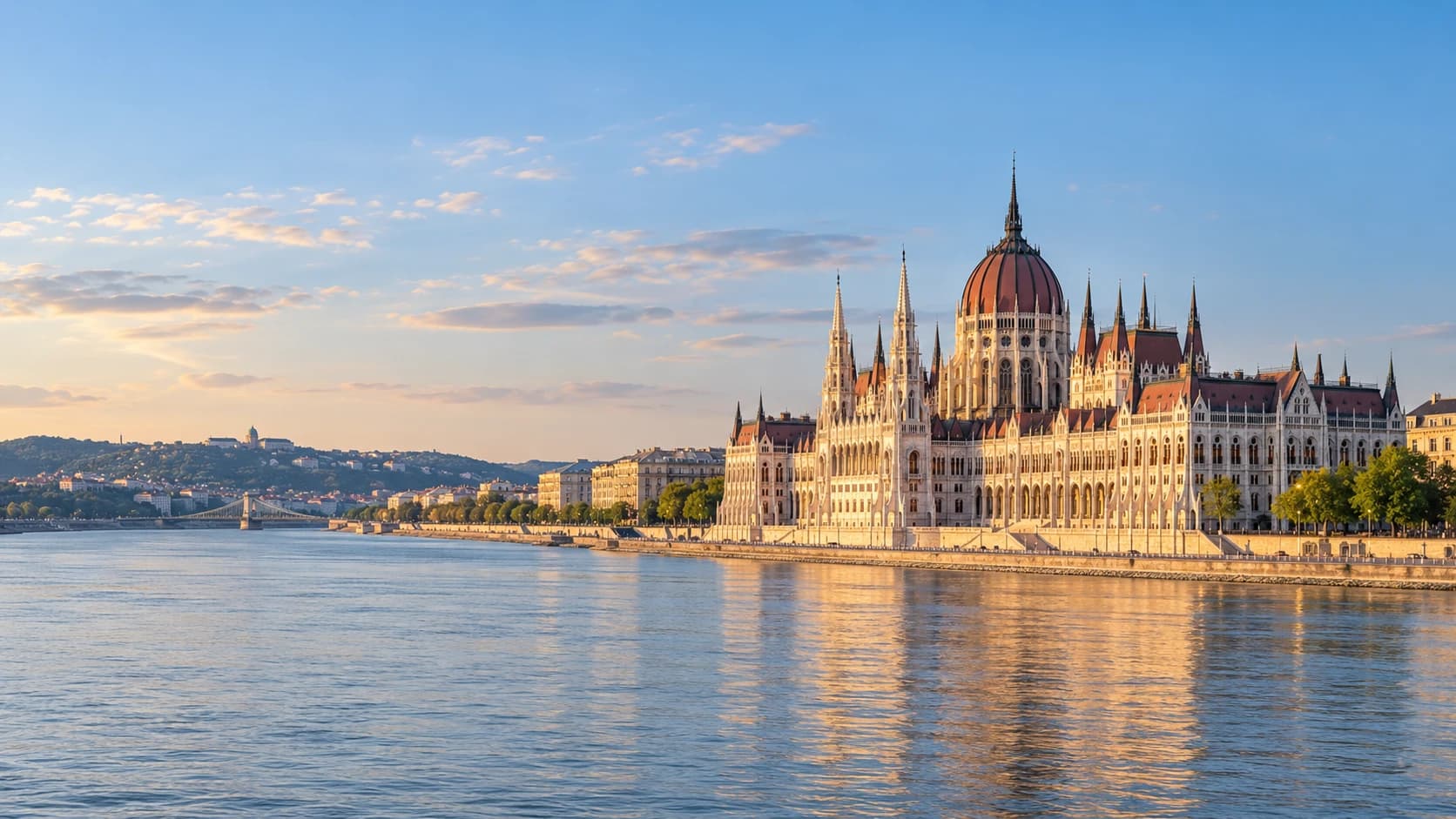
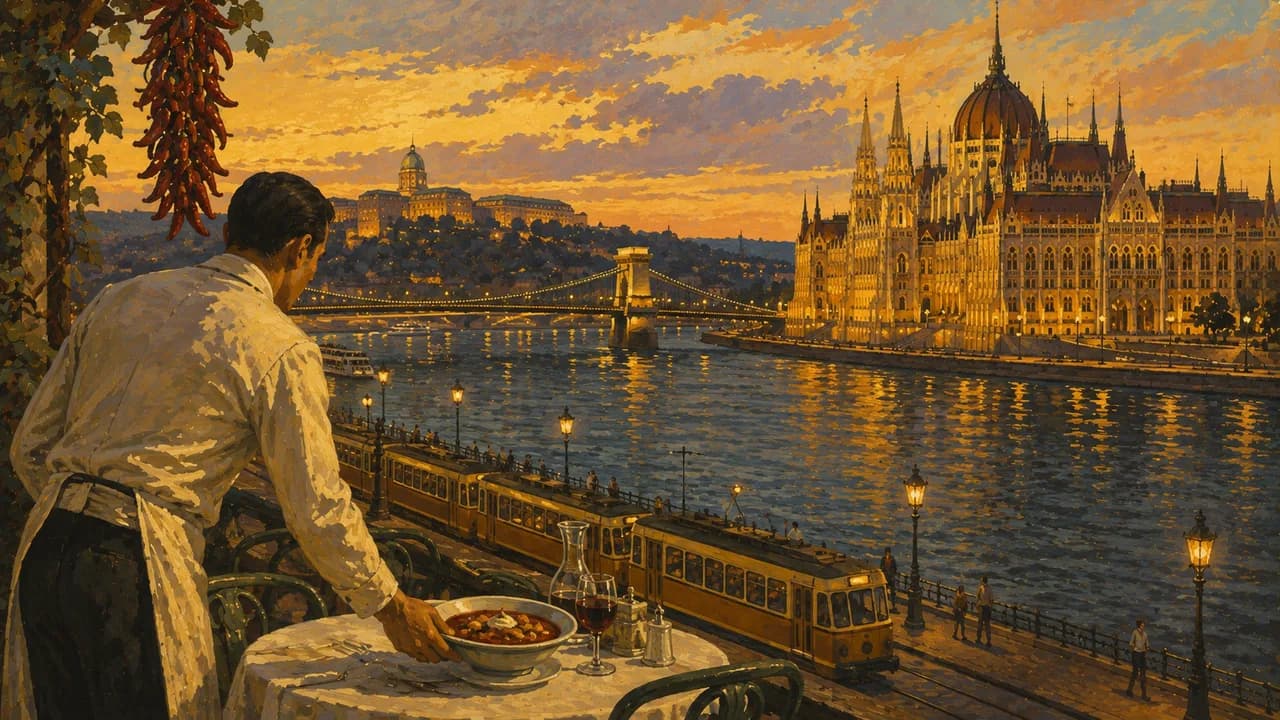
Hungary lies in the Carpathian Basin of central Europe, with broad plains, wooded hills, wine regions and thermal springs. The Danube and Tisza shape its landscapes. Budapest combines hilly Buda and flatter Pest, with the riverside Parliament, Castle District and thermal baths such as Széchenyi and Rudas. Jewish heritage, museums and neighbourhood cafés broaden the capital’s portrait.
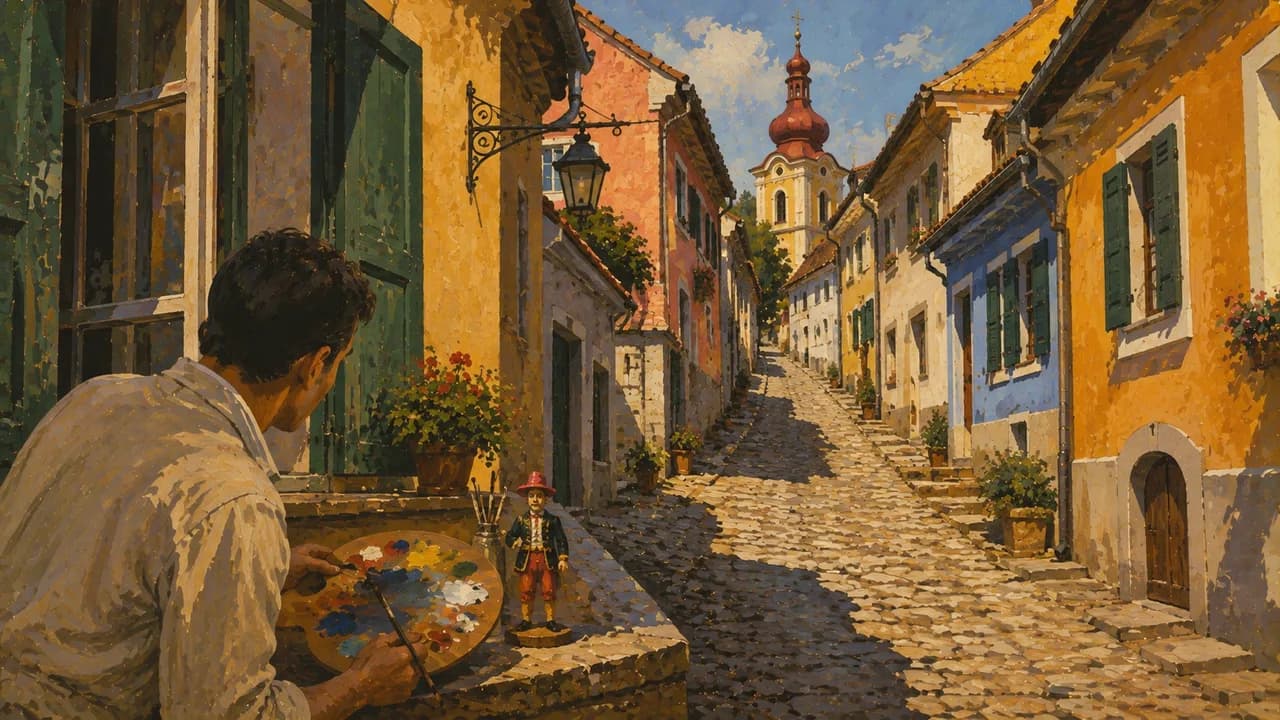
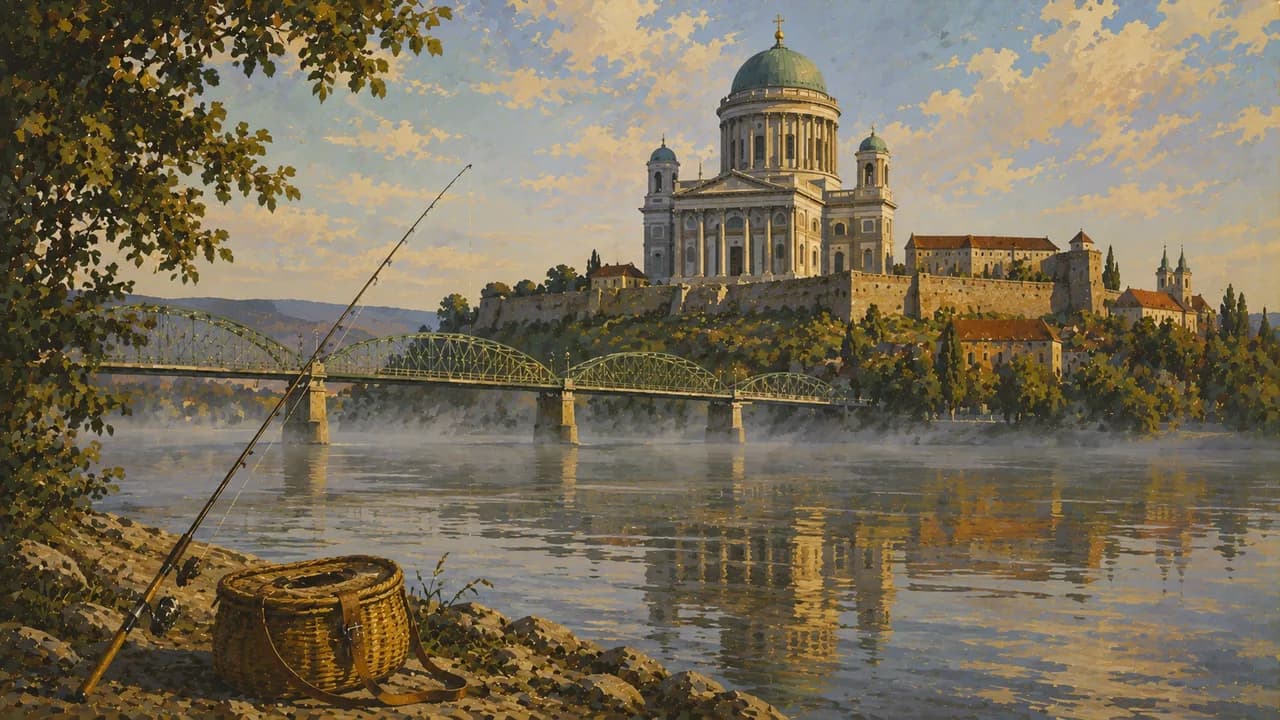
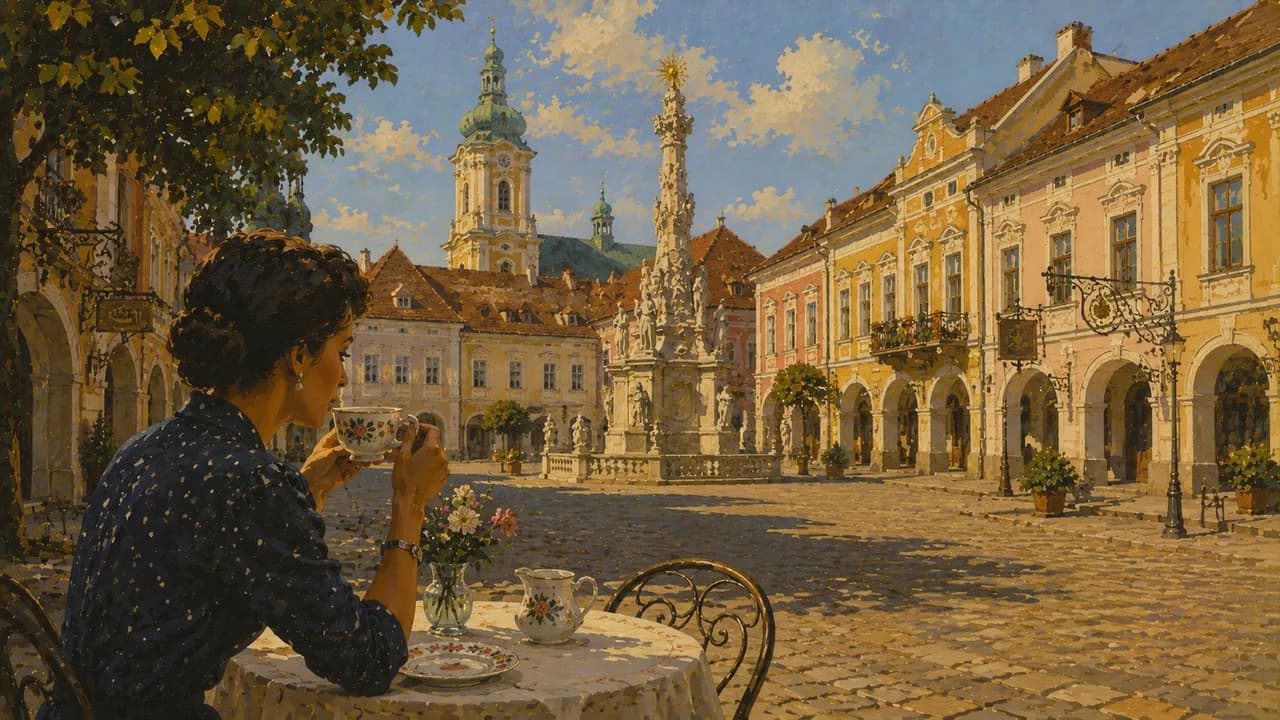
Along the Danube Bend, Szentendre brings together galleries and Serbian Orthodox heritage, while Esztergom’s basilica and Visegrád’s citadel recall royal and religious history. In the northwest, Győr’s baroque streets, Pannonhalma’s Benedictine abbey and Sopron’s historic centre complement the reed beds and vineyards of the shared Fertő/Neusiedler See cultural landscape.
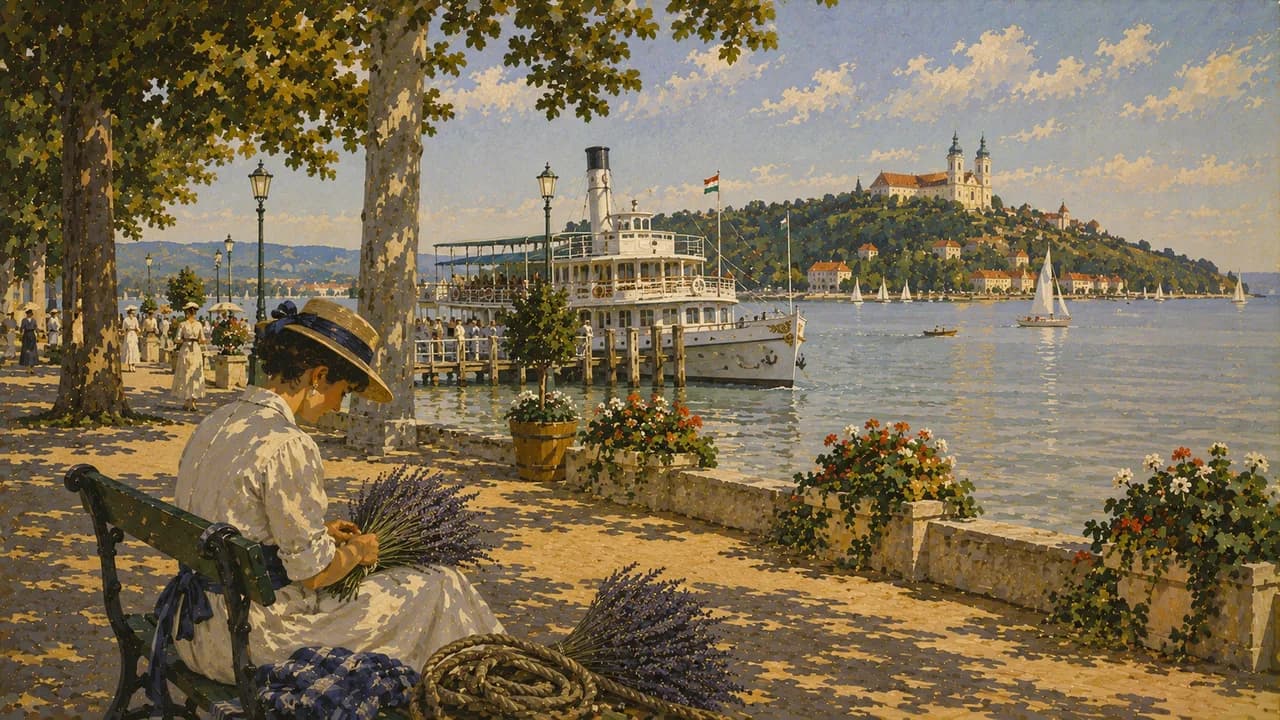
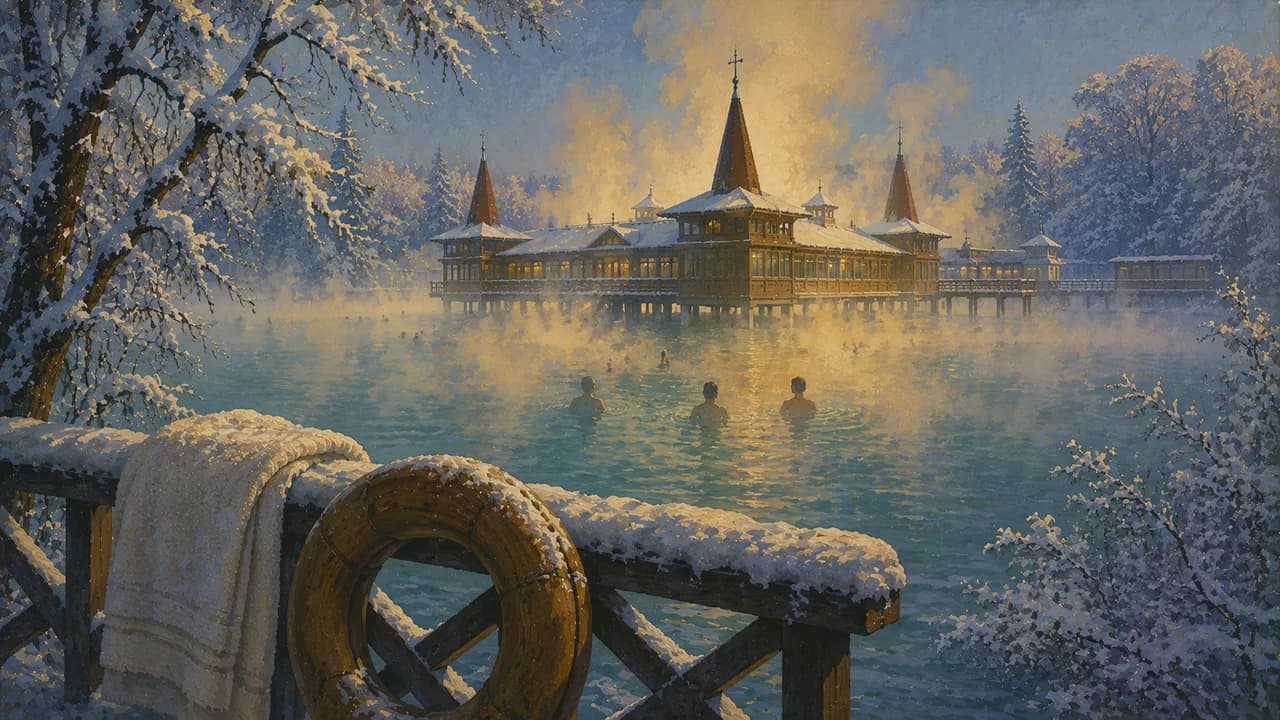
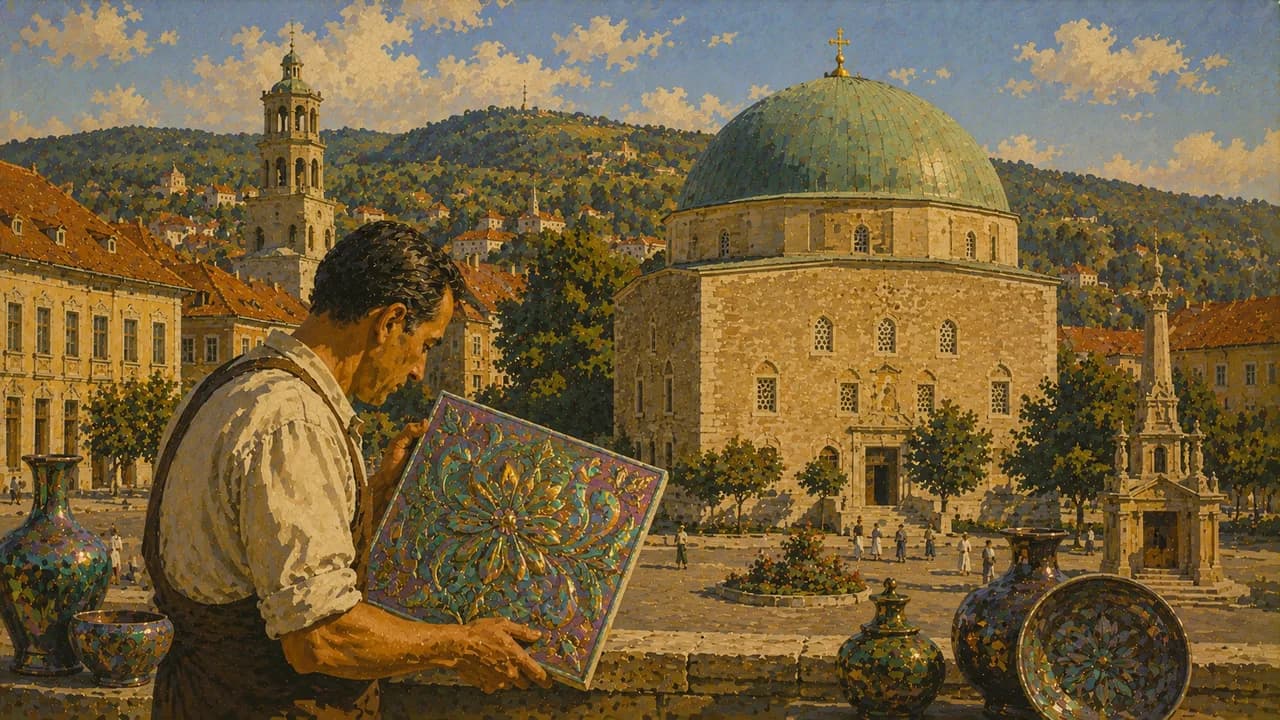
Lake Balaton combines summer bathing and sailing with lakeside towns and cycle routes. Balatonfüred’s promenades, Tihany’s abbey and Badacsony’s volcanic hills reveal different northern-shore landscapes. Nearby Hévíz adds a natural thermal lake. In the southwest, Pécs preserves early Christian burial chambers and Ottoman heritage, while Villány introduces another distinctive wine region.
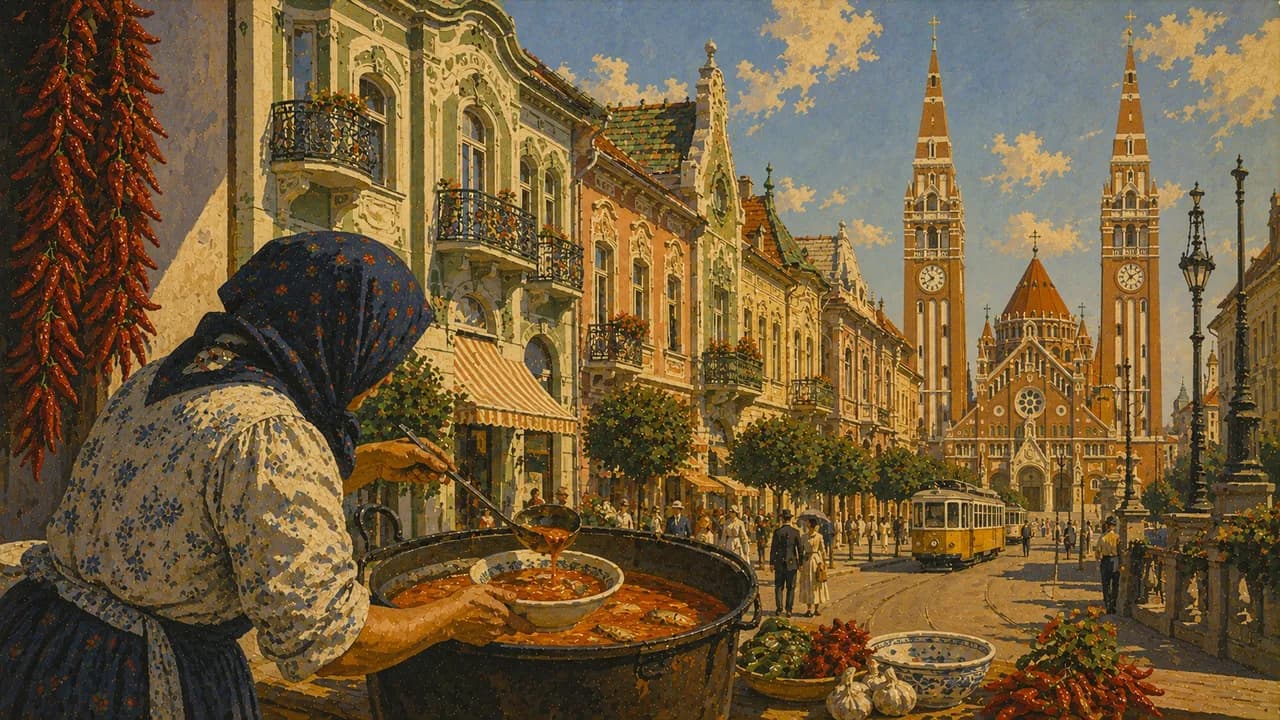
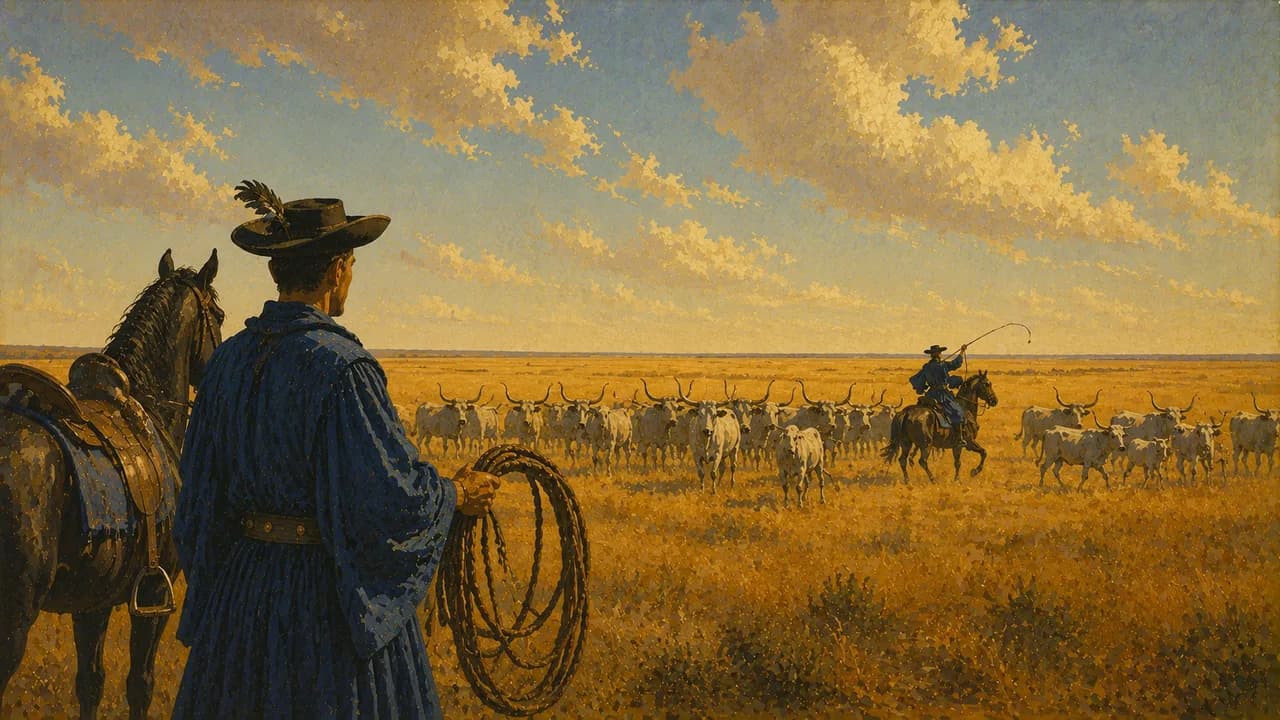
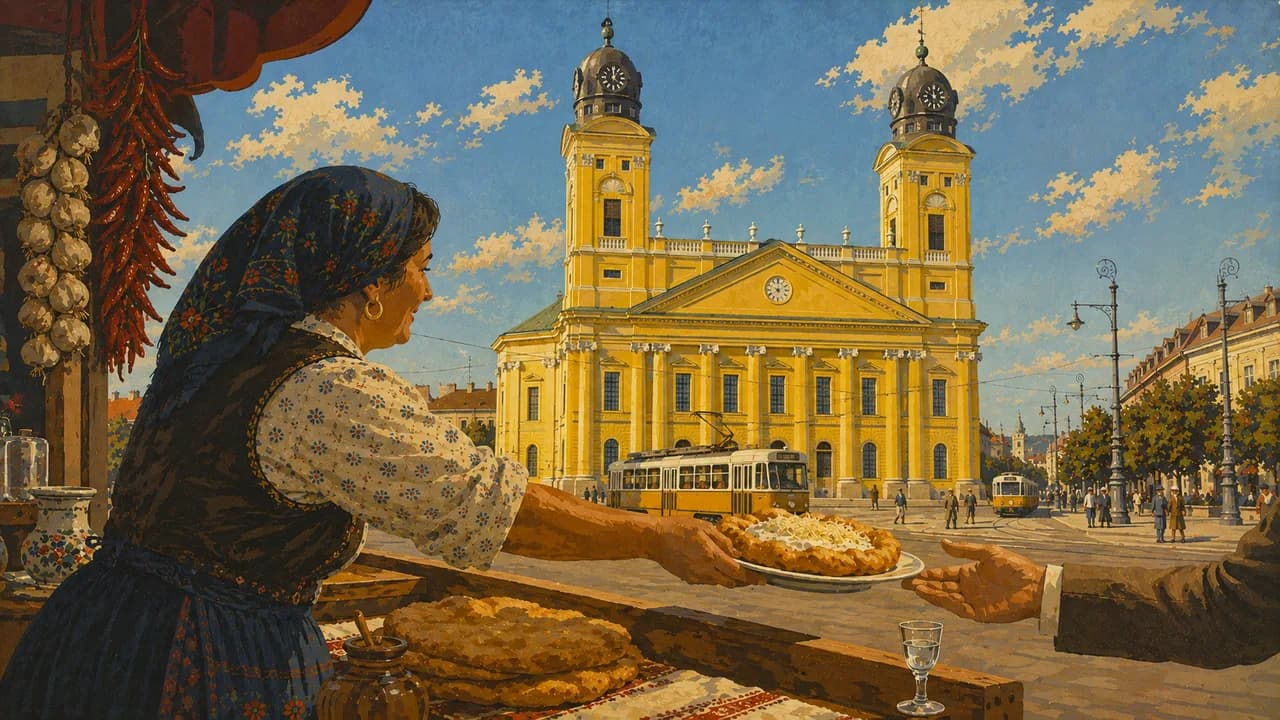
In the east, Debrecen’s Reformed heritage contrasts with Szeged’s Art Nouveau buildings beside the Tisza. Hortobágy’s grasslands and wetlands reflect longstanding pastoral traditions and support birdlife. Lake Tisza adds waterways and cycling, while the Bükk hills and the caves of Aggtelek offer woodland walks and karst scenery. The Aggtelek and Slovak Karst caves form a cross-border World Heritage property.
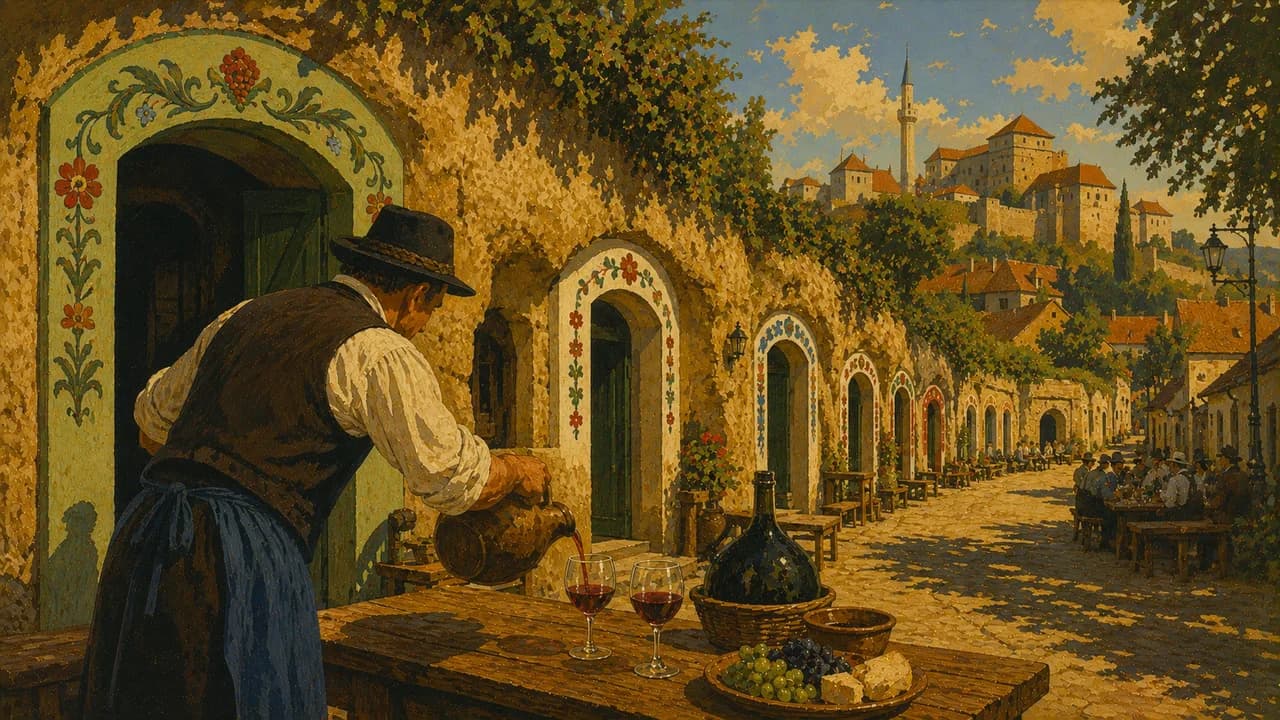
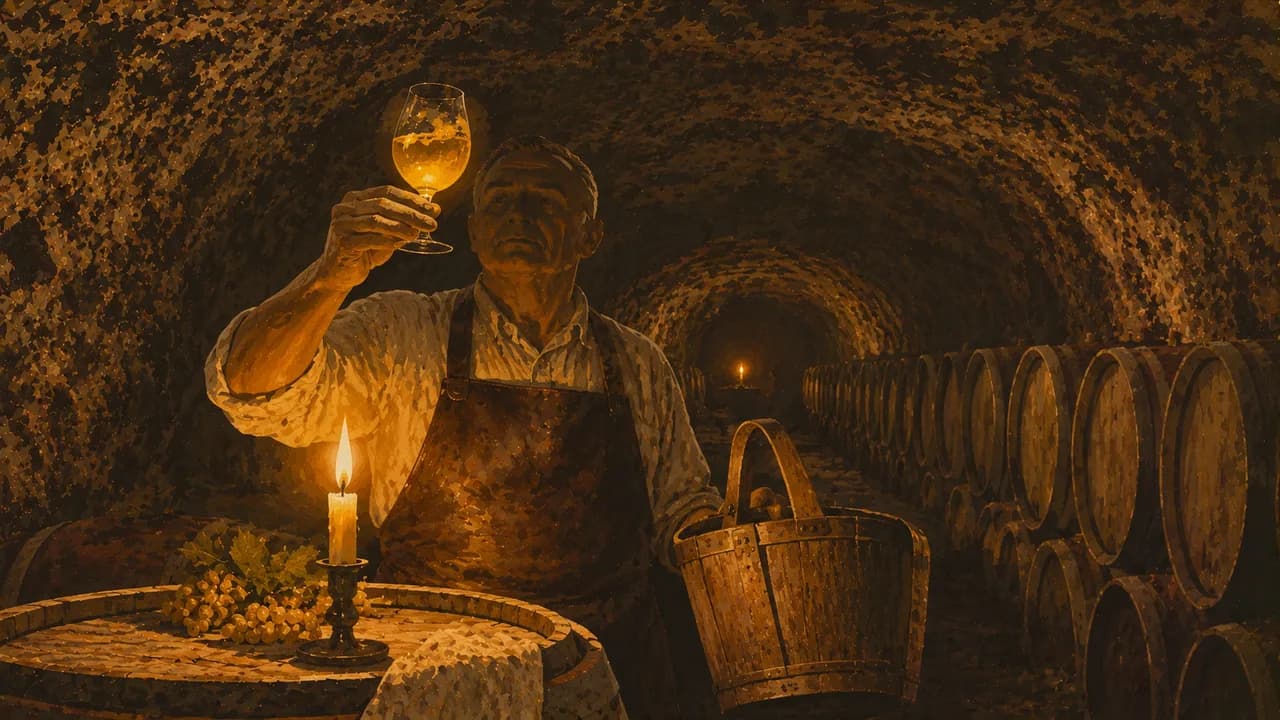
Eger combines a castle, baroque streets and wine cellars, while Tokaj is known for its historic vineyards and sweet Aszú wines. Hollókő preserves village architecture and Palóc traditions. Folk music, dance and embroidery remain part of living culture alongside contemporary arts. Gulyás soup, paprika dishes, lángos and rétes pastries introduce regional food traditions.
Trains connect major cities, with local connections needed for smaller villages and nature areas. Summer lake activities differ from spring or autumn walking and city visits. Check seasonal boat services, cave tours and individual bath opening arrangements.
AI edited
- 19 + 1
- Counties & capital Hungary has nineteen counties and the separately administered capital Budapest. Cities with county rights are a separate administrative category, not additional counties.
- ≈ 9.49 million
- Population The Hungarian Central Statistical Office reports approximately 9.488 million inhabitants on 1 January 2026. This is a dated resident population figure.
- 93,012 km²
- Area The EU country profile gives a geographical area of 93,012 km², including inland waters. Other statistical conventions may give slightly different totals.
- Hungarian
- Language Hungarian, locally magyar, is the official language. Native place names and accents are useful when searching transport services and local maps.
- Romani, German & Slovak
- Other languages These are examples of minority community languages. English and German visitor services vary by place and provider.
- Hungarian forint (HUF)
- Currency The national currency is the forint, written Ft. Confirm the billing currency and exchange terms if a business offers payment in euros.
- C · F
- Socket types Hungary uses type C and F plugs and sockets, with a supply of 230 V at 50 Hz. Check that your equipment and any adapter are compatible.
- Budapest
- Capital Budapest is the capital and seat of national government. The Europe/Budapest local clock applies throughout the country.
- Right-hand traffic
- Driving side Traffic keeps right. Historic centres may restrict vehicle access. Check parking and applicable road toll arrangements before driving.
- UTC+1 / UTC+2
- Time zone Hungary follows UTC+1 in winter and UTC+2 during daylight saving time. The local clock changes automatically with seasonal rules.
- 7
- UNESCO cultural sites UNESCO lists seven cultural World Heritage properties in Hungary, including the pastoral landscape of Hortobágy. The shared Aggtelek and Slovak Karst caves are a separate natural property.
Hungary on the map

Map data: geoBoundaries (CC BY 4.0), © OpenStreetMap contributors (ODbL), Natural Earth
Climate and best time to travel
Hungary has four seasons, with warm to hot summers and colder winters. The plains can be hotter than the northern hills, while lake and river conditions vary locally. Spring and autumn suit towns, vineyards and walking. Summer is the main season for lake bathing and sailing, but heat, thunderstorms and storm warnings can interrupt plans. Bird migration depends on weather and water levels, so sightings are never guaranteed. Thermal baths and city museums offer options across the year, with individual opening arrangements. Check boat schedules, cave tour availability and protected-area access. Month tiles show typical planning windows rather than guaranteed weather or opening dates.
Destinations in Hungary
 AI generated
 AI generated
 AI generated
 AI generated
 AI generated
 AI generated
 AI generated
 AI generated
 AI generated
 AI generated
 AI generated
 AI generated