Poland
Polska
Historic cities, Baltic beaches and forest trails meet living traditions from the lowlands to the Tatras.
Worth coming back!
Wanderlama keeps growing with new destinations, helpful information and exciting features. Check back soon and discover what is new!
Travel to Poland
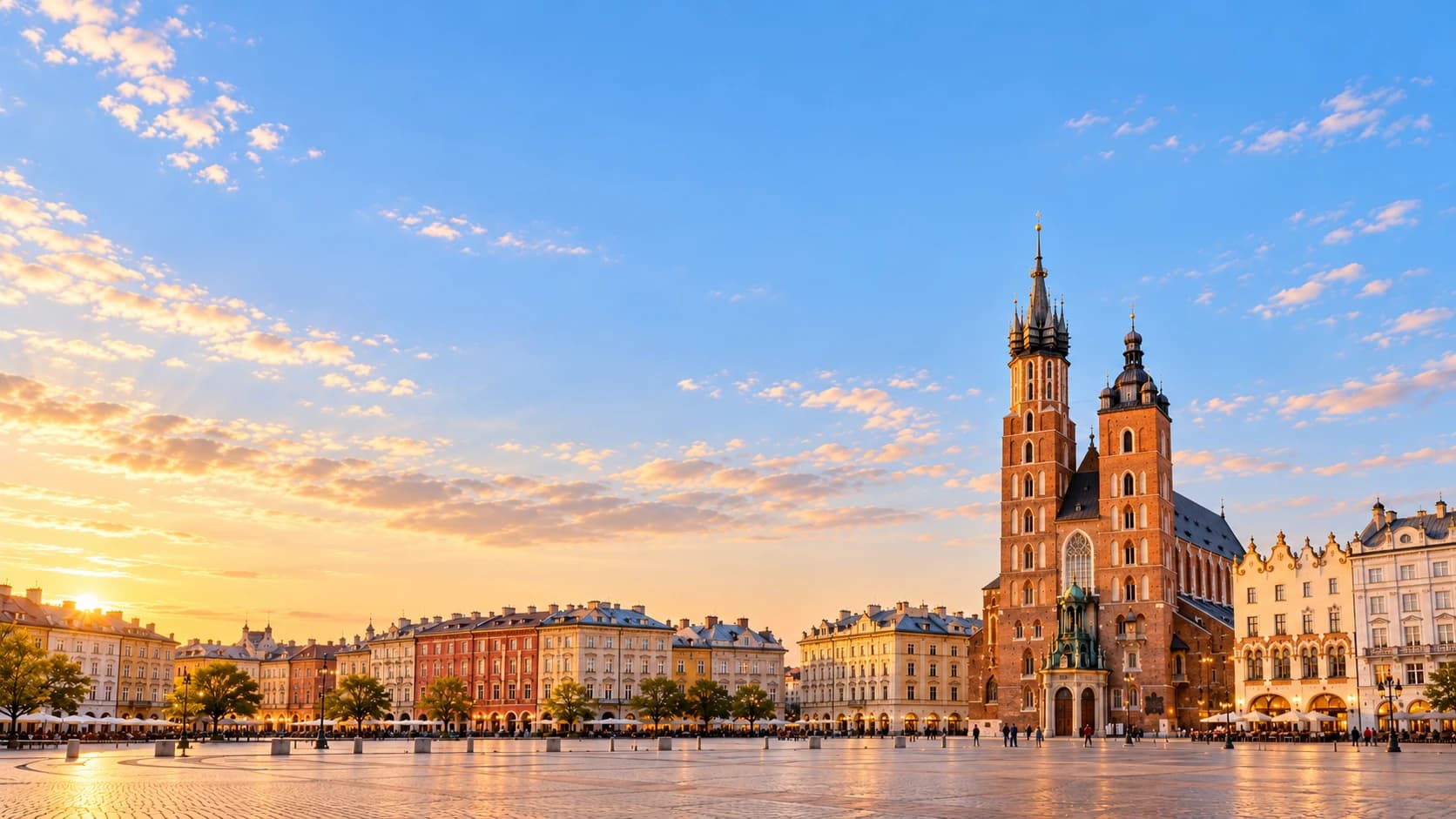
Poland stretches from the Baltic coast across lake districts and plains to the Sudetes and Carpathian mountains. Historic towns, forests and farming landscapes reveal varied regional identities. Contemporary art, music and everyday neighbourhood life complement royal, religious and industrial heritage.
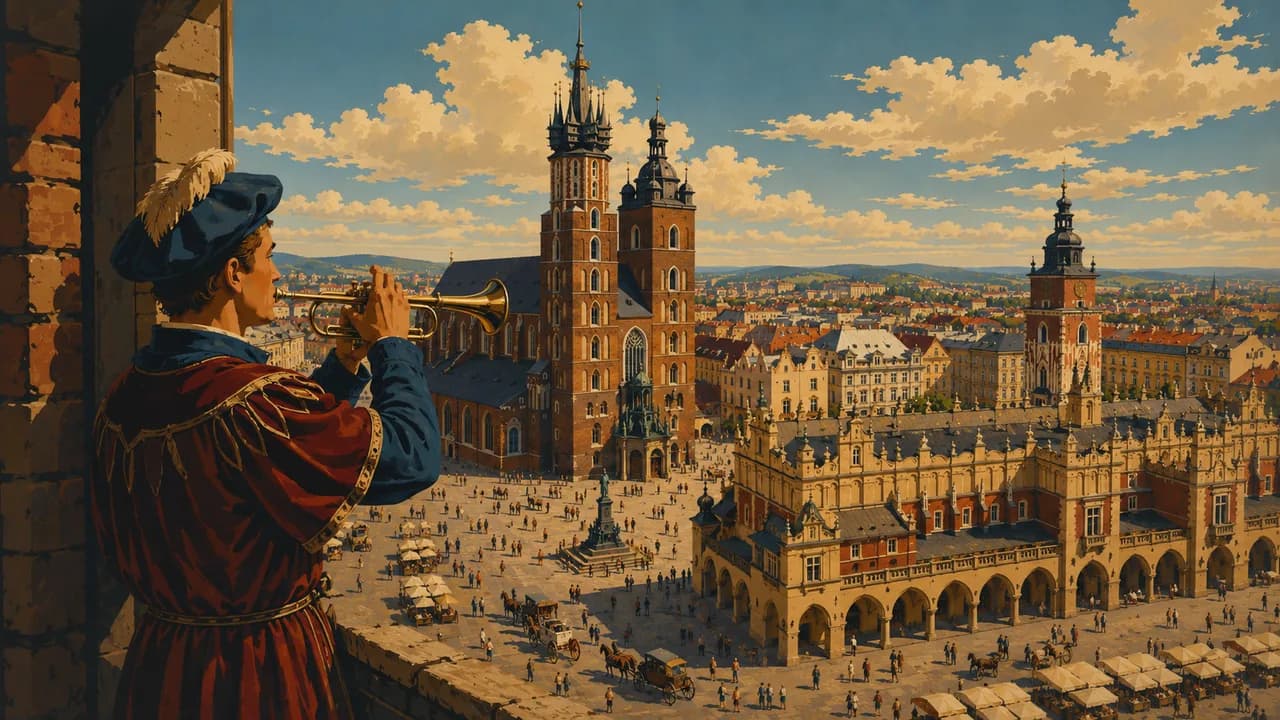
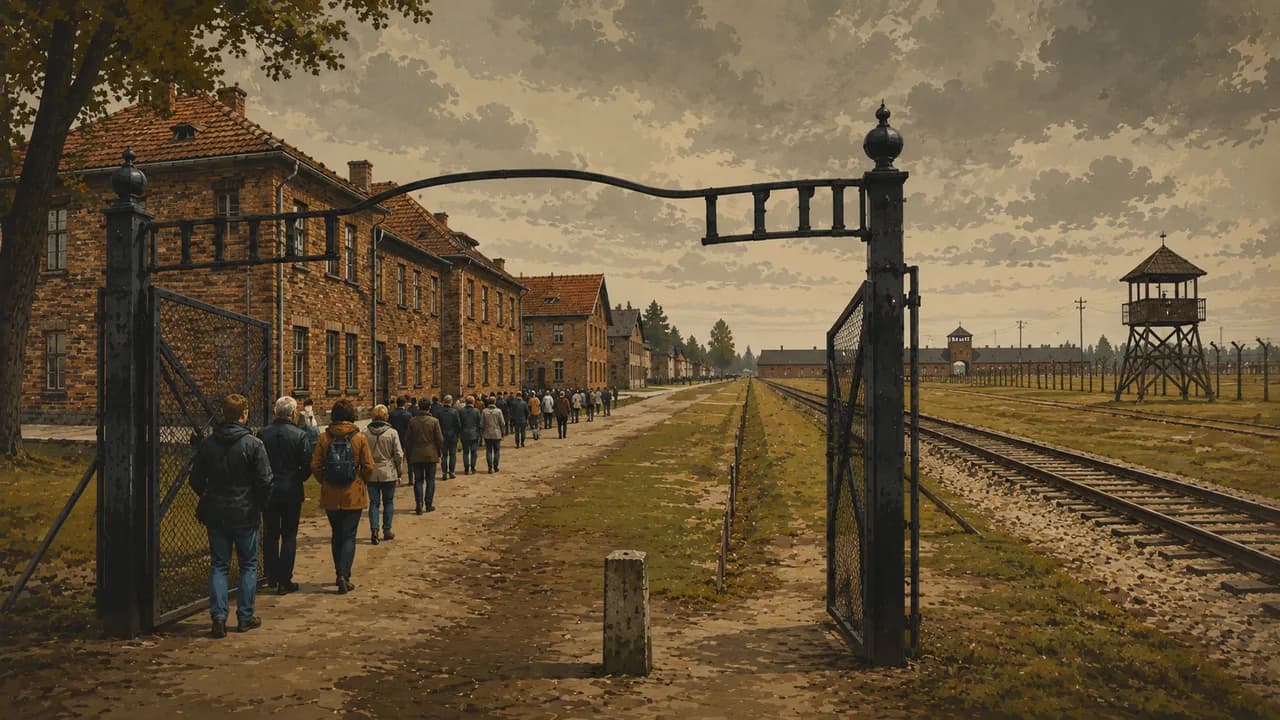
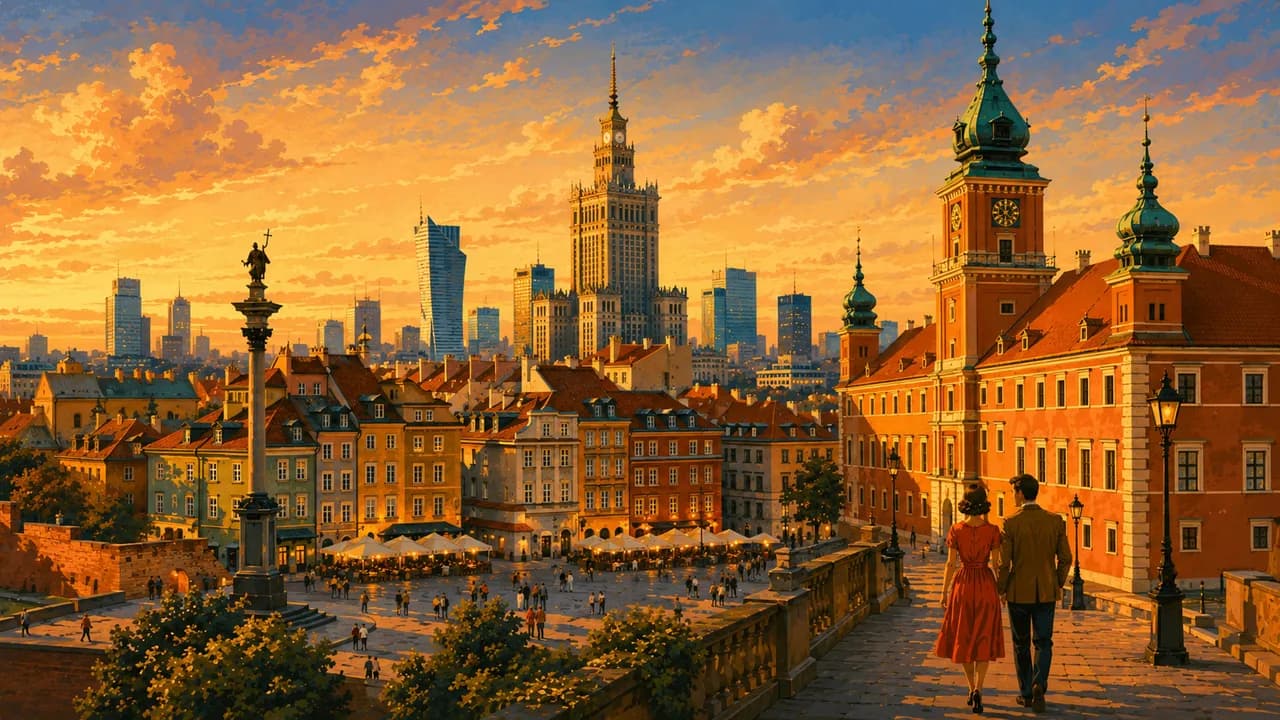
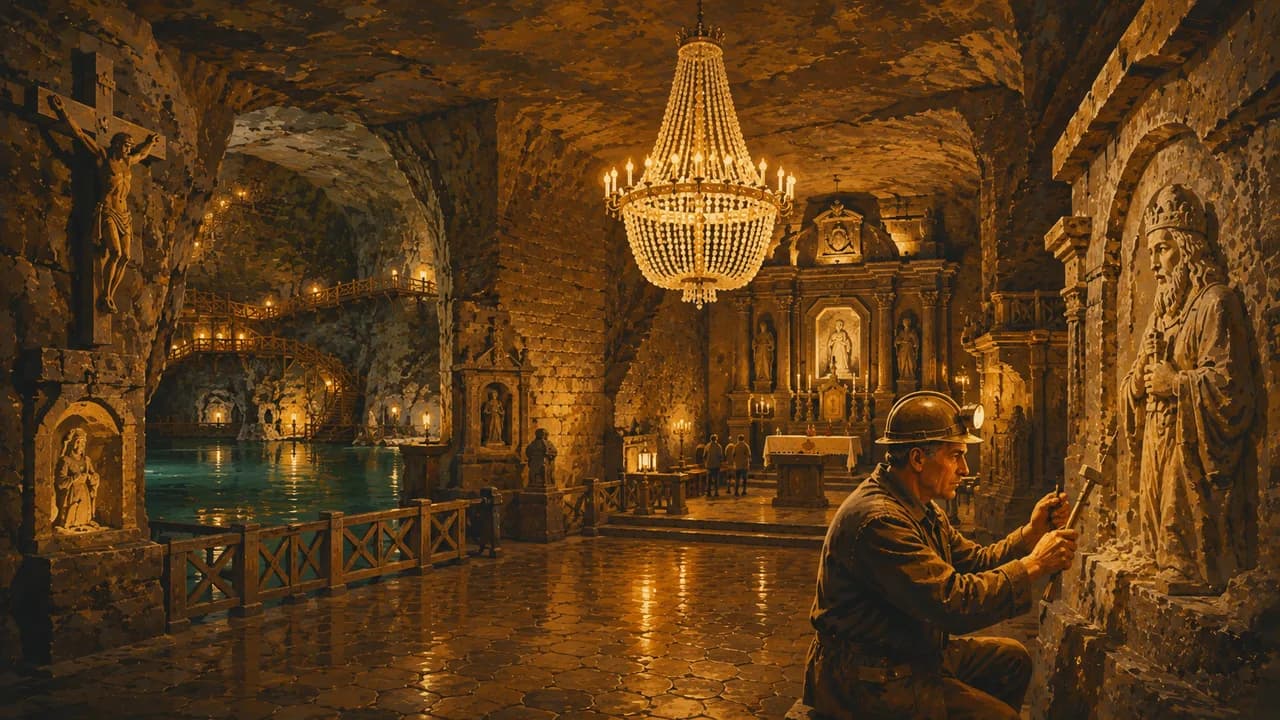
Warsaw (Warszawa) combines its old town, reconstructed after the Second World War, with museums exploring Jewish history, wartime destruction and resistance. Kraków pairs its medieval centre and royal Wawel Castle with the Jewish heritage of Kazimierz. Nearby Wieliczka reveals underground salt chambers and mining traditions. Auschwitz-Birkenau preserves a former German Nazi concentration and extermination camp. The memorial commemorates victims of the Holocaust and other Nazi crimes. Visits require advance planning and respect for the memorial.
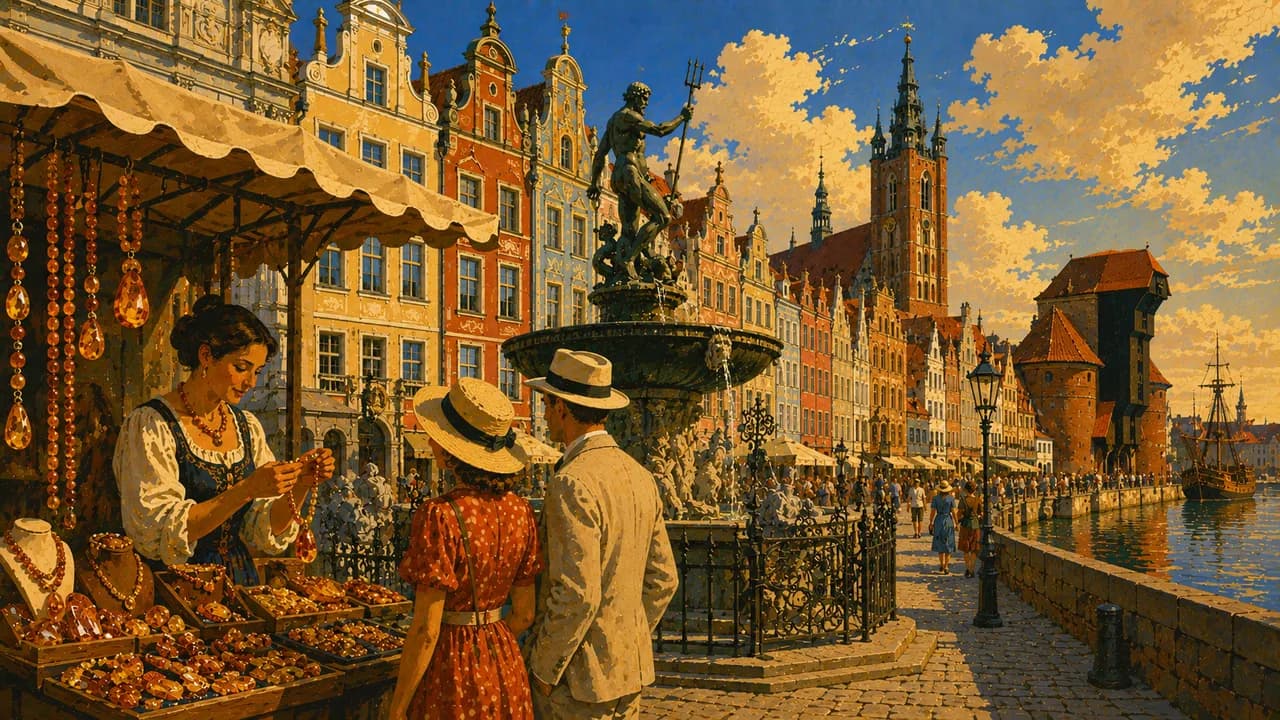
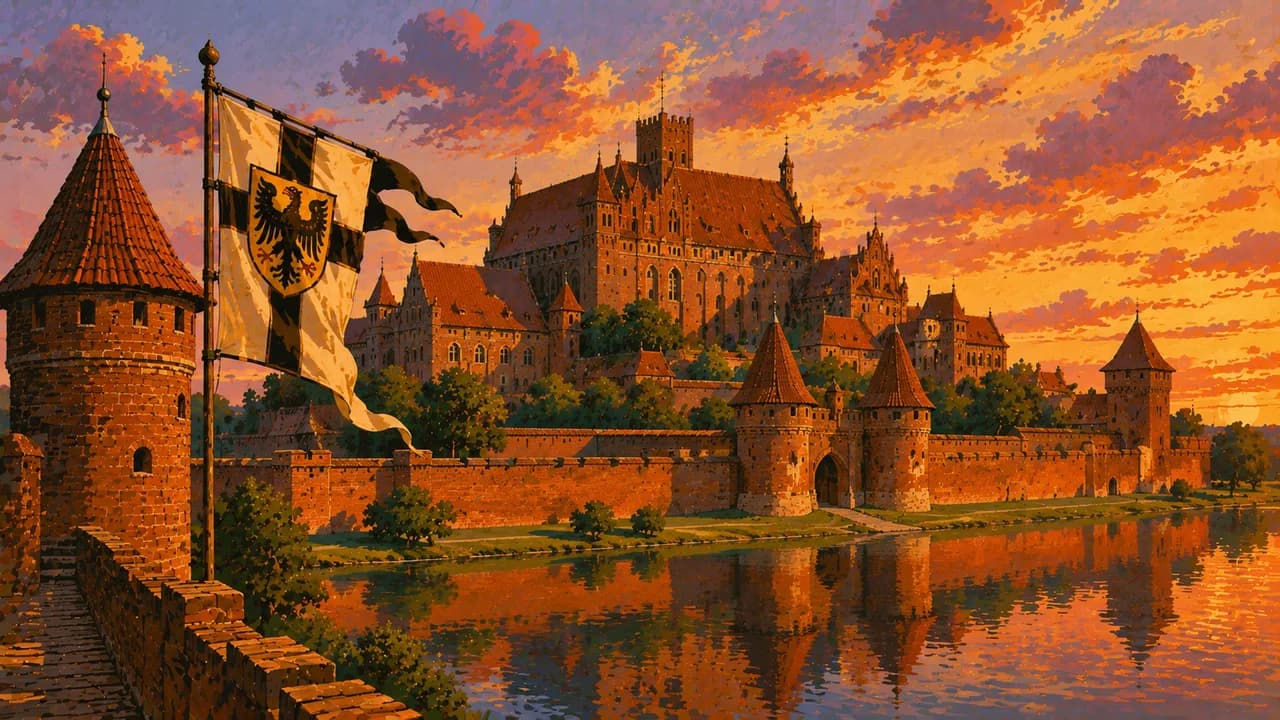
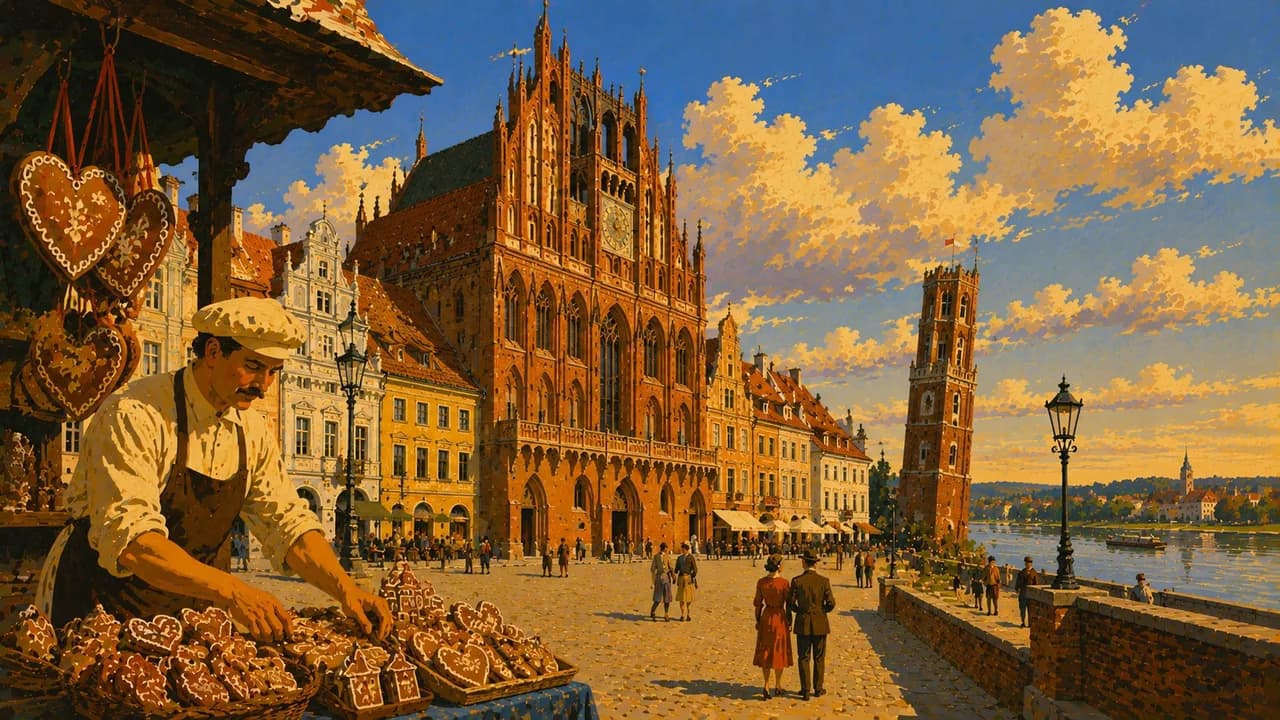
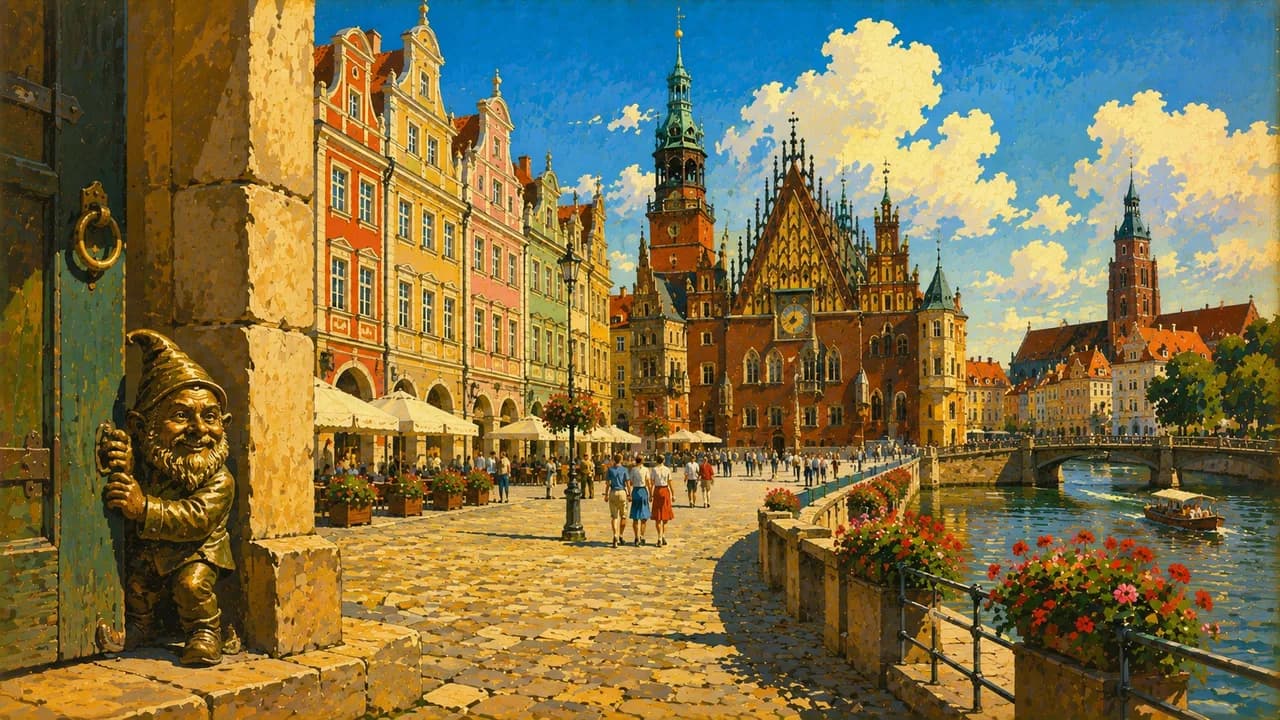
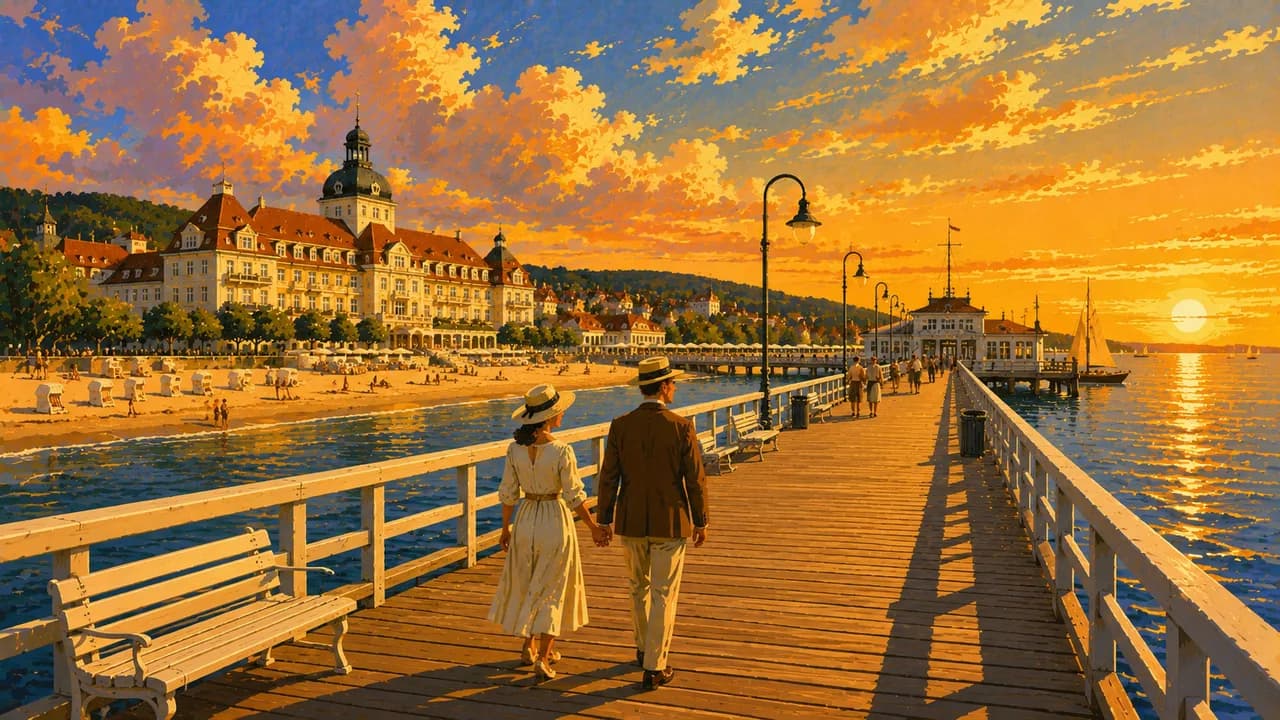
Gdańsk connects maritime and Hanseatic heritage with the Solidarity movement, while Sopot adds Baltic beaches and its wooden pier. Malbork Castle illustrates the Teutonic Order’s brick architecture. Toruń offers Gothic streets and gingerbread traditions. Poznań introduces Greater Poland’s historic centres and food culture, while Wrocław combines Silesian heritage, river islands and contemporary cultural life.
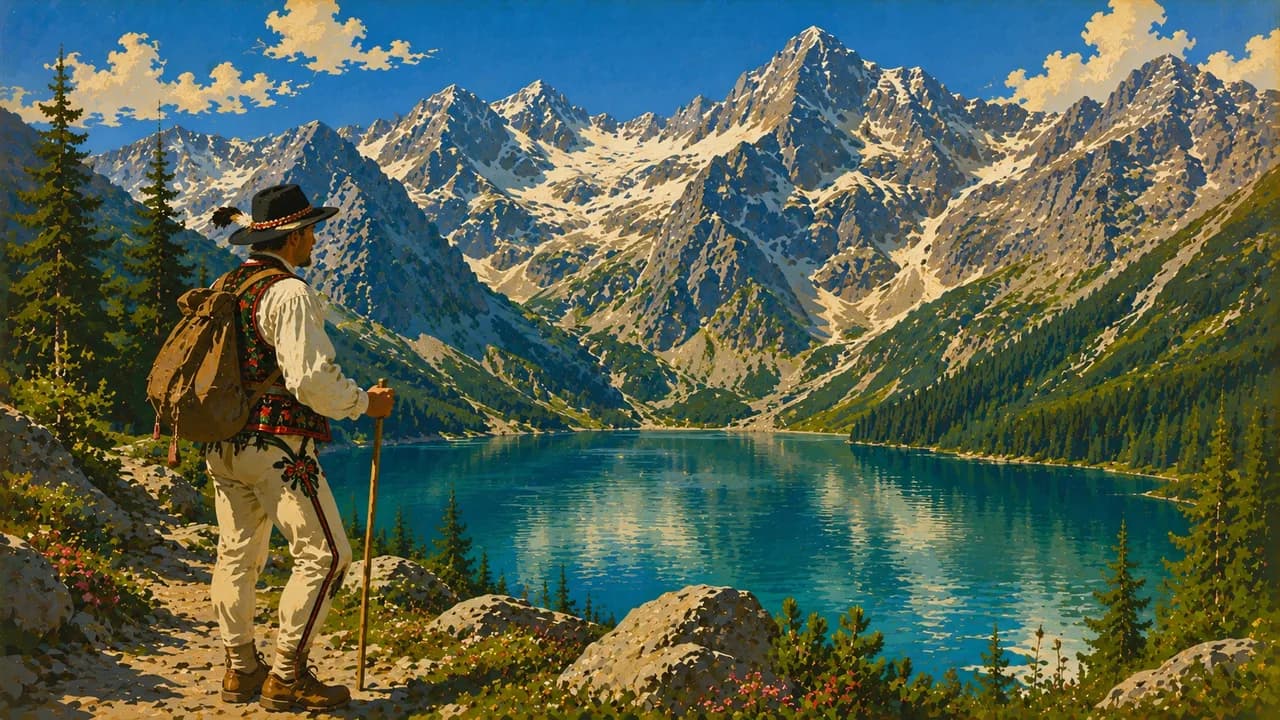
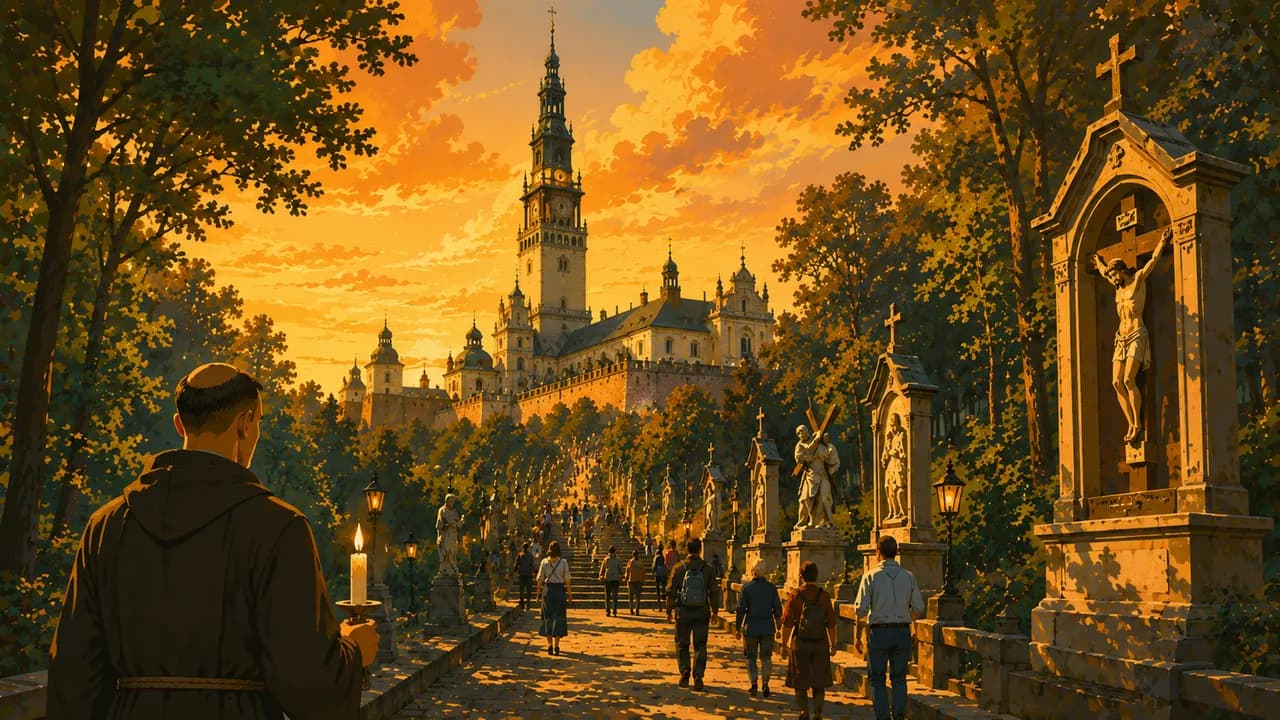
Częstochowa’s Jasna Góra monastery is a major pilgrimage destination. Zakopane introduces Goral wooden architecture, music and mountain traditions below the Tatras. Hiking and winter sports depend on weather, snow and local operations. Less demanding landscapes include the lakes and forests of Masuria, suited to boating, cycling and village stays.
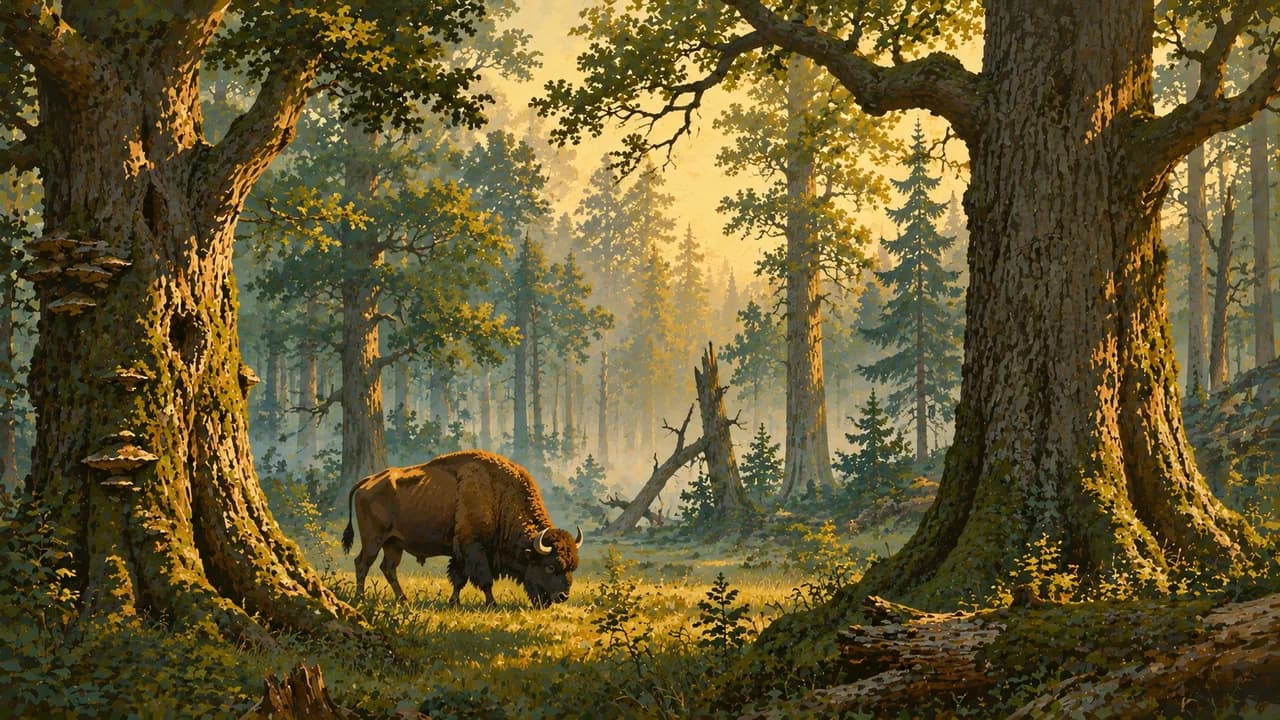
The Polish part of Białowieża Forest, shared with Belarus, offers woodland trails and European bison habitat. Wildlife sightings are not guaranteed, and strictly protected sections require guided access. Its forest ecology contrasts with Baltic dunes and southern mountain valleys, broadening a journey beyond the main cities.
Pierogi, sour rye soup żurek, regional gingerbread and smoked mountain cheese oscypek reveal different food traditions. Markets, festivals and museums provide encounters with living culture. Trains connect many major cities, while rural and mountain routes need onward planning. Check memorial reservations, protected-area rules and seasonal transport before travelling.
AI edited
- 16
- Voivodeships Sixteen voivodeships form Poland’s highest administrative level. Historical regions such as Silesia, Greater Poland and Masuria do not always follow their boundaries.
- ≈ 37.3 million
- Population Statistics Poland’s Poland in Figures 2026 records 37.333 million people for 2025 under the national population definition. Eurostat’s usual-resident measure differs.
- 313,933 km²
- Area Statistics Poland gives 313,932.93 km² for 1 January 2025, including land and part of internal waters. Figures using other territorial definitions differ.
- Polish
- Language Polish is the official language. Regional speech and minority-language rights form part of the country’s cultural diversity.
- Kashubian, Ukrainian & others
- Other languages Kashubian is a recognised regional language. Ukrainian, Belarusian and German are among minority and community languages. Availability of visitor services in other languages varies.
- Złoty (PLN)
- Currency The Polish złoty is the national currency. Poland is in the European Union but does not use the euro. Check payment options for smaller businesses.
- C · E
- Socket types Types C and E use 230 V and 50 Hz. E sockets have an earth pin. Grounded plugs must be compatible with that pin.
- Warsaw
- Capital Warsaw, Warszawa in Polish, is the capital and seat of national government. Its local time applies throughout Poland.
- Right-hand traffic
- Driving side Traffic keeps right. Check road and winter conditions, especially in mountain areas, and allow for slower rural connections.
- UTC+1 / UTC+2
- Time zone Europe/Warsaw follows Central European Time at UTC+1 and summer time at UTC+2. The clock switches automatically with seasonal daylight saving changes.
Poland on the map

Map data: geoBoundaries (CC BY 4.0), © OpenStreetMap contributors (ODbL), Natural Earth
Climate and best time to travel
Poland has a variable climate with four seasons. Baltic conditions are milder than the colder northeast and mountain areas. Spring and autumn suit city visits, while summer favours coasts, lakes and hiking. Rain and thunderstorms can interrupt outdoor plans. High trails may retain snow beyond the lowland spring. Winter sport depends on snow, lift operations and trail conditions. Check memorial reservations, museum opening hours and guided forest access. Respect protected paths and do not expect guaranteed wildlife sightings.
Destinations in Poland
 AI generated
 AI generated
 AI generated
 AI generated
 AI generated
 AI generated
 AI generated
 AI generated
 AI generated
 AI generated
 AI generated
 AI generated