Liechtenstein
Alpine trails, village heritage and Rhine valley vineyards reveal a principality beyond its capital.
Worth coming back!
Wanderlama keeps growing with new destinations, helpful information and exciting features. Check back soon and discover what is new!
Travel to Liechtenstein
Liechtenstein is a German-speaking Alpine principality between Switzerland and Austria, stretching from the Rhine valley to the mountains of the Rätikon. Vineyards, farming villages and wooded slopes connect its historic Oberland and Unterland regions. Alemannic traditions and Walser heritage sit alongside contemporary art, industry and international business.
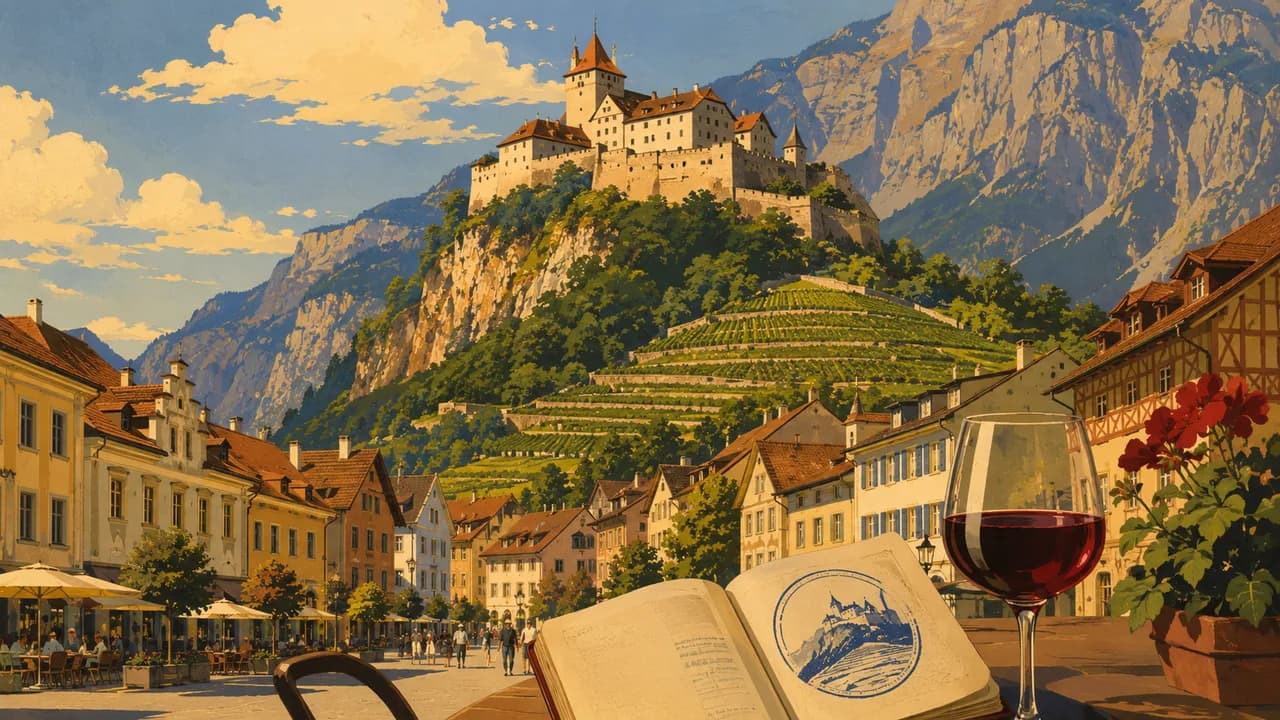
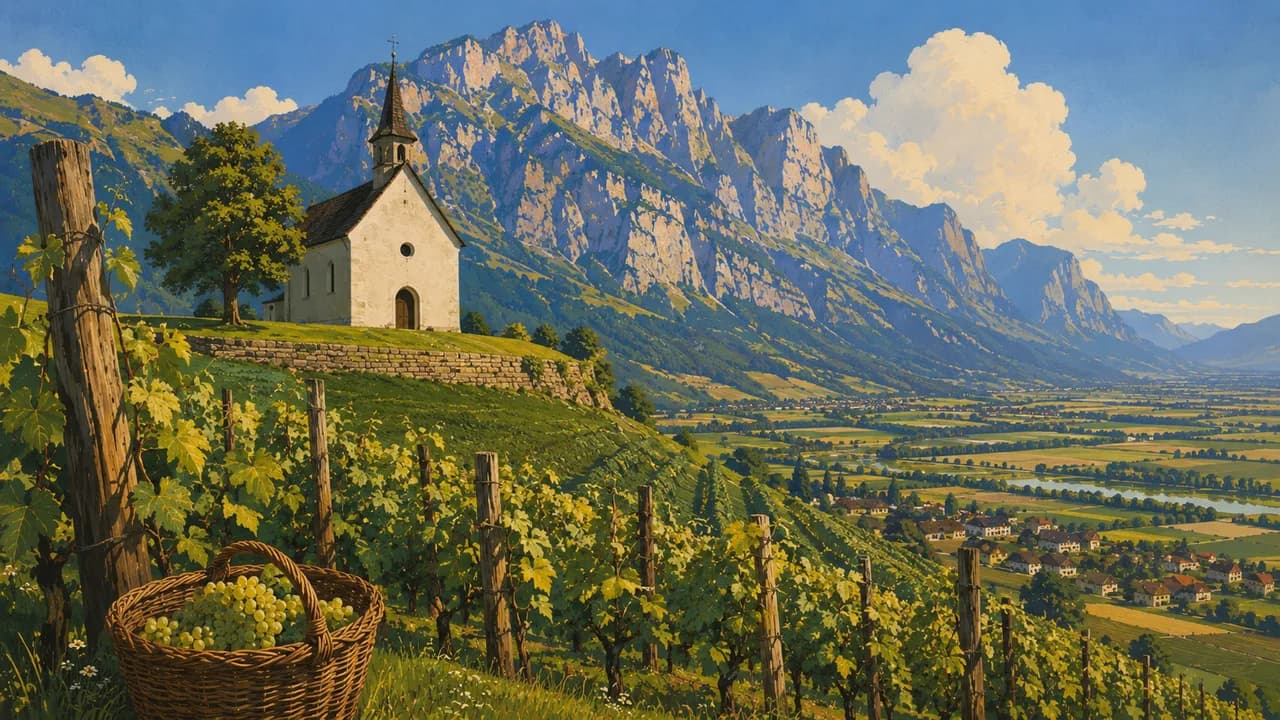
Vaduz, the capital, combines the Kunstmuseum Liechtenstein, the National Museum and public sculpture with the small pedestrian centre known as the Städtle. Vaduz Castle overlooks the town but remains the princely family’s residence and is not open to the public. Vineyard walks offer another perspective on the valley.
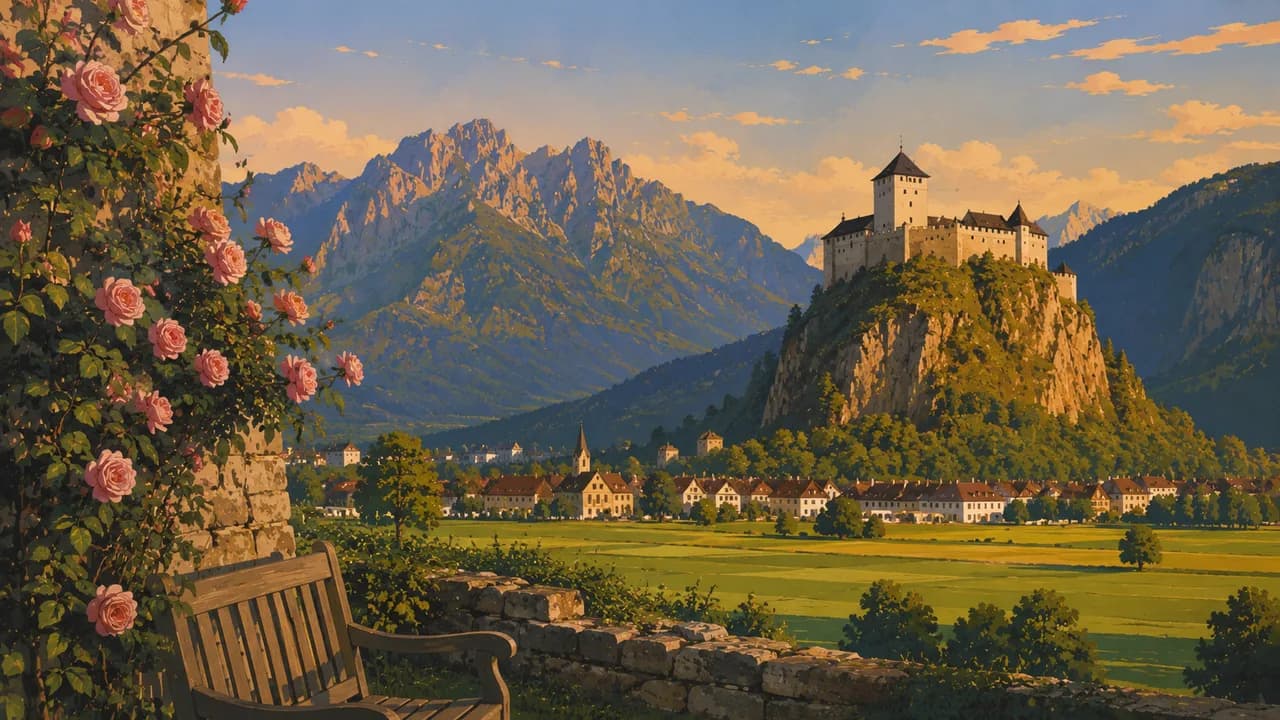
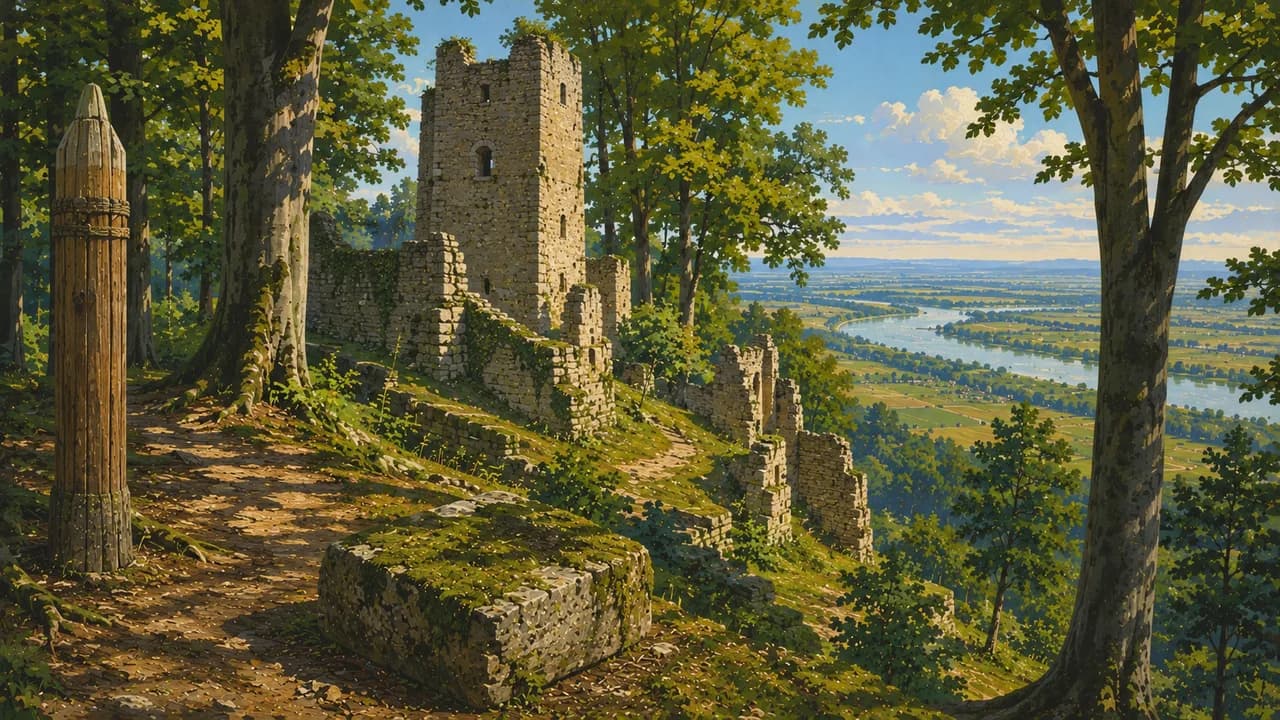
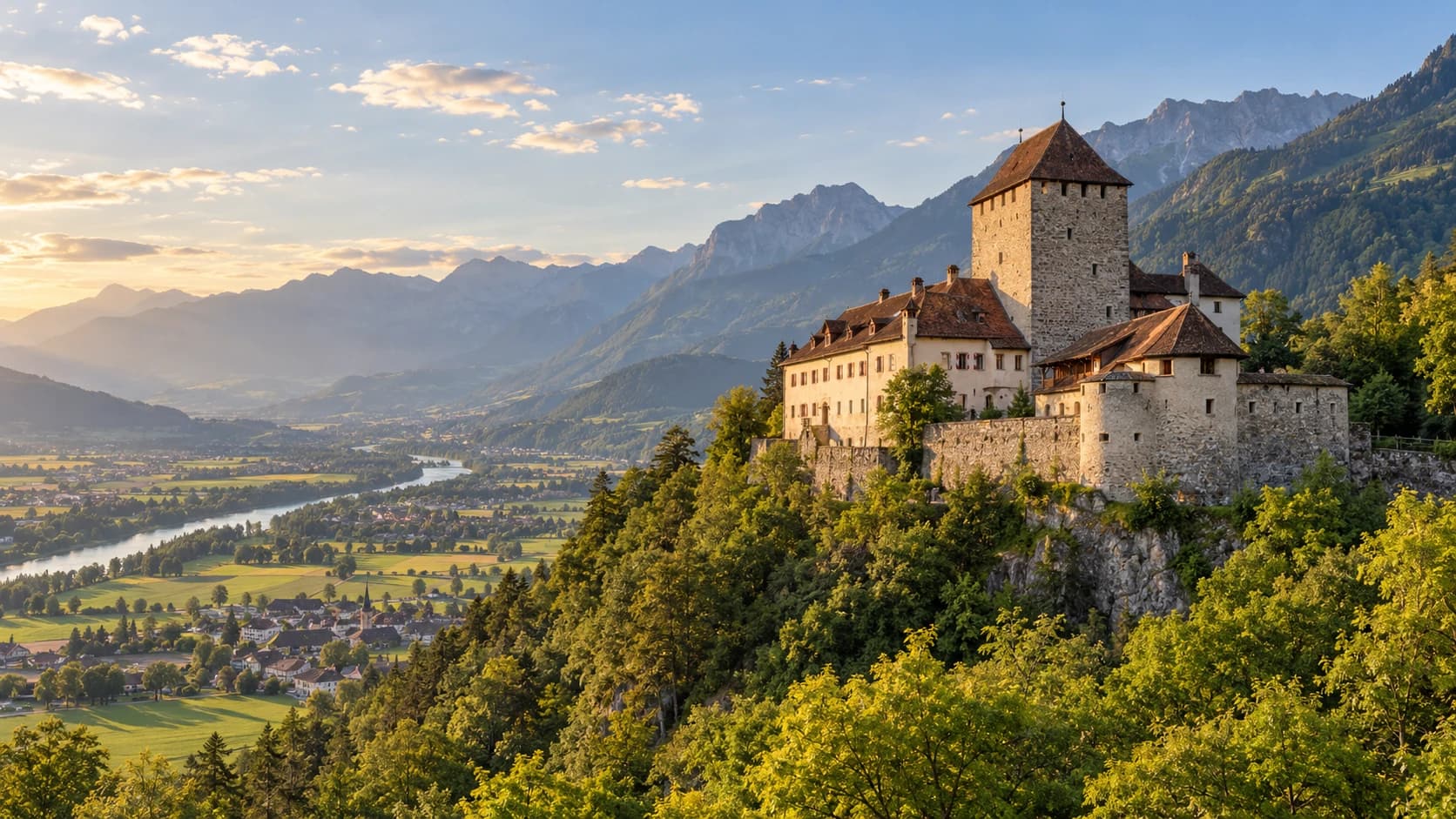
Balzers is marked by Gutenberg Castle above its village centre. Triesen adds historic lanes, the chapel of St Mamerten and cultural spaces in former industrial buildings. Higher up, Triesenberg preserves Walser dialect and traditions. Its museum explains the community’s mountain farming history.
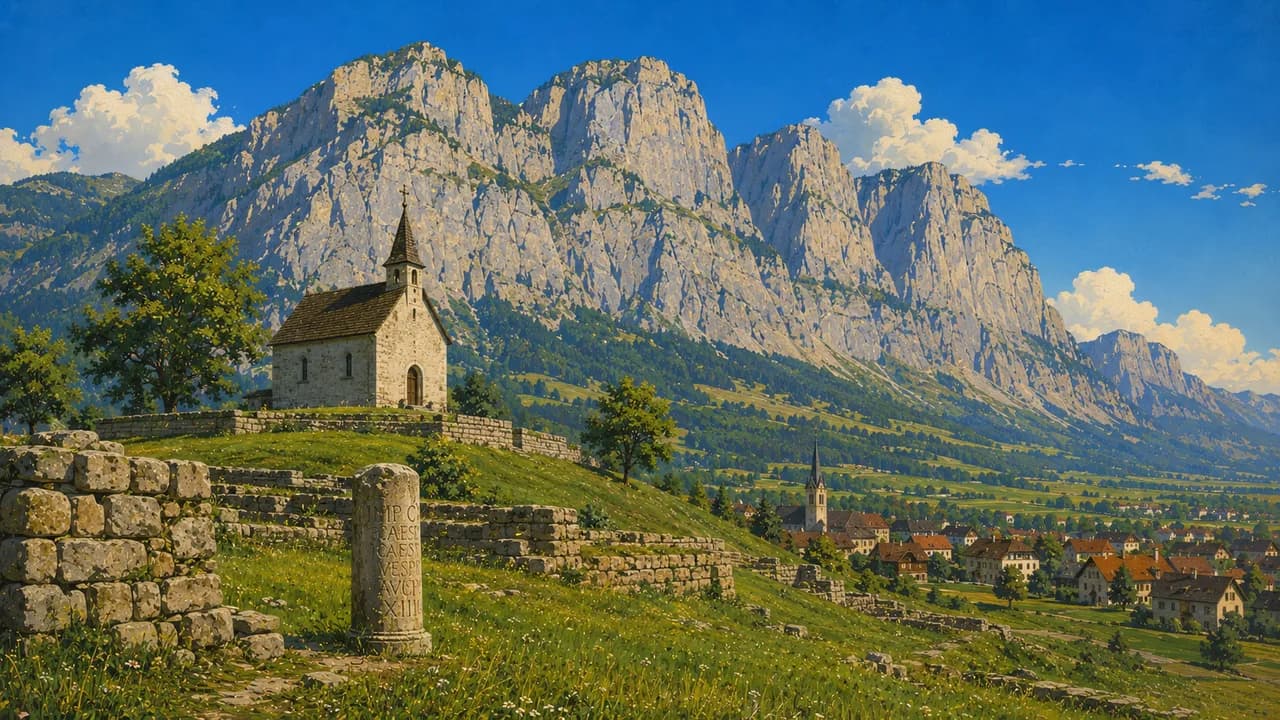
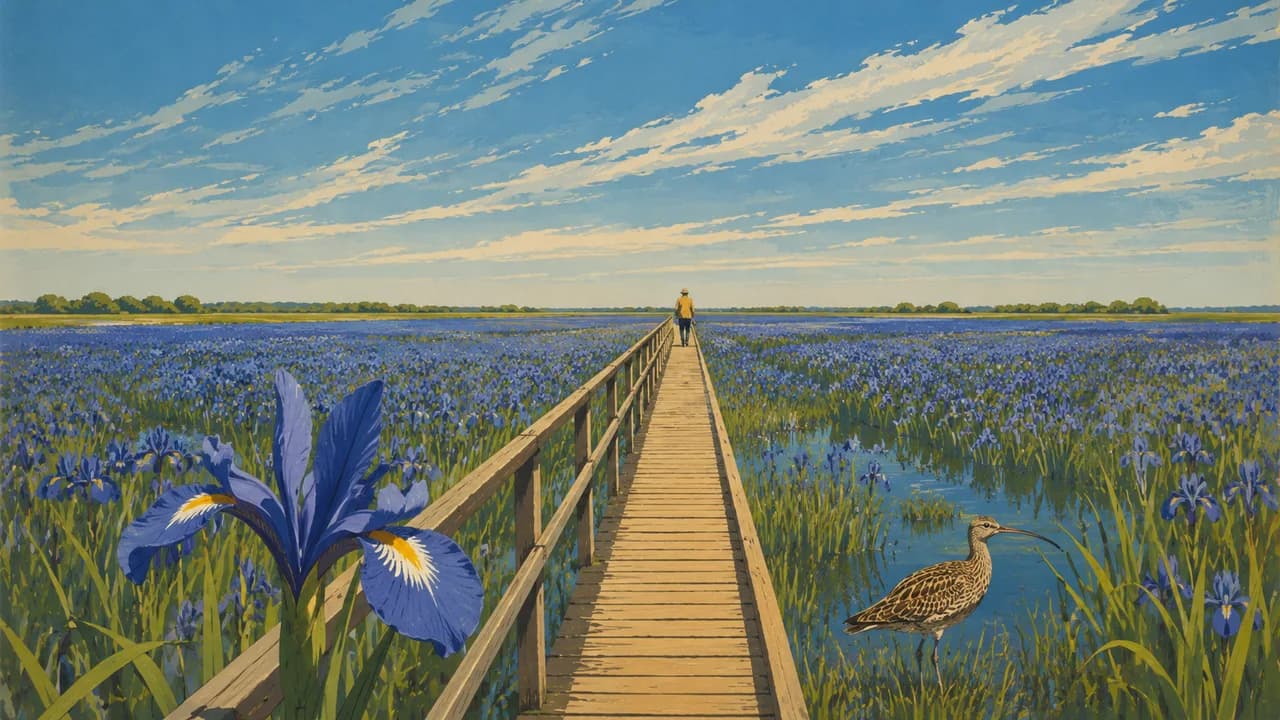
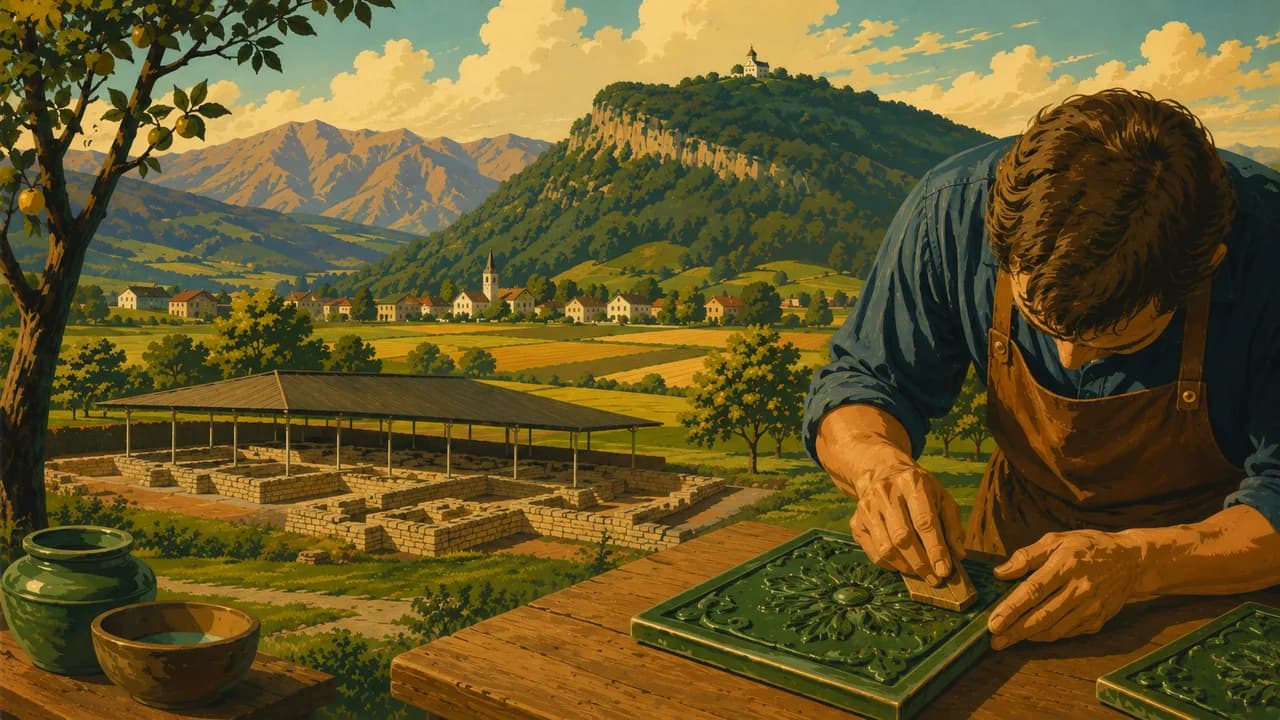
Schaan combines cultural venues with traces of Roman settlement. In the Unterland, Eschen’s historic Pfrundbauten and the Eschnerberg walking routes reveal local history. Schellenberg adds castle ruins and the Biedermannhaus farmhouse museum. Near Ruggell, protected wetlands, meadows and Rhine-side paths offer gentler walking and cycling, with seasonal flowers and birdlife.
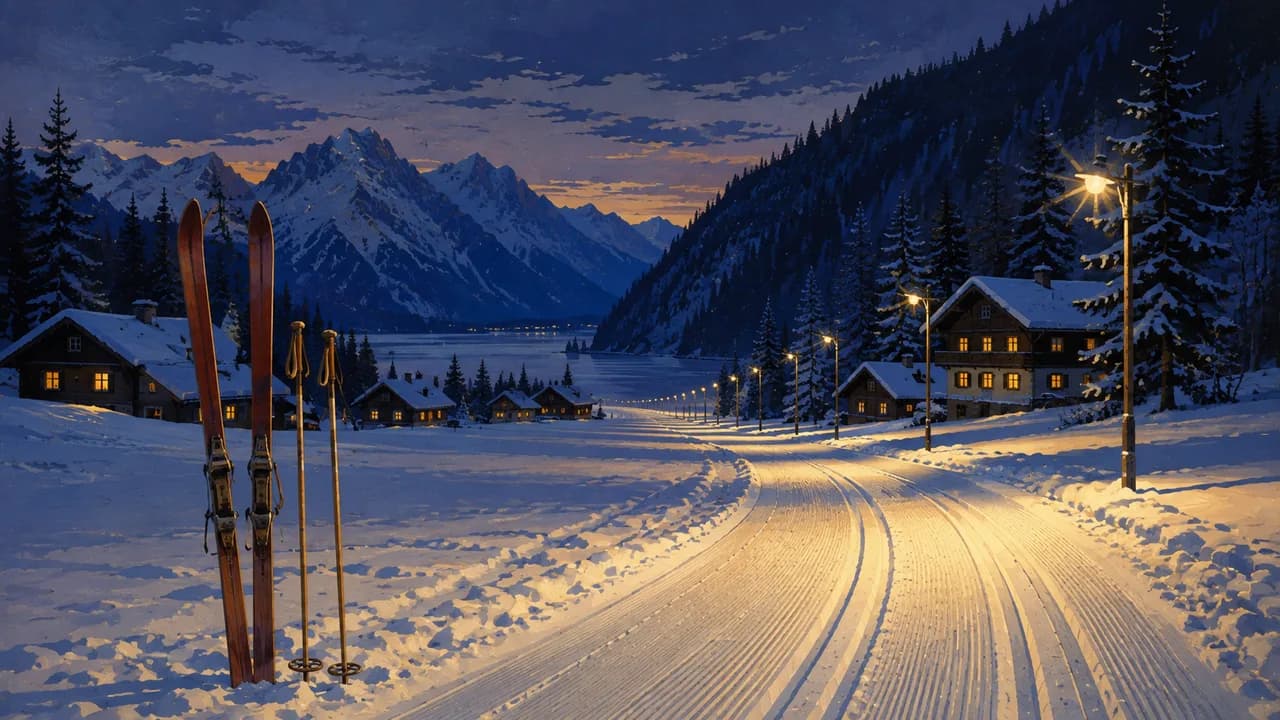
Steg opens onto the Gänglesee and Valüna valley, with walking routes and cross-country skiing when snow permits. Malbun combines summer mountain trails with winter skiing. Higher routes such as the Fürstensteig include exposed terrain and require sure-footedness, suitable equipment and checks on weather, snow and closures.
Käsknöpfle with cheese and fried onions, traditionally served with apple sauce, and the maize dish Ribel introduce regional food. Local wines and mountain restaurants complement village visits. The Liechtenstein Trail links communities and landscapes, allowing a longer stay beyond the capital. The country uses Swiss francs and has no commercial airport. Buses connect many settlements with neighbouring railway hubs. Check timetables, seasonal lift operations and attraction access before travelling.
AI edited
- 11
- Municipalities Liechtenstein has eleven municipalities. Oberland and Unterland are two historical regions, rather than an additional level of municipal government.
- ≈ 41,200
- Population Liechtenstein’s Office of Statistics records 41,228 permanent residents on 31 December 2025. This excludes the separately recorded non-permanent population and rounds the permanent count for display.
- 160 km²
- Area Official national and tourism information gives a total area of about 160 km², from the Rhine valley to the Alpine slopes of the Rätikon.
- German
- Language German is the official language. Alemannic dialects are widely spoken in everyday life, while Triesenberg preserves a distinctive Walser dialect and heritage.
- Italian, Portuguese & others
- Other languages The 2020 census records Italian, Portuguese, Turkish, Spanish and Serbian/Croatian among residents’ main languages. These community languages are distinct from local German dialects.
- Swiss franc (CHF)
- Currency Liechtenstein uses the Swiss franc under its currency arrangements with Switzerland. Check payment options for small businesses, mountain huts and individual activities.
- C · J
- Socket types Sockets use types C and J at 230 V and 50 Hz. Flat Europlugs fit compatible J sockets. A bulky type F plug may require an adapter.
- Vaduz
- Capital Vaduz is the capital and seat of parliament and government. Its local time applies throughout Liechtenstein.
- Right-hand traffic
- Driving side Traffic keeps right. Mountain roads can be narrow, and snow or ice can affect access. Check road conditions and use buses where suitable.
- UTC+1 / UTC+2
- Time zone Europe/Vaduz uses UTC+1 in winter and UTC+2 during daylight saving time. The clock follows the seasonal change automatically throughout the country.
Liechtenstein on the map

Map data: geoBoundaries (CC BY 4.0), © OpenStreetMap contributors (ODbL), Natural Earth
Climate and best time to travel
Liechtenstein has four seasons, with milder Rhine valley conditions and colder, wetter weather at higher elevations. Foehn winds can bring sudden warmth and strong gusts. Spring and autumn suit village walks and cycling, while summer opens mountain routes subject to snow and thunderstorms. Winter sports depend on snow and operating conditions. Check trail closures, lift schedules and castle access. Respect wetland paths and nesting birds.