Germany
Deutschland
Historic cities, varied landscapes and regional food traditions among coasts, vineyards and mountains.
Worth coming back!
Wanderlama keeps growing with new destinations, helpful information and exciting features. Check back soon and discover what is new!
Travel to Germany
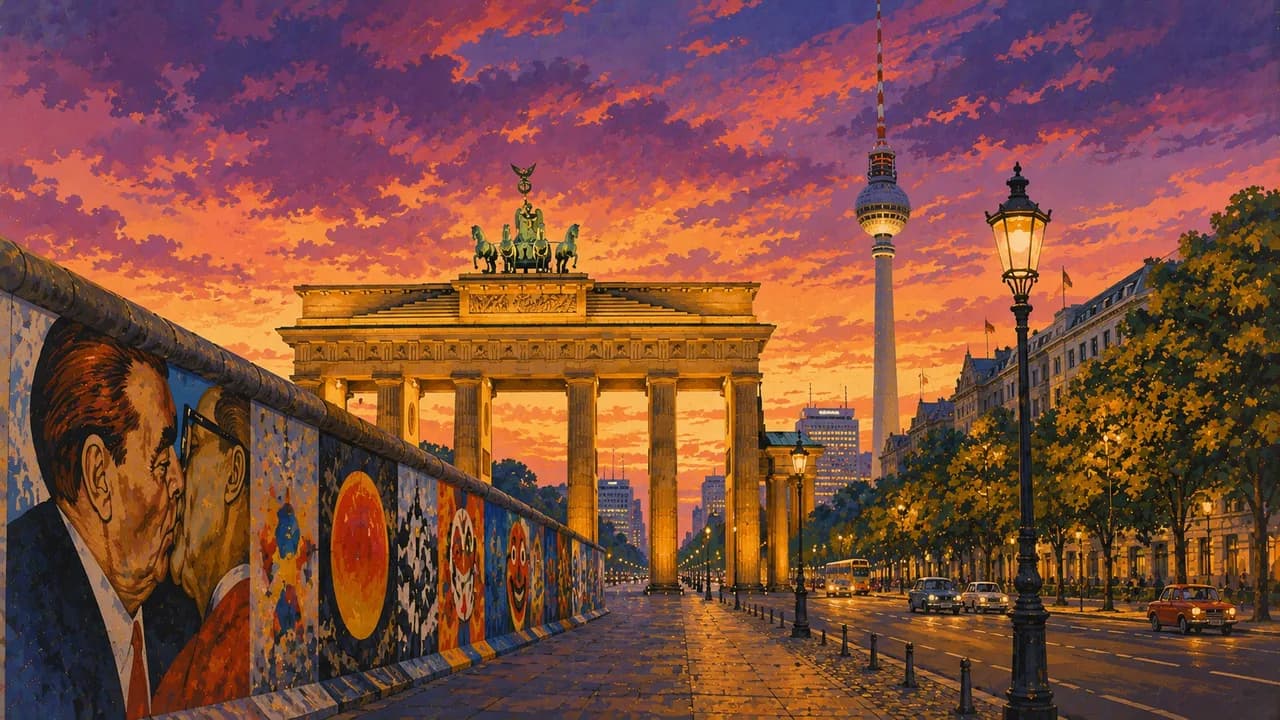
Germany lies in central Europe, stretching from the North Sea and Baltic coasts to the Alps. Berlin combines museums, reminders of the country's divided past and lively nightlife. Hamburg and Lübeck reflect Hanseatic trading history, while Sylt's dunes and Rügen's chalk cliffs reveal contrasting coastal landscapes.
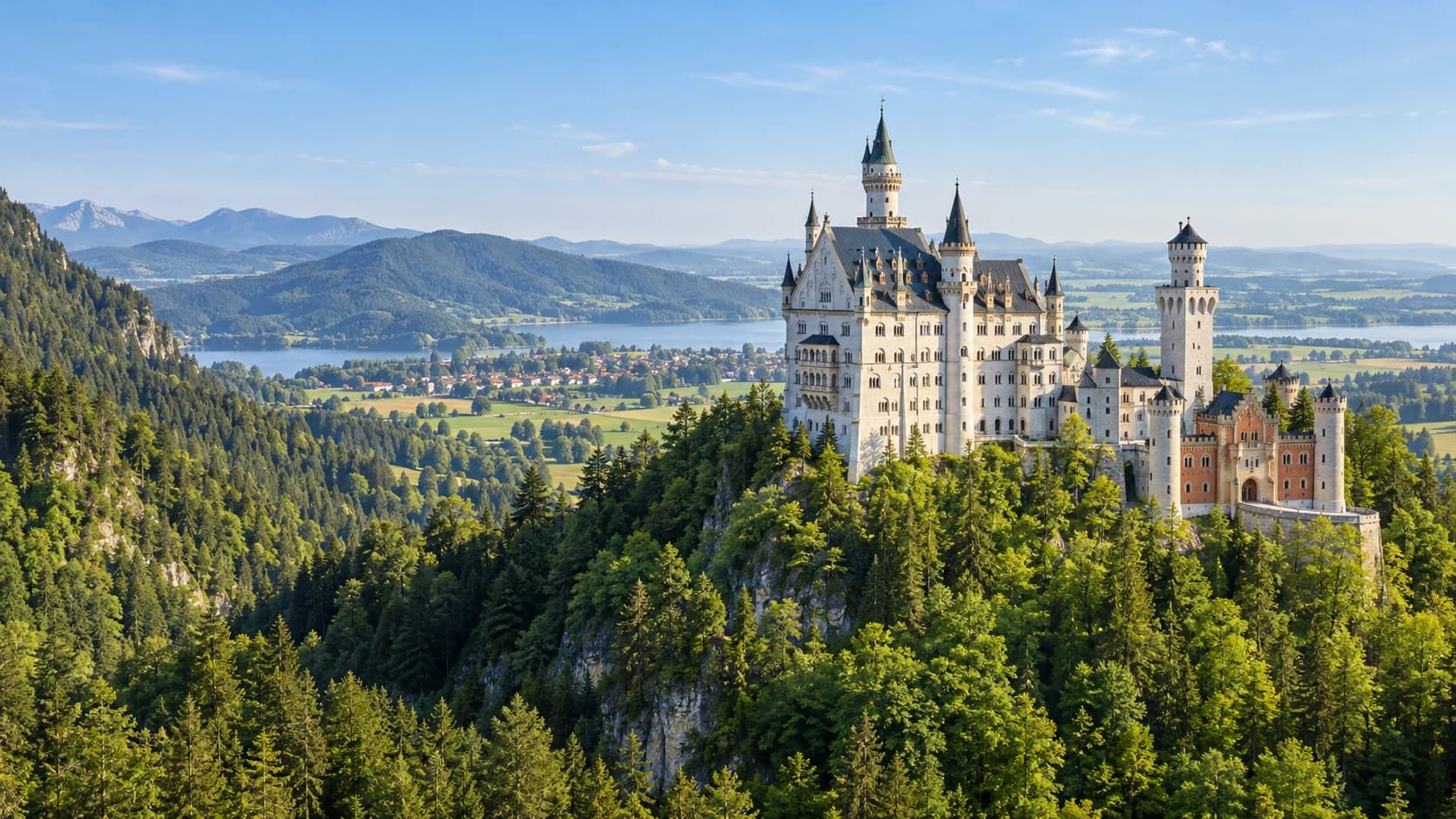
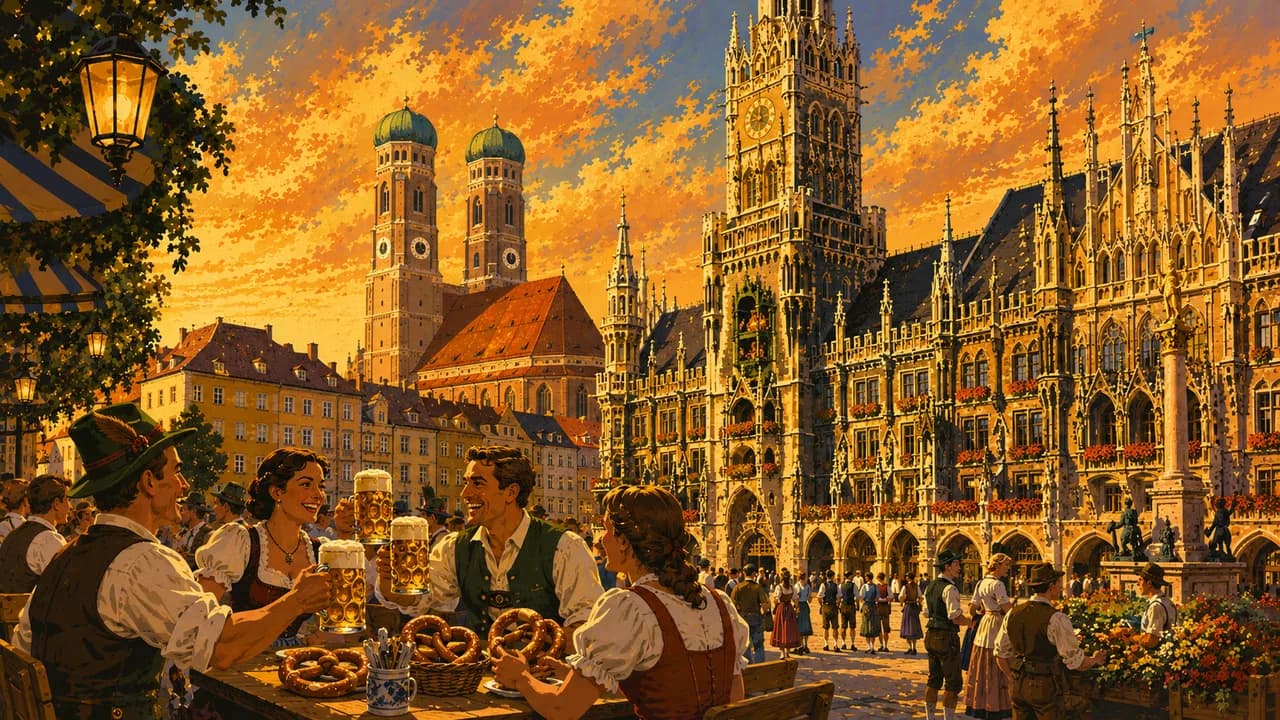
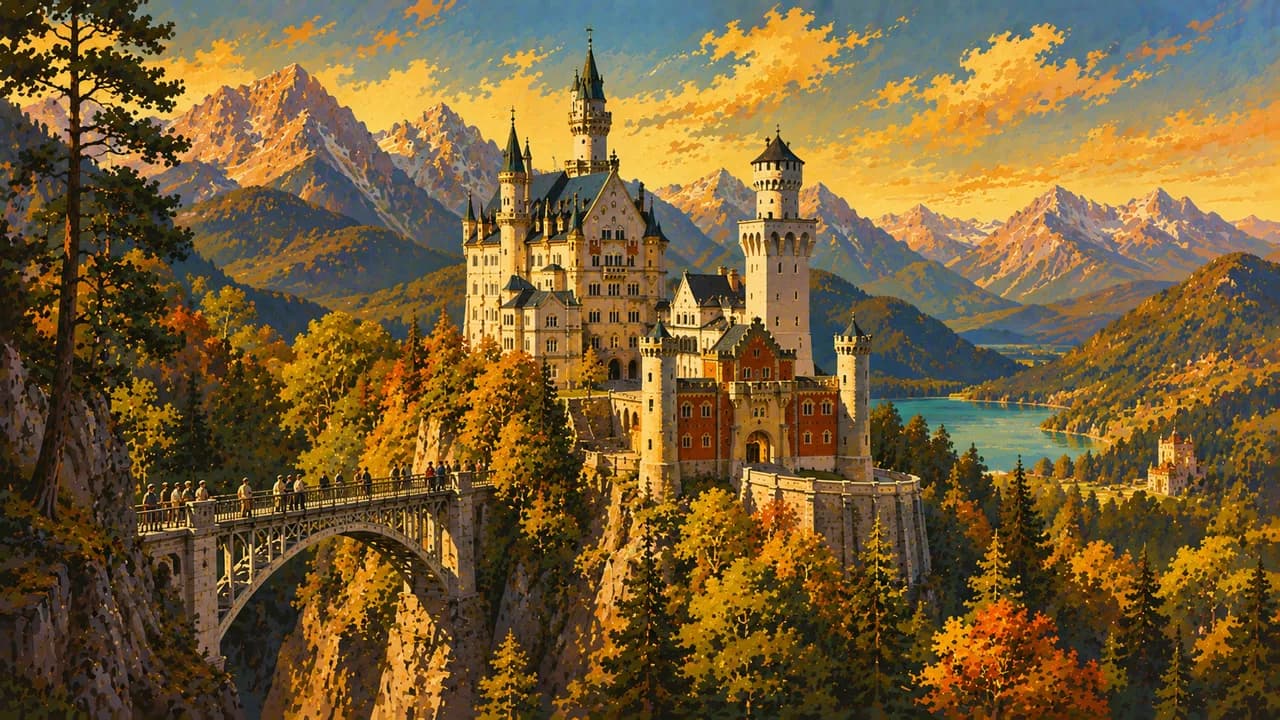
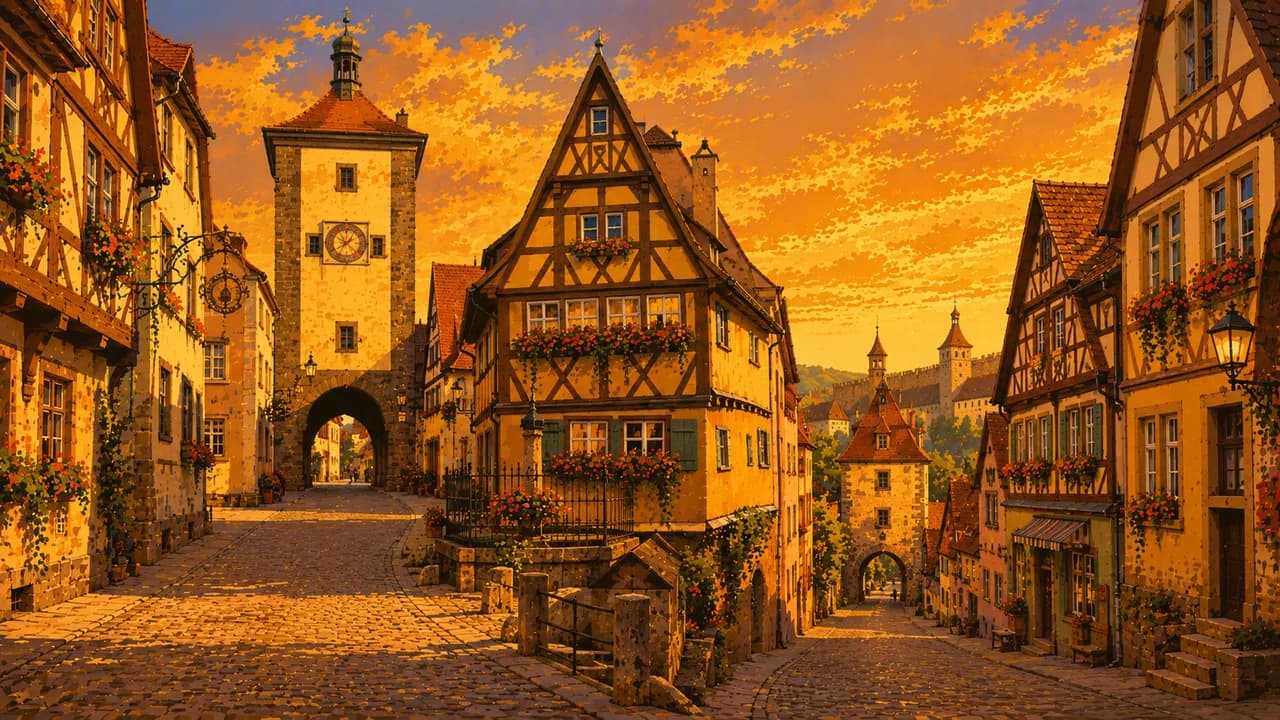
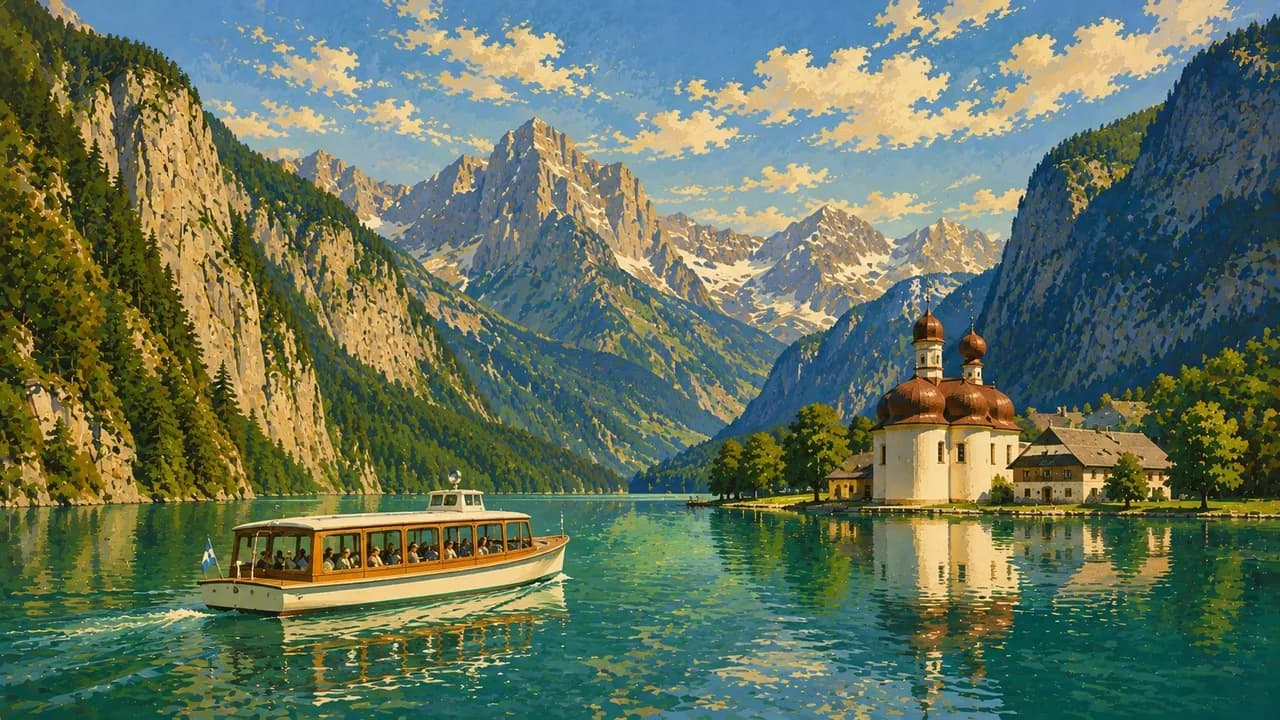
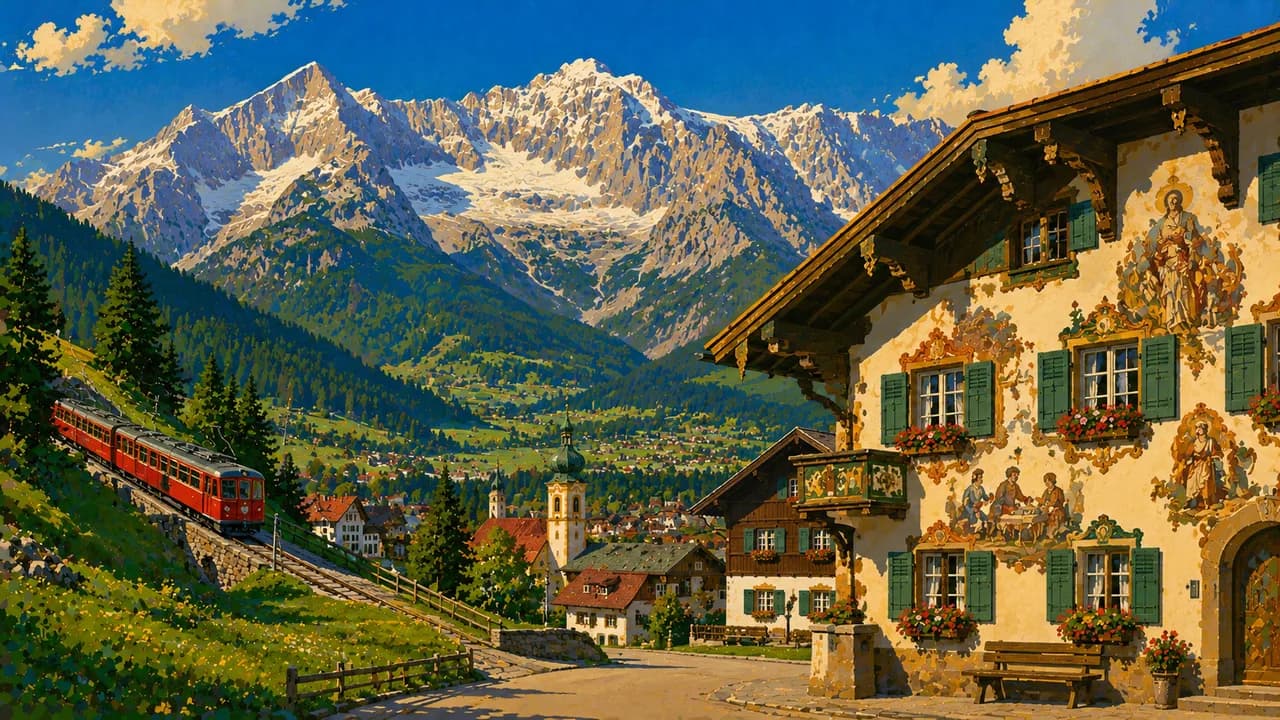
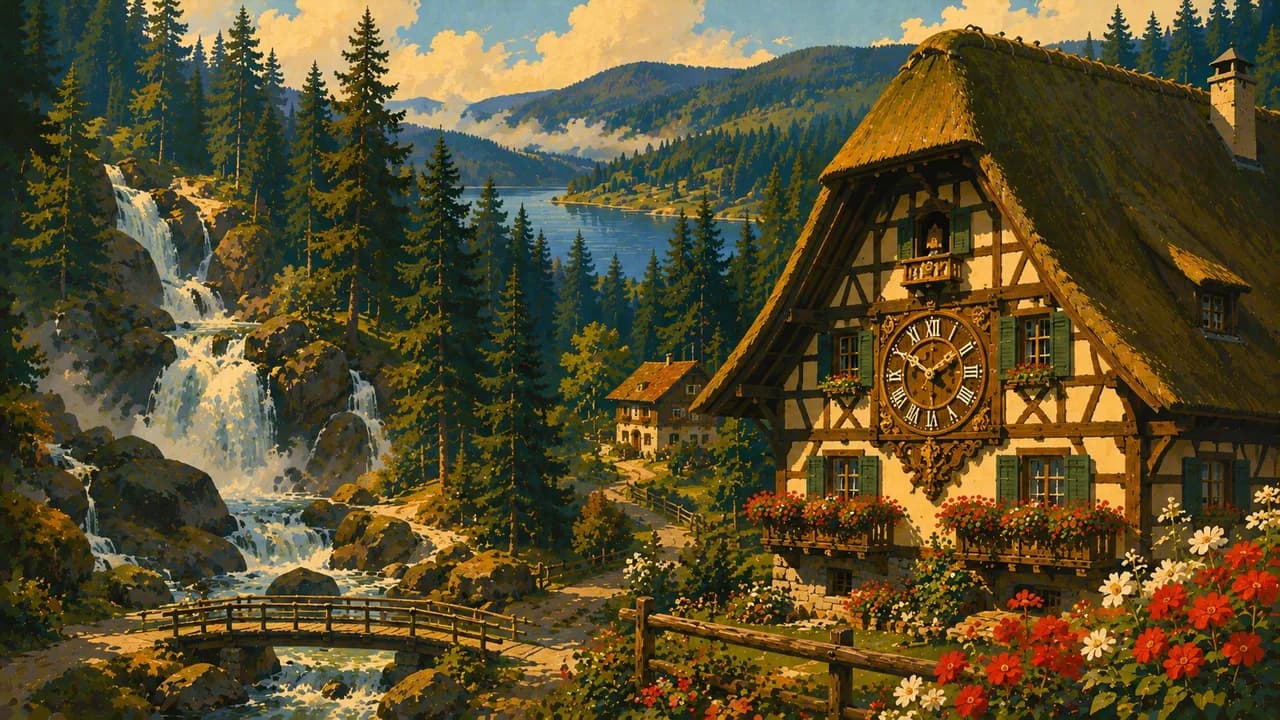
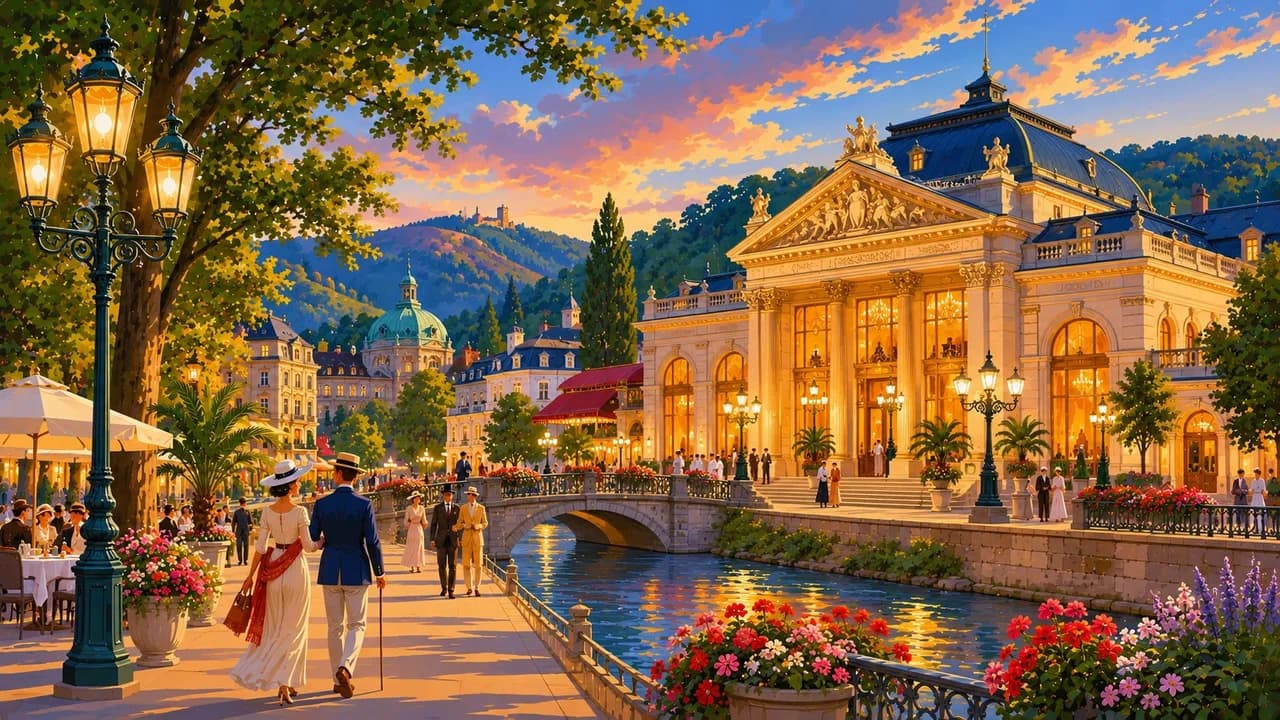
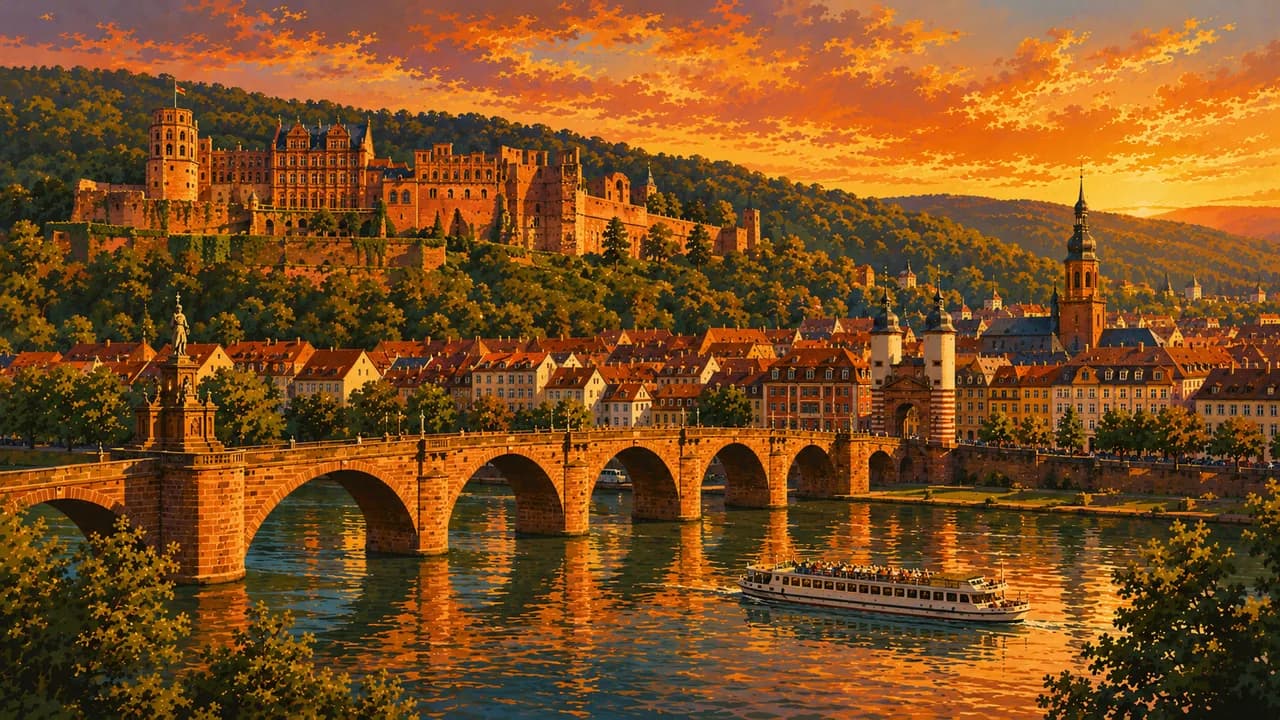
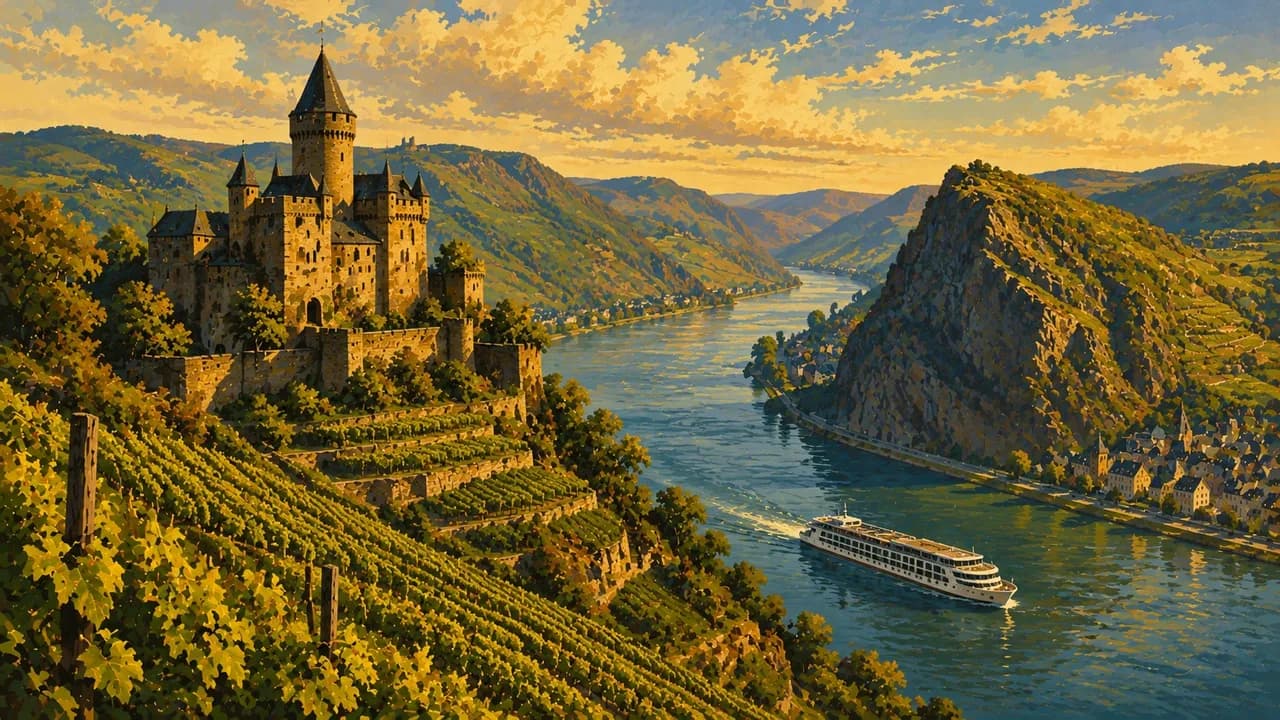
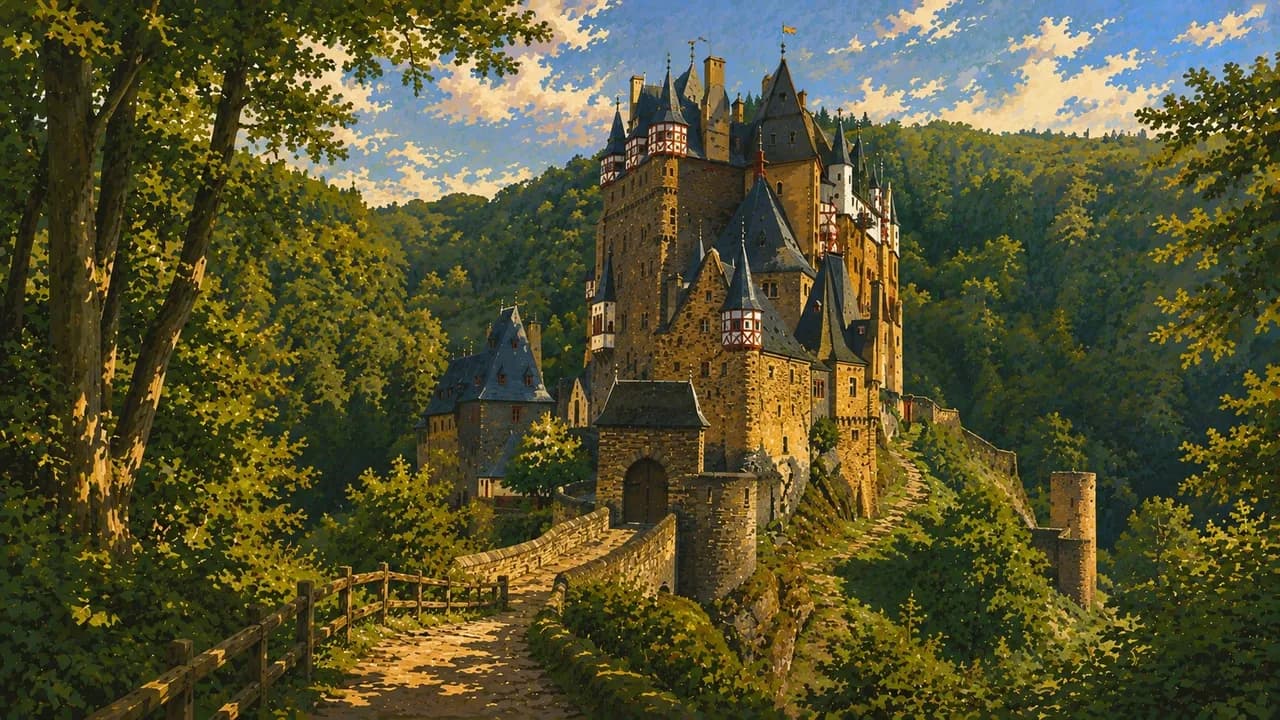
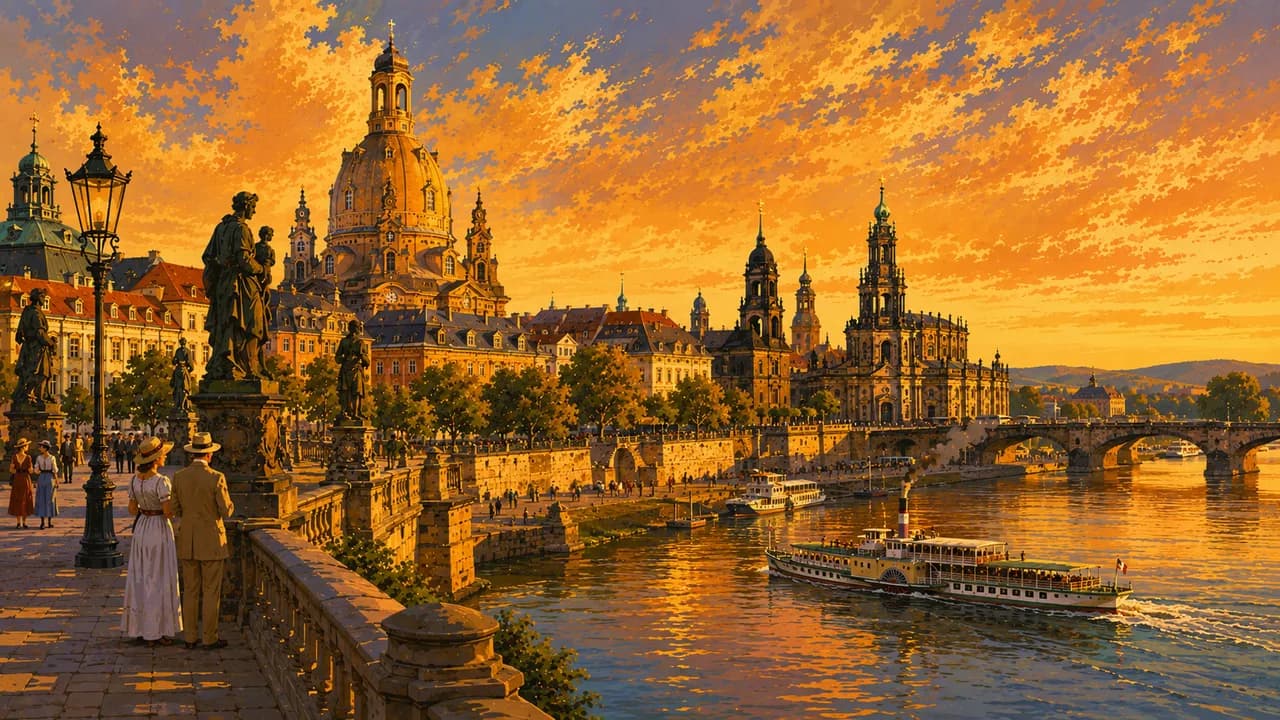
Munich (München) offers beer gardens and access to Bavaria's lakes, alpine trails and Neuschwanstein Castle. Vineyards and castles line the Rhine and Moselle valleys, while Rothenburg ob der Tauber, Bamberg and Heidelberg preserve historic townscapes. Dresden's art collections and Weimar's literary and Bauhaus heritage add further cultural perspectives. The Black Forest (Schwarzwald), Lake Constance (Bodensee) and the sandstone formations of Saxon Switzerland (Sächsische Schweiz) offer walking, cycling and waterside breaks.
Regional bread, beer, wine and cooking traditions bring variety beyond the landmarks. Christmas markets fill town squares during Advent. Intercity trains link the main cities, with regional trains and buses serving many smaller destinations. The Harz, Thuringian Forest and other upland regions add historic towns, woodland paths and rural traditions away from the main city routes. In the Ruhr, former industrial sites have become places for culture and remembrance.
Lakes and waterways in the northeast contrast with flatter coasts and the high mountains of the south. Local museums, markets and festivals offer different perspectives on regional identities. Weather, daylight and seasonal services influence outdoor plans, while museums and urban culture provide options throughout the year. A regional route leaves time for smaller towns instead of linking distant landmarks in quick succession.
AI edited
- 16
- Federal states
- 83.3 million
- Population
- 357,684 km²
- Area
- German
- Language
- English
- Other languages English is widely spoken, especially in larger cities and tourism. Numerous heritage languages and recognised regional and minority languages are also spoken, including Low German, Danish, Frisian and Sorbian.
- Euro (EUR)
- Currency
- C · F
- Socket types
- Berlin
- Capital
- Right-hand traffic
- Driving side
- UTC+1 / UTC+2
- Time zone Germany uses one nationwide time zone, with UTC+1 in winter and UTC+2 during daylight saving time.
- 52
- UNESCO cultural sites
Germany on the map

Map data: geoBoundaries (CC BY 4.0), © OpenStreetMap contributors (ODbL), Natural Earth
Climate and best time to travel
Germany has a temperate climate with precipitation in every season. May to September often offer pleasant conditions for city breaks, cycling and visits to lakes and coasts. July and August are usually best for swimming on the North Sea and Baltic coasts, although wind and cool days remain possible. May to October often suit walks in the lower mountain ranges, while high alpine trails can still be snow-covered in early summer. Late summer and autumn combine vineyard landscapes with harvest time and wine festivals. Winter sports depend on altitude and snow conditions. Christmas markets mainly take place from late November through December, while museums and many cultural attractions are accessible year-round.
Destinations in Germany
 AI generated
 AI generated
 AI generated
 AI generated
 AI generated
 AI generated
 AI generated
 AI generated
 AI generated
 AI generated
 AI generated
 AI generated