Morocco
المغرب · ⵍⵎⴰⵖⵔⵉⴱ
Lively medinas, sweeping dunes and striking mountain landscapes among coasts, oases and old trading routes.
Worth coming back!
Wanderlama keeps growing with new destinations, helpful information and exciting features. Check back soon and discover what is new!
Travel to Morocco
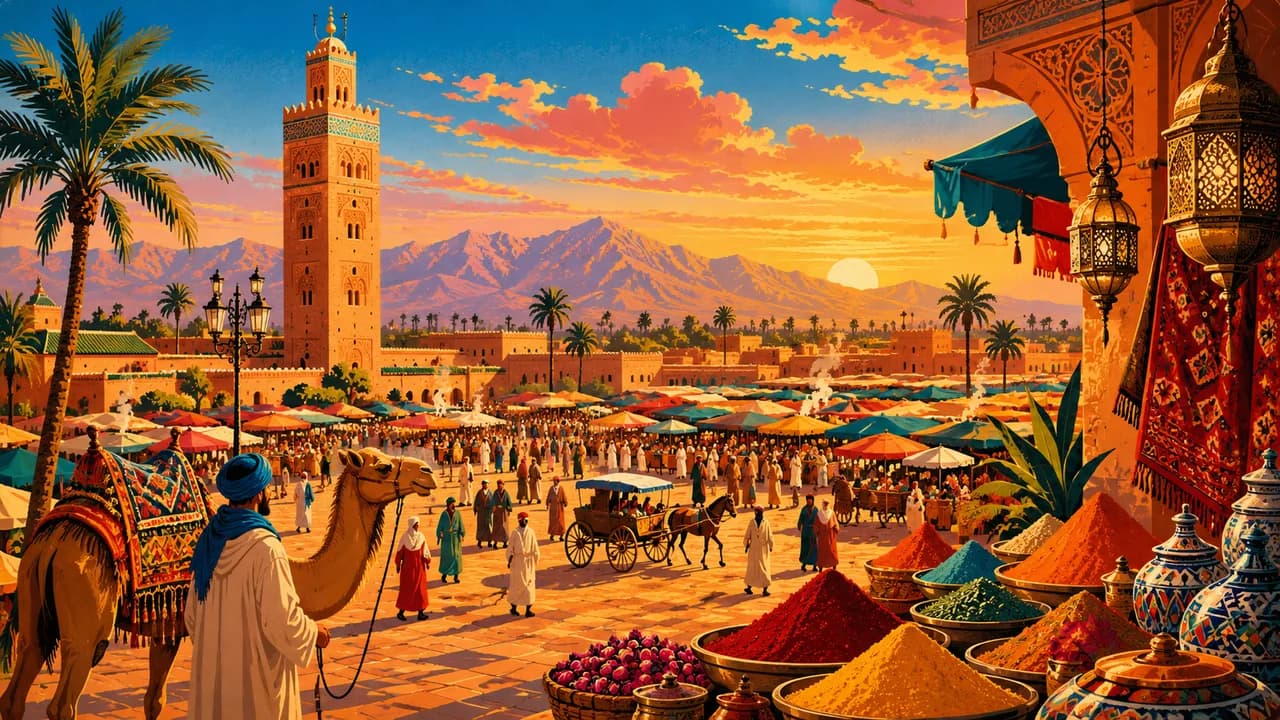
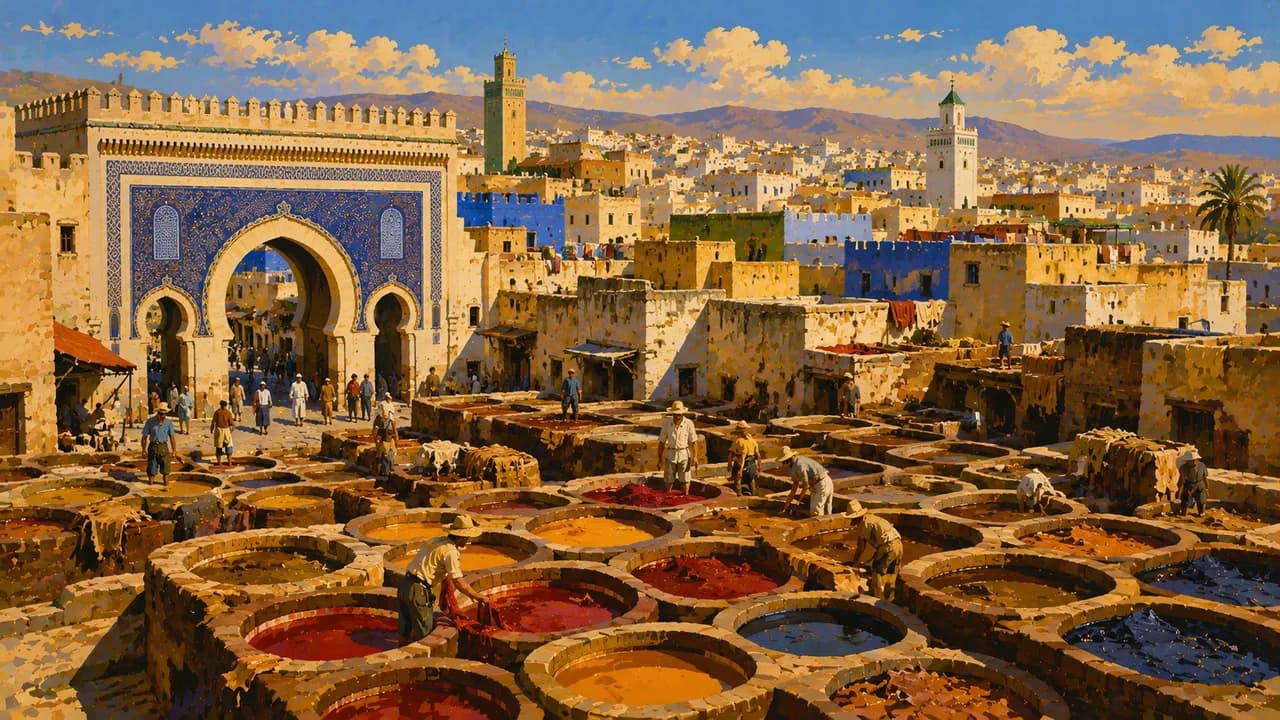
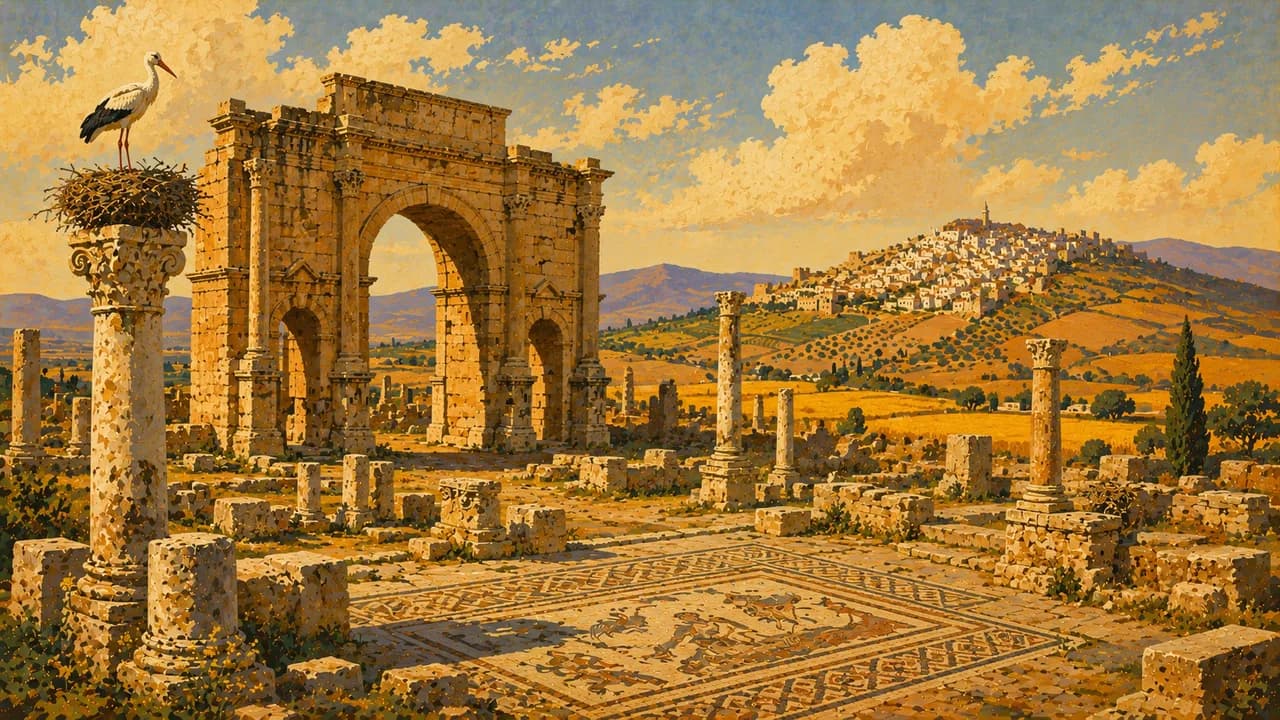
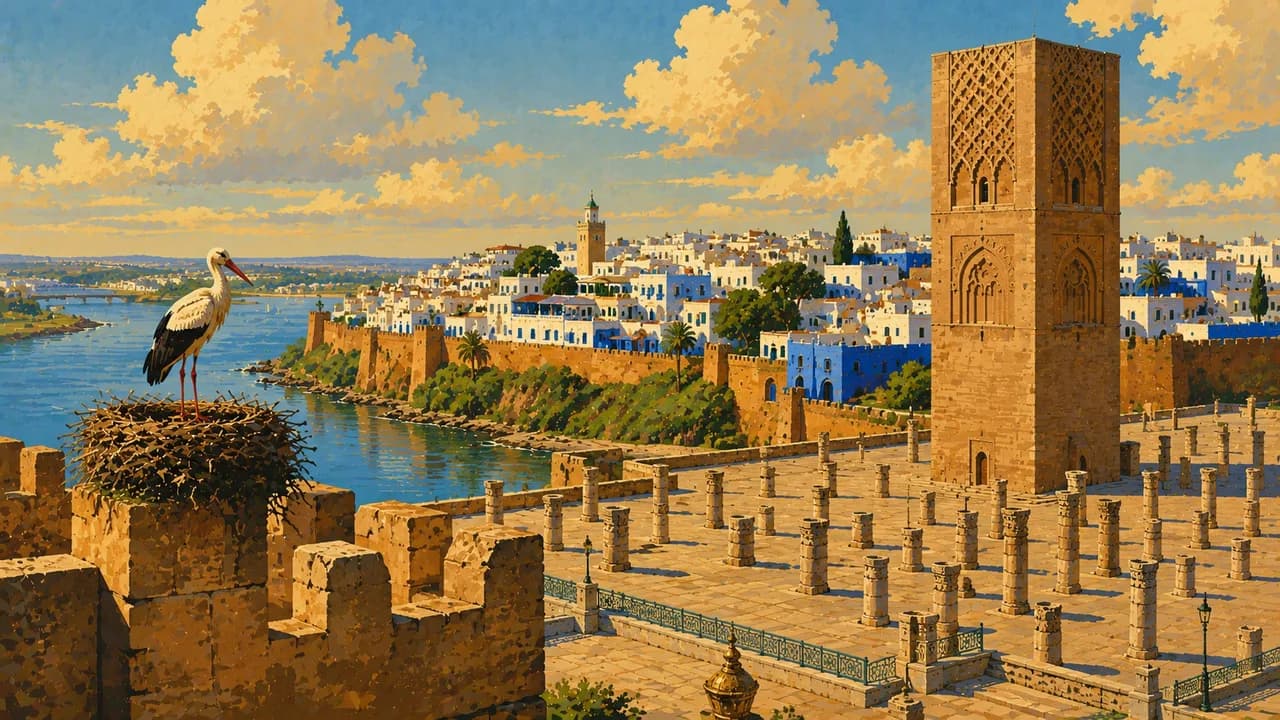
Morocco brings together Atlantic and Mediterranean coasts, mountain villages and desert landscapes in northwest Africa. Marrakech's Jemaa el-Fnaa square and the medina of Fes introduce visitors to souqs, riads and traditional crafts. The capital Rabat and the imperial city of Meknes reveal further layers of history, while nearby Volubilis preserves Roman mosaics and ruins.
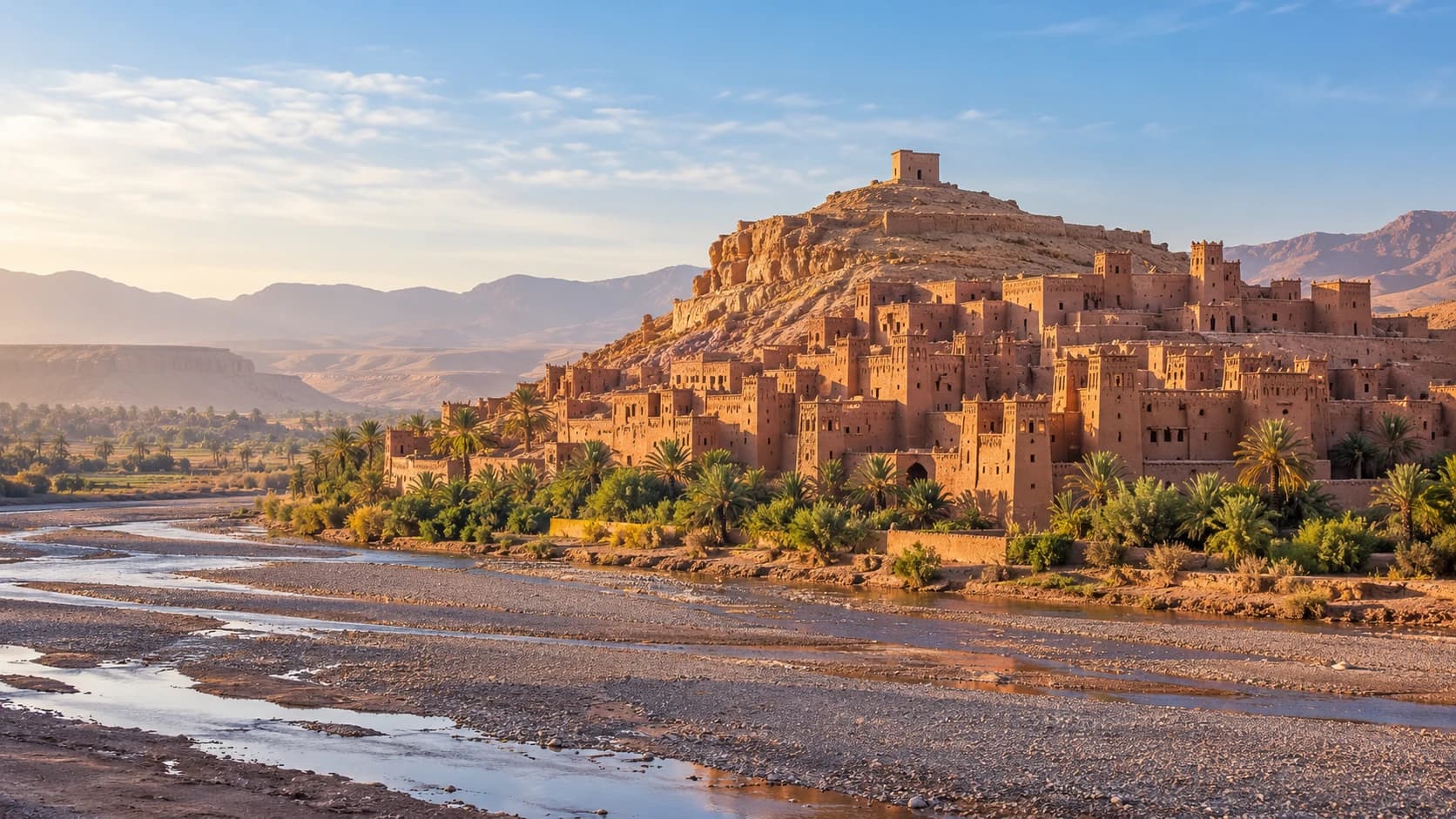
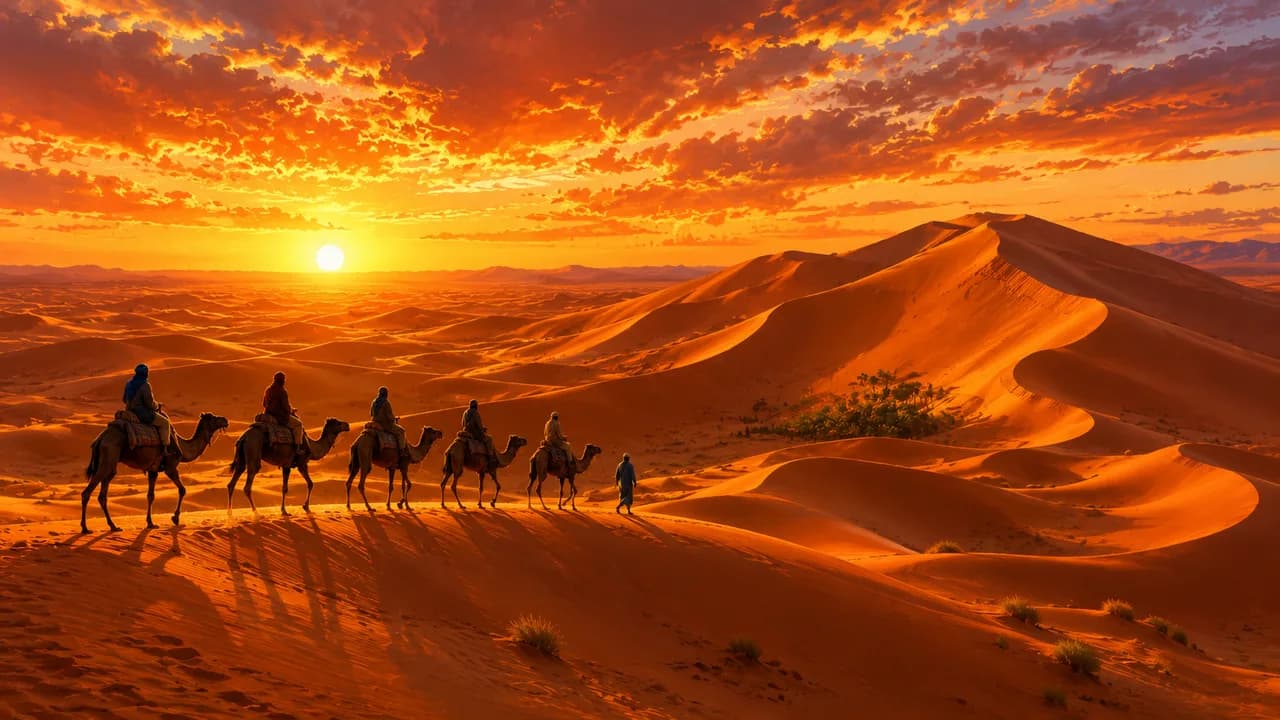
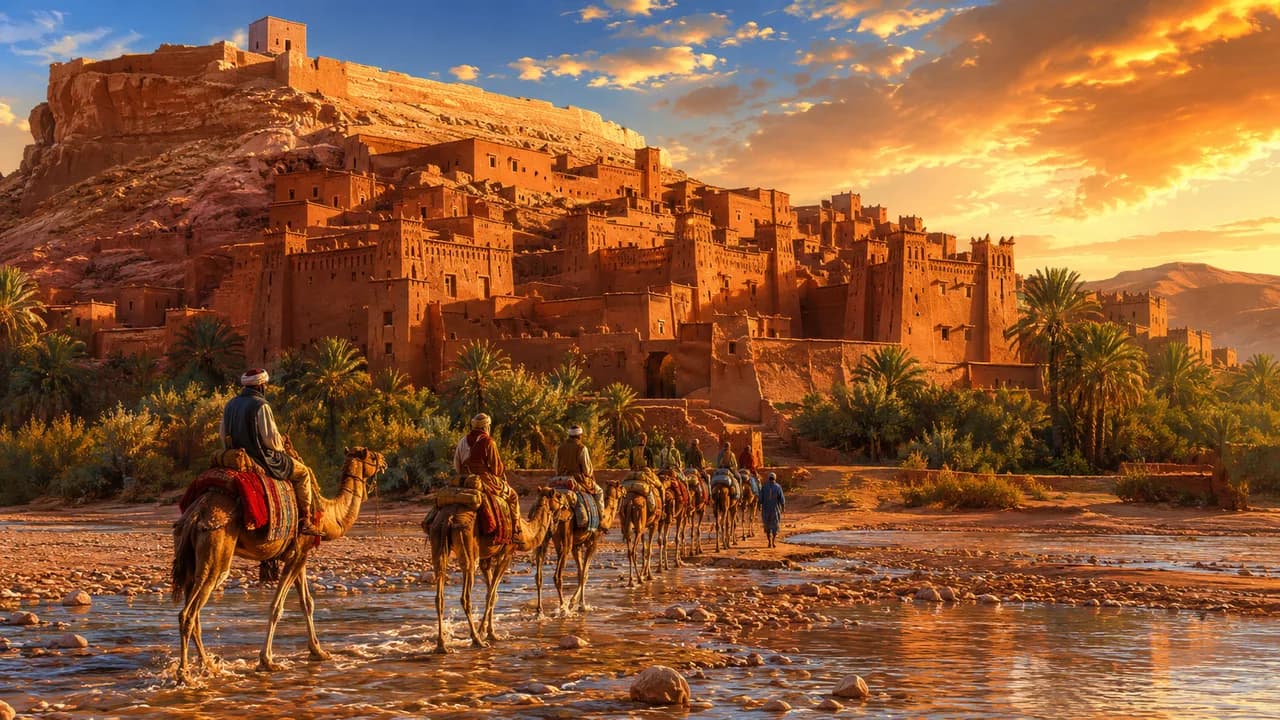
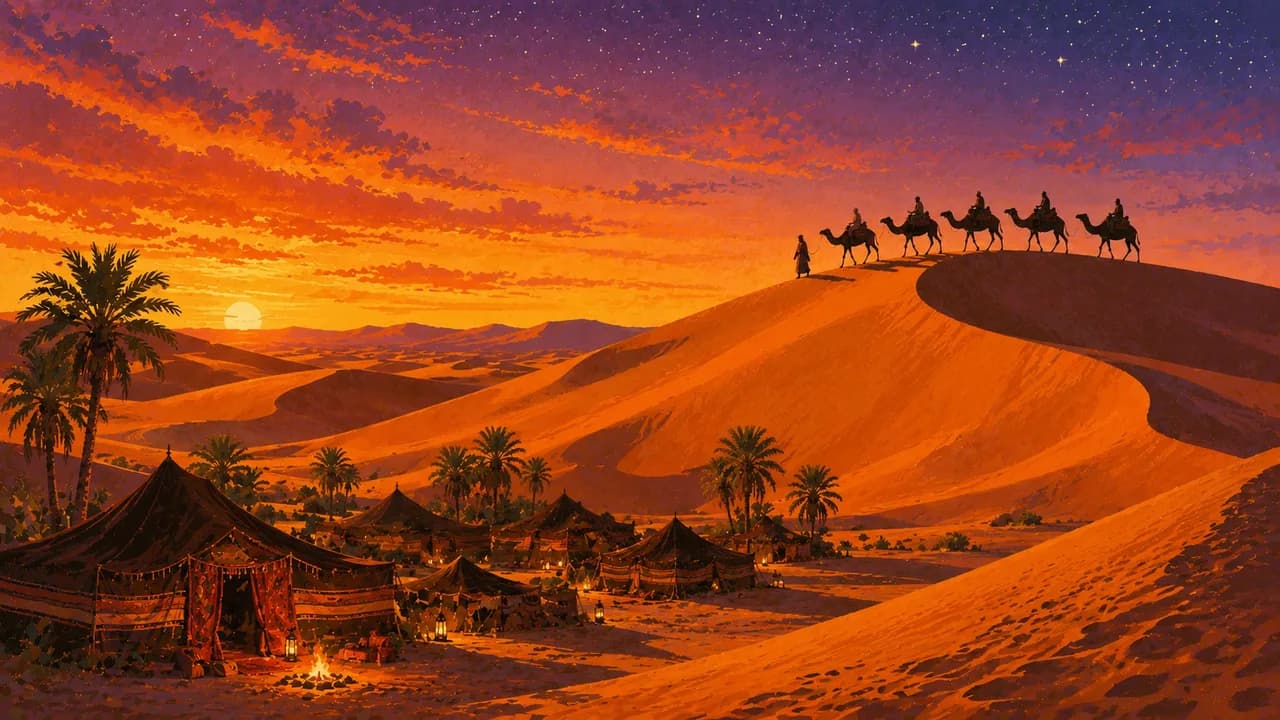
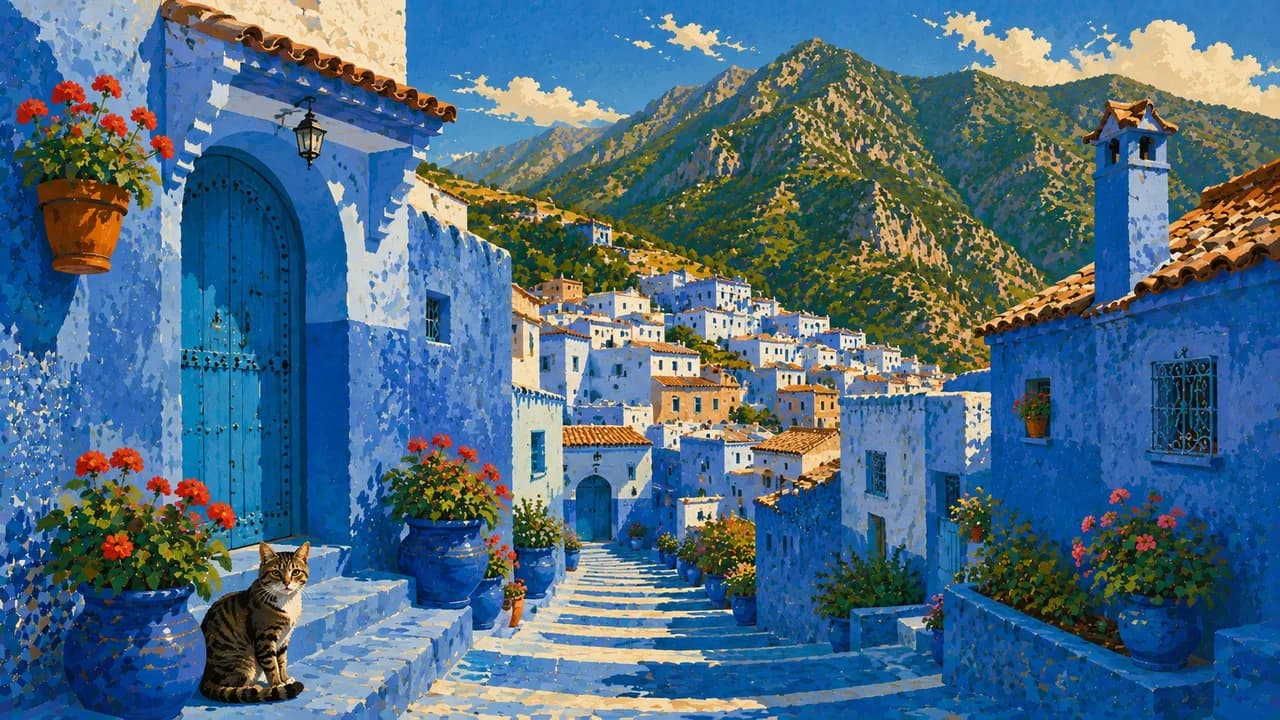
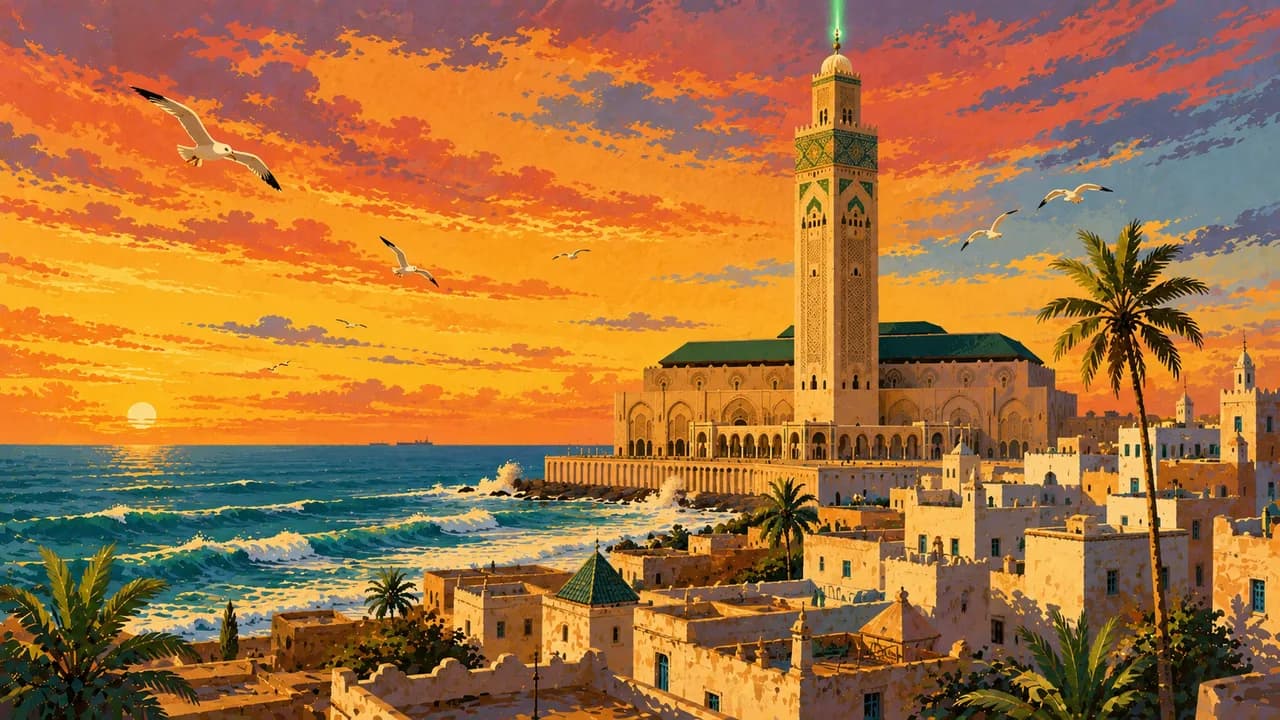
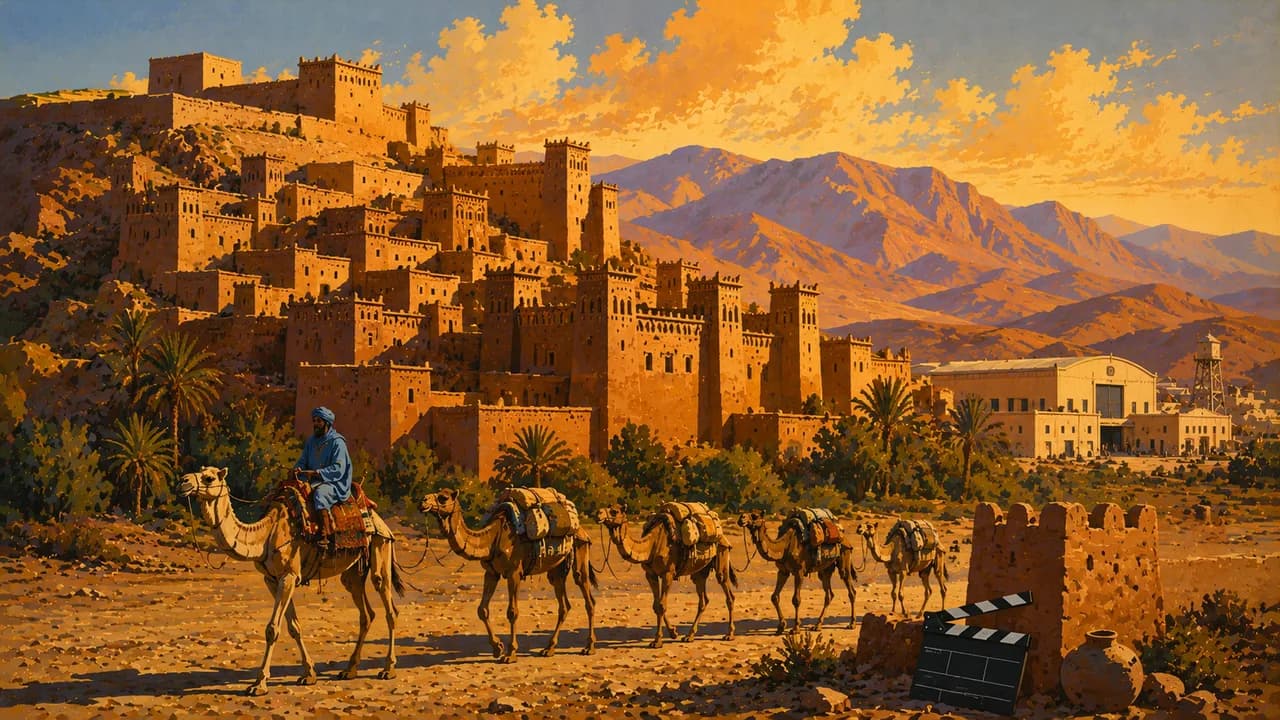
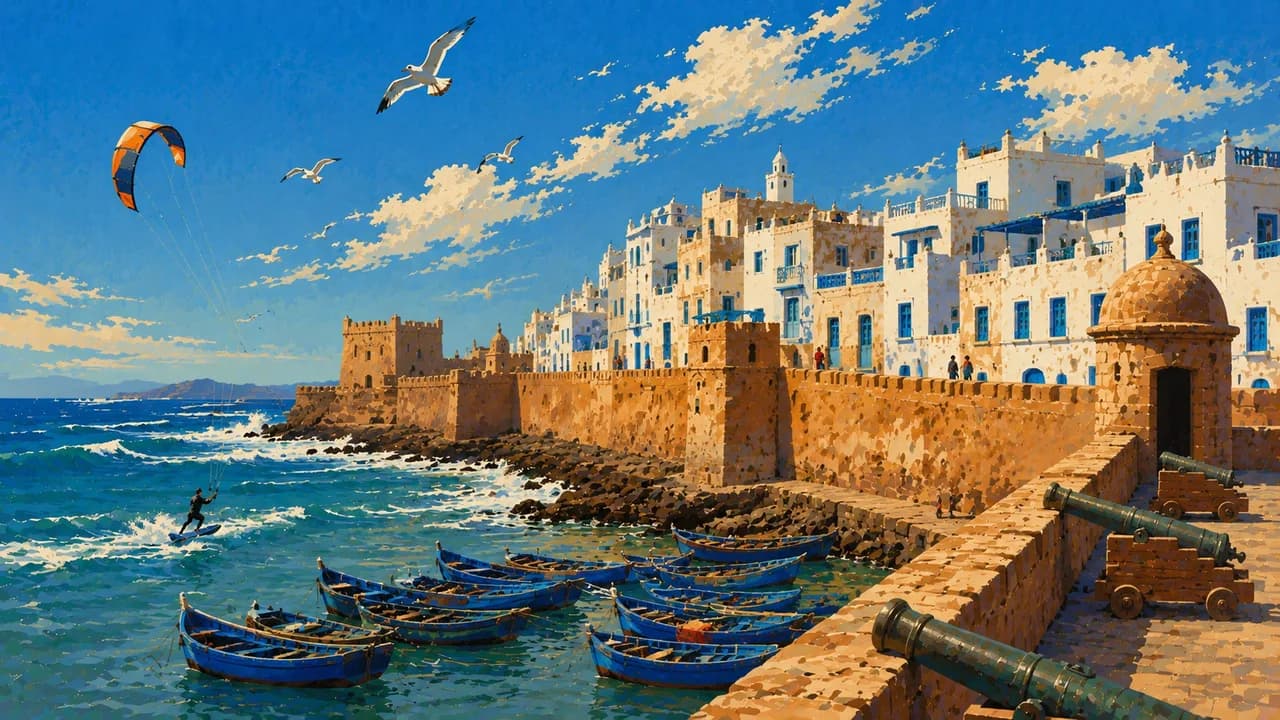
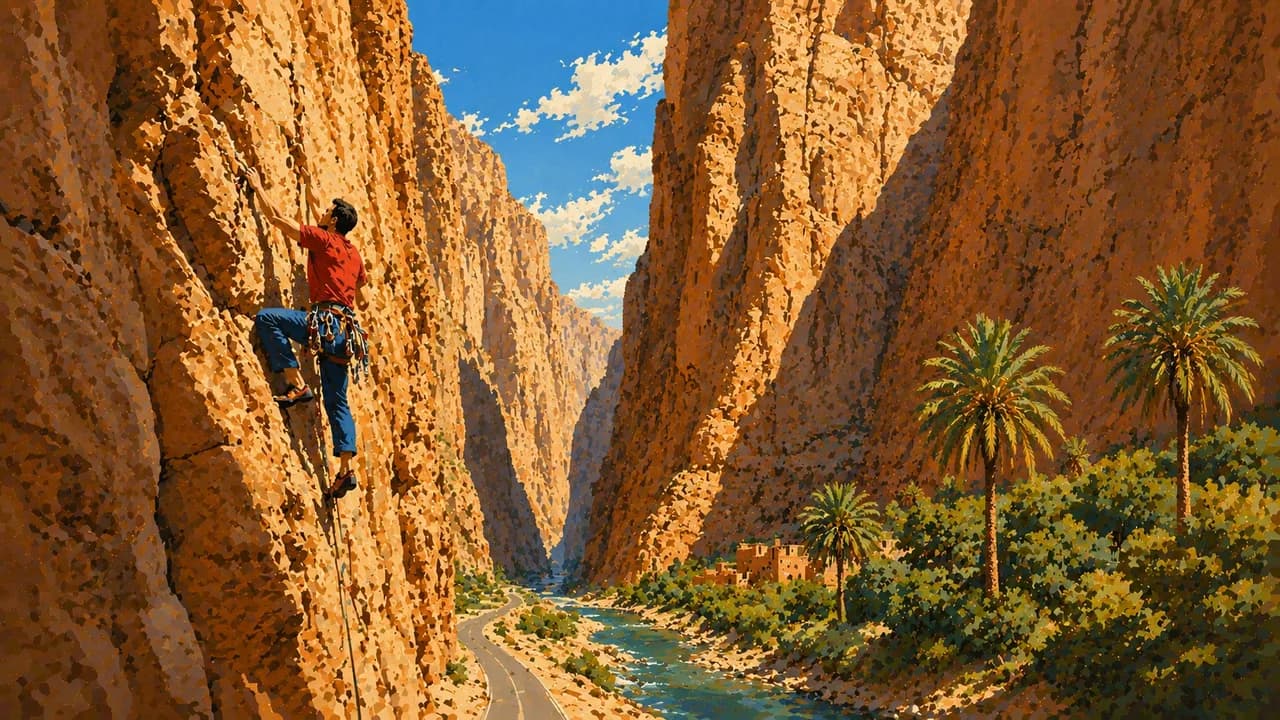
Casablanca's Hassan II Mosque overlooks the Atlantic, and Tangier and blue Chefchaouen offer contrasting views of the north. Imlil is a base for High Atlas walks through Amazigh villages, while cedar forests surround Ifrane in the Middle Atlas. The fortified settlement of Aït Benhaddou, the Todra and Dades gorges and the dunes of Erg Chebbi near Merzouga shape journeys into the southeast. Essaouira combines a historic port with windy beaches, Taghazout draws surfers and Agadir offers a long sandy shore.
Amazigh, Arab-Andalusian and Jewish traditions contribute to the country's cultural heritage. Tagines, couscous, pastilla and mint tea make regional food part of the journey. Small workshops, weekly markets and rural stays reveal skills and daily routines beyond the major monuments. Ceramics, weaving, leatherwork and regional music express traditions that differ between towns and mountain communities. Coastal walks, lower foothill routes and city visits offer alternatives to demanding mountain or desert journeys.
The Atlantic can be cool and windy while inland areas are hot. High mountain conditions change with altitude and season. Guided walks and desert excursions need suitable preparation and local knowledge. Trains connect several major cities, while mountain villages and dispersed southern landscapes require road transfers and realistic distances.
AI edited
- 4
- Imperial cities
- 36.8 million
- Population
- 446,550 km²
- Area
- Arabic & Amazigh
- Languages
- French & English
- Other languages French is widely used in many settings. English is spoken especially in tourism, and Spanish in parts of the north. Language skills vary by region and location.
- Moroccan dirham (MAD)
- Currency
- C · E
- Socket types
- Rabat
- Capital
- Right-hand traffic
- Driving side
- UTC+0
- Time zone UTC+0 year-round since September 2026. The clock follows this rule even with older browser time-zone data.
- 9
- UNESCO cultural sites
Morocco on the map

Map data: geoBoundaries (CC BY 4.0), © OpenStreetMap contributors (ODbL), Natural Earth
Climate and best time to travel
Morocco's travel seasons depend strongly on altitude and region. Spring and autumn are usually more comfortable for medinas, oases and desert landscapes than the hot summer months inland. Desert nights can be cold even after warm days. The Atlantic moderates coastal temperatures, although wind and cool water remain possible. June to September often suit beach holidays, while experienced surfers find larger Atlantic waves especially from October to April. June to September are generally better for high Atlas trails, but snow and sudden weather changes remain considerations. Lower mountain paths and cedar forests can often be explored from spring through autumn. These months are a guide. Check weather, trail conditions and local access rules before mountain and desert excursions.
Destinations in Morocco
 AI generated
 AI generated
 AI generated
 AI generated
 AI generated
 AI generated
 AI generated
 AI generated
 AI generated
 AI generated
 AI generated
 AI generated