Tunisia
تونس
Ancient cities, lively medinas and island traditions connect Mediterranean shores with oasis landscapes.
Worth coming back!
Wanderlama keeps growing with new destinations, helpful information and exciting features. Check back soon and discover what is new!
Travel to Tunisia
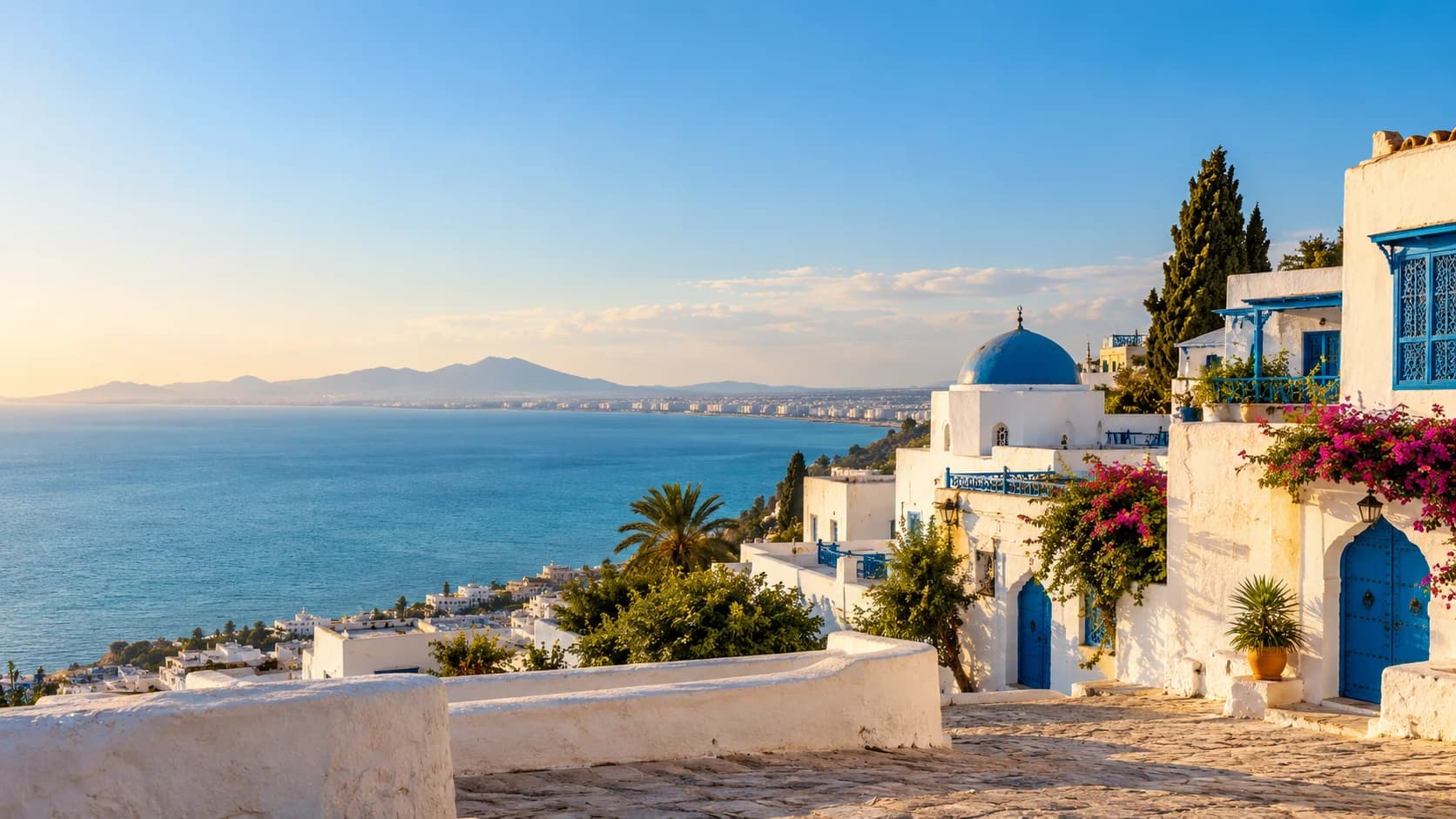
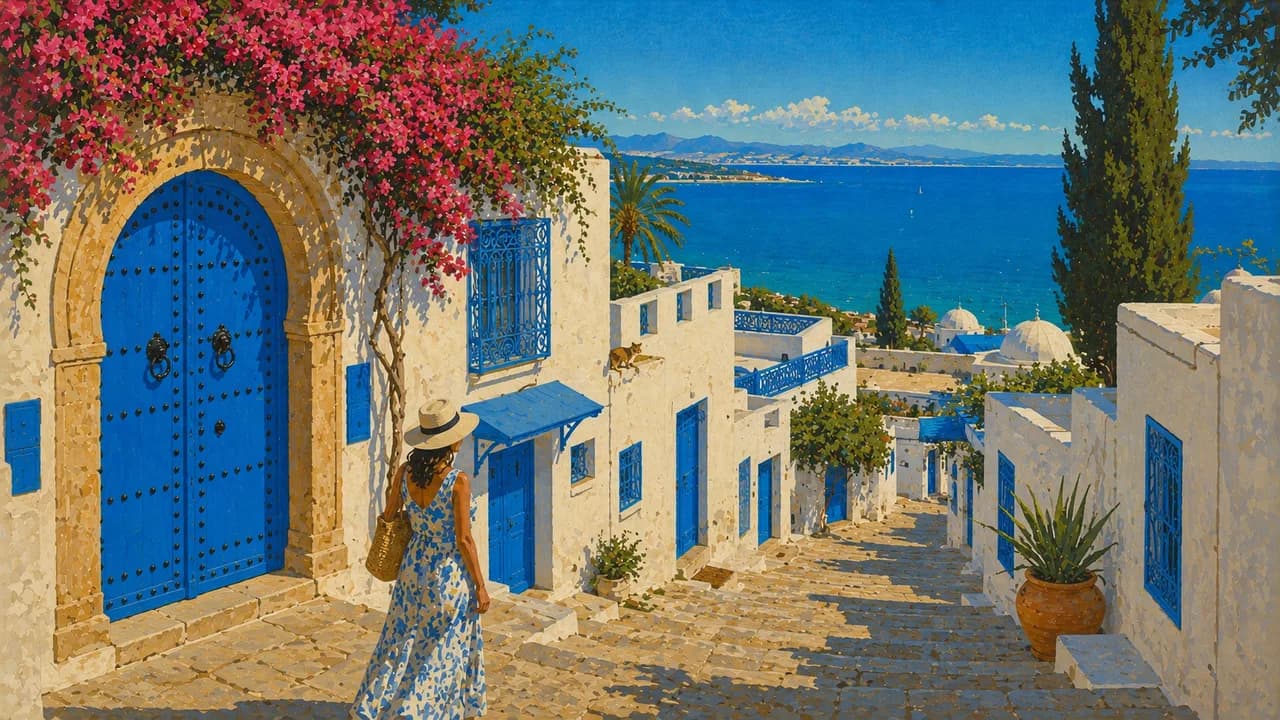
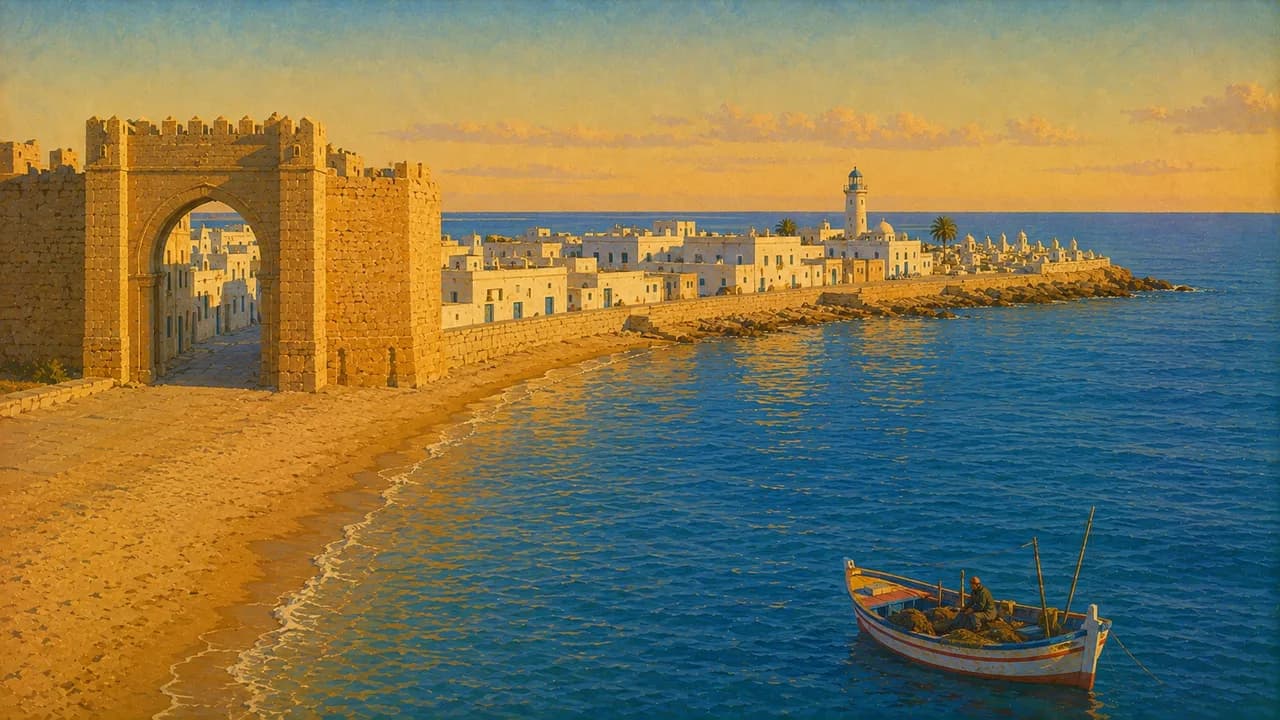
Tunisia combines Mediterranean shores, cultivated northern landscapes, historic cities and the Sahara’s northern fringe. Arab and Amazigh traditions, ancient Mediterranean connections and later Ottoman influences shape its cultural diversity. Tunis pairs its UNESCO-listed medina with contemporary urban life. Nearby Carthage preserves Punic and Roman remains, while Sidi Bou Said overlooks the sea with white walls and blue doors.
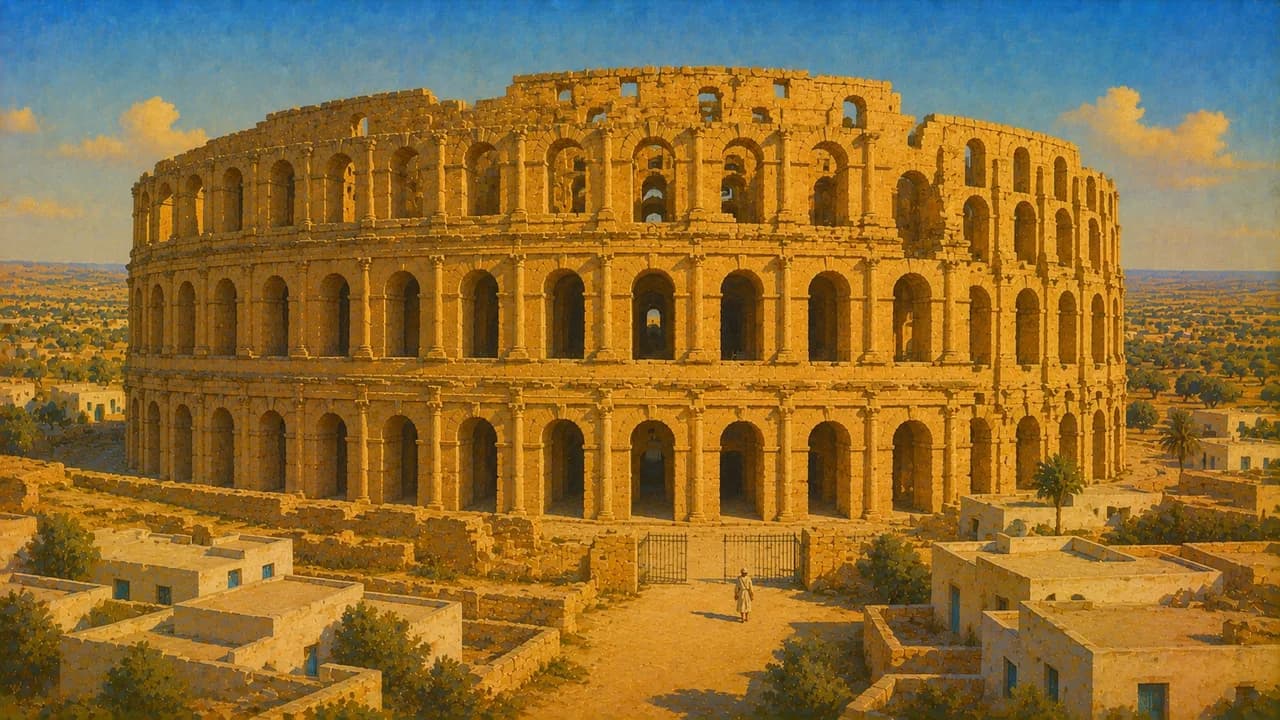
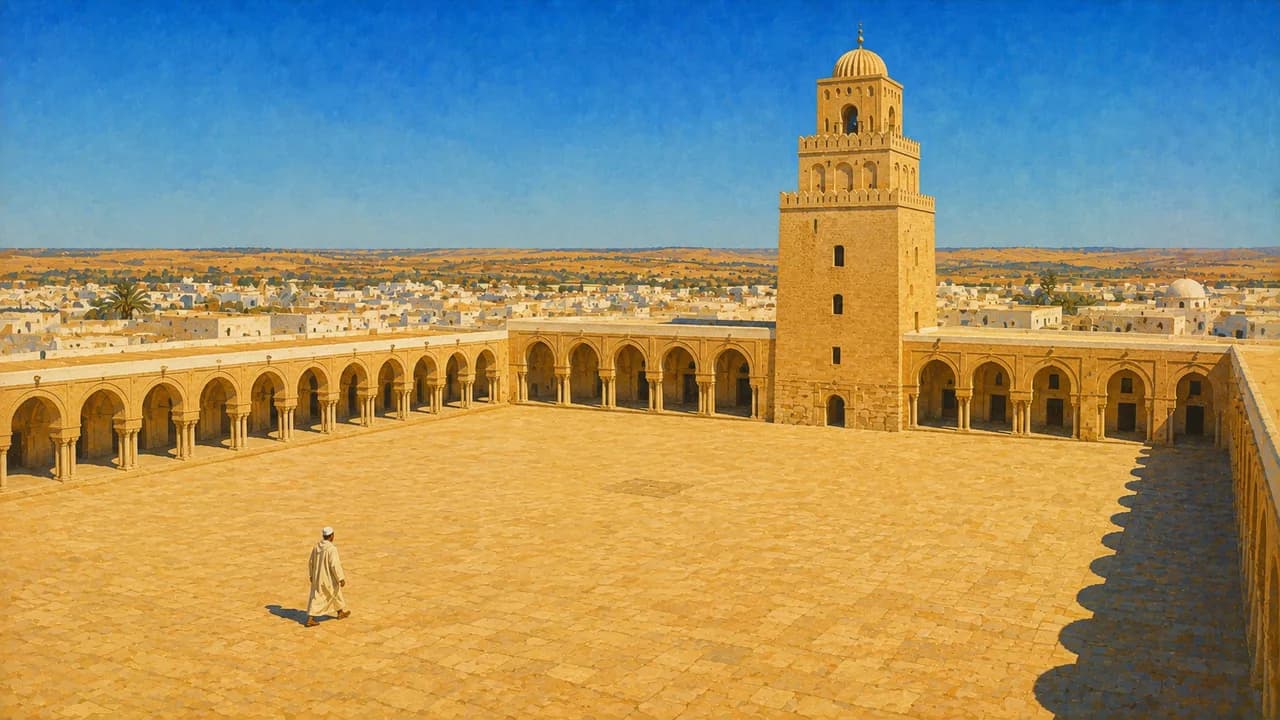
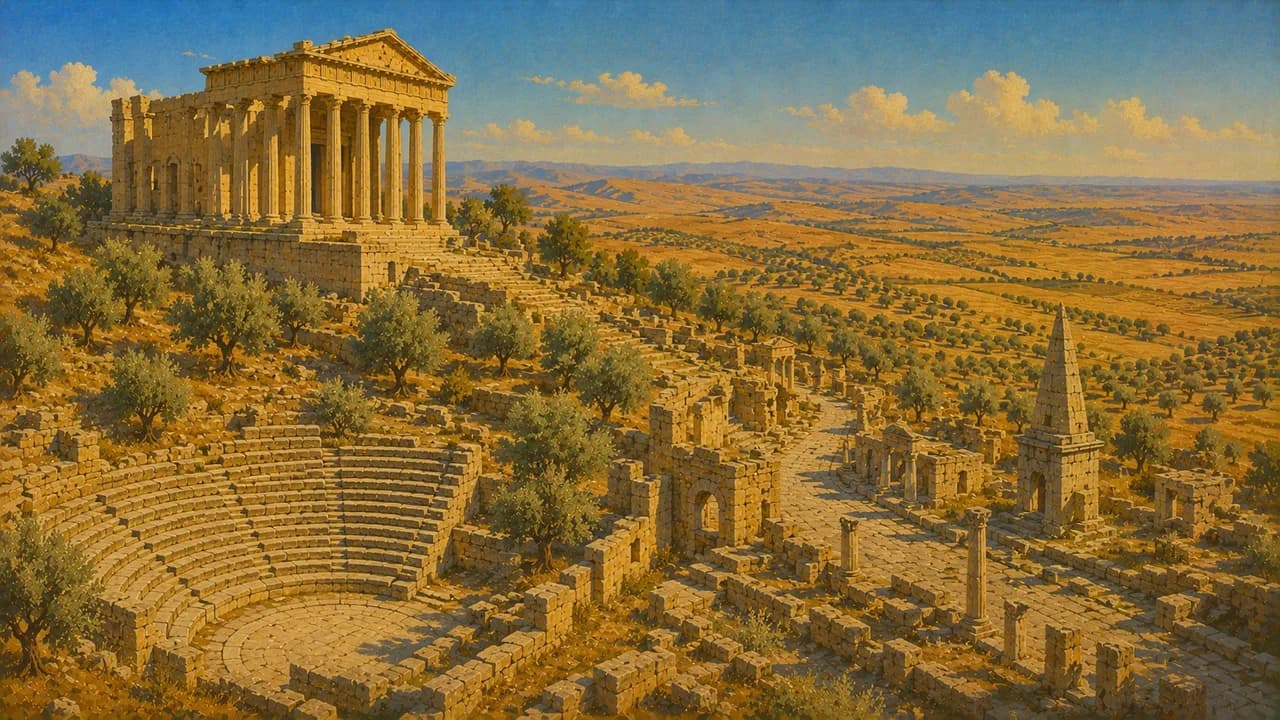
In the north, Bizerte retains an old harbour, and Ichkeul’s lake and wetlands provide important migratory-bird habitat. Inland, Dougga and Sbeitla reveal ancient temples and streets in contrasting settings. Kairouan adds Islamic religious and architectural heritage, while El Jem’s monumental amphitheatre illustrates the scale of Roman urban culture.
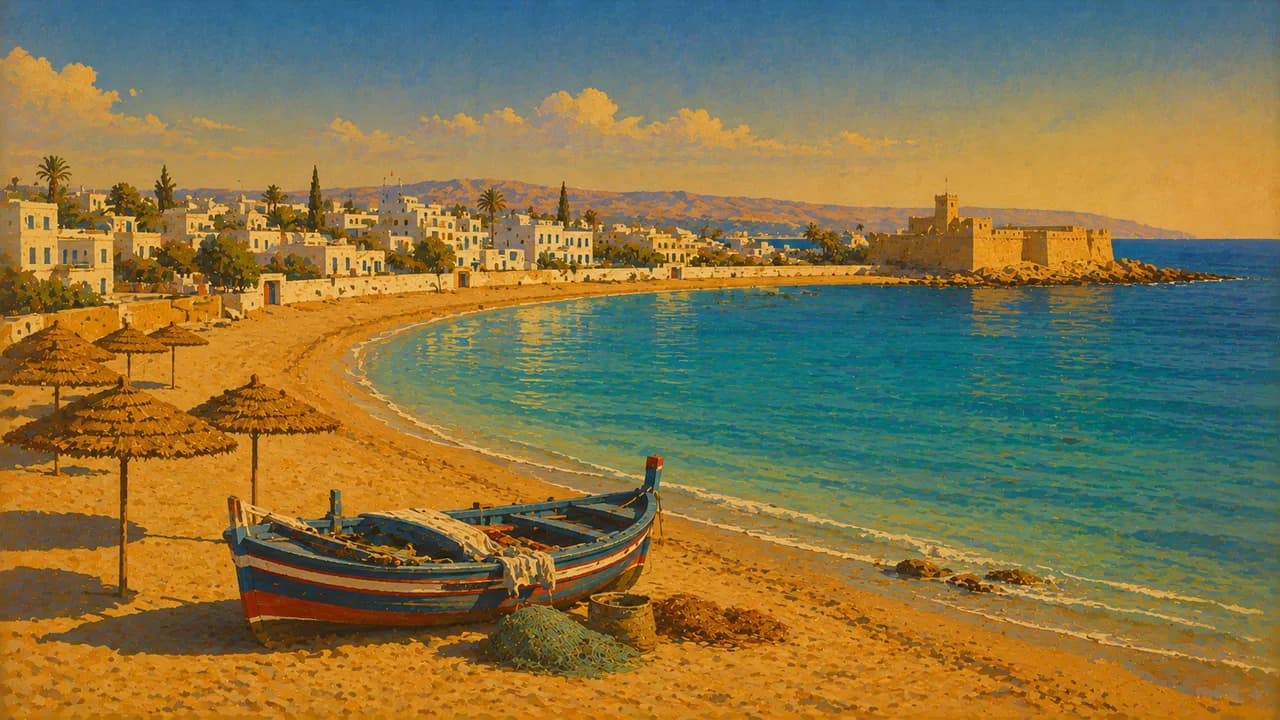
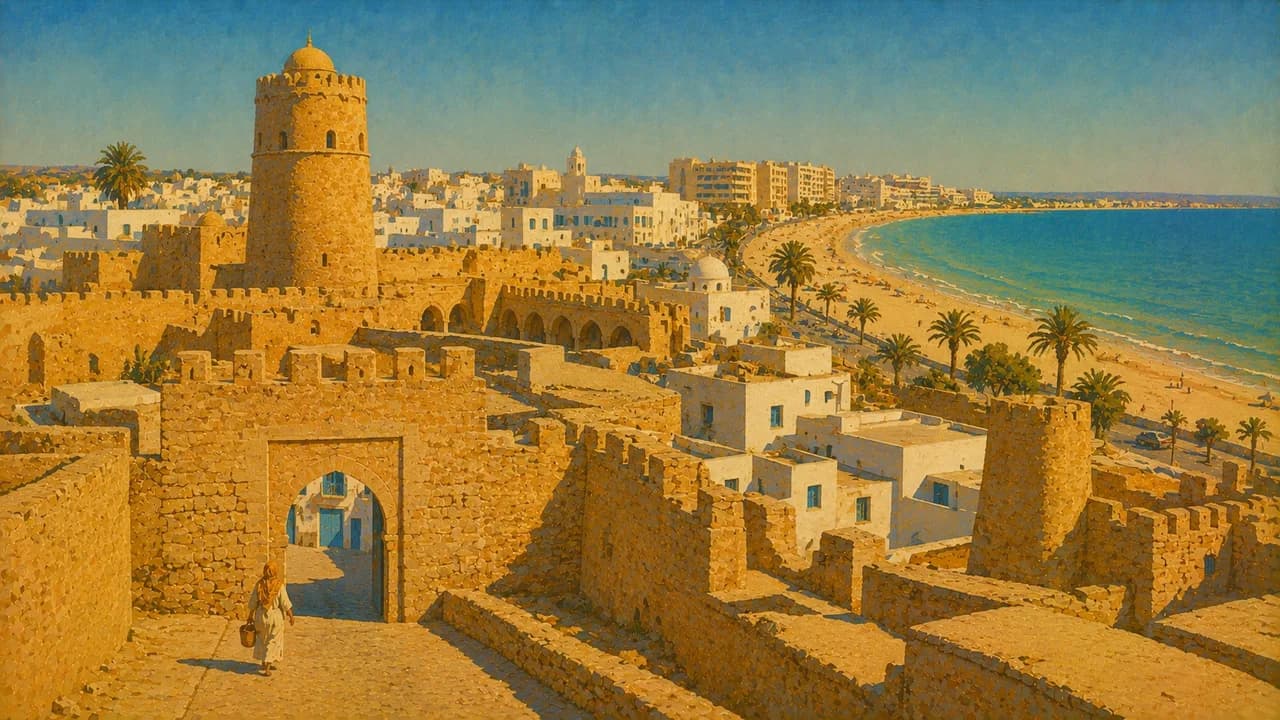
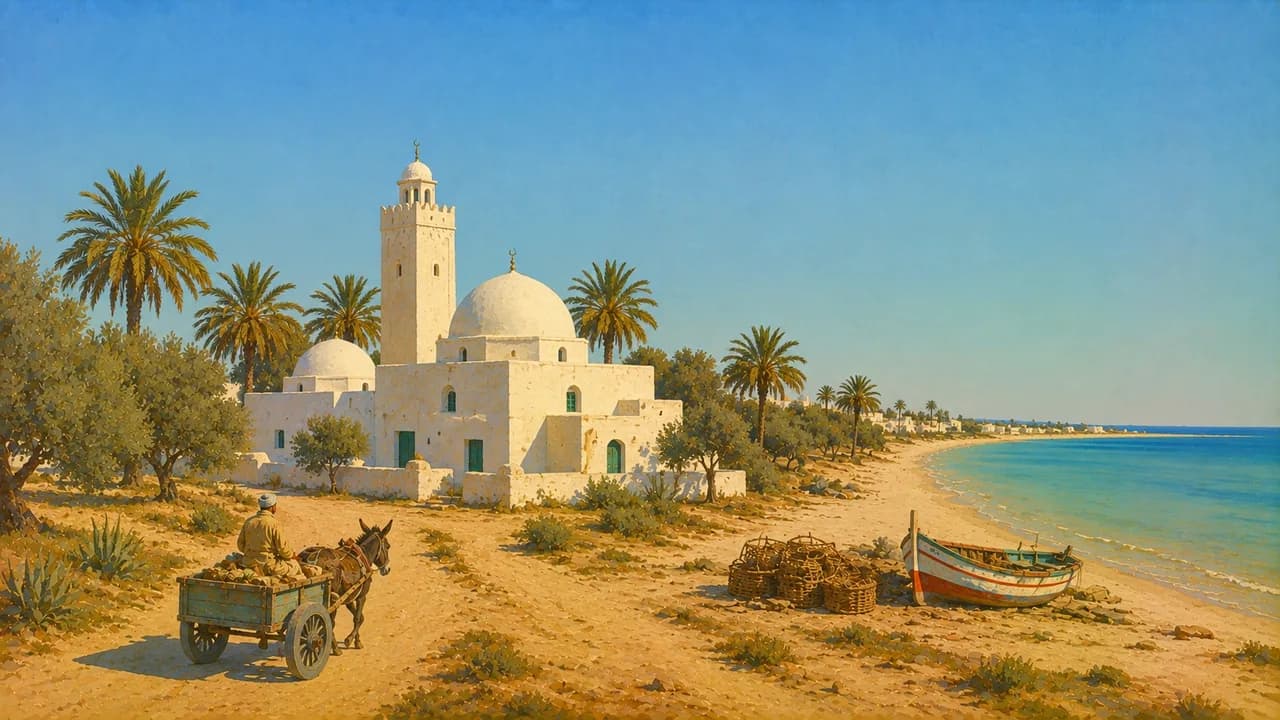
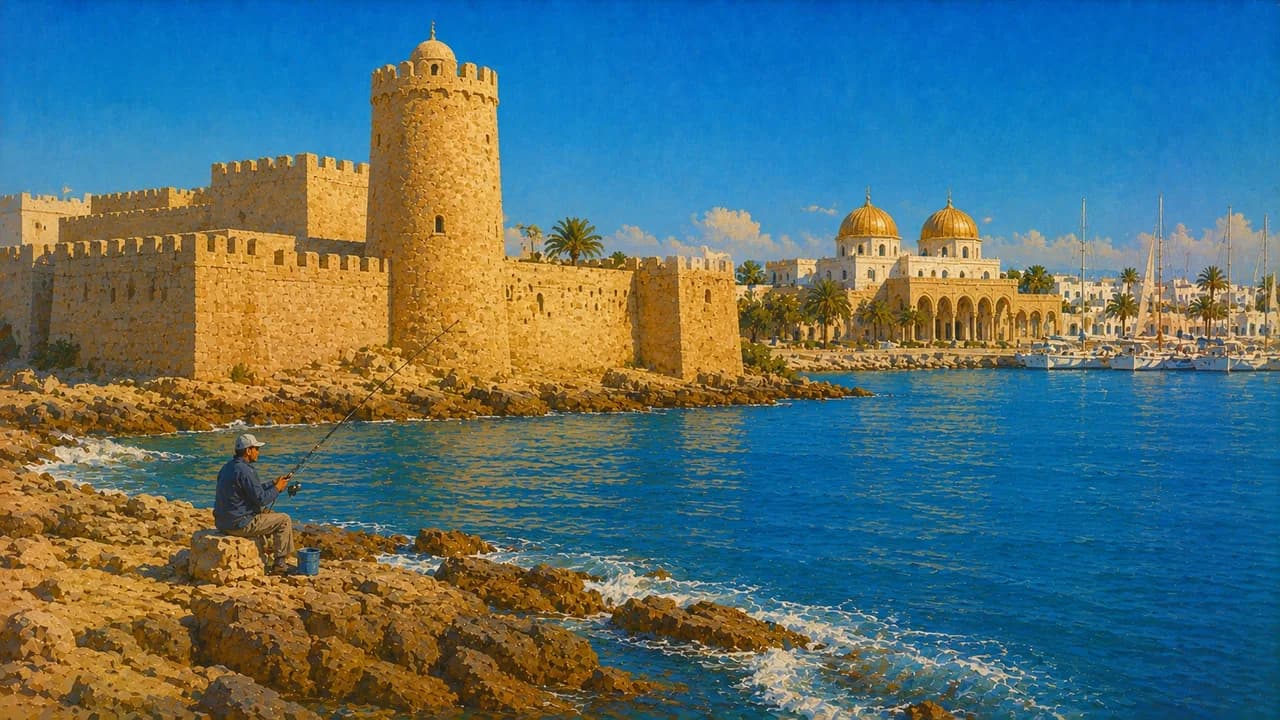
Hammamet combines beaches with an old town, while Sousse brings together a historic medina and coastal city life. Monastir’s ribat and Mahdia’s peninsula offer distinct maritime settings. Sfax has a working city’s character and walled medina. Djerba adds island villages, craftsmanship and Muslim and Jewish heritage beyond its beach resorts.
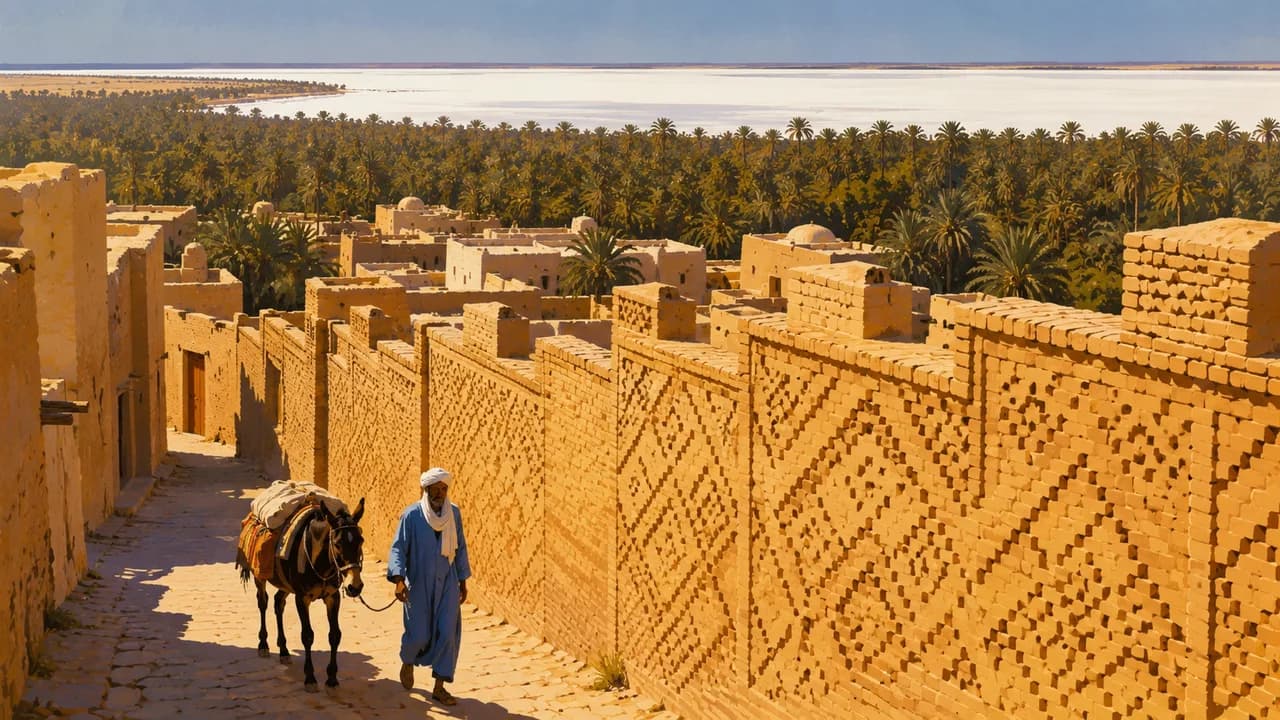
In the south, Tataouine’s surrounding ksour preserve communal storage architecture and Amazigh heritage. Matmata is associated with excavated courtyard dwellings. Douz stands near the dunes, while Tozeur is known for palm gardens and patterned brickwork. Chott el Djerid’s salt landscapes and Star Wars filming locations add further layers, without replacing the region’s living communities.
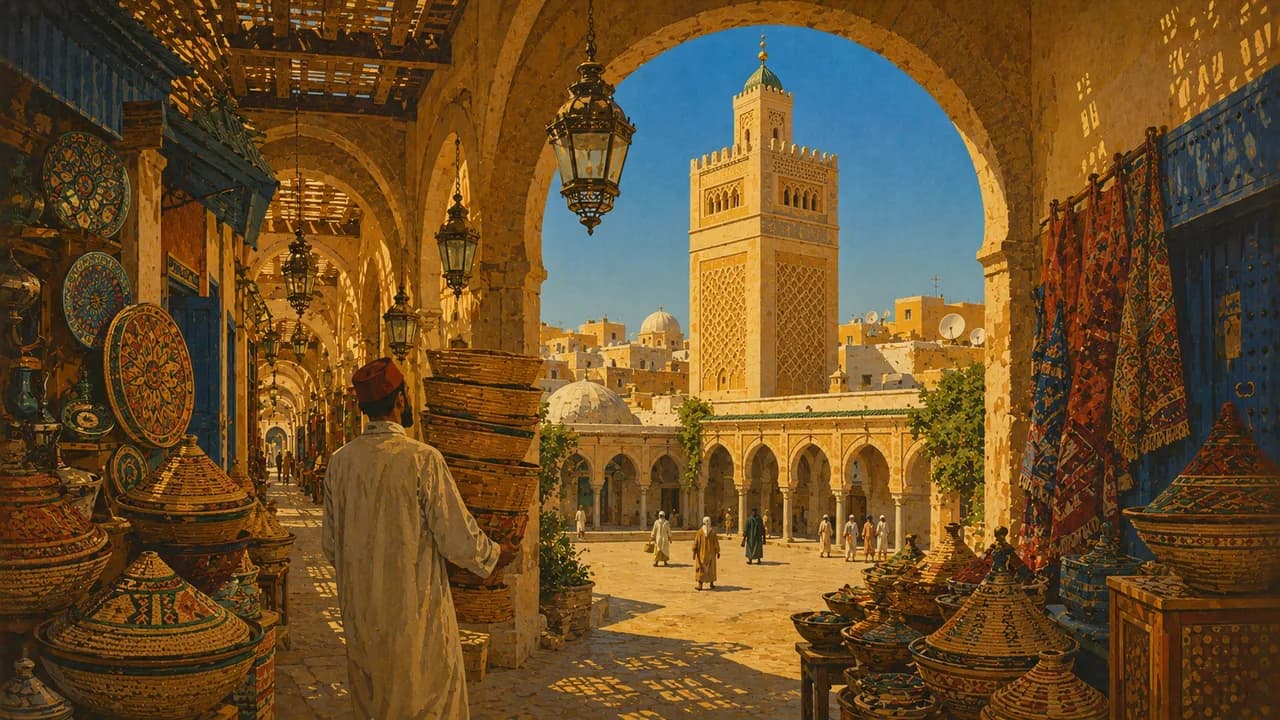
Markets, weaving, pottery and music complement the monuments. Couscous varies by region and may include fish along the coast. Brik pastries, olive oil, harissa and mint tea express everyday food traditions. Religious sites and homes require respectful dress, conduct and permission where appropriate.
Spring and autumn often suit cultural visits, while coastal summers are hot and inland desert heat can be extreme. Winter nights in the south may be cold. Germany’s Federal Foreign Office advises against travel to specified southern, border and mountain areas and against unorganised desert trips. Check current regional advice, local restrictions and suitable arrangements before choosing routes.
AI edited
- 24
- Governorates Tunisia is divided into 24 governorates. They are administrative units, distinct from the geographical groupings used in the climate cards.
- ≈ 12 million
- Population Tunisia’s National Institute of Statistics estimates 11,992,843 people on 1 January 2026, published in its series updated in August 2026. This dated national estimate differs from older UN projection series.
- 163,610 km²
- Area UN World Statistics Pocketbook 2025 surface-area figure, with a 2023 reference year. Area totals vary between statistical sources.
- Arabic
- Language Arabic is the official language. Tunisian Arabic is widely used in everyday conversation.
- French and Amazigh languages
- Other languages French is widely used in several professional and everyday contexts. Amazigh languages are spoken in some communities. Neither is presented here as a national official language.
- Tunisian dinar (TND)
- Currency The national currency is the Tunisian dinar, identified by TND. Cash and card availability differ by provider and location.
- C · E
- Socket types Electrical Safety First lists sockets C and E, with a nominal supply of 230 V at 50 Hz. Check appliance compatibility, grounding and adapter requirements.
- Tunis
- Capital Tunis is the capital. The page clock shows local time using Africa/Tunis.
- Right-hand traffic
- Driving side Traffic drives on the right. Road conditions, local driving practices and regional restrictions require attention when planning journeys.
- UTC+1
- Time zone Tunisia uses UTC+1 throughout the year, without seasonal clock changes.
- 9
- UNESCO cultural sites UNESCO lists nine cultural properties, including Sidi Bou Saïd since 2026 and Djerba since 2023. Ichkeul is a separate natural property, making ten inscriptions in total. Tentative sites are not included.
Tunisia on the map

Map data: geoBoundaries (CC BY 4.0), © OpenStreetMap contributors (ODbL), Natural Earth
Climate and best time to travel
Spring and autumn often suit cultural visits and inland archaeology. Coastal summers are hot and generally drier, while northern winters are milder and wetter. Winter is important for migratory birds at Ichkeul, though water levels and sightings vary. Southern oases and desert edges are often more comfortable from October to April, with cold nights possible. Summer desert heat can be extreme. Beach and water activities depend on wind, sea temperature and local conditions. Germany’s Federal Foreign Office advises against travel to specified southern, border and mountain areas and against unorganised desert trips. Check current regional advice, local restrictions and appropriate guiding before selecting routes. Month ranges do not guarantee access, weather or wildlife.
Destinations in Tunisia
 AI generated
 AI generated
 AI generated
 AI generated
 AI generated
 AI generated
 AI generated
 AI generated
 AI generated
 AI generated
 AI generated
 AI generated