Egypt
مصر
Ancient monuments, living river traditions and desert horizons meet vibrant cities and colourful reefs.
Worth coming back!
Wanderlama keeps growing with new destinations, helpful information and exciting features. Check back soon and discover what is new!
Travel to Egypt
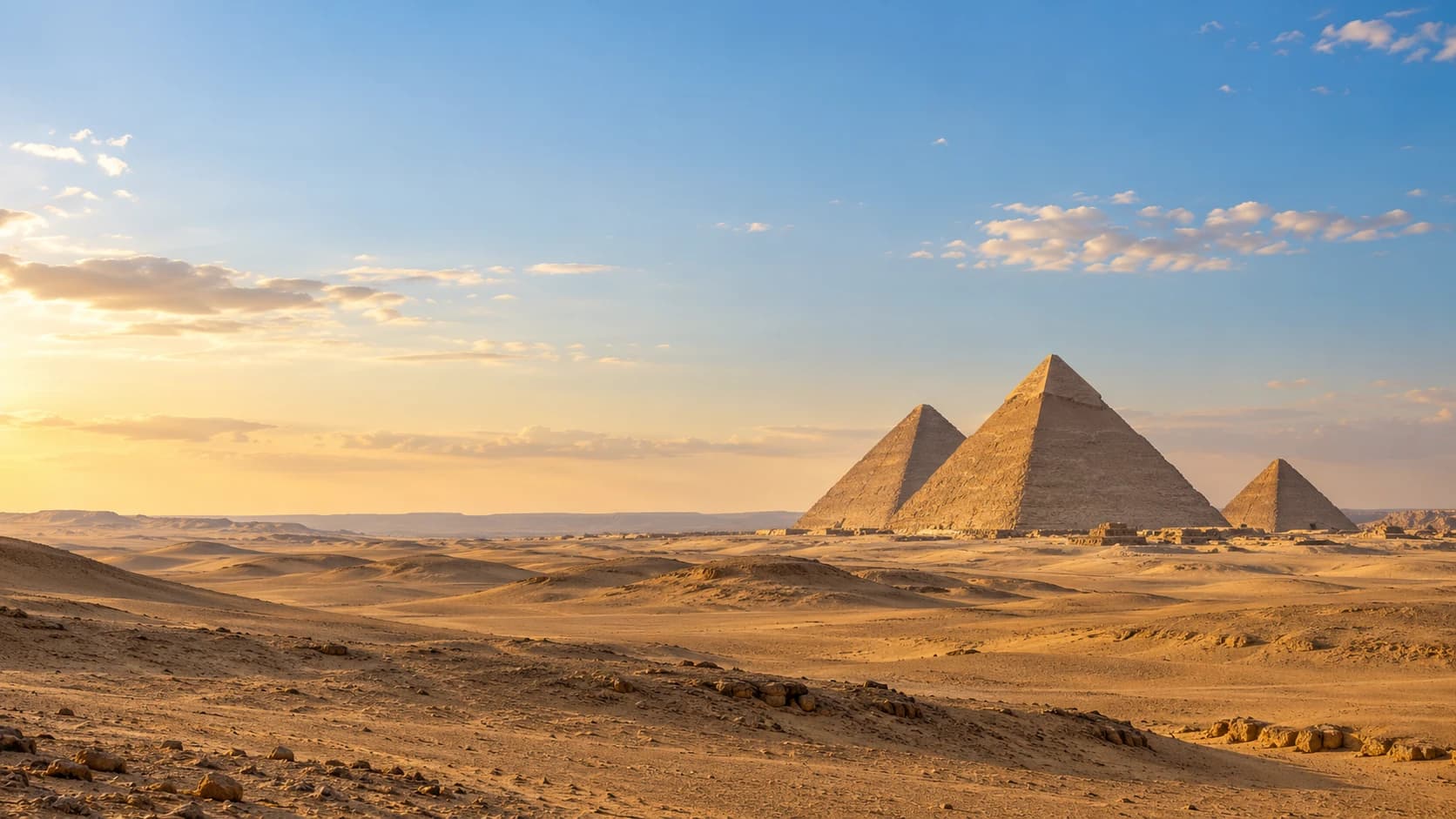
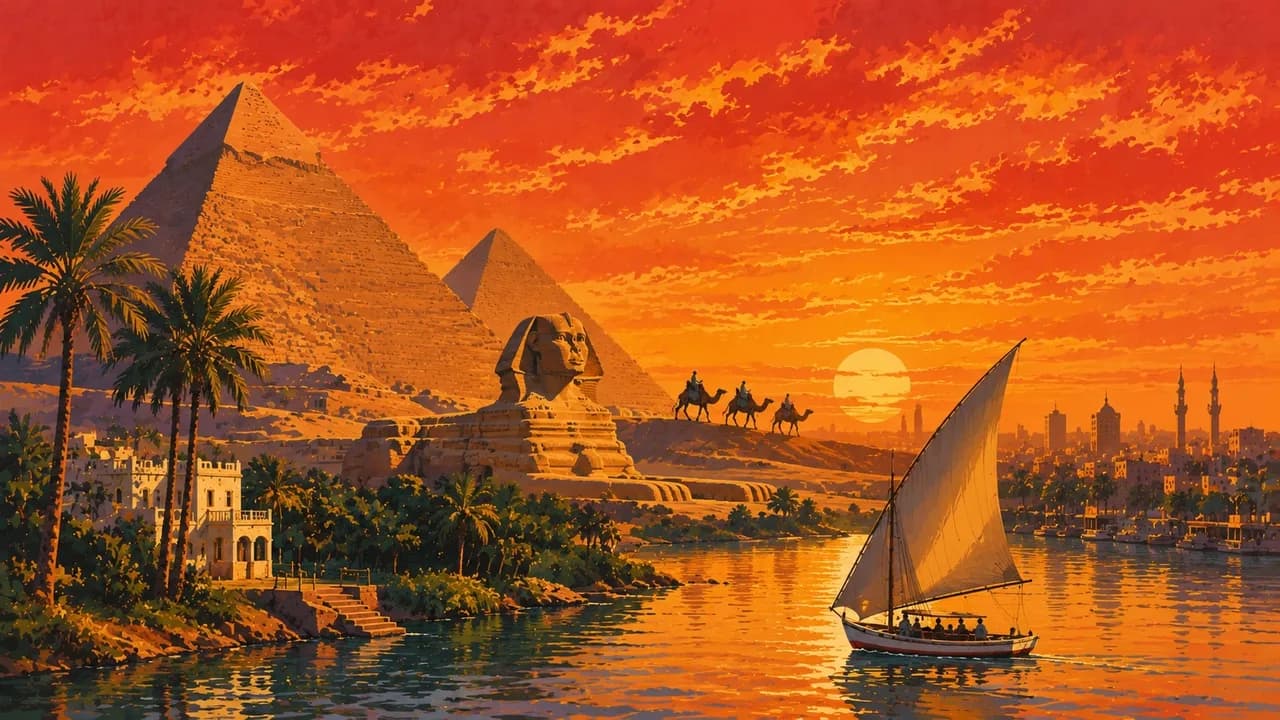
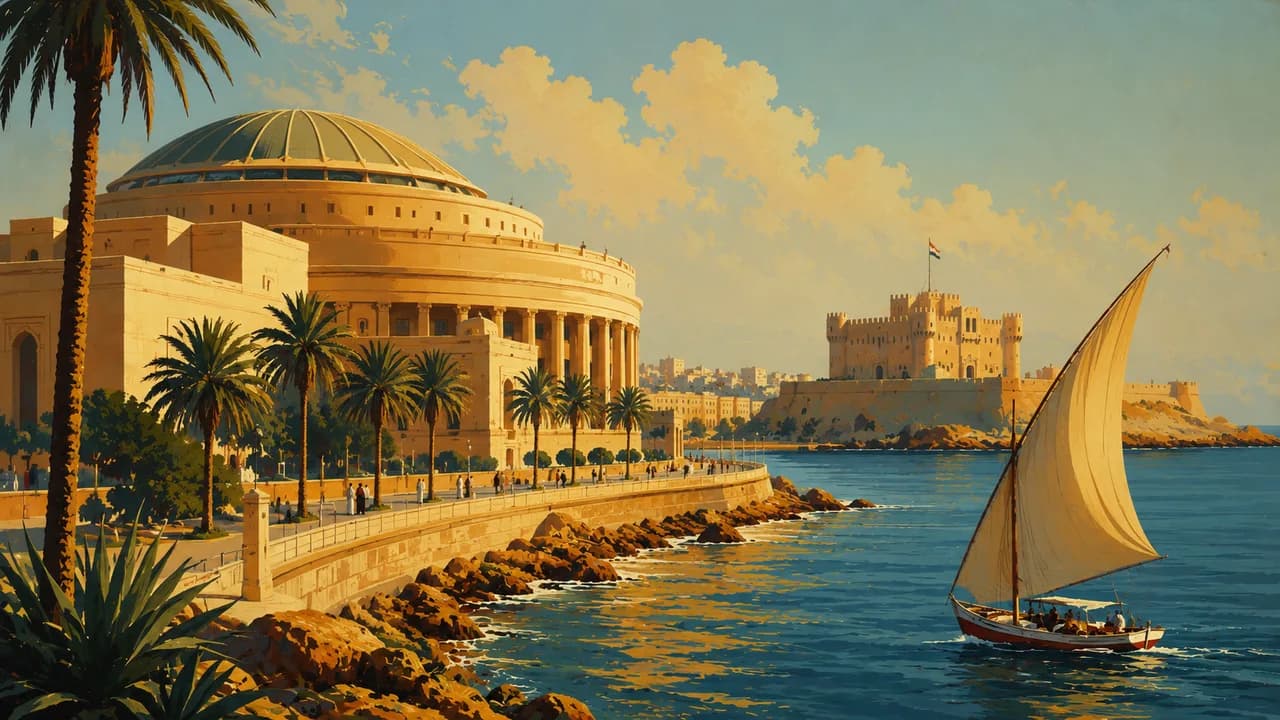
Egypt combines the Nile Valley and Delta, desert landscapes and Mediterranean and Red Sea coasts. Cairo brings together Islamic and Coptic heritage, markets and modern city life. Nearby Giza has the pyramids, Sphinx and Grand Egyptian Museum with its Tutankhamun galleries. Alexandria adds Mediterranean and Greco-Roman history, while Port Said reflects the Suez Canal’s maritime heritage.
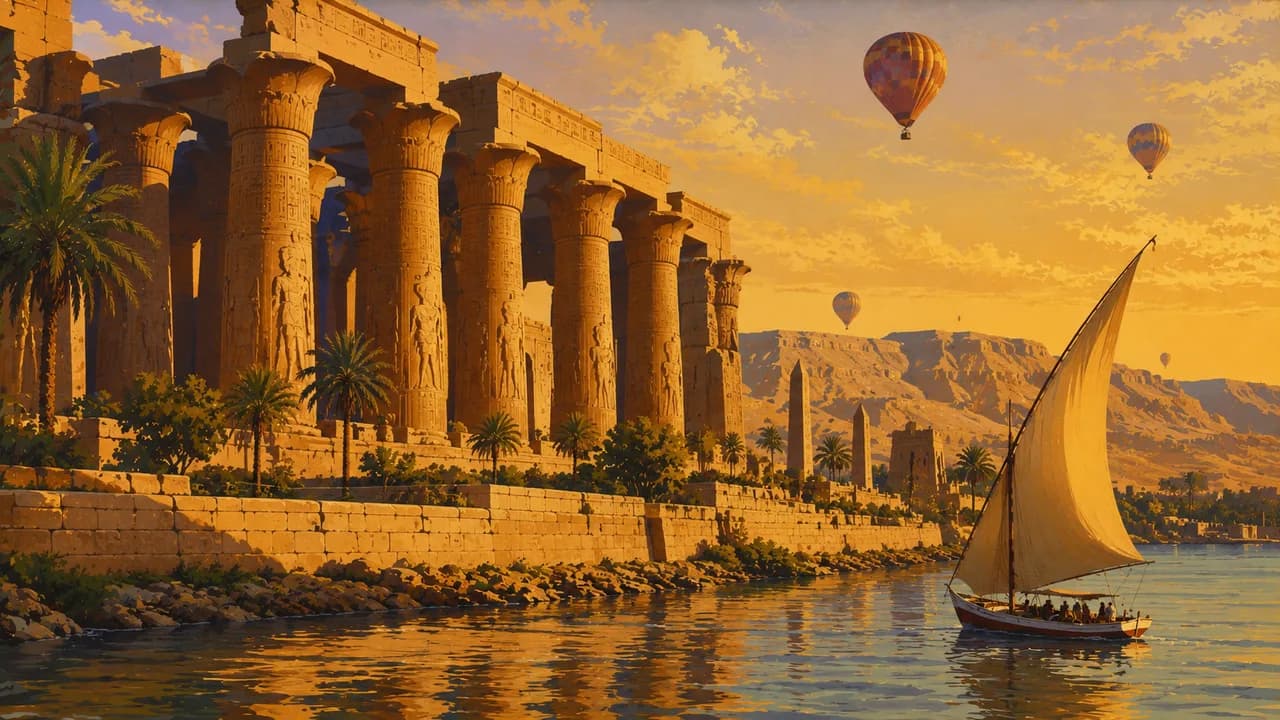
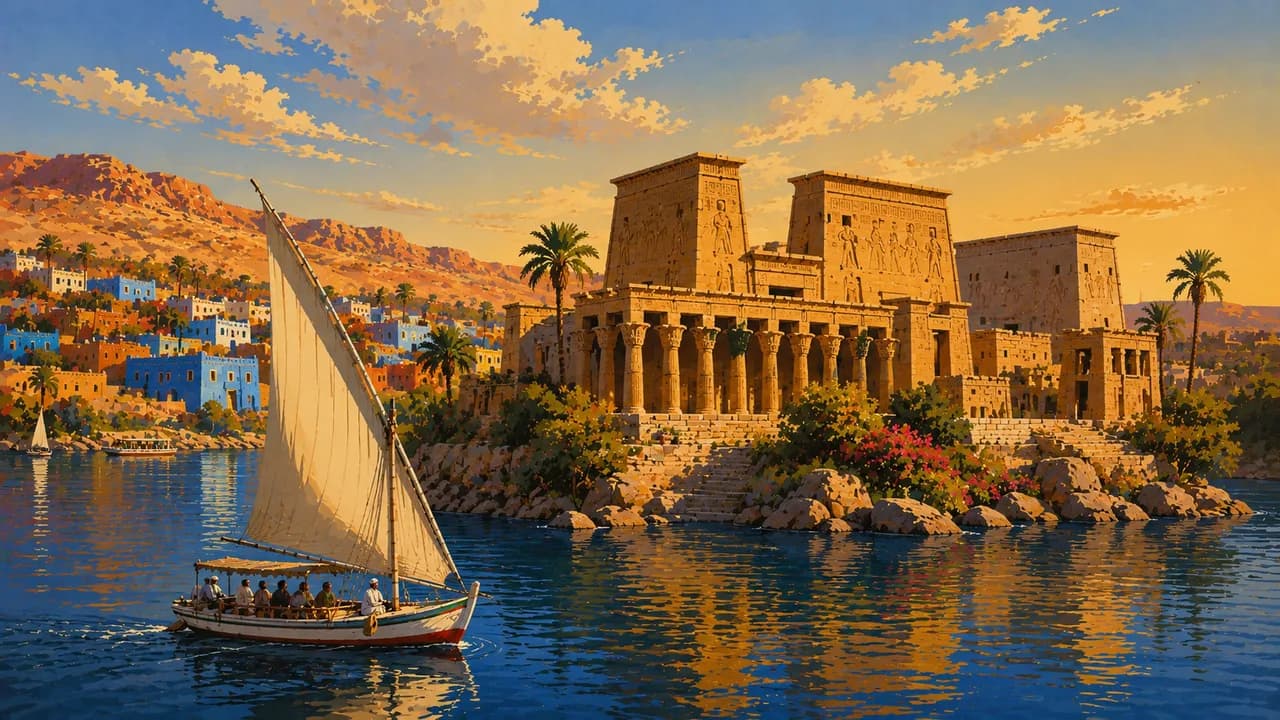
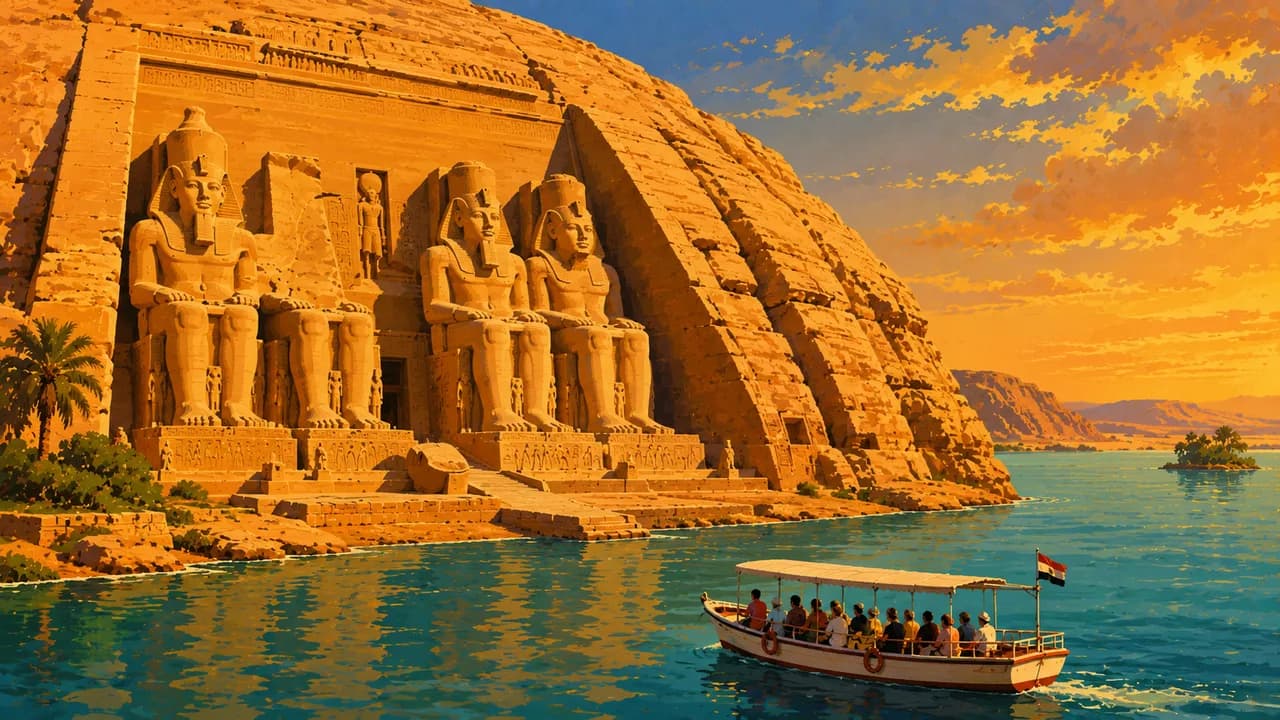
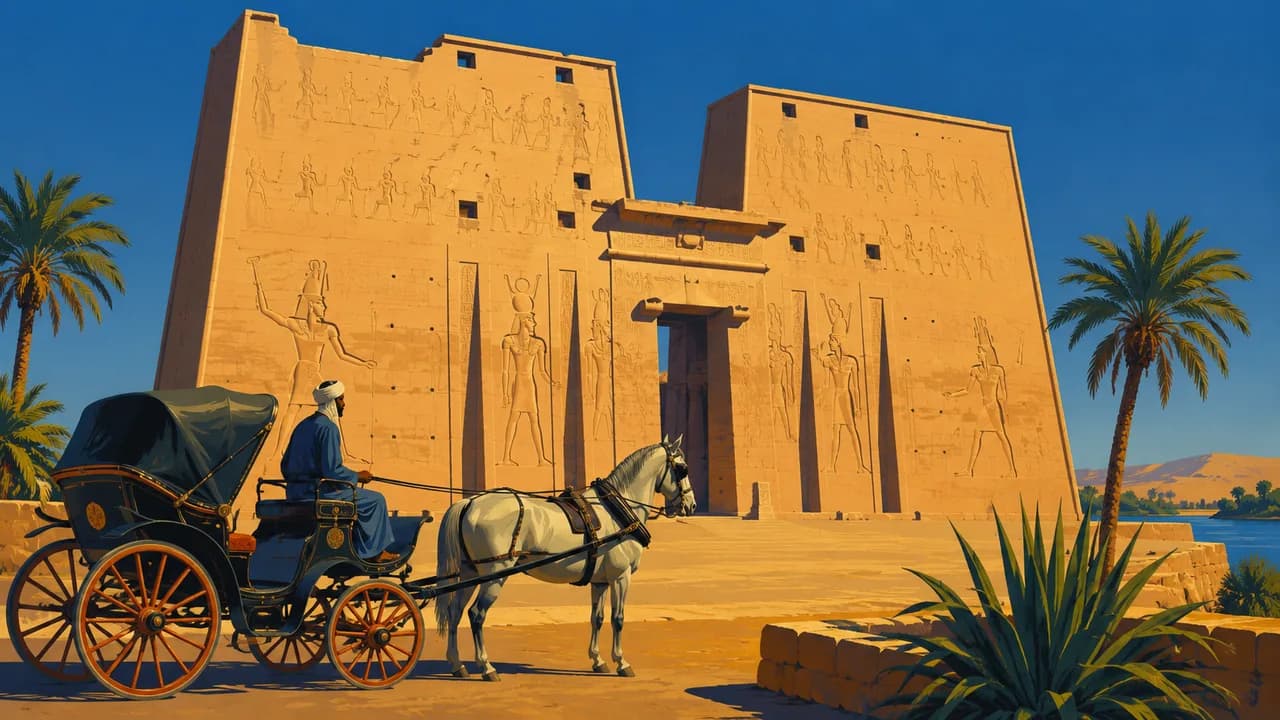
Luxor encompasses Karnak, Luxor Temple and the tombs of the Valley of the Kings. Nile journeys between Luxor and Aswan connect agricultural riverbanks with temples at Edfu and Kom Ombo. Aswan adds Philae and living Nubian language, crafts and musical traditions. Abu Simbel, farther south beside Lake Nasser, requires a separate journey rather than an ordinary Nile-cruise stop.
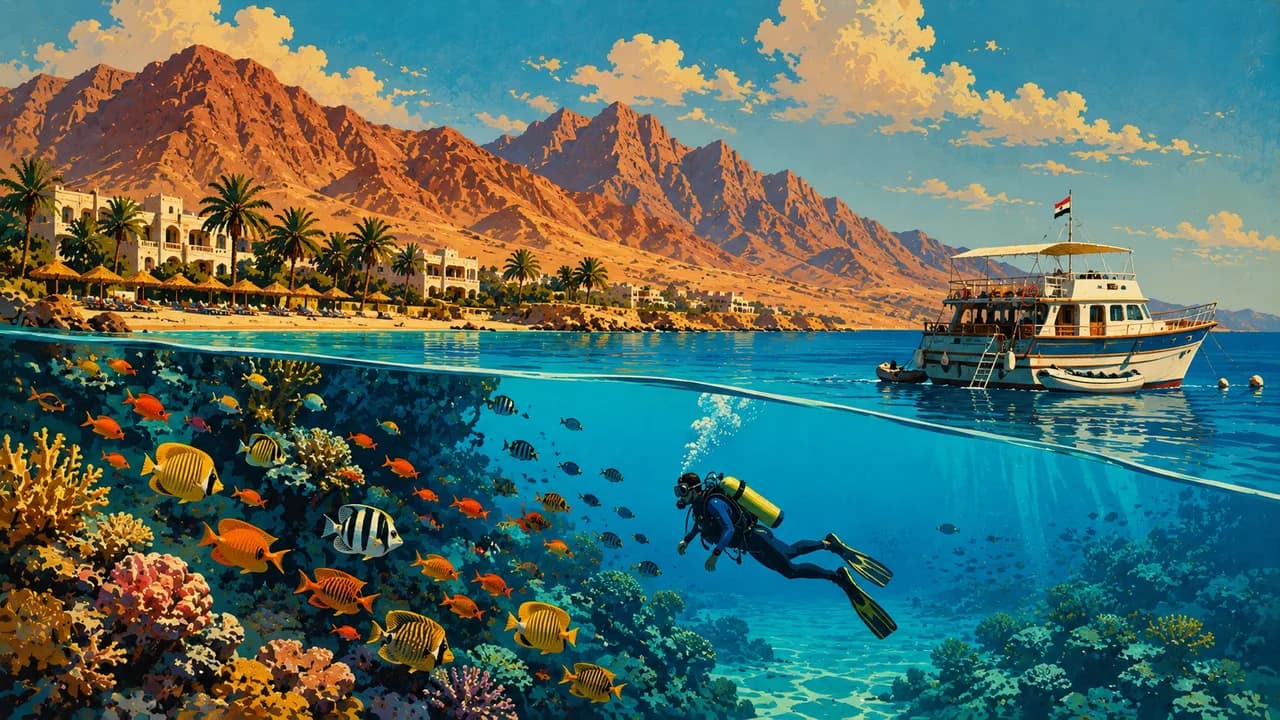
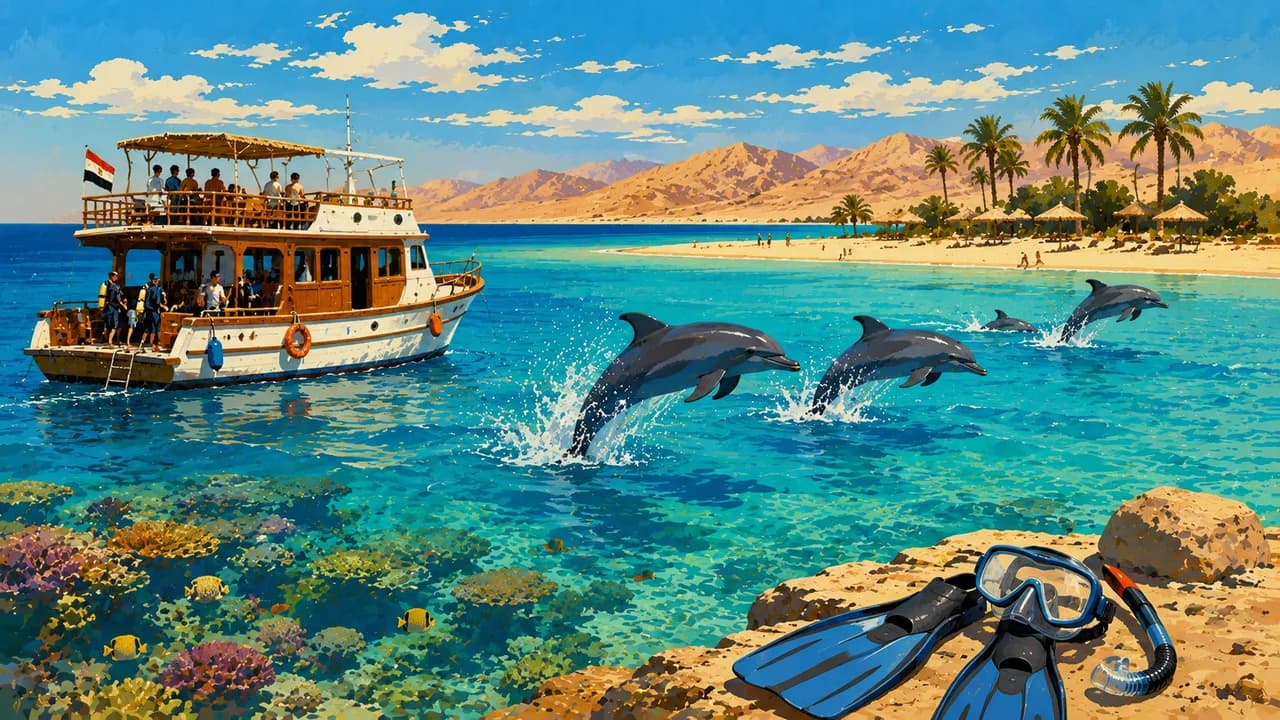
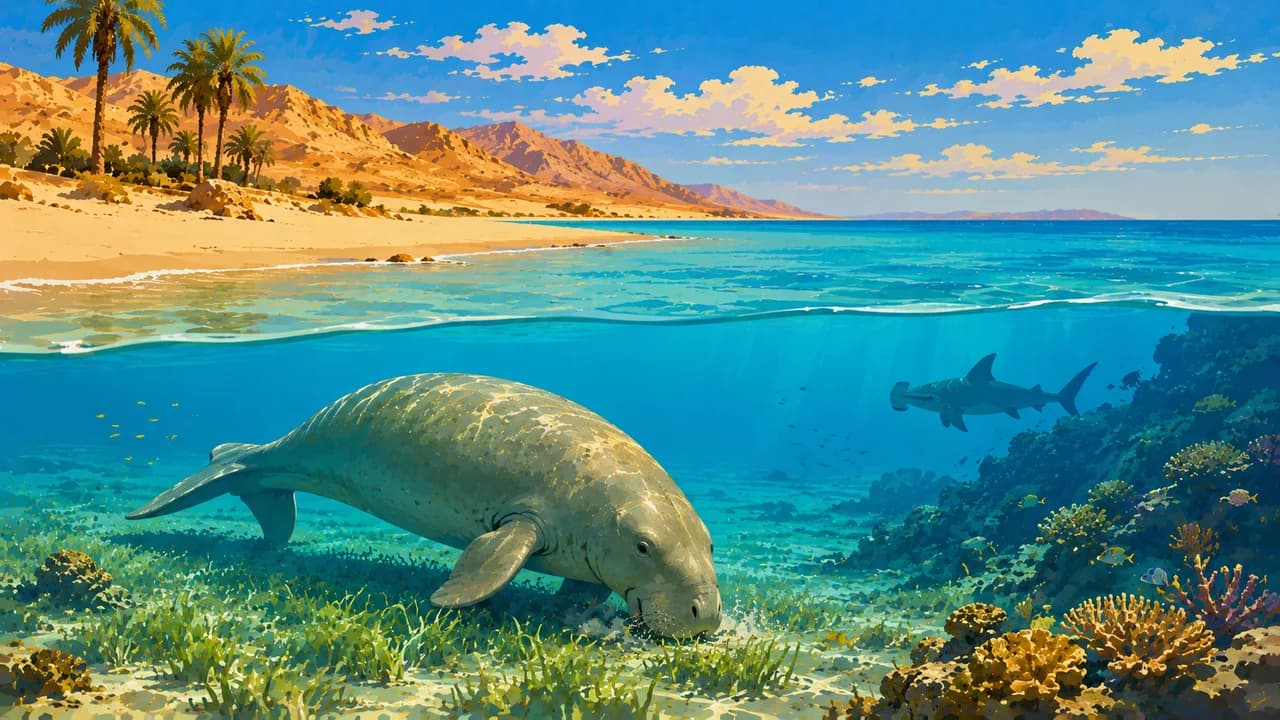
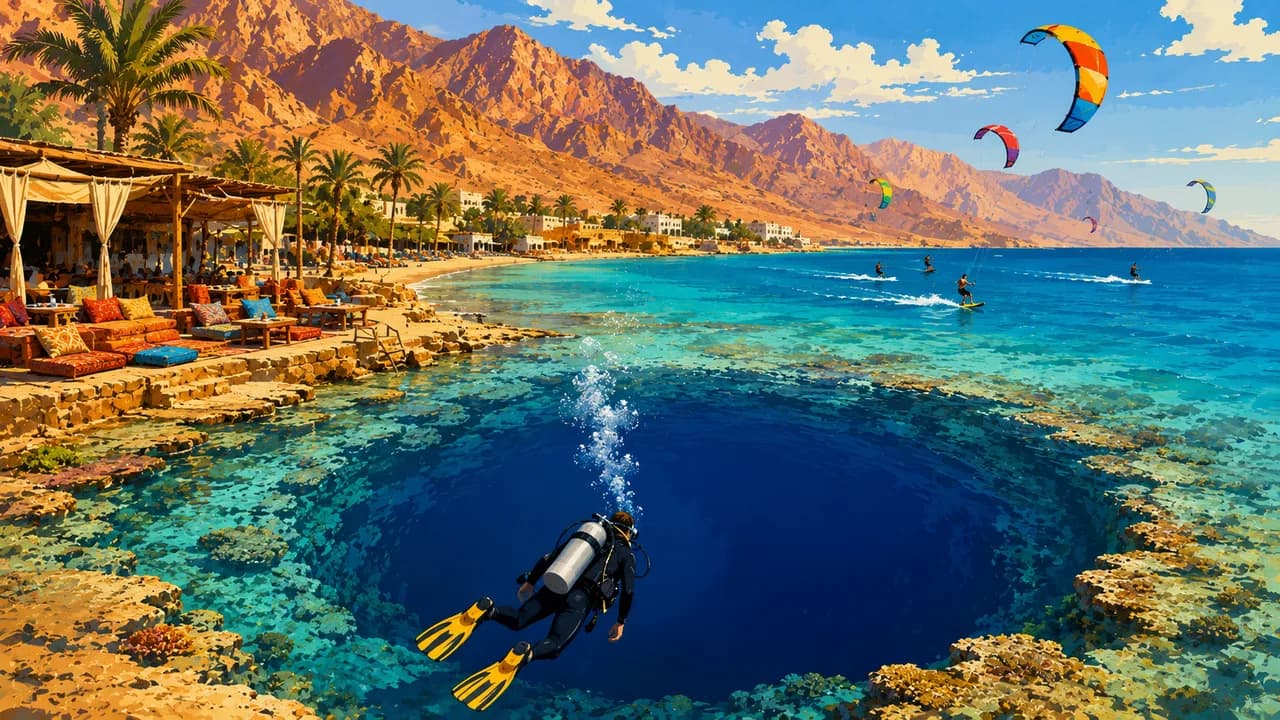
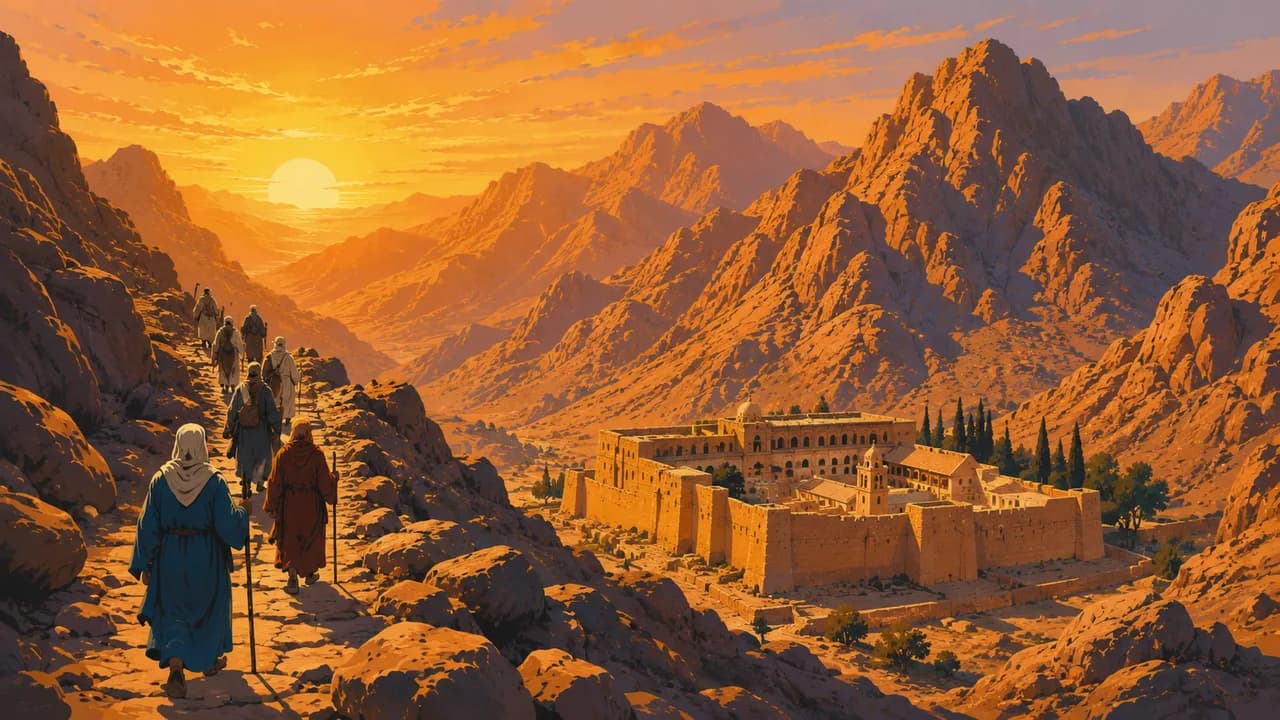
Hurghada, El Gouna and Marsa Alam represent contrasting Red Sea coastal settings, with reefs and diving shaped by weather, currents and conservation rules. Sharm El Sheikh, Dahab, Nuweiba and Taba line the Gulf of Aqaba side of southern Sinai. Inland, Saint Catherine combines mountain landscapes with an ancient monastery and Bedouin cultural traditions.
Fayoum brings cultivated landscapes, lakes and nearby Wadi Al-Hitan’s fossil-whale heritage. Bahariya Oasis and White Desert National Park introduce oasis life and wind-shaped chalk formations. Dakhla Oasis and Kharga Oasis add agricultural settlements and historic monuments. Siwa Oasis has distinctive Amazigh language and traditions, date palms and salt lakes. Desert access depends on permits, local arrangements and security restrictions.
Koshari, ful medames, taameya and bread accompany regional fish dishes and diverse family cooking. Markets, textiles, pottery and religious celebrations broaden the picture beyond antiquities. Cooler months often suit Nile monuments and desert landscapes. Red Sea swimming conditions vary with wind and season, while Sinai’s high mountains can be cold even when coastal resorts are warm.
Germany’s Federal Foreign Office currently issues a partial travel warning, including northern Sinai, specified border areas and remote Sahara regions. It also advises against unaccompanied individual excursions and overland trips in southern Sinai. Consult current official advice before choosing desert routes, mountain trips or marine operators.
AI edited
- 27
- Governorates Egypt is divided into 27 governorates. They include urban, rural and frontier administrative areas.
- ≈ 118.4 million
- Population UN World Statistics Pocketbook 2025 projected estimate of 118.366 million, using the medium-fertility variant. This dated UN estimate is not a current census count and can differ from national population series.
- ≈ 1 million km²
- Area Rounded surface area from the UN World Statistics Pocketbook 2025. Its 2023 area reference is 1,002,000 km², including the Sinai Peninsula.
- Arabic
- Language Arabic is the official language. Egyptian Arabic is widely used in everyday conversation.
- Nubian and Siwi
- Other languages Nubian languages and Siwi, an Amazigh language, form part of Egypt’s linguistic diversity. English and other foreign languages are used to varying degrees in tourism.
- Egyptian pound (EGP)
- Currency The national currency is the Egyptian pound, identified by EGP. Payment methods and cash requirements differ by provider and location.
- C · F
- Socket types Types C and F sockets. Electrical Safety First lists a supply of 220 V at 50 Hz. Check device compatibility and adapter requirements.
- Cairo
- Capital Cairo is the capital. The page clock shows local time using Africa/Cairo, including seasonal changes.
- Right-hand traffic
- Driving side Traffic drives on the right. Road conditions, checkpoints and driving practices require careful journey planning.
- UTC+2 / UTC+3
- Time zone Cairo follows UTC+2 in winter and UTC+3 during summer time. Egypt’s seasonal change dates differ from those used in much of Europe.
- 6
- UNESCO cultural sites UNESCO lists six cultural World Heritage properties and the natural property Wadi Al-Hitan. Serial properties count as inscriptions rather than individual monuments. Siwa is on the Tentative List, not an inscribed World Heritage site.
Egypt on the map

Map data: geoBoundaries (CC BY 4.0), © OpenStreetMap contributors (ODbL), Natural Earth
Climate and best time to travel
Cooler months from October to April often suit cities, Nile monuments and permitted desert excursions. Summer heat is particularly intense in the south and inland. The Mediterranean coast has milder winters with some rain. Red Sea conditions depend on wind, water temperature and the activity, with spring and autumn often balancing warmth and comfort. Sinai’s high mountains can be cold in winter and require suitable preparation. Month ranges describe typical conditions, not guaranteed access, diving conditions or wildlife sightings. Germany’s Federal Foreign Office currently issues a partial travel warning for northern Sinai, specified border areas and remote Sahara regions. It advises against unaccompanied individual excursions and overland trips in southern Sinai. Check current advice and permits before selecting routes.
Destinations in Egypt
 AI generated
 AI generated
 AI generated
 AI generated
 AI generated
 AI generated
 AI generated
 AI generated
 AI generated
 AI generated
 AI generated
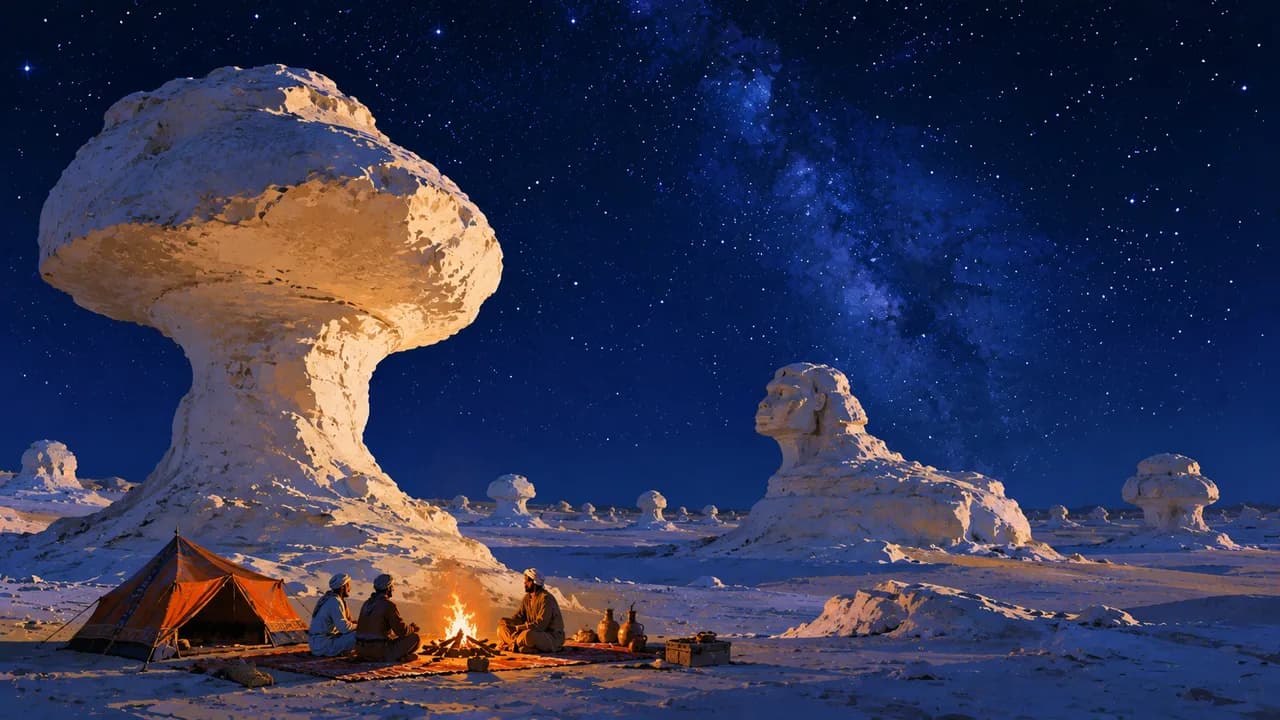 AI generated