Luxembourg
Lëtzebuerg
Fortified old towns, wooded valleys and vineyard slopes meet a multilingual culture and hearty regional cooking.
Worth coming back!
Wanderlama keeps growing with new destinations, helpful information and exciting features. Check back soon and discover what is new!
Travel to Luxembourg
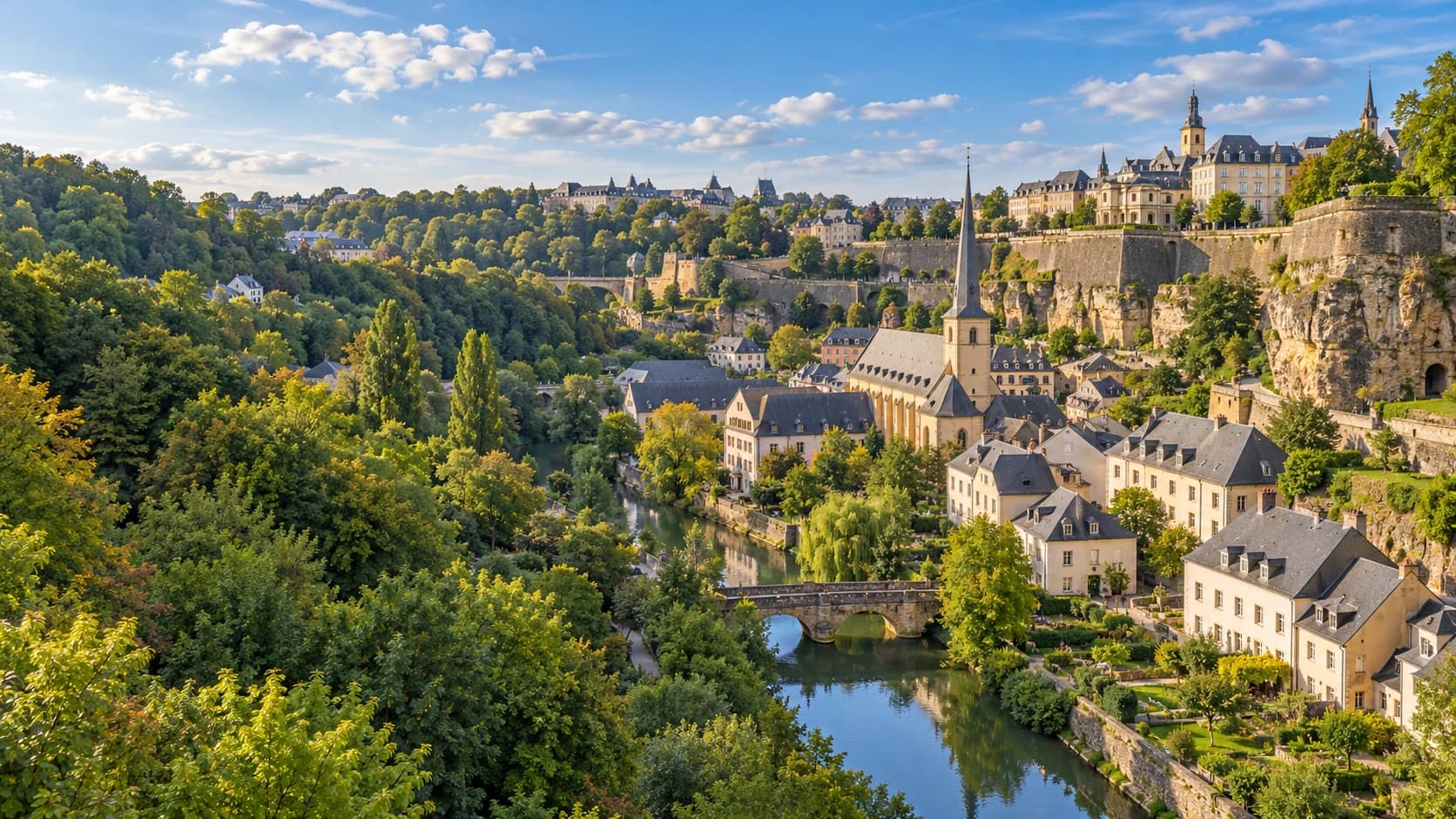
Luxembourg is a small, independent grand duchy between Belgium, France and Germany. Its wooded uplands, sandstone valleys, vineyard slopes and former industrial landscapes make it more varied than its size suggests. Luxembourgish, French and German shape public life, while international communities add further languages and traditions. The country combines a European outlook with distinctive local identities.
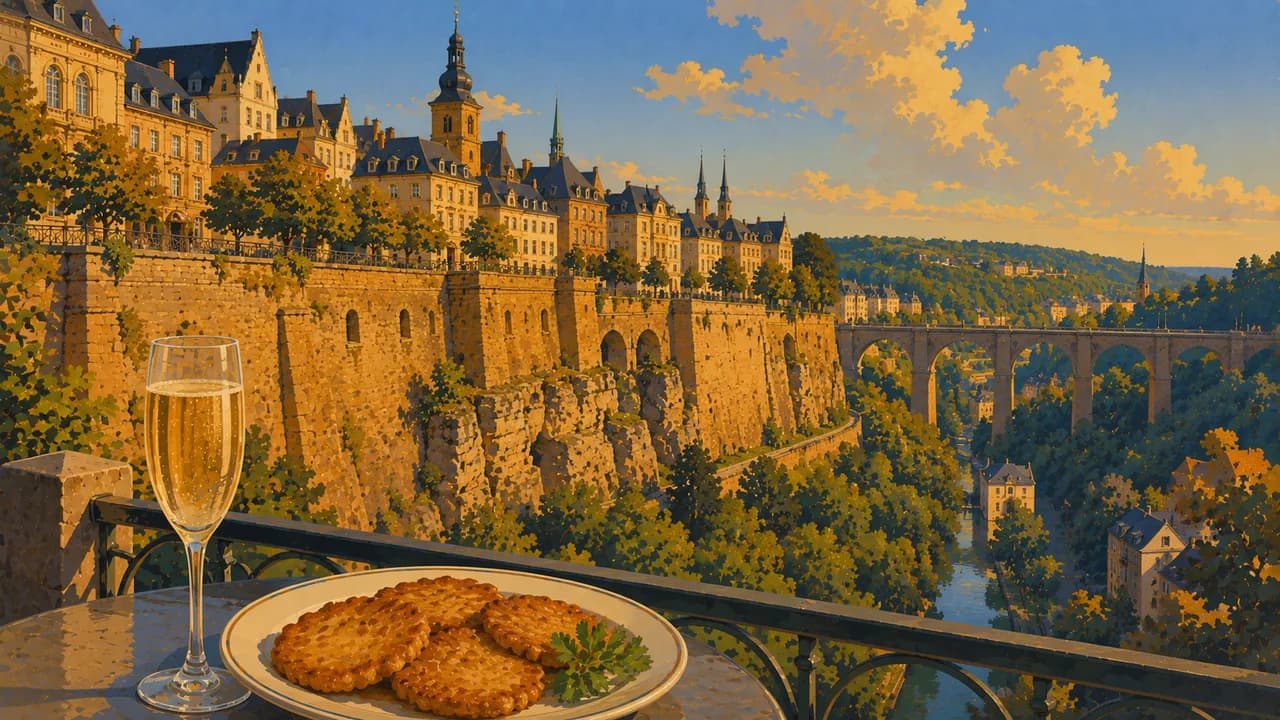
Luxembourg City rises above the Alzette and Pétrusse valleys, where bridges connect upper districts with riverside neighbourhoods such as the Grund. Its old quarters and fortifications form a UNESCO World Heritage site, with the Bock casemates recalling centuries of military engineering. Museums, contemporary architecture and cultural venues complement the historic streets, revealing a capital that is more than a fortress panorama.
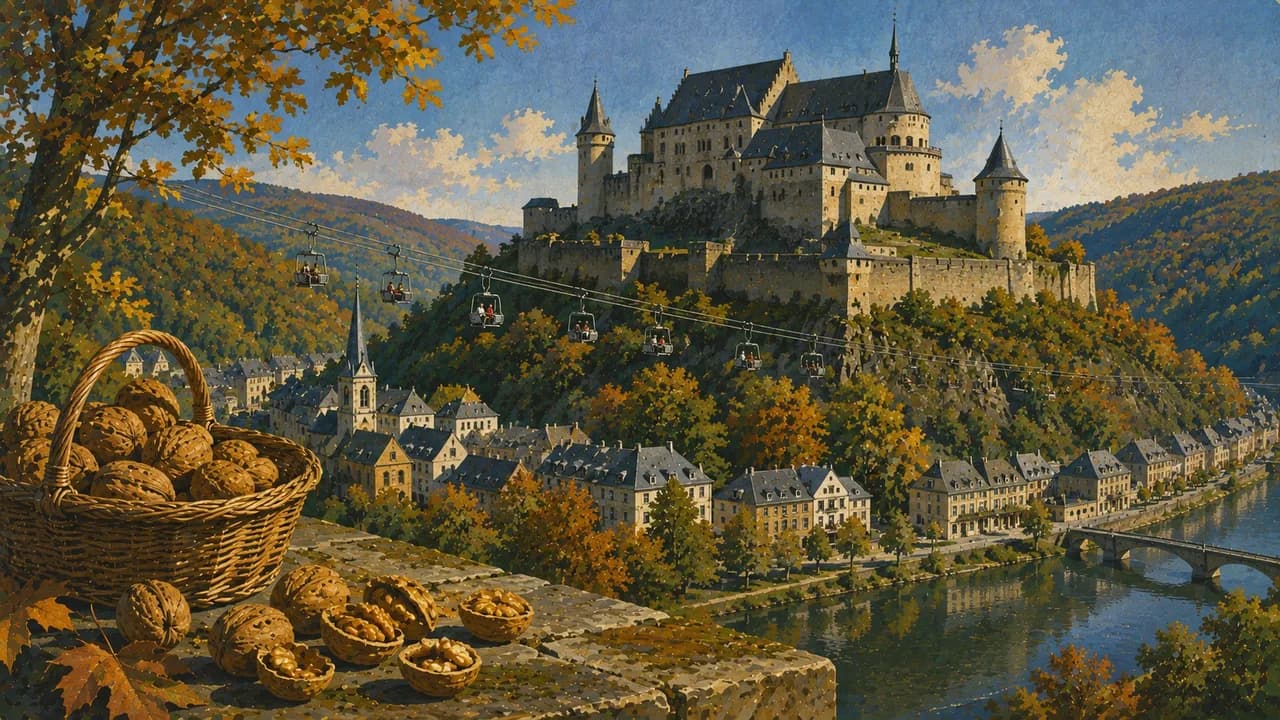
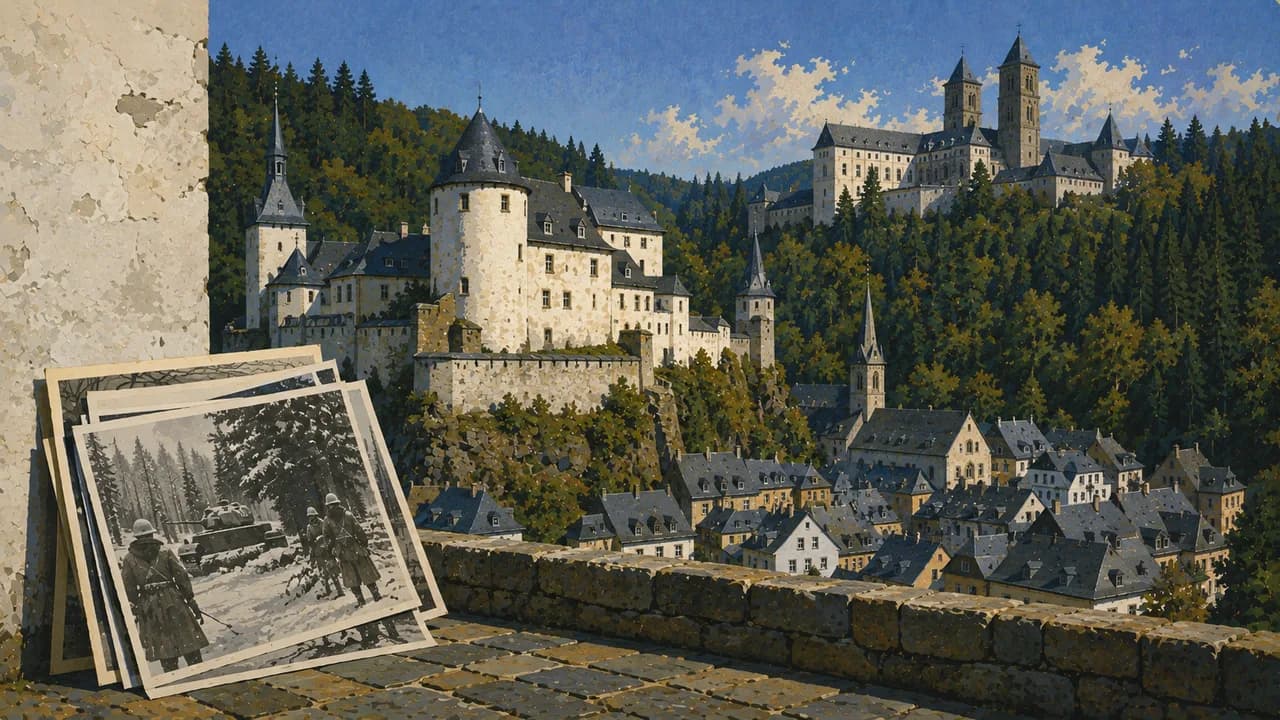
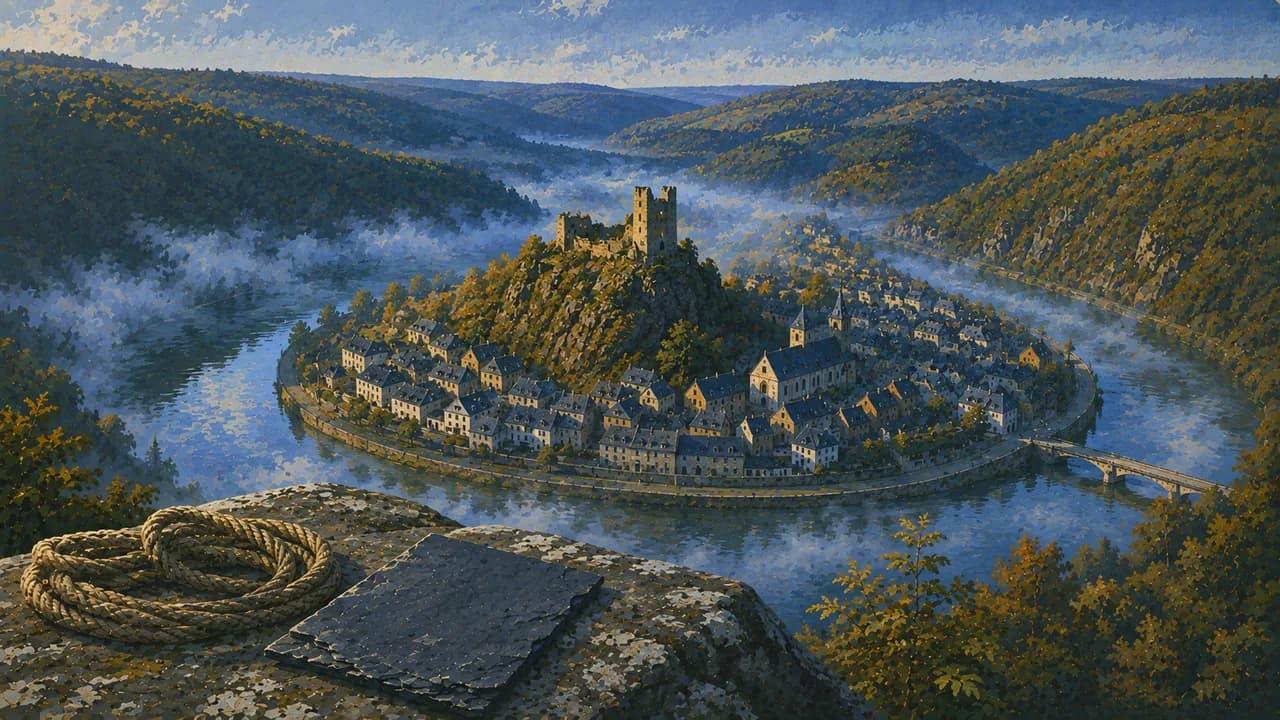
In the northern Éislek, wooded hills and river bends frame Vianden’s castle and the town below. Clervaux brings together its castle and The Family of Man photography exhibition, while Diekirch combines riverside streets with remembrance of the Second World War. Esch-sur-Sûre occupies a tight river bend beneath castle ruins, with the Upper Sûre reservoir and surrounding paths adding a quieter landscape for outdoor exploration.
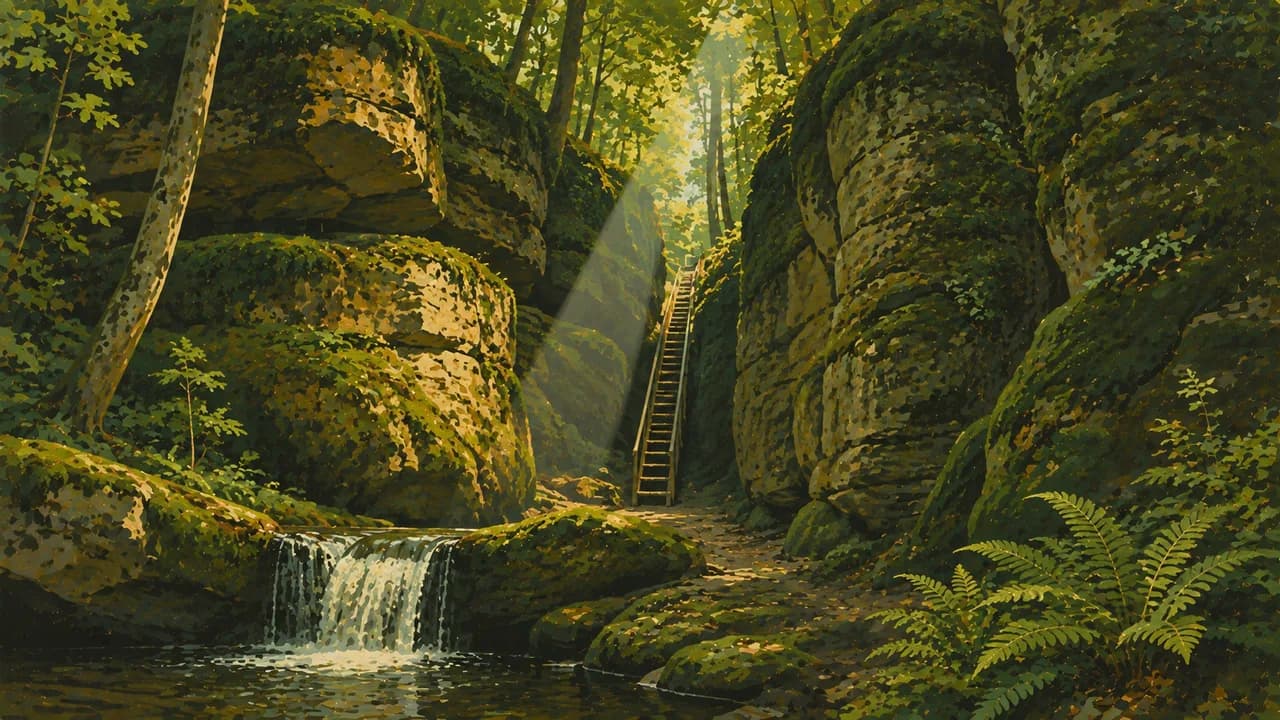
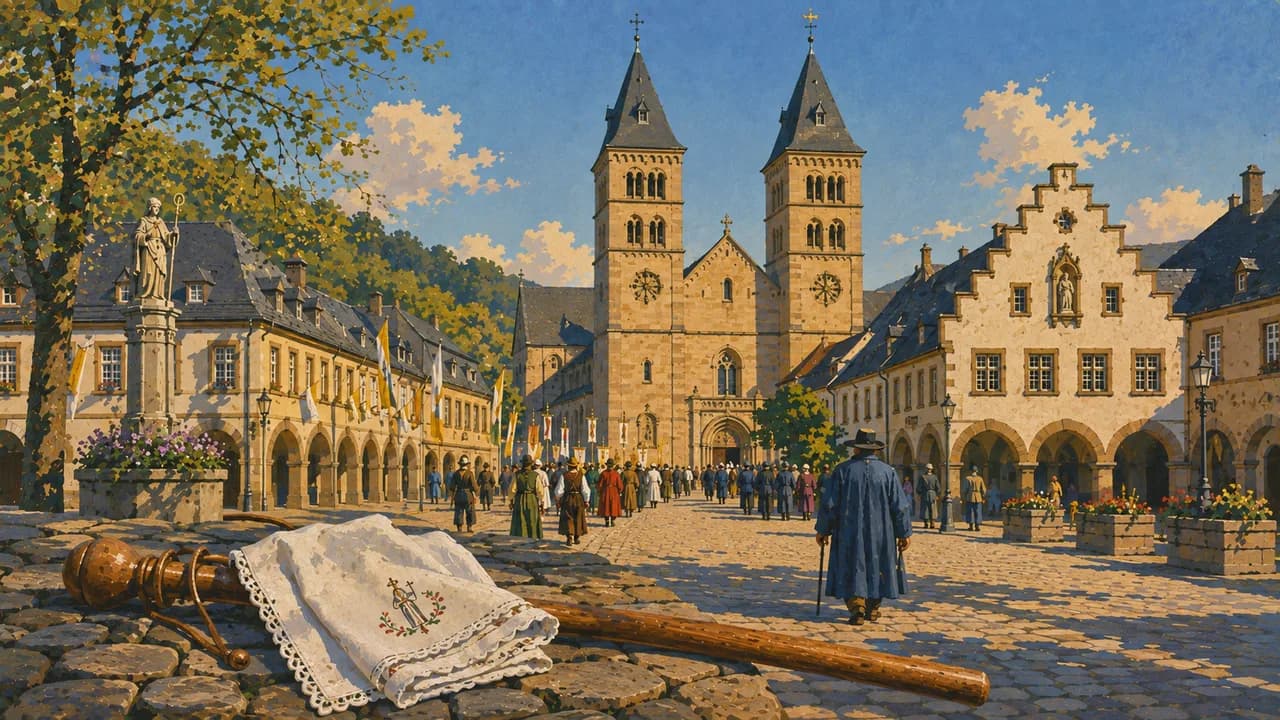
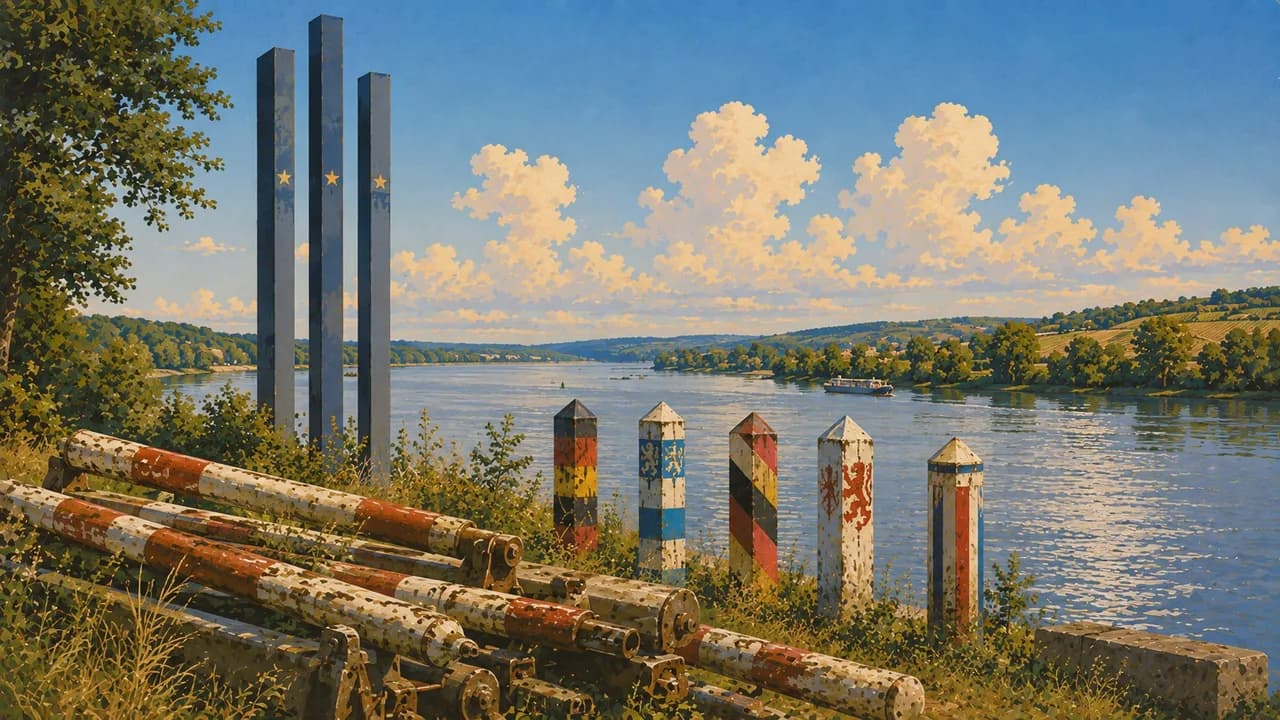
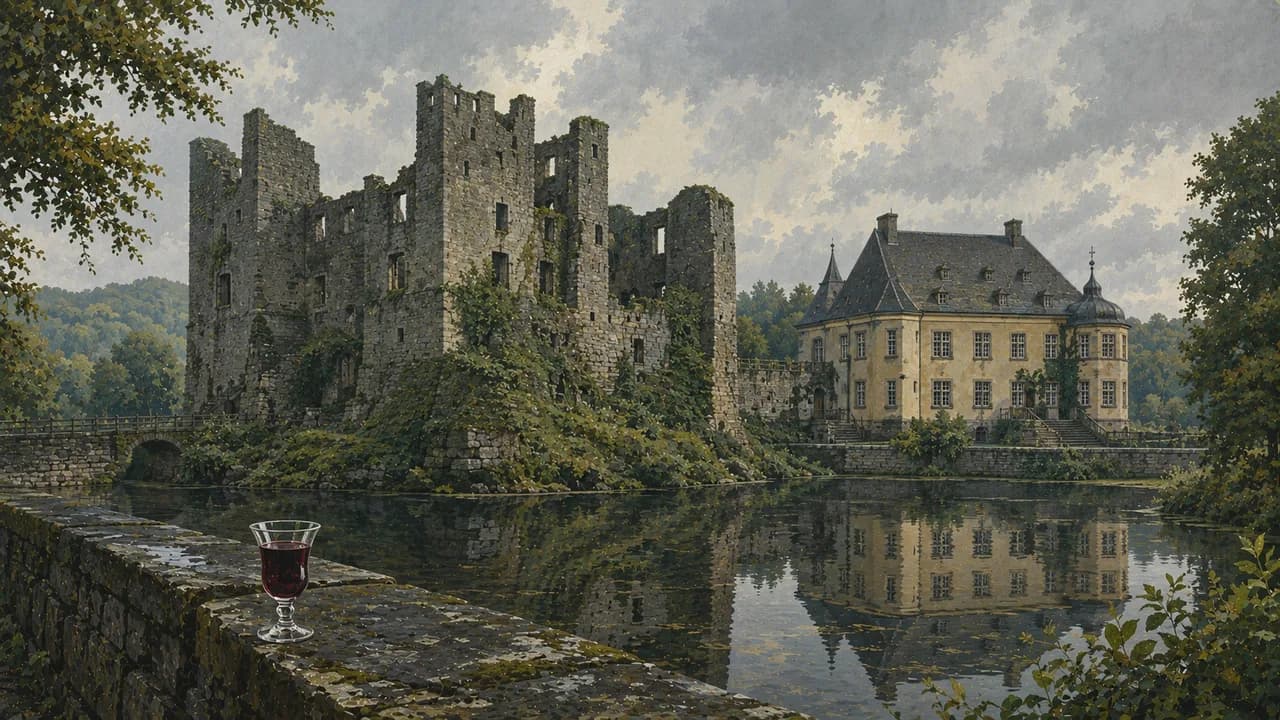
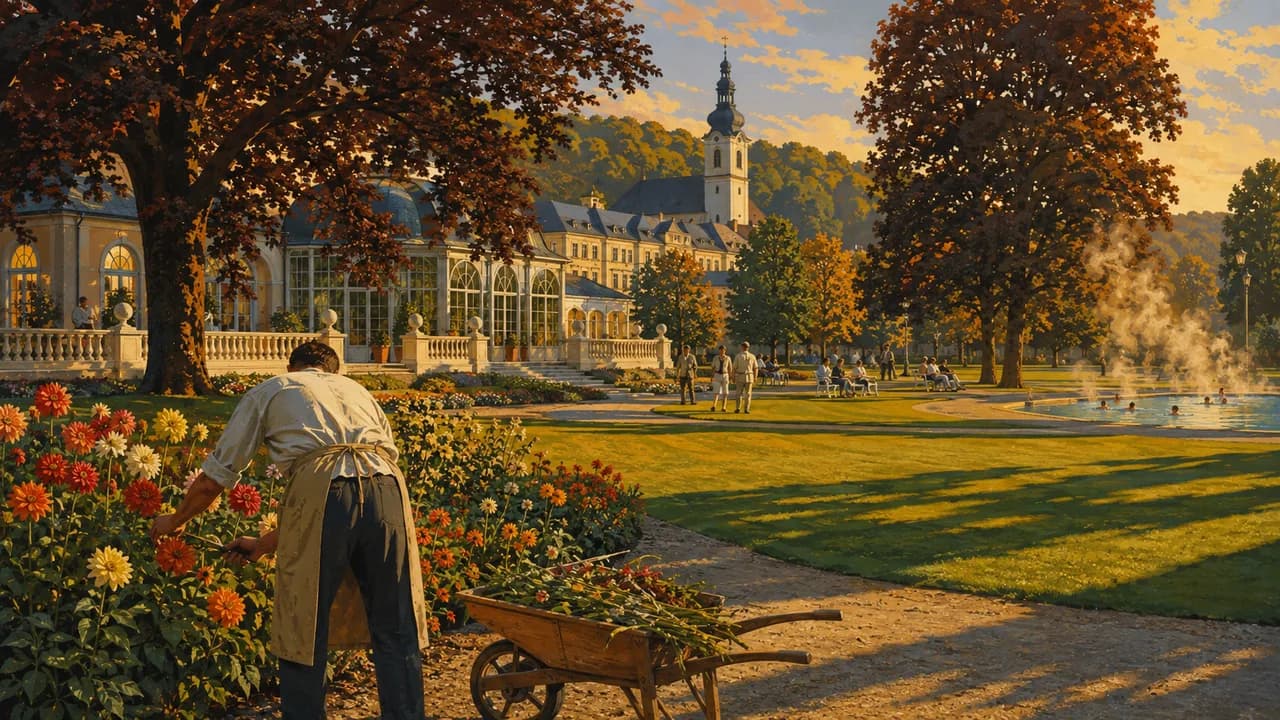
To the east, Echternach’s abbey heritage anchors the Mullerthal region, where forest trails weave between sandstone formations, narrow passages and streams. Beaufort adds contrasting medieval ruins and a later residence. Along the Moselle, Remich and Grevenmacher connect riverfront walks with vineyard country. Schengen gives the valley a European dimension through its association with open borders, while Mondorf-les-Bains offers thermal traditions and landscaped parkland.
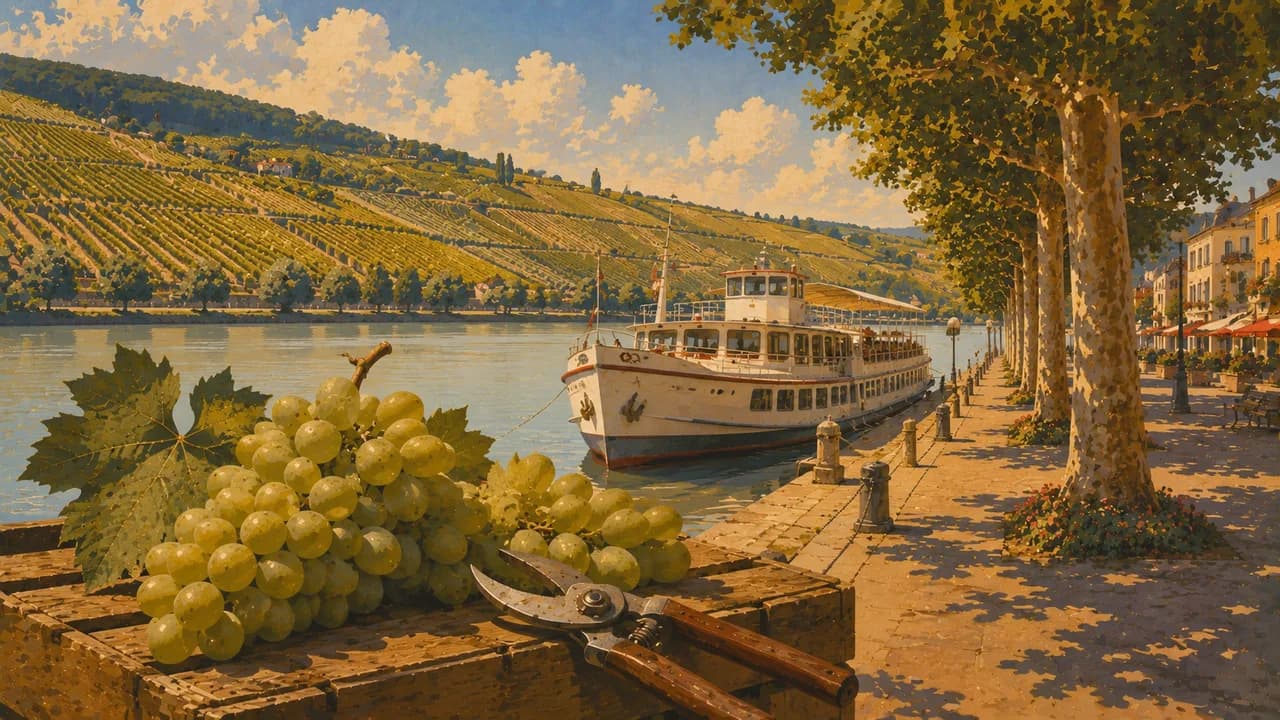
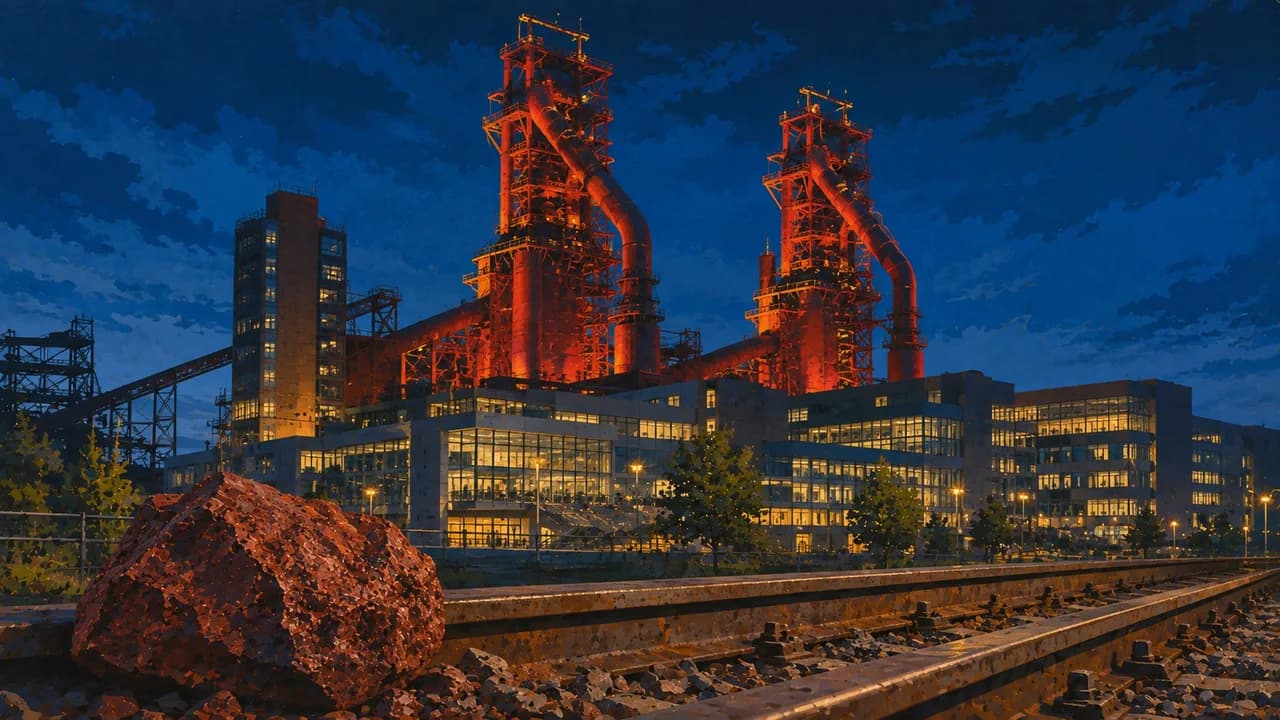
In the south, Esch-sur-Alzette and nearby Belval reveal the Minett’s mining and steelmaking past alongside cultural life and repurposed industrial structures. Guttland’s villages, orchards and rural paths offer another contrast to the capital and northern hills. Local flavours include Gromperekichelcher potato fritters, Kniddelen dumplings, bean soup and Moselle wines. Walking, cycling, museums and regional food provide complementary ways to explore, with weather and seasonal opening arrangements shaping individual visits.
AI edited
- 12
- Cantons Luxembourg has twelve cantons. They are territorial divisions without their own administrative structure, distinct from municipalities and tourism regions.
- ≈ 691,000
- Population STATEC recorded 690,959 residents on 1 January 2026. Rounded to 691,000, not a live population estimate.
- 2,586 km²
- Area National territory of the Grand Duchy of Luxembourg, according to the government country overview.
- Luxembourgish, French & German
- Languages Luxembourgish is the national language. Luxembourgish, French and German serve administrative and judicial functions. French is used for legislation.
- English & Portuguese
- Other languages English is widely used internationally and at work. Portuguese is an important community language. These do not replace the country’s three administrative languages.
- Euro (EUR)
- Currency Luxembourg uses the euro, with currency code EUR.
- C · F
- Socket types Types C and F, 230 V, 50 Hz. Check appliance compatibility. An adaptor does not convert voltage.
- Luxembourg City
- Capital Luxembourg City is the national capital. Its old quarters and fortifications form the UNESCO World Heritage property, not the entire country.
- Right-hand traffic
- Driving side Vehicles drive on the right. Follow local signs and priority rules.
- UTC+1 / UTC+2
- Time zone Central European Time in winter, UTC+1, and Central European Summer Time, UTC+2. Browser and home comparisons account for seasonal clock changes.
Luxembourg on the map

Map data: geoBoundaries (CC BY 4.0), © OpenStreetMap contributors (ODbL), Natural Earth
Climate and best time to travel
Luxembourg has a temperate climate with rain possible throughout the year. May to September offers a broad window for walking, cycling and vineyard landscapes. Spring and autumn also suit heritage visits. Northern hills tend to be cooler than the Moselle valley. Museums and regional food offer year-round options, subject to individual opening times.
Destinations in Luxembourg
 AI generated
 AI generated
 AI generated
 AI generated
 AI generated
 AI generated
 AI generated
 AI generated
 AI generated
 AI generated
 AI generated
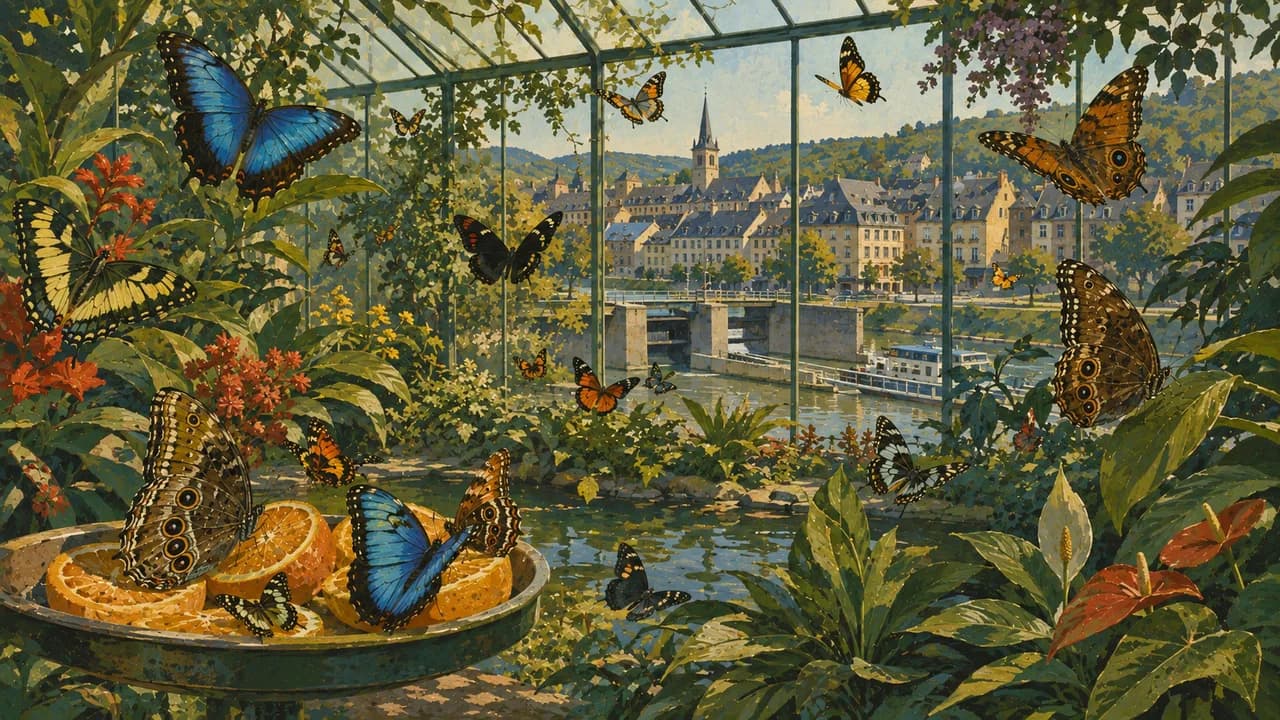 AI generated