Ireland
Éire
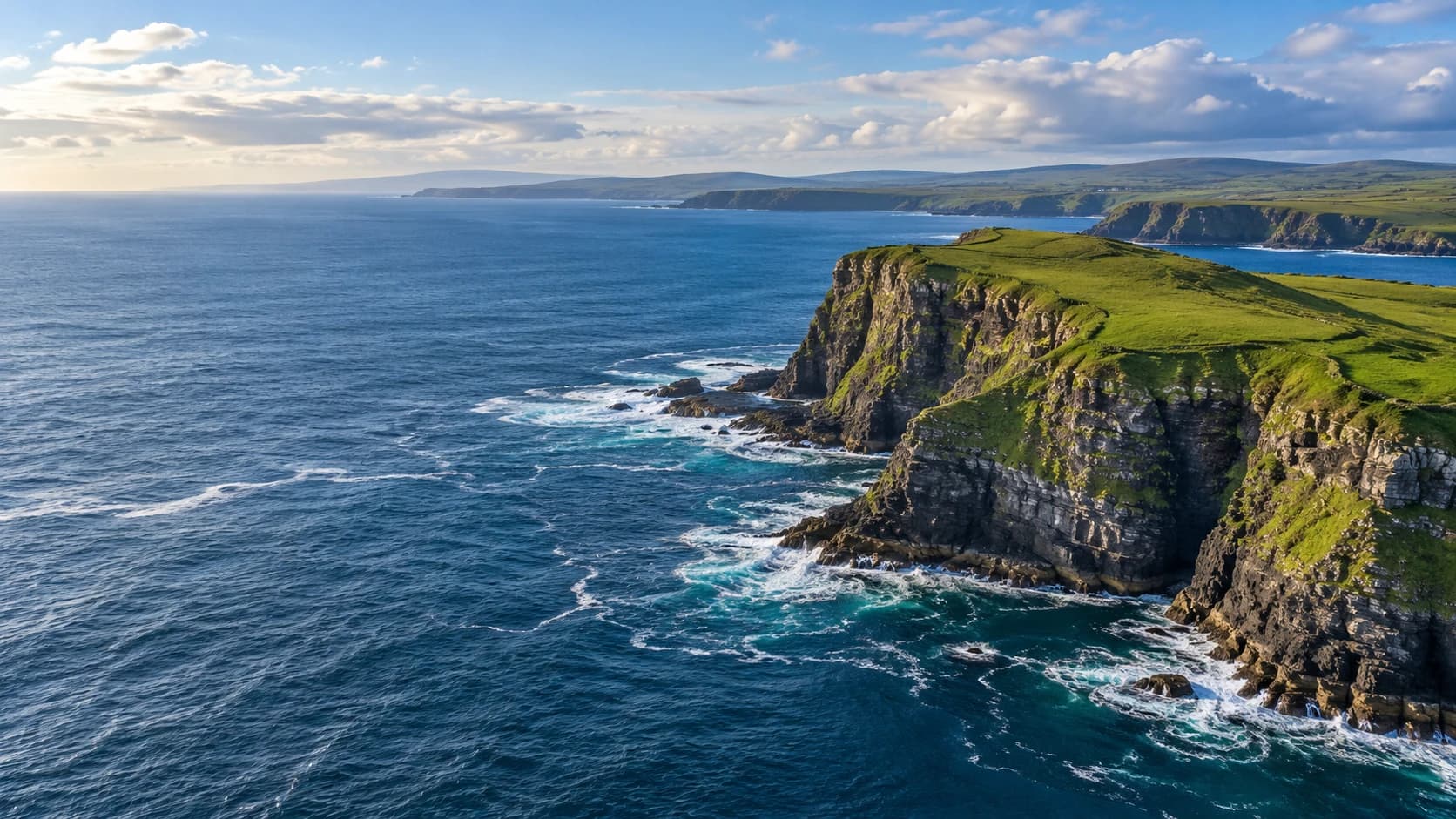
Atlantic cliffs, green valleys and stone monasteries meet lively cities, Irish-language culture and the music of village pubs.
Worth coming back!
Wanderlama keeps growing with new destinations, helpful information and exciting features. Check back soon and discover what is new!
Travel to Ireland
Ireland occupies most of the island of Ireland, while Northern Ireland forms part of the United Kingdom. Atlantic headlands, green farmland, lakes and mountain country frame lively cities and smaller communities. Irish and English are official languages, with Irish particularly visible in Gaeltacht areas. Literature, traditional music and local storytelling connect this varied landscape with a living cultural identity.
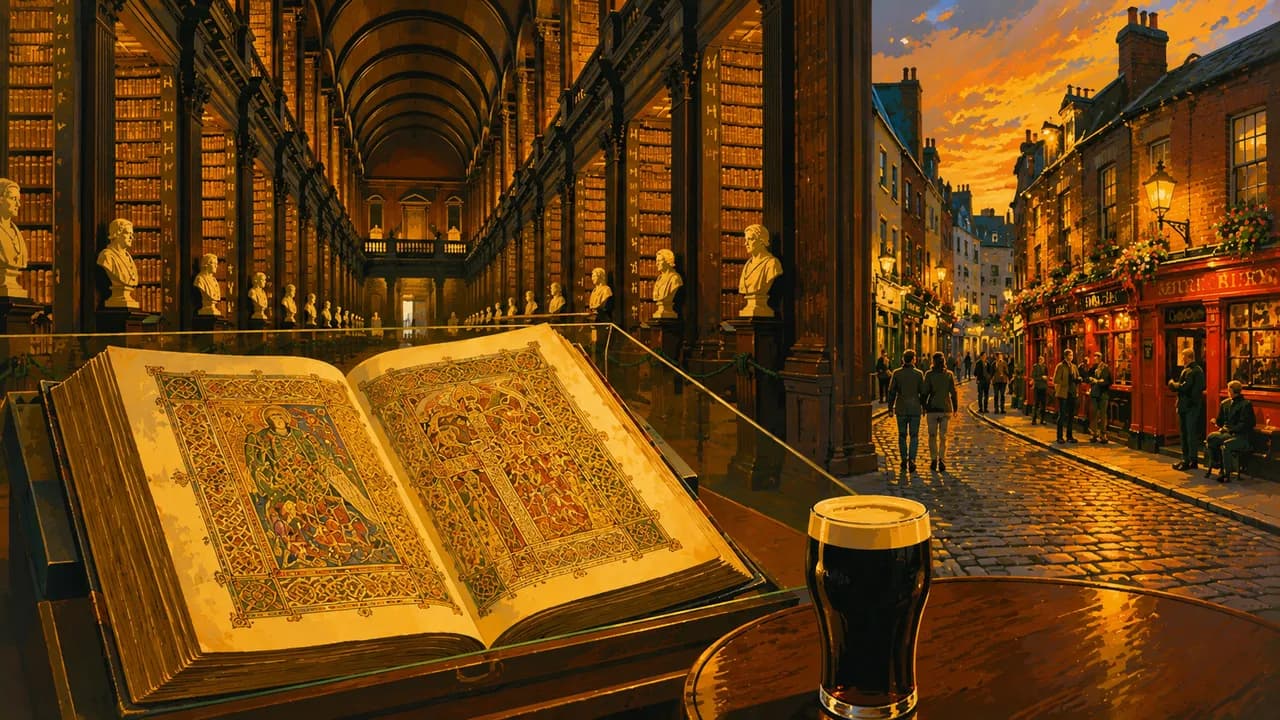
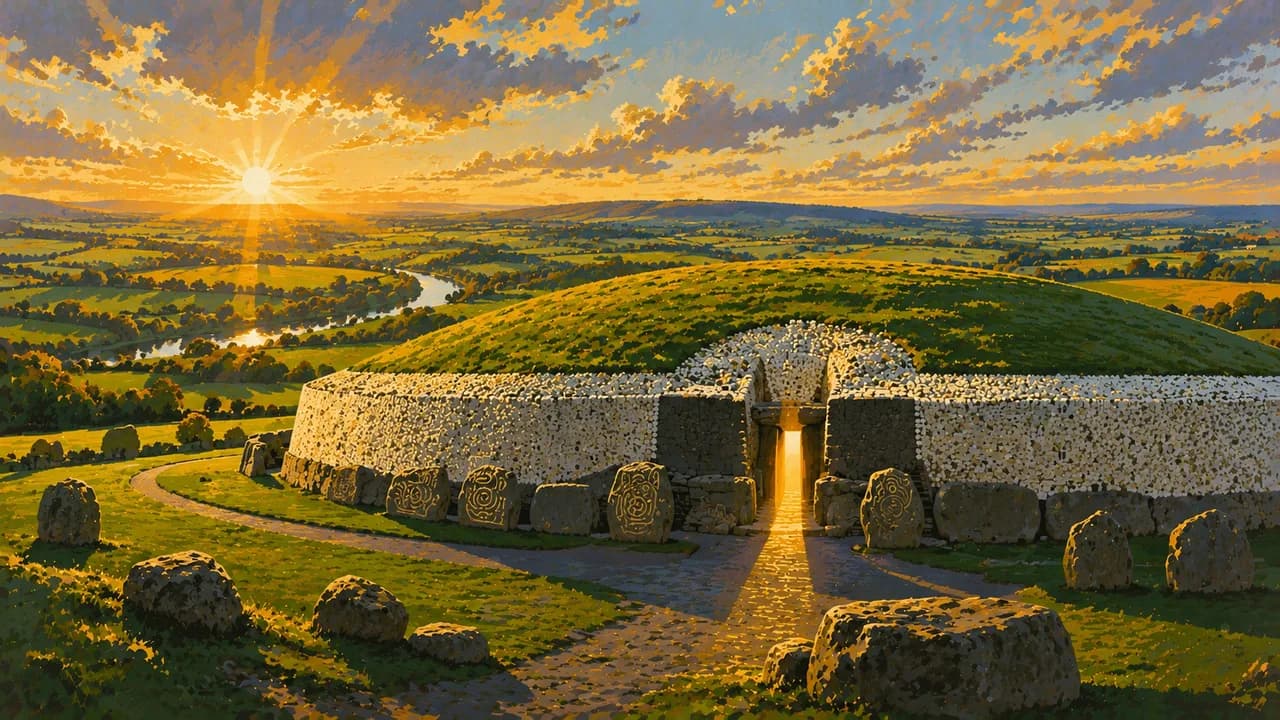
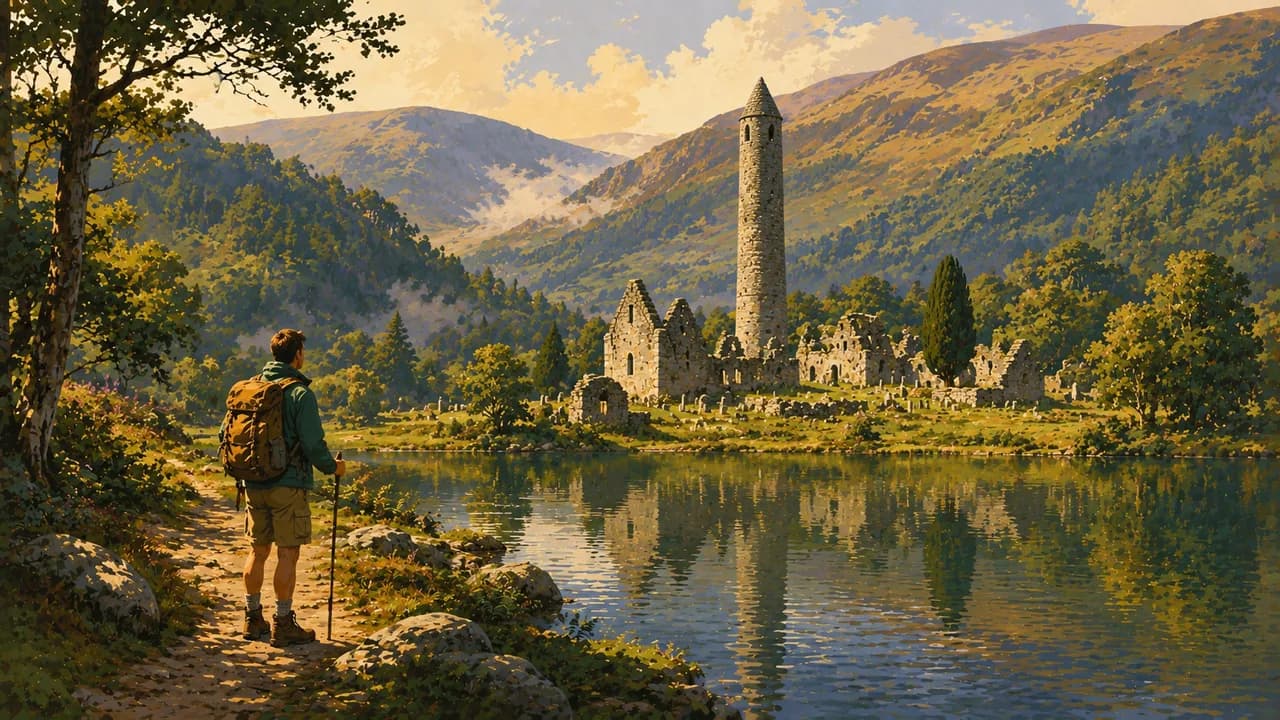
Dublin combines Georgian streets, museums and Trinity College’s Book of Kells with a strong literary tradition. Newgrange belongs to the prehistoric landscape of Brú na Bóinne, while Glendalough preserves monastic remains in a wooded Wicklow valley. Kilkenny adds medieval streets and a castle, and Waterford brings Viking foundations and a long glassmaking tradition to the southeast.
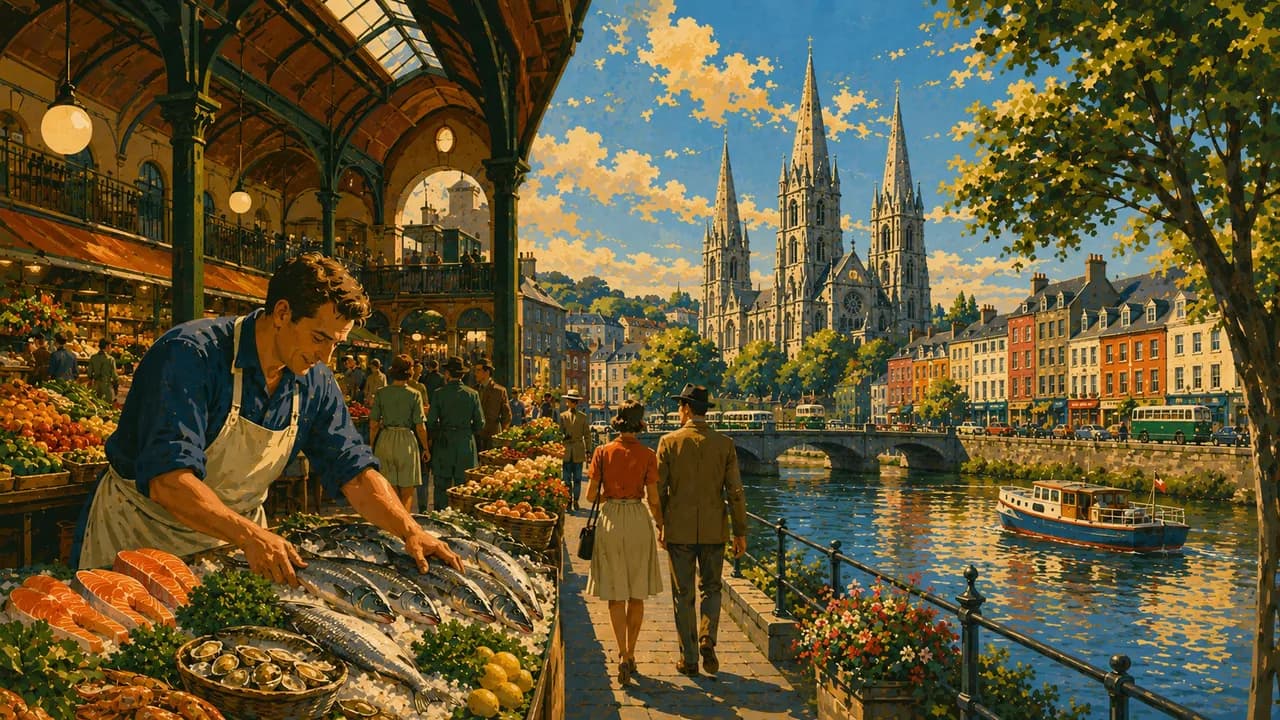
In the south, Cork mixes market culture and riverside streets, with Blarney’s castle and gardens nearby. Cobh explores harbour life and emigration, while Kinsale combines maritime heritage with a food scene shaped by the coast. Further west, Limerick’s Shannon waterfront and medieval heritage offer another perspective on Ireland’s cities, beyond the capital and the Atlantic touring routes.
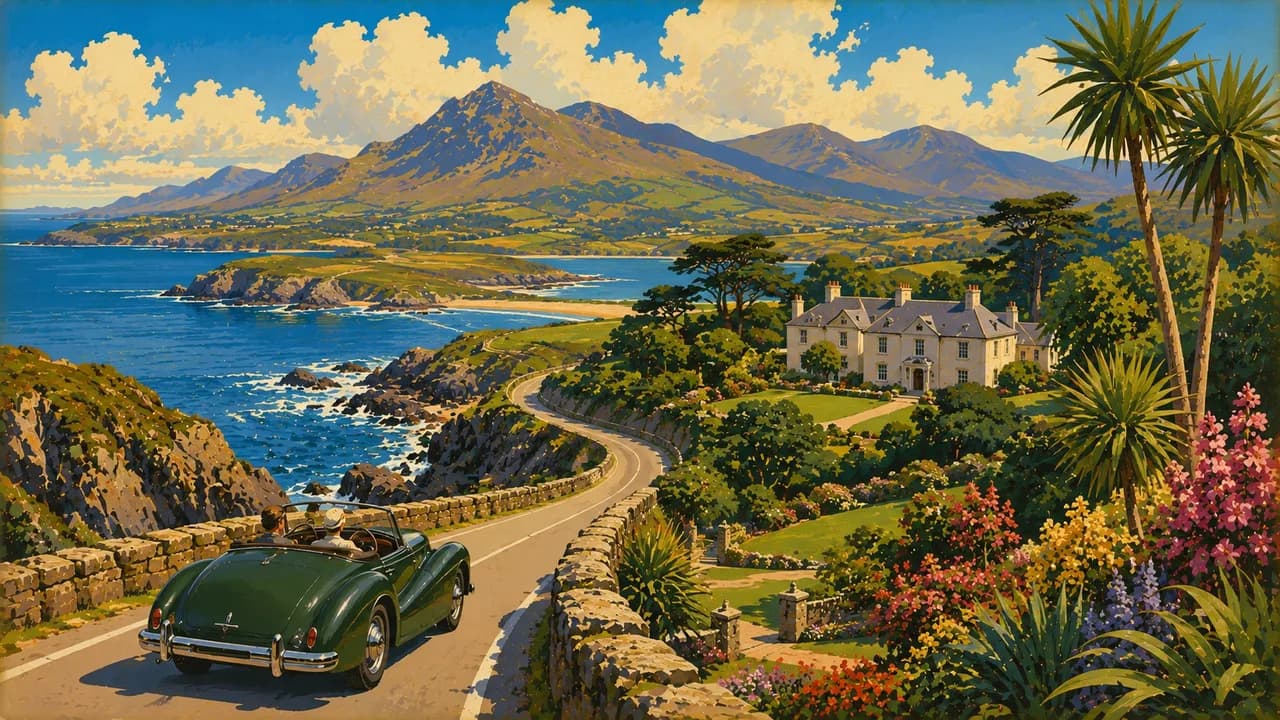
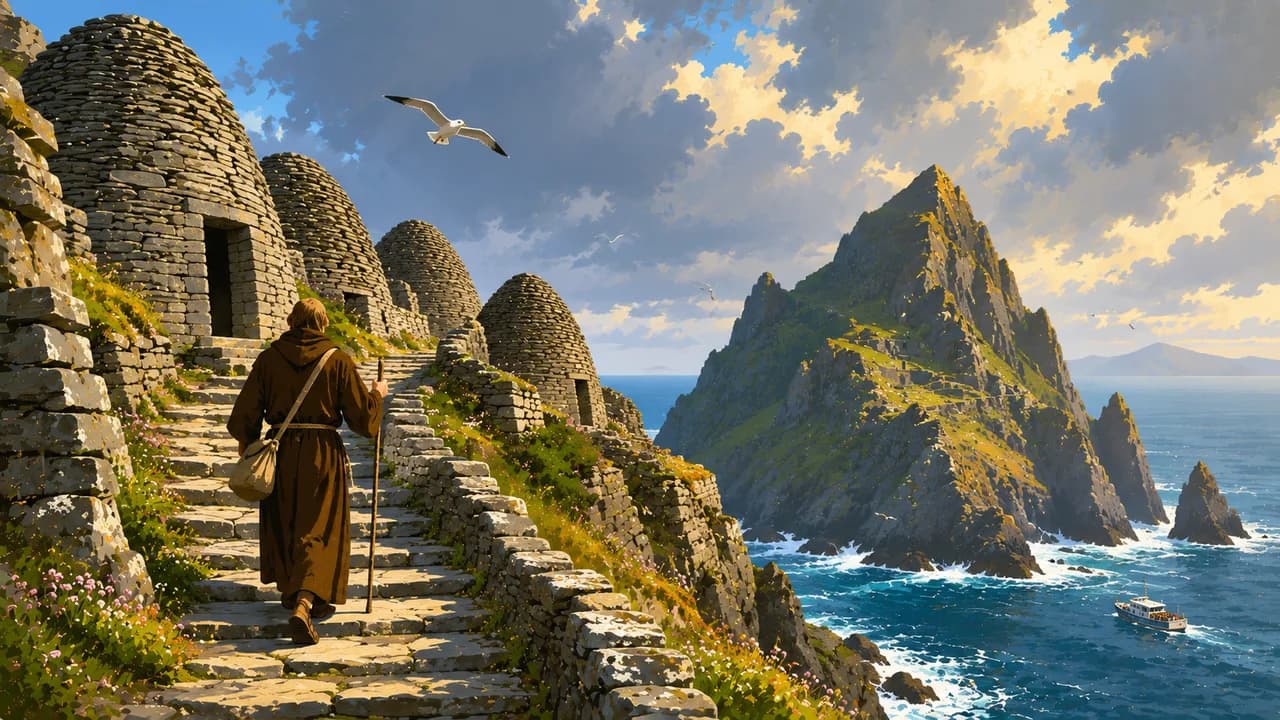
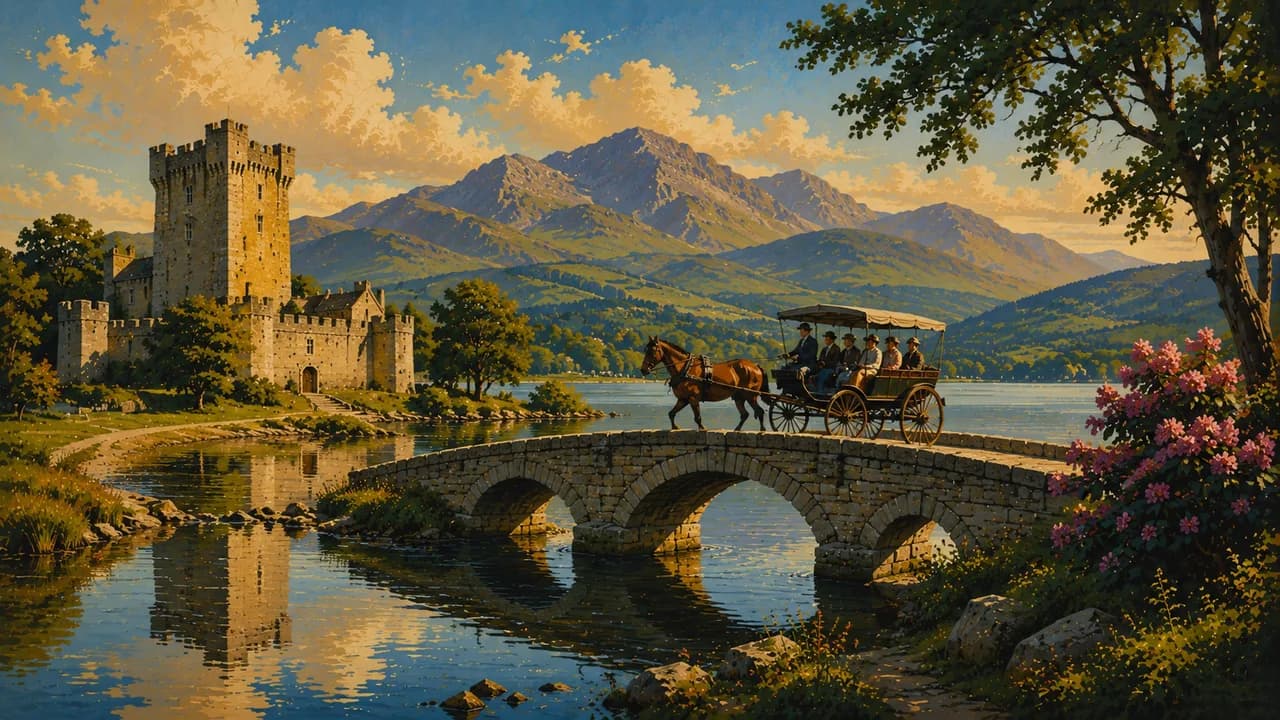
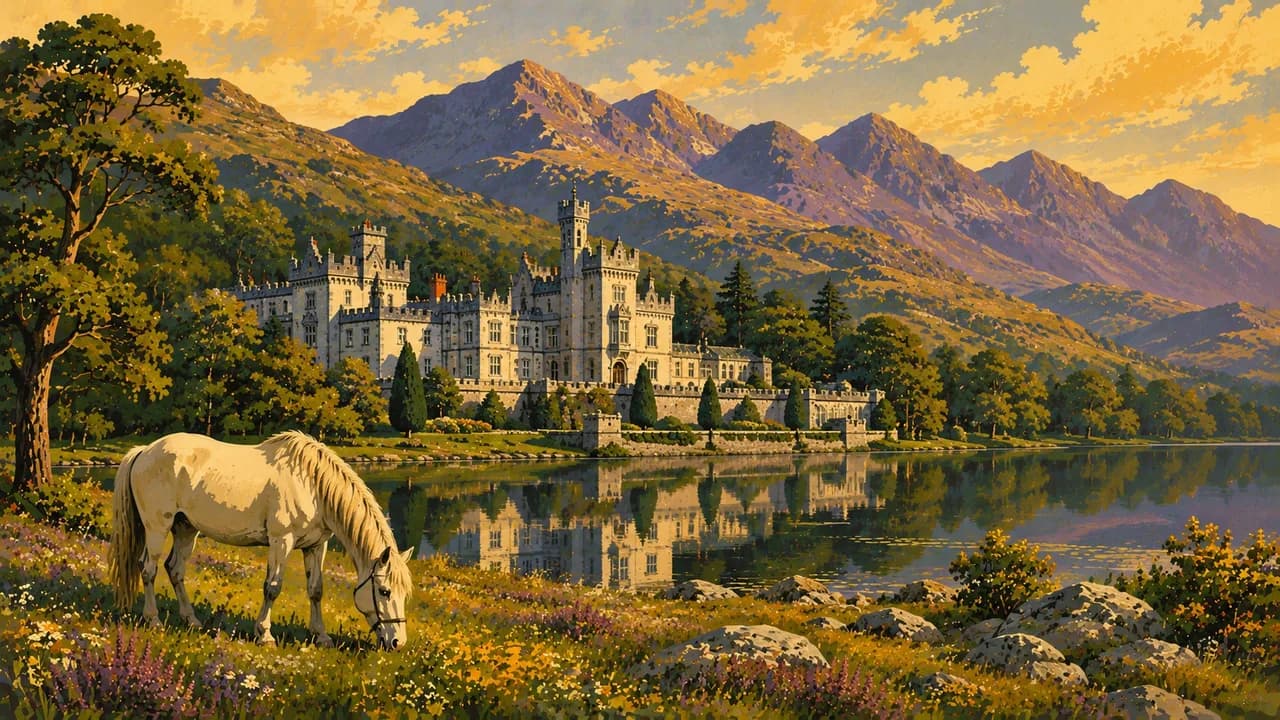
Killarney’s lakes and woodland introduce the landscapes of Kerry, with the Ring of Kerry linking mountain and coastal scenery. Dingle combines a colourful harbour town with a peninsula rich in archaeology and Irish-speaking communities. Offshore, Skellig Michael preserves an early monastic settlement on a steep rocky island. Its setting is remarkable, but visiting depends on seasonal access, sea conditions and conservation arrangements.
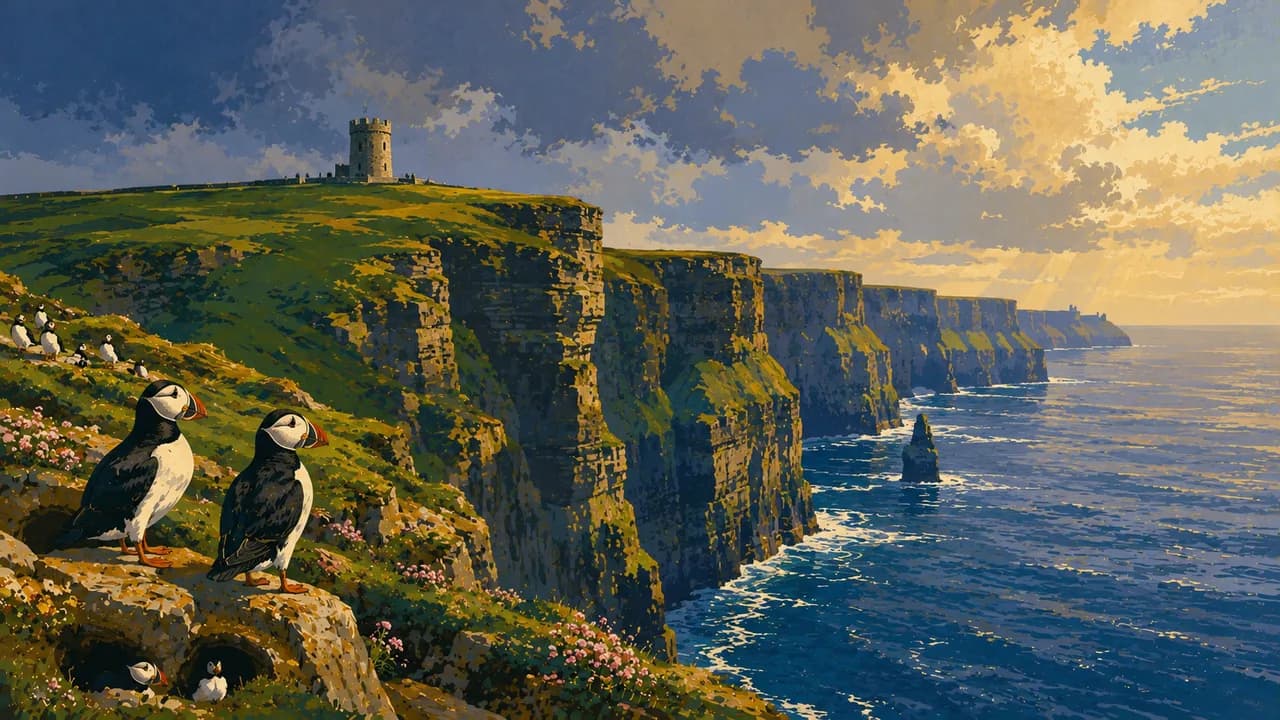
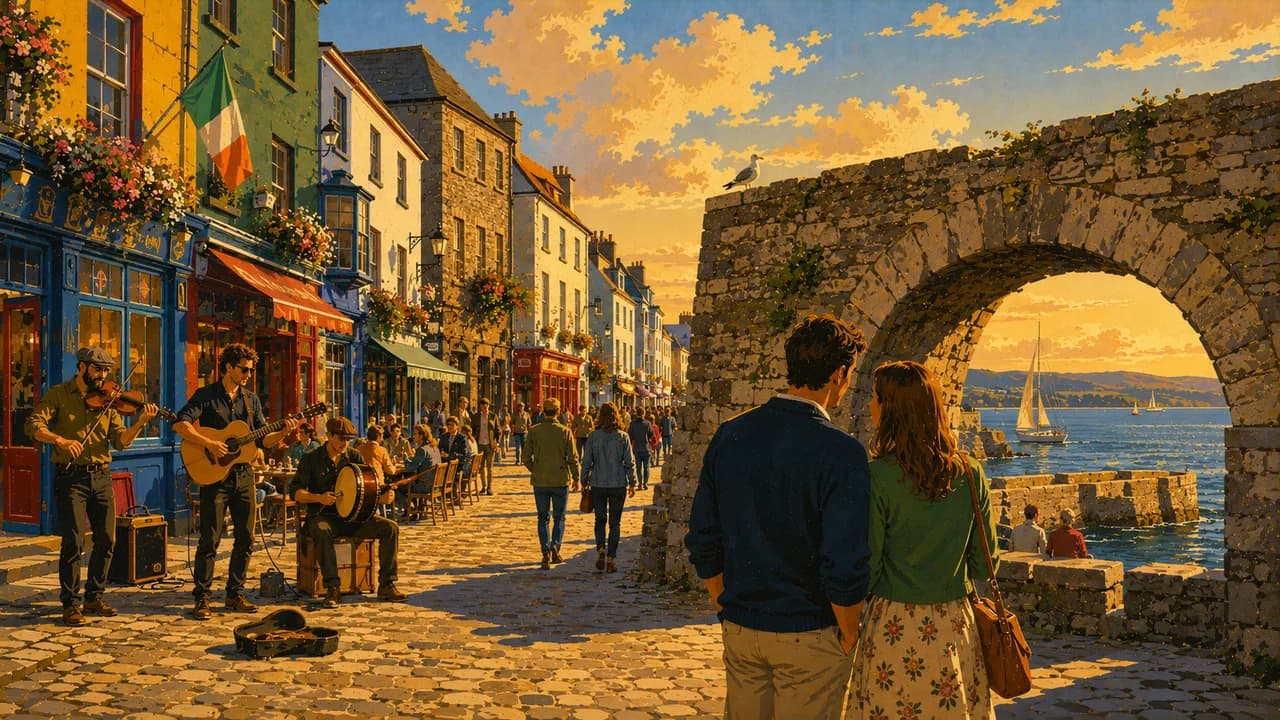
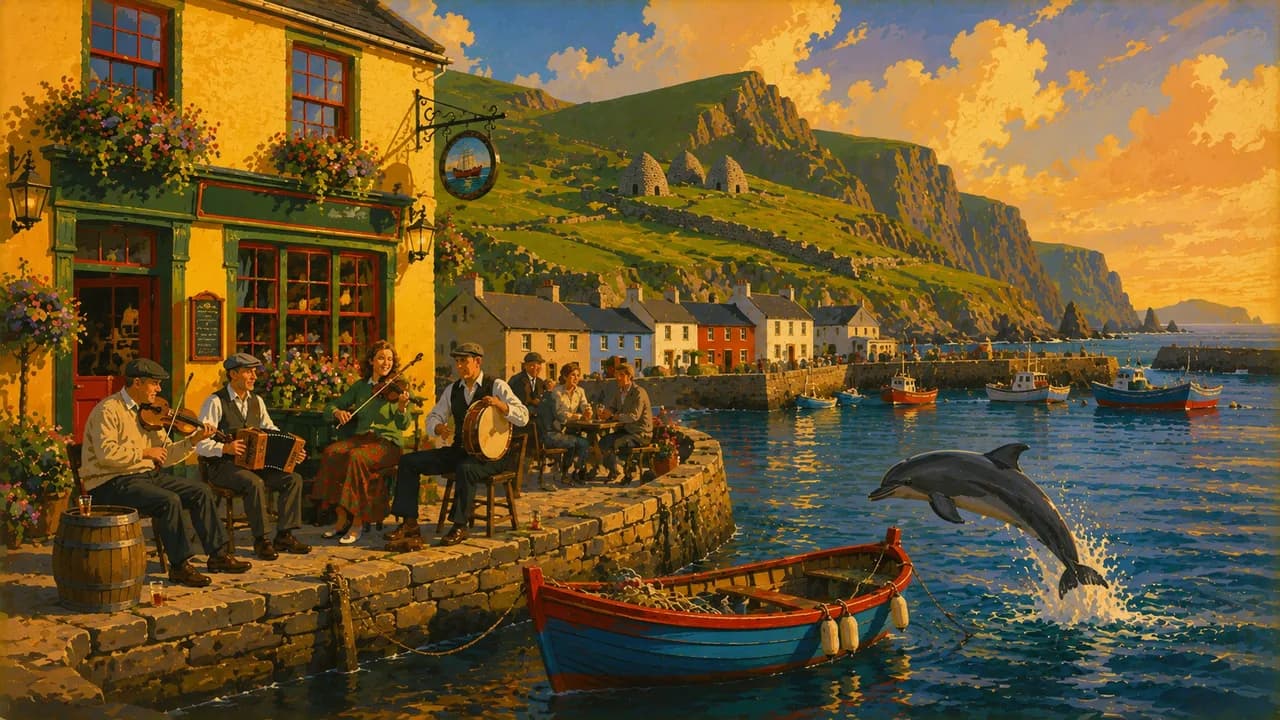
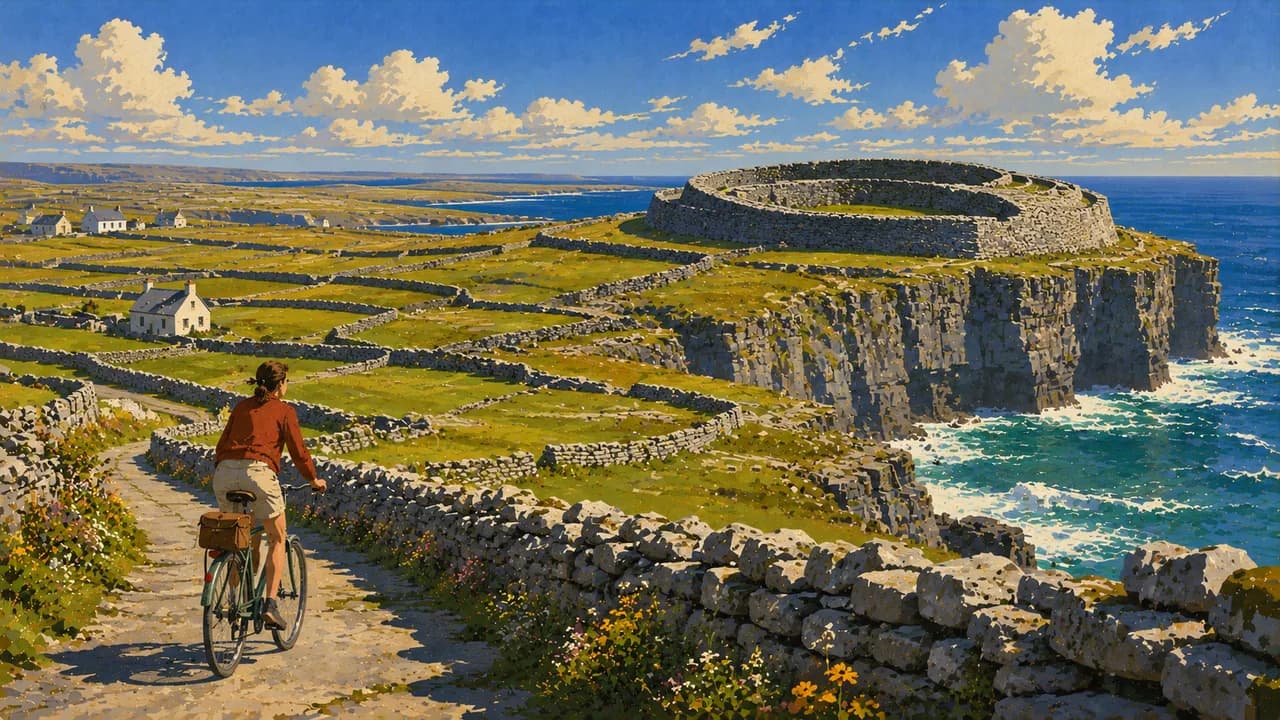
Galway brings together traditional music, arts and a lively streetscape, while nearby Connemara offers bogs, mountains and scattered lakes. Doolin, the Cliffs of Moher and the limestone Burren reveal contrasting faces of County Clare. The Aran Islands add stone-walled landscapes and Irish-language culture, and Donegal extends the Atlantic journey into the northwest. Inland waterways offer a quieter counterpoint. Seafood, farmhouse cheeses, soda bread and hearty stews complement the music and conversation of village pubs.
AI edited
- 26
- Counties The state of Ireland comprises 26 traditional counties. They are not equivalent to today’s local authorities. Northern Ireland’s six counties are outside the state.
- ≈ 5.46 million
- Population CSO population estimate for April 2025, approximately 5.46 million. The figure covers the state of Ireland excluding Northern Ireland, not the entire island.
- ≈ 70,300 km²
- Area Approximate total area of the state of Ireland, not the entire island. Northern Ireland is excluded. Total area should be distinguished from land-only figures.
- Irish & English
- Languages Irish and English are official languages. English predominates in everyday life in many regions, while Irish remains a living community language particularly in Gaeltacht areas.
- Polish & others
- Other languages Many community languages are spoken alongside the official languages, including Polish, Romanian and Lithuanian. They are not additional official languages.
- Euro (EUR)
- Currency The state of Ireland uses the euro, code EUR. Northern Ireland instead uses pounds sterling. This page’s currency information does not cover the entire island.
- G
- Socket type Electrical Safety First lists type G, 230 V, 50 Hz. Check appliance compatibility and sockets. An adaptor does not convert voltage.
- Dublin
- Capital Dublin is the capital of the state of Ireland. Belfast is Northern Ireland’s capital and lies outside the territory covered by this country page.
- Left-hand traffic
- Driving side Traffic keeps left. Distances and speeds in Ireland use metric units. Northern Ireland uses different units on its road signs.
- UTC+0 / UTC+1
- Time zone Winter UTC+0 and summer UTC+1. Europe/Dublin accounts for seasonal clock changes. Browser and home comparisons use their respective local times.
Ireland on the map

Map data: geoBoundaries (CC BY 4.0), © OpenStreetMap contributors (ODbL), Natural Earth
Climate and best time to travel
Ireland’s maritime climate brings mild winters and relatively moderate summers. May to September offers long days for coastal walking, nature and touring. Rain and wind occur throughout the year, often more markedly in the west. Island crossings and exposed heritage visits depend on sea conditions, conservation arrangements and access. Cities, music and cooking complement travel year-round.
Destinations in Ireland
 AI generated
 AI generated
 AI generated
 AI generated
 AI generated
 AI generated
 AI generated
 AI generated
 AI generated
 AI generated
 AI generated
 AI generated