Jersey
Jèrri
Sandy bays, granite headlands and powerful tides meet Norman castles, harbour villages and a kitchen shaped by sea and countryside.
Worth coming back!
Wanderlama keeps growing with new destinations, helpful information and exciting features. Check back soon and discover what is new!
Travel to Jersey
Jersey is the largest of the Channel Islands, lying off Normandy in the English Channel. A self-governing British Crown Dependency, it is not part of the United Kingdom. French place names, Norman heritage and everyday English reflect its distinct island identity. Broad sandy bays, granite headlands and sheltered countryside offer contrasting landscapes shaped by powerful tides.
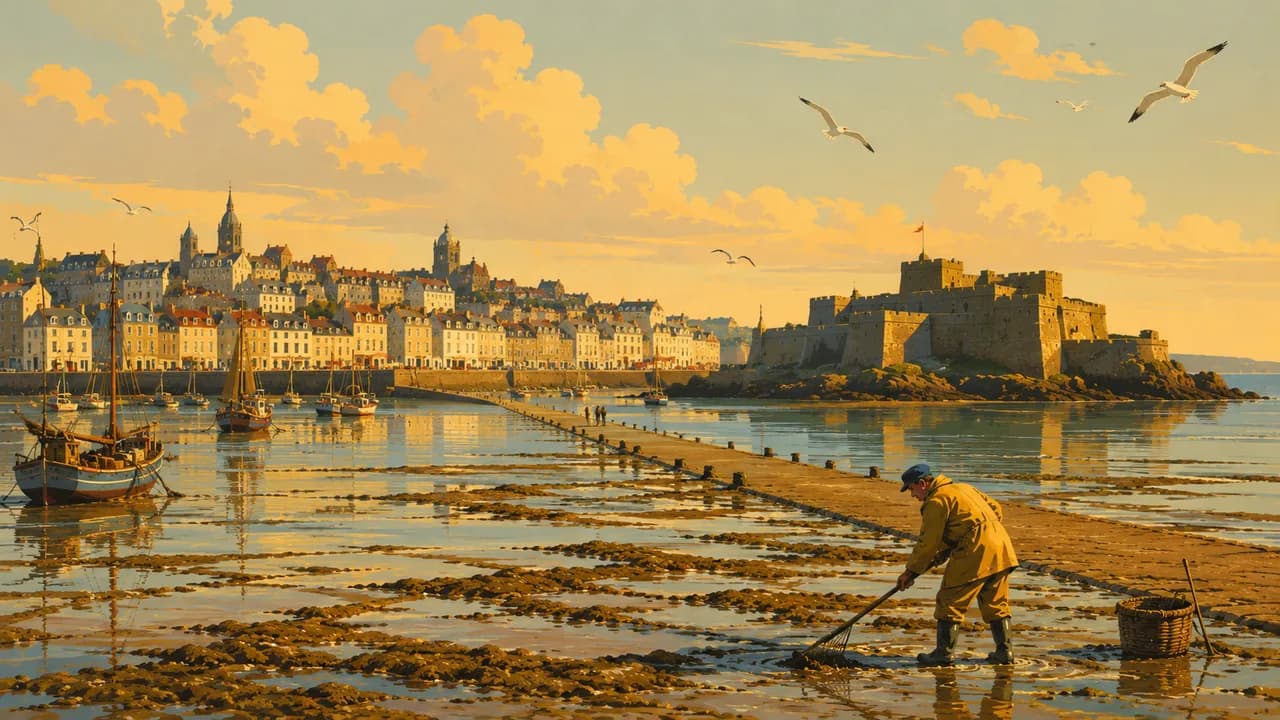
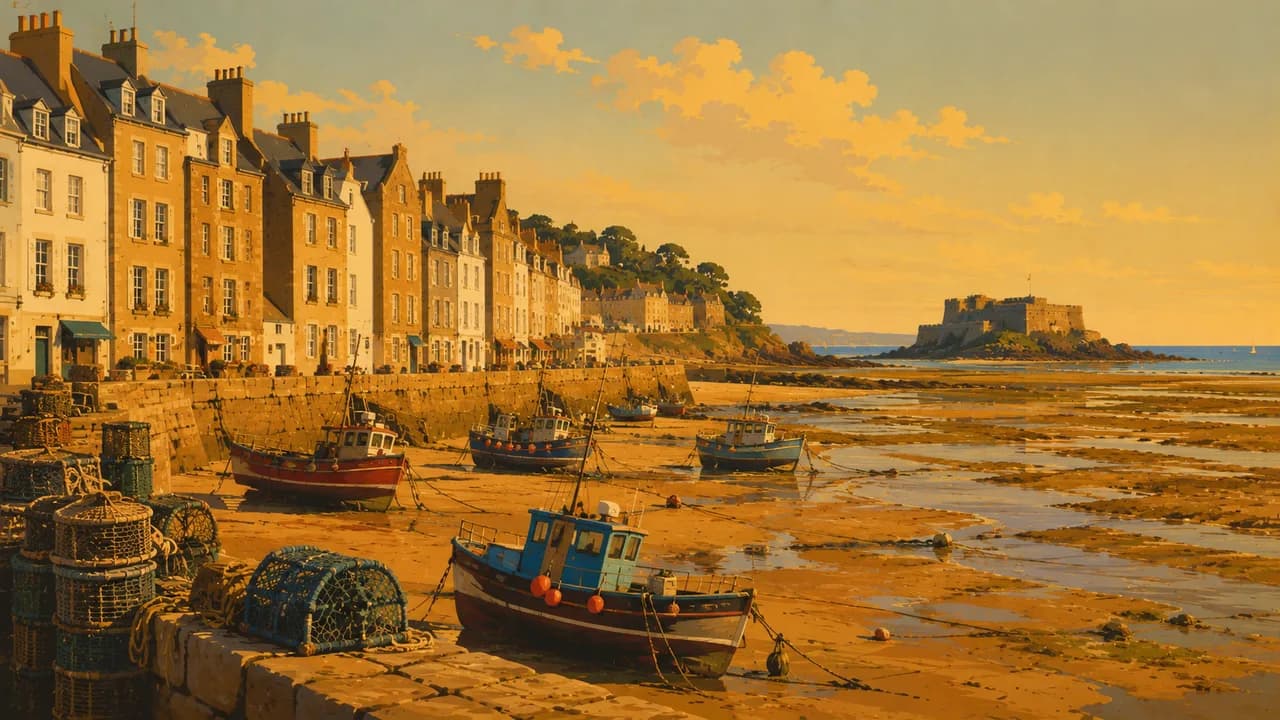
St Helier, the capital, combines covered markets, harbour streets and the Royal Square with museums exploring island history and maritime life. Elizabeth Castle stands on a tidal islet in the bay, with access governed by tides and operating arrangements. Nearby St Aubin preserves a smaller harbour framed by former merchants’ houses. Its Railway Walk follows an old railway route inland towards La Corbière.
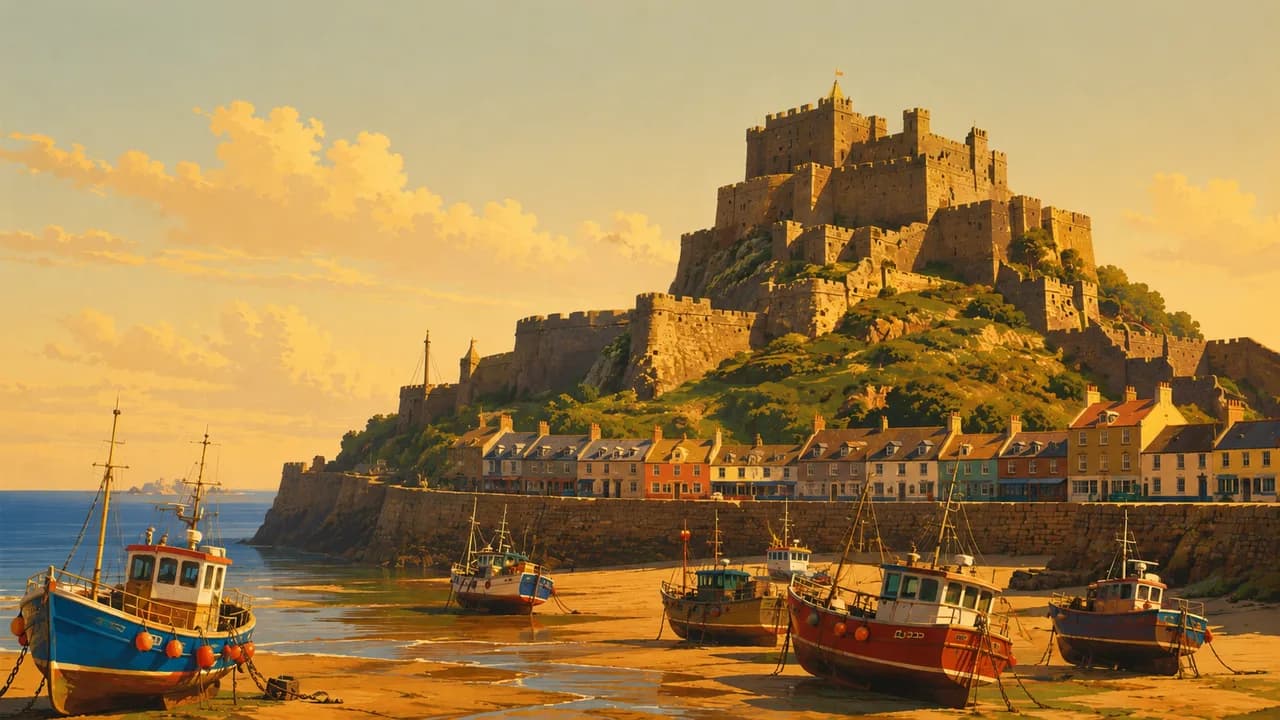
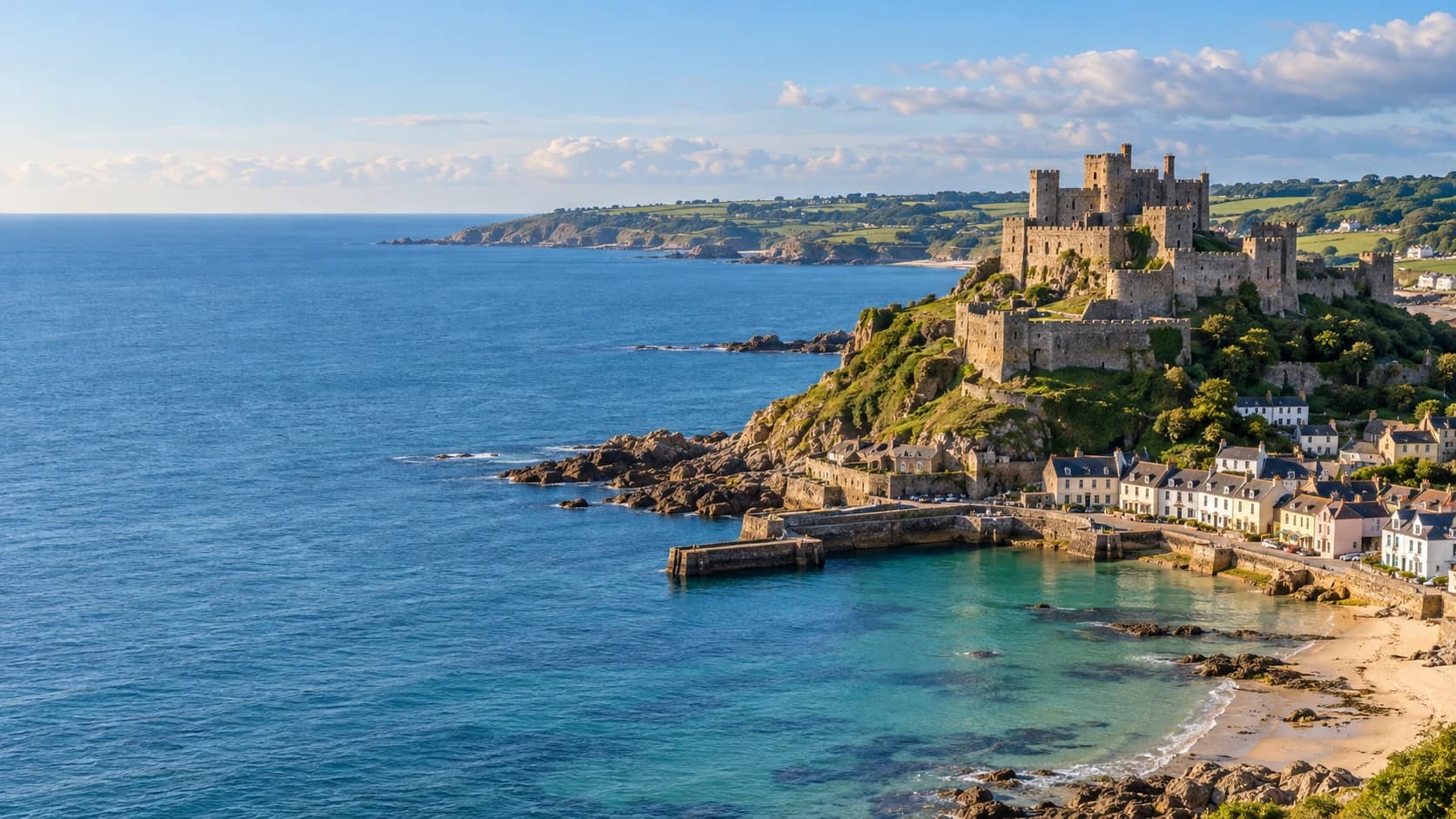
On the east coast, Gorey gathers around a harbour beneath Mont Orgueil, whose walls and towers recall the island’s medieval defences. Inland, La Hougue Bie preserves a Neolithic passage grave and a much older layer of Jersey’s story. The Jersey War Tunnels examine German occupation and its effects on island life, adding a different perspective from the castles, waterfronts and rural heritage.
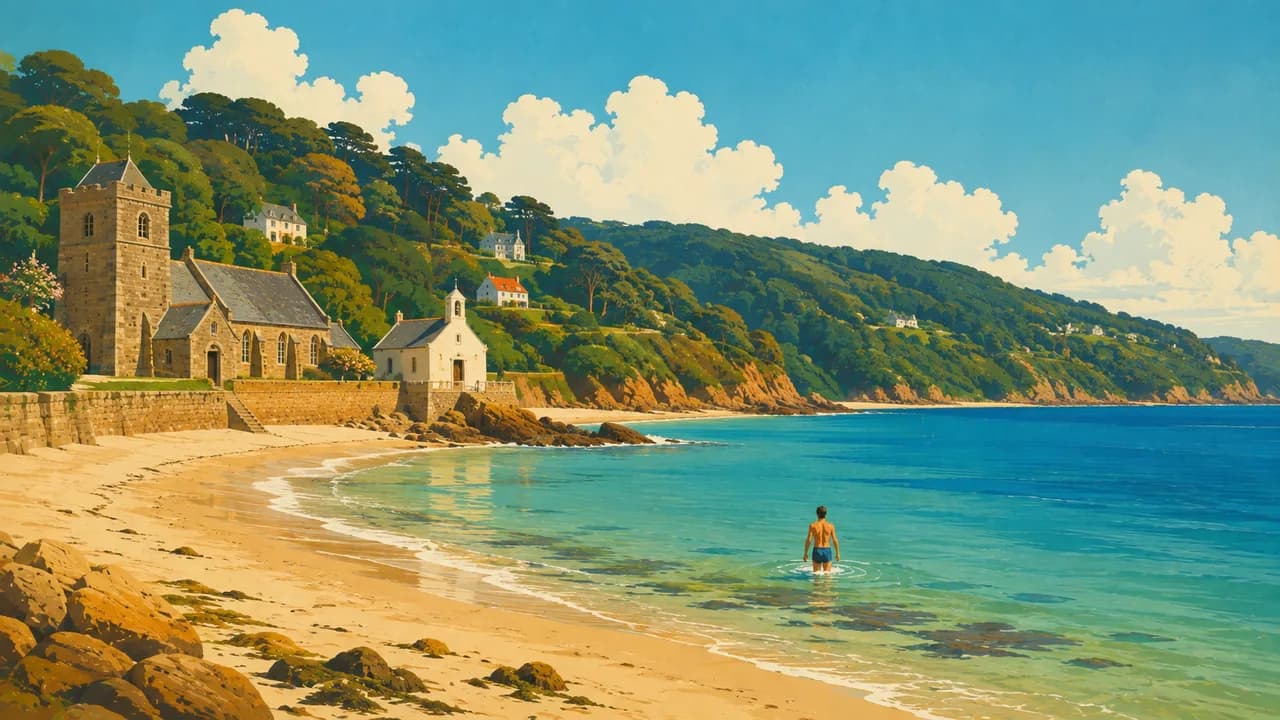
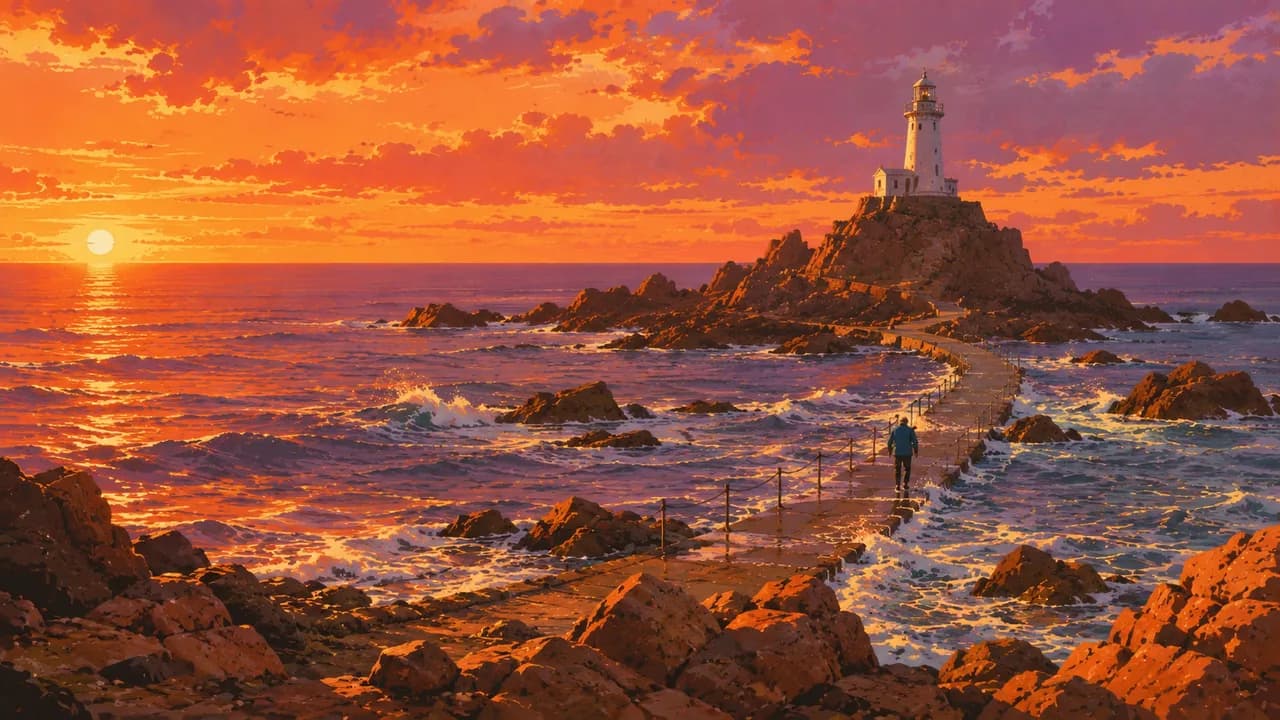
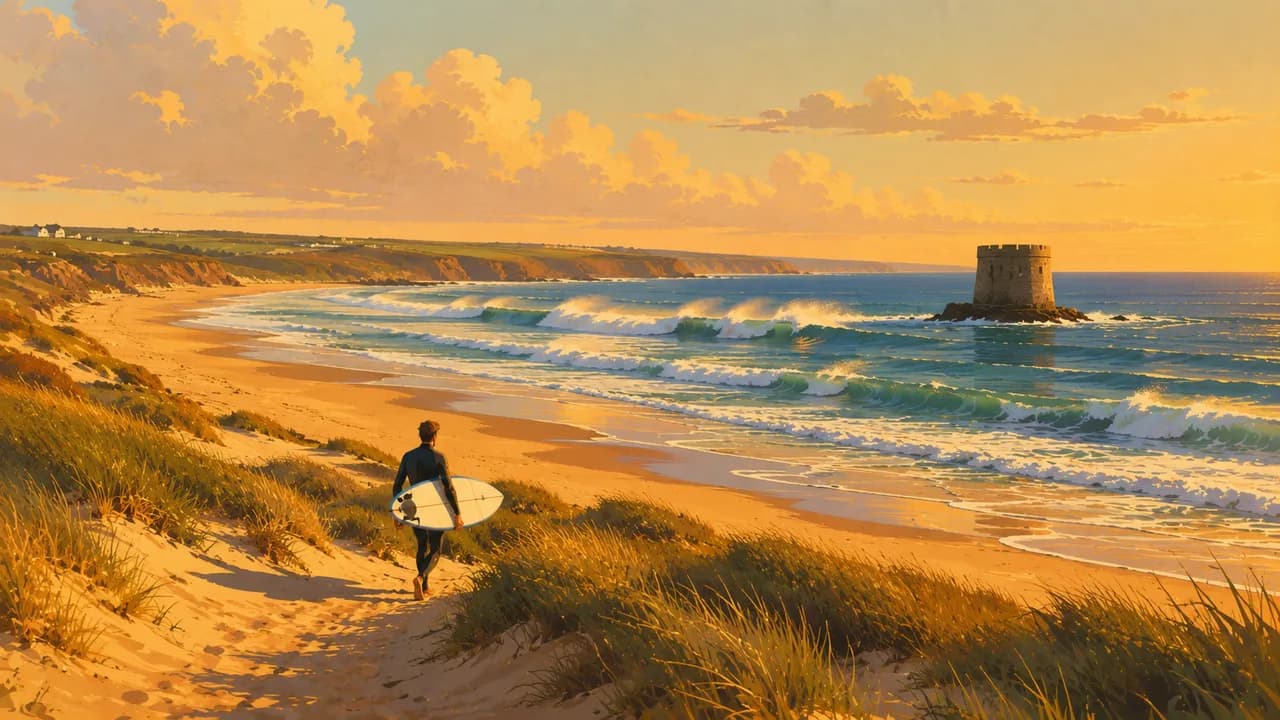
St Brelade offers a sheltered sandy bay, a parish church and the Fisherman’s Chapel, while smaller coves lie along the southwest coast. At La Corbière, a white lighthouse rises above granite reefs and a tidal causeway. St Ouen's Bay stretches along the more exposed west coast, with surf, dunes and wetland habitats. North-coast cliff paths reveal rocky inlets and quieter bays, while inland lanes pass fields, orchards and granite farmhouses.
Jèrriais, the traditional Norman language, remains part of Jersey’s cultural heritage alongside English and French influences. Local cooking draws on oysters, lobster, Jersey Royal potatoes and rich dairy produce, with apple-based black butter and cider recalling farming traditions. Walking, cycling and coastal exploration complement museums and village life. Tides, weather and seasonal access shape outings, making the island’s changing shoreline as important as its beaches and historic buildings.
AI edited
- 12
- Parishes Jersey has twelve parishes, each reaching the coast. It is a self-governing Crown Dependency, not part of the United Kingdom.
- ≈ 103,000
- Population Statistics Jersey counted 103,267 residents in the 2021 census. Rounded to 103,000, not a live population estimate.
- ≈ 120 km²
- Area Approximate island area from the Government of Jersey’s overview. Strong tides change the exposed shoreline, not the basis of this rounded land-area figure.
- English
- Language English predominates in daily life. French and Jèrriais also have official and cultural roles, so this does not imply English is the only recognised language.
- Jèrriais & French
- Other languages Jèrriais is Jersey’s traditional Norman language, supported through education and cultural work. French has historical and official roles. Portuguese and Polish are important community languages.
- Jersey pound (JEP)
- Currency Jersey issues notes and coins at equal value to sterling. British pounds are accepted locally. Jersey cash is not generally accepted in the UK.
- G
- Socket type British three-pin type G, 240 V, 50 Hz. Check appliance compatibility. An adaptor does not convert voltage.
- St Helier
- Capital St Helier is Jersey’s capital and main administrative centre. St Aubin and Gorey are separate harbour settlements.
- Left-hand traffic
- Driving side Jersey drives on the left. Narrow rural lanes and local priority rules shape the road network.
- UTC+0 / UTC+1
- Time zone Winter Greenwich Mean Time, UTC+0, and summer British Summer Time, UTC+1. Browser and home comparisons account for their respective clock changes.
Jersey on the map

Map data: geoBoundaries (CC BY 4.0), © OpenStreetMap contributors (ODbL), Natural Earth
Climate and best time to travel
Jersey’s maritime climate brings relatively mild winters and moderate summers. May to September offers a broad window for beaches, cliff paths and cycling. Spring and autumn also suit countryside walks and heritage visits. Wind, rain and tides shape coastal outings throughout the year. Museum opening times and tidal access remain separate from these seasonal suggestions.