France
Historic cities and living traditions meet Atlantic and Mediterranean coasts, mountain landscapes, regional food and wine.
Worth coming back!
Wanderlama keeps growing with new destinations, helpful information and exciting features. Check back soon and discover what is new!
Travel to France
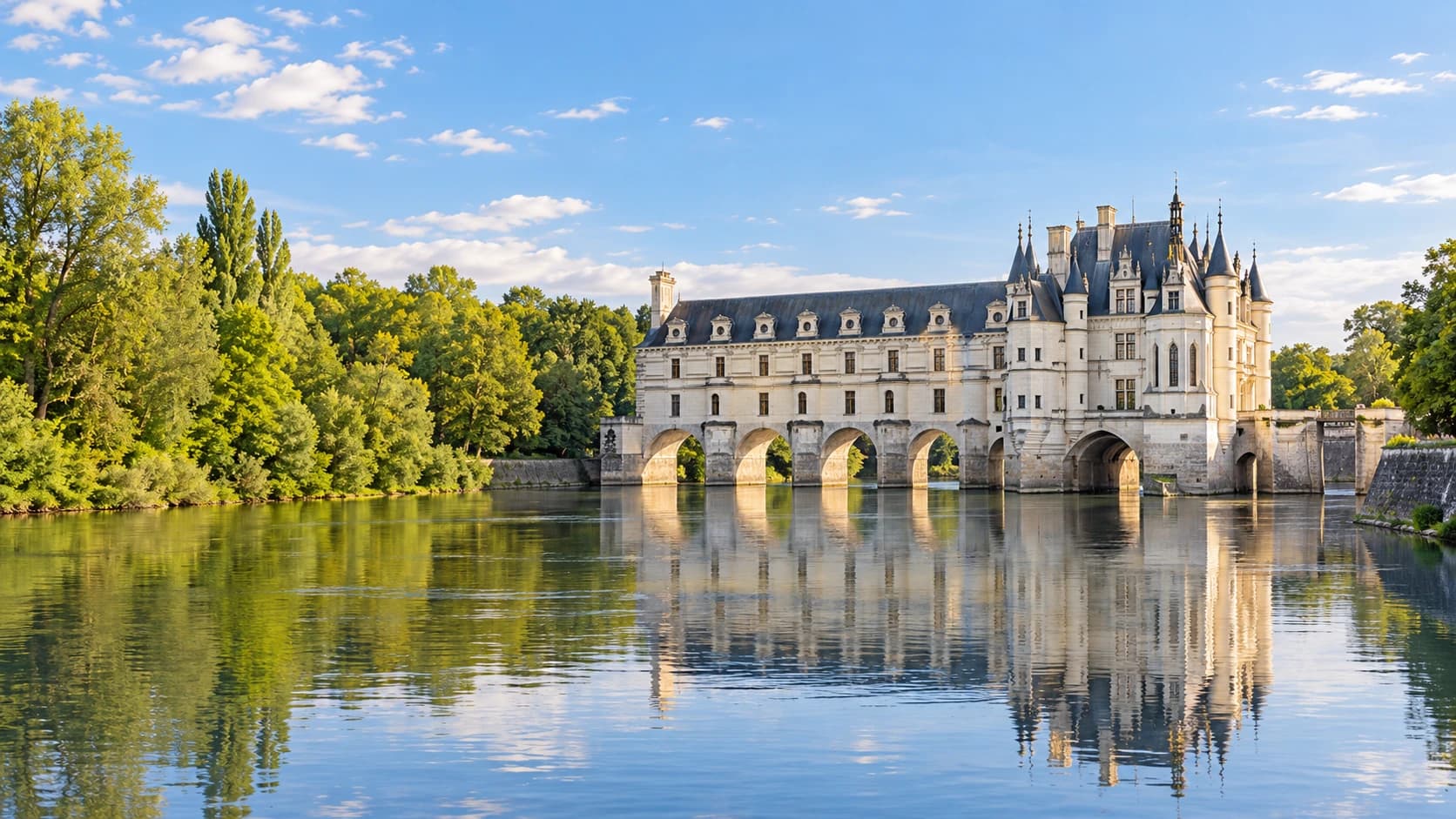
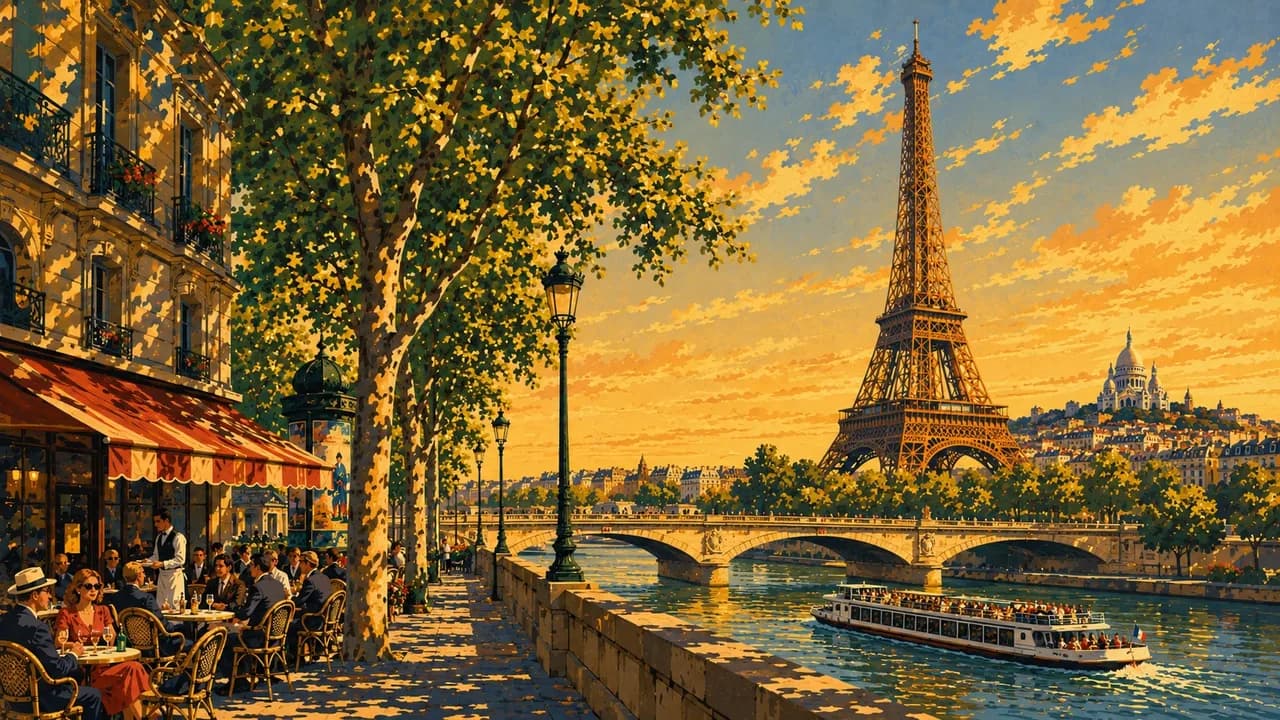
France combines Channel, Atlantic and Mediterranean shores with vineyard landscapes, historic cities and mountain regions. Paris brings together the Eiffel Tower, the Louvre, neighbourhood cafés and contemporary culture. Chartres adds cathedral heritage, while Lille introduces northern urban traditions. Around Reims, Champagne cellars complement the city's historic architecture.
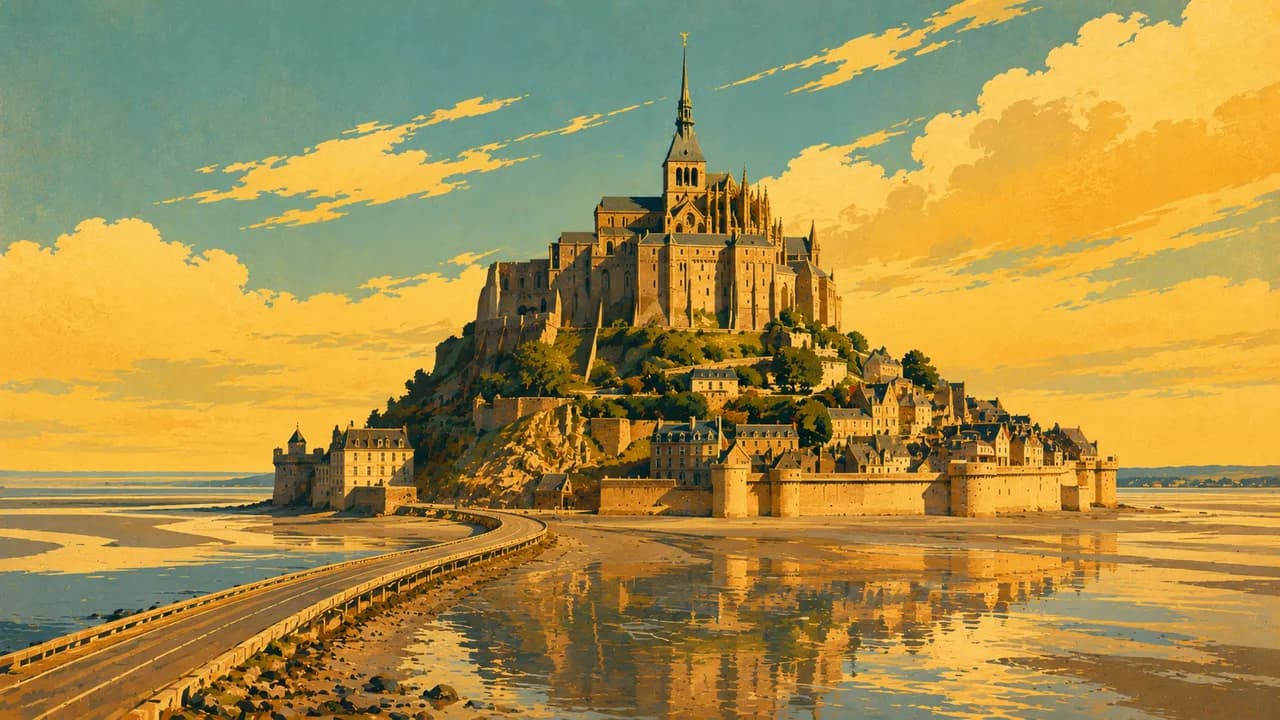
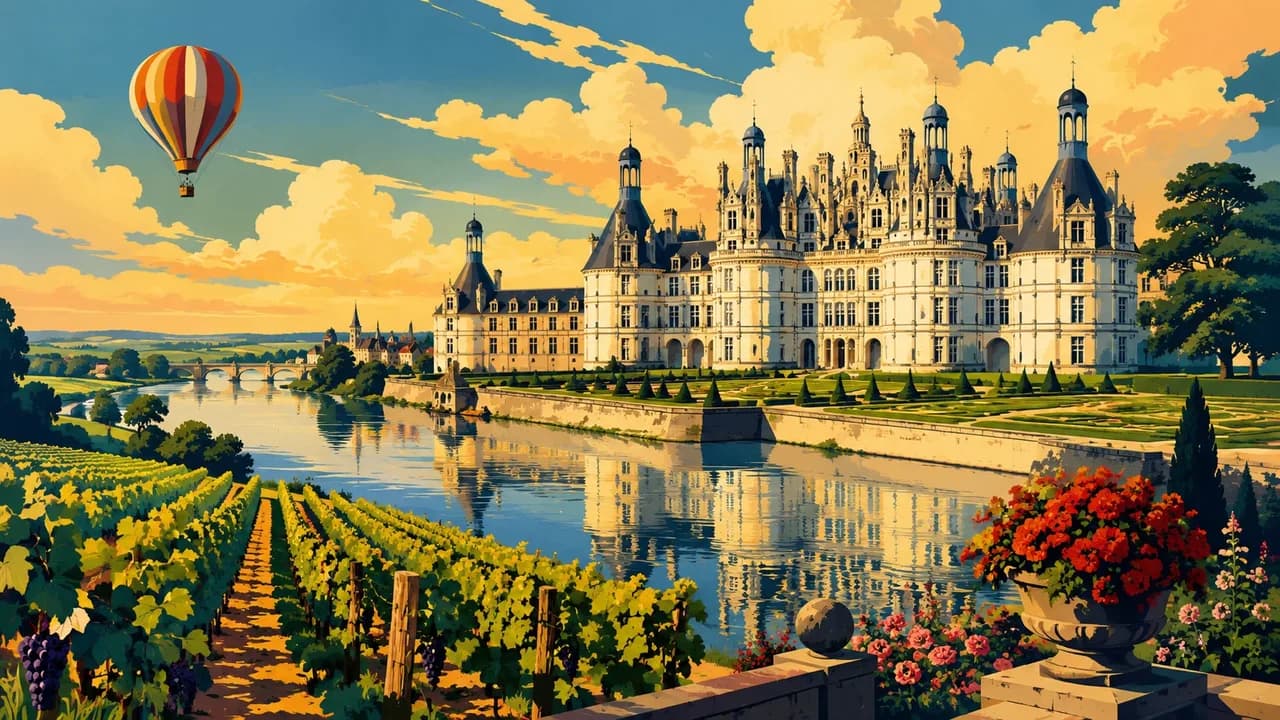
Normandy links Rouen and Honfleur with Étretat's cliffs, the D-Day beaches and Mont-Saint-Michel. Brittany offers maritime culture around Saint-Malo and Quimper, coastal walks and islands such as Belle-Île-en-Mer. Nantes and the Loire Valley combine creative city life, châteaux and cycling landscapes. Further south, Bordeaux's vineyards, the Dordogne's castles and prehistoric heritage, and Biarritz's Basque coast reveal contrasting Atlantic regions.
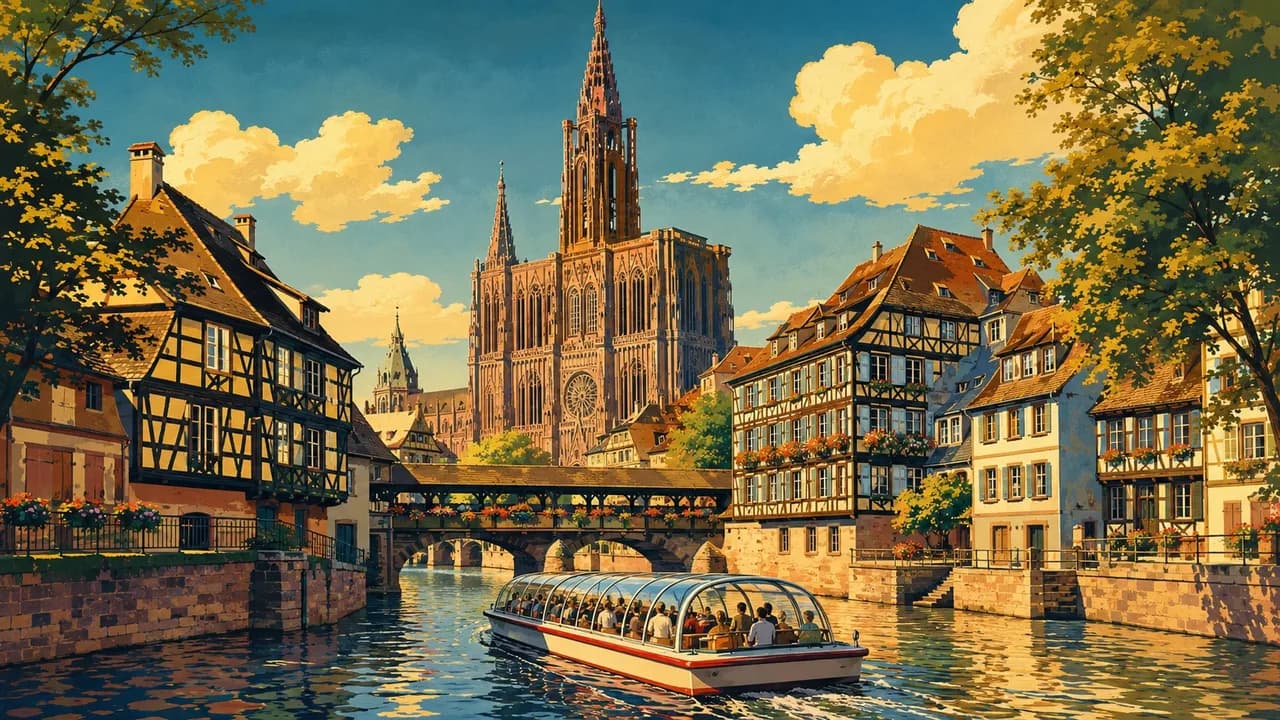
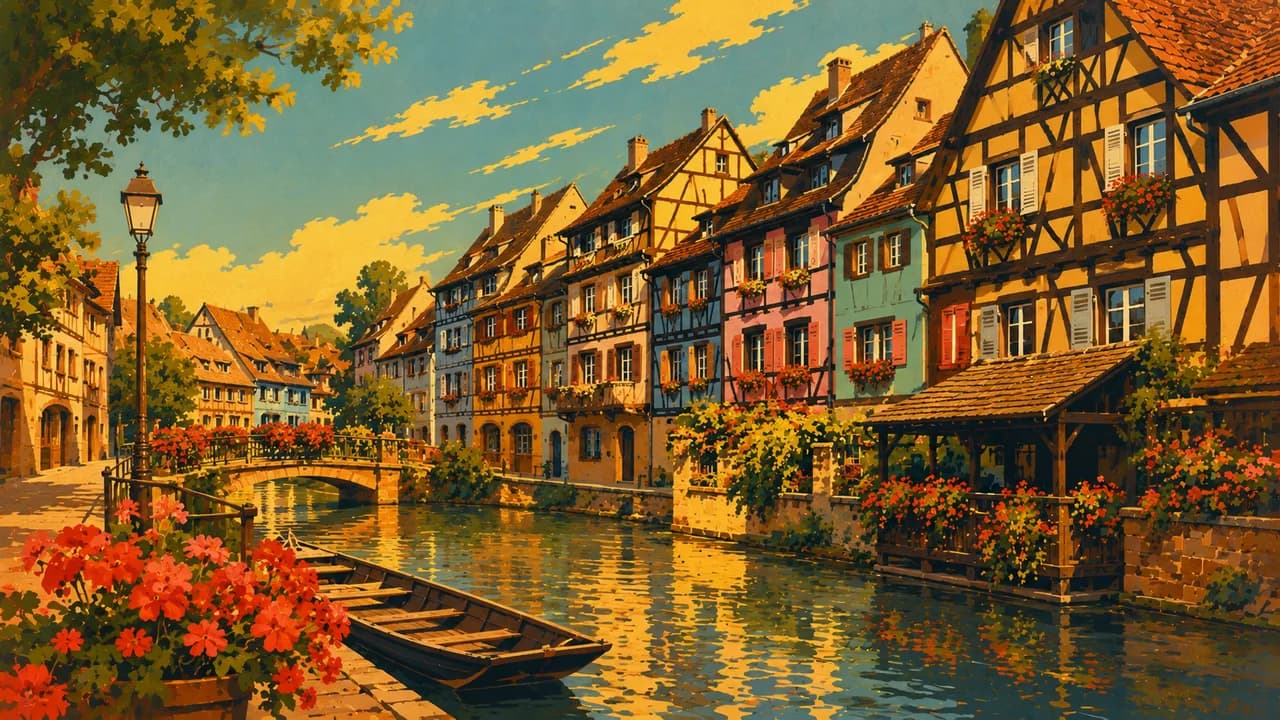
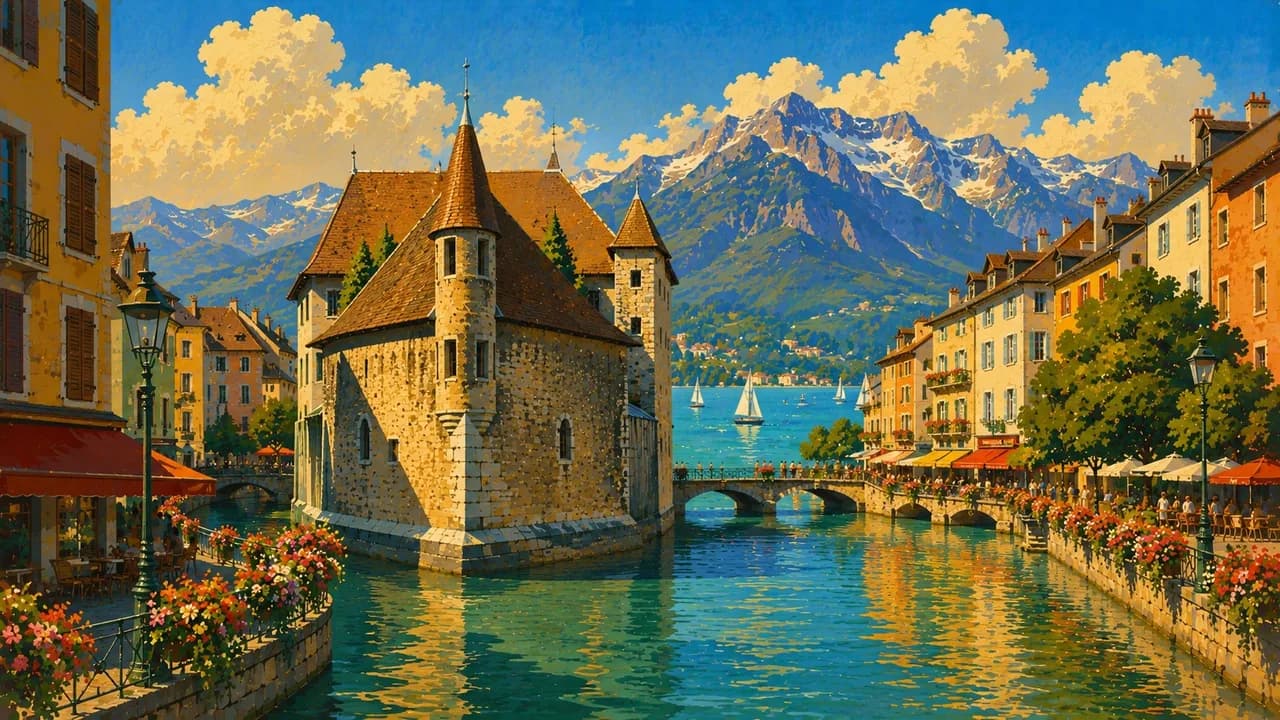
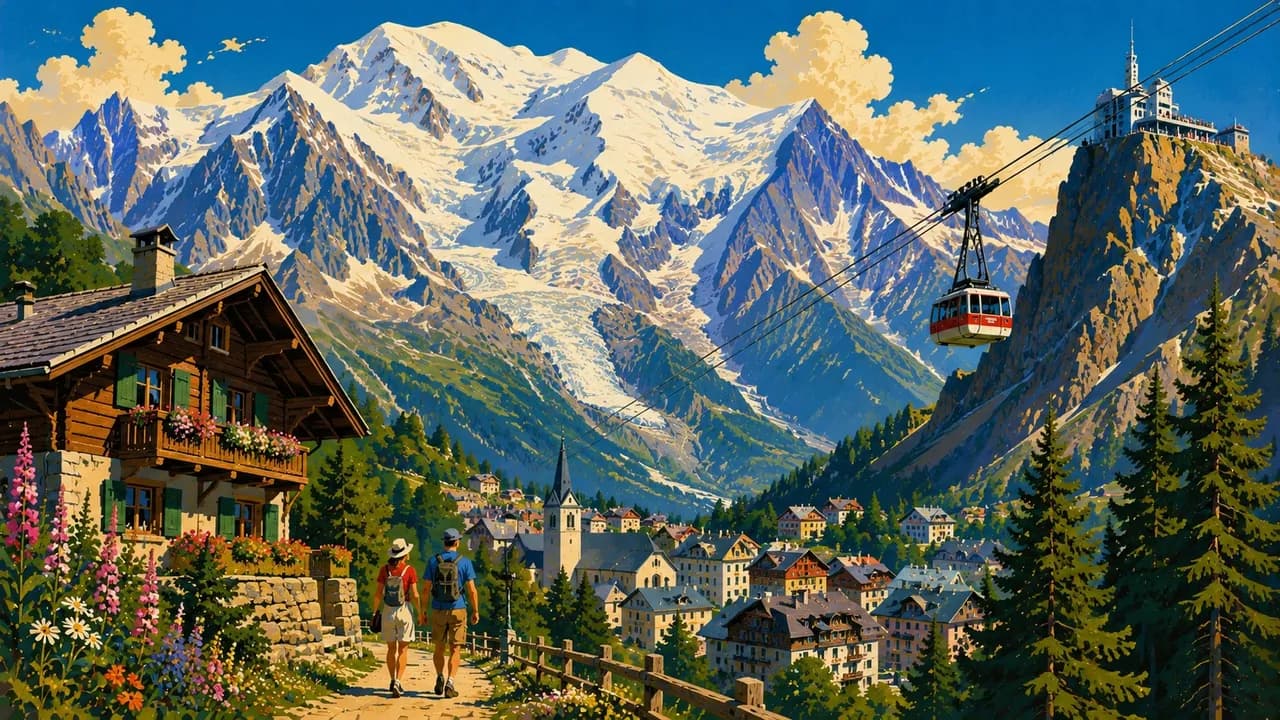
In the east, Strasbourg and Colmar combine Alsatian architecture and wine villages. Burgundy adds vineyards and historic towns, while Lyon is a centre for museums and regional cooking. Annecy, Chamonix and Grenoble open towards Alpine lakes and mountains, with hiking or winter sports depending on conditions. Inland, Auvergne's volcanic landscapes broaden the picture beyond the coast and high Alps.
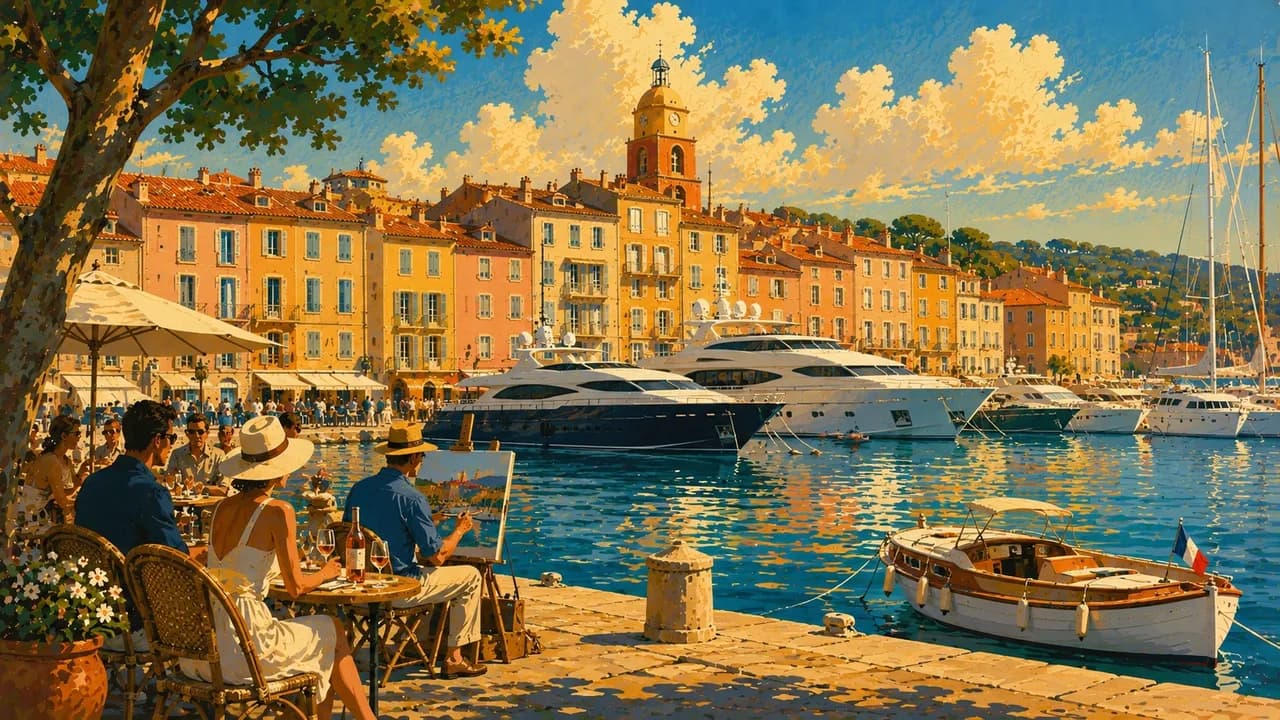
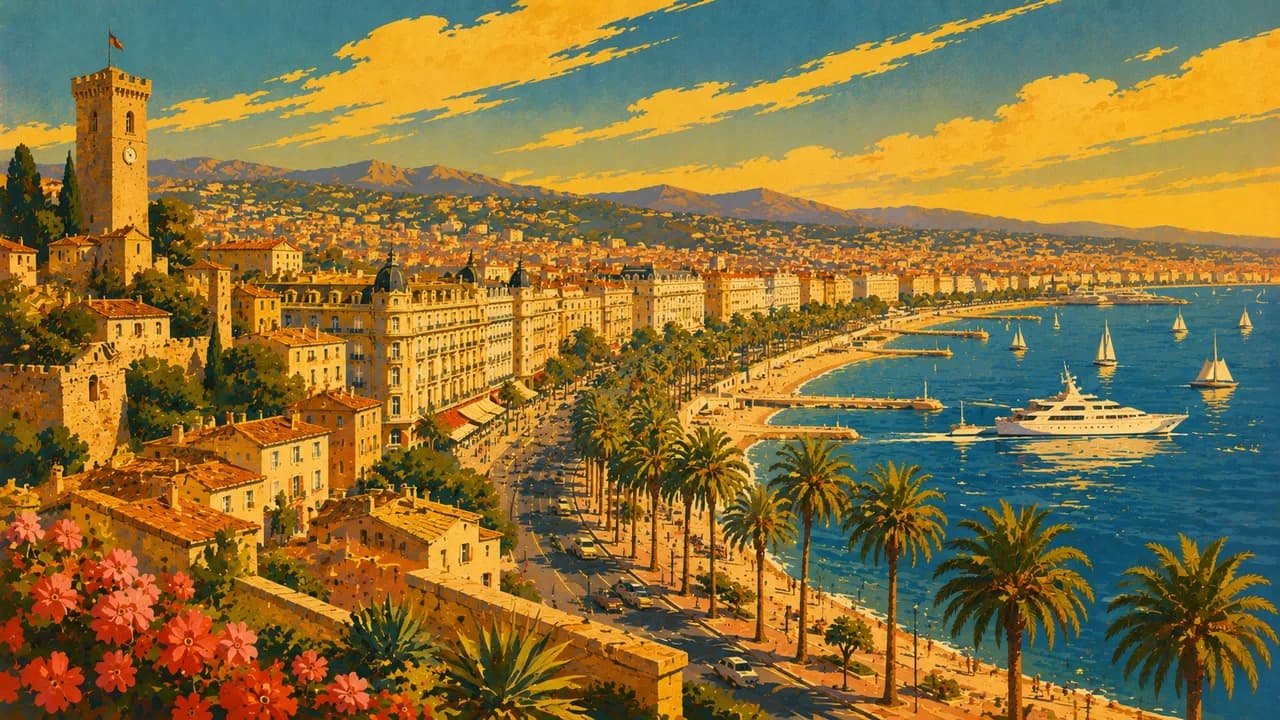
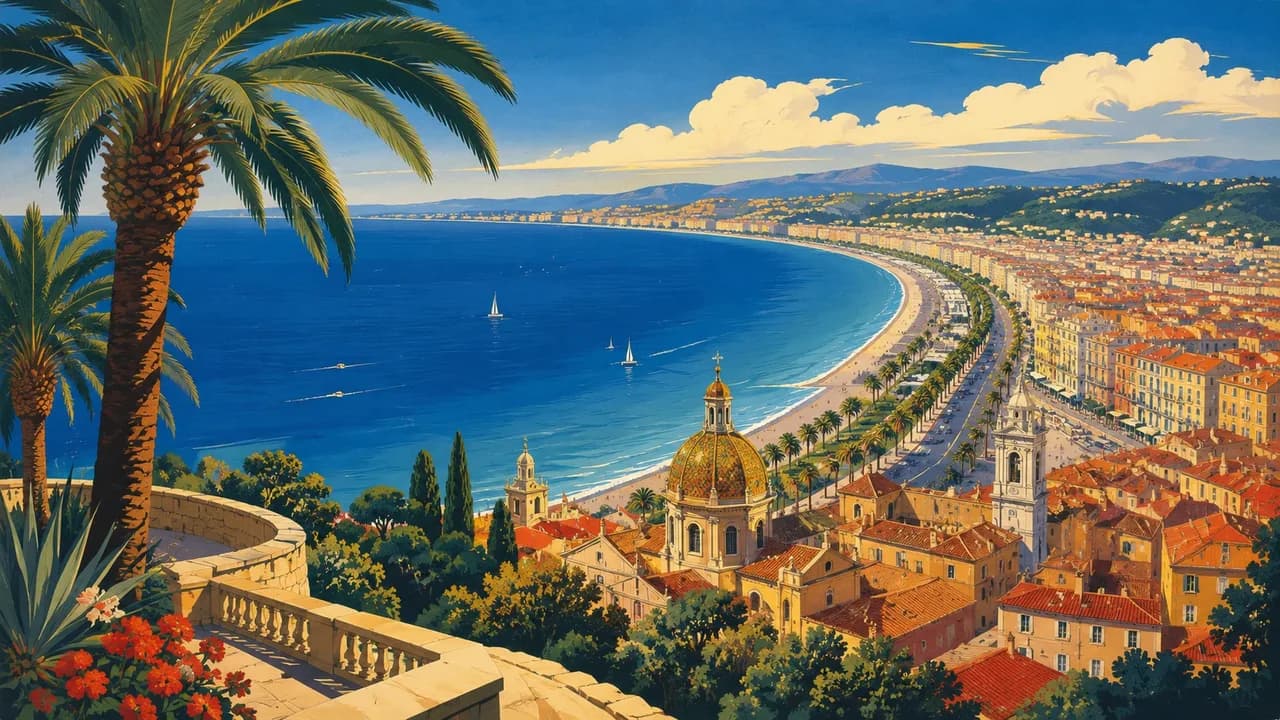
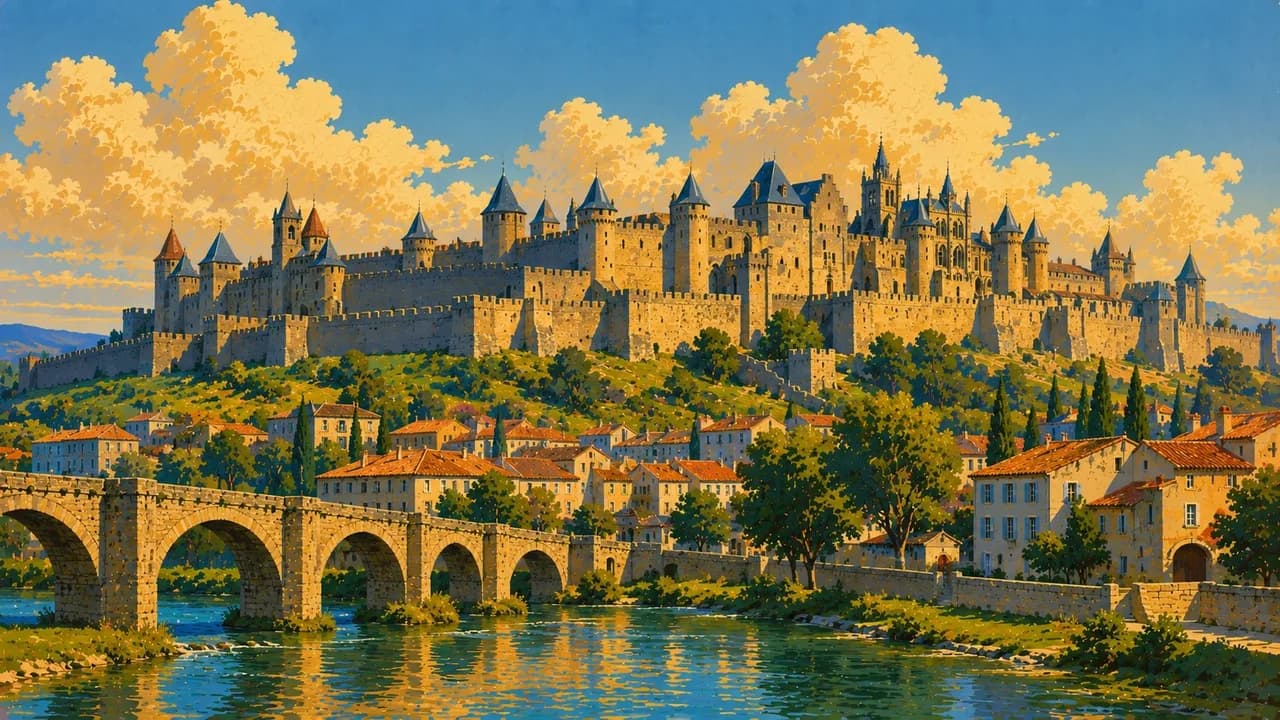
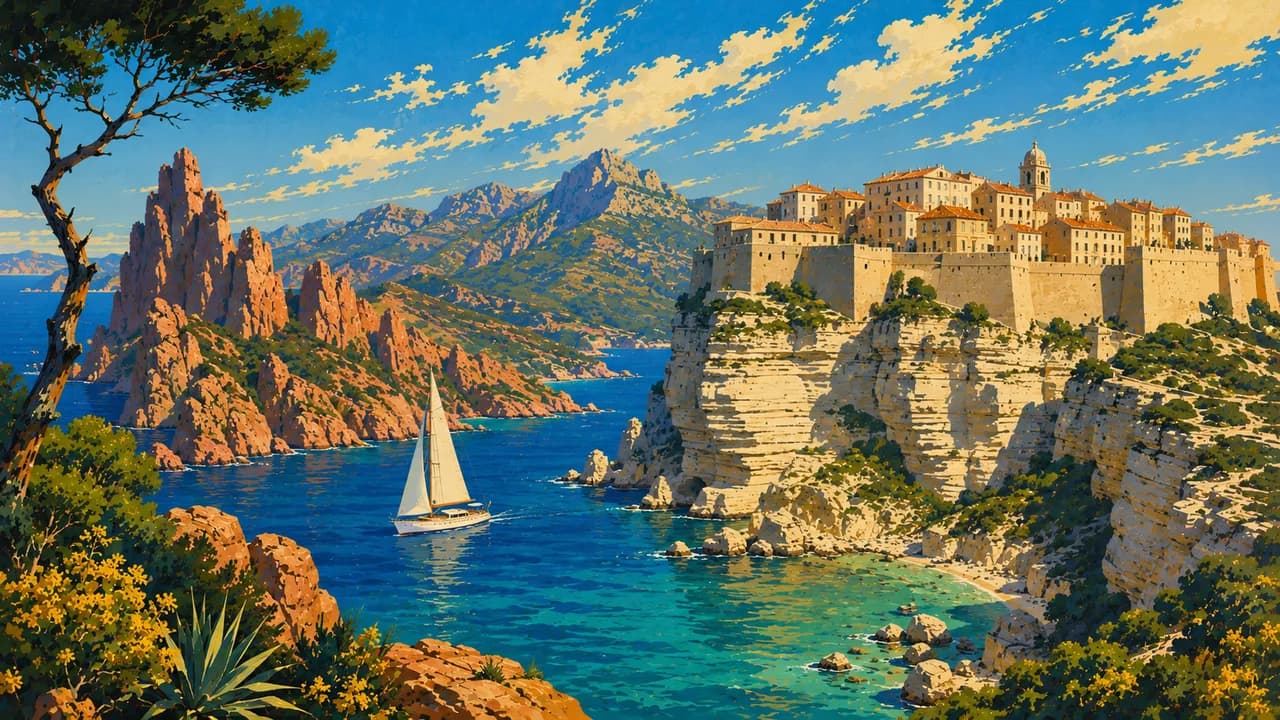
Toulouse, Albi and Carcassonne introduce Occitanie's urban and medieval heritage, while Lourdes offers a different pilgrimage perspective near the Pyrenees. Nîmes and Arles preserve Roman monuments, and Avignon adds papal history. Provence combines markets, lavender landscapes and the Verdon Gorge. Marseille and the Côte d'Azur around Nice offer Mediterranean city life and beaches. Corsica has its own island culture, mountain paths and coastline.
Regional food ranges from Breton galettes and cheeses to Provençal dishes and Marseille's bouillabaisse, alongside varied wine traditions. Coastal summers can be busy, while mountain access depends on weather, snow and seasonal openings. High-speed trains connect major cities, but rural travel and island transfers need separate planning. Check reservations and protected-area rules. France's overseas destinations have distinct climates and cultures and are presented separately in this catalogue, rather than treated as mainland side trips.
AI edited
- 13
- Metropolitan regions Metropolitan France, including Corsica, has 13 regions. France has 18 regions overall when its five overseas regions are included. Overseas destinations have separate catalogue pages.
- 66.8 million
- Population INSEE estimates 66.8 million residents in metropolitan France at 1 January 2026, including Corsica. Its corresponding total for metropolitan France and the five overseas departments is 69.1 million. These provisional estimates are not live counts.
- ≈ 544,000 km²
- Area Rounded from the INSEE cadastral area of 543,940 km² for metropolitan France including Corsica. This definition excludes certain large lakes, ponds, glaciers and estuaries. It is not the area of all French overseas territories.
- French
- Language French is the official language. The French flag represents the language here as well as matching the destination country. Local expressions and regional languages add linguistic diversity.
- Regional languages
- Other languages Regional languages include Breton, Occitan, Basque, Alsatian and Corsican. Usage differs by region and community. English knowledge varies and should not be assumed everywhere.
- Euro (EUR)
- Currency Metropolitan France uses the euro. Check accepted payments and cash needs for small businesses and rural visits. Some separately catalogued overseas destinations use other currencies.
- C · E
- Socket types Common plug types are C and E, with 230 volts and 50 hertz. Check device specifications and adapter requirements. A travel adapter does not convert voltage.
- Paris
- Capital Paris is the capital. The clock shows Paris and metropolitan France including Corsica. Overseas destinations have different local times and their own catalogue pages.
- Right-hand traffic
- Driving side Traffic drives on the right. Mountain weather, seasonal closures and rural onward connections require planning. Check current conditions and local traffic restrictions before driving.
- UTC+1 / UTC+2
- Time zone Metropolitan France including Corsica uses UTC+1 in standard time and UTC+2 in summer. The clock is labelled Paris. This does not represent the different time zones of overseas France.
- 47
- UNESCO cultural sites 47 cultural UNESCO World Heritage properties, checked October 2026. Unlike the metropolitan figures, this national count includes overseas Taputapuātea.
France on the map

Map data: geoBoundaries (CC BY 4.0), © OpenStreetMap contributors (ODbL), Natural Earth
Climate and best time to travel
These seasonal suggestions cover metropolitan France and Corsica, not overseas destinations. Atlantic and northern regions can receive rain throughout the year. Mediterranean summers can be hot and busy, with fire-related access restrictions possible. Spring and autumn often suit cities, cycling, wine visits and lower-level walks. High mountain trails depend on snow, weather and local access, while winter sports require suitable snow and open facilities. Lavender flowering varies with altitude, variety, harvest and the year's weather. Wine harvest dates differ between regions and producers. Coastal currents, tides and mountain conditions require local checks. Book popular sights, accommodation, island transfers and guided visits ahead where needed. Months are planning guidance, not weather or access guarantees.
Destinations in France
 AI generated
 AI generated
 AI generated
 AI generated
 AI generated
 AI generated
 AI generated
 AI generated
 AI generated
 AI generated
 AI generated
 AI generated