Belgium
Belgien · Belgique · België
Historic cities, vibrant art and regional food traditions among canals, coastlines and green landscapes.
Worth coming back!
Wanderlama keeps growing with new destinations, helpful information and exciting features. Check back soon and discover what is new!
Travel to Belgium
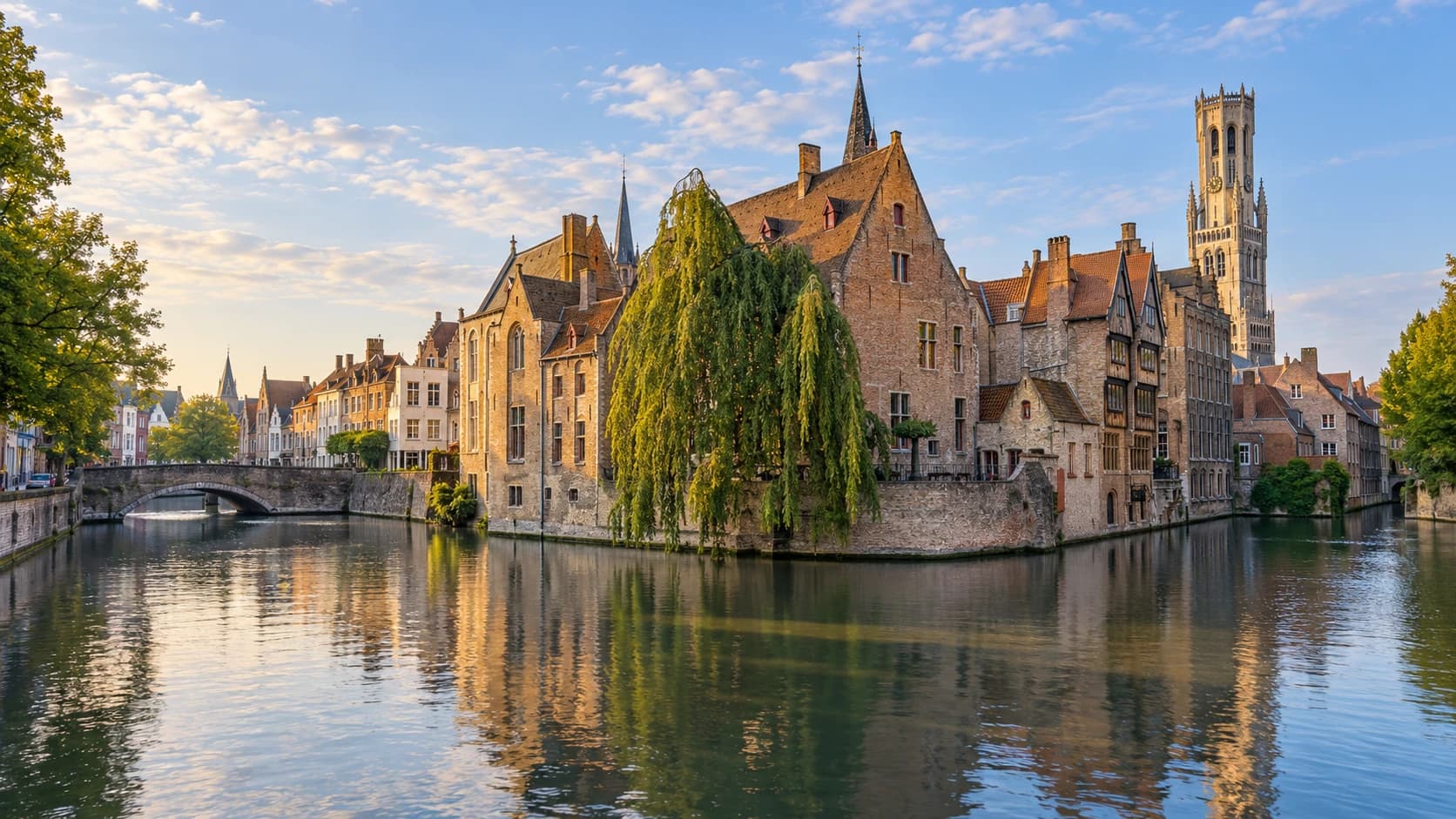
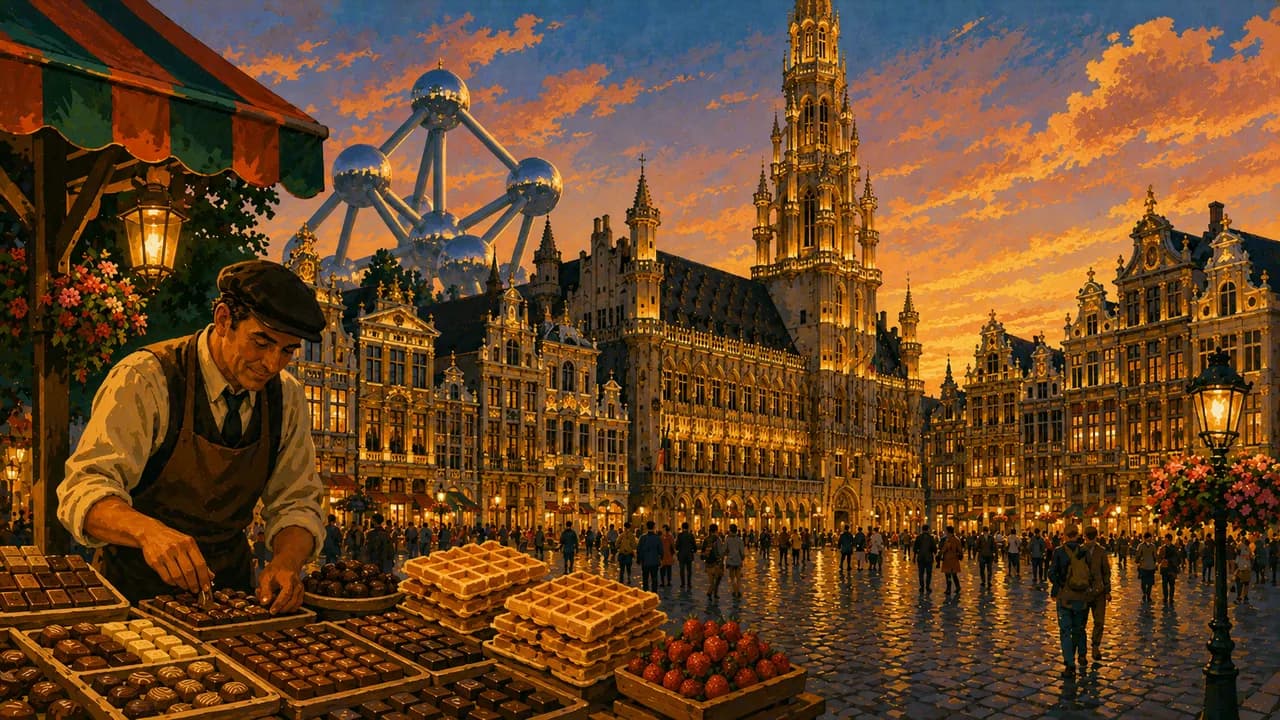
Belgium combines historic cities, a sandy North Sea coast and wooded hills in the heart of Europe. Flanders, Wallonia and Brussels form its regions, while Dutch, French and German are official languages. Brussels brings together European institutions, the Grand-Place, the Atomium, Art Nouveau architecture and comic art.
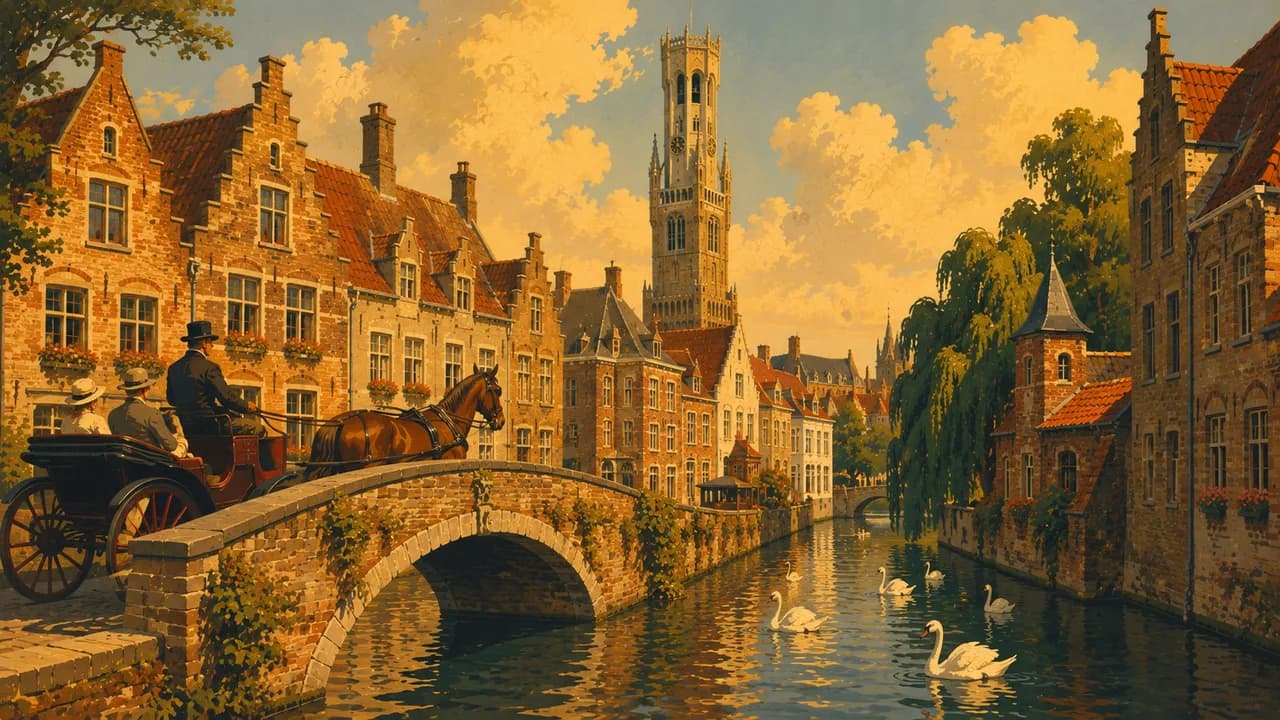
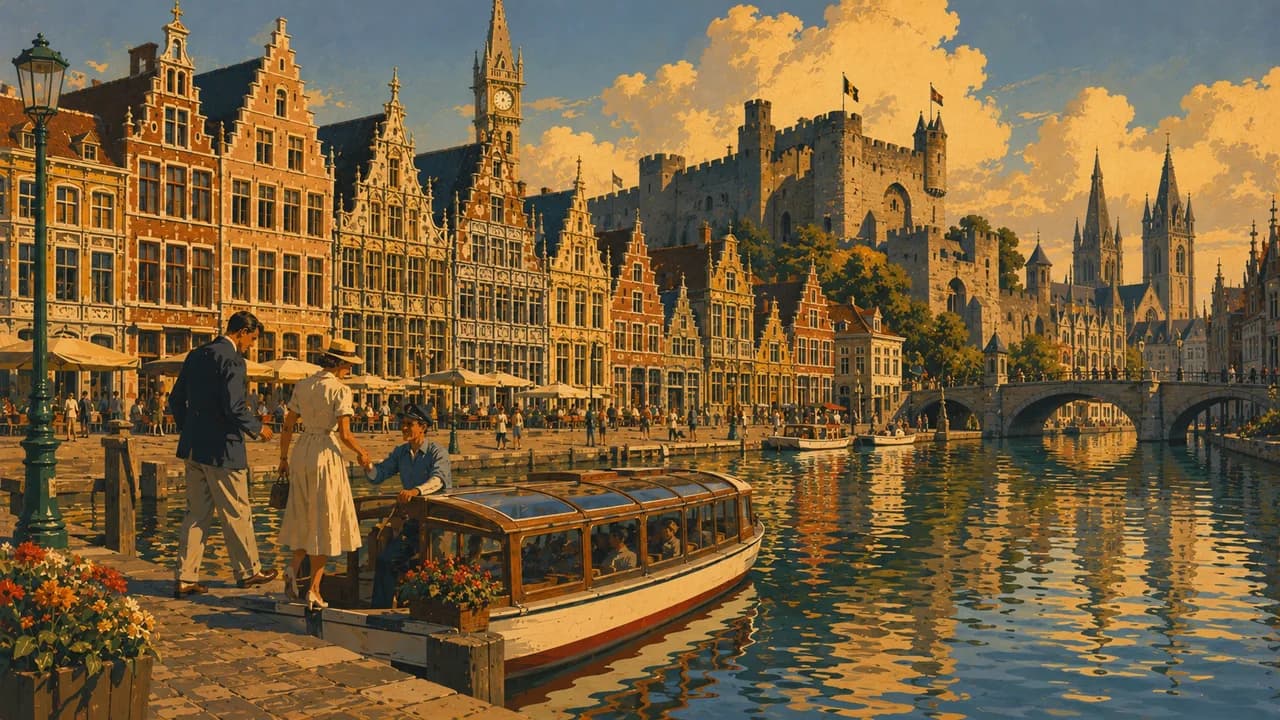
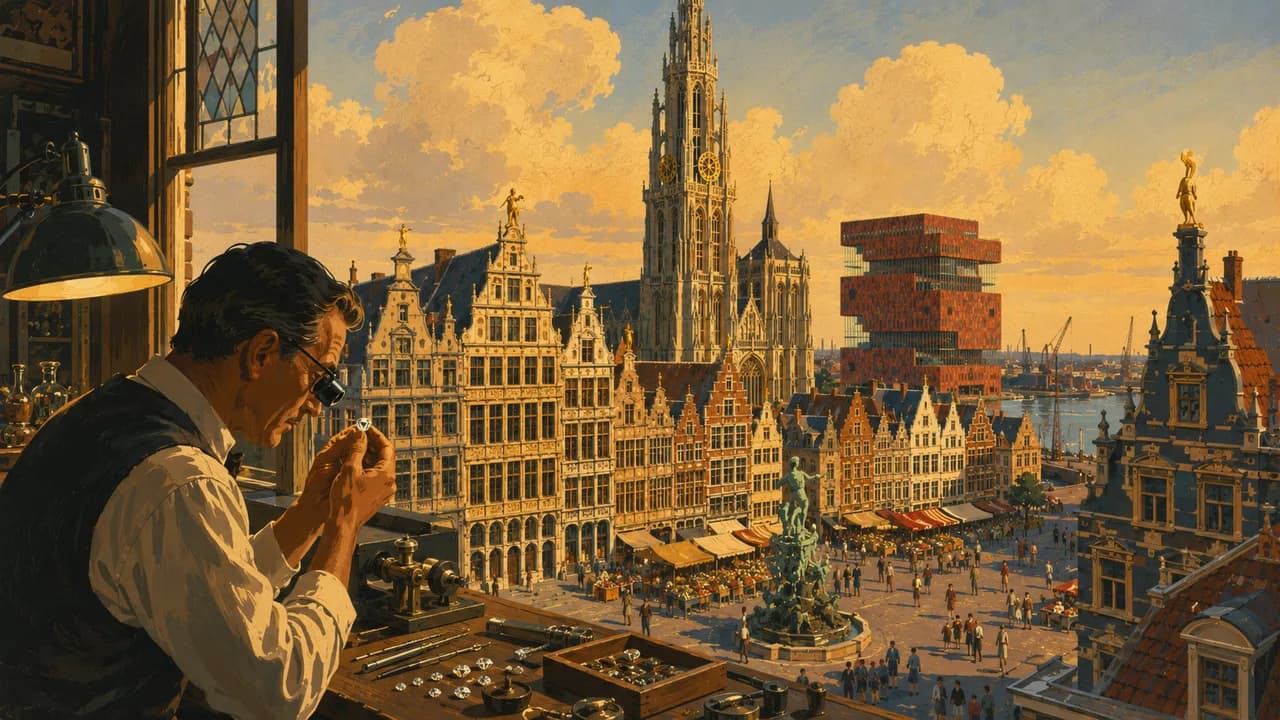
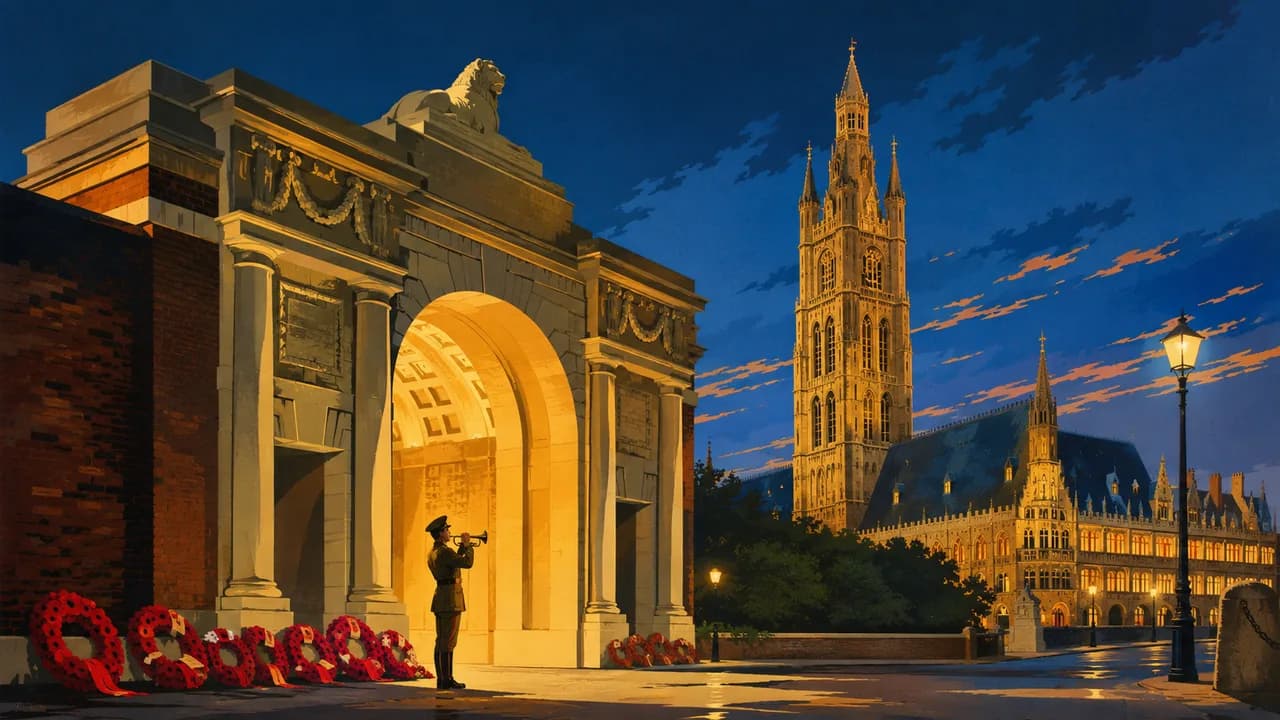
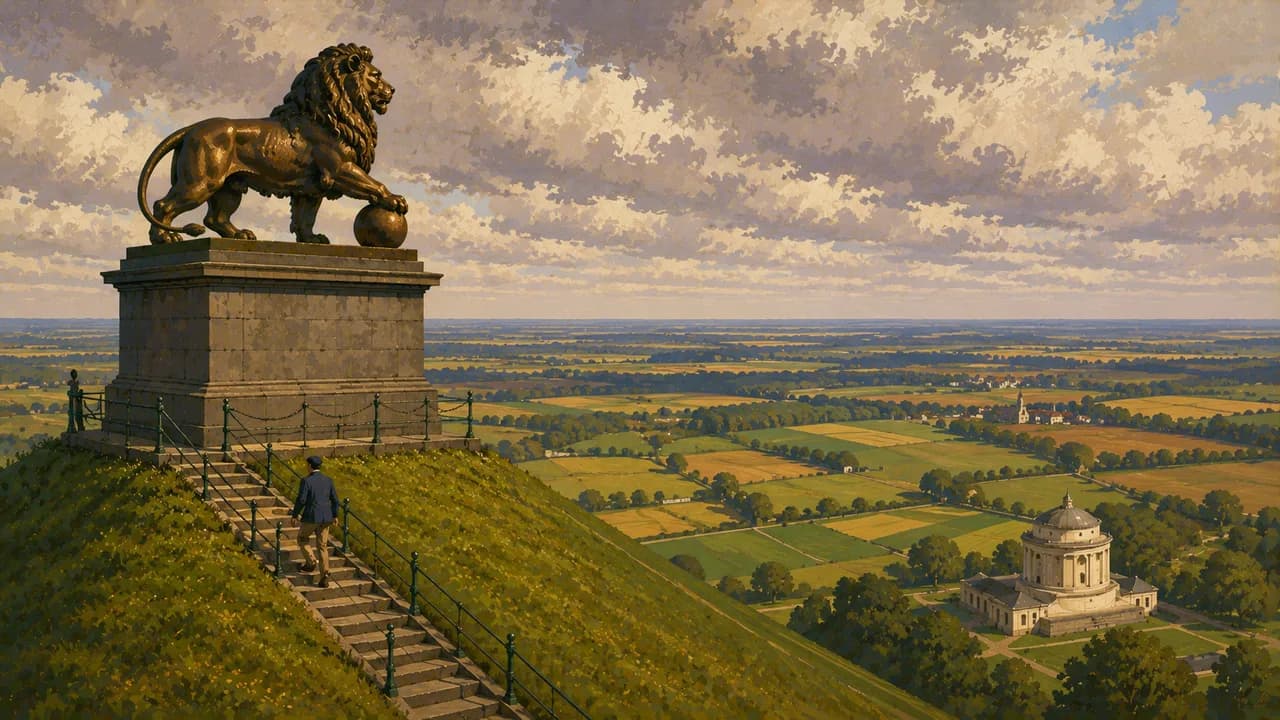
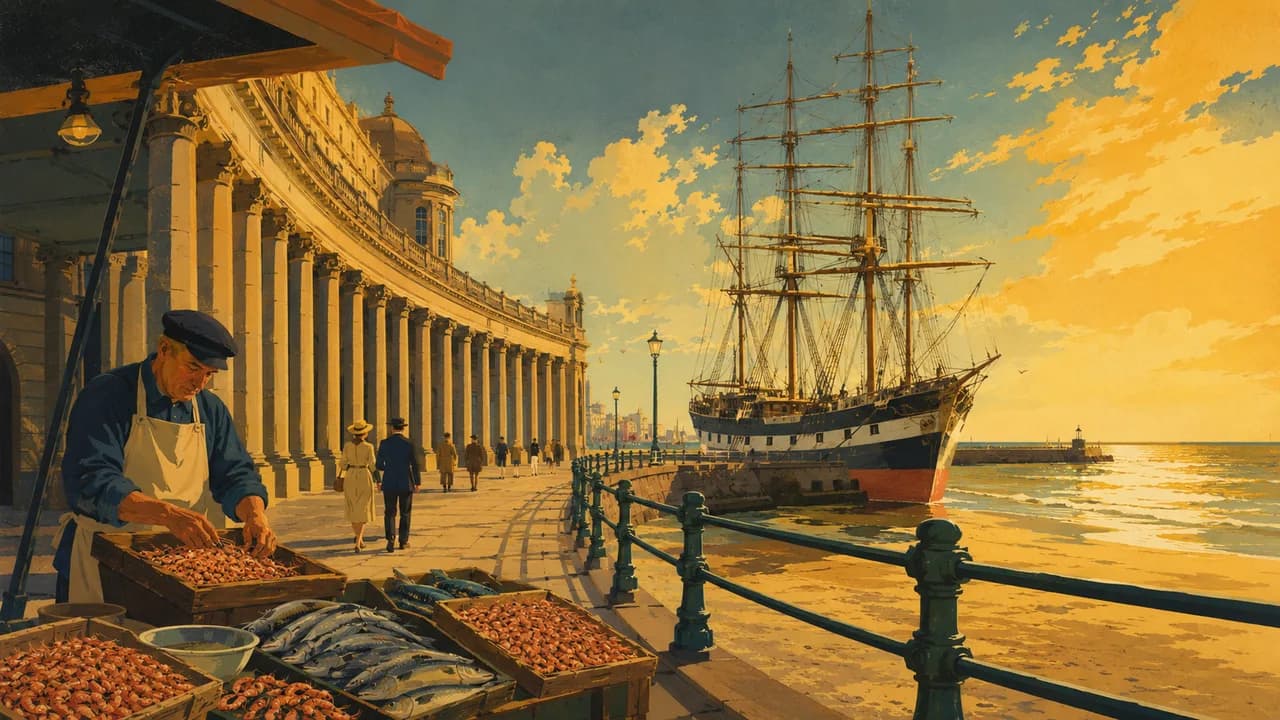
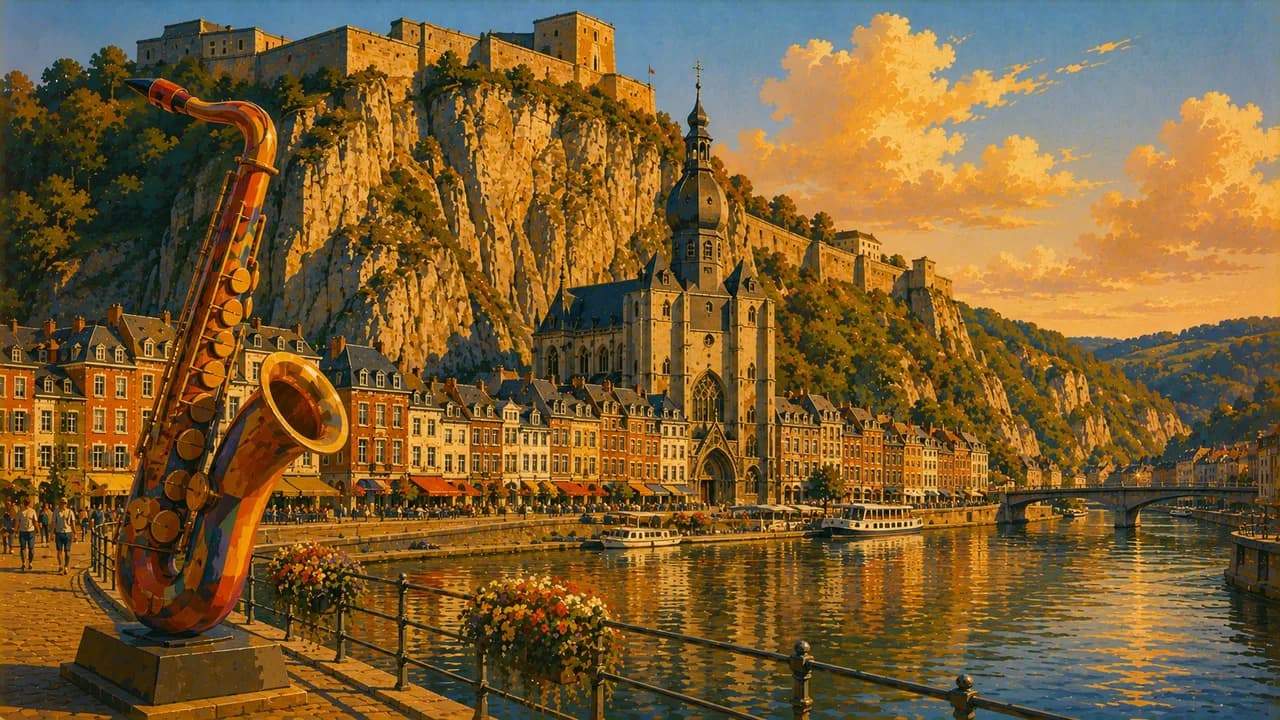
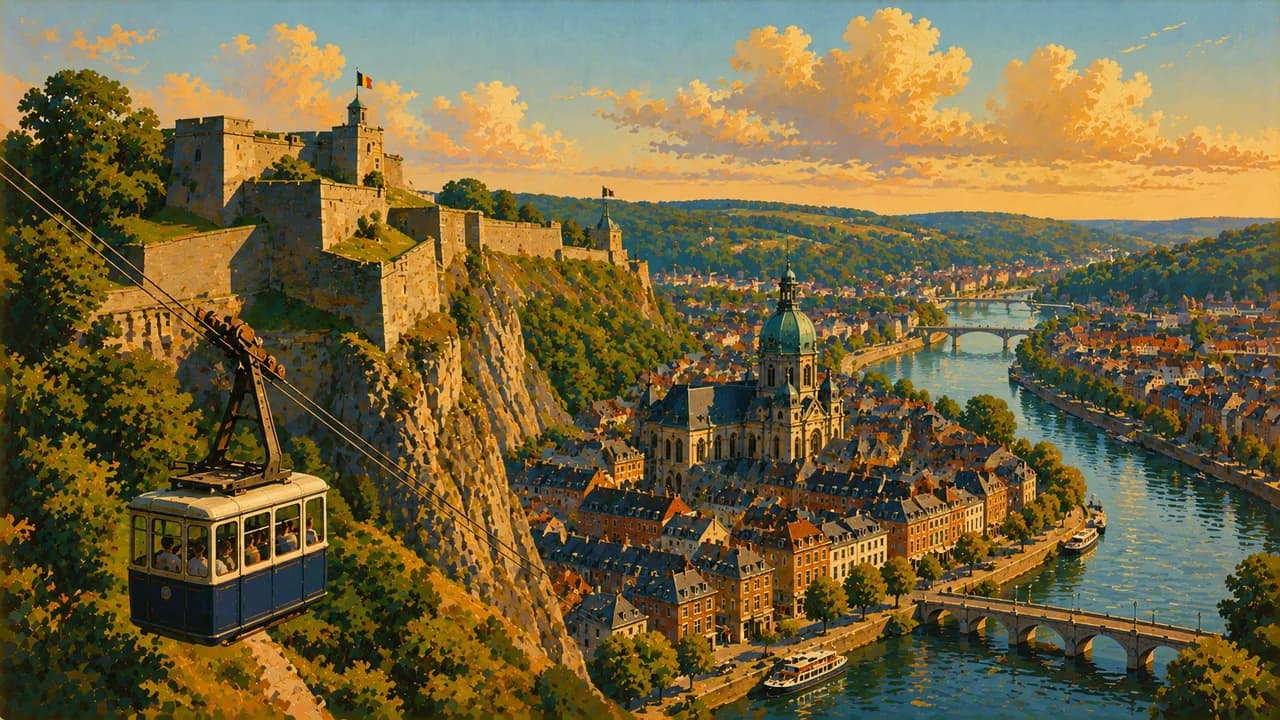
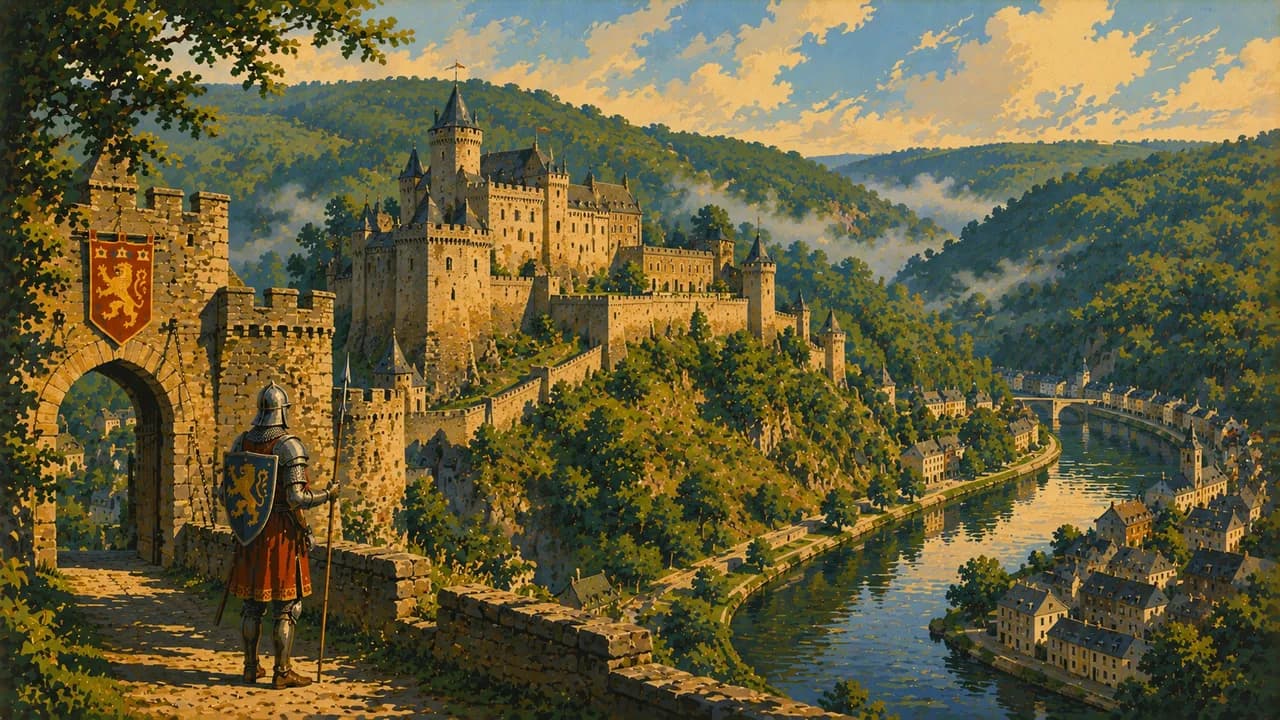
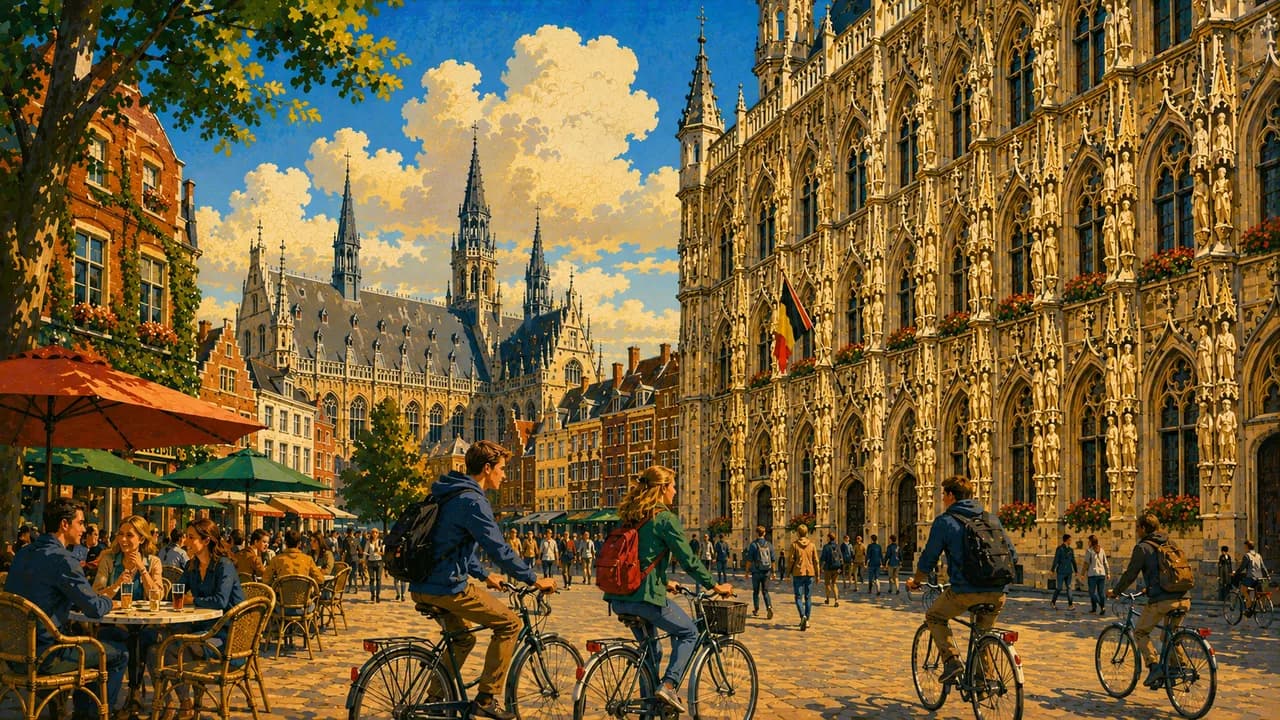
Bruges and Ghent offer canals and historic streets, Antwerp combines painting with fashion, and Leuven adds university heritage. Namur and Dinant overlook the Meuse, while Bouillon's castle and the forests and caves of the Ardennes invite exploration. The High Fens offer moorland walks in the east. Ostend and De Haan bring beaches, dunes and seaside culture to the coast. Memorials around Ypres recall the First World War, and Waterloo tells the story of Napoleon's final defeat.
Chocolate, waffles, fries, mussels and varied brewing traditions are part of everyday food culture. Trains connect the main cities, while rural outings can require buses, bicycles or a car. Cycle routes connect villages, canals and agricultural landscapes in Flanders, while Wallonia's former railway paths and riverside trails reveal another side of the countryside. Local markets, small museums and workshops add everyday perspectives beyond the principal monuments.
Beer traditions, regional cheeses and bakery specialities differ between towns and linguistic regions. Short distances make nearby excursions practical without a constant change of accommodation. Cities work in every season, while coastal outings, woodland walks and cycling depend more on wind, rain and daylight. Combining one or two cities with their surroundings gives the different regions room to show their character.
AI edited
- 3
- Regions
- 11.9 million
- Population
- 30,689 km²
- Area
- Dutch, French & German
- Languages
- English
- Other languages English is spoken especially in larger cities and international tourism. Knowledge and preferred everyday language vary by region and individual.
- Euro (EUR)
- Currency
- C · E
- Socket types
- Brussels
- Capital
- Right-hand traffic
- Driving side
- UTC+1 / UTC+2
- Time zone Belgium uses UTC+1 nationwide in winter and UTC+2 during daylight saving time. The clock bar adjusts automatically for seasonal clock changes.
- 15
- UNESCO cultural sites
Belgium on the map

Map data: geoBoundaries (CC BY 4.0), © OpenStreetMap contributors (ODbL), Natural Earth
Climate and best time to travel
Belgium has a temperate maritime climate with precipitation in every season. April to October often offer pleasant conditions for city visits, cycling and exploring gardens and remembrance sites. July and August are usually best for North Sea beach days, although wind, cool days and brisk water temperatures remain possible. May to October often suit walks in the Ardennes and High Fens, where moorland paths and woodland trails can be wet after rain. Forests turn colourful in autumn, while winter days are colder in the higher eastern areas and snow is possible but unreliable. Museums, chocolate makers and many brewery visits offer year-round alternatives. Check opening times, weather and local trail closures before excursions.
Destinations in Belgium
 AI generated
 AI generated
 AI generated
 AI generated
 AI generated
 AI generated
 AI generated
 AI generated
 AI generated
 AI generated
 AI generated
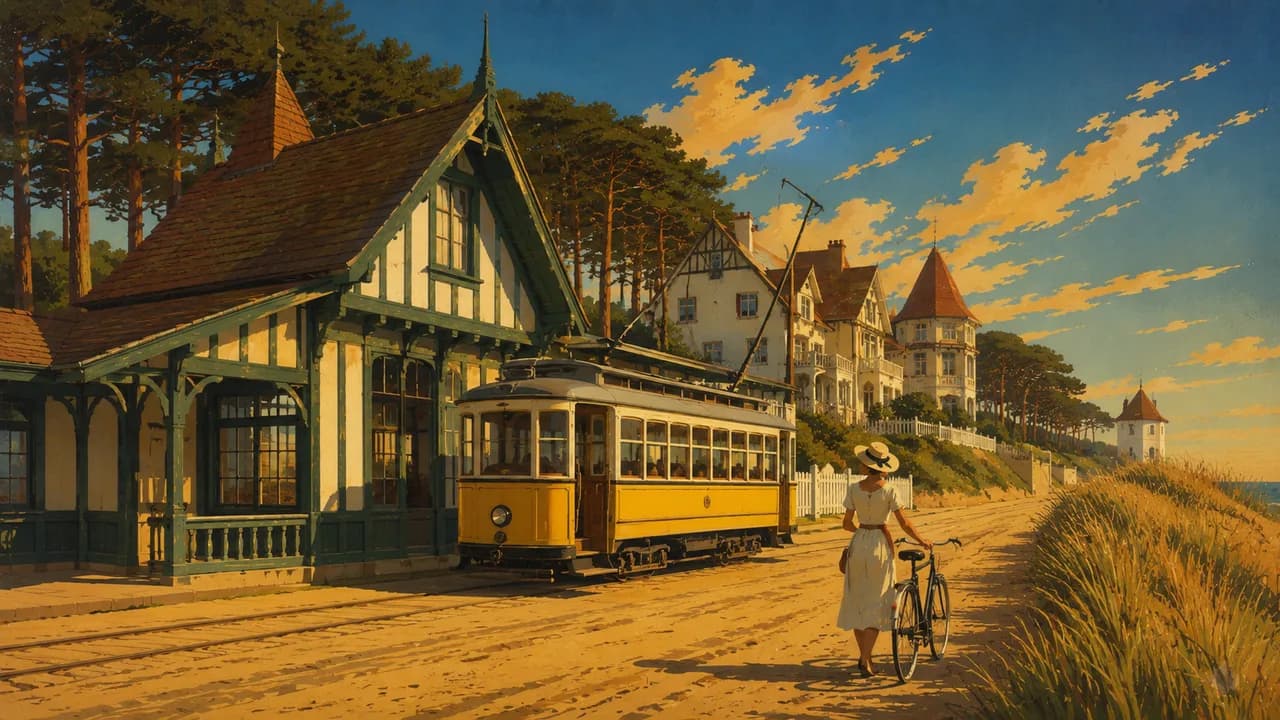 AI generated