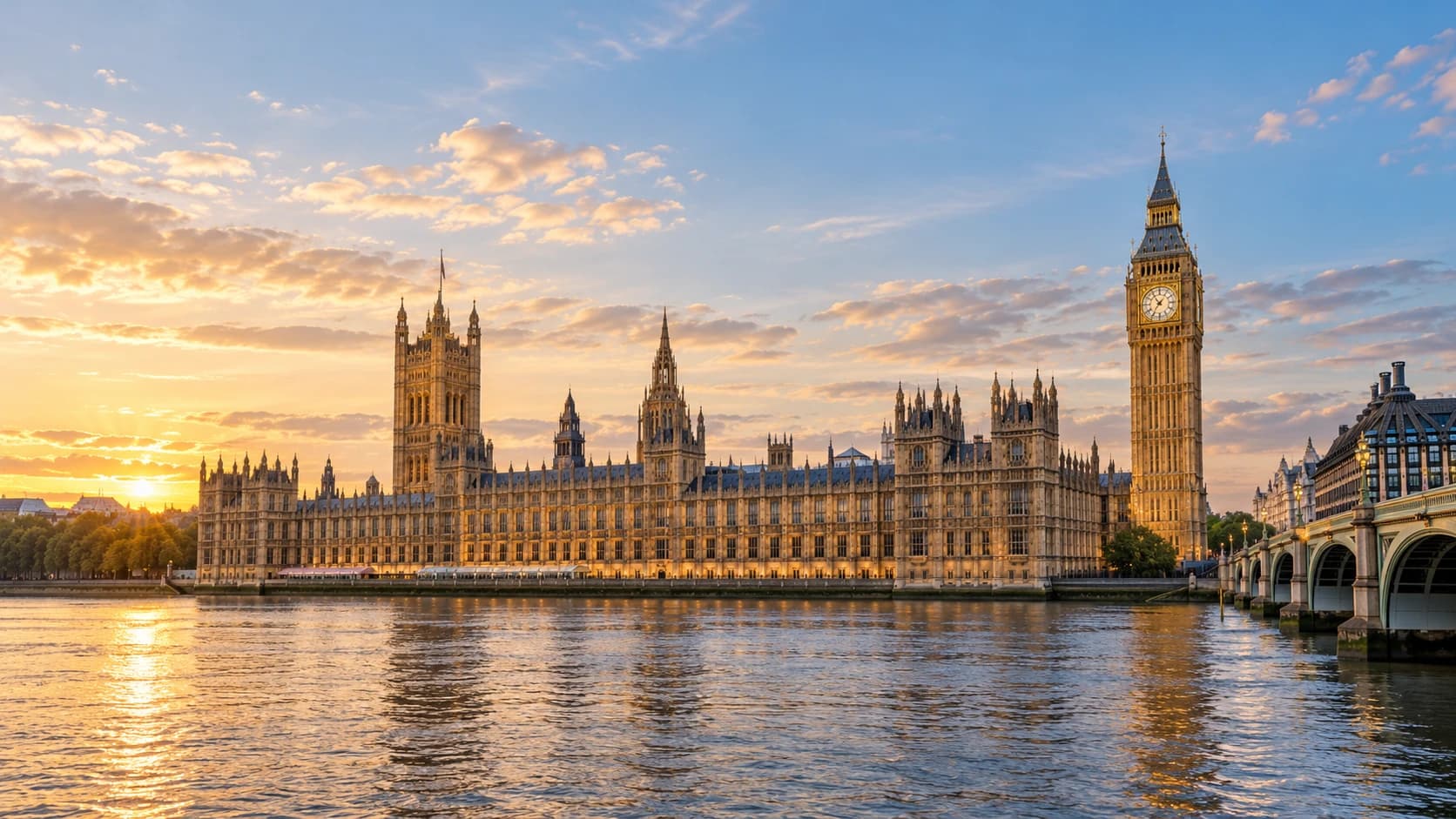
United Kingdom
Historic cities and living traditions meet rugged coasts, open uplands and a creative culture shaped by four nations.
Worth coming back!
Wanderlama keeps growing with new destinations, helpful information and exciting features. Check back soon and discover what is new!
Travel to the United Kingdom
The United Kingdom brings together England, Scotland, Wales and Northern Ireland, with distinct landscapes, traditions and identities. Great Britain comprises the first three, while Northern Ireland lies on the island of Ireland. Jersey, Guernsey and the Isle of Man are Crown Dependencies outside the UK.
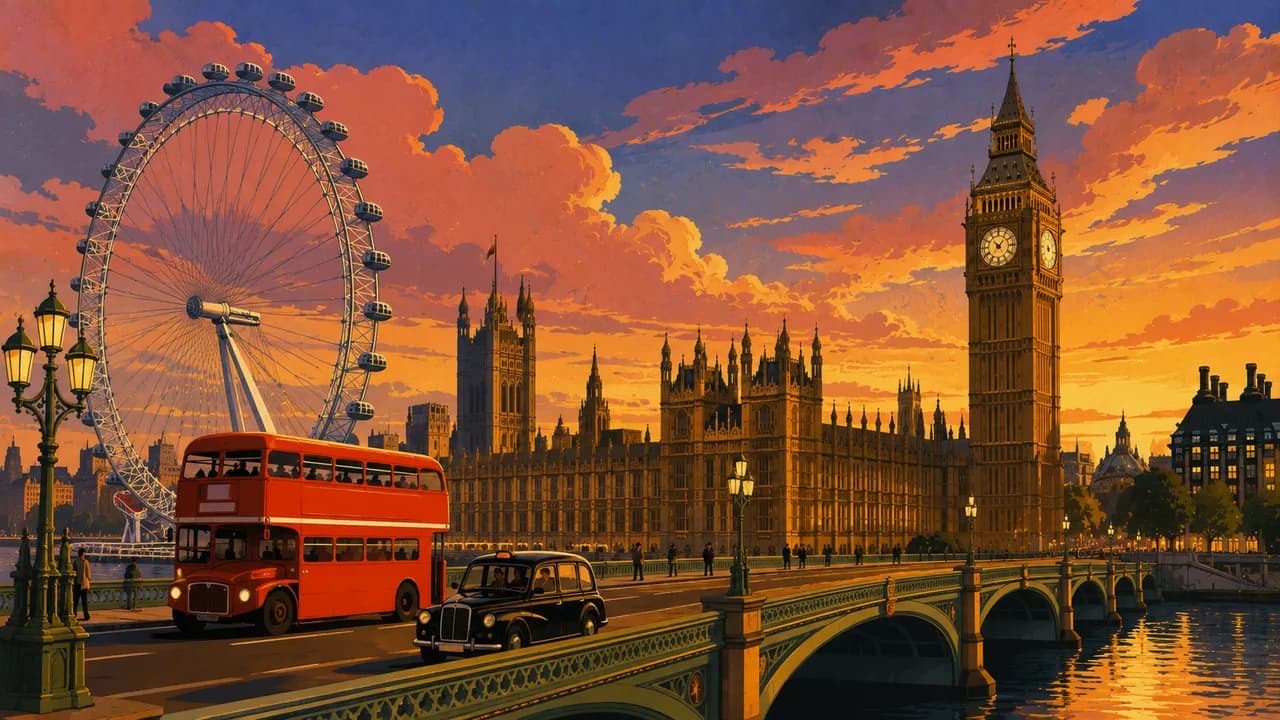
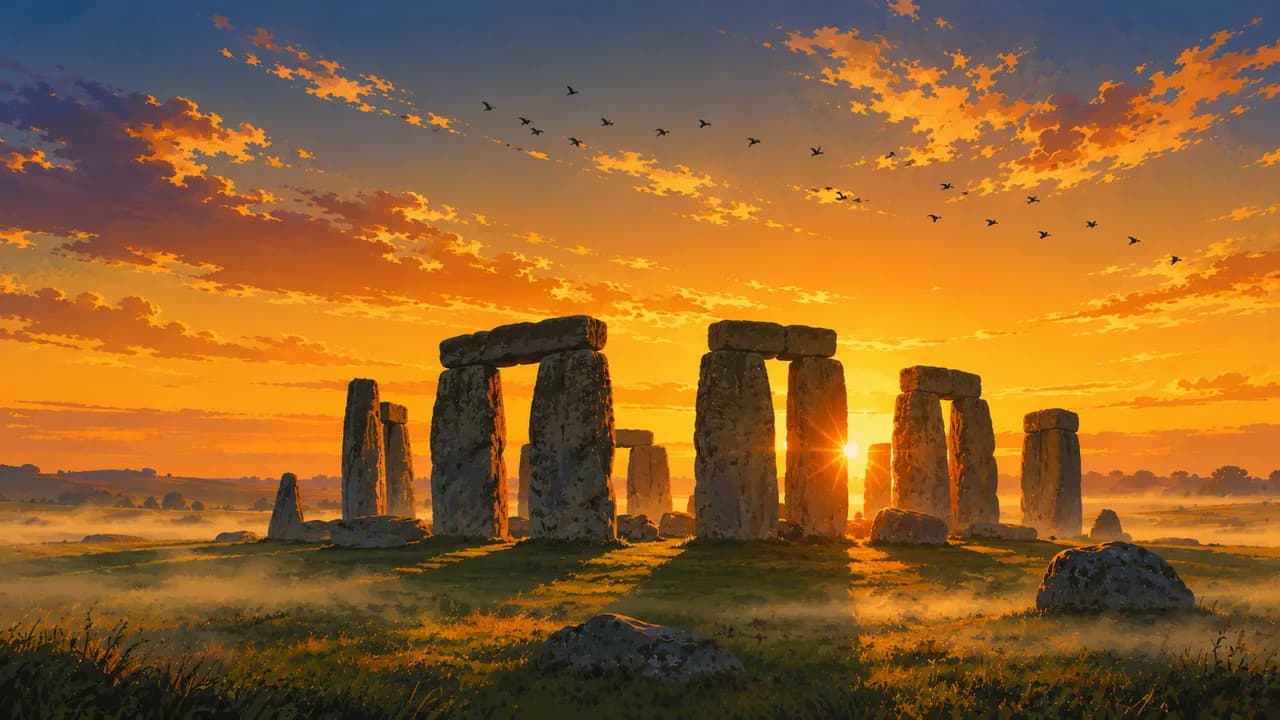
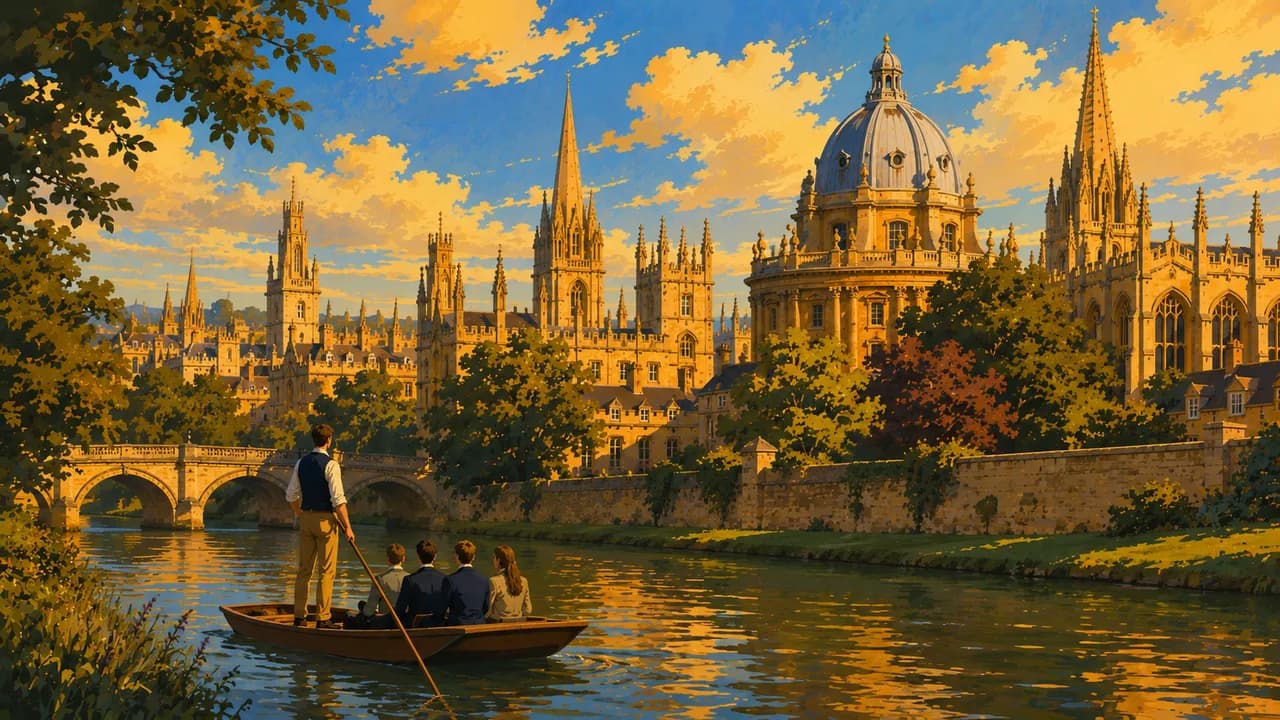
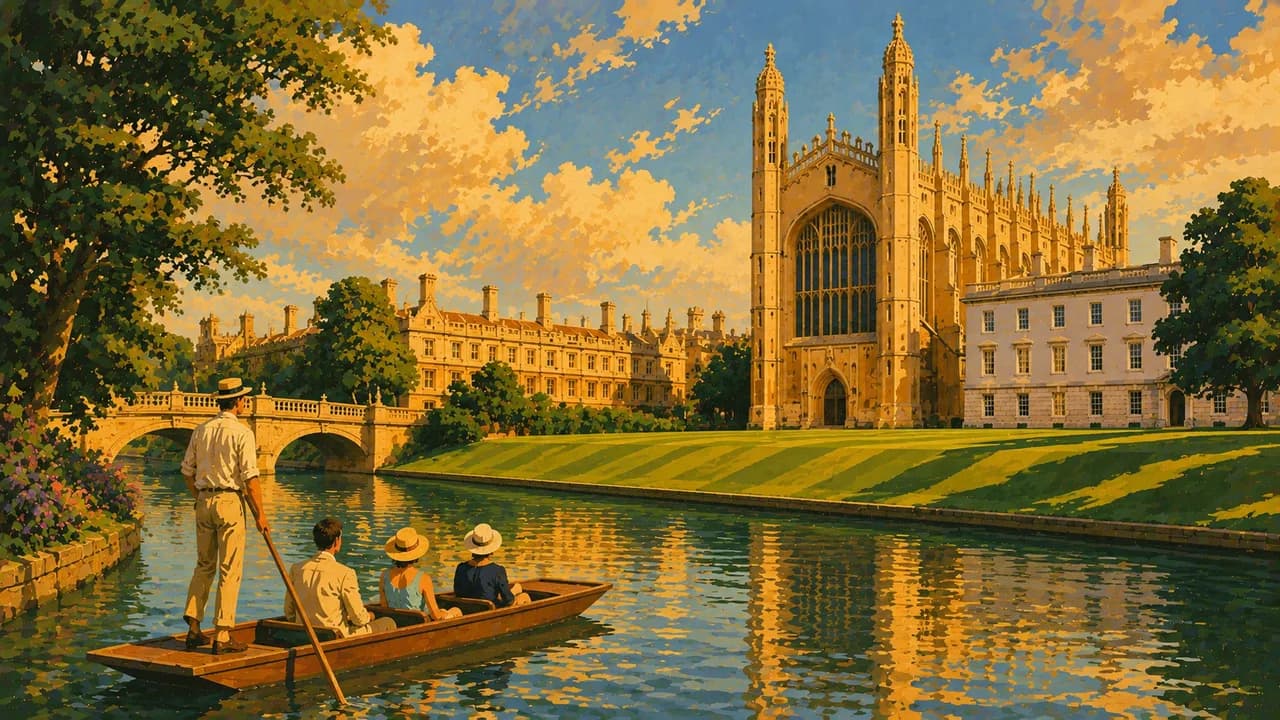
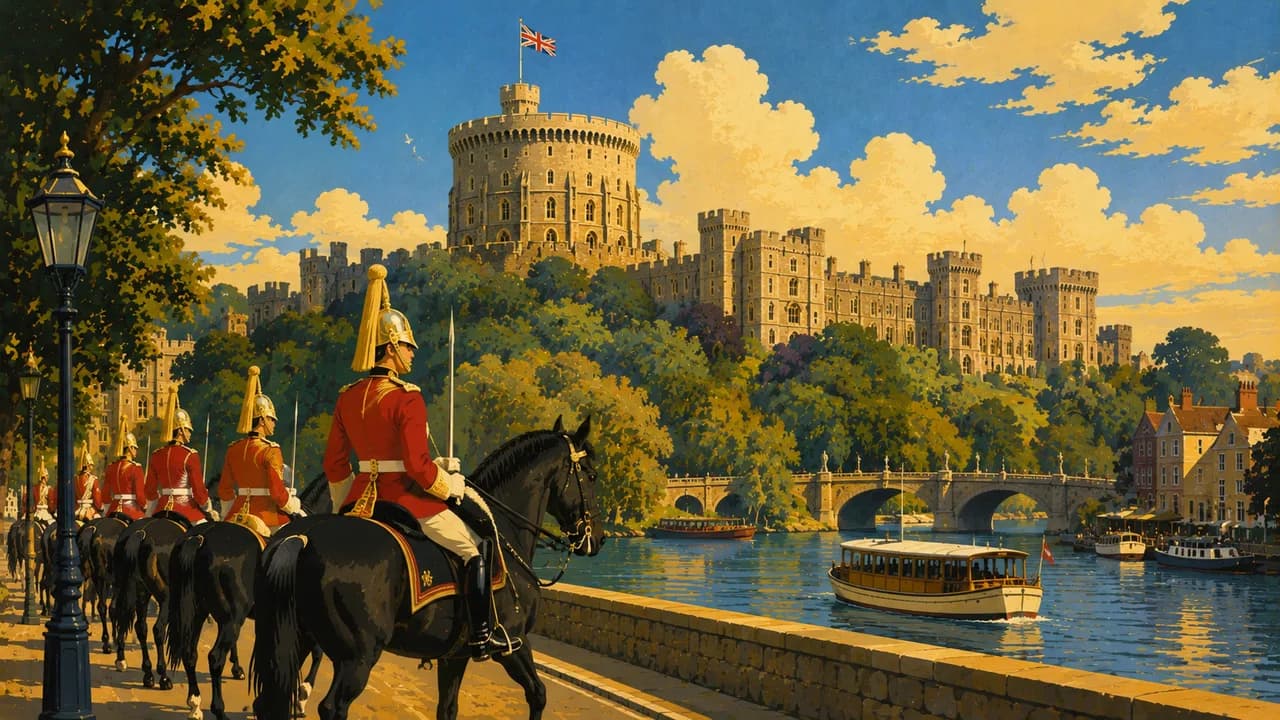
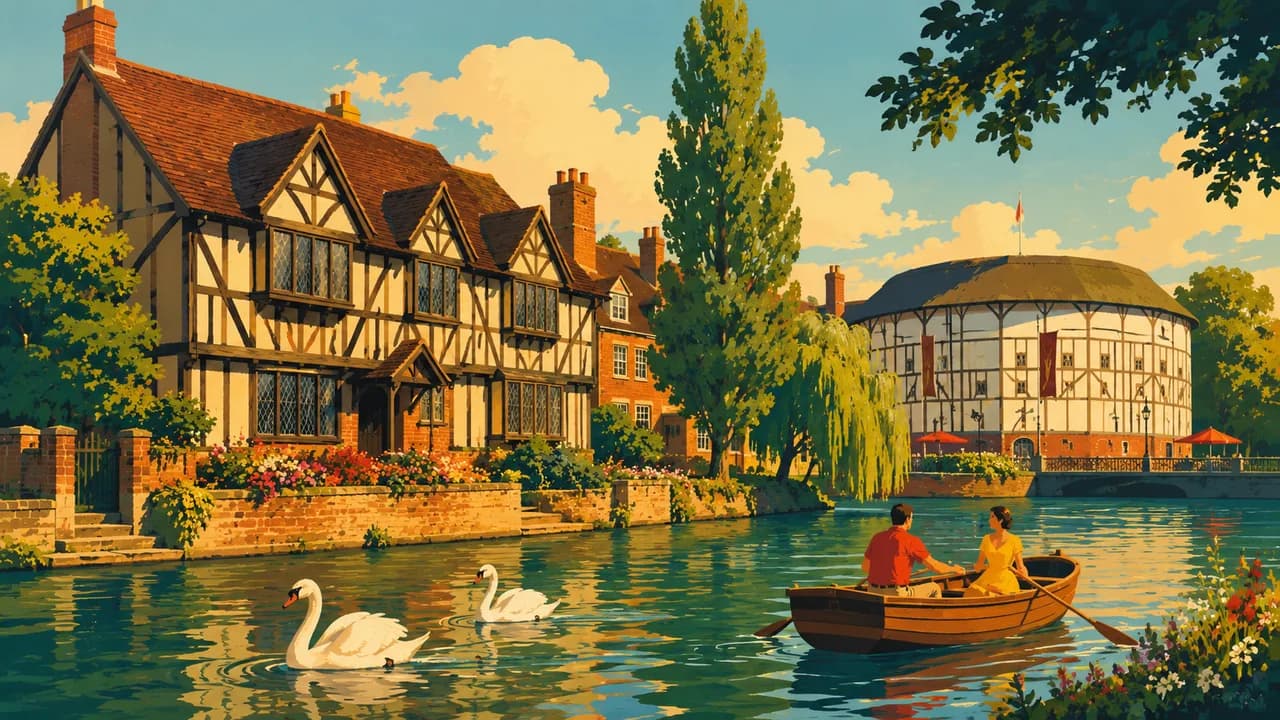
London combines royal palaces, major museums and West End theatre with multicultural neighbourhoods. Windsor adds royal heritage, Oxford and Cambridge university traditions, and Stratford-upon-Avon Shakespeare’s legacy. Cotswolds villages contrast with Birmingham’s industrial heritage. Canterbury’s cathedral, Bath’s Roman and Georgian architecture and Stonehenge reveal different historical layers.
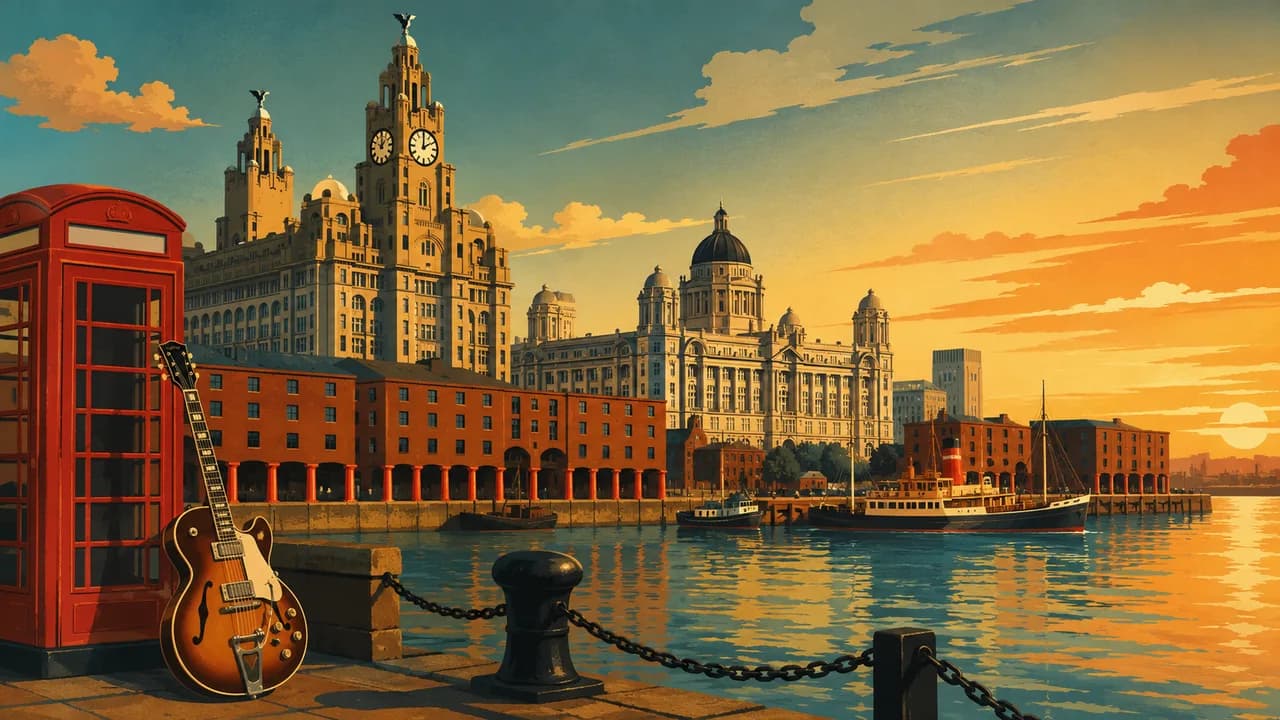
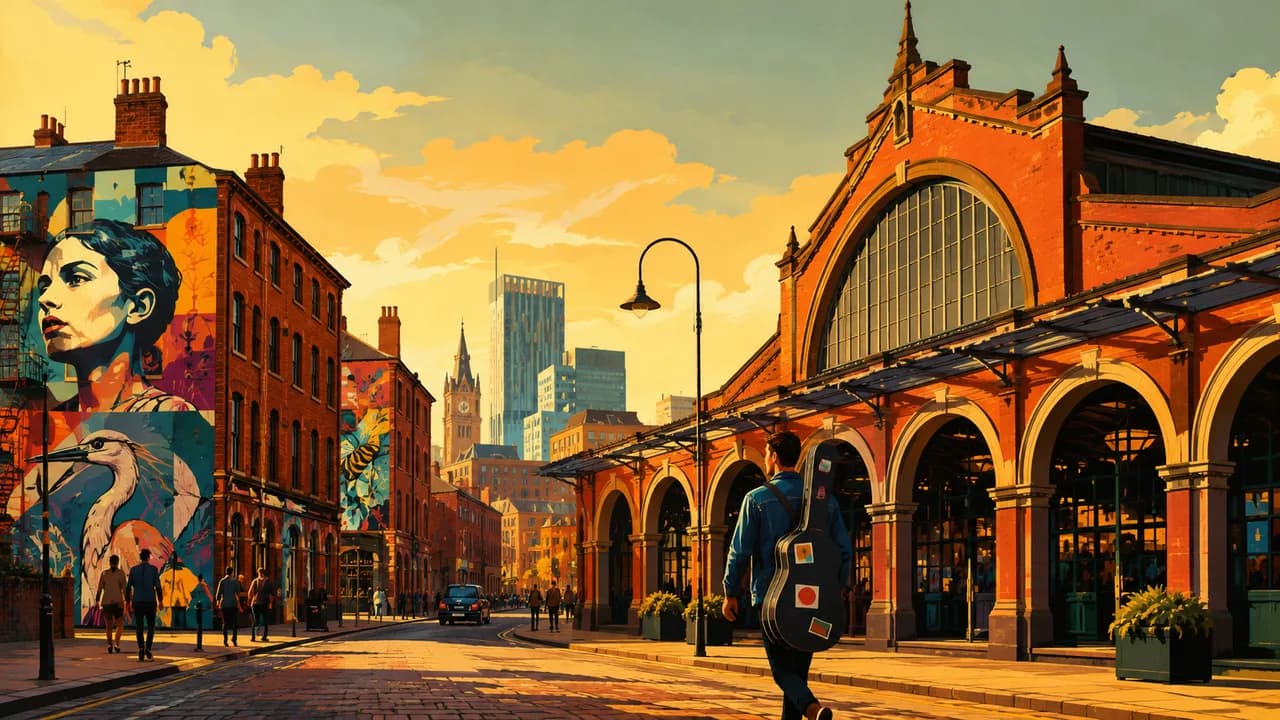
Brighton and the Isle of Wight offer seaside culture and chalk scenery, while the Jurassic Coast reveals fossil-rich cliffs. Cornwall adds fishing villages, surfing and artistic traditions, and Bristol combines maritime heritage with street art. Liverpool and Manchester bring music, football and industrial history. Chester, York and Durham preserve historic streets, while Newcastle upon Tyne adds riverside culture. The Peak District and Lake District offer contrasting uplands and walking landscapes.
In Wales, Cardiff combines a castle, waterfront and cultural venues. Conwy’s castle and walls introduce the north, Eryri’s mountains contrast with Pembrokeshire’s coastal paths, and Bannau Brycheiniog adds open uplands. Welsh language and traditions remain part of everyday life.
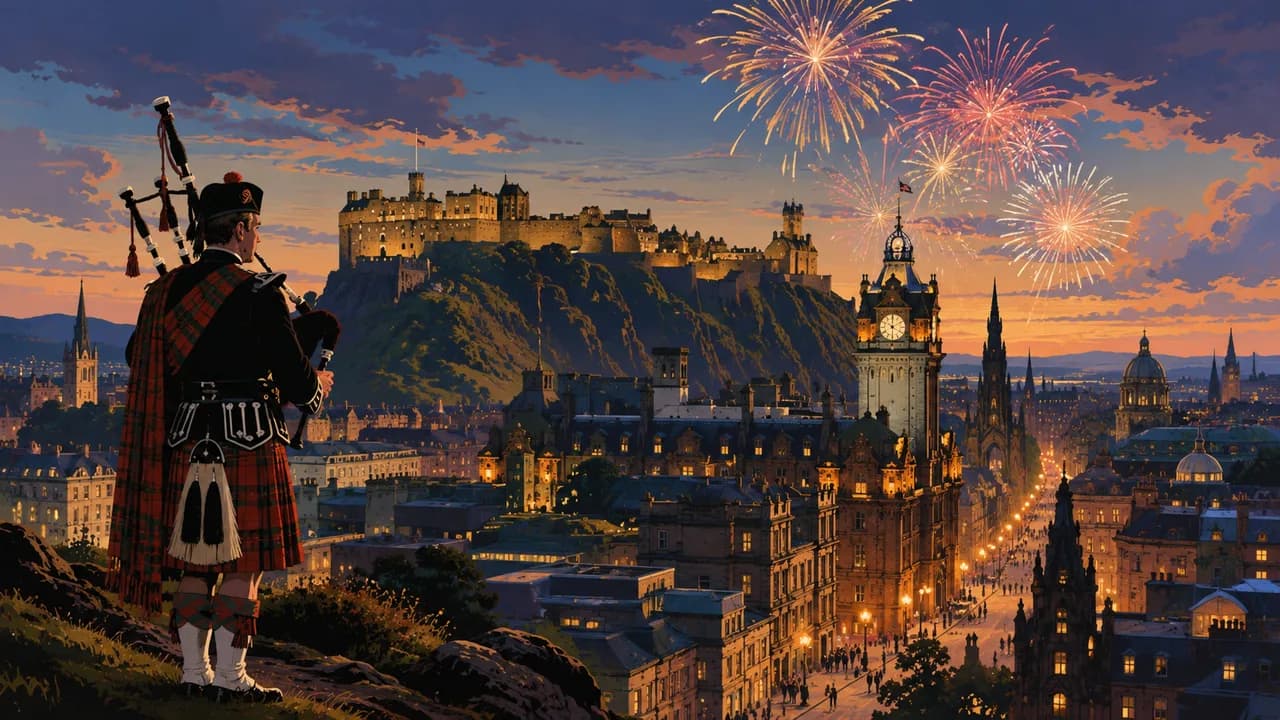
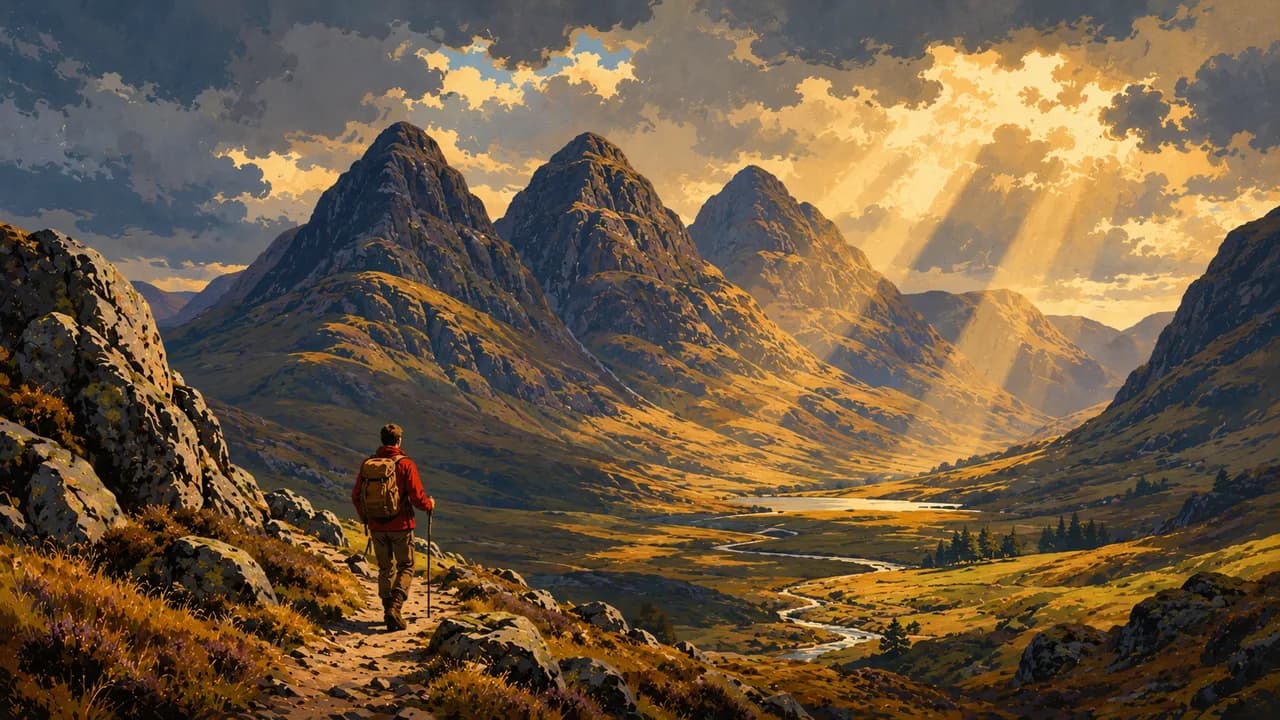
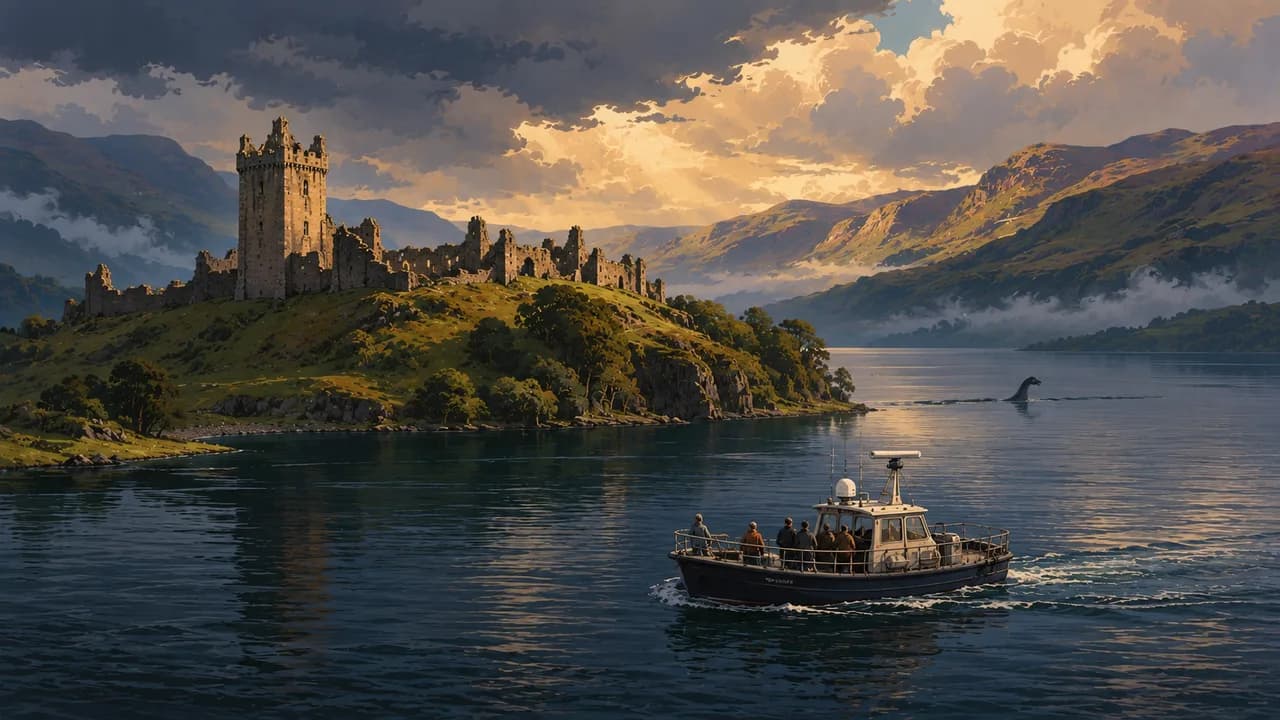
Scotland ranges from Edinburgh’s historic streets to Glasgow’s art and music. Stirling adds royal history, St Andrews university and golf traditions. Loch Lomond and The Trossachs lead towards the Highlands, with Glencoe, Loch Ness and the Isle of Skye offering mountains, lochs and island scenery.
Northern Ireland combines Belfast’s shipbuilding and Titanic heritage with Derry~Londonderry’s city walls and the basalt coast of the Giant’s Causeway. Museums and guided visits provide context for the region’s complex recent history.
Pubs, afternoon tea, fish and chips, Welsh cakes and Scottish whisky sit alongside seafood, regional cheeses and dishes shaped by migration. Rail links many cities, while rural and island journeys need more planning. Ferries, buses and changing coastal or mountain weather shape travel beyond the main centres.
AI edited
- 4
- Constituent countries England, Scotland, Wales and Northern Ireland form the UK. Crown Dependencies and Overseas Territories are outside it, with separate pages.
- ≈ 69.5 million
- Population ONS estimates 69.5 million UK residents in mid-2025, published October 2026. Rounded, not a live population count.
- ≈ 242,500 km²
- Area Rounded from the UN surface-area figure of 242,495 km². Excludes Crown Dependencies and Overseas Territories. Figures differ with the geographic measurement convention.
- English
- Language English is the main language across the UK. Welsh, Gaelic and Irish have distinct regional status and protections.
- Welsh, Gaelic & others
- Other languages Welsh, Scottish Gaelic, Scots, Irish, Ulster Scots and Cornish contribute to regional identities. Migrant communities add many more languages.
- Pound sterling (GBP)
- Currency The UK uses pound sterling, symbol £. Scottish and Northern Irish banknotes are also denominated in sterling.
- G
- Socket type Type G sockets, 230 V, 50 Hz. Check appliance compatibility. A plug adaptor does not convert voltage.
- London
- Capital London is the UK capital and seat of its government and Parliament. Edinburgh, Cardiff and Belfast host devolved institutions.
- Left-hand traffic
- Driving side Vehicles drive on the left. Speed limits and road distances generally use miles. Narrow rural roads may have passing places.
- UTC+0 / UTC+1
- Time zone London represents all four UK countries. Greenwich Mean Time is UTC+0 in winter, British Summer Time UTC+1 in summer. Overseas Territories have separate time zones.
The United Kingdom on the map

Map data: geoBoundaries (CC BY 4.0), © OpenStreetMap contributors (ODbL), Natural Earth
Climate and best time to travel
The temperate maritime climate brings changeable weather throughout the year. April to October broadly suits cultural visits and countryside trips. May to September offers longer daylight for uplands and Scottish islands, with rain and strong winds still possible. Coastal visits are often most comfortable from June to September, without guaranteed swimming conditions. Museums and city culture offer year-round options. Mountain weather, daylight, ferry services and seasonal opening arrangements need separate planning.
Destinations in the United Kingdom
 AI generated
 AI generated
 AI generated
 AI generated
 AI generated
 AI generated
 AI generated
 AI generated
 AI generated
 AI generated
 AI generated
 AI generated