Isle of Man
Ellan Vannin
Green headlands, heritage railways and sheltered bays meet Viking stories, living Manx traditions and the flavours of the Irish Sea.
Worth coming back!
Wanderlama keeps growing with new destinations, helpful information and exciting features. Check back soon and discover what is new!
Travel to the Isle of Man
The Isle of Man lies in the Irish Sea between Great Britain and Ireland. A self-governing Crown Dependency, it is not part of the United Kingdom and has its own parliament, Tynwald. Green uplands, wooded glens, sandy bays and rocky headlands give this compact island varied scenery, while Celtic and Norse influences shape a distinct Manx identity.
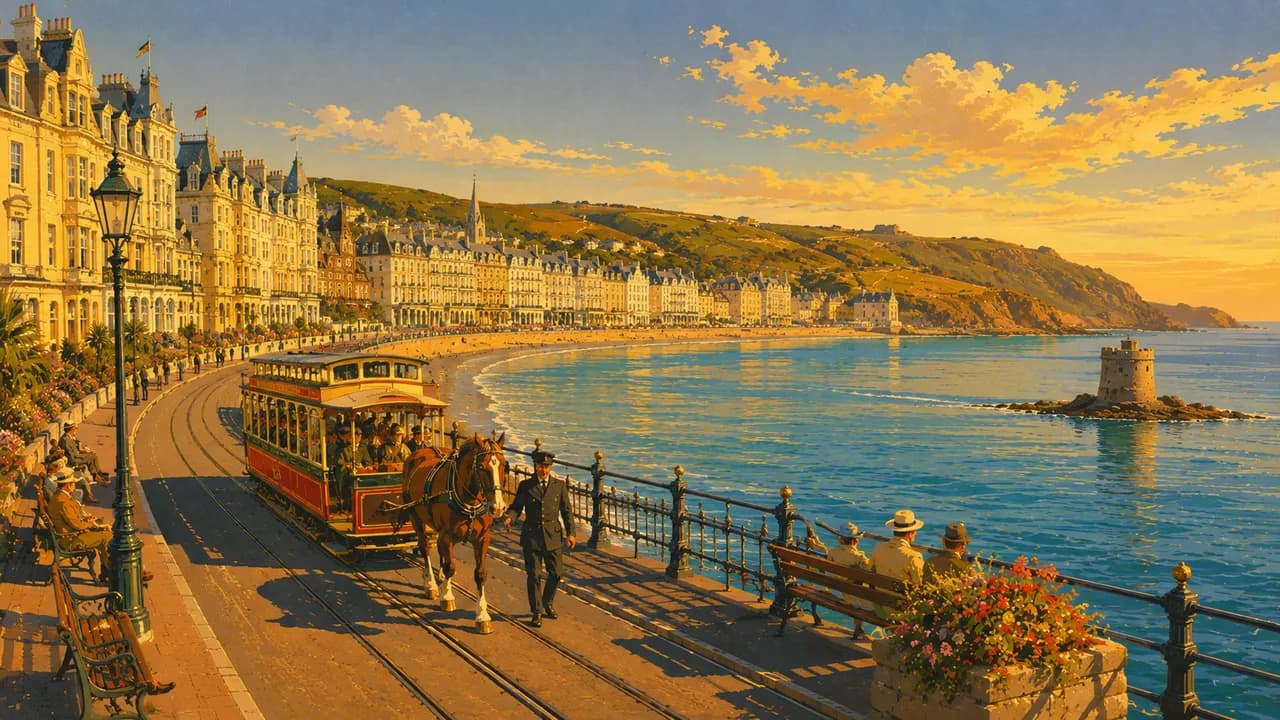
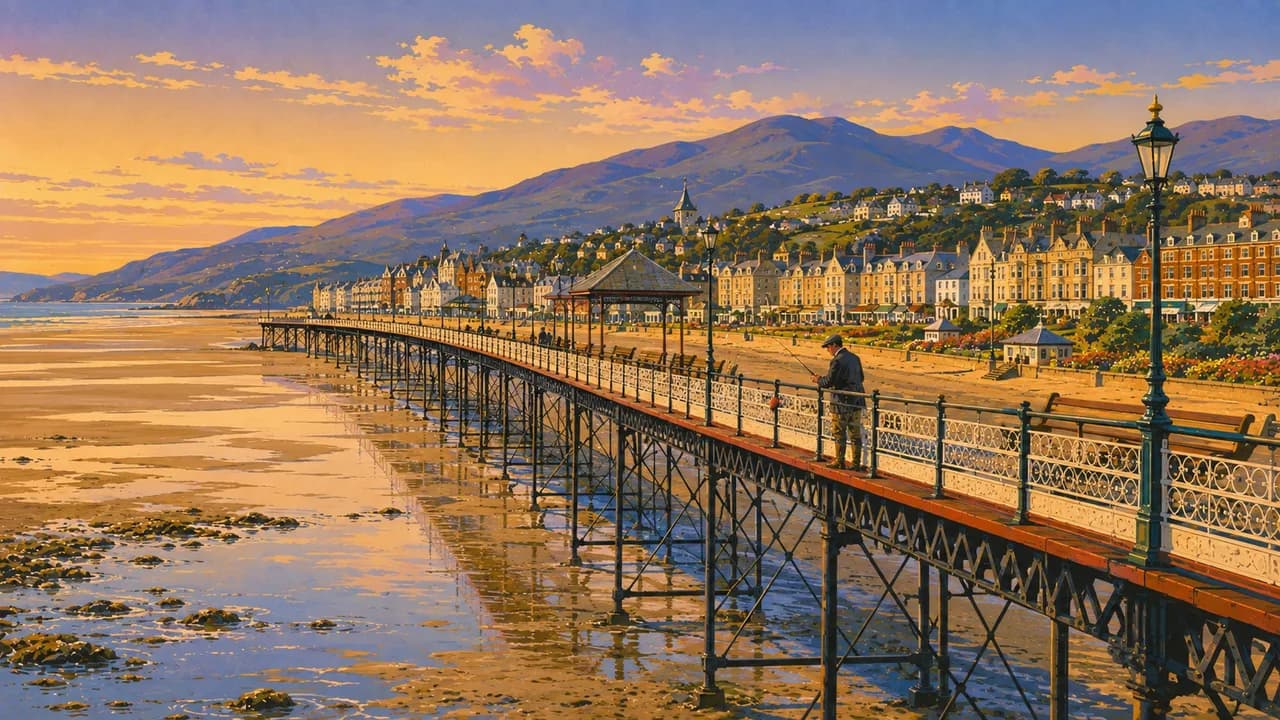
Douglas combines a sweeping seafront with the Manx Museum, the Gaiety Theatre and traces of Victorian seaside culture. Heritage transport forms part of the island experience, from the steam railway towards Port Erin to the Manx Electric Railway linking the east coast with Ramsey. Services are seasonal, and the railways complement rather than replace exploration of the surrounding countryside.
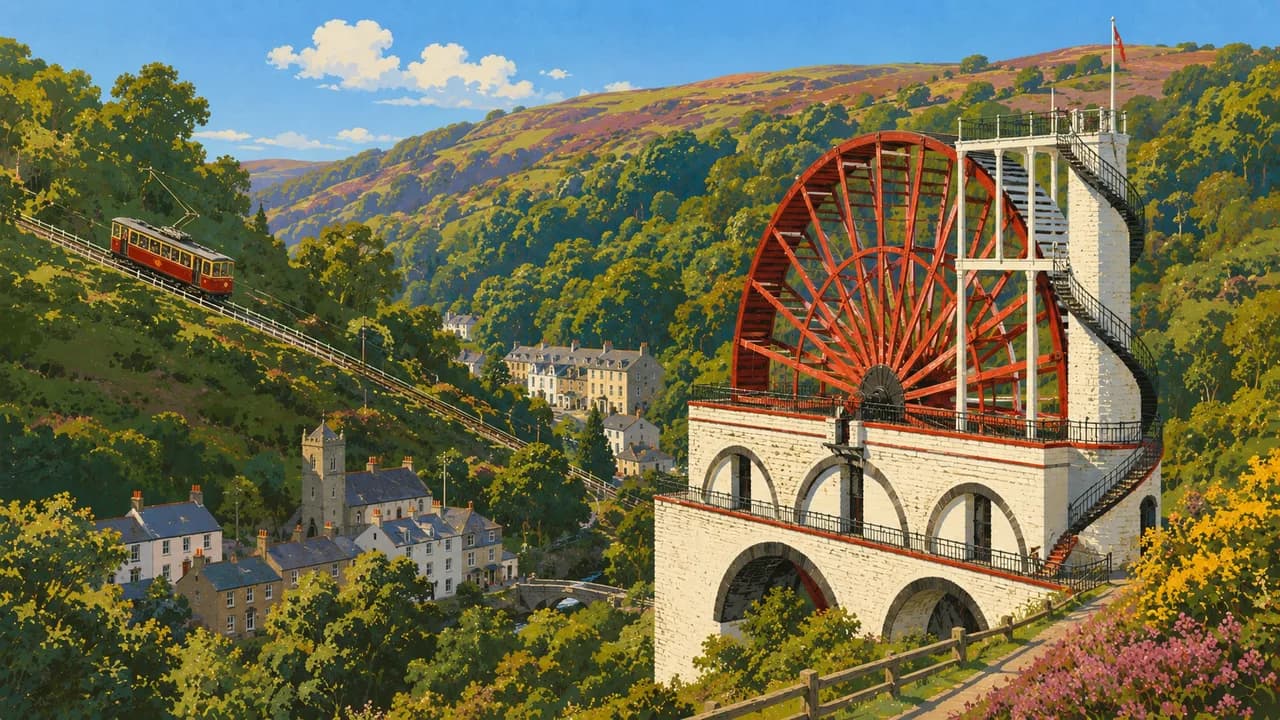
Laxey’s great waterwheel recalls the mining industry that once supported the village. The Snaefell Mountain Railway climbs inland to the island’s highest summit, where views depend on the weather. Ramsey offers a broad northern bay, Mooragh Park and access to quieter landscapes towards the Point of Ayre. Walking routes connect upland moorland, sheltered valleys and changing coastal habitats.
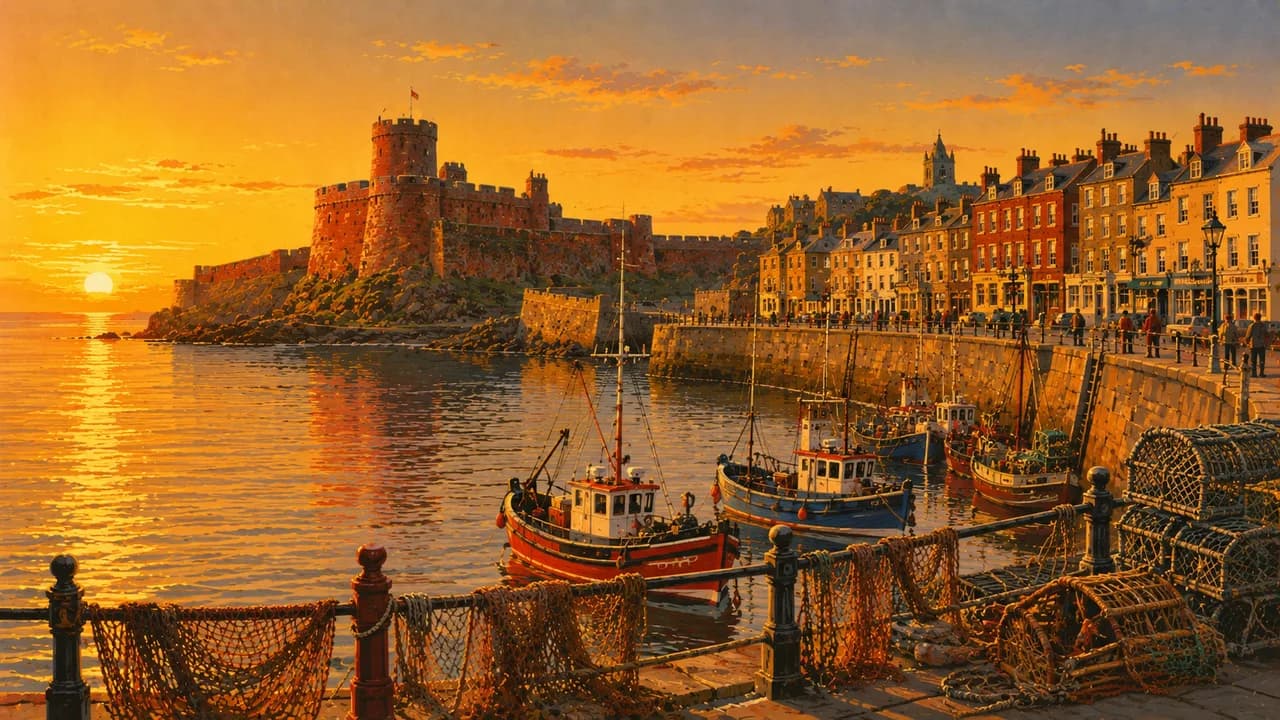
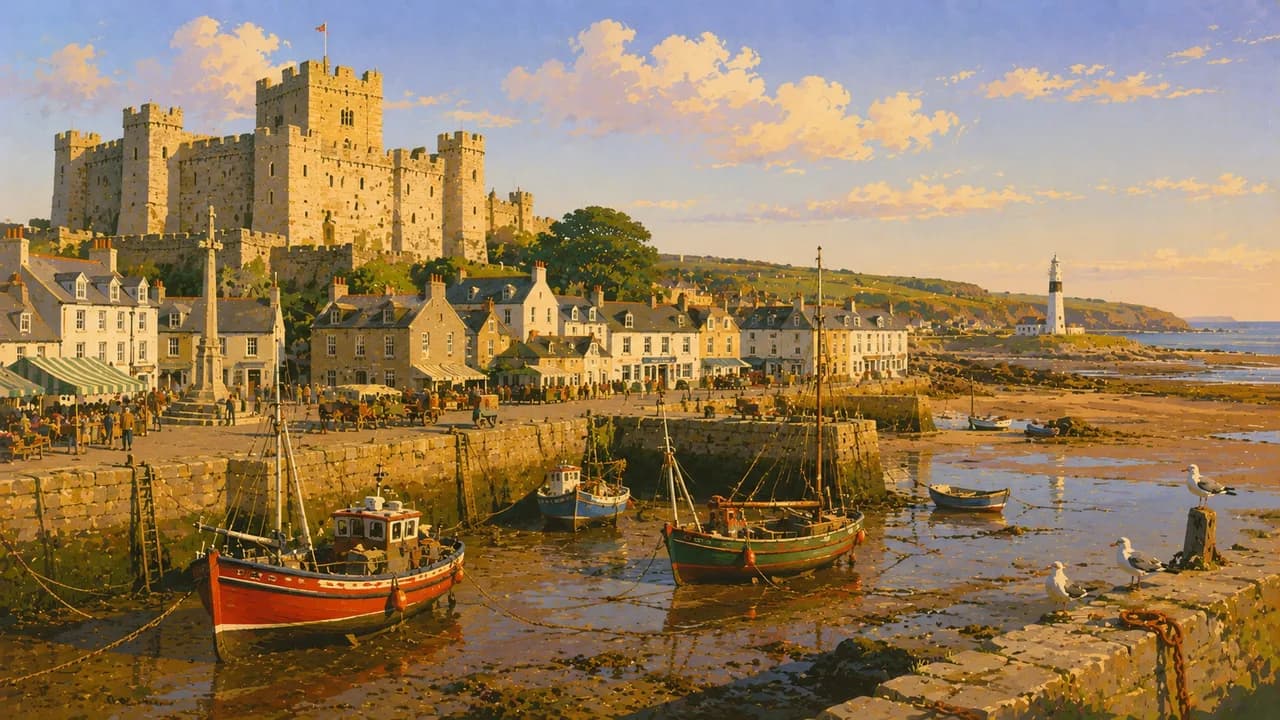
Peel brings together a working harbour, smoked-herring traditions, Peel Castle and the House of Manannan’s accounts of Celtic, Viking and maritime heritage. Castletown preserves Castle Rushen and the Old House of Keys, recalling its role as the former capital. In the south, Port Erin’s sheltered bay, the traditional village of Cregneash and the Sound overlook a coastline rich in seabirds and marine life. Visits to the Calf of Man depend on access arrangements and sea conditions.
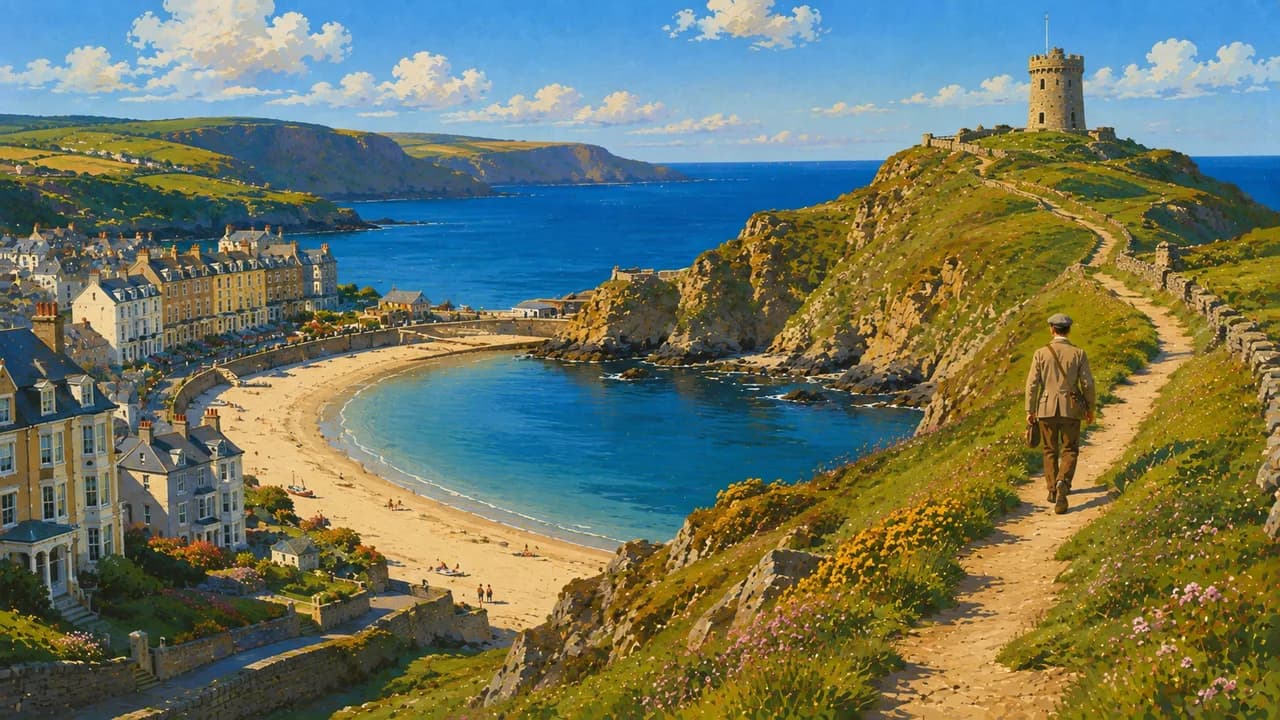
The Raad ny Foillan coastal path reveals the island at a slower pace, alongside cycling, beach walks and wildlife observation. The TT motorcycle races are another prominent part of its identity, without defining the island as a whole. Manx language, traditional music and folklore remain living cultural threads. Local flavours include queenie scallops, kippers, Loaghtan lamb and cheese, linking fishing, farming and everyday island life.
AI edited
- 621 m
- Highest point Snaefell is the island’s highest summit at 621 m. Its mountain railway is seasonal, and views depend on weather.
- ≈ 84,000
- Population The 2021 census counted 84,069 residents. Rounded to 84,000, not a live population estimate.
- ≈ 572 km²
- Area Approximate island area given in the Isle of Man Government’s overview. The island is a self-governing Crown Dependency, not part of the United Kingdom.
- English
- Language English is the main everyday language. Manx Gaelic also has a distinct place in education and cultural life.
- Manx Gaelic
- Other languages Manx Gaelic, or Gaelg, is the island’s traditional Celtic language. Teaching, music and community activities support its revival.
- Manx pound (IMP)
- Currency The Manx pound has equal value to sterling. UK currency is accepted locally, but Manx notes and coins are not generally accepted in the UK.
- G
- Socket type British three-pin type G, 230 V, 50 Hz. Check appliance compatibility. An adaptor does not convert voltage.
- Douglas
- Capital Douglas is the capital and main harbour on the east coast. Castletown is the former capital.
- Left-hand traffic
- Driving side Traffic drives on the left. Public-road race courses have a separate role during organised events, not unrestricted racing use.
- UTC+0 / UTC+1
- Time zone Winter Greenwich Mean Time, UTC+0, and summer British Summer Time, UTC+1. Browser and home comparisons account for seasonal clock changes.
Isle of Man on the map

Map data: geoBoundaries (CC BY 4.0), © OpenStreetMap contributors (ODbL), Natural Earth
Climate and best time to travel
The maritime climate brings cool summers, relatively mild winters and changeable weather. May to September offers a broad window for coastal paths, countryside and heritage railways. Wind, rain and hill fog can affect outings throughout the year. Museums, Manx culture and local food complement outdoor travel. Railway operation, heritage-site access and island crossings remain seasonal.