Andorra
Mountain lakes, Romanesque stone churches and high pastures meet winter sports, thermal springs and hearty Pyrenean cooking.
Worth coming back!
Wanderlama keeps growing with new destinations, helpful information and exciting features. Check back soon and discover what is new!
Travel to Andorra
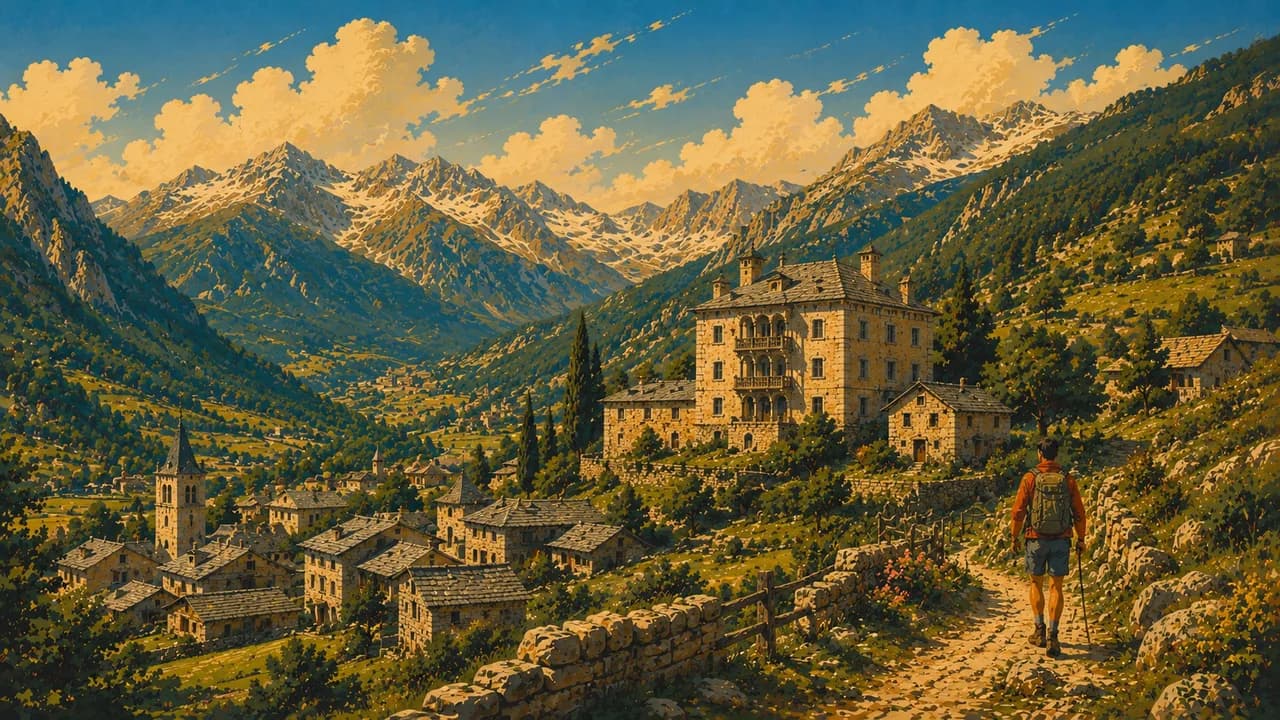
Andorra is an independent parliamentary co-principality in the eastern Pyrenees between France and Spain. Deep valleys, mountain lakes, forests and high pastures give the small country a character far beyond its shopping streets. Catalan is the official language, and village festivals, stone architecture and pastoral traditions connect modern life with a distinctive mountain culture.
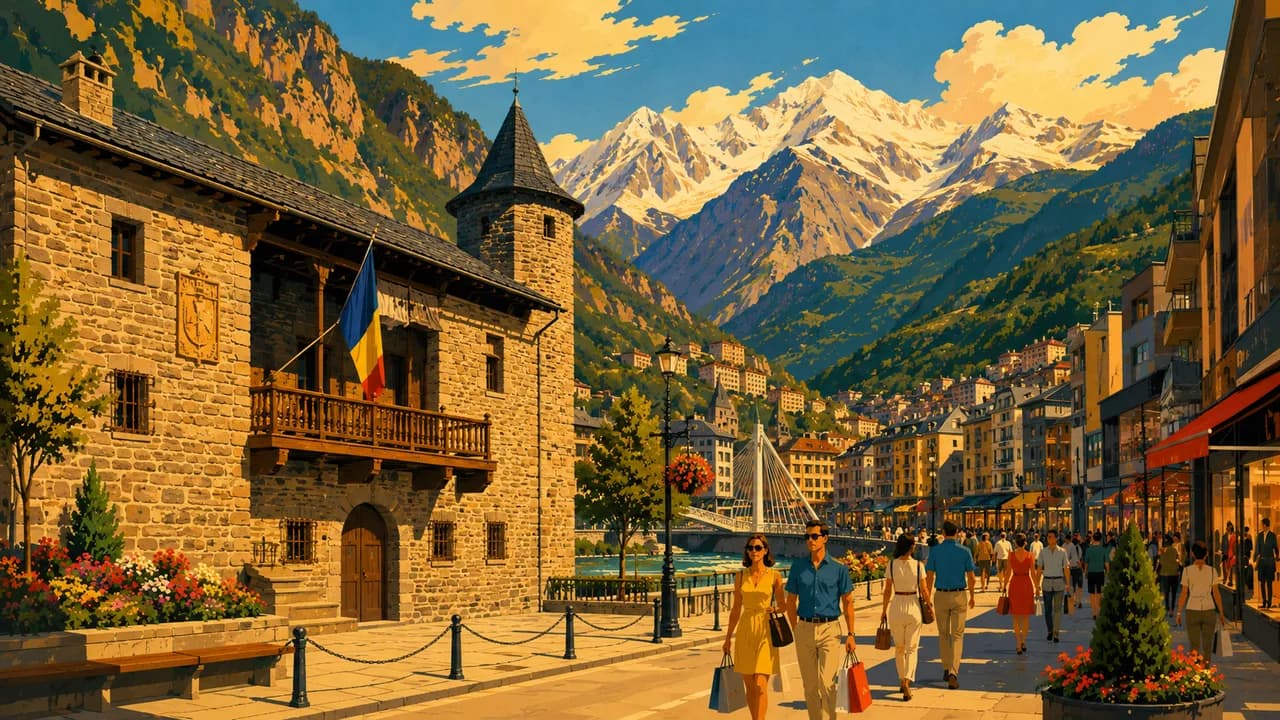
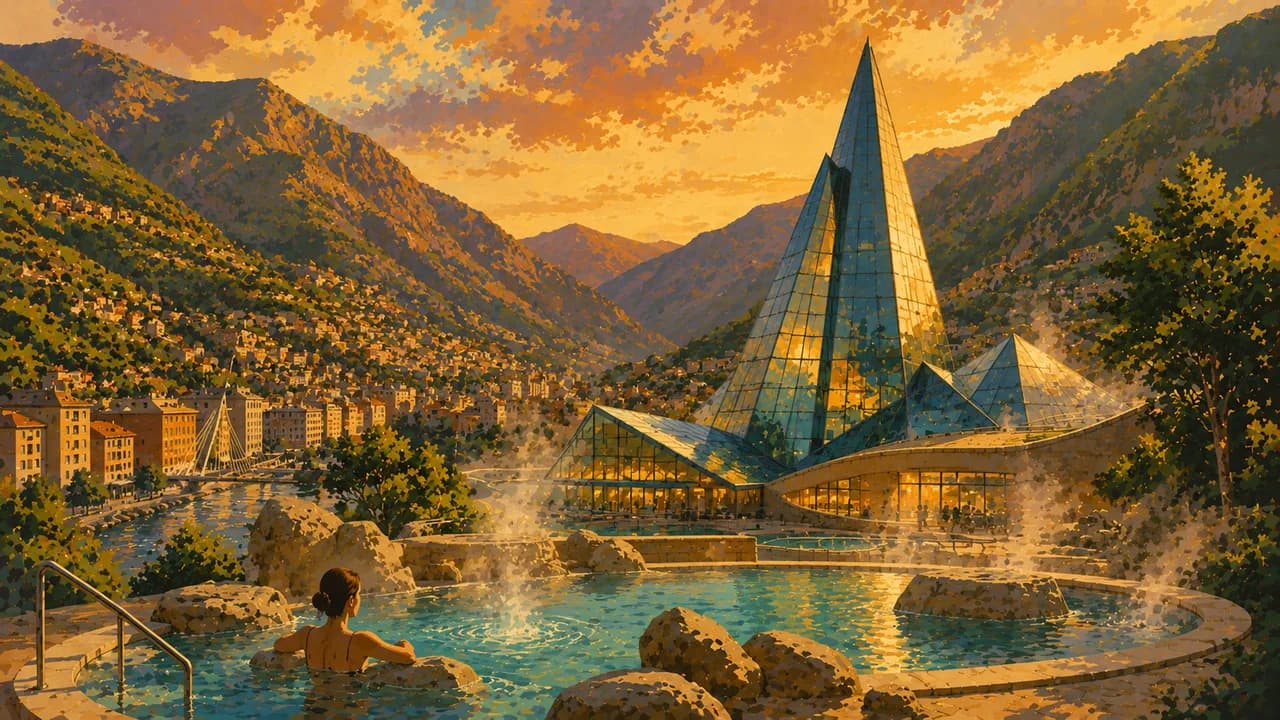
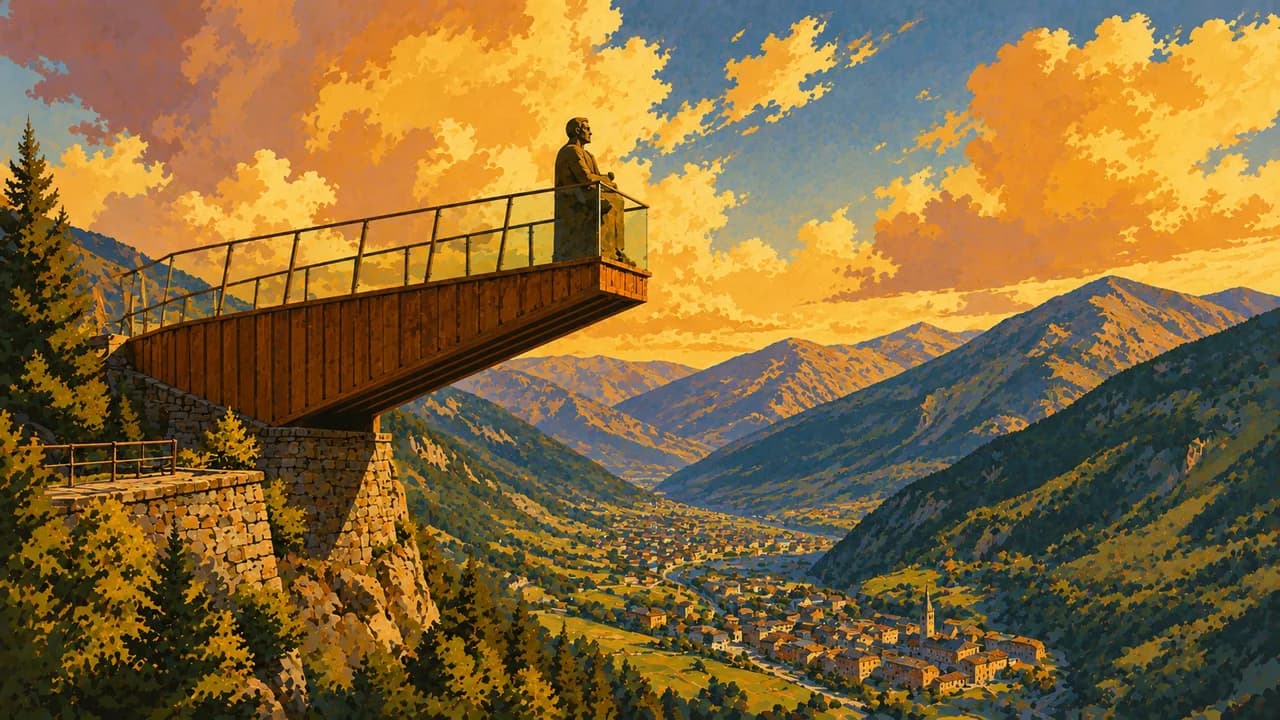
Andorra la Vella combines a historic centre around Casa de la Vall with shops and contemporary public art. Neighbouring Escaldes-Engordany has its own identity, shaped by thermal springs, art spaces and Caldea. The spa belongs to Escaldes-Engordany rather than the capital. Together, these urban areas contrast with quieter villages and paths rising into the surrounding valleys.
Ordino introduces traditional houses, mountain museums and access to the landscapes of Sorteny. Canillo pairs the Romanesque church of Sant Joan de Caselles with mountain scenery and the sanctuary of Meritxell nearby. Small churches, old forges and rural buildings across the parishes reveal a history of farming, ironworking and cross-border exchange, rather than a country defined solely by ski resorts.
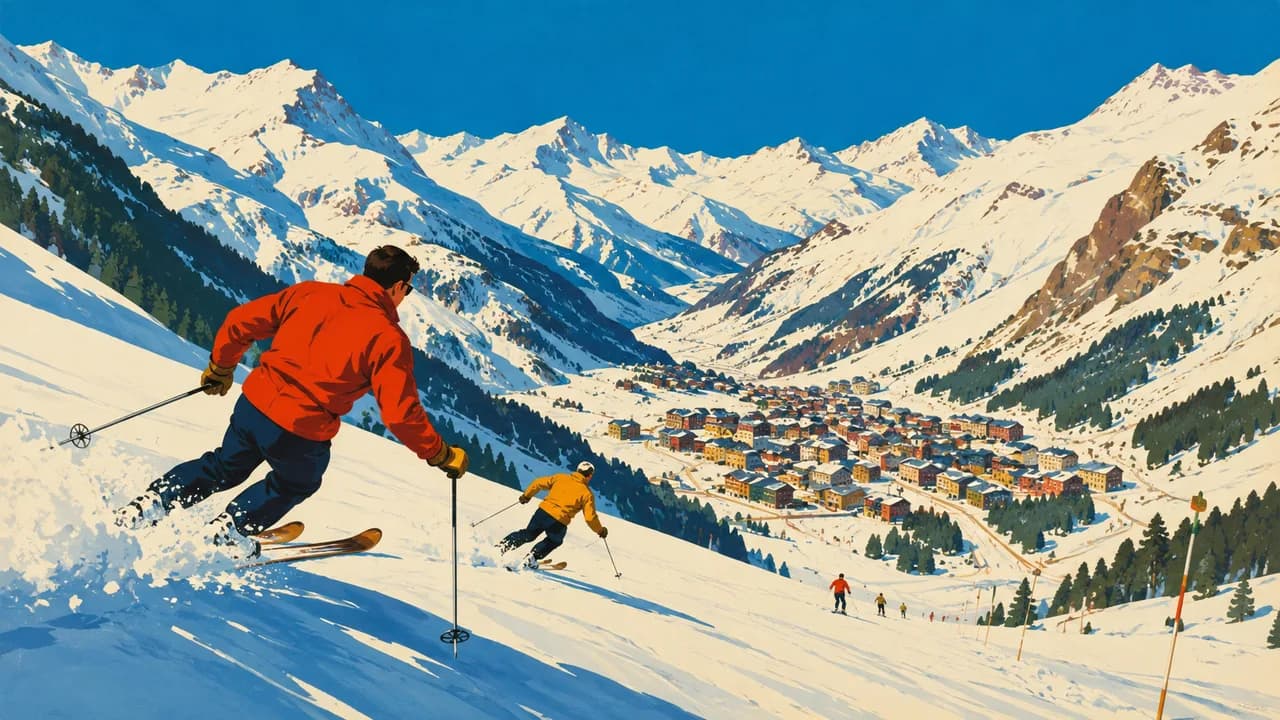
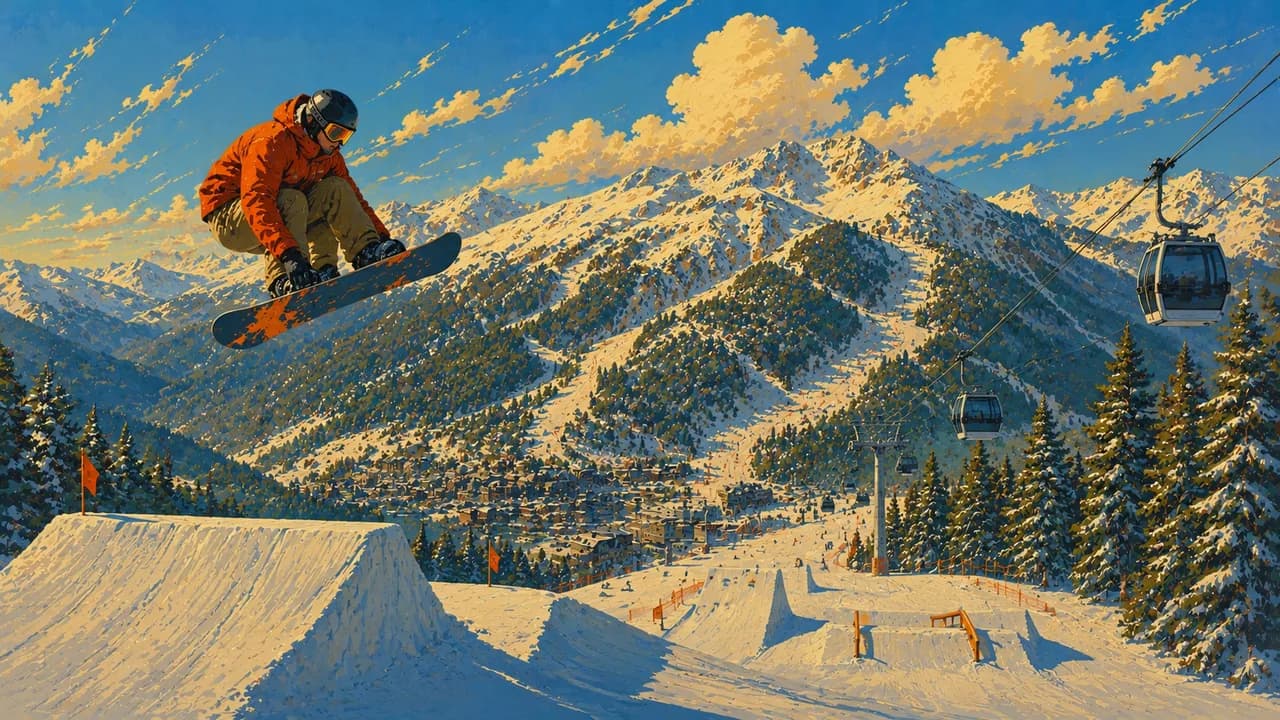
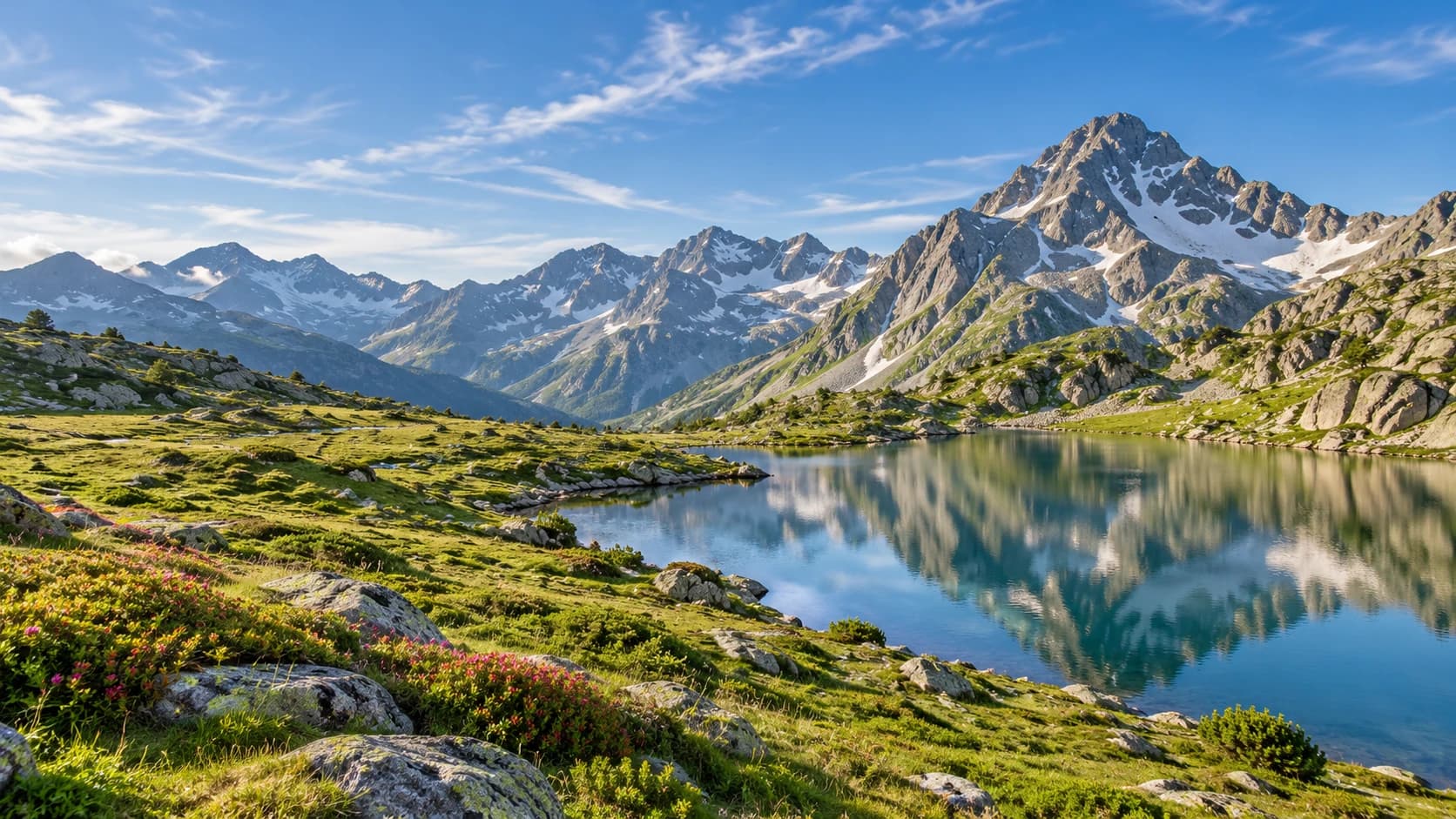
The UNESCO-listed Madriu-Perafita-Claror Valley preserves a cultural landscape of grazing grounds, stone paths and traces of mountain resource use. Walking routes elsewhere reach lakes and high viewpoints, while summer cycling ranges from road climbs to mountain-bike terrain. Grandvalira, Pal Arinsal and Ordino Arcalís are associated with winter skiing, with outdoor activities changing according to altitude, snow and the season.
Mountain cooking brings together grilled meats, seasonal mushrooms, escudella stew and trinxat made with cabbage and potatoes. Traditional borda buildings provide a setting for this hearty food, alongside contemporary restaurants. Access is mainly by road through France or Spain, with regional airports and railway stations outside the country. Combining town life, village heritage and time in the mountains reveals a more rounded Andorra.
AI edited
- 7
- Parishes Andorra has seven parròquies. The independent parliamentary co-principality lies between France and Spain and is not part of either neighbouring state.
- ≈ 87,100
- Population Population figure for 2024 in the official 2025 tourism guide, 87,097, rounded to 87,100. Not a continuously updated population count.
- 468 km²
- Area Land area of the principality. Forests, mountain valleys, lakes and high peaks shape most of its territory.
- Catalan
- Language Catalan is the sole official language. The flag represents Andorra and its national language here, not every Catalan-speaking region.
- Spanish & French
- Other languages Spanish and French, alongside other languages, are common in daily life and tourism. They are not additional official languages.
- Euro (EUR)
- Currency Andorra uses the euro, code EUR, under a monetary agreement. Using the euro does not mean membership of the European Union.
- C · F
- Socket types Electrical Safety First lists C and F, 230 V, 50 Hz. Check appliance compatibility and sockets. An adaptor does not convert voltage.
- Andorra la Vella
- Capital Andorra la Vella is the capital. Caldea is in neighbouring Escaldes-Engordany, a separate parish rather than part of the capital.
- Right-hand traffic
- Driving side Traffic keeps right. Valley roads and mountain passes connect the parishes. Road access from abroad passes through France or Spain.
- UTC+1 / UTC+2
- Time zone Central European Time with daylight saving. Winter UTC+1, summer UTC+2. Browser and home comparisons account for their respective clock changes.
Andorra on the map

Map data: geoBoundaries (CC BY 4.0), © OpenStreetMap contributors (ODbL), Natural Earth
Climate and best time to travel
Altitude shapes Andorra’s mountain climate. Winters are cold and snowy, while summer valleys are warmer than the peaks. High-level walking and cycling mainly suit the summer months. Winter sports depend on snow and operation. Culture, cooking and thermal experiences complement outdoor activities throughout the year.