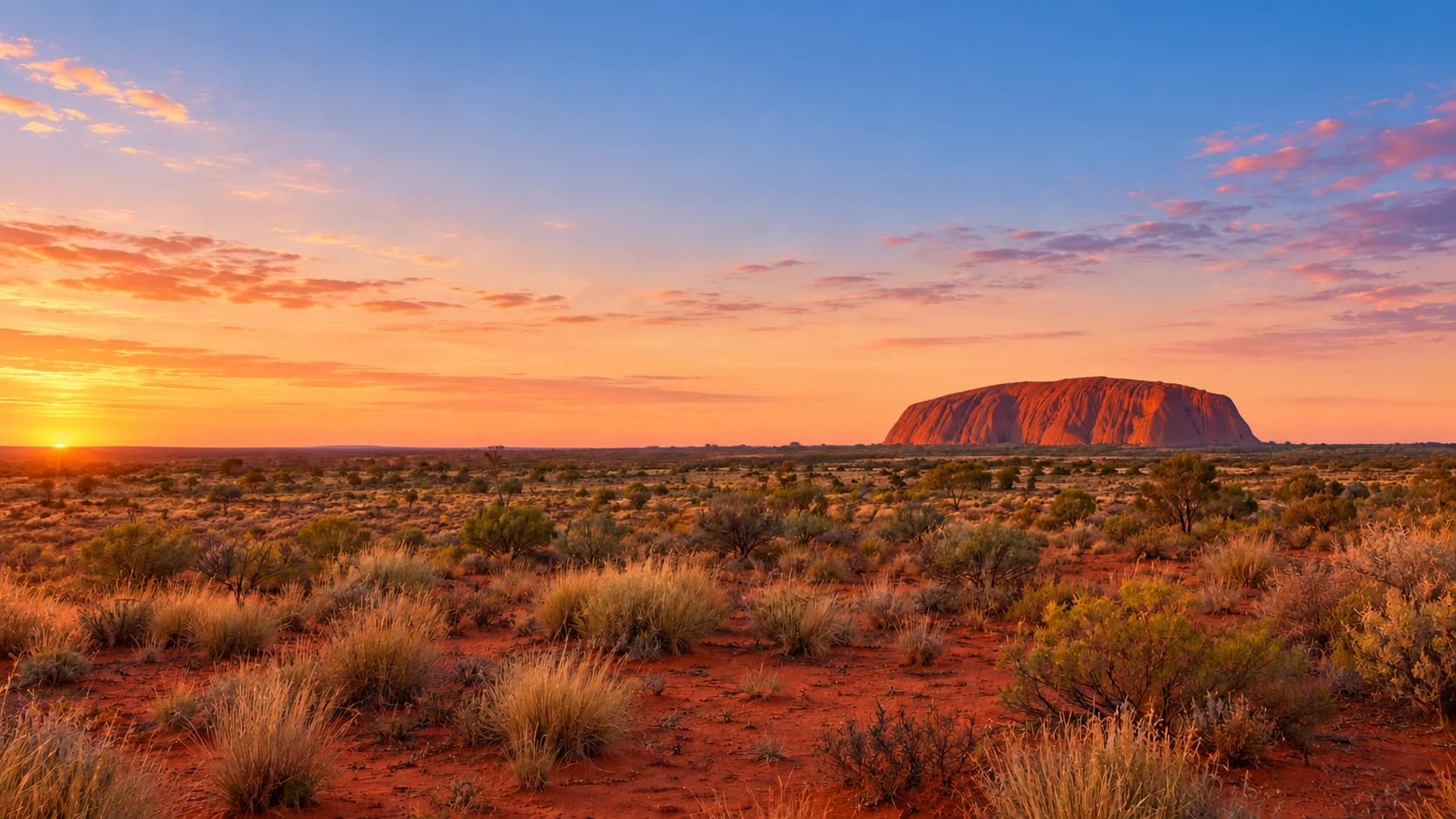
Australia
Red deserts, tropical reefs and vibrant cities between ancient cultural landscapes and extraordinary wildlife.
Worth coming back!
Wanderlama keeps growing with new destinations, helpful information and exciting features. Check back soon and discover what is new!
Travel to Australia
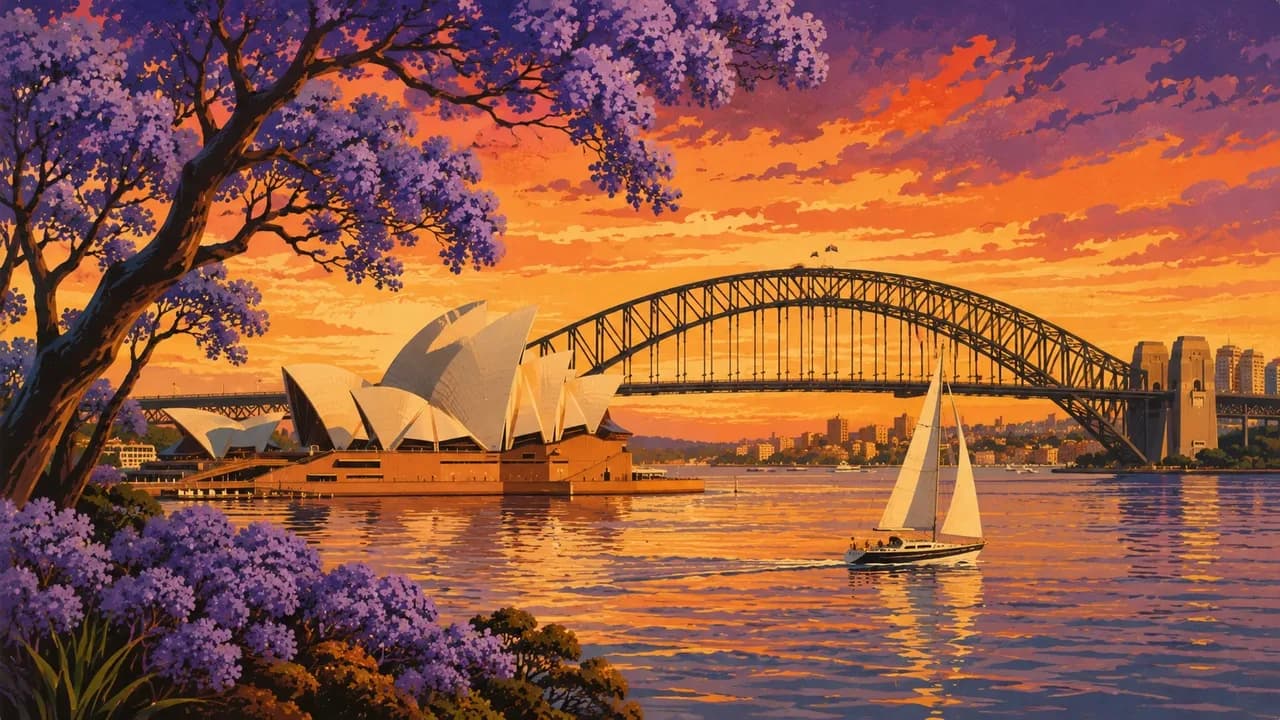
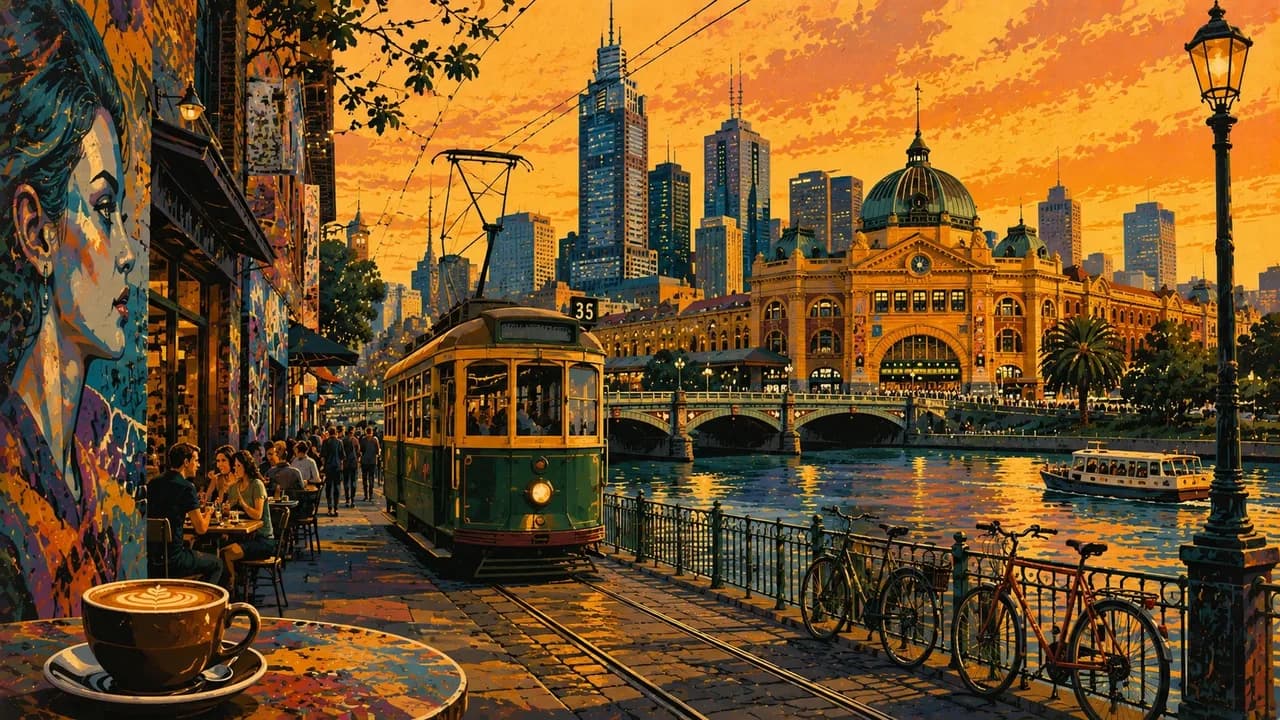
Australia combines red deserts, tropical reefs, temperate forests and long coastlines with multicultural cities and the diverse living cultures of Aboriginal and Torres Strait Islander peoples. Sydney's harbour, Opera House and beaches contrast with Melbourne's laneways, cafés and arts, while the capital Canberra offers national museums and galleries.
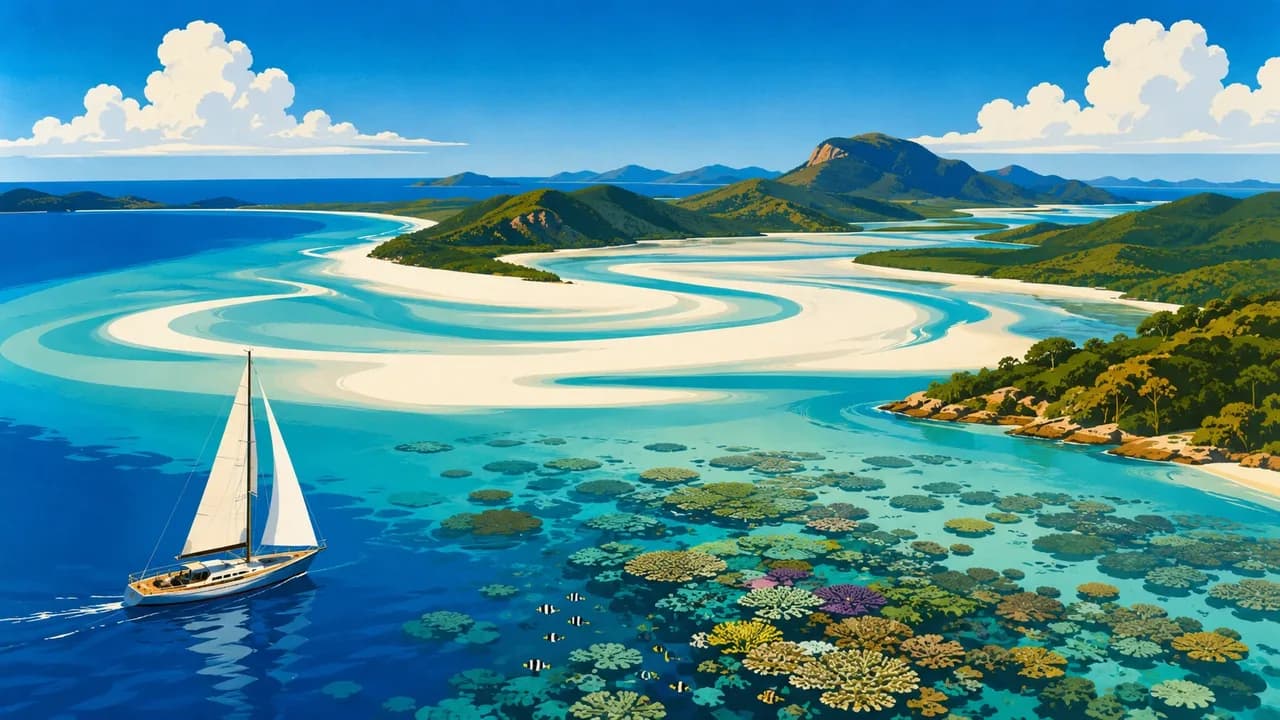
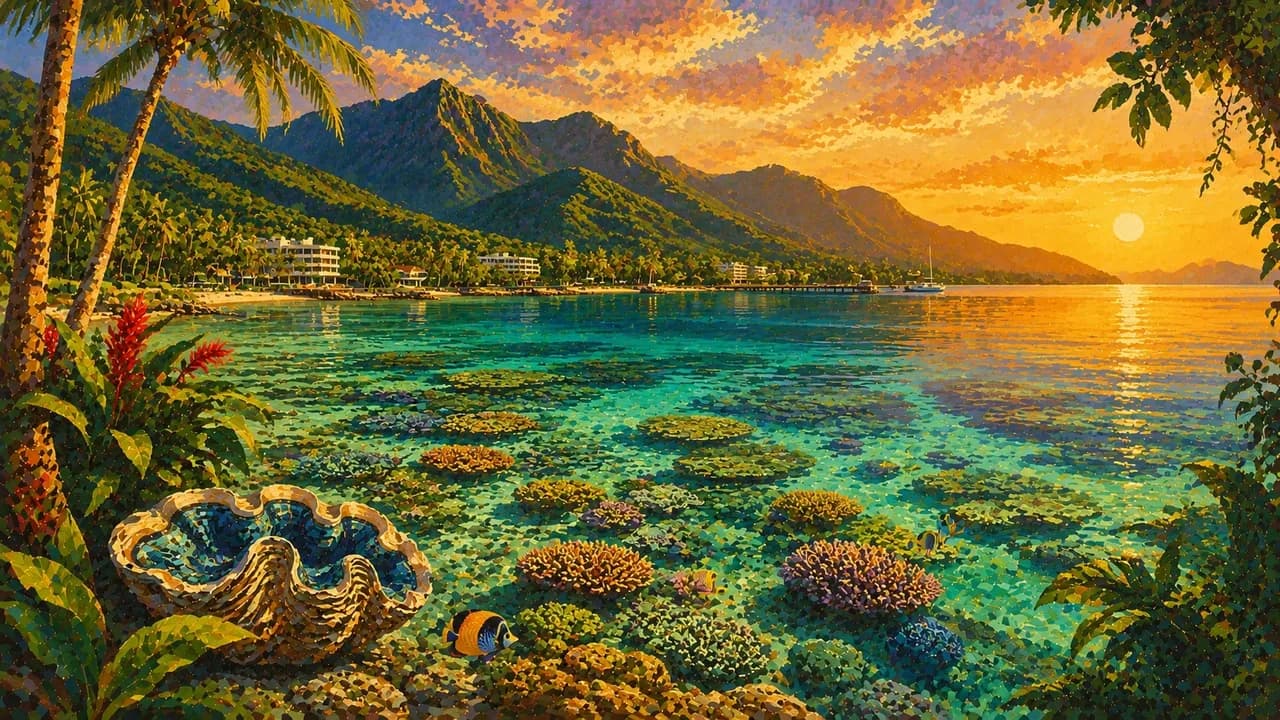
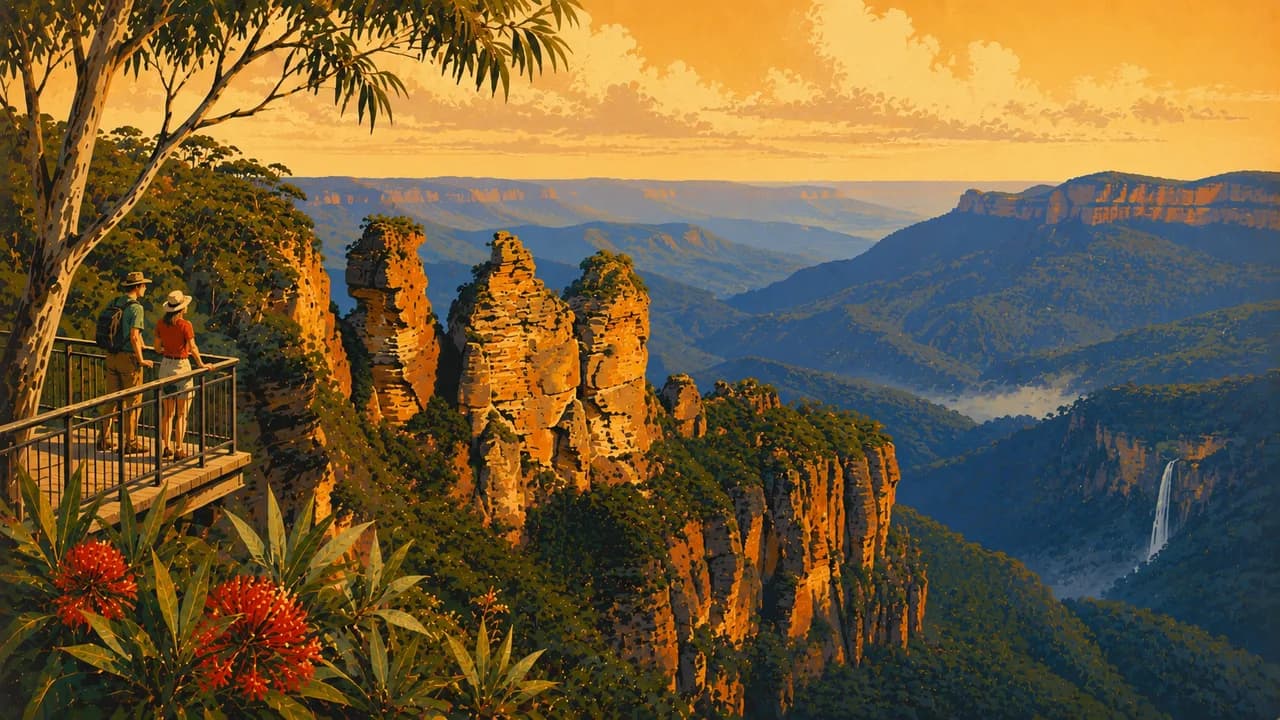
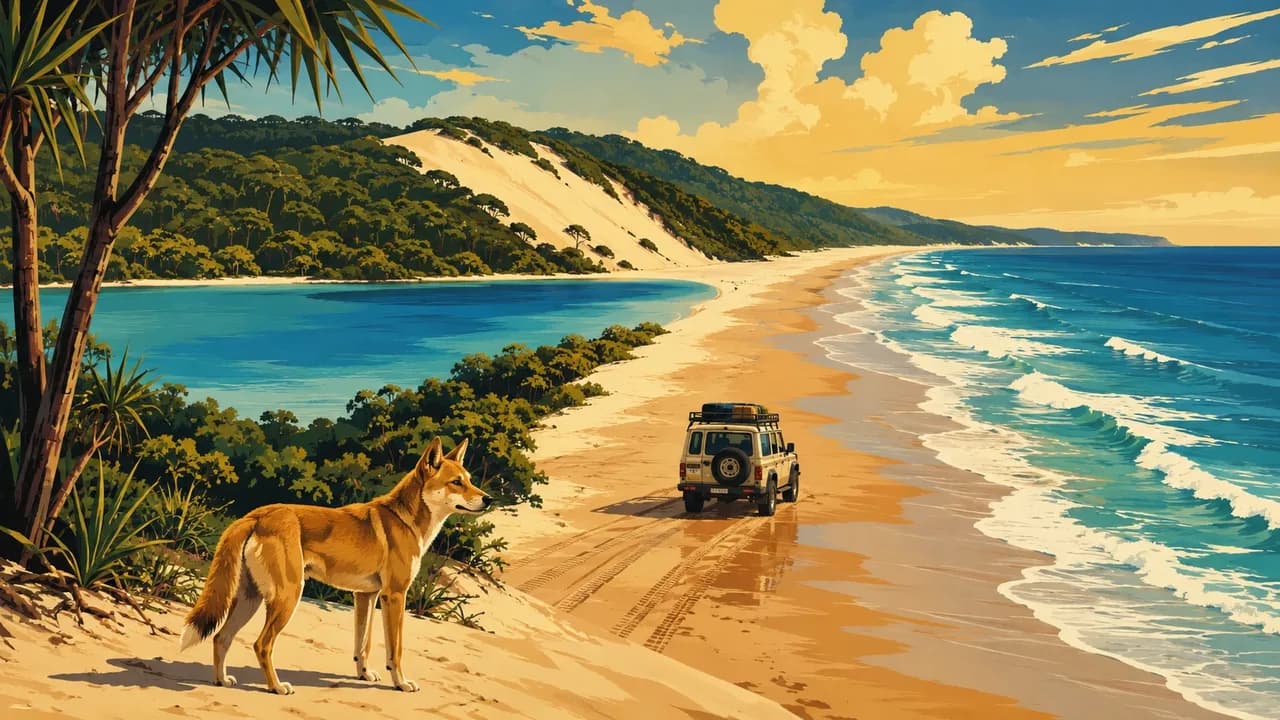
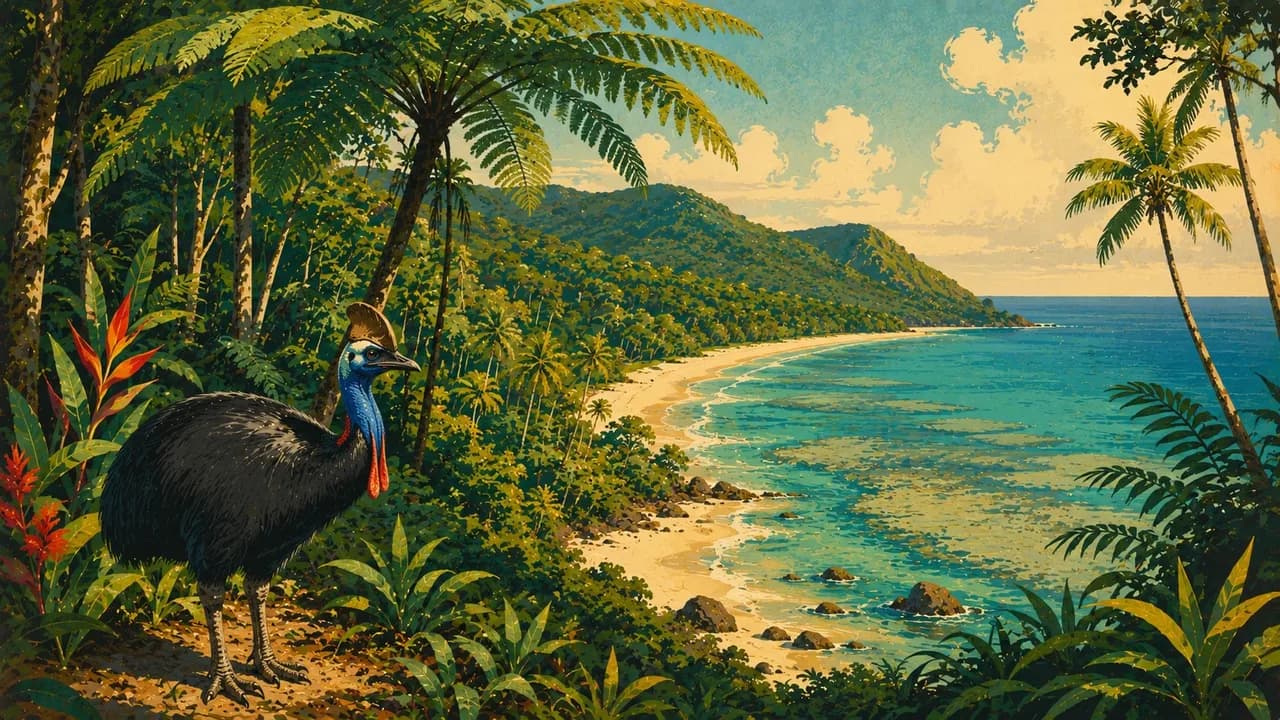
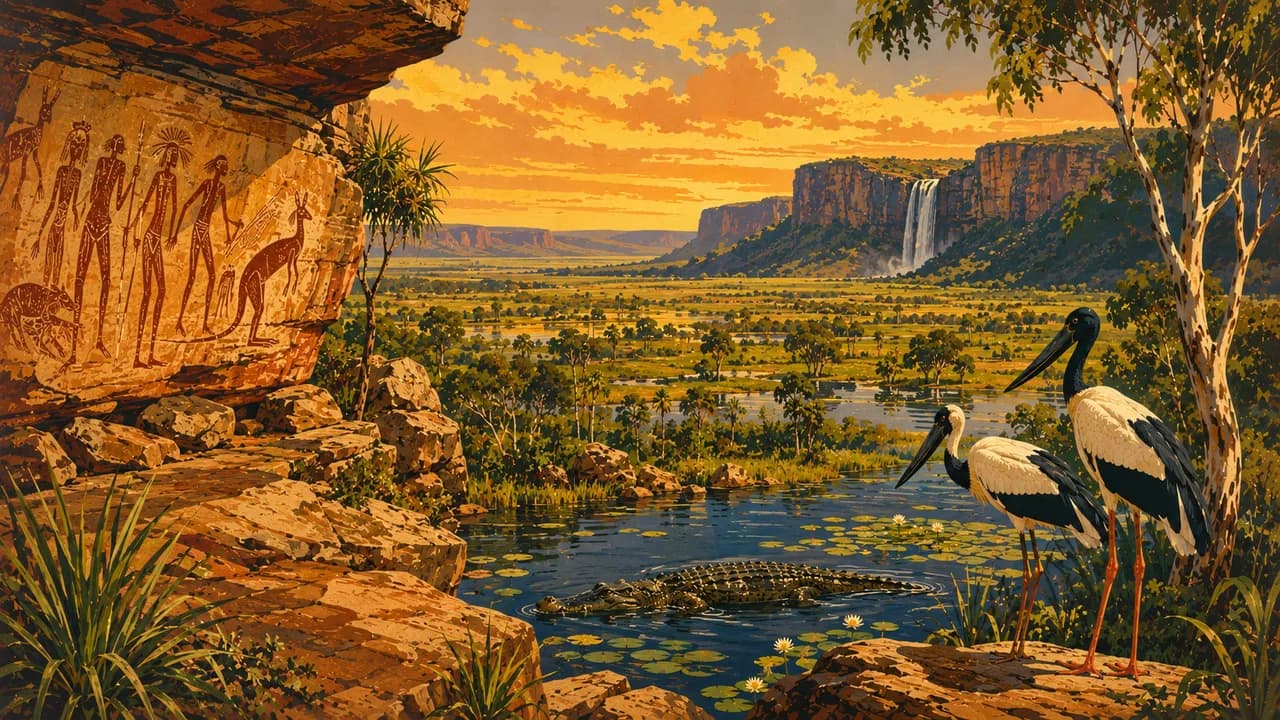
New South Wales adds the Blue Mountains, Hunter Valley vineyards and coastal journeys, and the Australian Alps offer summer hiking and winter snow sports. In Queensland, Brisbane and the surf coasts lead north to K'gari's dunes and lakes, the Whitsunday Islands, the Great Barrier Reef and the Daintree rainforest near Cairns and Port Douglas. Darwin, Kakadu, Litchfield and Katherine reveal the tropical Top End, with wetlands, waterfalls, gorges and Aboriginal rock art.
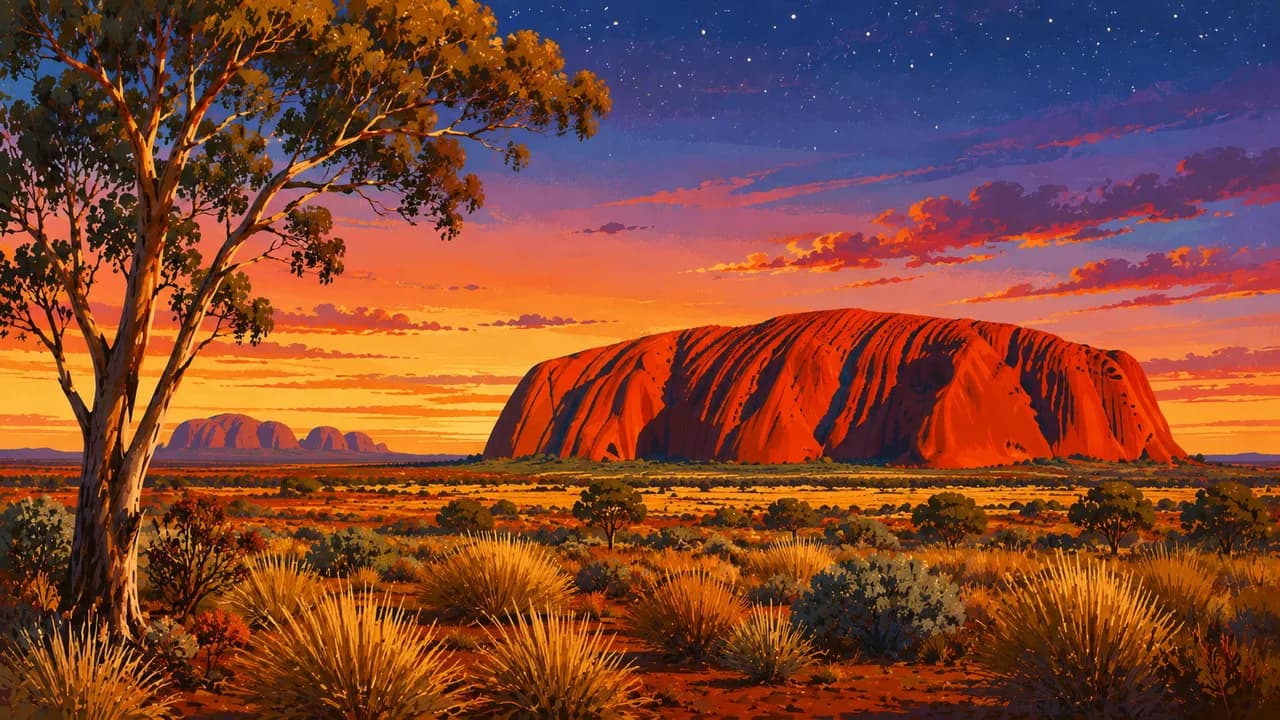
In the Red Centre, Alice Springs, Watarrka and Uluṟu-Kata Tjuṯa bring desert landscapes and connections to Country into focus. Western Australia ranges from Perth, Fremantle and Rottnest Island to Margaret River, the beaches around Esperance, the rock formations of the Coral Coast, Ningaloo Reef near Exmouth and Coral Bay, and Broome. South Australia combines Adelaide and its surrounding wine regions with Kangaroo Island, the Eyre Peninsula and the Flinders Ranges.
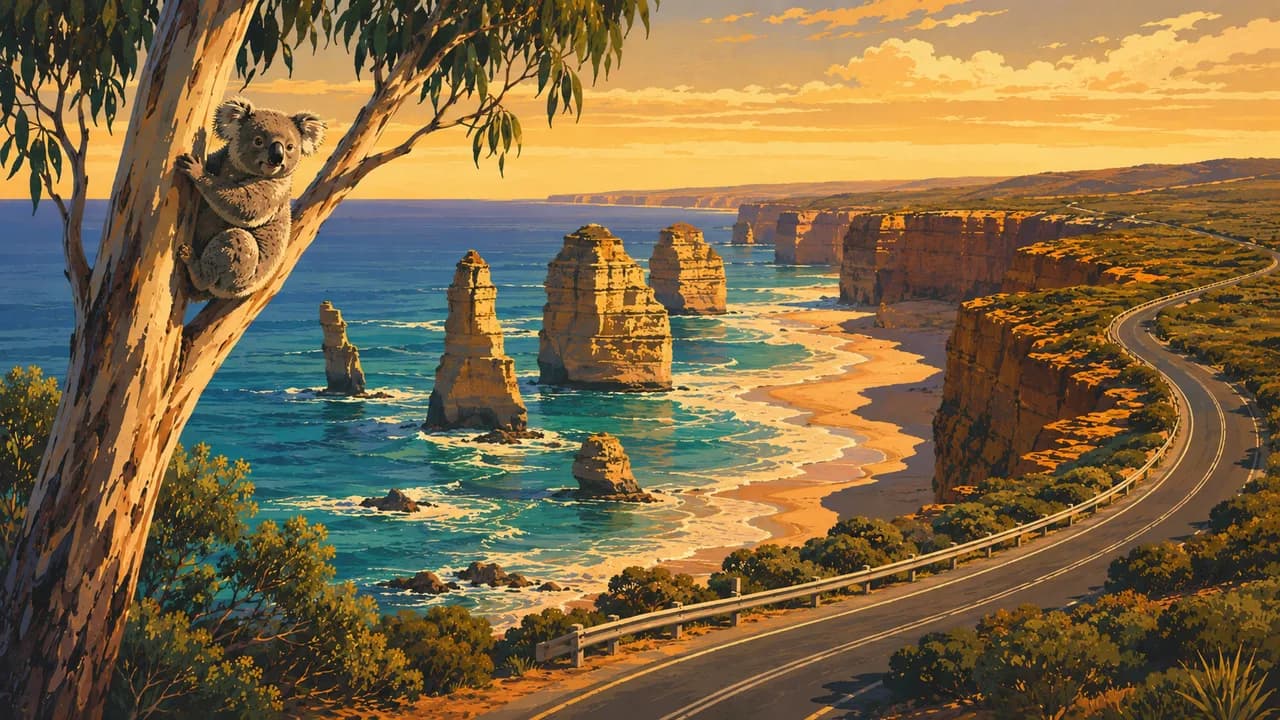
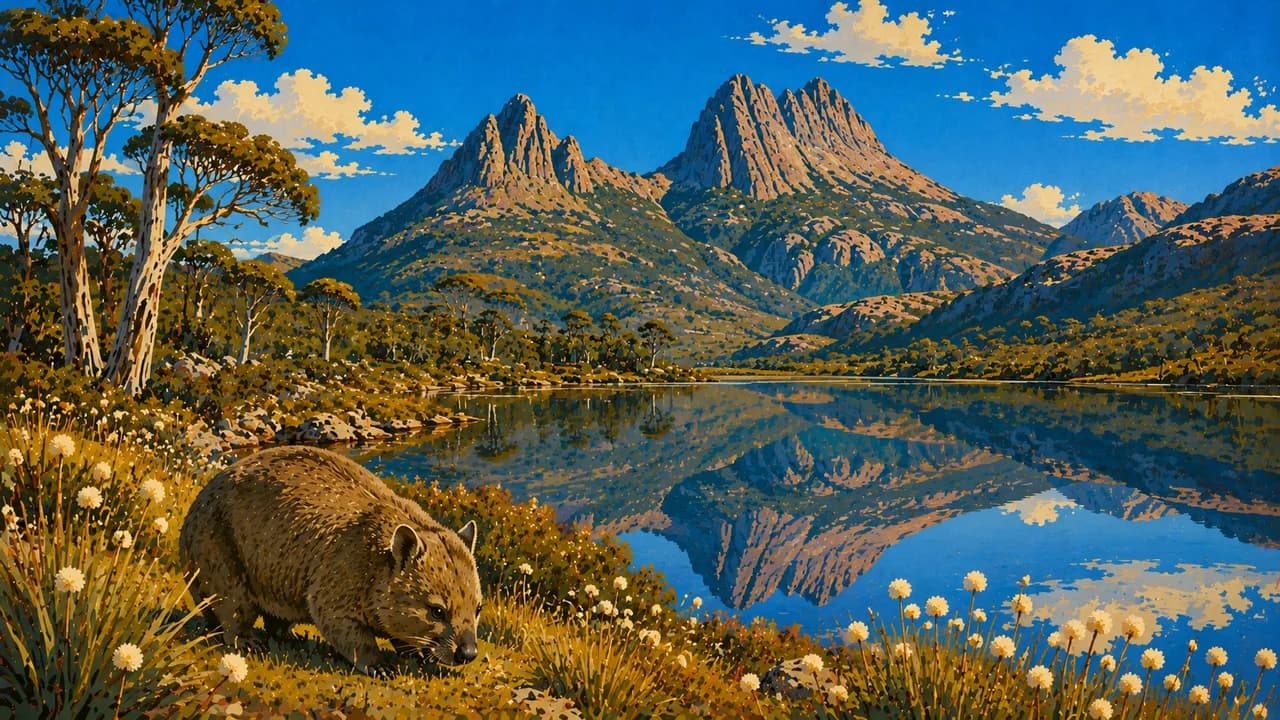
Victoria adds the Great Ocean Road, Grampians and goldfields towns, while Tasmania offers Hobart, Port Arthur's convict history, Freycinet's coast and the mountain wilderness around Cradle Mountain. Kangaroos, koalas, wombats and marine wildlife enrich outdoor journeys, without guaranteed sightings. Regional produce, seafood, wine and cuisines shaped by migration are part of everyday travel. Indigenous-led experiences offer local perspectives, and cultural protocols and access rules should be respected.
The tropical north has wet and dry seasons, while southern Australia has temperate seasons and alpine winters. Long distances, extreme heat and seasonal park or road closures call for realistic itineraries and local checks.
AI edited
- 6
- States Australia has six states: New South Wales, Victoria, Queensland, South Australia, Western Australia and Tasmania. The Northern Territory and Australian Capital Territory are the two major mainland territories. Other territories are not counted as states.
- 27.9 million
- Population Rounded Australian Bureau of Statistics estimated resident population at 31 March 2026: 27,921,150 people. This is not a result from the 2026 Census.
- ≈ 7.69 million km²
- Area Rounded from Geoscience Australia's 7,688,287 km². The figure depends on its coastline geometry and does not include marine zones or the claimed Antarctic territory.
- English
- Language English is the predominant everyday language. The British flag here represents the language, not nationality.
- Indigenous & other languages
- Other languages Aboriginal and Torres Strait Islander peoples maintain diverse languages. Mandarin, Arabic and Vietnamese are among other languages used. These examples from the 2021 Census are not an exhaustive list.
- Australian dollar (AUD)
- Currency The national currency is the Australian dollar. Cards are widely used, but cash access and acceptance can be limited in remote areas.
- I
- Socket type Type I sockets with angled flat contacts are common, at 220 to 240 volts AC and 50 hertz. An adapter does not convert voltage. Check appliance specifications.
- Canberra
- Capital Canberra is in the Australian Capital Territory and is the capital, not Sydney or Melbourne. Its local time follows the same daylight-saving rules as Sydney.
- Left-hand traffic
- Driving side Traffic drives on the left. Long distances, wildlife and temporary road closures require realistic daily stages and up-to-date information.
- UTC+8 to UTC+10
- Time zones The main standard times are AWST UTC+8, ACST UTC+9:30 and AEST UTC+10. Some southern and eastern states and the ACT observe daylight saving. Queensland, Western Australia and the Northern Territory do not. Eucla uses UTC+8:45 and Lord Howe Island UTC+10:30 with a half-hour daylight-saving change. External territories can differ.
- 5
- UNESCO cultural sites Five exclusively cultural UNESCO World Heritage properties, checked October 2026. The four mixed properties, including Kakadu and Uluṟu-Kata Tjuṯa, are excluded.
Australia on the map

Map data: geoBoundaries (CC BY 4.0), © OpenStreetMap contributors (ODbL), Natural Earth
Climate and best time to travel
Australia's travel seasons vary considerably by region and activity. The tropical north is generally drier from May to October, while roughly November to April brings the wet season, high humidity and possible cyclones. In the south, spring and autumn are often pleasant for cities, coasts and wine regions. Tasmania's summer is relatively mild, but mountain weather can change quickly at any time. The arid interior can be extremely hot in summer and cold at night in winter. The Australian Alps offer winter sports when snow conditions allow. Month ranges are guidance, not guarantees of weather, sightings or access. Marine stingers can occur in tropical waters, and crocodiles occur along some coasts and rivers. Swim only where locally recommended.
Destinations in Australia
 AI generated
 AI generated
 AI generated
 AI generated
 AI generated
 AI generated
 AI generated
 AI generated
 AI generated
 AI generated
 AI generated
 AI generated