Albania
Shqipëria
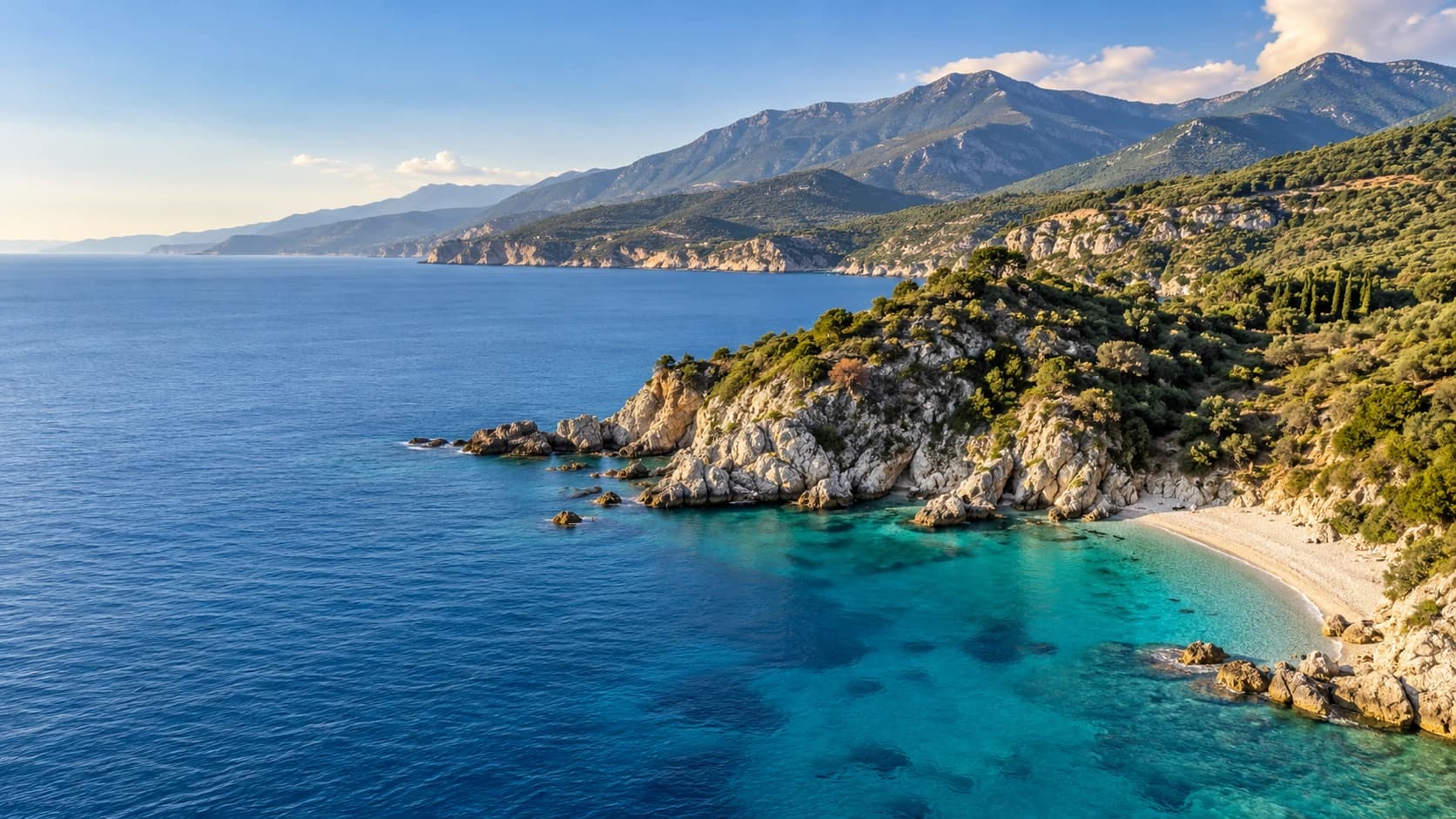
Rugged mountains, clear coastal coves and historic towns meet lively café culture, traditional hospitality and distinctive regional food.
Worth coming back!
Wanderlama keeps growing with new destinations, helpful information and exciting features. Check back soon and discover what is new!
Travel to Albania
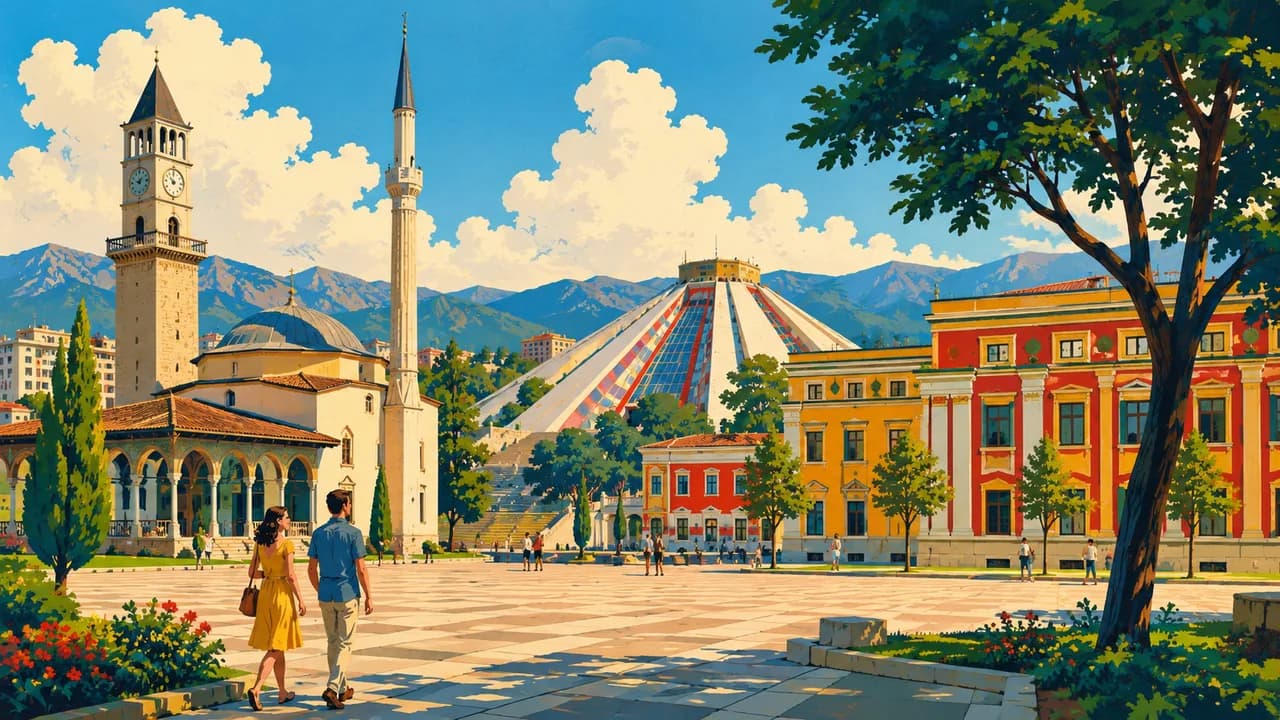
Albania brings together rugged mountains, Adriatic sandy beaches and the rocky coves of the Ionian coast within a relatively small country. Ancient sites, Ottoman towns and traces of the communist dictatorship tell different chapters of its history. Tirana adds colourful architecture, the cafés of Blloku and museums such as Bunk’Art, which explore the dictatorship and its legacy.
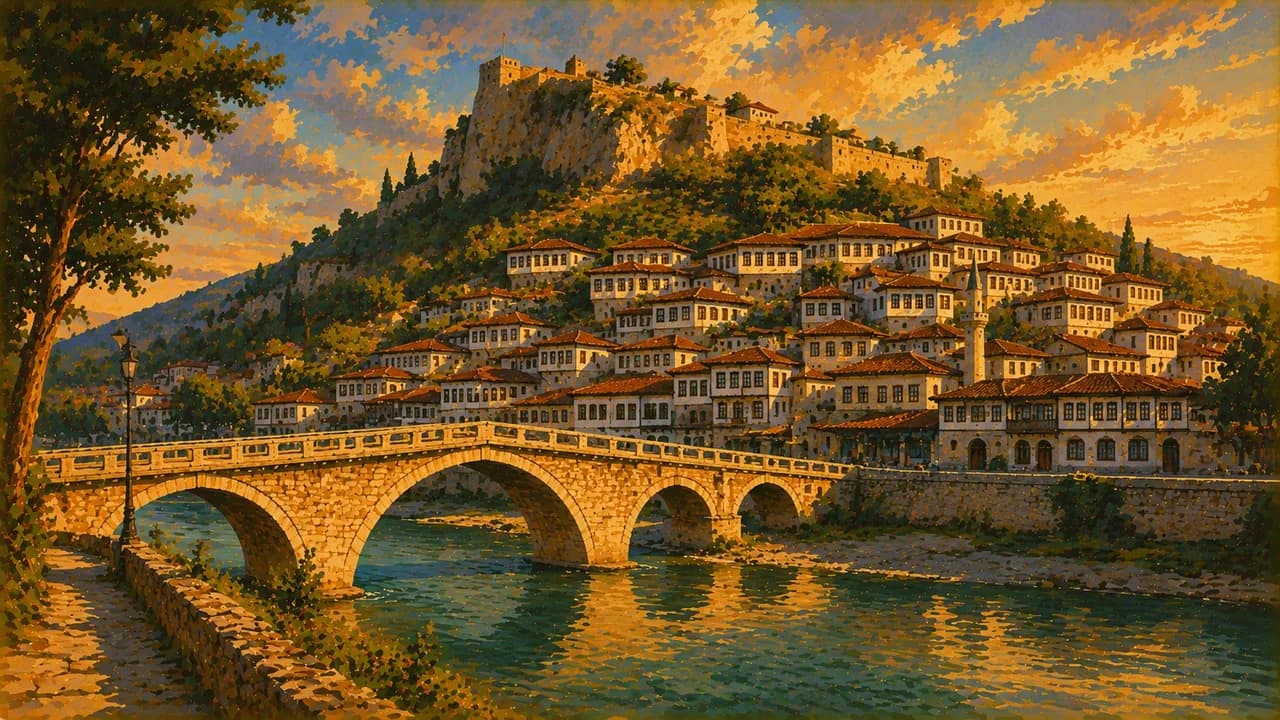
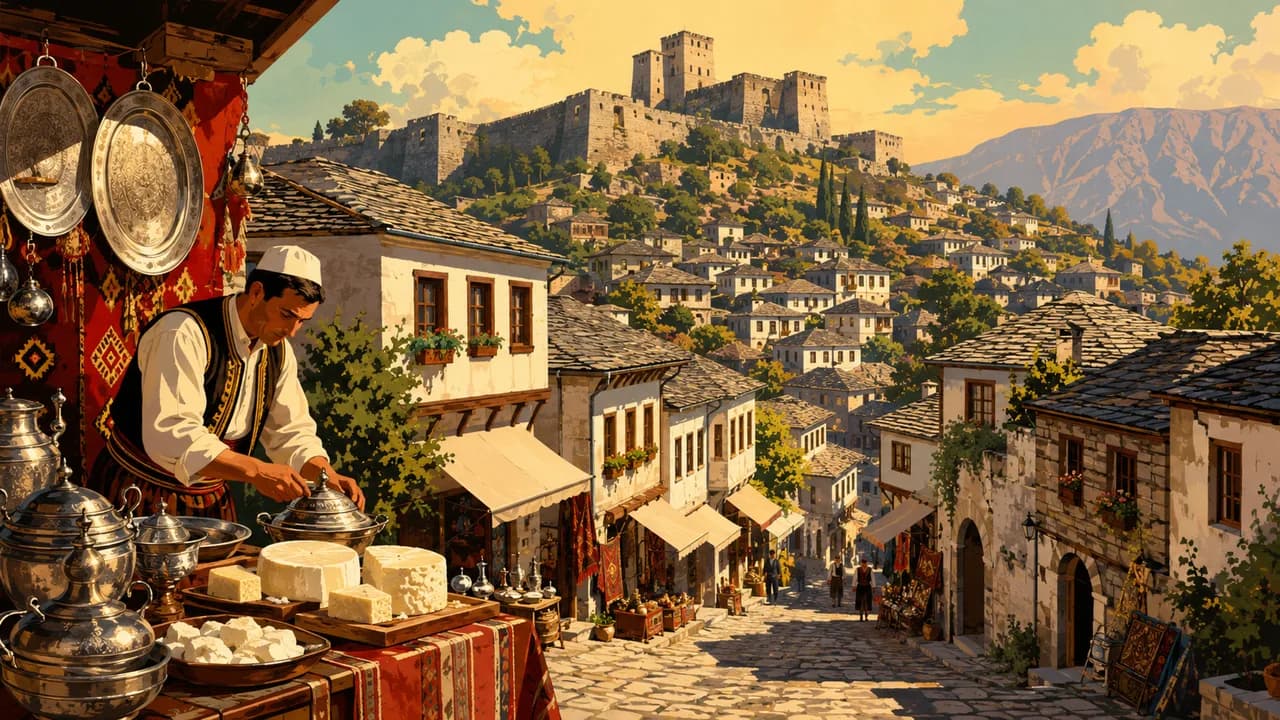
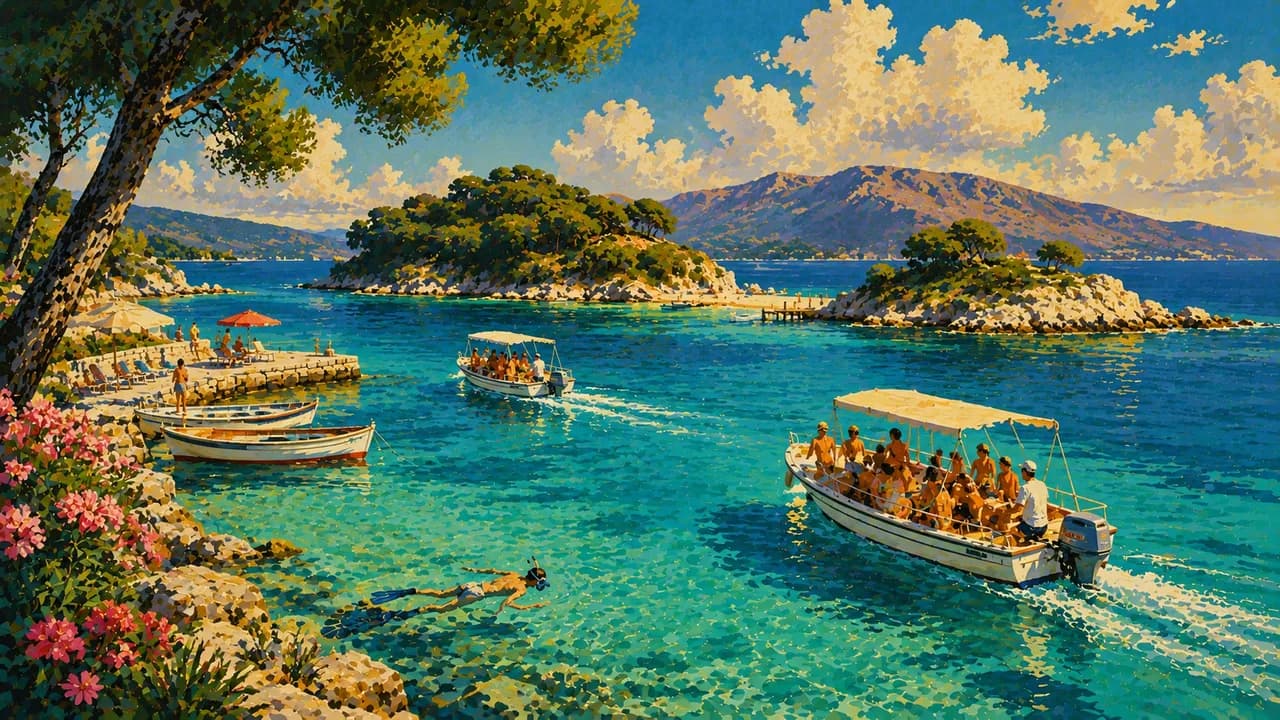
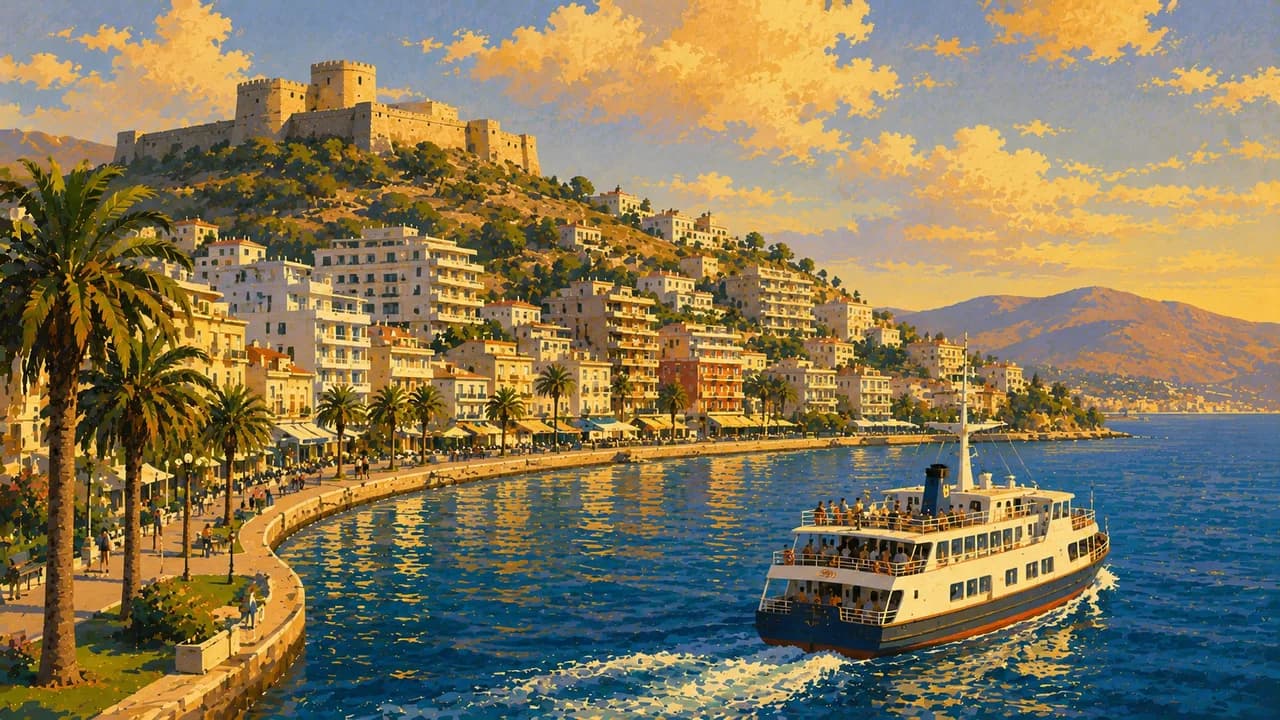
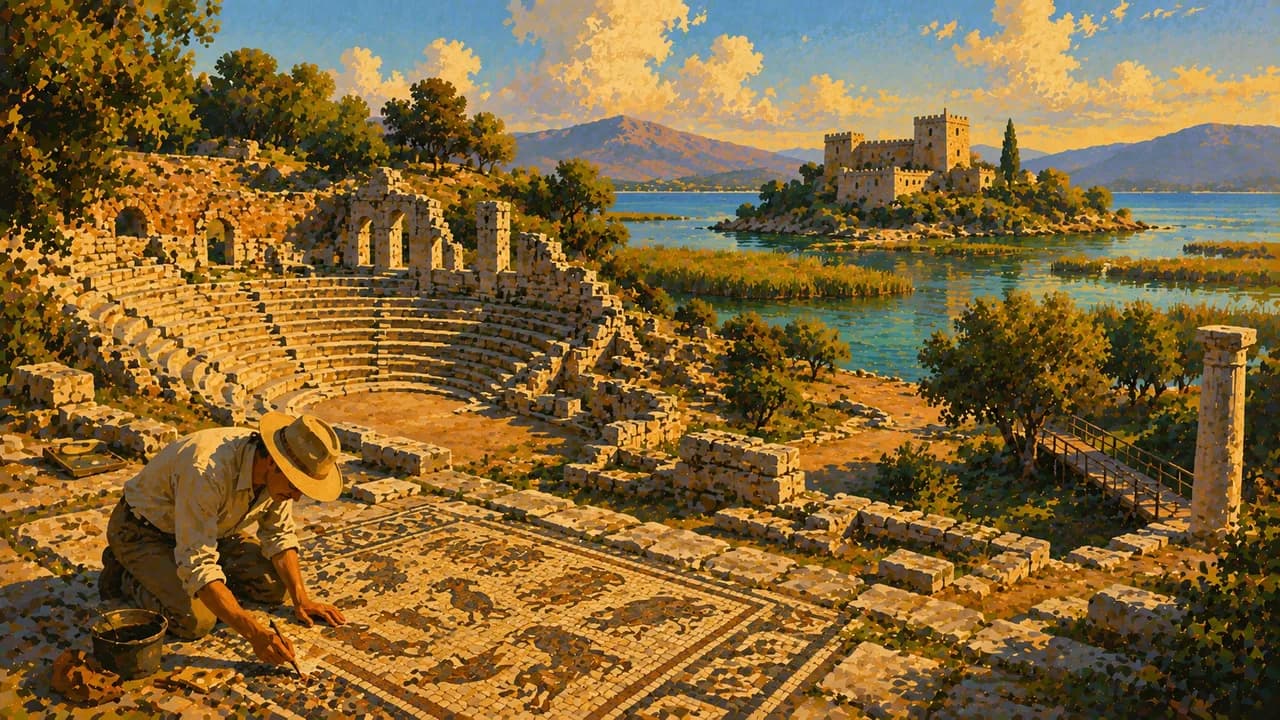
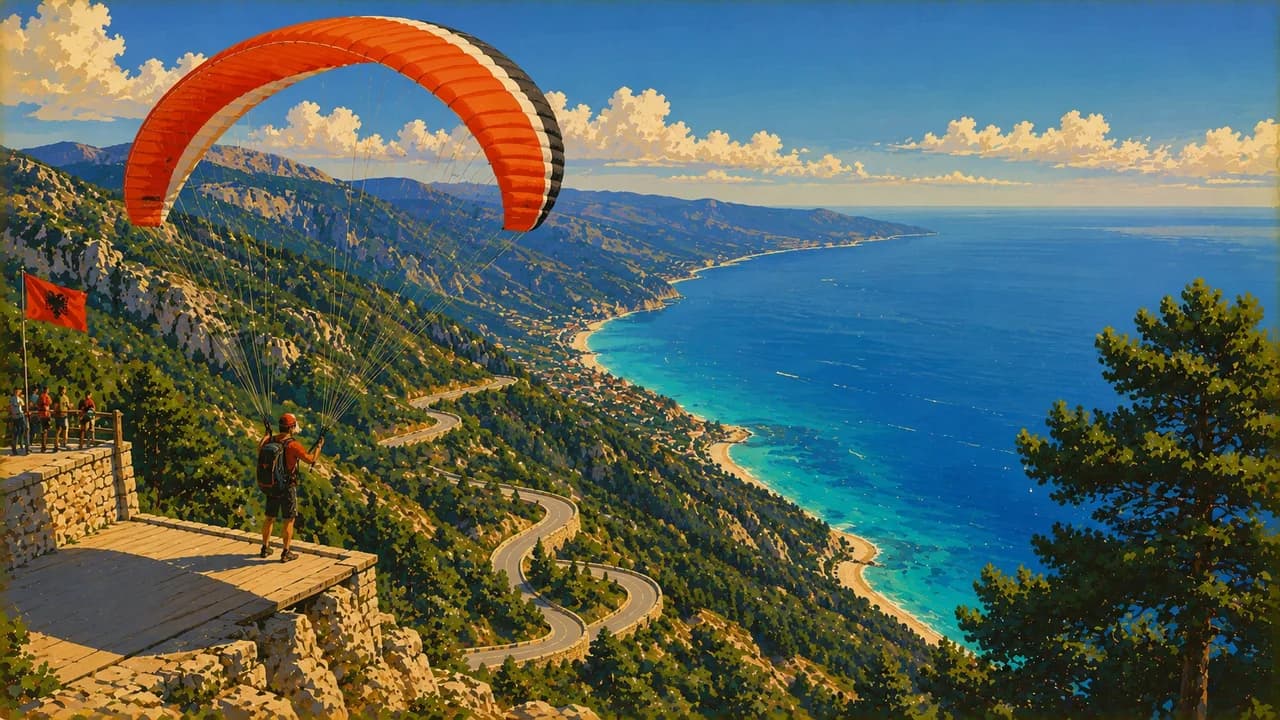
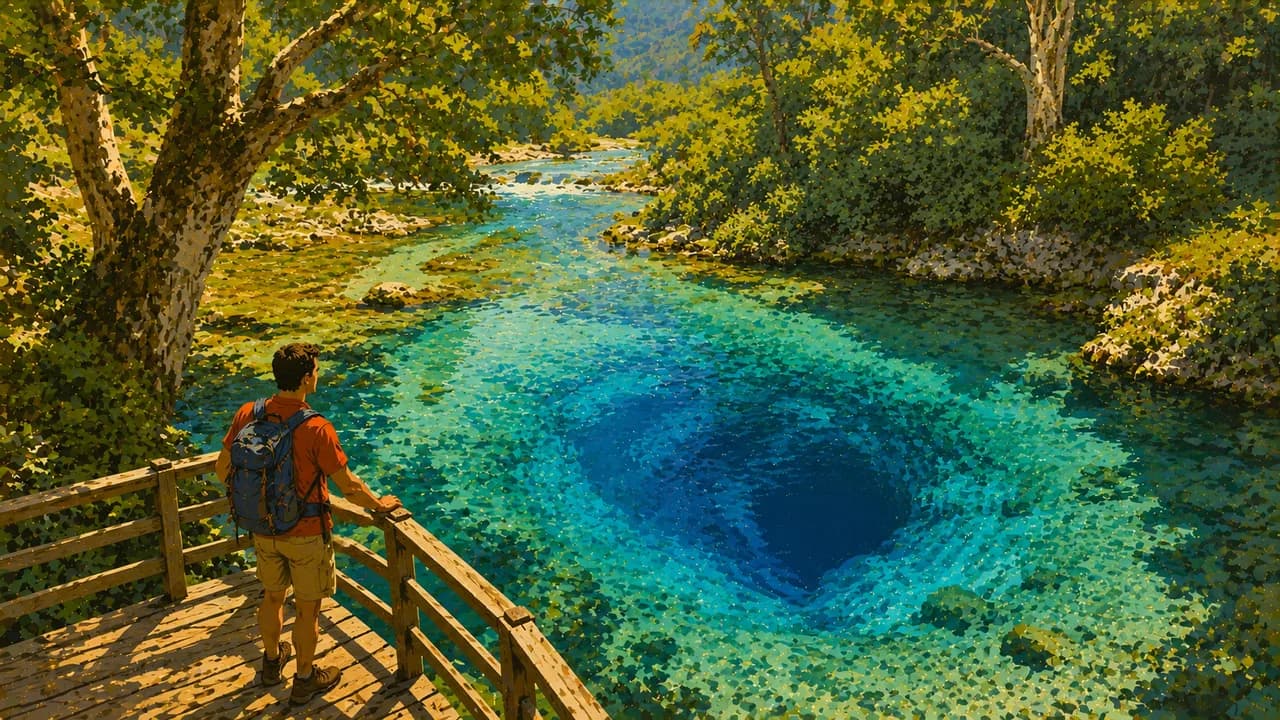
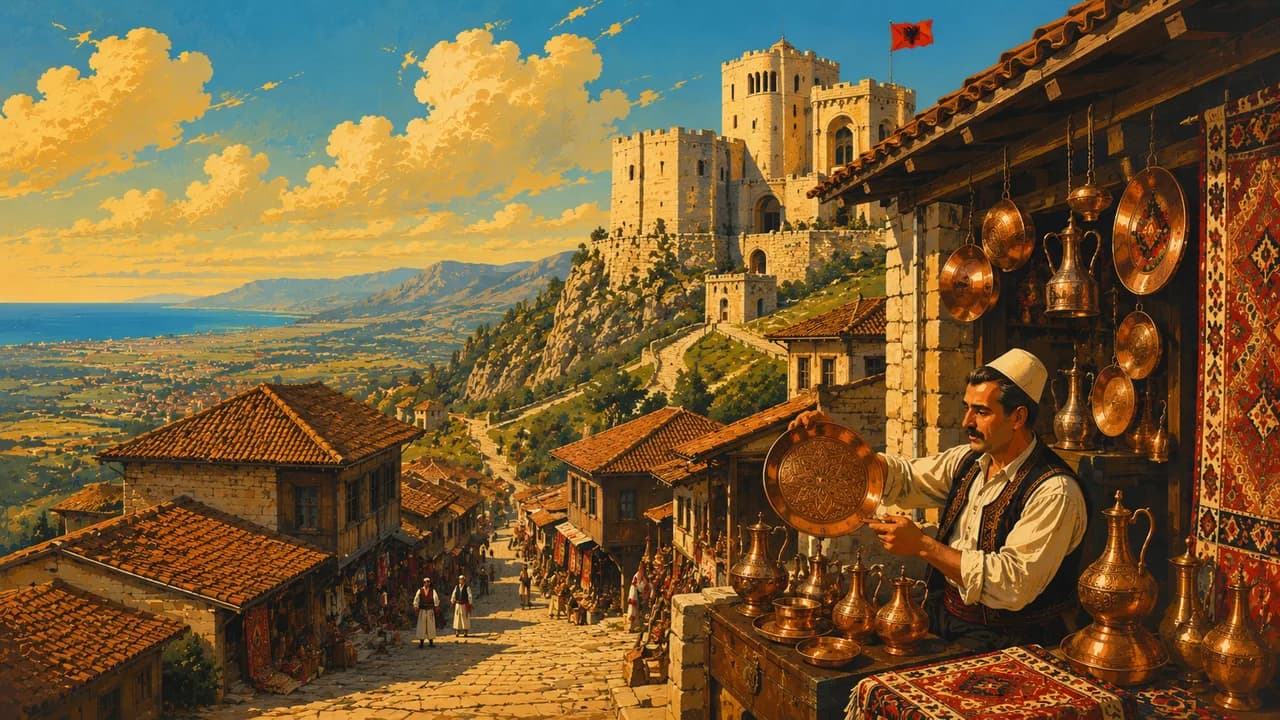
Kruja’s castle and old bazaar recall the national hero Skanderbeg and traditional crafts. The UNESCO-listed historic centres of Berat and Gjirokastër preserve distinctive Ottoman houses, while Butrint combines Greek and Roman remains with a lagoon landscape. Durrës pairs its Roman amphitheatre with a busy port and beaches. Further south, Vlora and the mountain scenery around Llogara lead towards the Albanian Riviera, where Himarë, Saranda and Ksamil offer different bases for exploring the coast. The Blue Eye spring is another inland attraction.
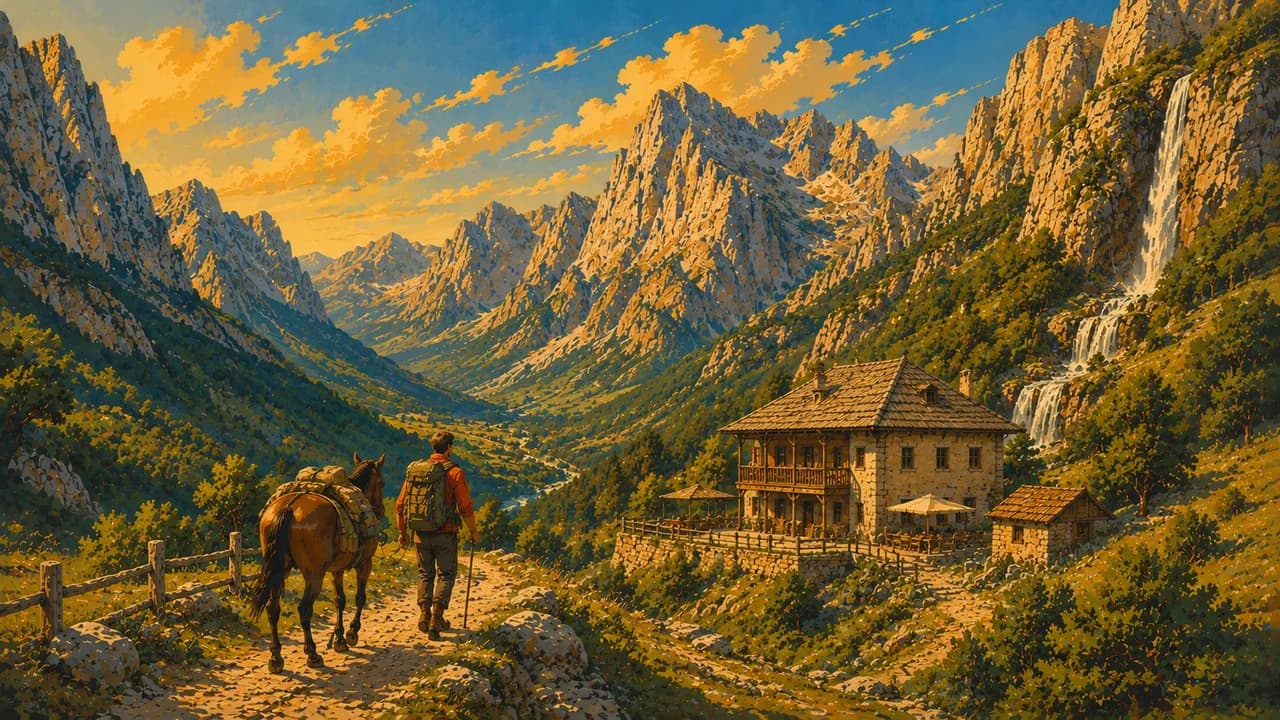
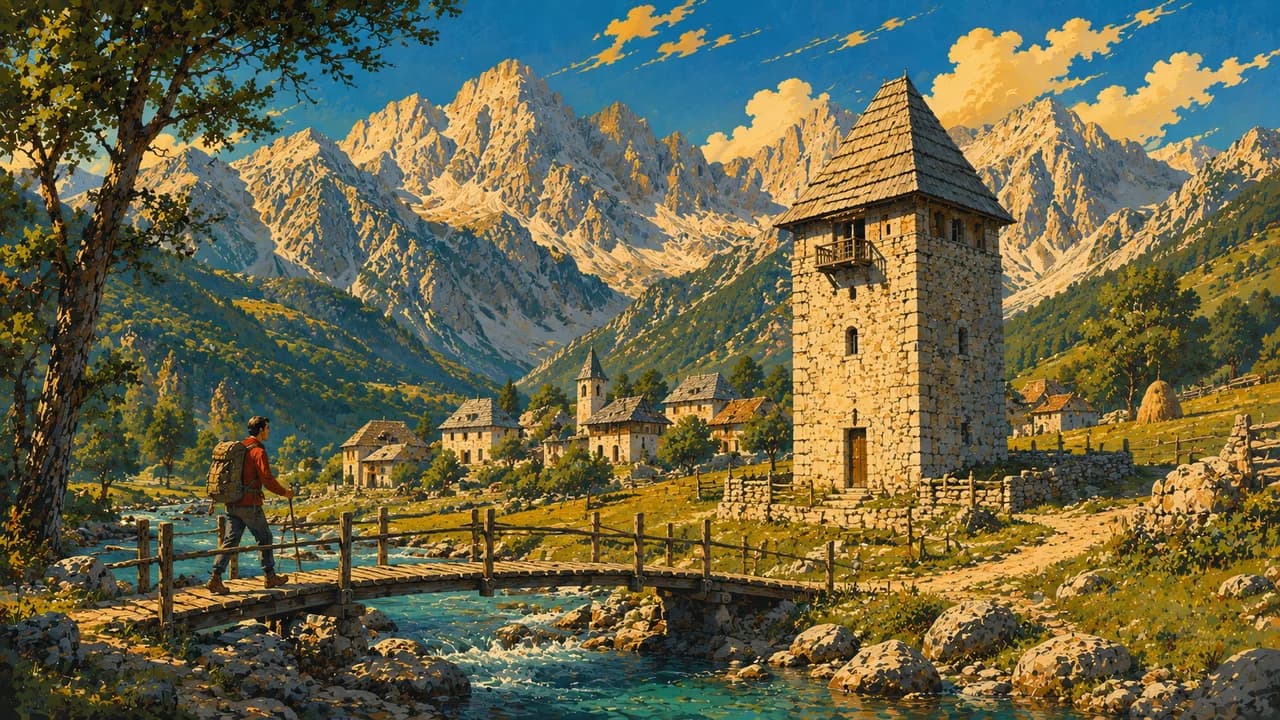
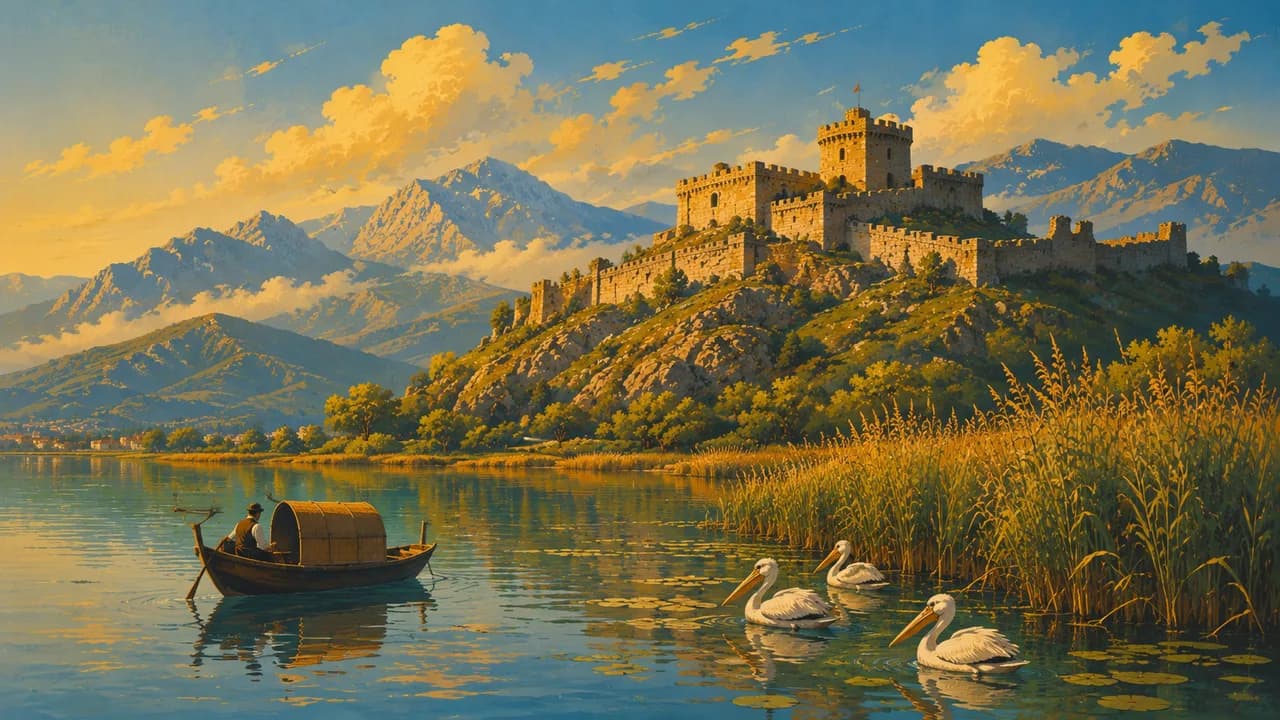
In the north, Shkodra’s cultural heritage and Lake Shkodra provide a gateway to the Albanian Alps. Theth and Valbona combine mountain villages, guesthouses and demanding hiking routes. Beyond these better-known areas, the Vjosa Valley offers river landscapes and rafting, while Lake Ohrid around Pogradec and the cultural city of Korça reveal the southeast.
Everyday life includes evening strolls, lively cafés and shared meals. Byrek pastries, tavë kosi with lamb and yoghurt, seasonal vegetables, cheeses and coastal seafood reflect varied regional traditions. Allow time for winding mountain roads and onward travel outside the main towns. Mountain conditions and seasonal access need checking when planning hikes, while the coast and highlands offer quite different experiences across the year.
AI edited
- 12
- Counties Albania is divided into twelve counties, known as qarqe. This administrative level contains a total of 61 municipalities. Counties, municipalities and tourism regions are different divisions.
- 2.34 million
- Population Rounded from INSTAT's estimate of 2,335,930 usual residents on 1 January 2026. This dated figure is not a live count and does not include the entire Albanian diaspora.
- 28,748 km²
- Area Total area according to INSTAT's regional statistical yearbook. This describes the national territory rather than land area alone.
- Albanian
- Language Albanian is the official language. The Albanian flag here represents the national language. Regional dialects and minority languages add to the country's linguistic diversity.
- Other languages
- Other languages Greek and other minority languages are also spoken. Italian and English can be helpful, especially in tourism. Knowledge varies by place and person, so communication in these languages is not guaranteed everywhere.
- Lek (ALL)
- Currency Albanian lek, ALL, not euros. Cards are not accepted everywhere. Prices refer to current lek.
- C · F
- Socket types Common plug systems are C and F, with 230 volts and 50 hertz. Check device specifications and adapter requirements. A travel adapter does not convert voltage.
- Tirana
- Capital Tirana, called Tiranë in Albanian, is the capital. Local time is the same throughout Albania. Buses and minibuses connect many places, but remote trailheads require additional planning.
- Right-hand traffic
- Driving side Traffic drives on the right in Albania. Road quality and journey times vary considerably. Check current conditions, seasonal closures and vehicle suitability before driving mountain roads.
- UTC+1 / UTC+2
- Time zone All of Albania uses Europe/Tirane, with UTC+1 in winter and UTC+2 in summer. These are seasonal offsets within one time zone. The clock handles the change automatically.
- 2
- UNESCO cultural sites Two exclusively cultural UNESCO World Heritage properties, checked October 2026. The mixed Ohrid region and natural beech-forest property are excluded.
Albania on the map

Map data: geoBoundaries (CC BY 4.0), © OpenStreetMap contributors (ODbL), Natural Earth
Climate and best time to travel
Albania's coast generally has hot, drier summers and milder, wetter winters. Mountain winters are much colder, and higher trails can retain snow for a long time. Spring and autumn often suit cities, historic sites and lower-altitude walks. Summer months often provide suitable conditions for coastal holidays and higher mountain hikes, without guaranteeing beach weather or snow-free passes. Heat, thunderstorms and wildfire risk can restrict activities. The crossing between Theth and Valbona depends on snow conditions, weather, equipment and experience. River activities depend on water levels, local rules and qualified operators. Suggested months are guidance rather than a weather or access guarantee. Check current weather, trail and road conditions, opening times and protected-area rules before excursions.
Destinations in Albania
 AI generated
 AI generated
 AI generated
 AI generated
 AI generated
 AI generated
 AI generated
 AI generated
 AI generated
 AI generated
 AI generated
 AI generated