North Macedonia
Северна Македонија · Maqedonia e Veriut
Lakeside churches, mountain valleys and bazaar streets connect ancient heritage with varied everyday cultures.
Worth coming back!
Wanderlama keeps growing with new destinations, helpful information and exciting features. Check back soon and discover what is new!
Travel to North Macedonia
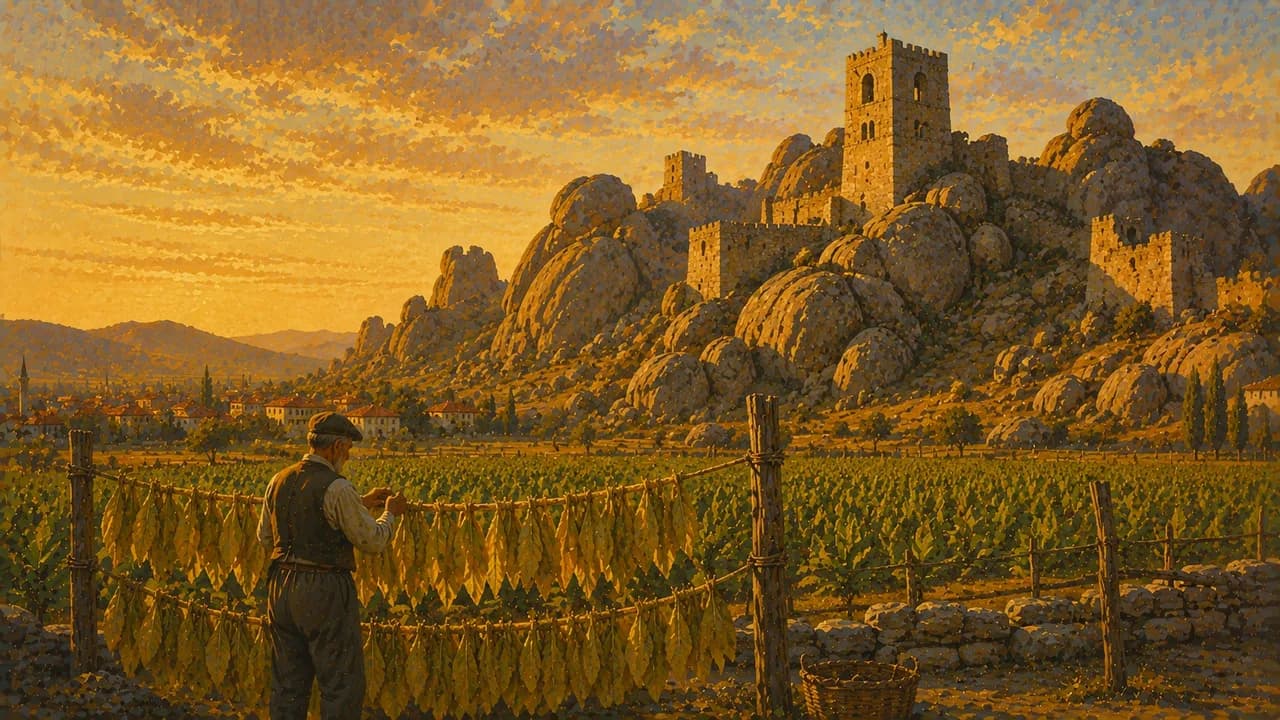
North Macedonia combines mountain valleys, old trading towns and lake landscapes in the southern Balkans. Its cultural layers include ancient remains, Byzantine churches and Ottoman architecture, alongside contemporary neighbourhoods. Different communities contribute to everyday languages, markets and food, making regional journeys more varied than a single lakeside image suggests.
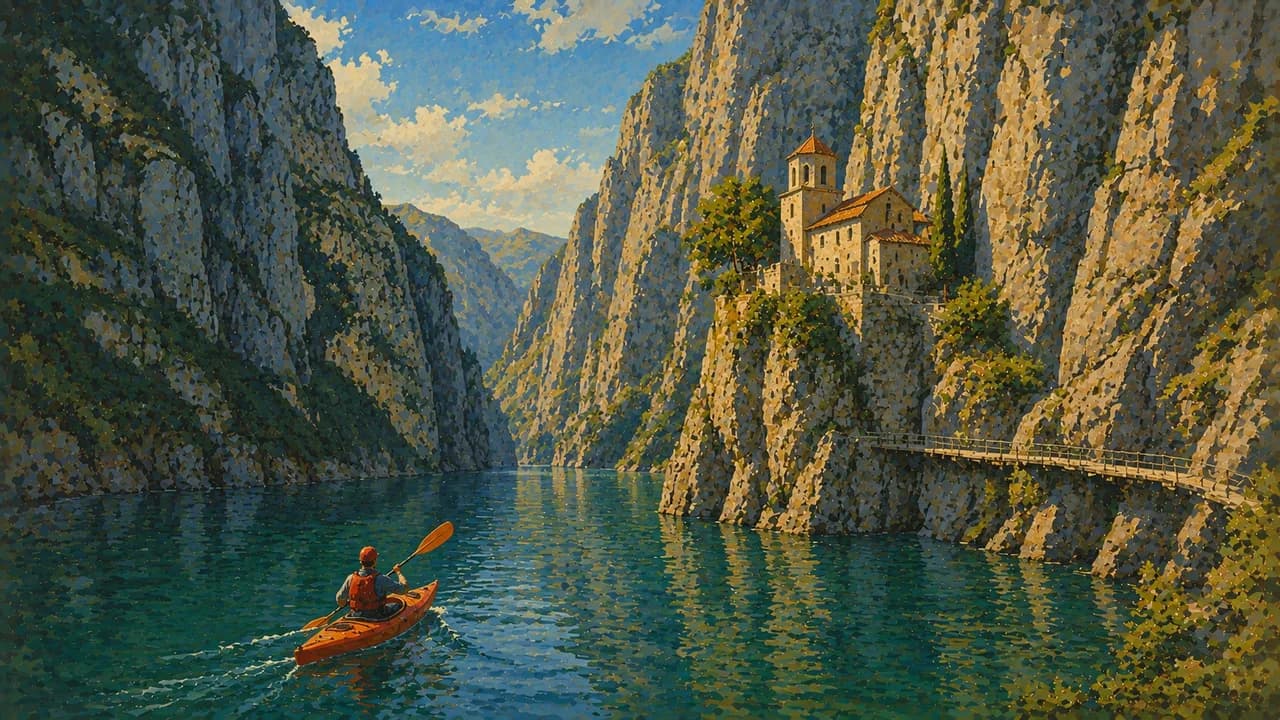
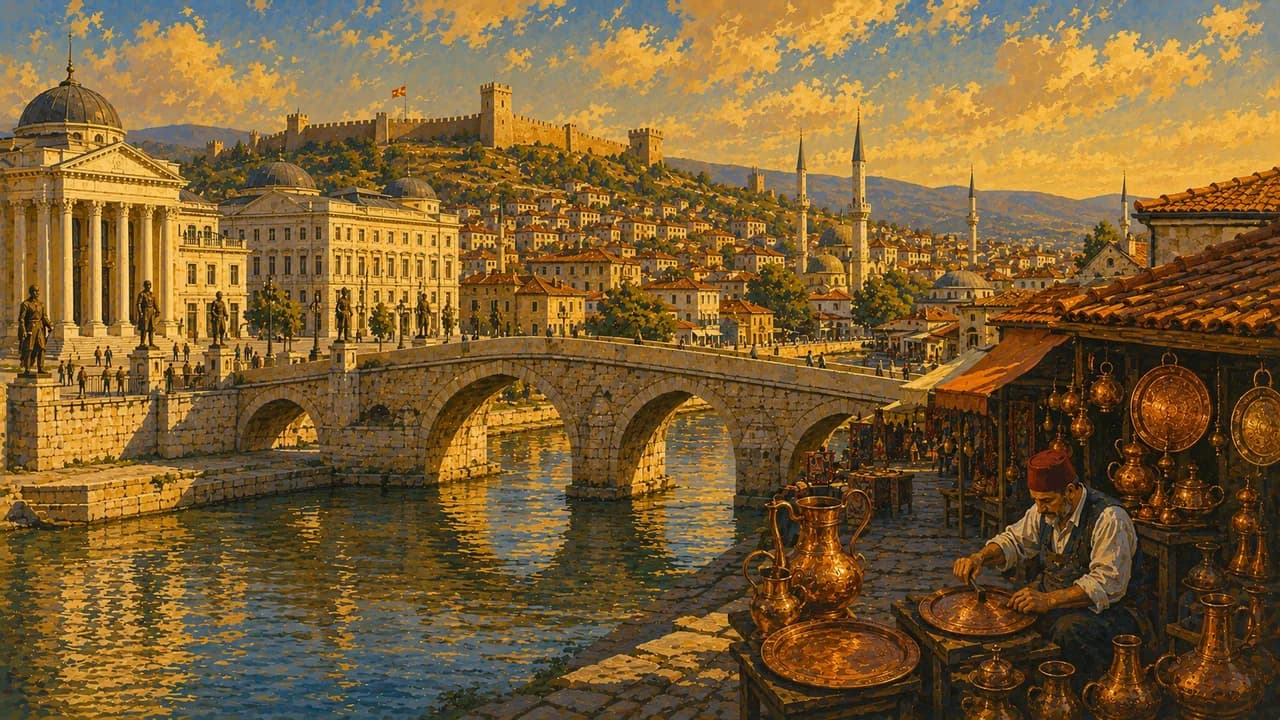
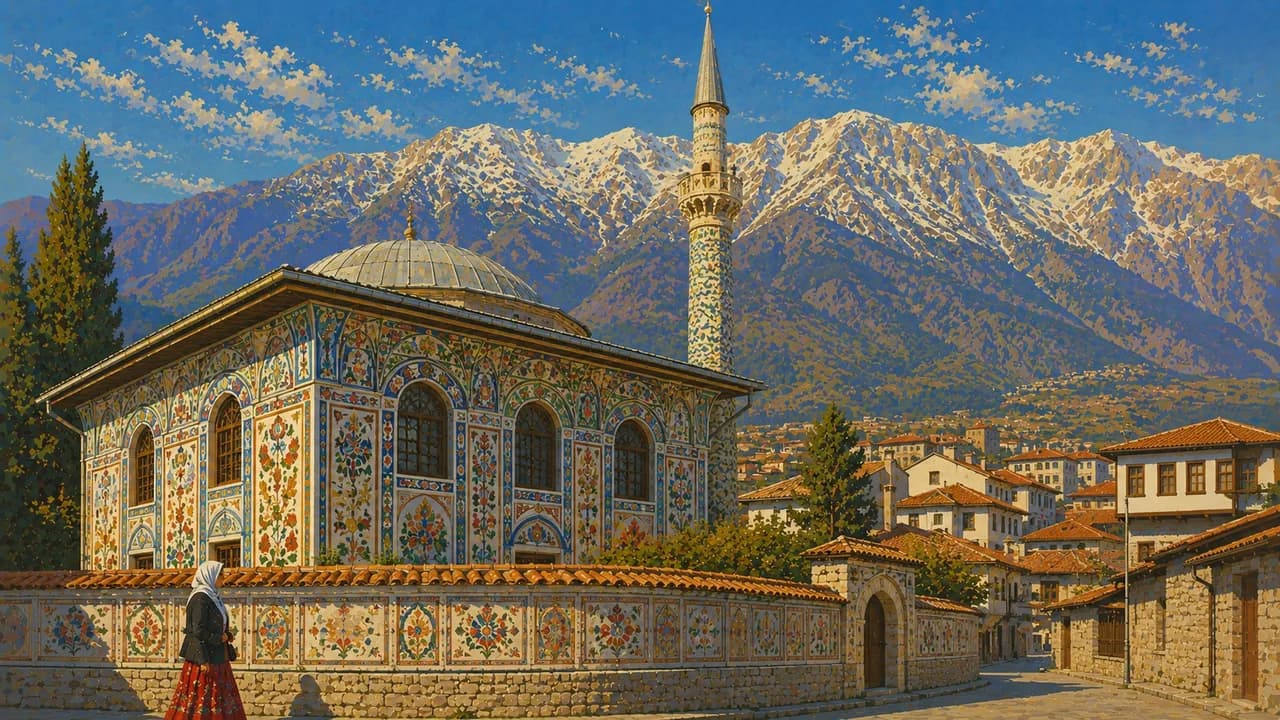
Skopje brings an Ottoman bazaar, the Stone Bridge and a riverside of recent monumental buildings into the capital. Nearby Matka Canyon offers a contrasting landscape of steep rock walls and water, with boat and walking options subject to local conditions. Tetovo adds the richly decorated Painted Mosque and a different urban and religious heritage.
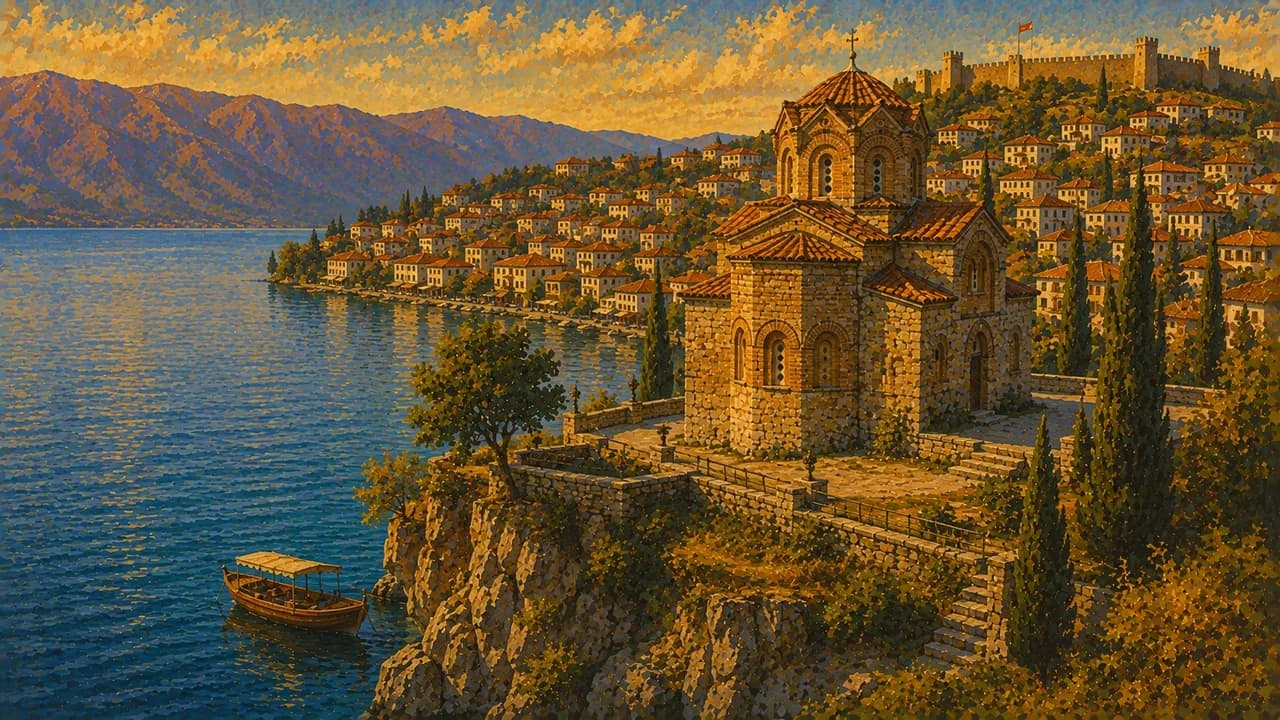
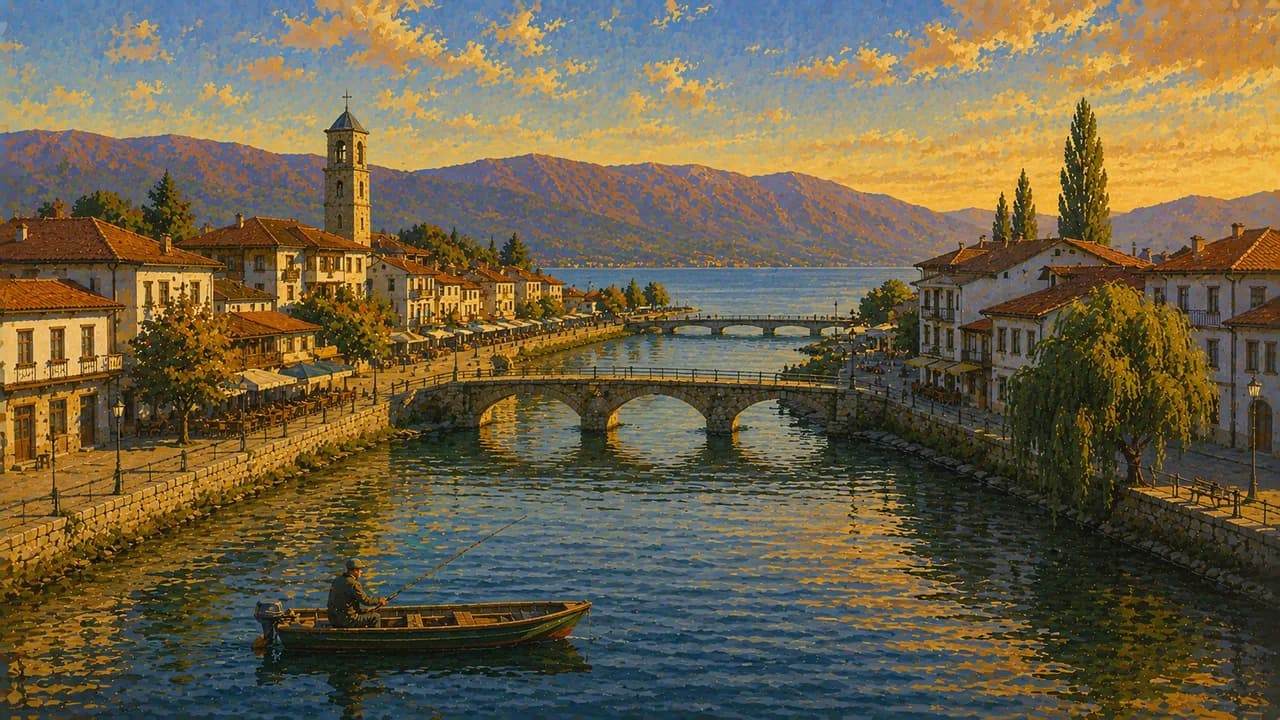
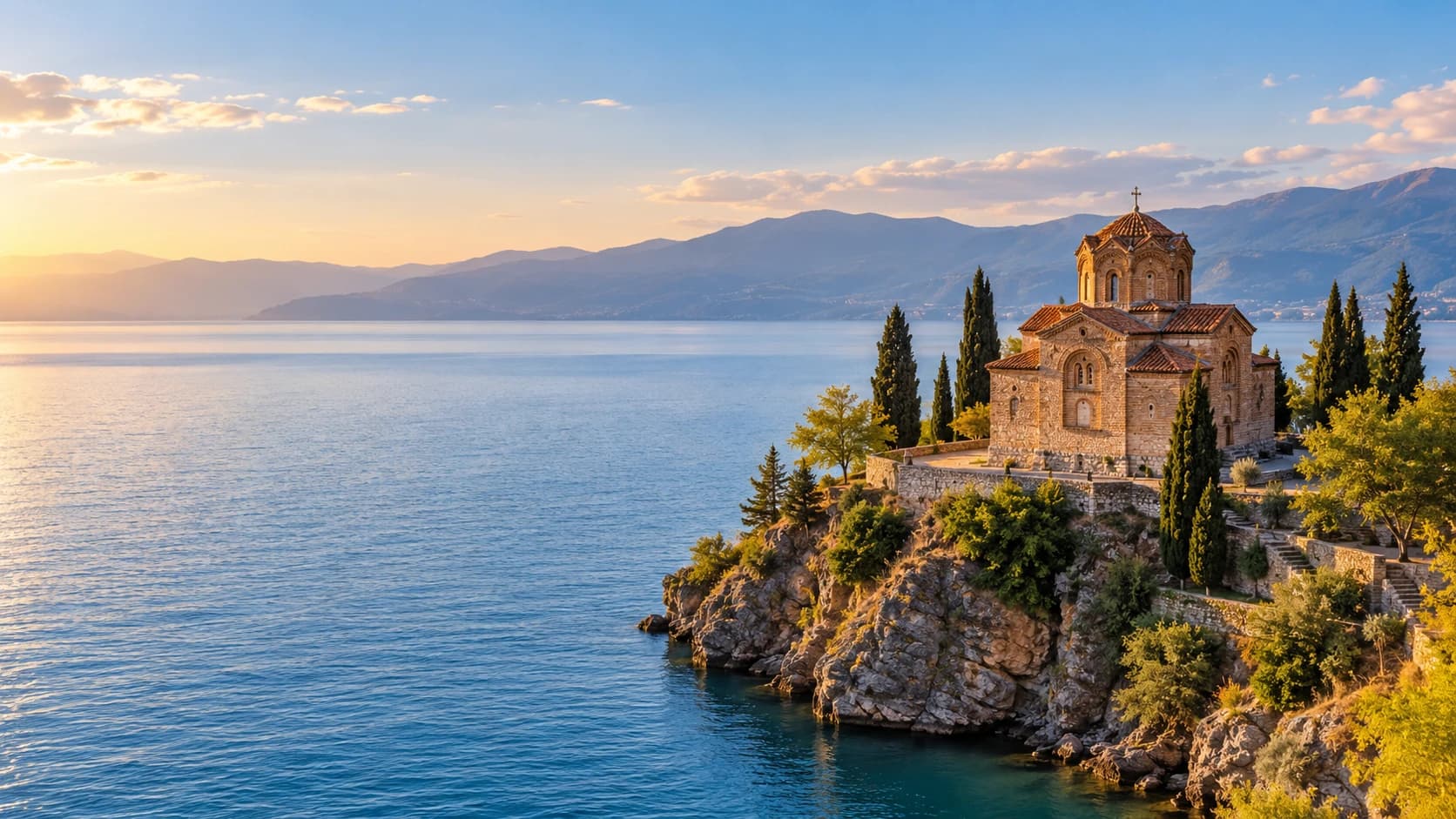
Lake Ohrid is one of Europe’s ancient lakes, with distinctive ecosystems and historic settlements along its shores. Ohrid combines Byzantine churches, a medieval fortress and narrow streets, while Struga has a separate lakeside and riverfront identity. Saint Naum Monastery adds a southern shore setting. The shared Ohrid region is UNESCO mixed heritage, recognised for both cultural and natural importance.
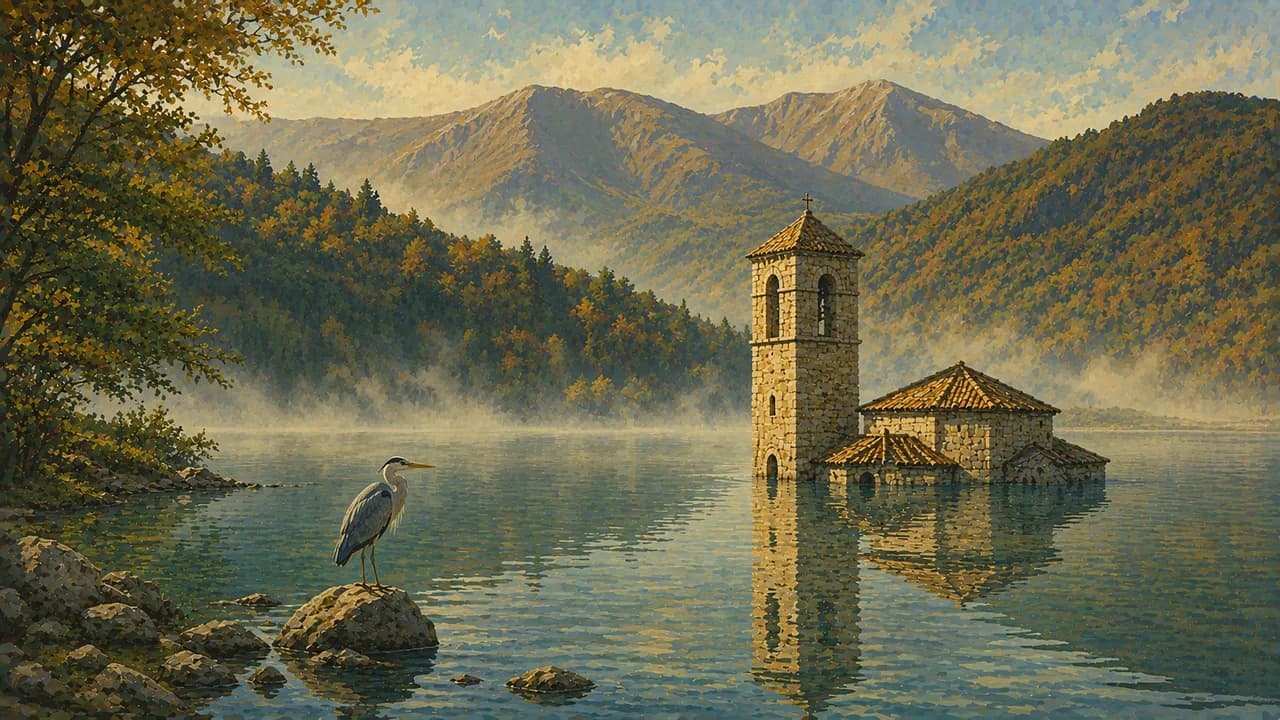
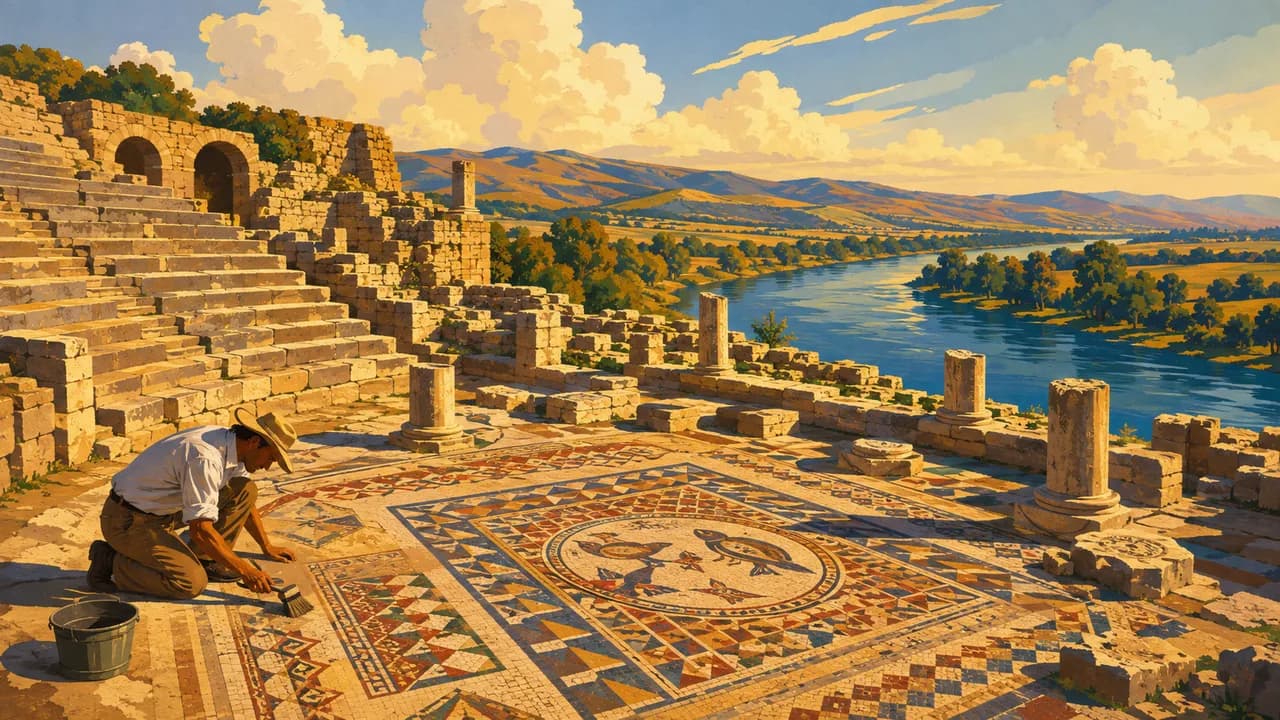
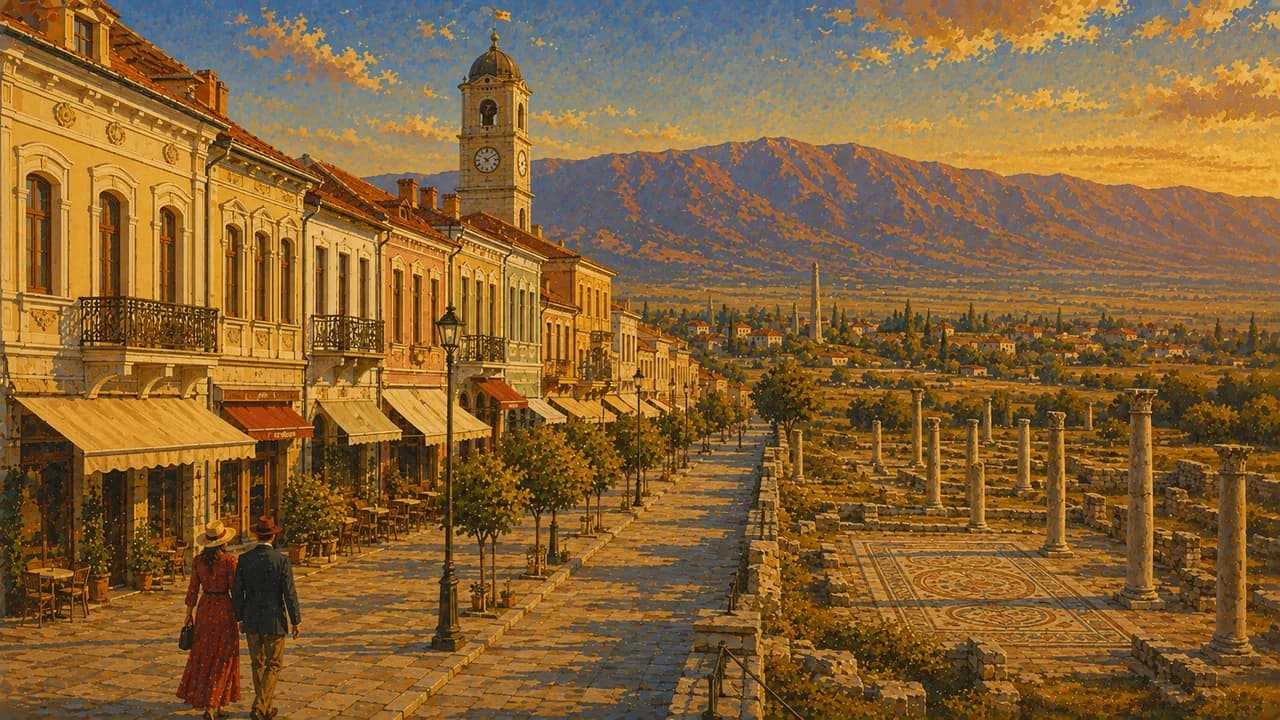
Mavrovo National Park brings forested mountains, villages and seasonal outdoor activities. Galičica offers another mountain landscape near the lakes. In the south, Bitola combines a historic urban promenade with nearby ancient Heraclea, while Prilep has rocky hills and medieval heritage. Stobi preserves remains of an ancient city, including mosaics whose visibility can vary with seasonal protection arrangements.
Tavče gravče, roasted peppers, filled pastries and local wines connect regional cooking with markets and cafés. Spring and autumn often suit cultural visits, while summer offers more lake activities and highland routes. Winter snow can restrict mountain travel. Check park access, archaeological opening arrangements, boat conditions and weather before setting out, and allow time for winding regional roads.
AI edited
- 80
- Municipalities The statistical territorial system has eighty municipalities, including the ten municipalities of the City of Skopje.
- ≈ 1.84 million
- Population The 2021 census counted 1,836,713 residents. This excludes enumerated non-residents and is a dated census baseline.
- ≈ 25,436 km²
- Area Surface area reported by the State Statistical Office, including in its 2023 yearbook.
- Macedonian & Albanian
- Languages Macedonian with Cyrillic script is the state official language. Albanian also has official use under the language law. Scope of use follows the applicable rules.
- English & others
- Other languages English is used by many tourism providers. Turkish, Romani, Serbian and other community languages are also spoken.
- Macedonian denar
- Currency The national currency is the denar, code MKD. Do not assume euro cash is accepted for everyday payments.
- C · F
- Socket types Types C and F sockets, generally 230 V at 50 Hz. Check device and adapter compatibility.
- Skopje
- Capital Skopje is the capital. The clock follows Europe/Skopje.
- Right-hand traffic
- Driving side Vehicles drive on the right. Mountain roads and winter conditions require additional planning.
- UTC+1 / UTC+2
- Time zone Local time is UTC+1 in winter and UTC+2 during daylight saving time.
- 2
- UNESCO cultural sites UNESCO lists the shared Ohrid region as mixed cultural and natural heritage and shared beech forests as natural heritage. These are two inscriptions, not two exclusively cultural sites.
North Macedonia on the map

Map data: geoBoundaries (CC BY 4.0), © OpenStreetMap contributors (ODbL), Natural Earth
Climate and best time to travel
Valleys can have hot summers and cold winters, while lake shores are moderated by water and mountain areas remain cooler. Spring and autumn often suit cities, monasteries and archaeological sites. Summer gives more options around lakes and higher trails, although heat and thunderstorms can affect activities. Snow can limit mountain access in winter. Check boat conditions and protected-area rules locally. Some archaeological mosaics have seasonal covers, so confirm display arrangements before a visit. Month chips show typical planning windows, not guaranteed access or weather.