Croatia
Hrvatska
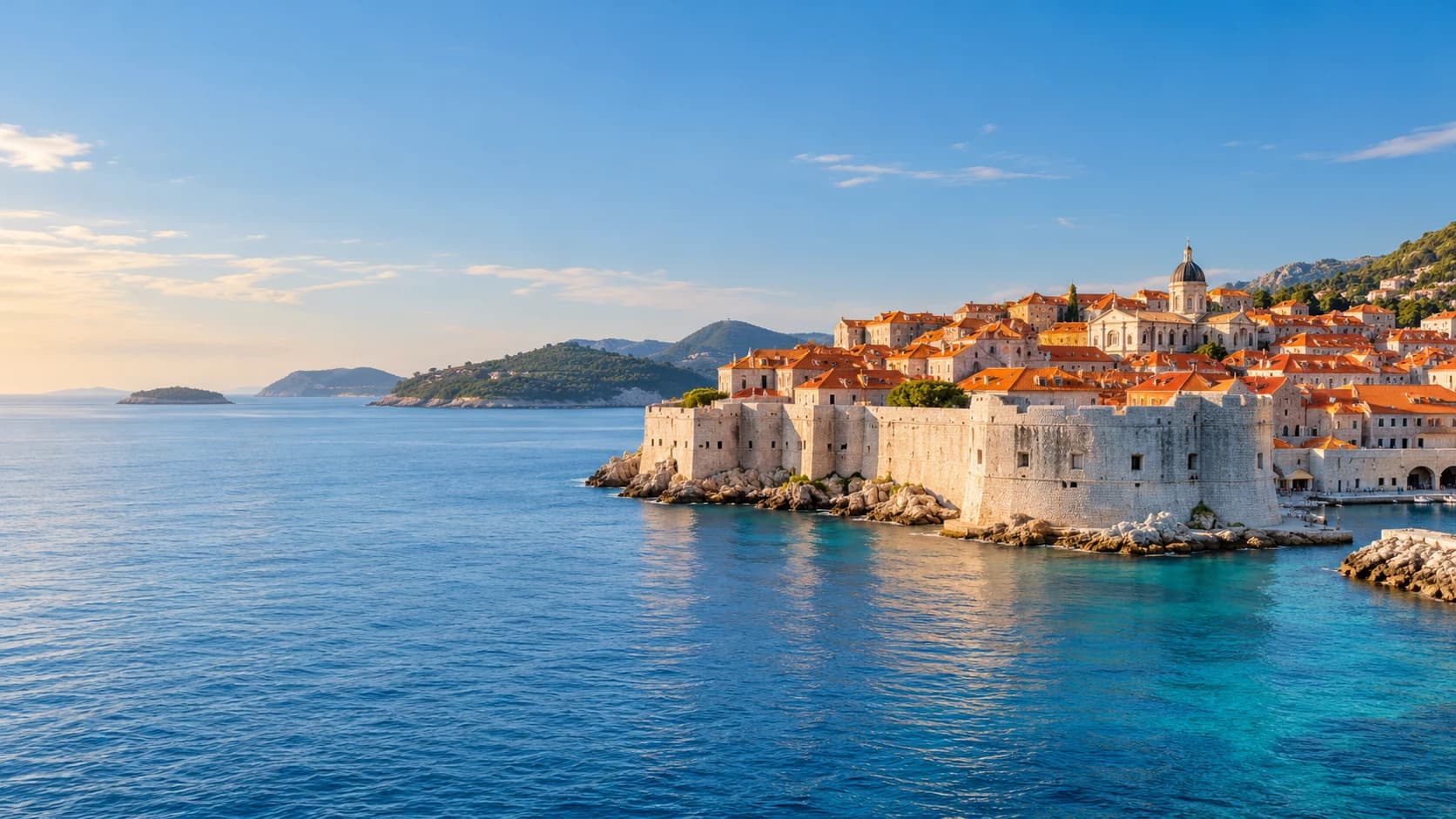
Stone coastal towns, island harbours and cascading lakes connect Adriatic landscapes with varied inland traditions.
Worth coming back!
Wanderlama keeps growing with new destinations, helpful information and exciting features. Check back soon and discover what is new!
Travel to Croatia
Croatia combines a long Adriatic shoreline, more than a thousand islands and islets, forested uplands and inland cities. Stone coastal settlements reflect Roman, Venetian and later histories, while regional food and landscapes change considerably away from the sea. Zagreb brings museums, markets and café terraces into an urban introduction to the country.
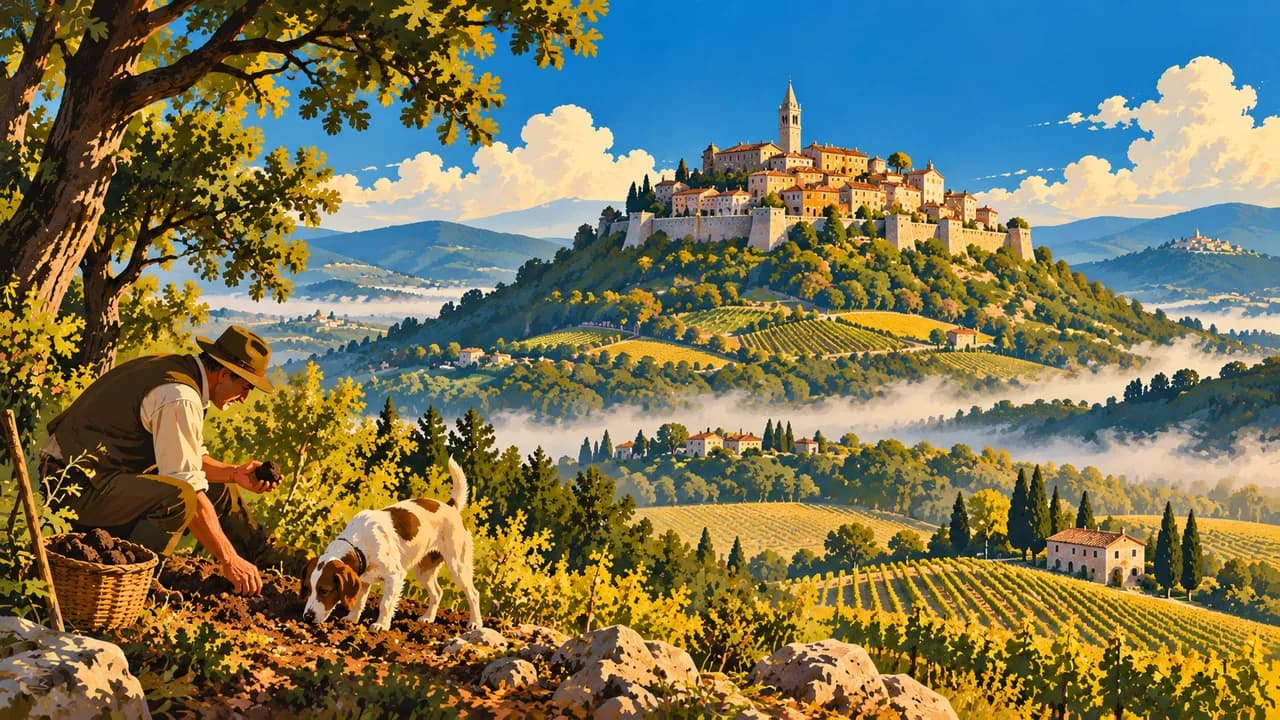
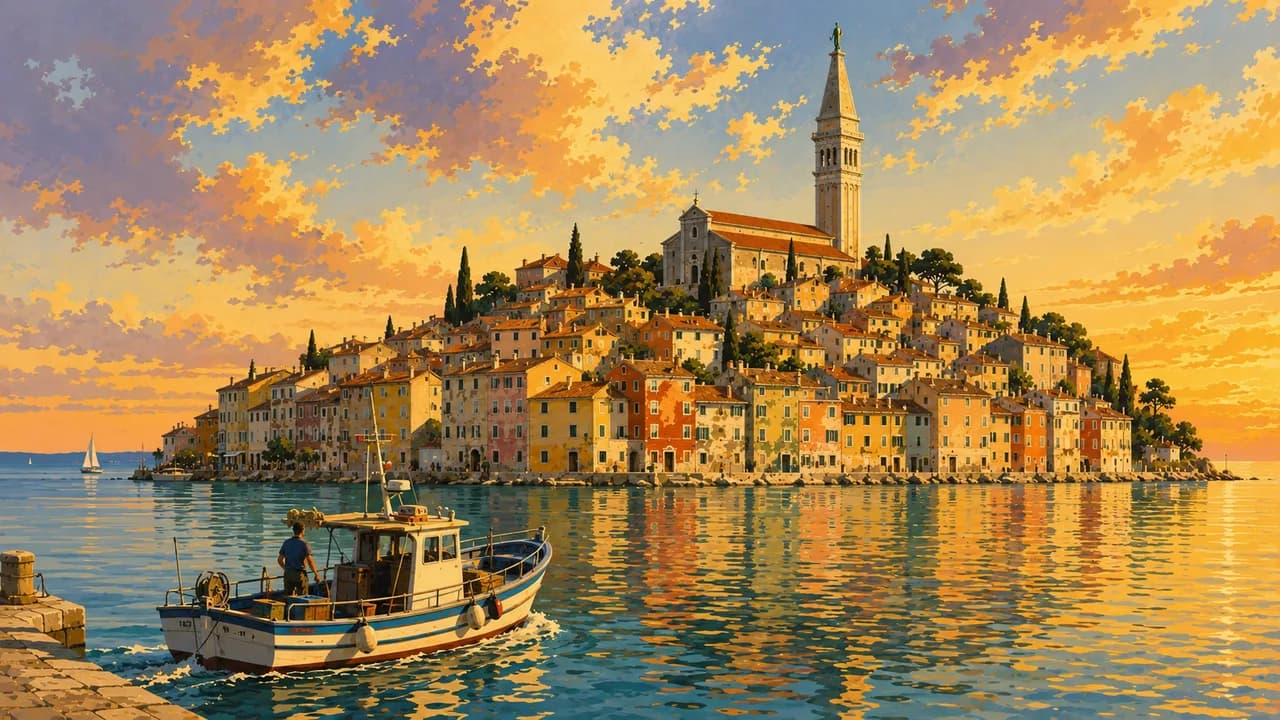
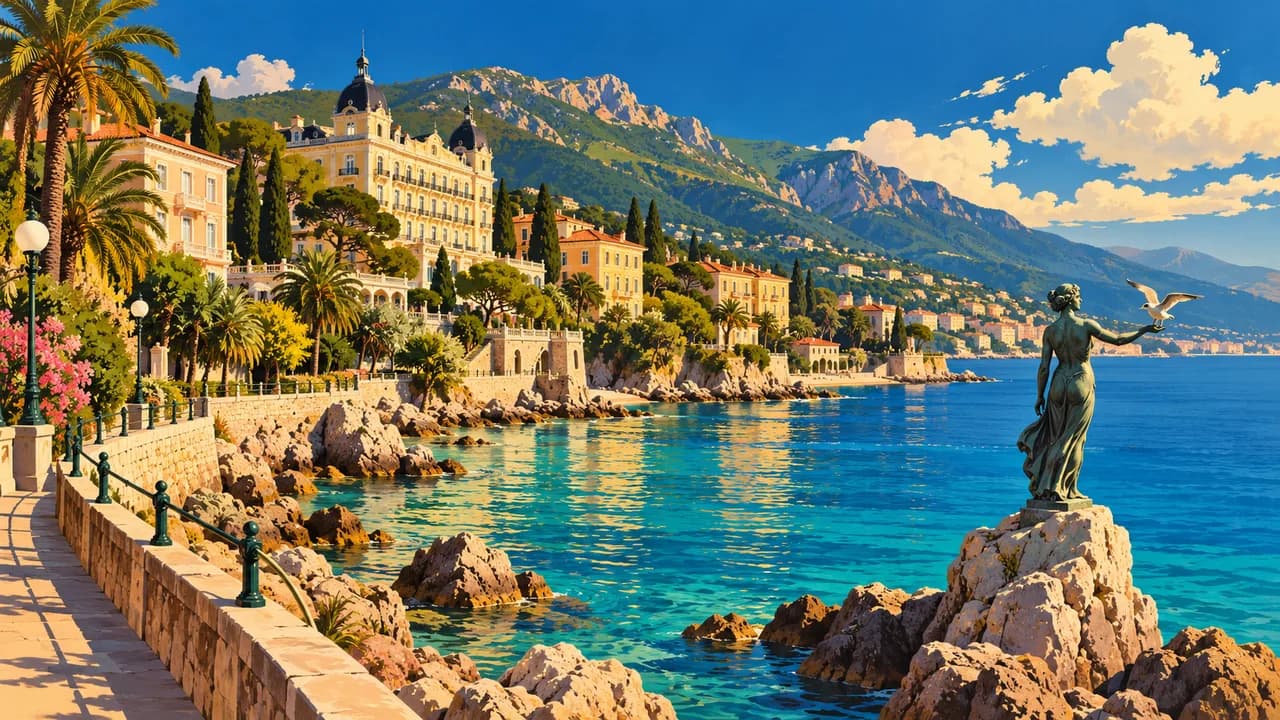
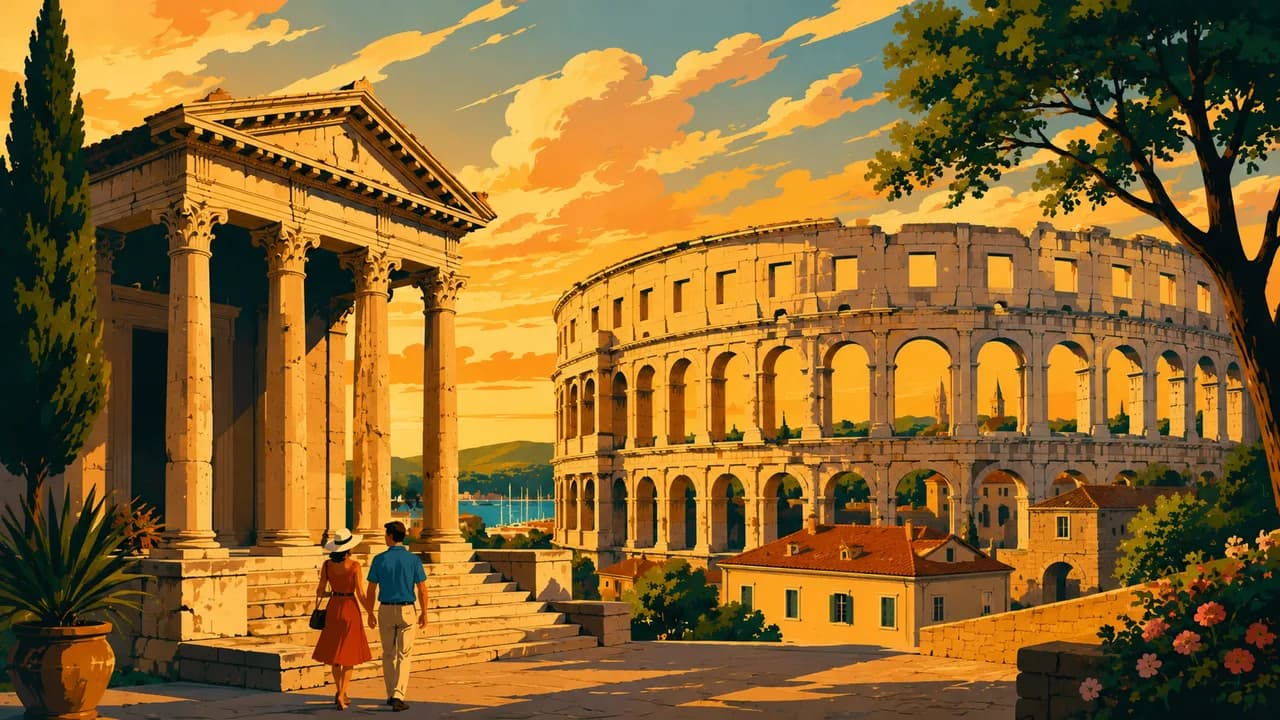
In the north, Rijeka has a working port and varied architecture, while Opatija follows elegant waterfront promenades. Istria adds the Roman amphitheatre of Pula, Poreč’s Euphrasian Basilica and Rovinj’s tightly packed old town. Inland, Motovun and Grožnjan provide hilltop streets, art workshops and views across a landscape associated with vineyards, olive oil and truffles.
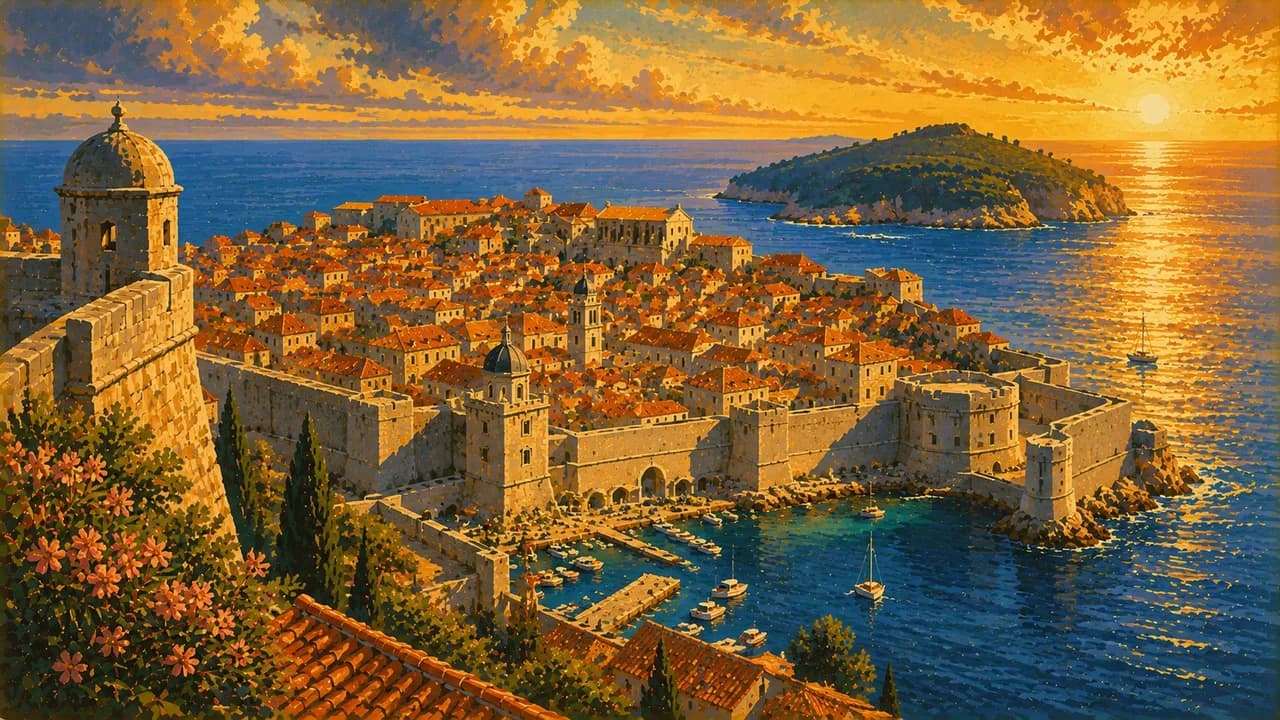
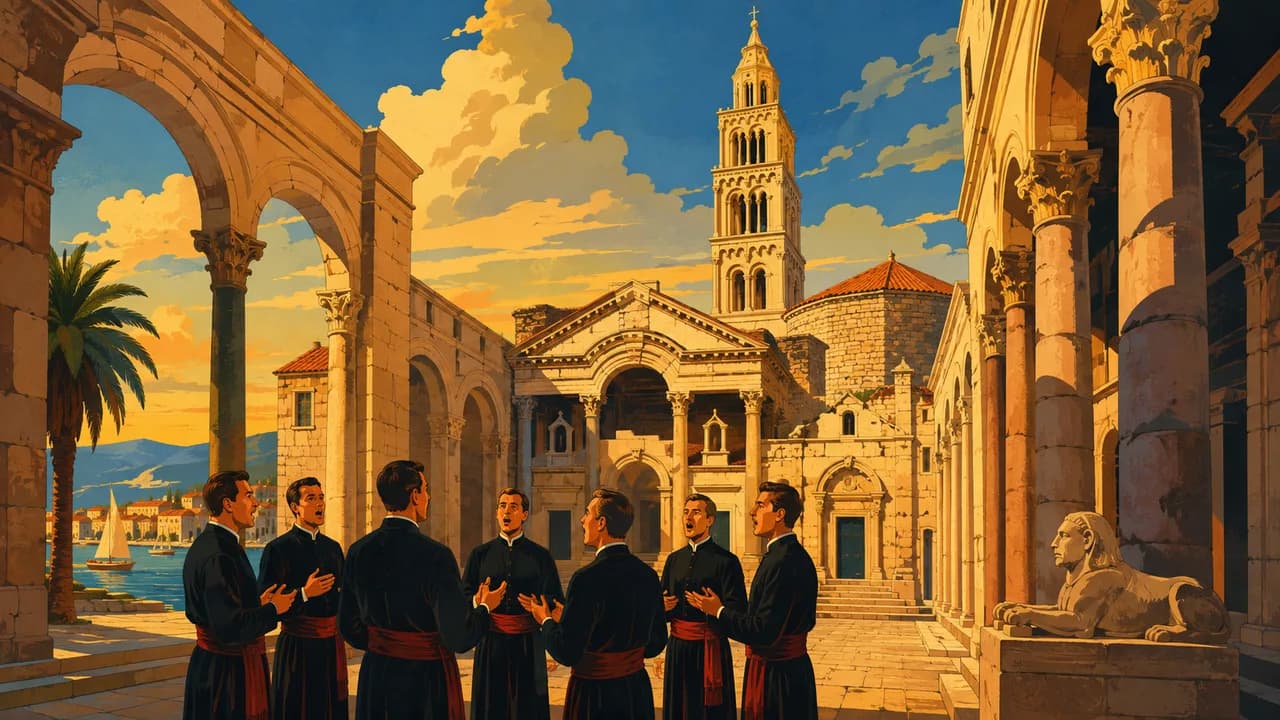
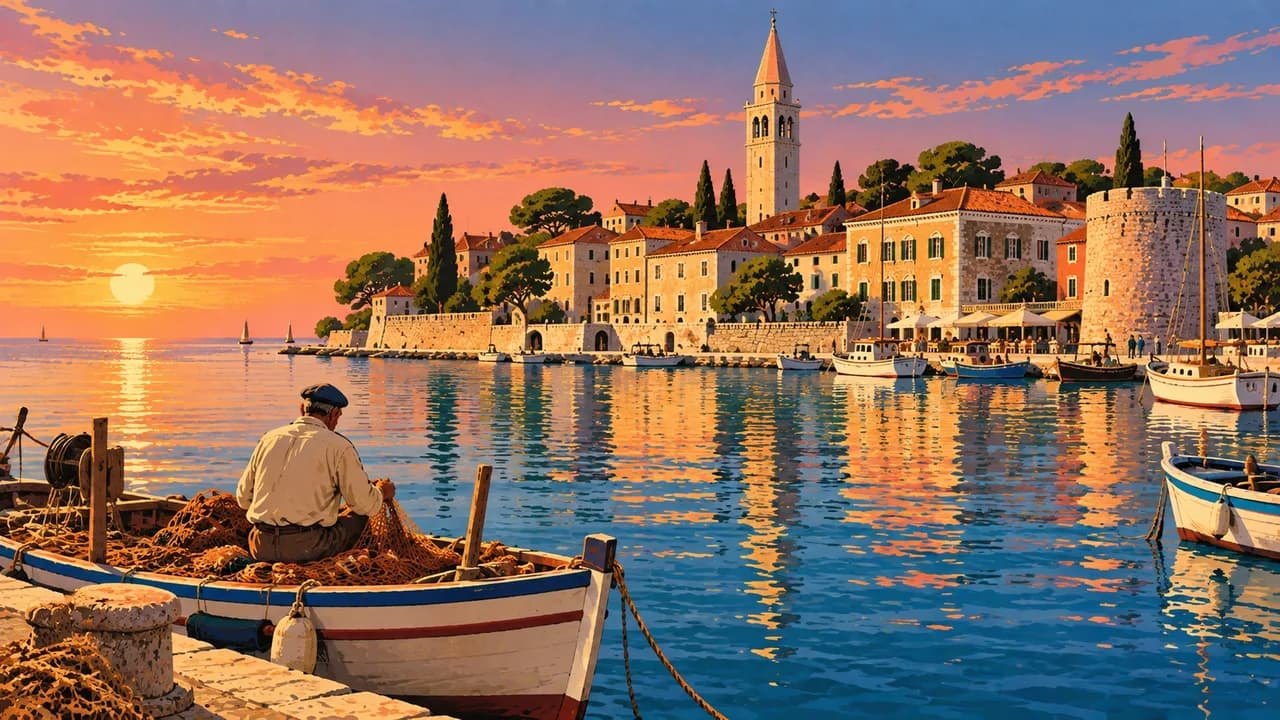
Further south, Zadar and Šibenik combine historic centres with waterfront life. Trogir preserves a compact stone town, while Split incorporates everyday streets and homes into the remains of Diocletian’s Palace. Dubrovnik’s walls enclose a maritime old town above the sea. These cities reward walking beyond the principal monuments, especially outside the hottest and busiest summer hours.
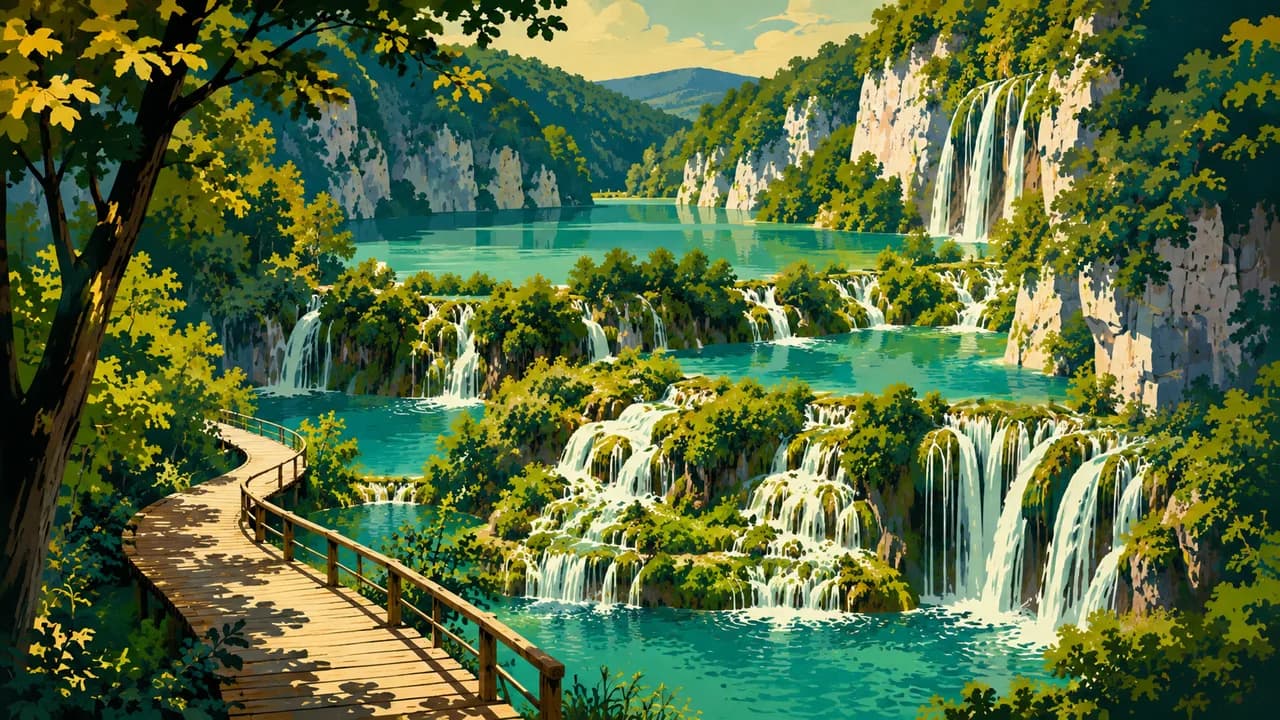
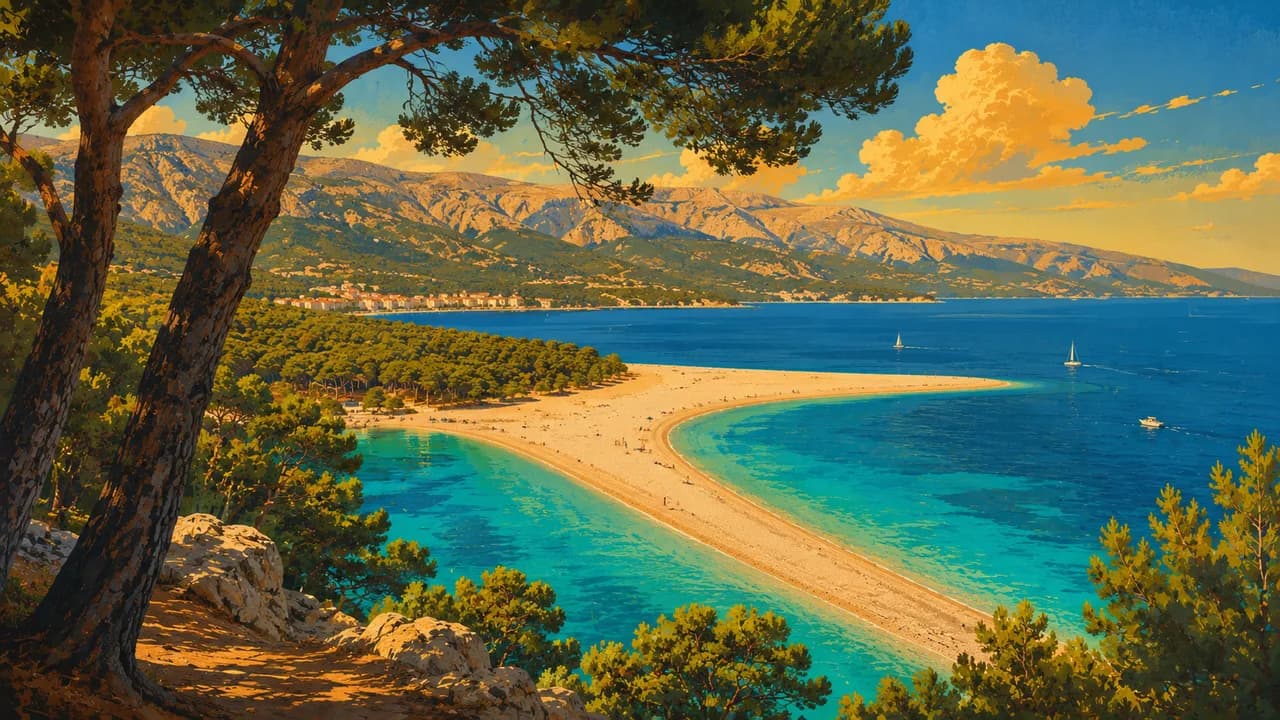
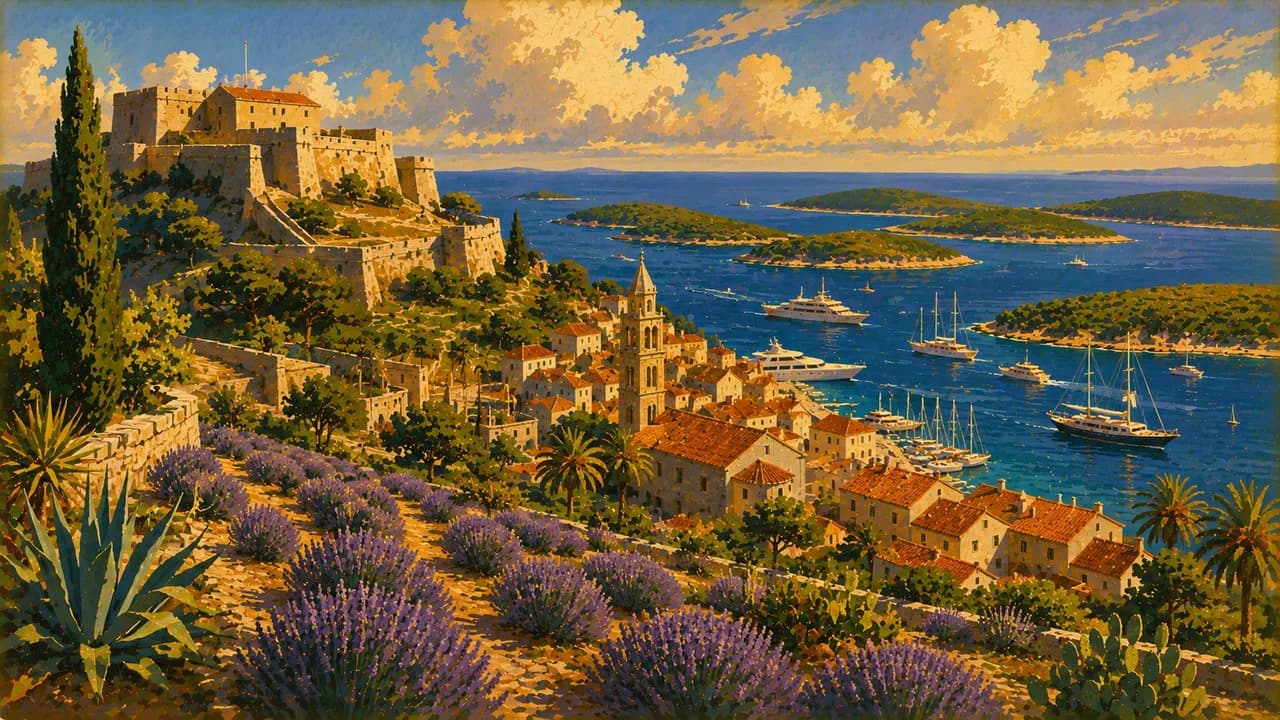
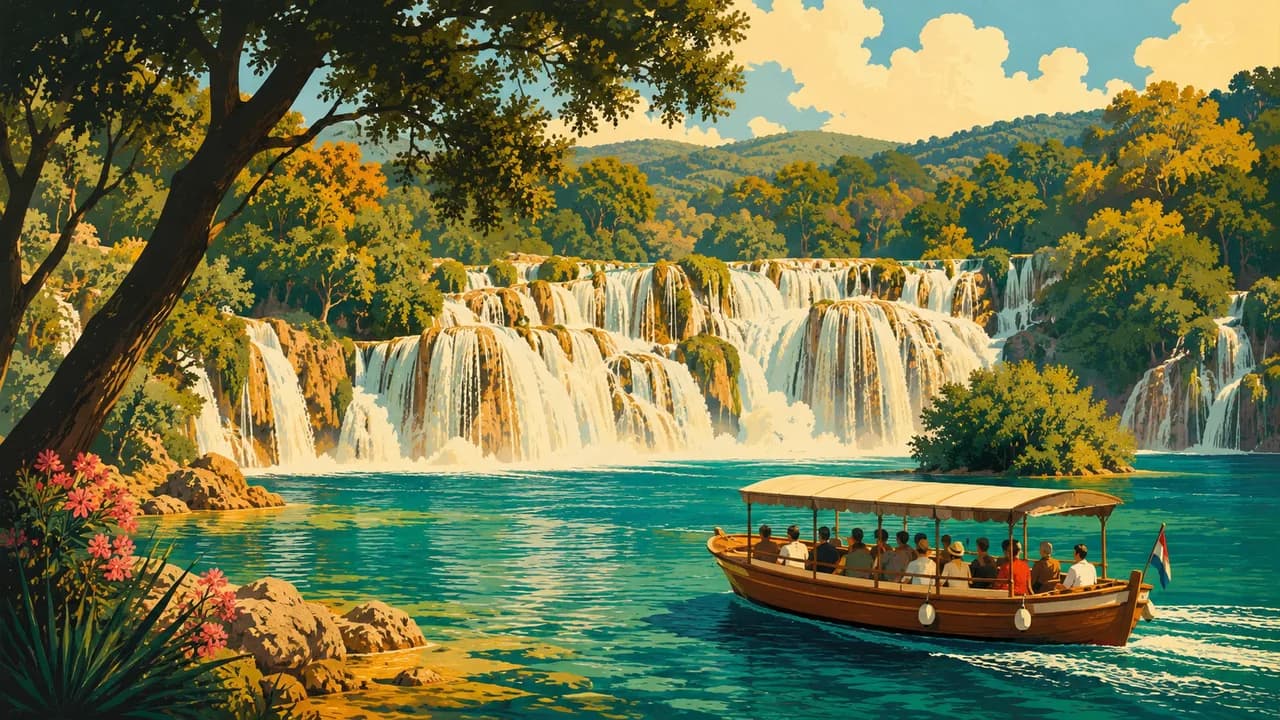
Krk, Brač, Hvar, Vis and Korčula offer different mixtures of harbours, coves, villages and island landscapes. Ferry routes and seasonal timetables shape practical itineraries, and sea conditions can alter crossings. Inland, Plitvice Lakes National Park and Krka National Park protect cascades, forests and river scenery. Follow designated routes and current park rules. Swimming is prohibited at Plitvice and restricted to designated locations at Krka.
Seafood, local wines and olive oil characterise many coastal meals, while inland cooking includes richer meat dishes and pastries. Late spring and early autumn often suit cultural routes and walking. Summer brings warmer seas and heavier demand for accommodation, ferries and park tickets. Winter can be quiet on the coast but snowy inland, so check transport, weather and opening arrangements before combining regions.
AI edited
- 20 + 1
- Counties & capital Croatia has twenty counties and the City of Zagreb, which also has county status.
- ≈ 3.87 million
- Population The national statistical office estimates 3,874,993 residents at mid-2025.
- ≈ 56,594 km²
- Area Approximate land area, excluding territorial sea.
- Croatian
- Language Croatian is the official language and uses the Latin alphabet.
- English & others
- Other languages English is widely used in tourism, with Italian and German also encountered regionally.
- Euro (EUR)
- Currency Croatia has used the euro since 1 January 2023. The former kuna is no longer the currency for payments.
- C · F
- Socket types Types C and F sockets, generally 230 V at 50 Hz. Check device and adapter compatibility.
- Zagreb
- Capital Zagreb is the capital. The clock follows Europe/Zagreb.
- Right-hand traffic
- Driving side Vehicles drive on the right. Island ferries and coastal congestion need separate journey planning.
- UTC+1 / UTC+2
- Time zone Central European Time is UTC+1 in winter and UTC+2 during daylight saving time.
- 8
- UNESCO cultural sites Eight UNESCO cultural inscriptions include Dubrovnik, Split, Trogir, Poreč and Šibenik. Two additional natural inscriptions cover Plitvice and shared beech forests.
Croatia on the map

Map data: geoBoundaries (CC BY 4.0), © OpenStreetMap contributors (ODbL), Natural Earth
Climate and best time to travel
The Adriatic coast has hot, generally dry summers and milder, wetter winters. Inland and upland areas have more continental seasons and can see winter snow. Late spring and early autumn often suit cities, walking and less crowded coastal trips. Summer is the busiest beach and island season. Wind and sea conditions can disrupt boats, while ferry schedules vary by season. Check park tickets, open routes and swimming restrictions individually. Month chips show typical planning windows, not guaranteed weather or transport.
Destinations in Croatia
 AI generated
 AI generated
 AI generated
 AI generated
 AI generated
 AI generated
 AI generated
 AI generated
 AI generated
 AI generated
 AI generated
 AI generated