Bulgaria
България
Ancient cities, painted monasteries and mountain trails lead to Black Sea shores and vineyard landscapes.
Worth coming back!
Wanderlama keeps growing with new destinations, helpful information and exciting features. Check back soon and discover what is new!
Travel to Bulgaria
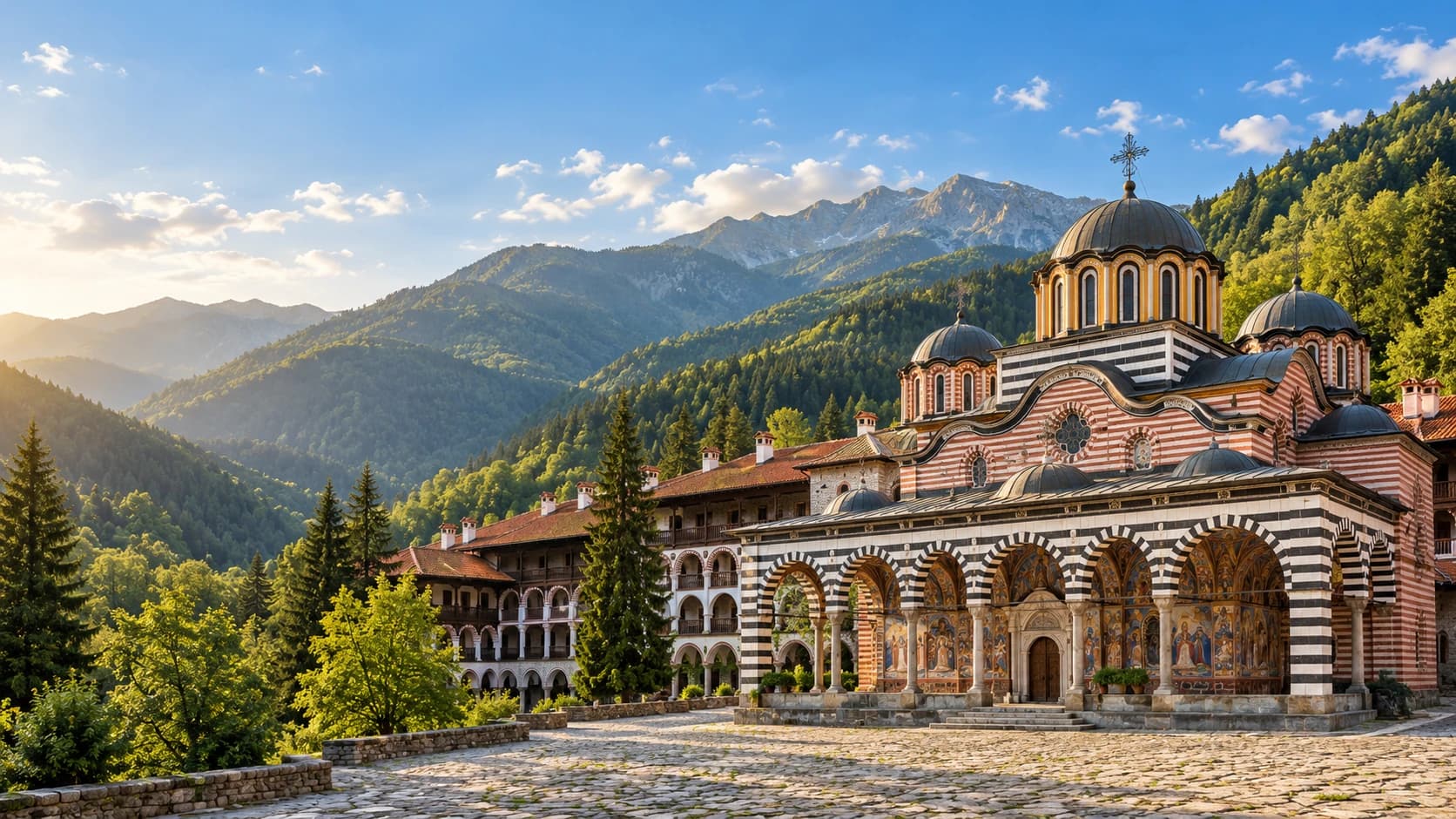
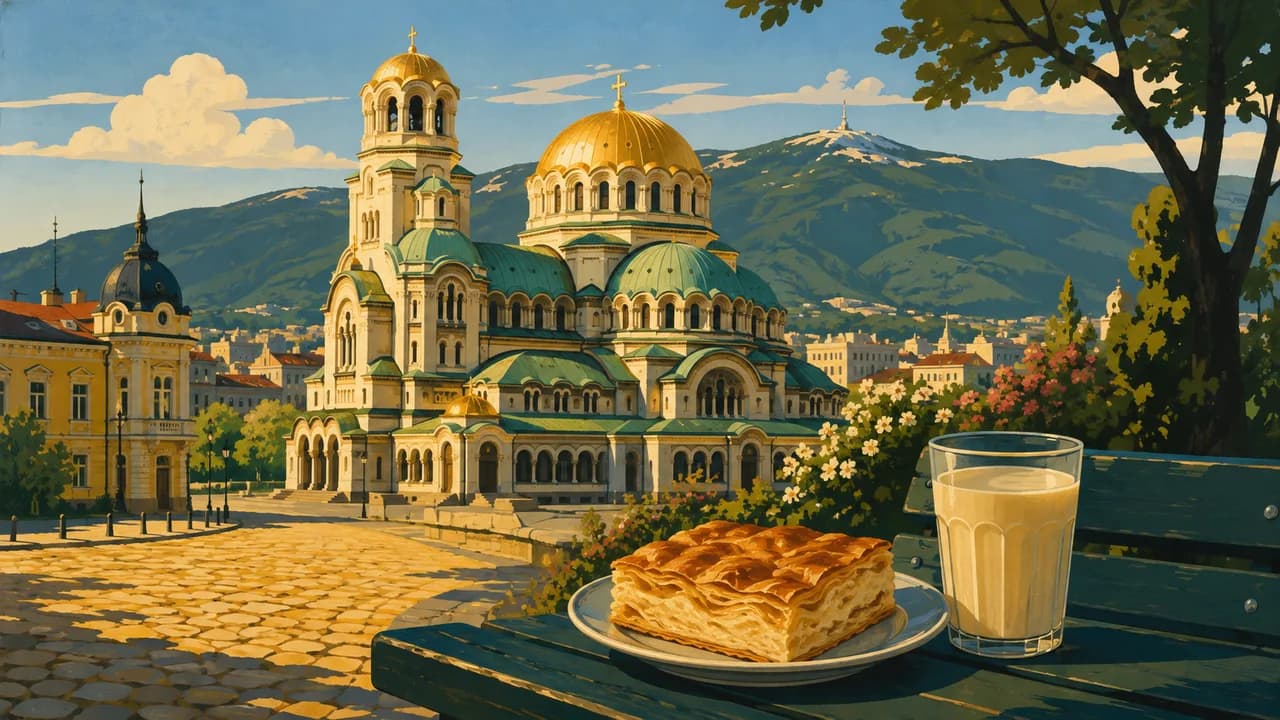
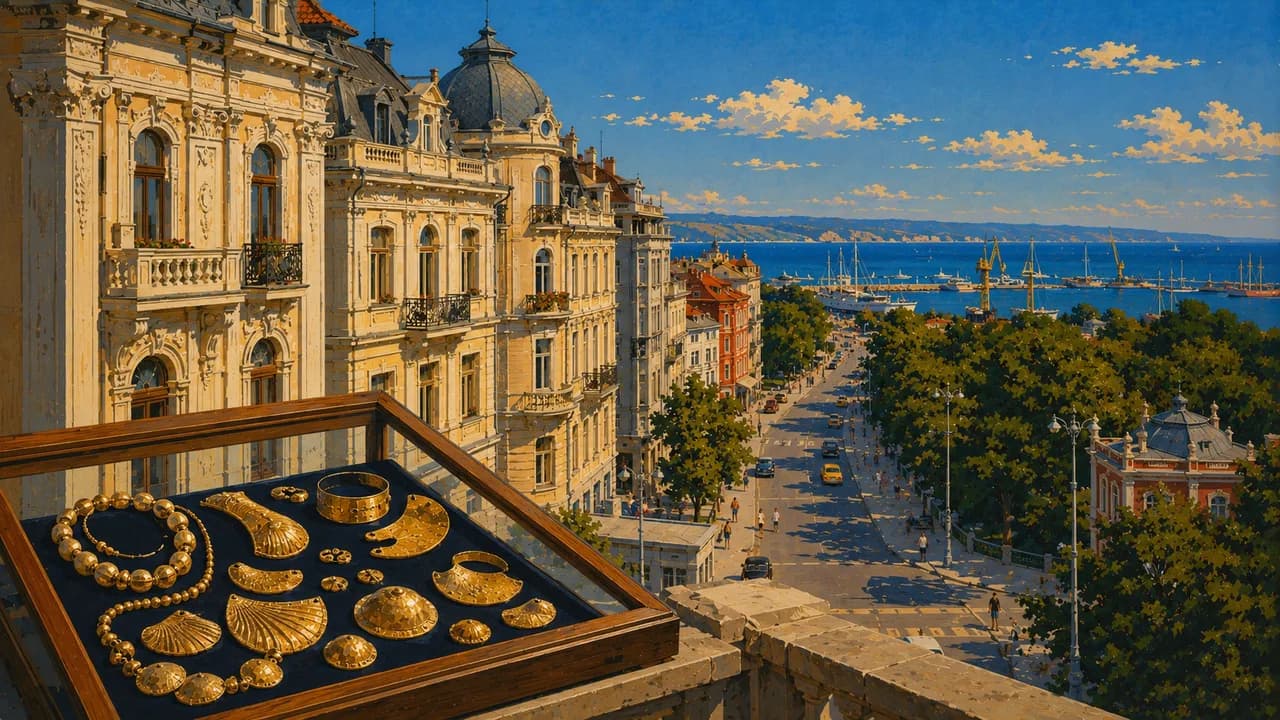
Bulgaria brings together Black Sea beaches, forested mountains and towns shaped by Thracian, Roman, Byzantine and Ottoman histories. Sofia combines the domes of Alexander Nevsky Cathedral with Roman remains and lively neighbourhood streets. Beyond the capital, monasteries, revival-era houses and archaeological collections give regional journeys a varied cultural rhythm.
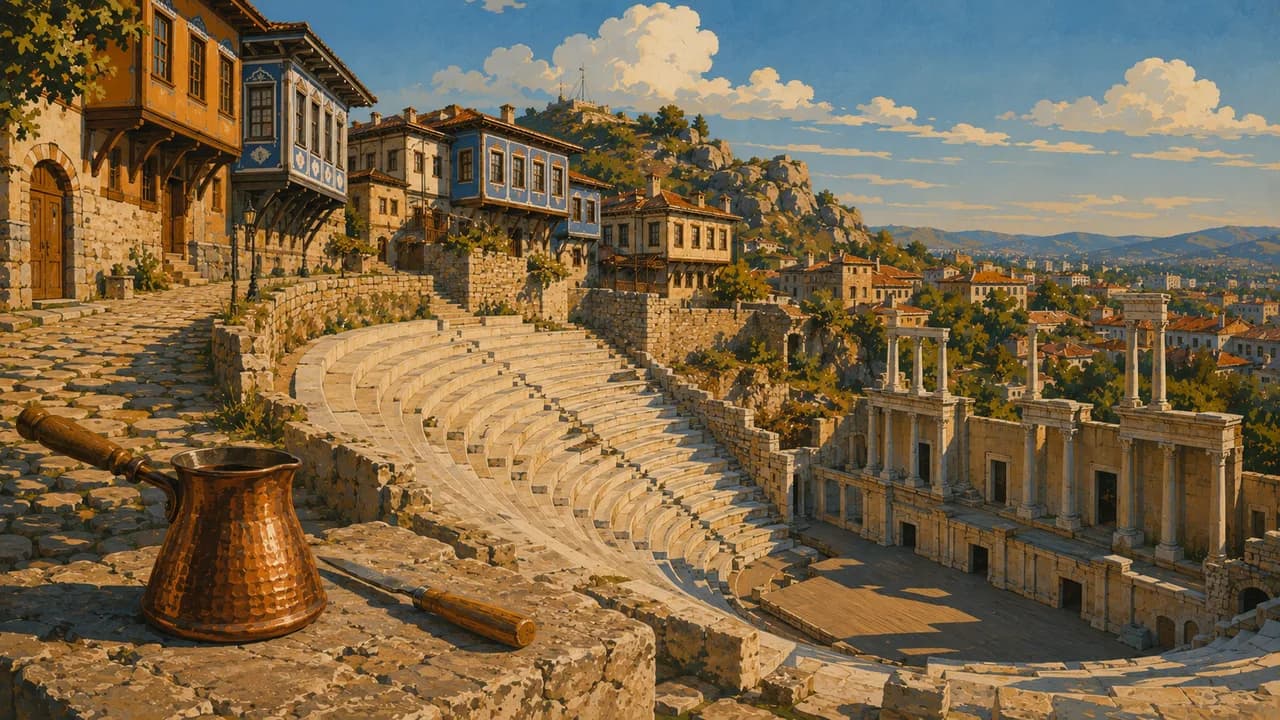
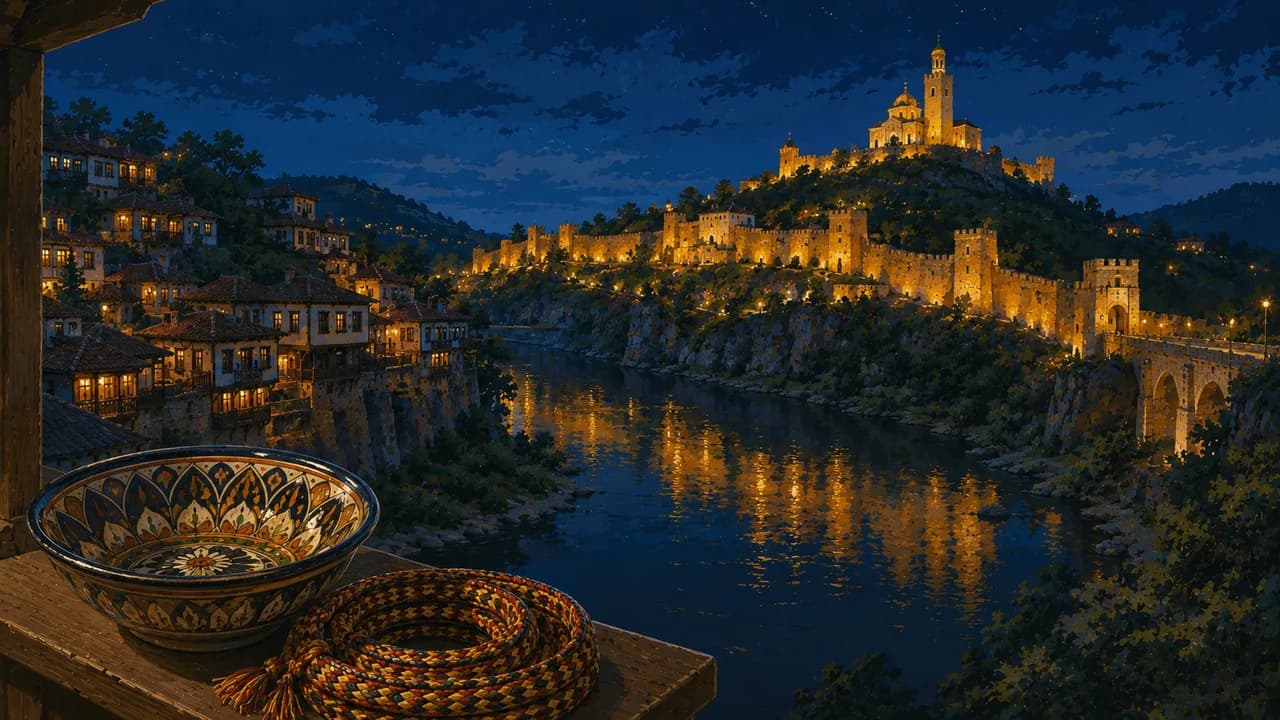
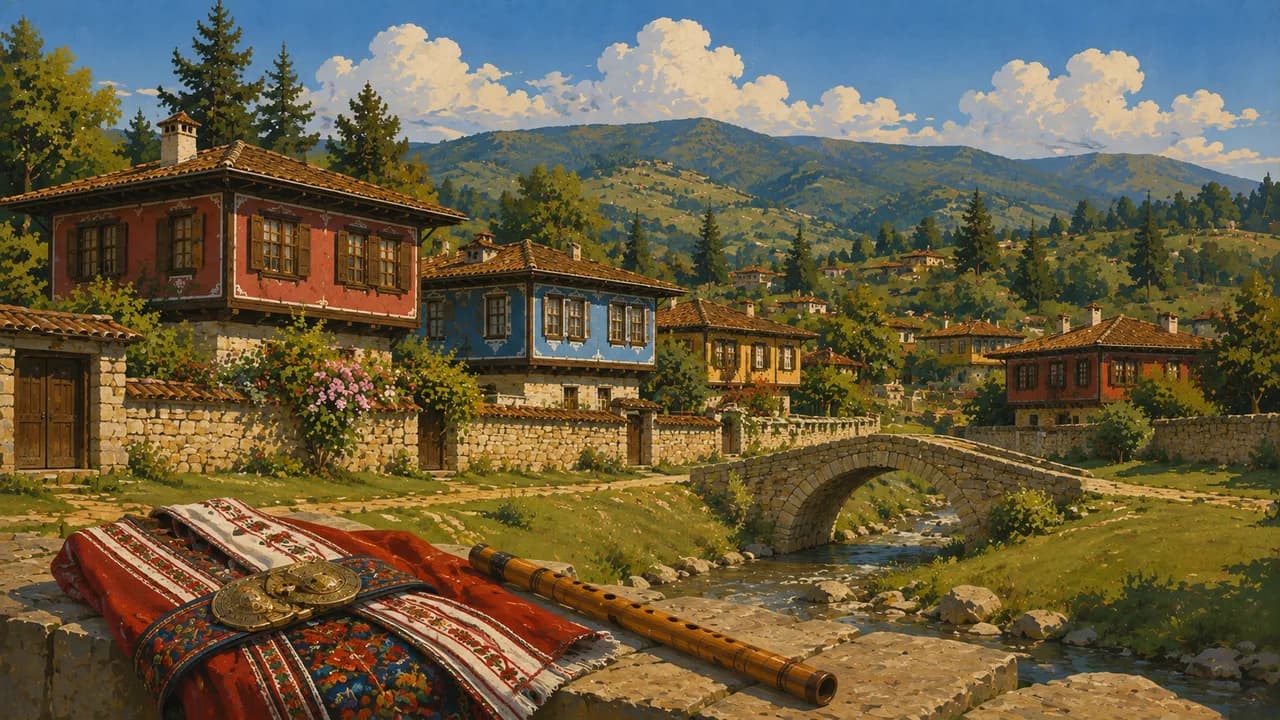
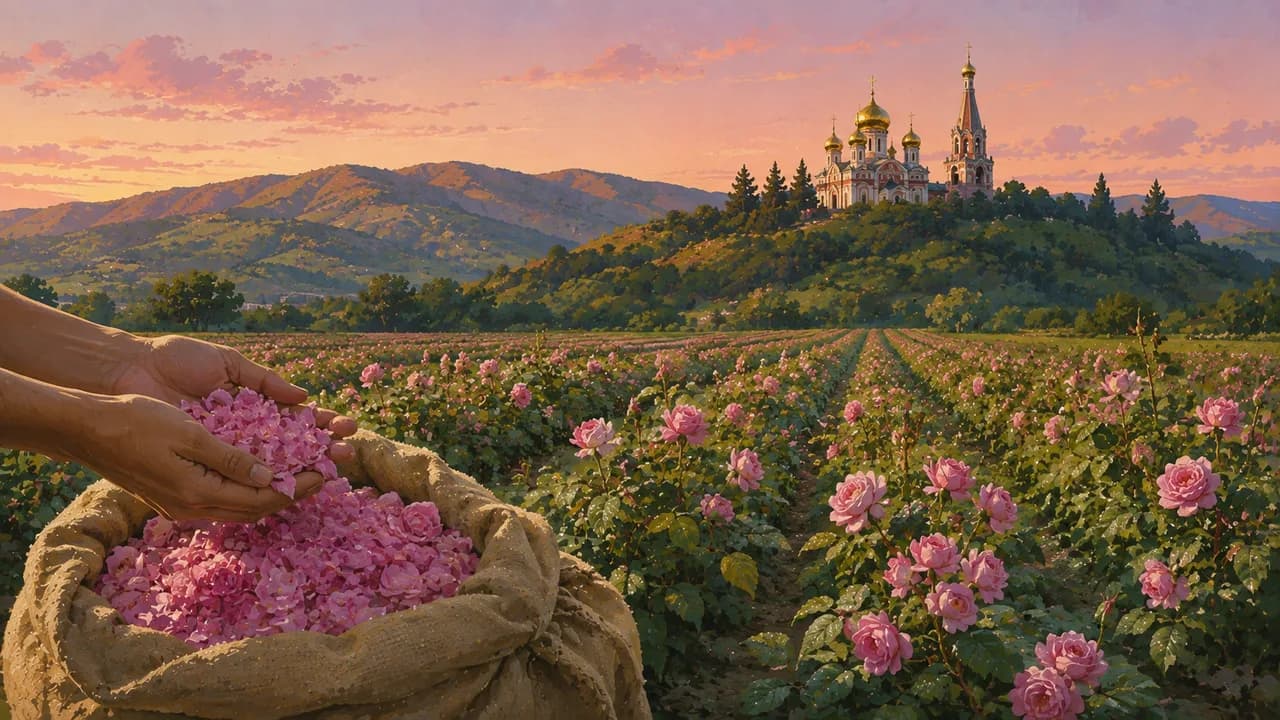
Plovdiv preserves a Roman theatre and an old town of richly decorated houses above a contemporary arts district. Koprivshtitsa offers colourful historic homes associated with the Bulgarian National Revival, while Veliko Tarnovo climbs steep hills around the former medieval capital. Near Kazanlak, Thracian tomb heritage and rose-growing traditions add another layer, with flowering and festival dates varying by year.
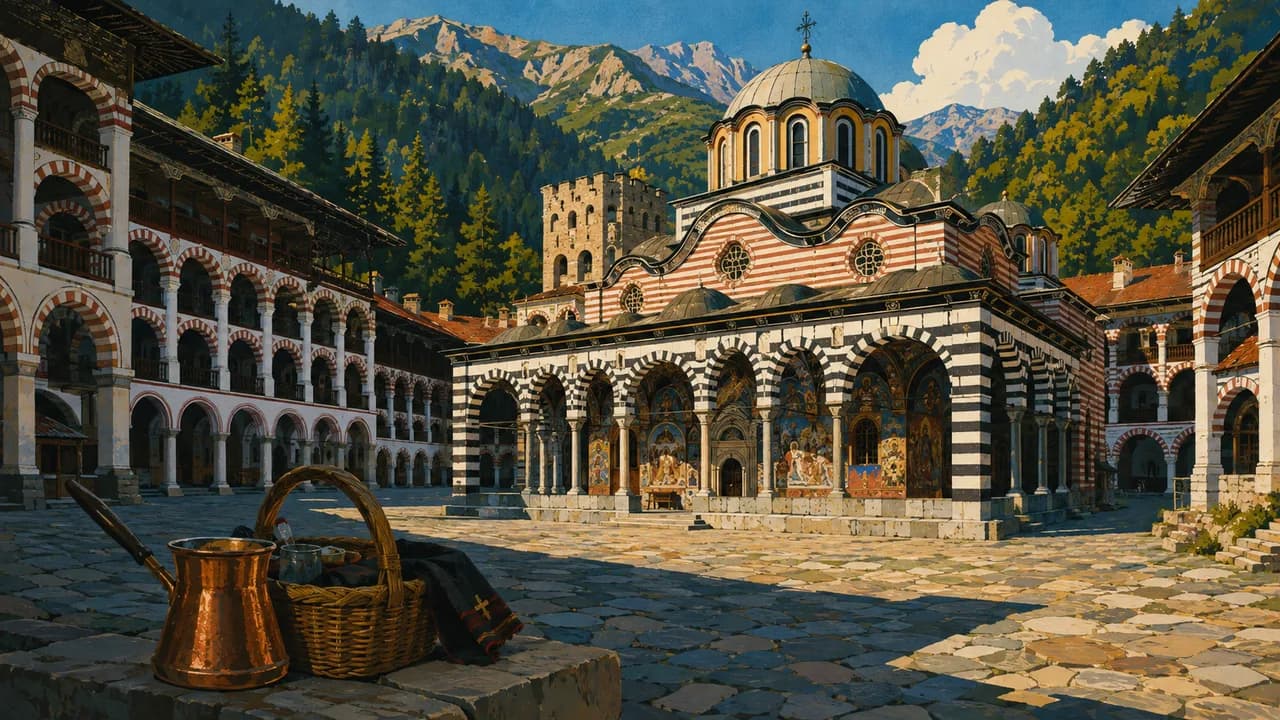
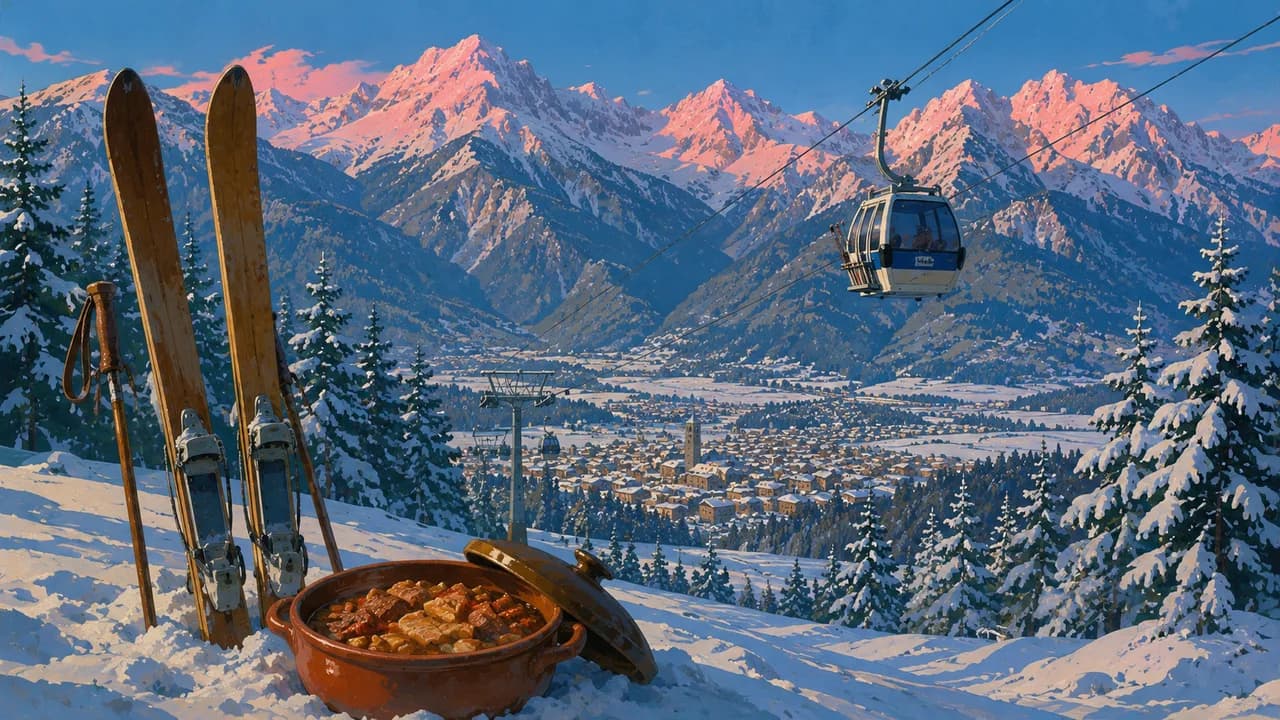
Rila Monastery stands in a mountain valley with painted arcades and a long Orthodox tradition. The wider Rila and Pirin landscapes offer forests, high lakes and summer walking routes. Bansko combines an old town with winter sports infrastructure, while Borovets is another established ski base. High trails, snow conditions and lift operations require separate checks rather than assumptions from lowland weather.
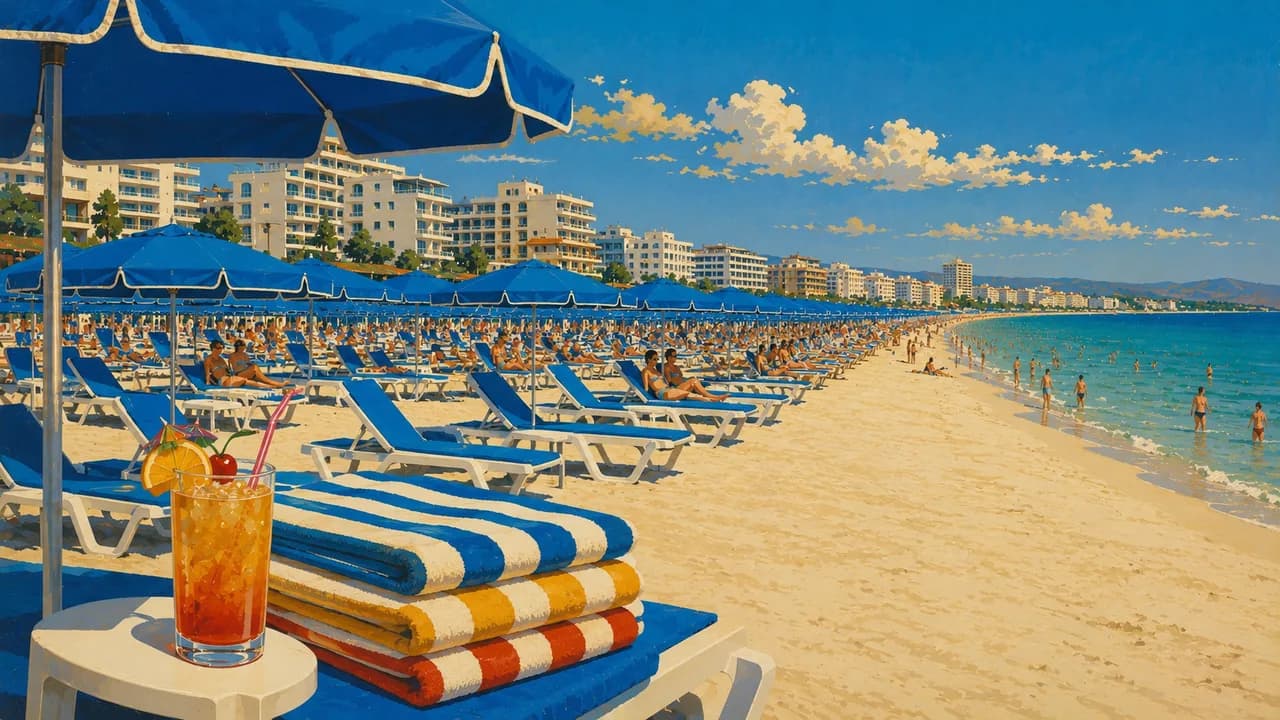
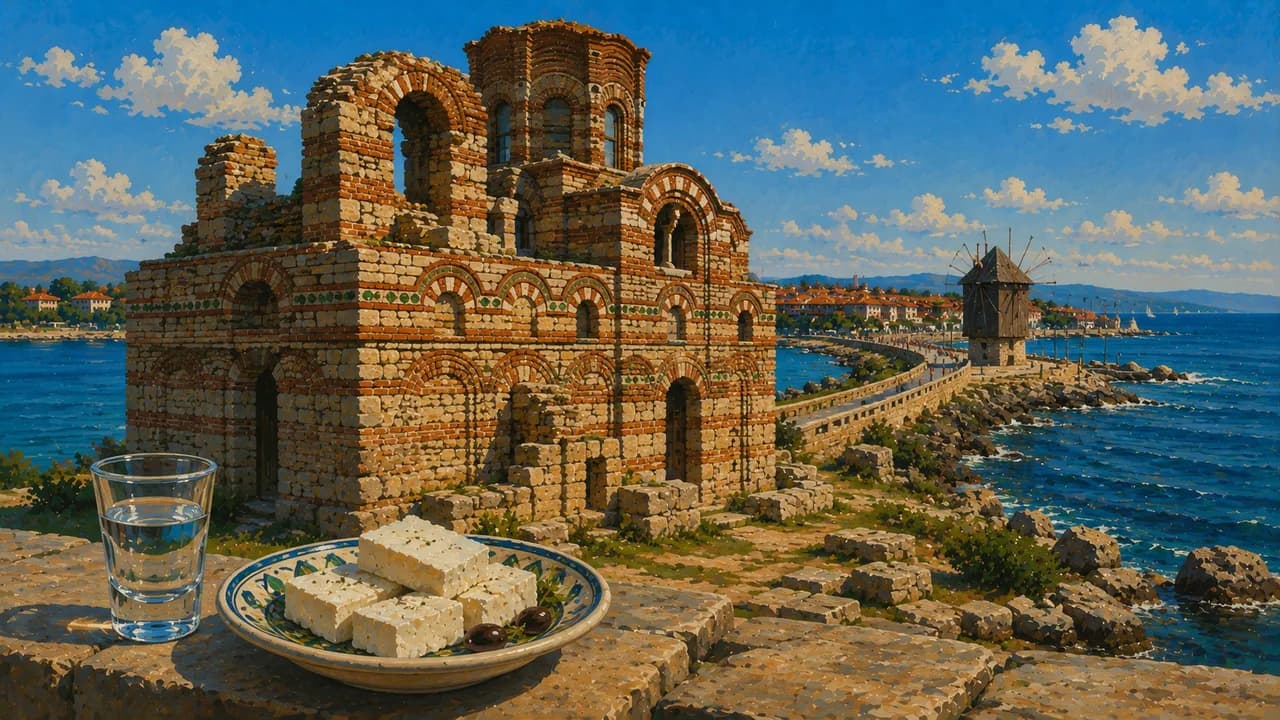
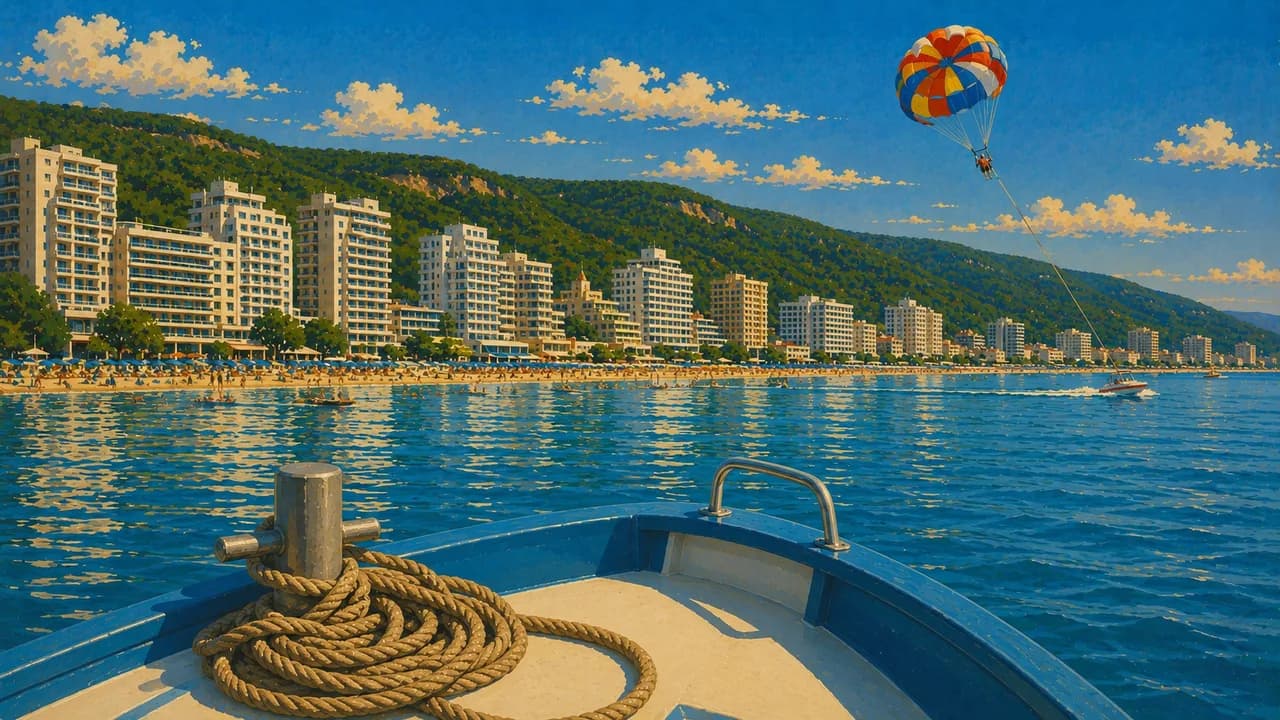
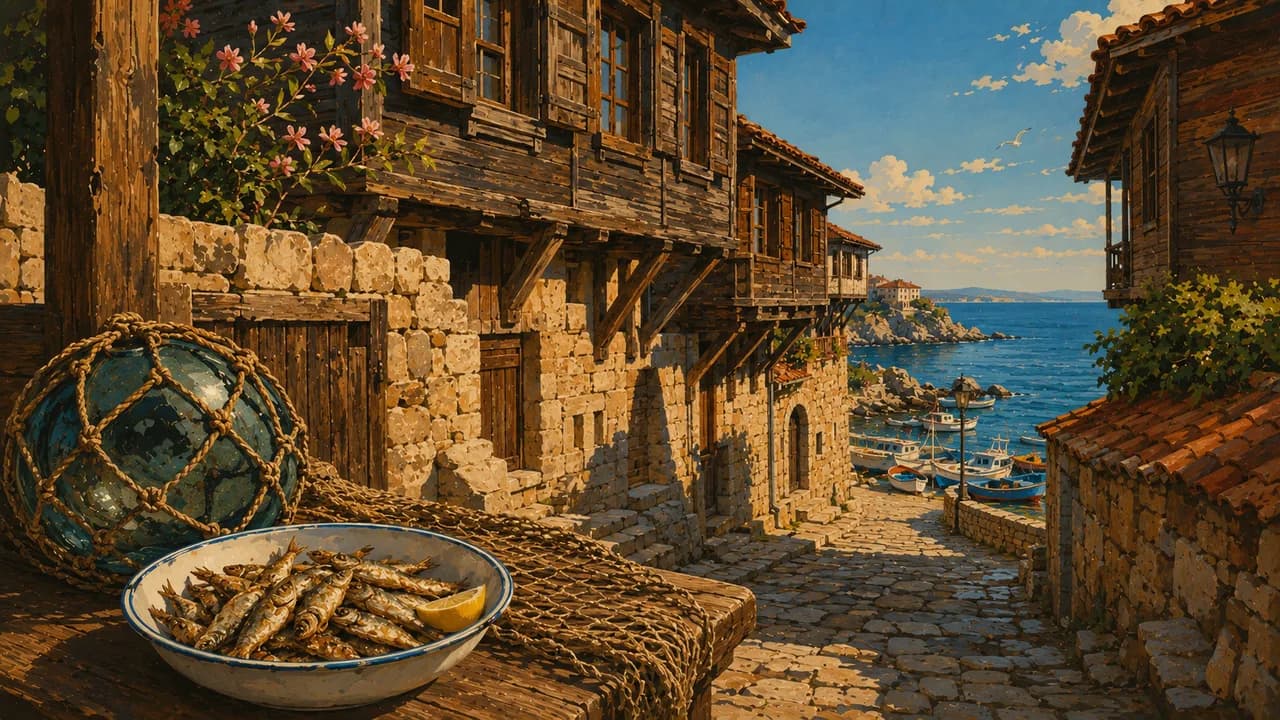
On the Black Sea coast, Varna and Burgas combine urban life with seaside promenades and nearby beaches. Nessebar’s historic peninsula is a UNESCO cultural property, while Sozopol has stone lanes and traditional houses. Sunny Beach and Golden Sands provide larger resort settings. Swimming and boat trips depend on sea conditions, and summer crowds differ markedly from the quieter shoulder seasons.
Melnik’s vineyards and sandstone surroundings broaden the southern landscape. Banitsa, yoghurt, shopska salad and local wines connect markets, taverns and regional cooking. Spring and autumn often favour cultural routes, while summer suits the coast and many mountain trips. Winter travel needs snow-aware planning. Bulgaria has used the euro since January 2026, so older references to lev payments are outdated.
AI edited
- 28
- Districts Bulgaria has 28 administrative districts. These differ from the six statistical regions.
- ≈ 6.42 million
- Population The national statistical institute reports 6,423,207 residents at 31 December 2025.
- ≈ 110,997 km²
- Area National statistical territory figure, rounded to the nearest square kilometre.
- Bulgarian
- Language Bulgarian is the official language and uses the Cyrillic alphabet.
- English & others
- Other languages English is used in many tourist settings. Other languages vary by place and provider.
- Euro (EUR)
- Currency Bulgaria adopted the euro on 1 January 2026. Euro cash became sole legal tender on 1 February 2026, replacing the lev.
- C · F
- Socket types Types C and F sockets, generally 230 V at 50 Hz. Check equipment and adapter compatibility.
- Sofia
- Capital Sofia is the capital. The clock follows Europe/Sofia.
- Right-hand traffic
- Driving side Vehicles drive on the right. Mountain roads and winter conditions can extend journey times.
- UTC+2 / UTC+3
- Time zone Eastern European Time is UTC+2 in winter and UTC+3 during daylight saving time.
- 7
- UNESCO cultural sites Seven UNESCO cultural inscriptions include Rila Monastery, Nessebar and the Kazanlak tomb. Three further inscriptions are natural heritage.
Bulgaria on the map

Map data: geoBoundaries (CC BY 4.0), © OpenStreetMap contributors (ODbL), Natural Earth
Climate and best time to travel
Bulgaria combines continental inland seasons, a milder maritime coast and colder mountain elevations. Spring and autumn often suit cities, monasteries and wine routes. Summer offers beach conditions and more high-mountain walking options, but heat, thunderstorms and rough water can alter plans. Winter skiing depends on snow, lifts and operating conditions. Rose flowering near Kazanlak usually falls in late spring and varies annually. Month chips describe typical planning windows rather than guaranteed weather, events or access.
Destinations in Bulgaria
 AI generated
 AI generated
 AI generated
 AI generated
 AI generated
 AI generated
 AI generated
 AI generated
 AI generated
 AI generated
 AI generated
 AI generated