Saint Vincent and the Grenadines
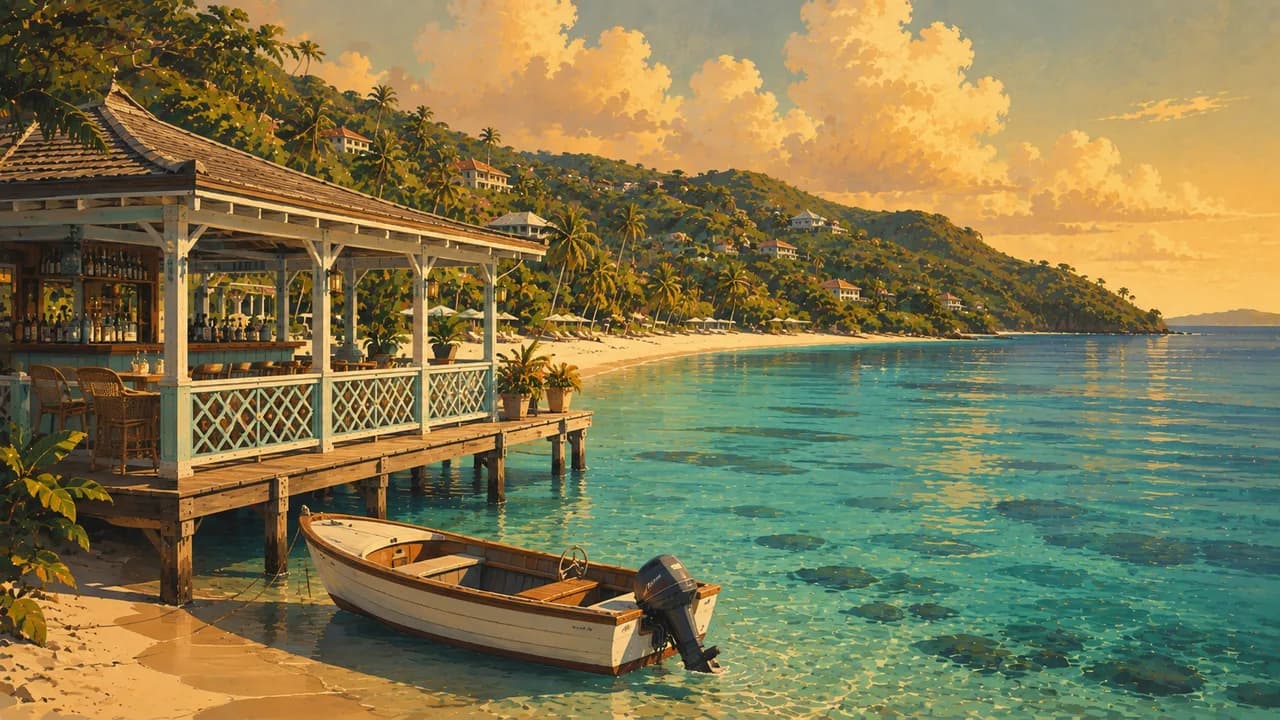
Volcanic rainforest, reef-fringed bays and a chain of sailing islands meet maritime traditions, living heritage and Caribbean flavours.
Worth coming back!
Wanderlama keeps growing with new destinations, helpful information and exciting features. Check back soon and discover what is new!
Travel to Saint Vincent and the Grenadines
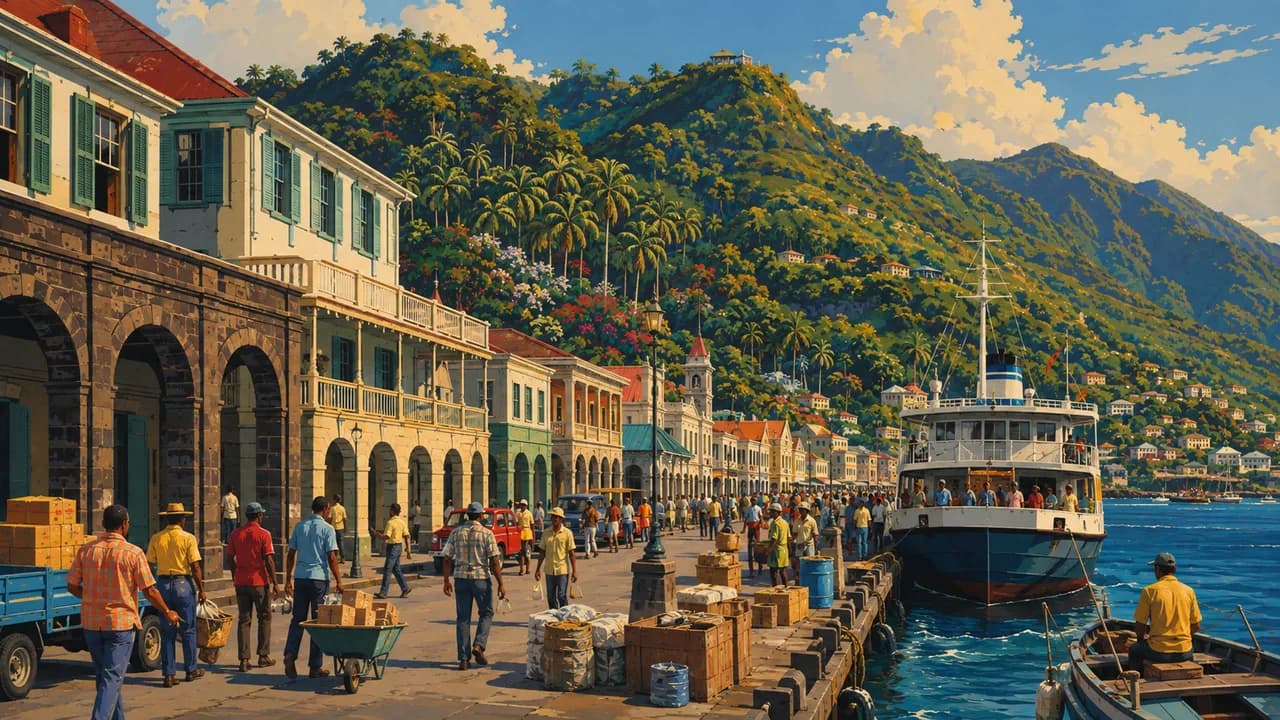
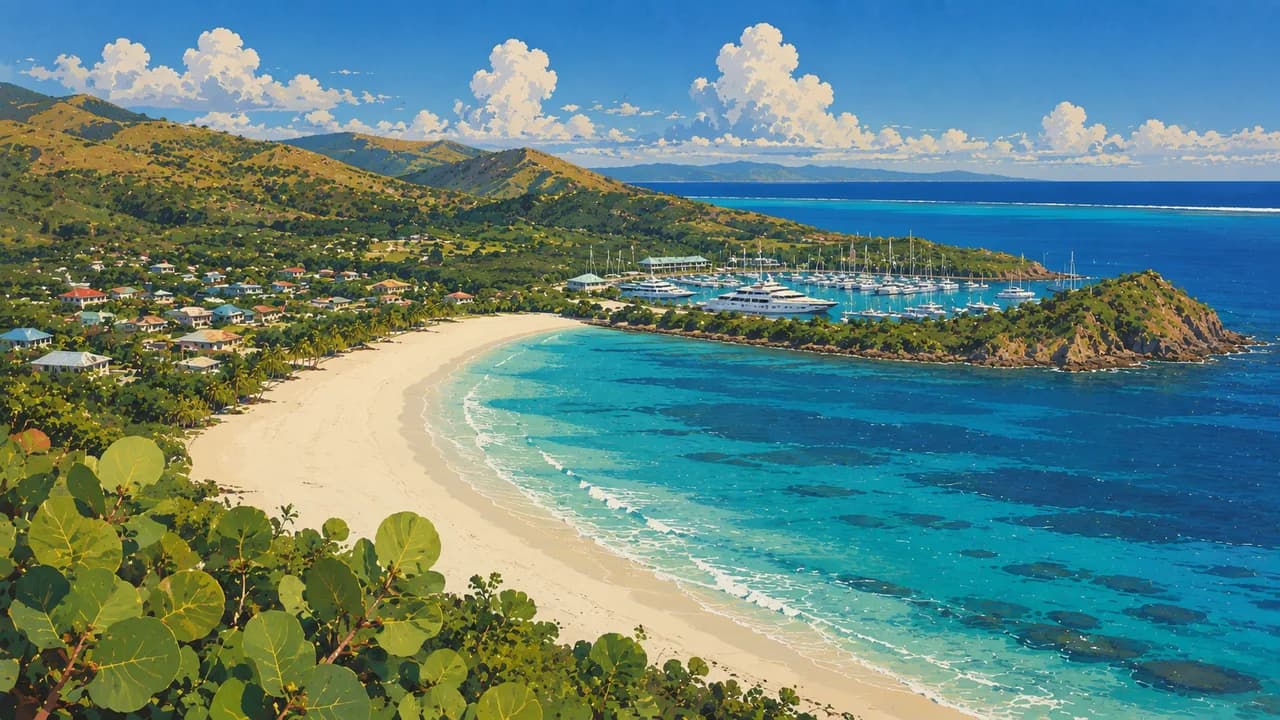
Saint Vincent and the Grenadines combines a mountainous volcanic main island with a chain of smaller islands and cays in the Lesser Antilles. Dark volcanic shores and rainforest contrast with pale Grenadine beaches and reef-fringed bays. The capital Kingstown brings together markets, churches and a working waterfront. Its historic Botanical Gardens introduce tropical plants and the island’s botanical heritage.
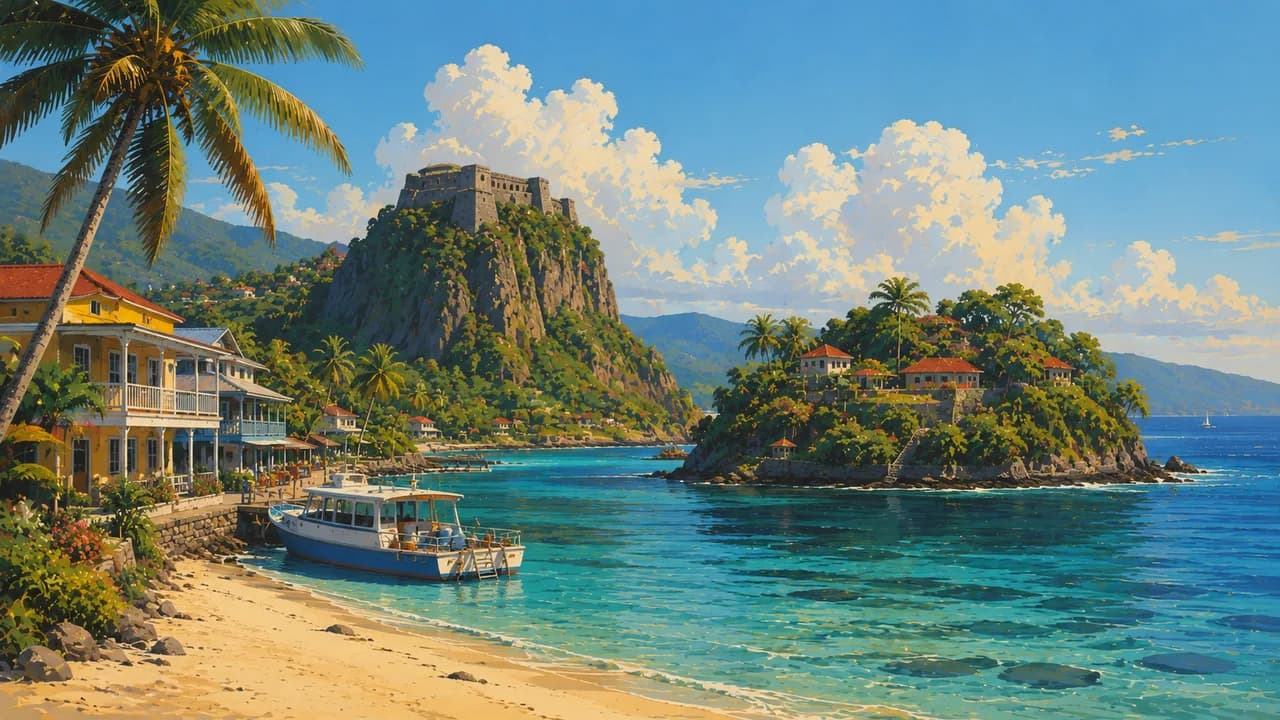
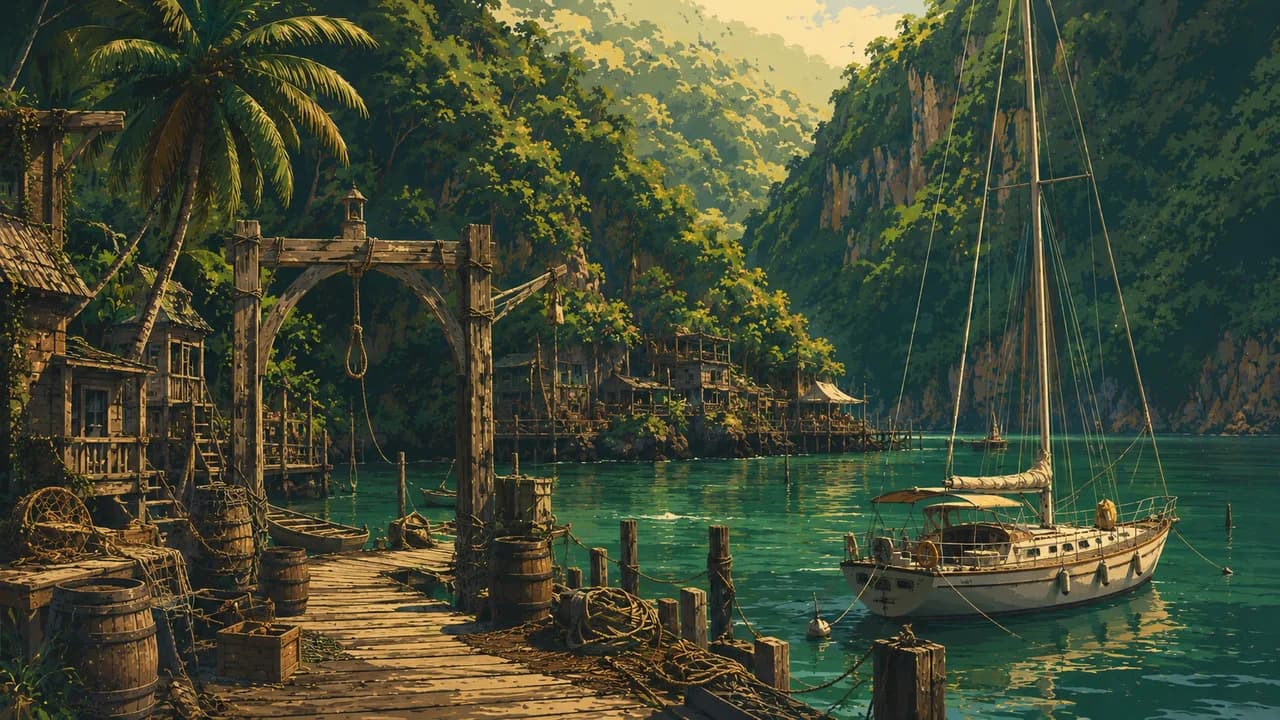
On Saint Vincent, La Soufrière dominates the northern highlands, while forested valleys and waterfalls reveal the island’s rugged interior. Dark View Falls adds cascades surrounded by tropical vegetation along the western side. Wallilabou combines a sheltered coastal setting with the island’s film-location heritage. Villa Beach offers a different southern shoreline close to the capital, linking beach stays with excursions around the main island.
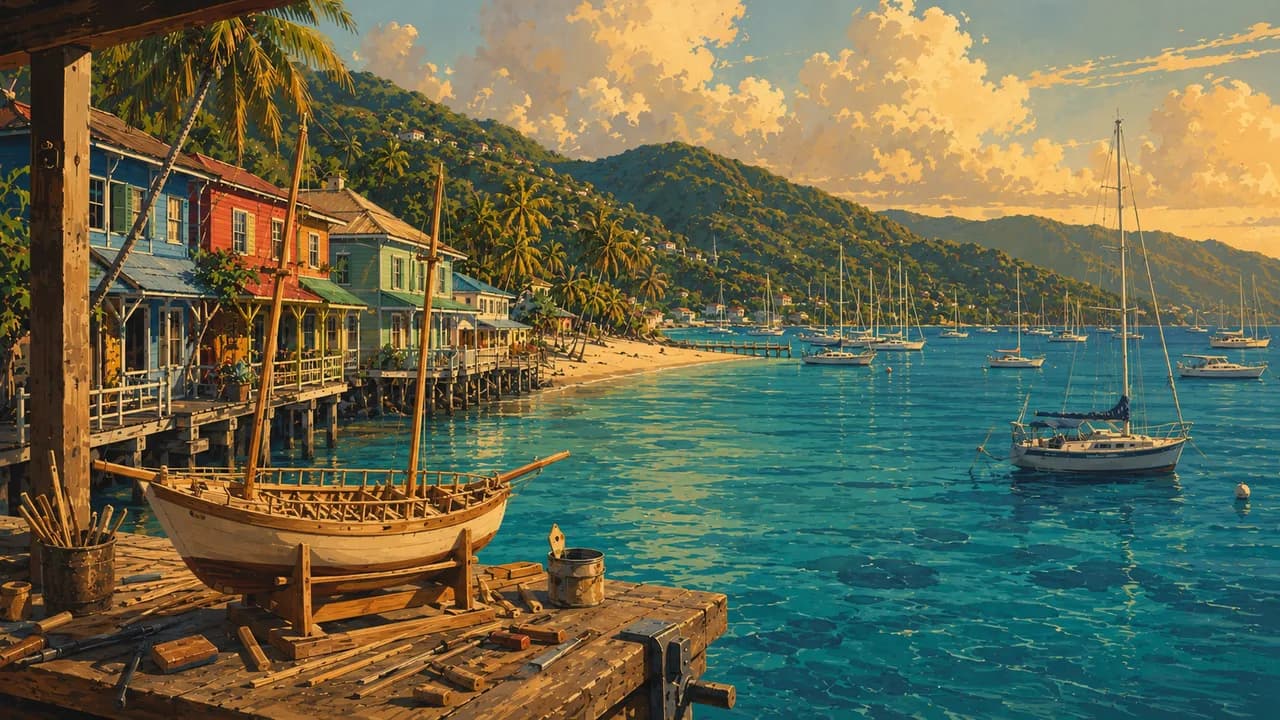
Bequia centres on Port Elizabeth and Admiralty Bay, where fishing, sailing and traditional boatbuilding shape the waterfront. Model boats and maritime heritage provide another perspective on life beyond the beaches. Mustique combines sandy bays and rolling hills with private villas, while Canouan brings together reef-lined shores, a village community and resort landscapes.
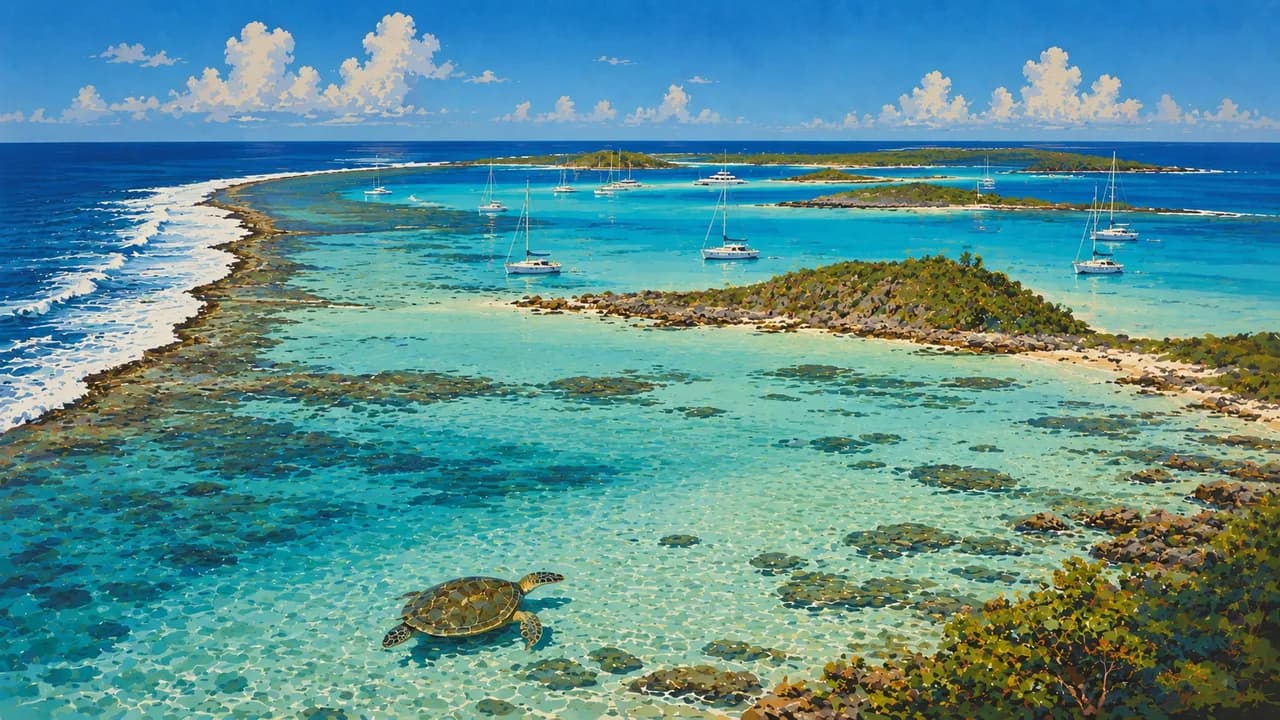
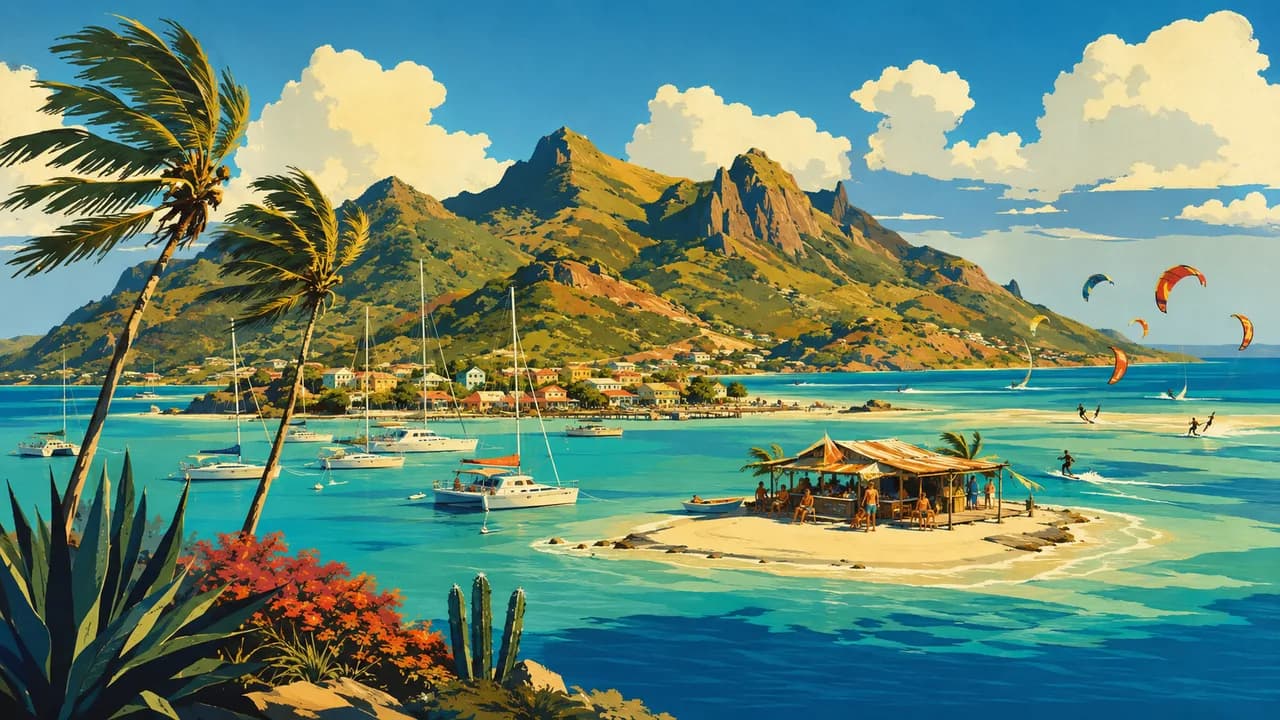
Farther south, Union Island’s harbour at Clifton connects village life with sailing through the southern Grenadines. The Tobago Cays Marine Park protects uninhabited islets, coral reefs and seagrass habitats used by sea turtles. Sailing, snorkelling and diving reveal these marine landscapes without making wildlife encounters or calm water a certainty.
Indigenous Kalinago and Garifuna heritage is central to the country’s history, alongside European colonial rivalry, plantation slavery and emancipation. Saint Vincent also holds an important place in Garifuna remembrance through the history of forced displacement to Central America. Vincy Mas expresses contemporary Vincentian creativity through costumes, calypso, soca and steelpan. Local cooking draws on seafood, root vegetables, tropical fruit and breadfruit, with roasted breadfruit and fried jackfish recognised as the national dish.
AI edited
- 32
- Islands & cays The island state comprises Saint Vincent and the northern Grenadines, with 32 islands and cays in total.
- ≈ 110,900
- Population Statistical Office total population estimate for 2022, 110,872. Rounded to 110,900, not a census count or a current estimate.
- 389 km²
- Area Approximate combined land area of Saint Vincent and its Grenadine islands, excluding surrounding territorial waters.
- English
- Language English is the official language, used in administration, education and formal communication.
- Vincentian Creole
- Other languages Local Creole speech is part of everyday conversation, music and storytelling alongside standard English.
- East Caribbean dollar (XCD)
- Currency The official currency is the East Caribbean dollar, code XCD, shared with other Eastern Caribbean states.
- A · B · G
- Socket types VINLEC standard supply is 230 V, 50 Hz. Types A, B and G are listed. Check the actual outlet and appliance voltage. An adaptor does not convert voltage.
- Kingstown
- Capital Kingstown, on Saint Vincent’s southwestern coast, is the capital, administrative centre and an important harbour for inter-island travel.
- Left-hand traffic
- Driving side Traffic drives on the left. Roads on the mountainous main island can be narrow and winding.
- UTC−4
- Time zone Atlantic Standard Time throughout the year, without daylight saving. Differences from browser and home time can change when those places switch clocks.
Saint Vincent and the Grenadines on the map

Map data: geoBoundaries (CC BY 4.0), © OpenStreetMap contributors (ODbL), Natural Earth
Climate and best time to travel
The islands have a tropical maritime climate, with a drier December–May season and wetter June–November season. Saint Vincent’s mountains receive more rain than the lower Grenadines. Outdoor month labels follow the broad drier window, not a promise of calm seas, wildlife sightings or access to mountain trails.