Martinique
Volcanic forests, contrasting shores and offshore islets meet living Creole culture, maritime traditions and distinctive island flavours.
Worth coming back!
Wanderlama keeps growing with new destinations, helpful information and exciting features. Check back soon and discover what is new!
Travel to Martinique
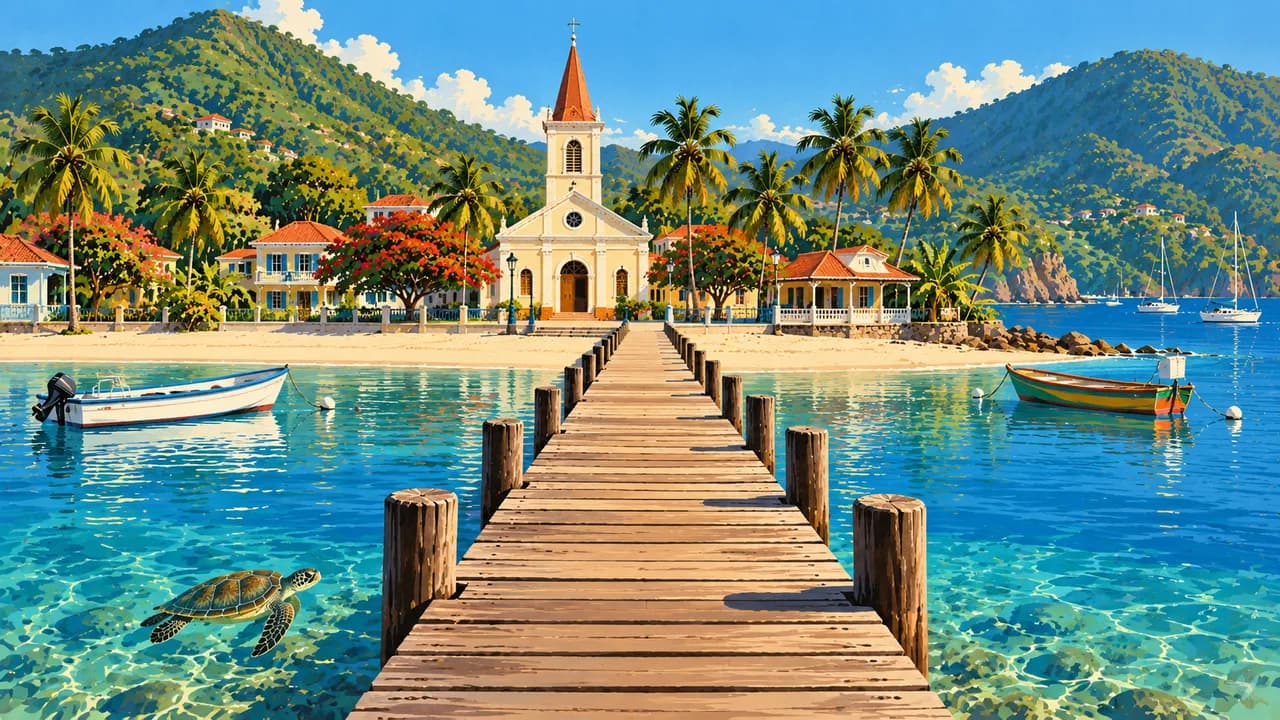
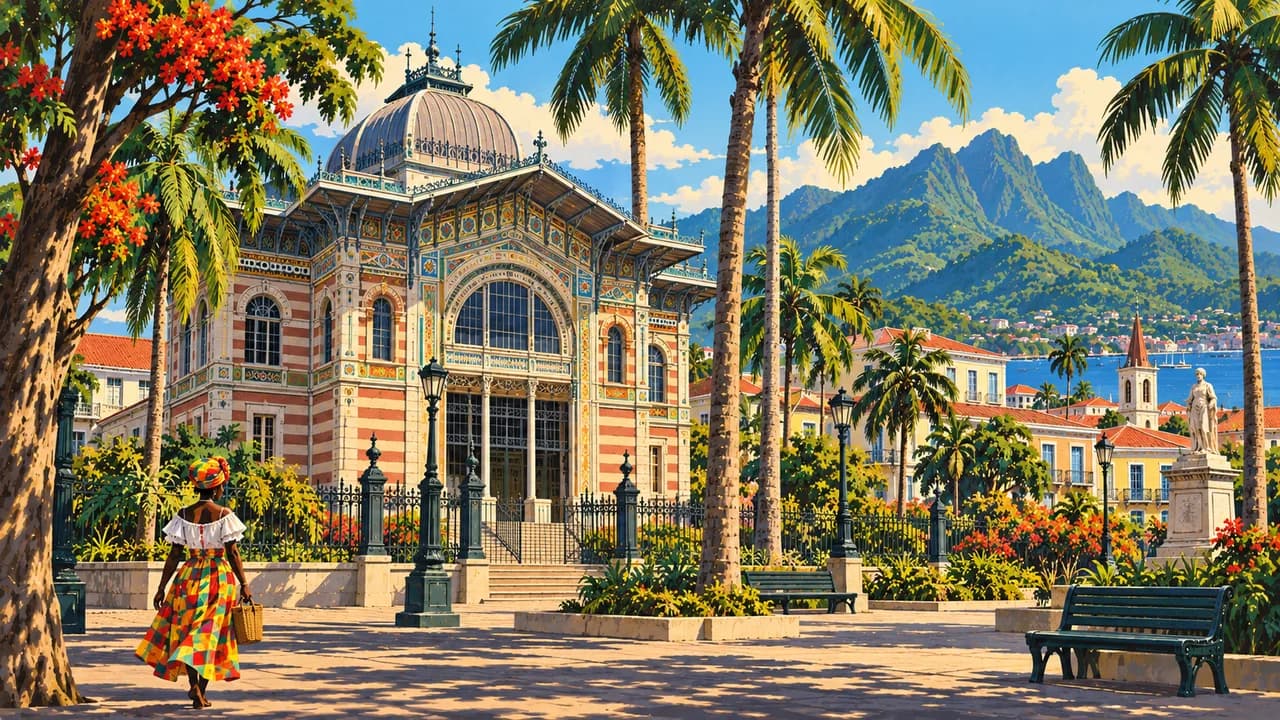
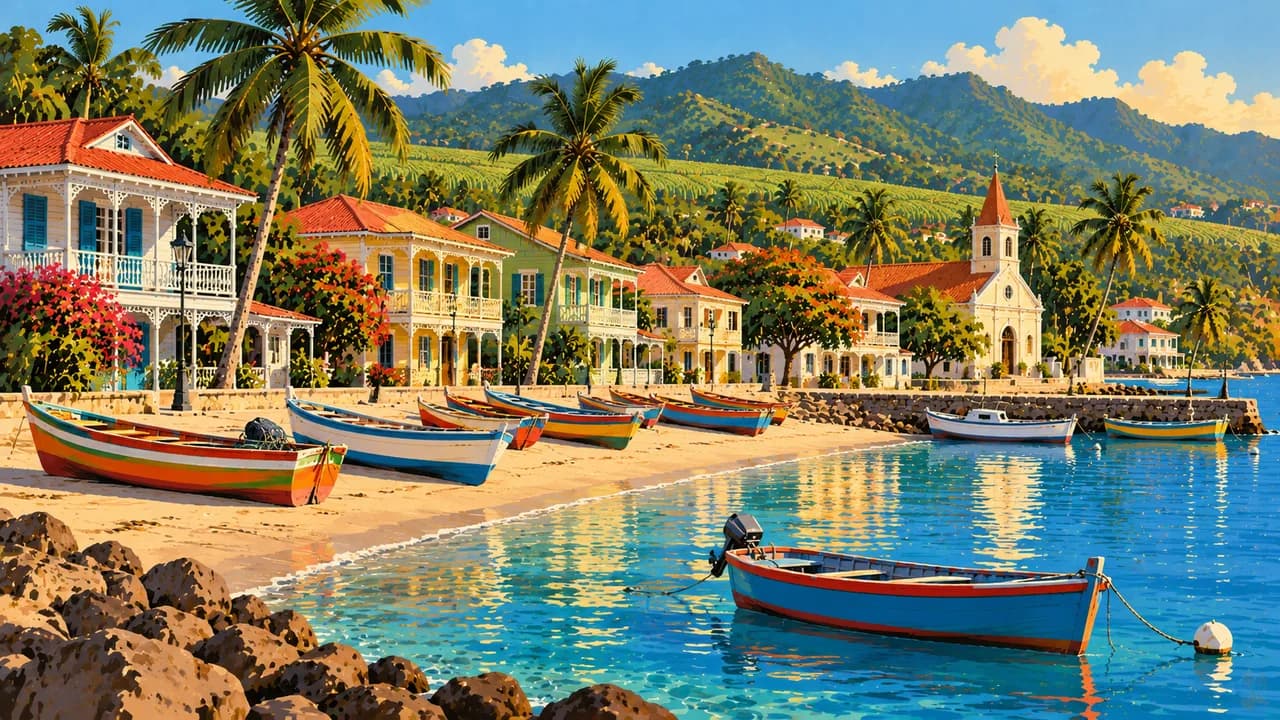
Martinique is a French Caribbean island in the Lesser Antilles, combining volcanic mountains, contrasting coasts and living Creole culture. Fort-de-France is its administrative and commercial centre, with markets, the ornate Bibliothèque Schœlcher and the waterfront around La Savane. Above the city, Jardin de Balata showcases tropical plants among wooded hills. French and Creole influences shape language, architecture and everyday life.
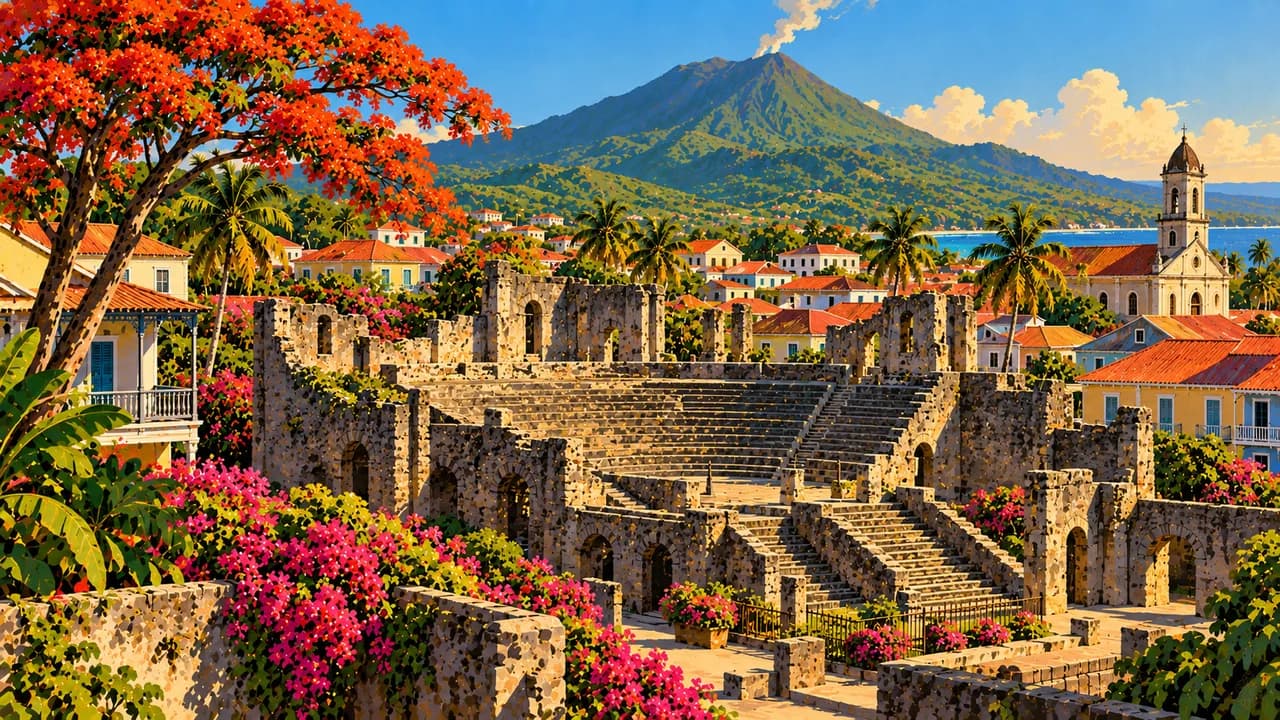
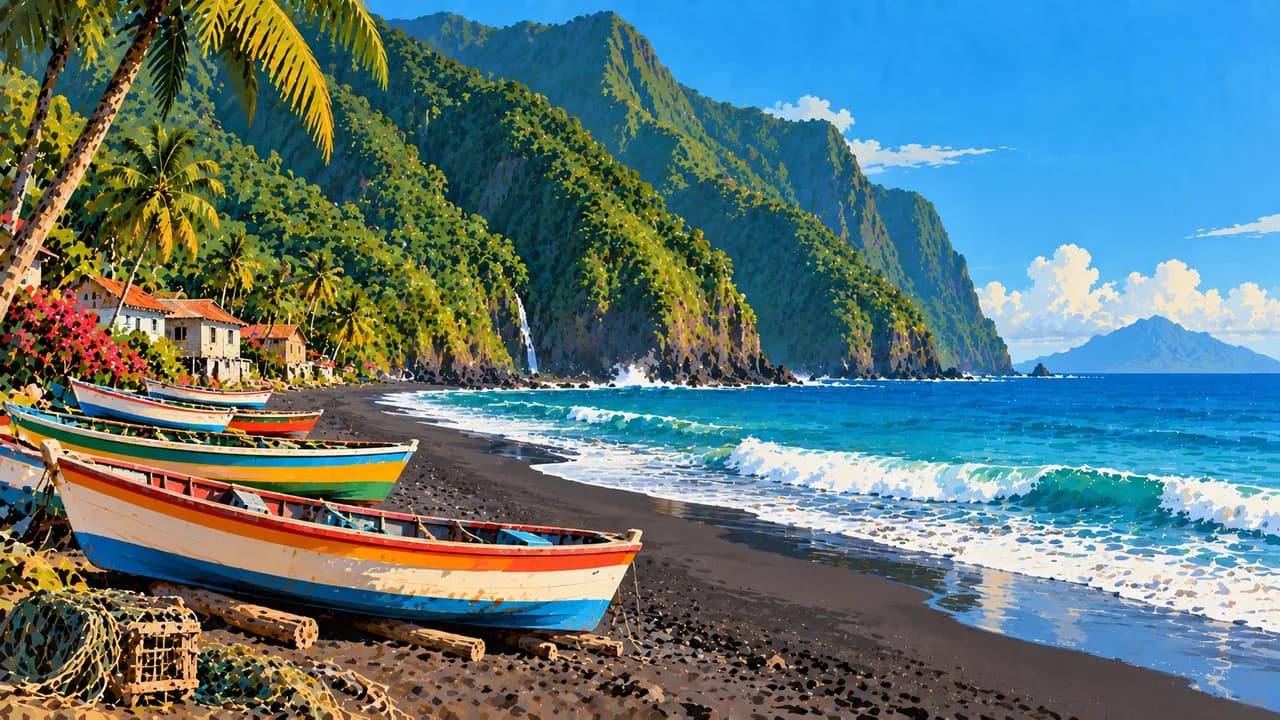
In the north, the UNESCO-listed volcanoes and forests encompass Montagne Pelée and the Pitons du Carbet, rather than the volcano alone. Saint-Pierre preserves ruins and museums recalling the catastrophic eruption that destroyed its former urban centre. Grand-Rivière adds a fishing community and forested coastal landscapes at the island’s northern edge. Mountain trails reveal a different setting from the southern resorts.
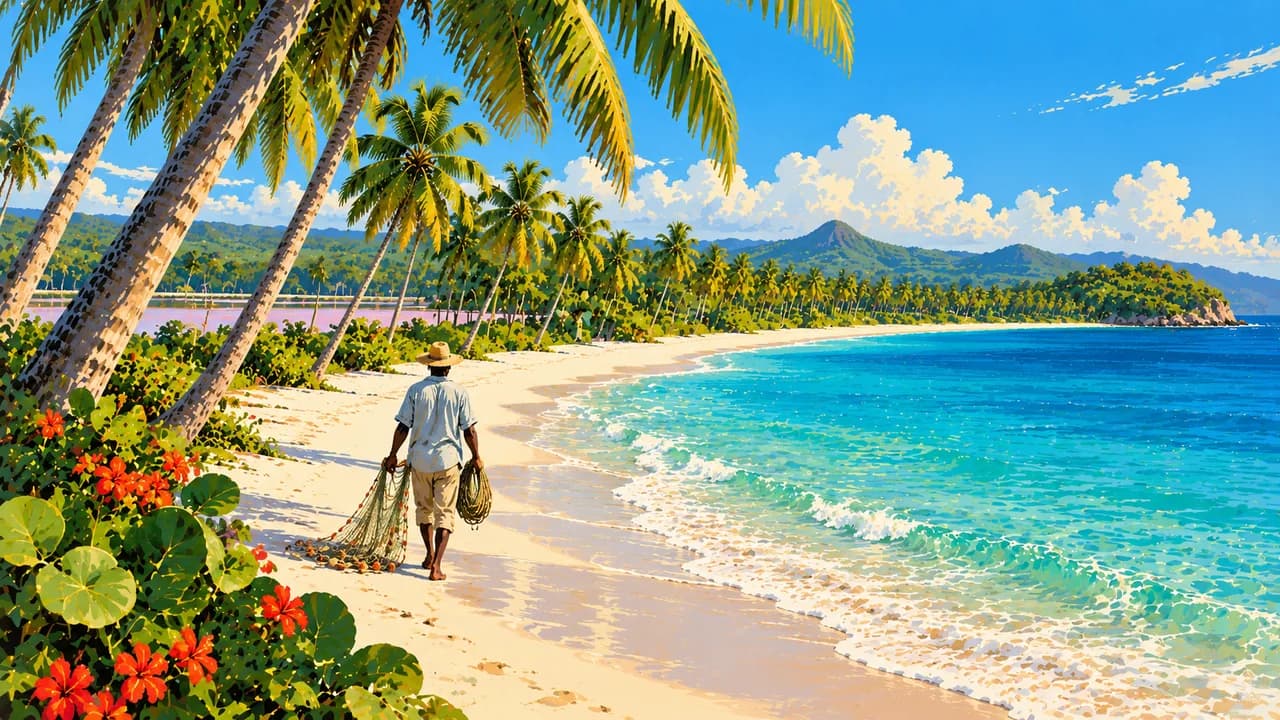
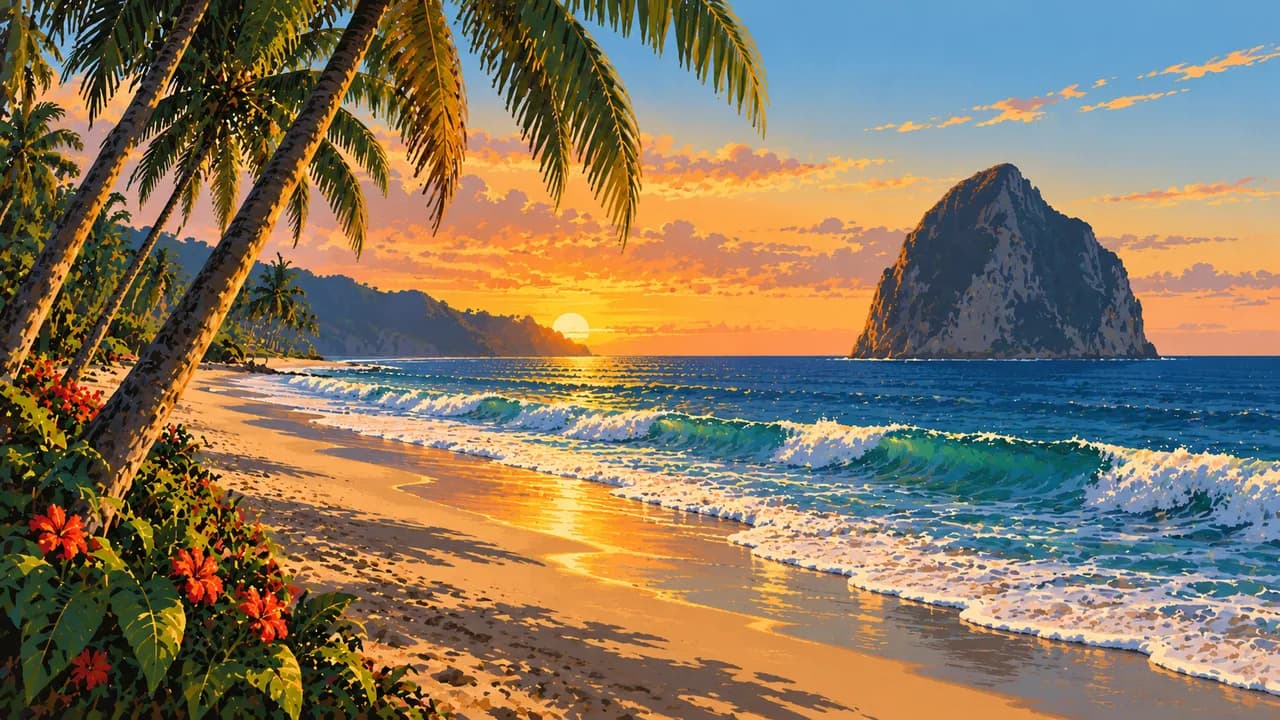
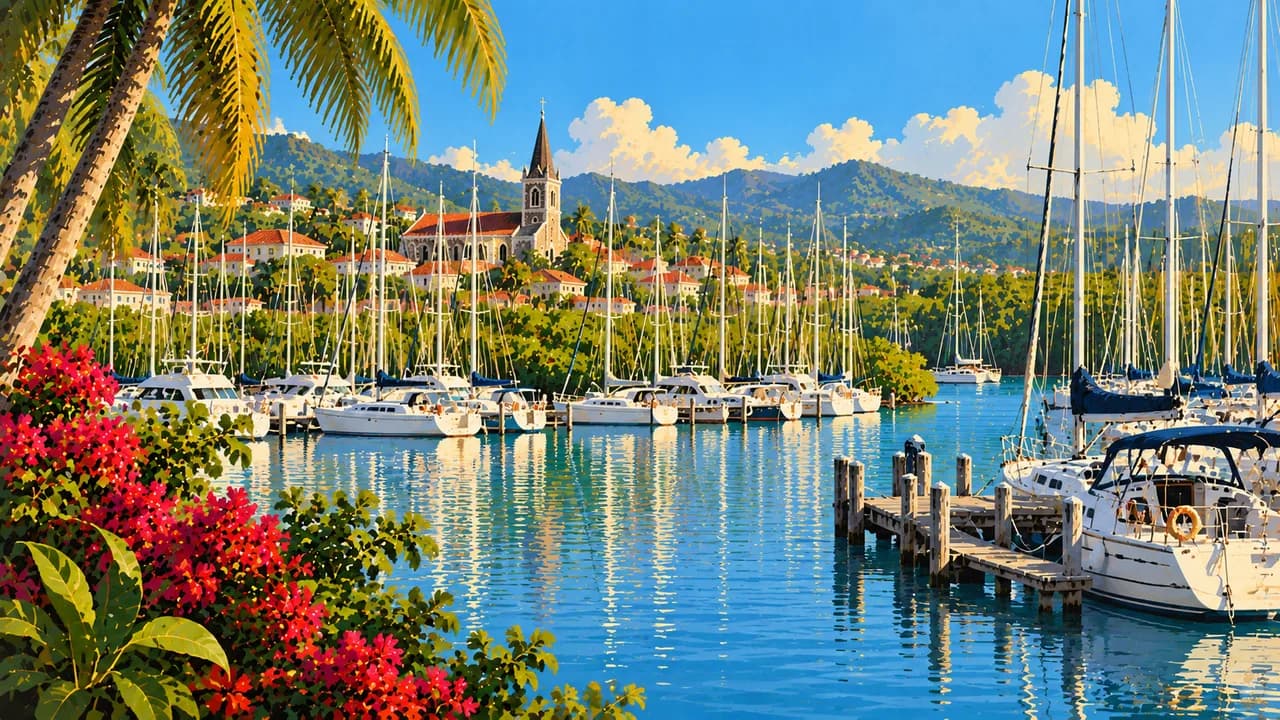
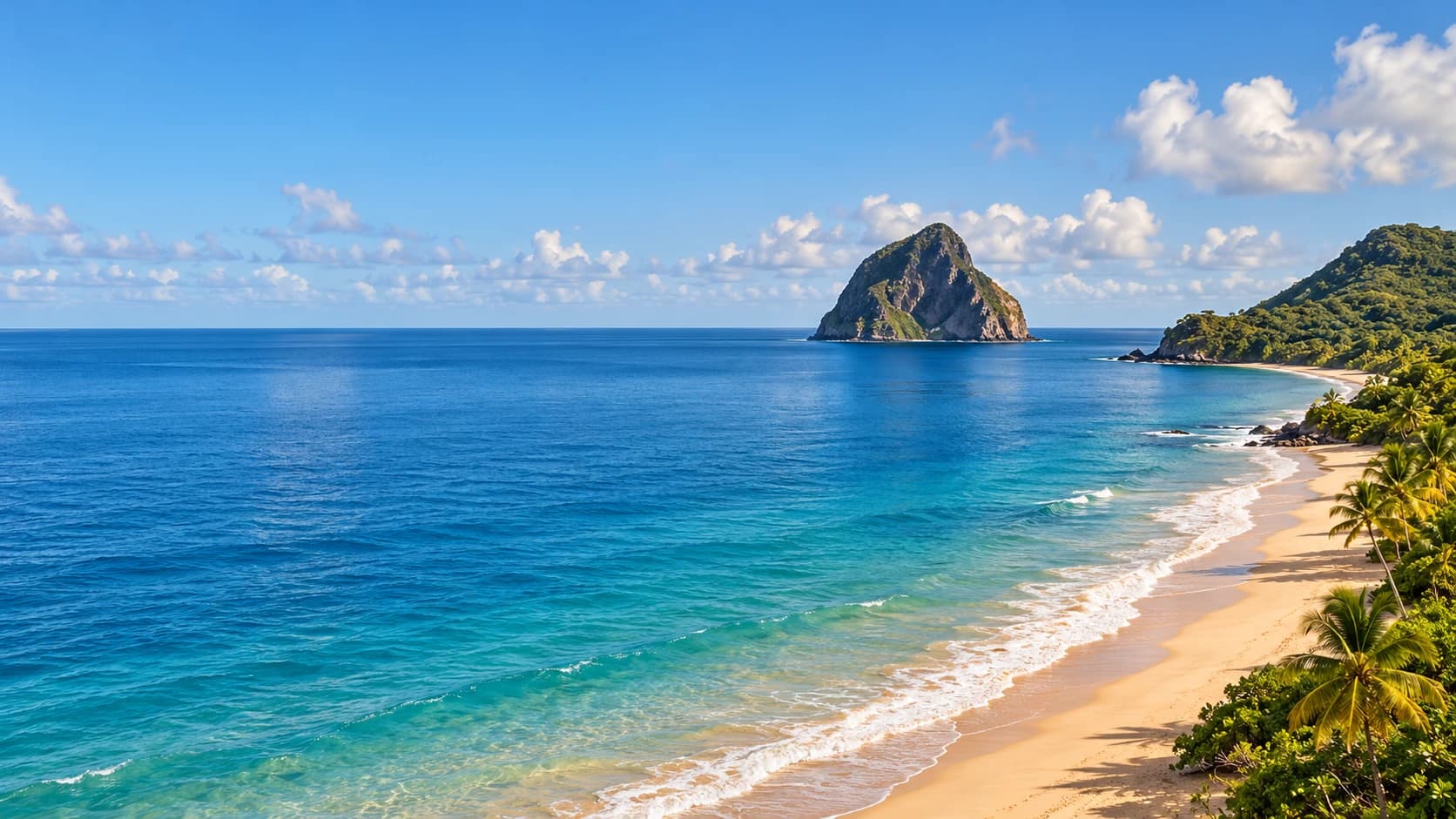
Les Trois-Îlets combines village heritage with the bays around Pointe du Bout. Les Anses-d’Arlet offers coastal villages and snorkelling areas, while Le Diamant faces the offshore Rocher du Diamant. Nearby Cap 110 commemorates victims of the slave trade. Sainte-Luce’s succession of coves leads towards Le Marin’s sailing harbour and the beaches around Sainte-Anne and Les Salines. Pale southern sands contrast with darker volcanic shores farther north.
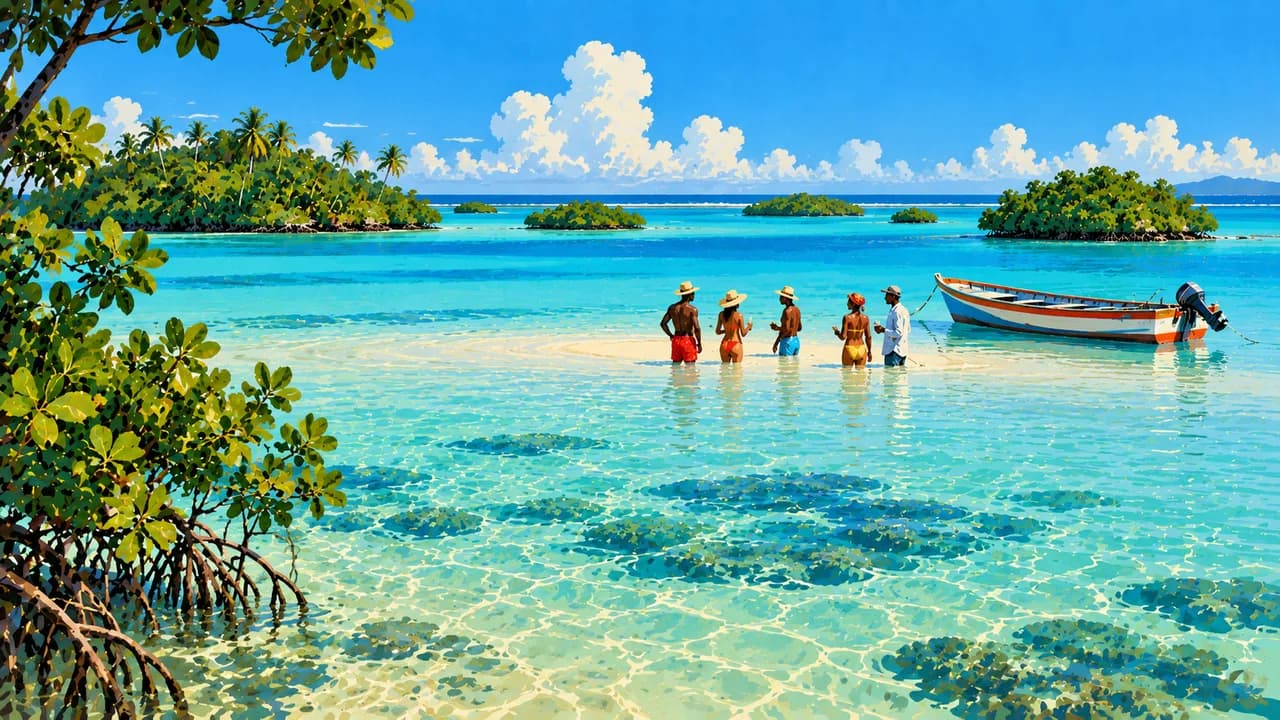
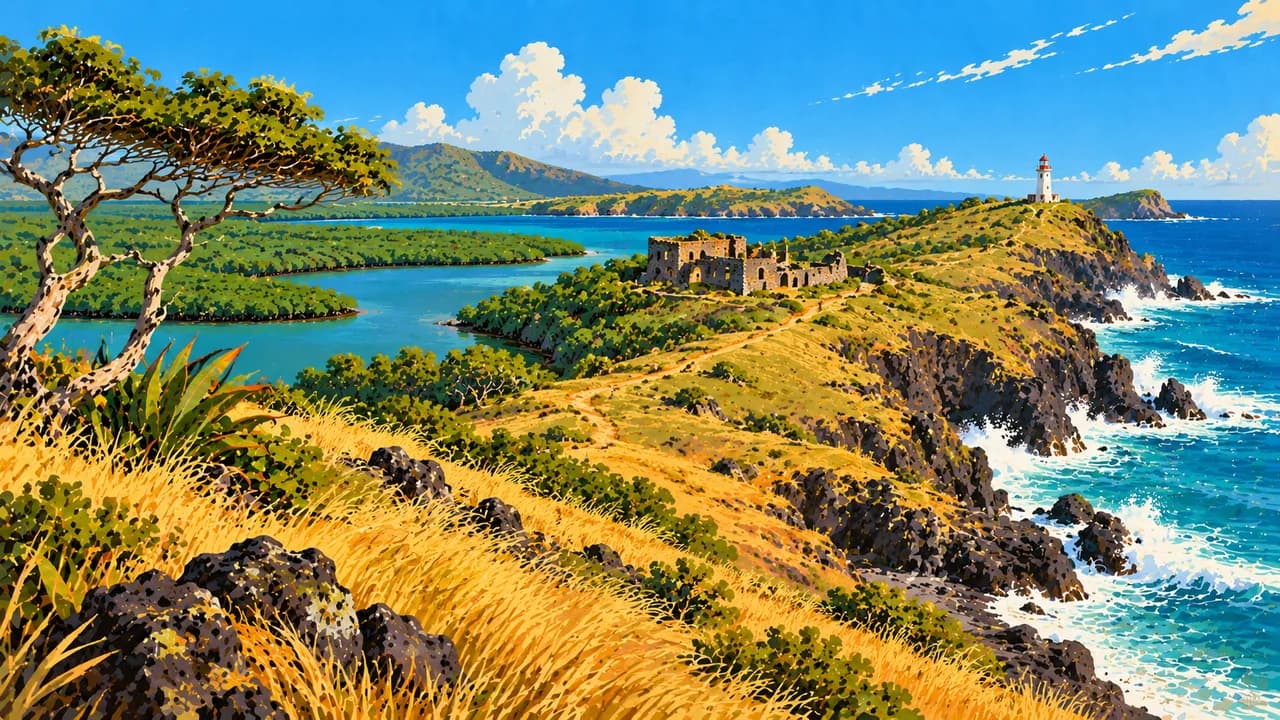
The Atlantic coast around Le François is known for its offshore islets and shallow sandy banks called fonds blancs. Traditional yole sailing connects these waters with Martinican maritime culture. On the Caravelle Peninsula, trails cross dry woodland, mangroves and exposed coastal scenery. Distilleries along the Route des Rhums introduce rhum agricole made from fresh sugarcane juice, including production protected by Martinique’s AOC designation.
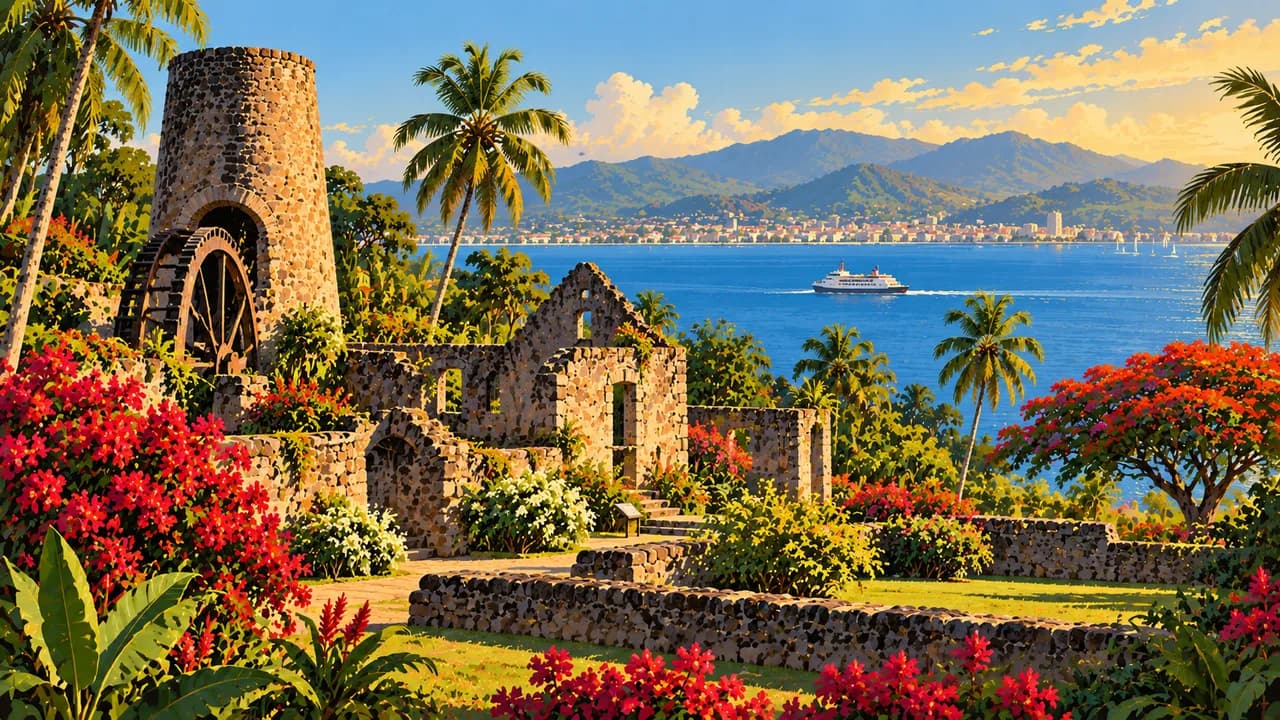
Plantation heritage and memorial sites provide context for the island’s colonial history, enslavement and emancipation. Contemporary Martinican identity also finds expression in literature, carnival and bèlè music and dance rooted in African heritage. Markets and small restaurants reveal Creole cooking through accras de morue, colombo and fresh fish with local seasonings. Tropical fruit, spices and sugarcane traditions connect the island’s landscapes with its food culture.
AI edited
- 34
- Communes Martinique has 34 communes. It is a French territorial collectivity, not an independent state.
- ≈ 360,600
- Population INSEE municipal population at 1 January 2023, 360,630. Rounded to 360,600, not a current estimate or the separate administrative population totale.
- 1,128 km²
- Area Approximate surface area of Martinique, excluding surrounding territorial waters.
- French
- Language French is the official language, used in administration, education and formal communication.
- Martinican Creole
- Other languages Martinican Creole is a French-based Creole used in everyday life, music, storytelling and cultural expression.
- Euro (EUR)
- Currency The official currency is the euro, code EUR, as in mainland France. Martinique does not use the East Caribbean dollar.
- C · D · E
- Socket types 220 V, 50 Hz. Types C, D and E are listed for Martinique. An adaptor changes neither voltage nor frequency.
- Fort-de-France
- Administrative centre Fort-de-France is the prefecture and principal administrative and commercial centre. Martinique is part of France, not a sovereign country.
- Right-hand traffic
- Driving side Traffic drives on the right, as in mainland France.
- UTC−4
- Time zone Atlantic Standard Time throughout the year, without daylight saving. Differences from browser and home time can change when those places switch clocks.
Martinique on the map

Map data: geoBoundaries (CC BY 4.0), © OpenStreetMap contributors (ODbL), Natural Earth
Climate and best time to travel
Martinique has a tropical maritime climate. The core drier Carême season is February to April, with wetter Hivernage from July to October and transitional months between them. Northern mountains are wetter than many southern shores. Month labels are broad activity windows, not guarantees of clear trails, calm seas or wildlife sightings.